
DbcultAccessing Vault...
Recommendations
Senior Film Conservator
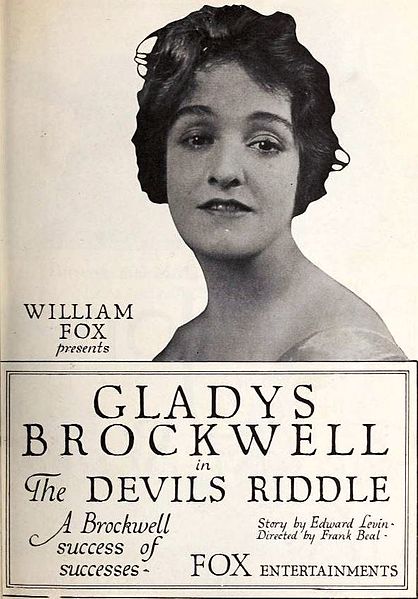
The evocative power of The Devil's Riddle (1920) continues to haunt audiences with its thematic gravity, the artistic provocations of The Devil's Riddle demand a follow-up of equal intensity. Explore the following titles to broaden your appreciation for Drama excellence.
The visceral impact of The Devil's Riddle (1920) stems from to transcend the limitations of its 1920 budget and technology.
During a raging Montana snowstorm, Doctor Jim Barnes collapses at Esther Anderson's cabin door. Esther offers Jim refuge, but when he discovers that their food supplies are running dangerously low, he braves the journey into town in order to replenish them. On the way, he is overcome with exhaustion and fails to return. Esther, unaware of Jim's condition and abused by her stepfather, joins a theatrical troop and leaves home. Time passes and Jim finally finds Esther, but a vindictive member of her troupe accuses her of having an affair with the manager and Jim believes the accusation. He leaves and Esther goes to New York City where she becomes engaged to a jealous artist, although she still loves Jim. Sam Tuttle, a long time friend, is aware of Esther's continuing love, and so brings Jim to New York City in time to save Esther from an unhappy marriage.
The influence of Frank Beal in The Devil's Riddle can be felt in the way modern Drama films handle thematic gravity. From the specific lighting choices to the pacing, this 1920 release set a high bar for atmospheric immersion.
Based on the unique thematic gravity of The Devil's Riddle, our vault has identified these titles as the most compelling follow-up experiences for fans of Drama cinema:
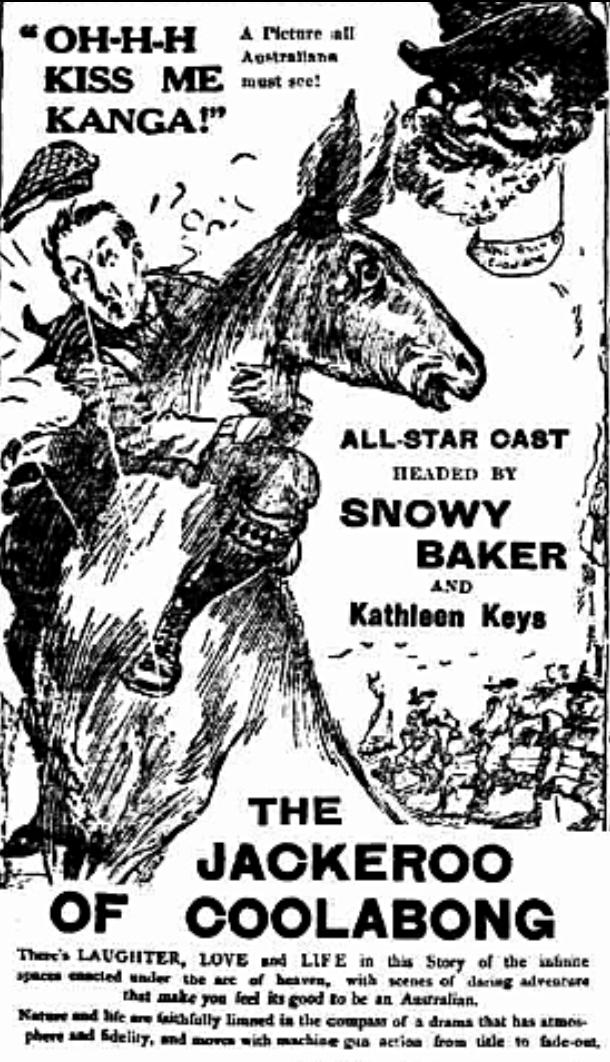
Dir: Wilfred Lucas
Brian O'Farrell (Snowy Baker), is an English 'new chum' who takes a job at an Australian cattle station. He is teased by station hands because of his appearance (including spats and a monocle) but he soon impresses them with his skills at riding and boxing. The station manager, John MacDonald (Wilfred Lucas), takes O'Farrell to Sydney to meet his daughter Edith (Kathleen Key) who is working in the slums. Edith is kidnapped by criminals after witnessing a crime but O'Farrell rescues her. It is later revealed he is the owner of the station.
View Details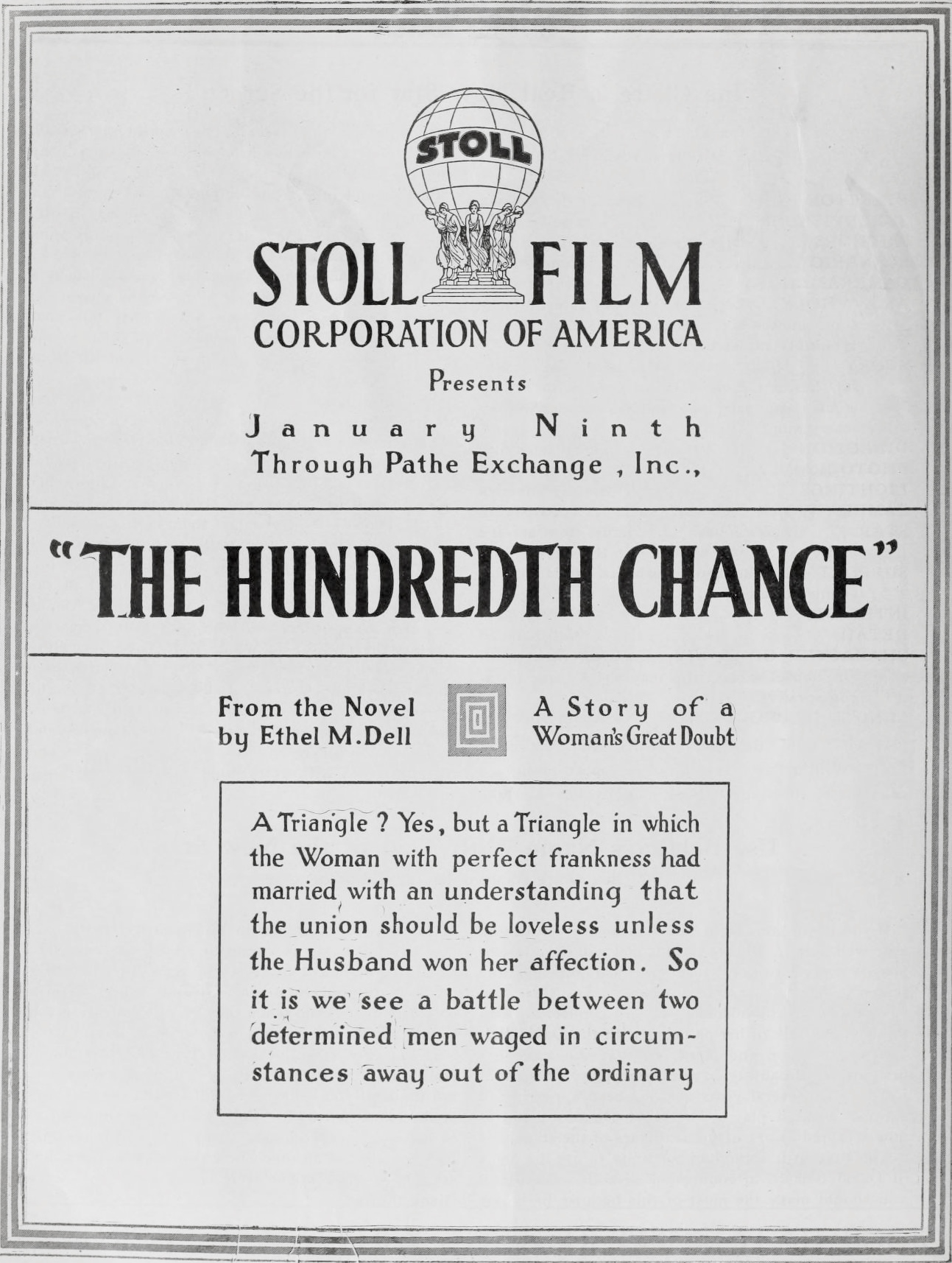
Dir: Maurice Elvey
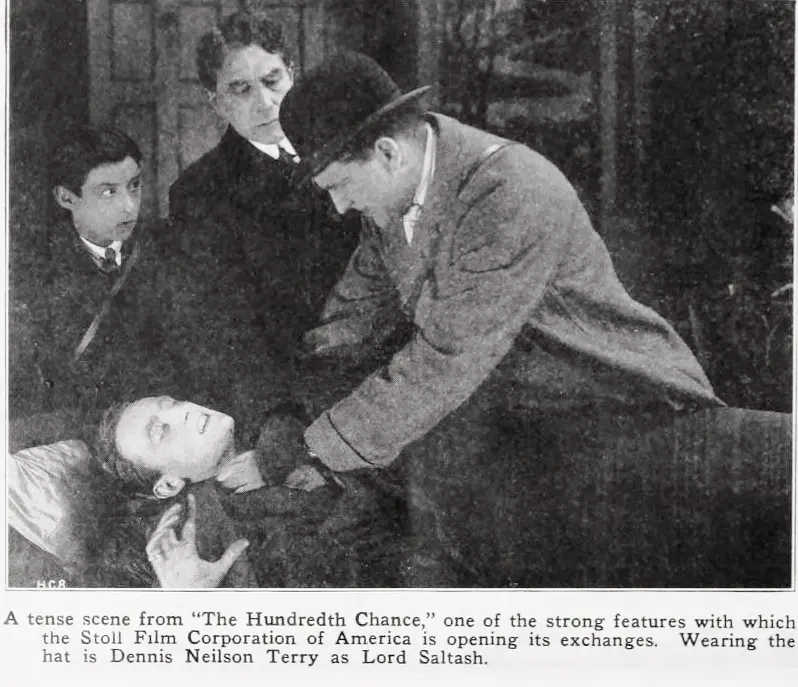
A lady marries a horse trainer but withholds herself until her crippled brother is cured.
View Details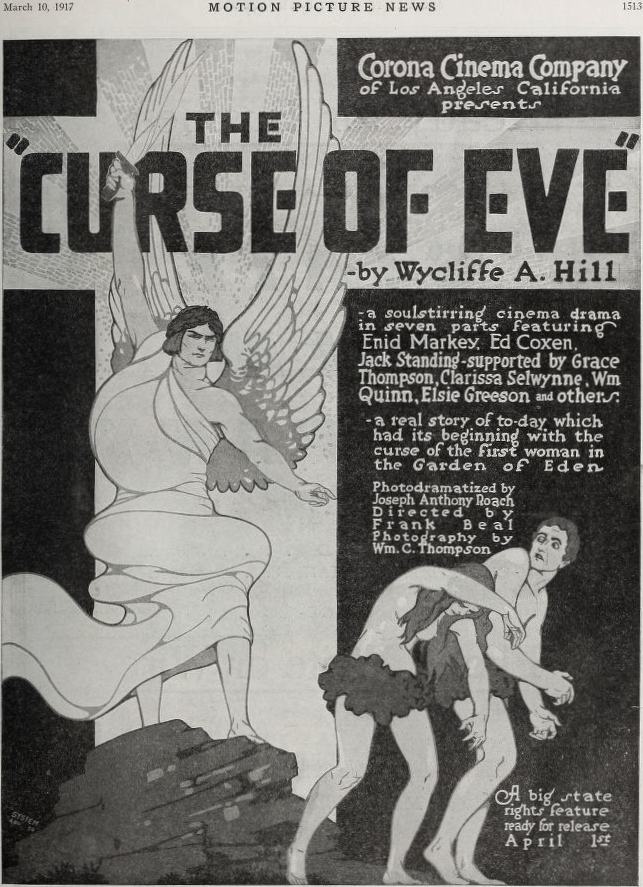
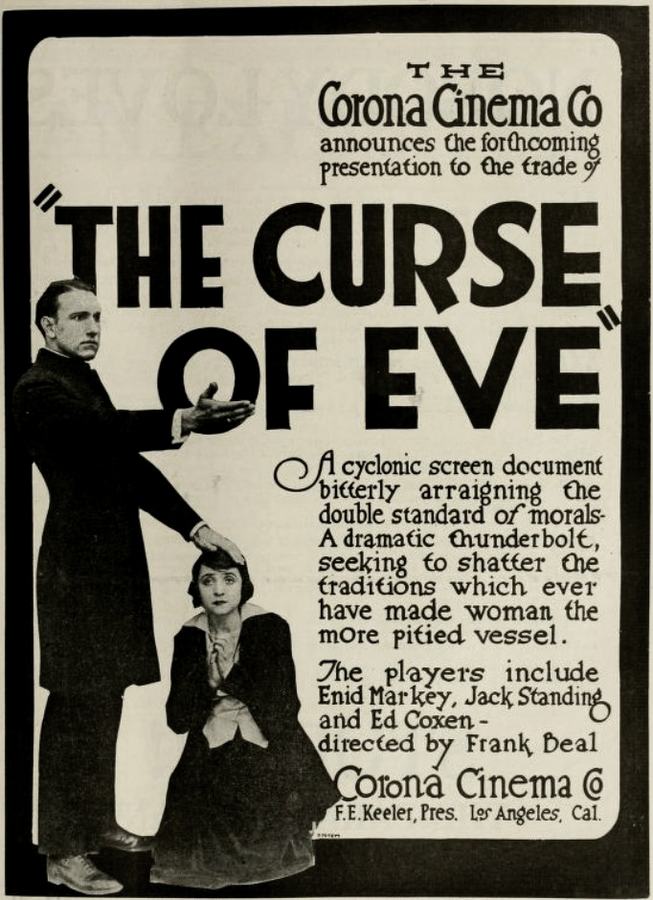
Dir: Frank Beal
When young Eva Stanley comes home from college, she finds that her mother is deeply involved in the movement to rescue "wayward" girls. Eva's boyfriend John Gilbert is sent west on a government job, and Eva finds herself lonely and neglected. She is lured onto the yacht of lecherous Leo Spencer, the dissolute brother of the district attorney. Leo drugs and then seduces Eva. When John returns home he finds that Eva is pregnant. They decide it's best for Eva to have an abortion, but when the D.A. finds out about it, he has them both John and the doctor arrested.
View Details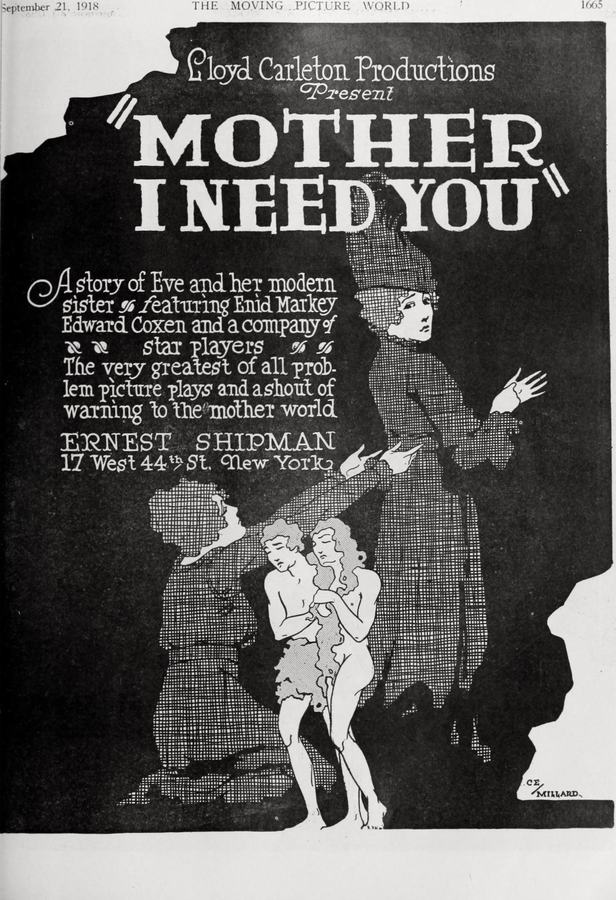
Dir: Frank Beal
A fascinating piece of cinema that shares thematic elements.
View Details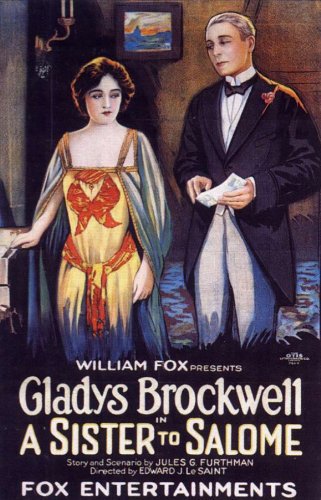
Dir: Edward LeSaint
When famous opera singer Elinore Duane undergoes an operation on her throat, she has a series of ether-induced visions. In one, she is transported to ancient Rome where she appears as a much-admired woman in love with Paul, a young heretic, and at odds with Lutor, the high priest. To save her love, she poisons Lutor with her ring. After several other visions which involve variations on this love triangle, Elinore awakens to discover that Lutor is actually her doctor, Sascha Jaccard, and that Paul is the son of a friend who has come to visit the recovering prima donna.
View Details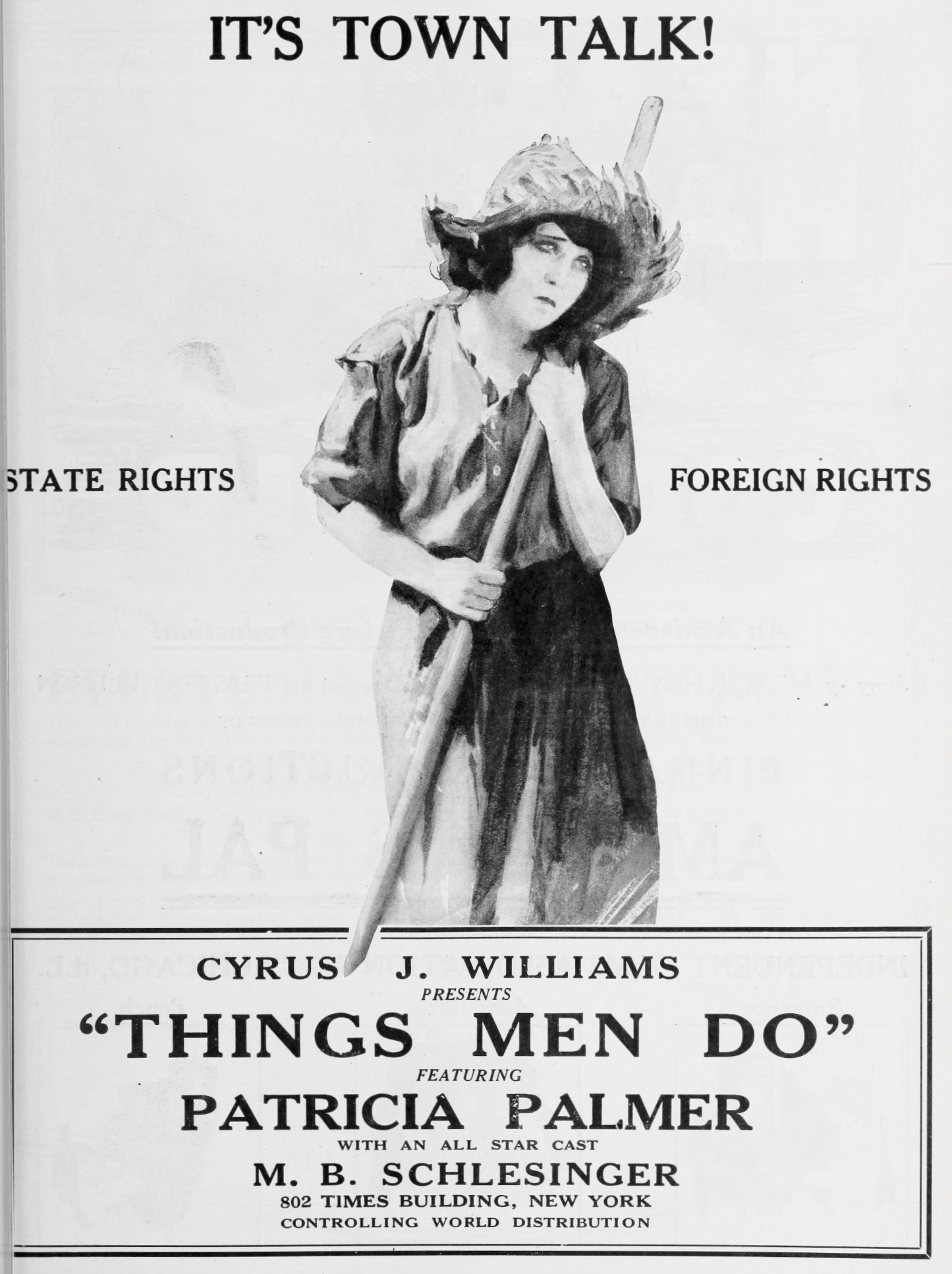
Dir: Robert N. Bradbury

A simple country girl, brutally mistreated by her stepfather, awakens first the sympathy, then the love, of The Boy. The Spider, who lusts after The Girl, makes a bargain with the stepfather and takes her to the city where, kept prisoner, she is soon broken in health and spirit. Cast out and near death, she is taken in by The Boy. Following the demise of The Spider, The Boy takes her to church, where he prays, and after many hours she is restored to health.
View Details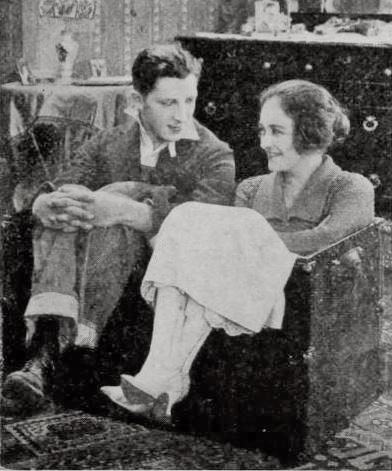
Dir: Frank Beal
Mazie Starrett is a member of a band of thieves headed by Henry Hartland. Her boyfriend Jimmy Britton decides to go straight, and Mazie agrees to marry him when he convinces her that he can make as much money honestly as illegally. While Jimmy works as a truck driver, Mazie is arrested for shoplifting, but customer Allison Cabot obtains her release and befriends her. Meanwhile, Henry romances Allison, who is actually using him to help clear her lover who is in jail for the disappearance of valuable documents which she suspects are in Henry's possession. Mazie seduces Henry, and with Jimmy's help, recovers the papers. A sympathetic police inspector allows Mazie and Jimmy to go away and begin a new life free of crime.
View Details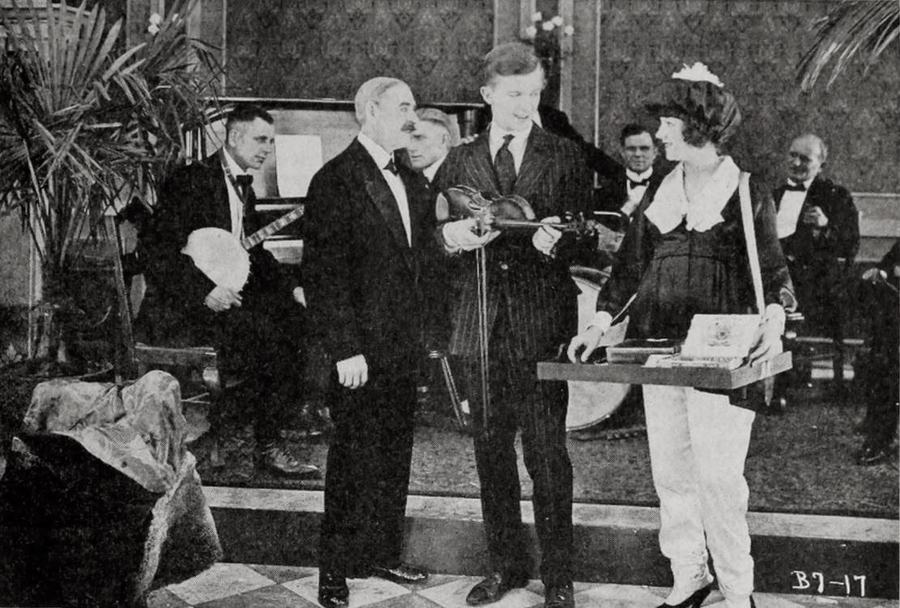
Dir: Frank Beal
After Tommy Breen, a virtuoso violinist, loses his factory job because the employees have extended their lunch hour listening to him, June Norton, a cigarette girl who lives in the same boardinghouse as Tommy, sympathizes with him and becomes the inspiration for his song, "When You Smile with Your Eyes in Mine." Song publisher Simon Berg signs Tommy, and after the song becomes a great success, Tommy forgets June as he surrounds himself with Broadway lowlife, spends extravagantly, and becomes infatuated with Mona Merwin, a musical comedy performer. When Berg tells Tommy to write a song about home, Tommy, never having had one, fails. After June asks Berg to help her save Tommy from himself, he decreases Tommy's royalty checks. Tommy's Broadway friends desert him when the checks stop coming, and Tommy becomes destitute until Berg sends him to a country cottage he has purchased in Flatbush, where Tommy finds June waiting to marry him. Now inspired, Tommy writes a hit song about home.
View Details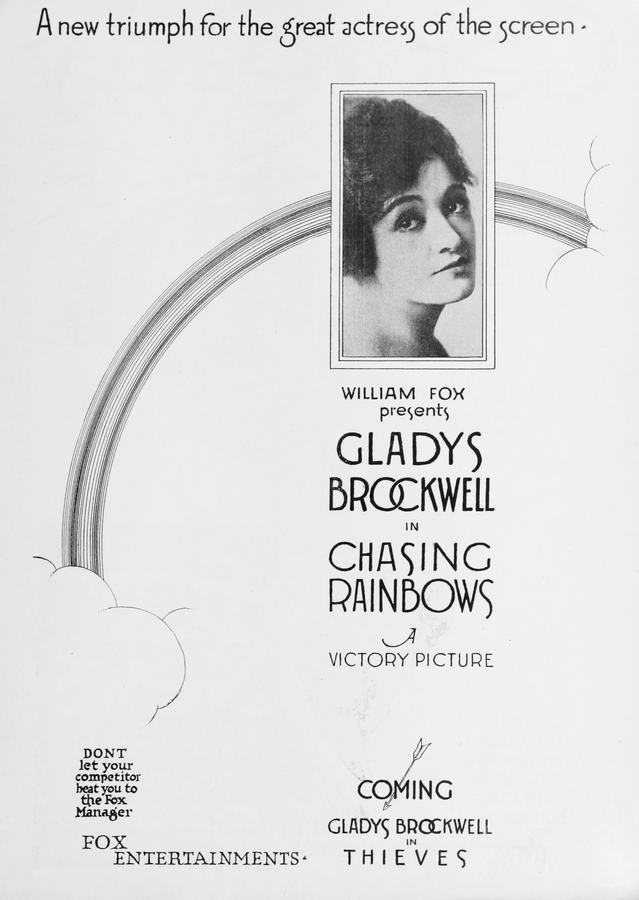
Dir: Frank Beal
When Sadie, a waitress in a Kansas City railroad station, discovers that her lover Jim Lacy is married and has a child, she transfers to the small desert town of Bagdad, determined to hate all men, but the open spaces and friendliness of the people work to soften her attitude. She falls in love with Billy Thompson, the restaurant's manager, after they rescue an Indian girl from her furious lover. After Sadie saves Billy from the vengeful lover, Billy starts prospecting for gold for money to marry her. Lacy finds Sadie and pleads for help to allow him to go East to escape the law, which is after him because of a shooting. On the condition that he will never return, Sadie helps him win money at a crooked roulette game. Before he leaves, Lacy reveals, to Sadie's horror, that the man he shot was Billy, but she finds Billy unharmed and the lovers marry.
View Details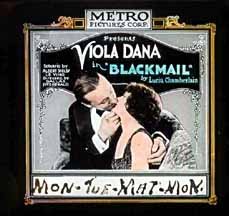
Dir: Dallas M. Fitzgerald
Confidence artist Flossie Golden attempts to fleece foolish but wealthy James Venable with a breach-of-promise suit. Venable's shrewd attorney, Richard Harding, outwits Flossie by proposing that she marry Venable and live on an allowance of $3,000 per year. Flossie is determined to get even with Harding for ruining her plans. In an attempt to con him, she poses as Innocence Page, but falls in love and marries him instead. Larry, Flossie's former accomplice, endeavors to blackmail her with her errant past, but Harding is already cognizant of the facts and Larry fails.
View DetailsAnalysis relative to The Devil's Riddle
| Film Title | Atmosphere | Complexity | Similarity |
|---|---|---|---|
| The Jackeroo of Coolabong | Ethereal | High | 85% Match |
| The Hundredth Chance | Gritty | Dense | 87% Match |
| The Curse of Eve | Gothic | Abstract | 97% Match |
| Mother, I Need You | Ethereal | High | 90% Match |
| A Sister to Salome | Gothic | High | 88% Match |
This guide was algorithmically generated using the cinematic metadata of Frank Beal's archive. Last updated: 6/28/2026.
Back to The Devil's Riddle Details →