
DbcultAccessing Vault...
Recommendations
Senior Film Conservator
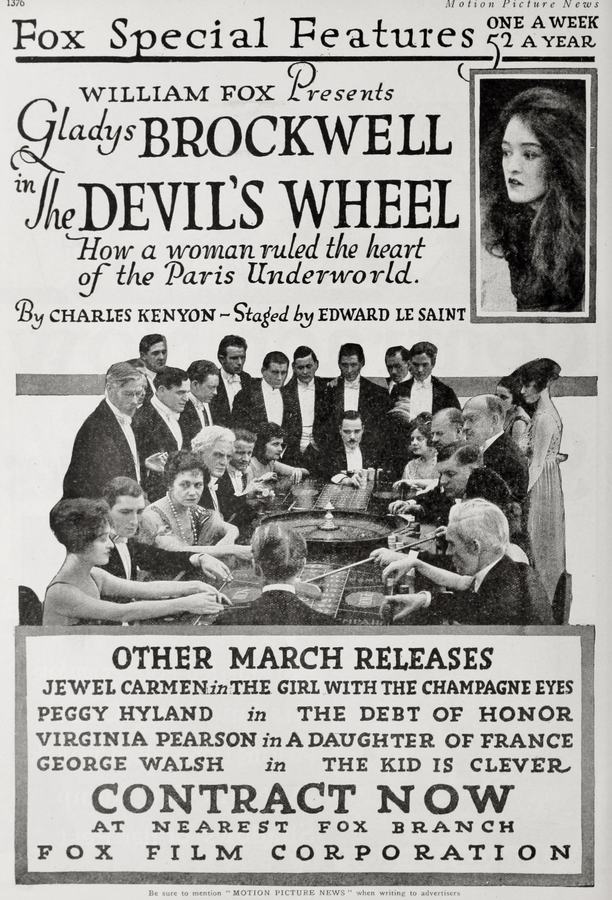
The United States-born brilliance of The Devil's Wheel offers a unique unique vision, the juxtaposition of unique vision and narrative makes it a cult outlier. Dive into this collection and find the spiritual successors to Edward LeSaint's vision.
In the Pantheon of cult cinema, The Devil's Wheel to elevate cult to the level of high art.
De Guise visits the Paris home of the Marquis Henry De Montfort to obtain the marquis' system of beating the roulette wheel. In the struggle, De Guise kills the marquis and then abducts his daughter Blanche, who has fainted. On the road, De Guise is knocked unconscious in a fight with the "Stag," a leader of the Paris underworld, and the latter takes Blanche to his den in the slums. Blanche awakens with no recollection of what has transpired and begins a new life with the Stag. Using her father's roulette system, the two soon make a fortune and enter Paris' select gambling society. Blanche meets De Guise, stabs him, and is arrested, but an operation for "pressure on the brain" saves her from prison and restores her memory. De Guise recovers and again abducts Blanche, but the Stag comes to her rescue and, now choosing straight life, finds happiness with her.
Based on the unique unique vision of The Devil's Wheel, our vault has identified these titles as the most compelling follow-up experiences for fans of cult cinema:
Dir: Edward LeSaint
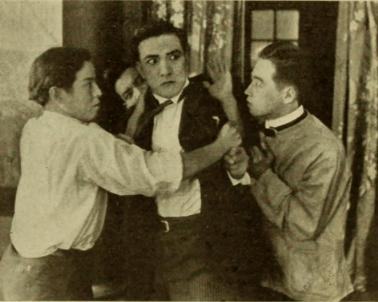
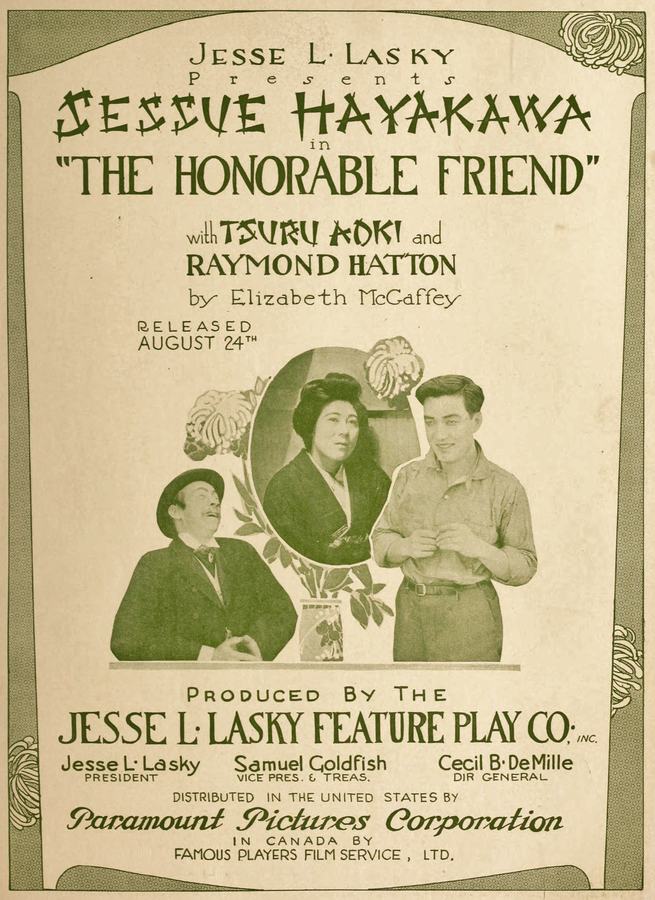
Makino works for Kayosho, a Japanese curio dealer in America. To reward Makino's dedication, Kayosho sends for Toki-ye, a picture bride. Upon arrival, she is married to Makino in a civil ceremony. However, Kayosho intends to keep Toki-ye for himself. This angers Goto, another employee. Kayosho was betrothed to Goto's niece Hana. One day Kayosho is found dead in a pool.
View Details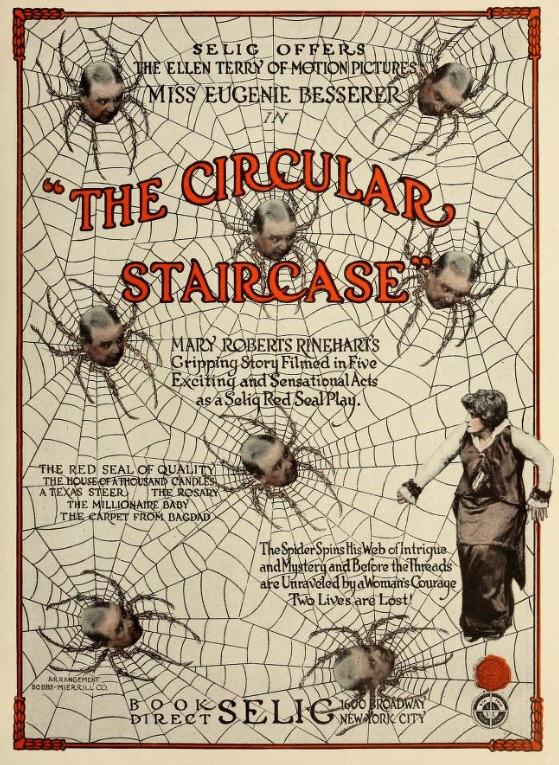
Dir: Edward LeSaint
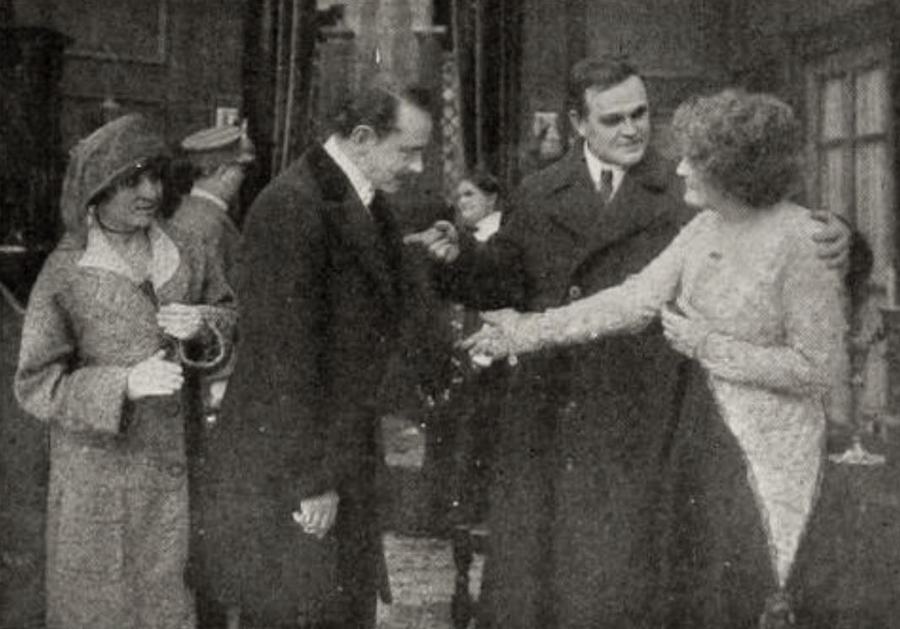
Aunt Ray Innes leases Sunnyside House, the country home of Paul Armstrong, and invites her nephew and niece, Halsey and Gertrude Innes. En route, the young people stop at the Greenwood Club to take Jack Bailey, the intended husband of Gertrude and cashier of the Armstrong Bank. Halsey appears in time to prevent a fight between Jack and Arnold Armstrong, son of the banker. At three o'clock in the morning a pistol shot awakens Aunt Ray, who summons her servant, Liddy. They are joined by Gertrude, and the women discover that Halsey and Jack are missing. Investigations disclose the lifeless body of Arnold Armstrong lying at the foot of the circular staircase. Mr. Jarvis, who had been summoned from the club, recalls that Jack and Arnold were bitter enemies because of banking affairs. The next morning Mrs. Watson, the housekeeper, appears suffering from an injured arm, which she explains she sustained in falling down the circular staircase. Frank Jamieson, the detective, on the case cannot trace Jack, and when Halsey Innes returns he refuses to say why he left. Then the newspapers announce that the Armstrong bank has failed; that the cashier has been released under bond; that Dr. Walker, who has accompanied Paul Armstrong to the west, has wired that the banker is too ill to travel, and that securities aggregating a million and a quarter are missing. Aunt Ray searching for Tom, the butler, comes upon Louise Armstrong, daughter of the banker, who was supposed to be out west with her father, at the Lodge. Dr. Stewart, the family physician, attends to her. Dr. Walker wires that the banker has died, and that his summer home must be vacated as the body will arrive soon. But Aunt Ray refuses to leave on such short notice. Louise is not apprised of her father's death, and as she leaves for her mother's home she tells Aunt Ray to leave Sunnyside House, as she has forebodings for its future. Mrs. Watson's injuries develop into blood poisoning, and she is taken to a hospital. As Tom, the butler, sits in the Lodge one night, he sees an apparition and drops dead of fright. Dr. Walker warns Aunt Ray to leave the house before she regrets it. Again she refuses. Several nights later as Halsey and Alex, the new gardener, are keeping watch over the circular staircase, the stable catches fire, and the men rush to give assistance. Meanwhile the women are terrorized by the movements of a strange object outside. Halsey disappears and a tramp with the missing man's watch on him is caught by Detective Jamieson. Upon being questioned, he says that he found the watch under the freight car into which had been thrown Halsey, bound and gagged. Mr. Watson, who is dying, tells Aunt Ray that when she was carried to the lodge by Tom, the butler, she found Louise Armstrong ill and that she (Mrs. Watson) was struck on the arm by a golf club by Arnold because she refused to give him the key to Sunnyside House. Mrs. Watson returned to the house and when she was ascending the circular staircase found that Arnold was creeping up behind her and shot him. Gertrude learns from Halsey, who is in a neighboring hospital, that Paul Armstrong, aided by Dr. Walker, looted his own bank, and that is why Louise left her father. Meanwhile the casket containing Paul Armstrong's body is exhumed and when opened it is found that the corpse is not that of the banker. Aunt Ray discovers a secret room and upon investigating she is locked in by the door automatically closing upon her. Here she is found by Paul Armstrong that night. The sight of him frightens her and her cries bring the detective and Alex, the new gardener, who break open the door as Armstrong escapes by another secret passage. He slips down the circular staircase and is killed, and Dr. Walker is taken into custody. Alex removes his disguise and reveals himself as Jack Baily. A cash box containing the stolen securities is found in the secret room by Jack, and as Aunt Ray comes into Sunnyside House she finds Louise and Halsey in a loving embrace, and Jack and Gertrude in a like attitude at the bottom of the circular staircase.
Dir: Edward LeSaint
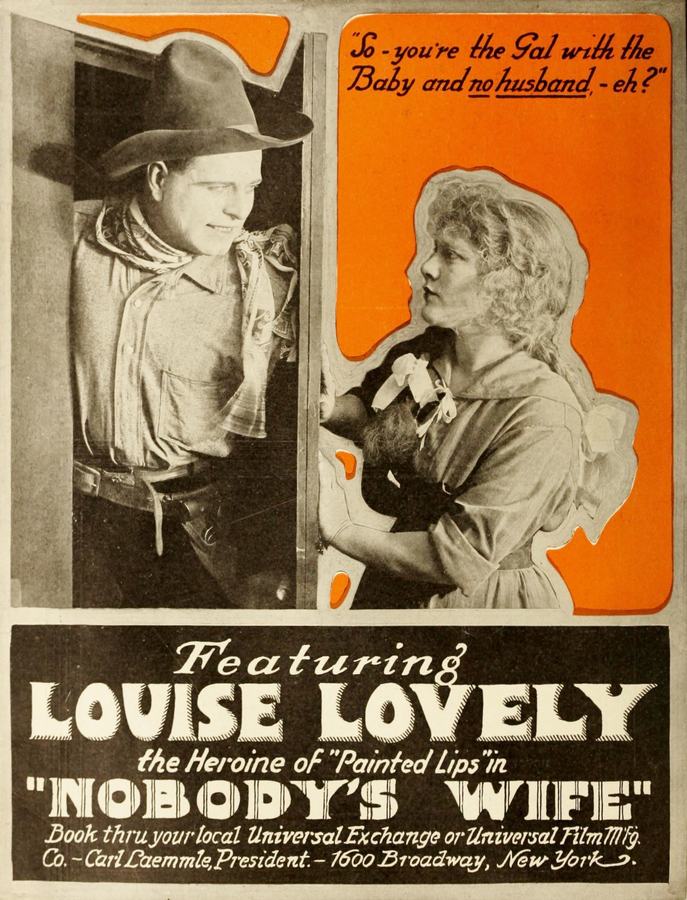
Jack Darling of the North West Mounted Police is ordered to track down and arrest murderer Alec Young, whose girl, Dancing Pete, performs in the Nugget dance hall. En route to Nugget, Jack meets Hope Ross, who is caring for her sister's baby. Although the two fall in love, the outlook for a happy romance appears hopeless, because he believes that she is married and she thinks that he is an outlaw. Jack visits Dancing Pete's cabin, where he finds a photograph that proves that the murderous Alec and Sheriff Carew of Nugget are the same person. Jack convinces Carew to join him in robbing the saloon's safe, but as the sheriff takes his share of the money, Jack exposes him to the angry townspeople. Carew tries to escape, but the Mountie overtakes him, following which Jack and Hope delightedly learn the truth about each other.
View Details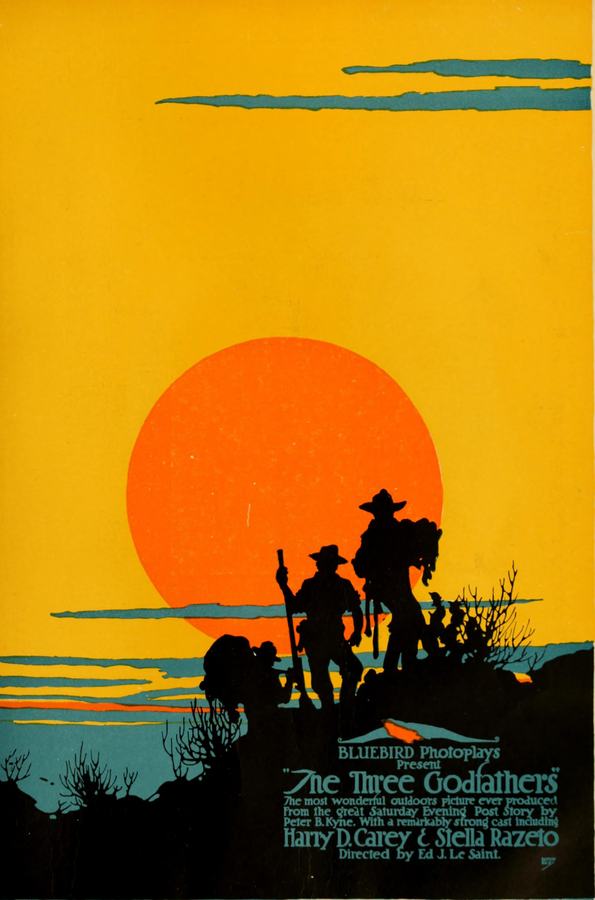
Dir: Edward LeSaint
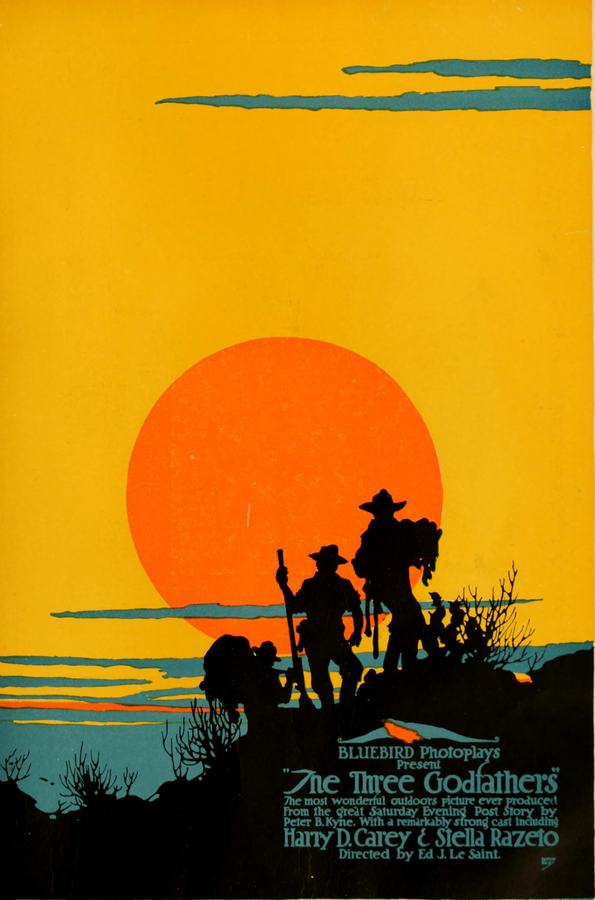
Three outlaws fleeing a posse through the desert come upon a dying woman and her baby in a wagon. Before she passes away, she makes the men promise to take care of her baby and get it safely through the desert.
Dir: Edward LeSaint
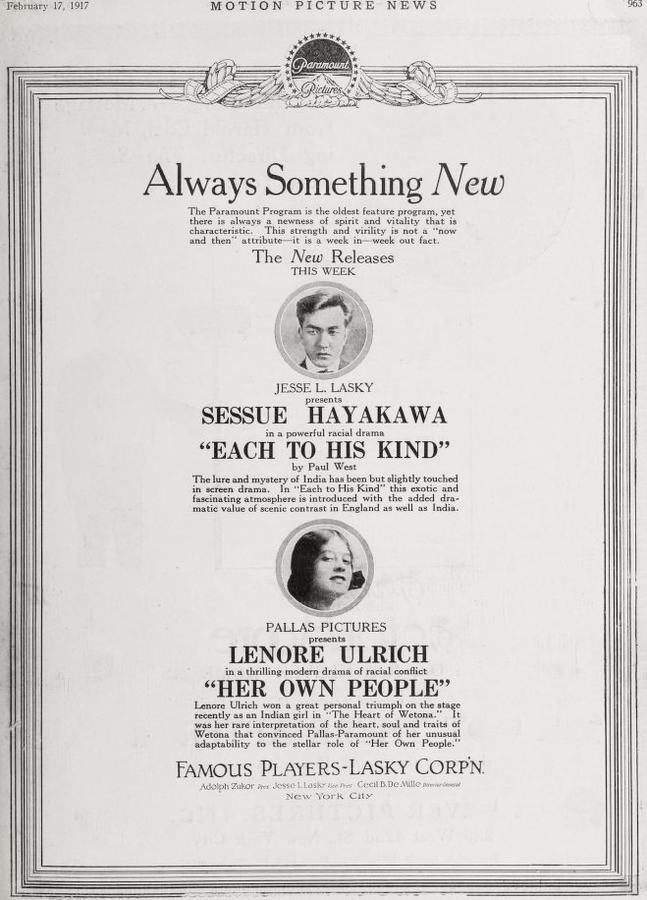
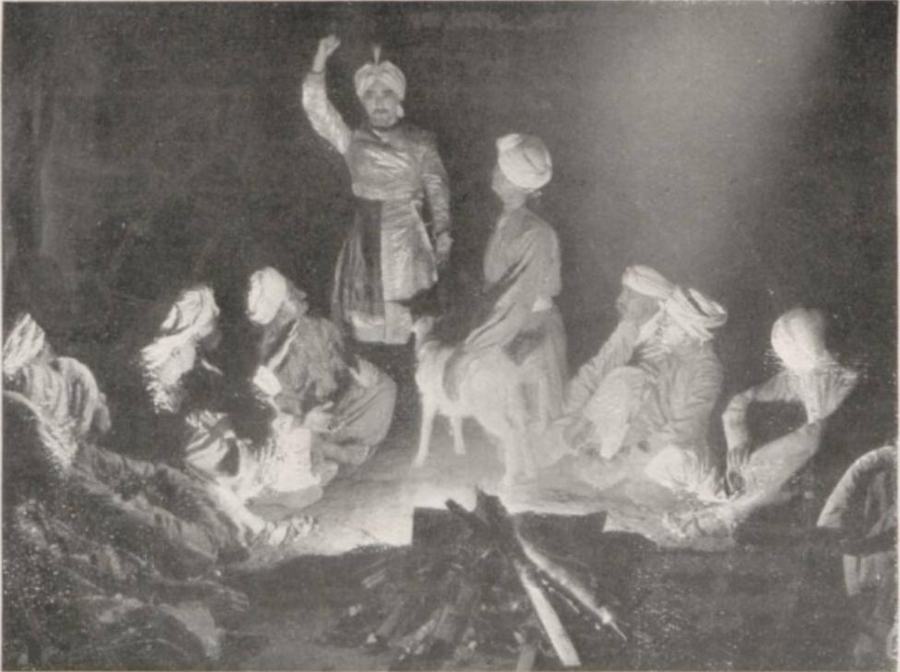
Rhandah, who is to succeed his father, the Maharajah of Dharpuli, is sent to Oxford to be educated. The Princess Nada, to whom he is engaged, fearful of the outcome of his journey, gives him an amulet to bring him back to her in safety. At the college, he soon becomes accustomed to English customs, but refuses all invitations into society. He meets Amy, daughter of Colonel Dawe, and they become interested in each other. Amy wagers that she can persuade the Prince to give her the amulet and succeeds in having him accept her invitation to a party; she manages to see Rhandah alone and secures the amulet. Dick Larimer, to whom Amy is engaged, denounces Amy for doing such a thing. Asa Judd, tutor to the Maharajah's son, has taken a snap shot of Amy and Rhandah and sent it to Colonel Marcy, the Resident British Councilor. Mulai Singh, an aspirant to the throne, obtains possession of the photograph. Rhandah, embittered, returns home just as the Maharajah dies. By his bedside he swears eternal vengeance on all the English and is overheard by Nada. He seeks out Mulai Singh and obtains the picture, declaring his intention of leading his people against the English, issuing a command that all captured English be brought before him. Dick is taken and Rhandah orders him to the dungeon. Amy has come to India with her father and is also taken by the outlaws, but when they see the amulet they release her. Nada recognizes her from the picture, and comes upon Rhandah and Amy as he is contemplating what he shall do with Dick. Rhandah makes advances to Amy which she dares not resent, and tells him she will do anything to save Dick, but he replies there is nothing that will save her sweetheart. Nada, listening, ready to kill Amy with a dagger, overhears and rushes into Rhandah's arms vowing her belief in him. At Amy's solicitation, Nada intercedes and Dick is set free. All the trouble and turmoil is at last ended, and both couples are happy.
View Details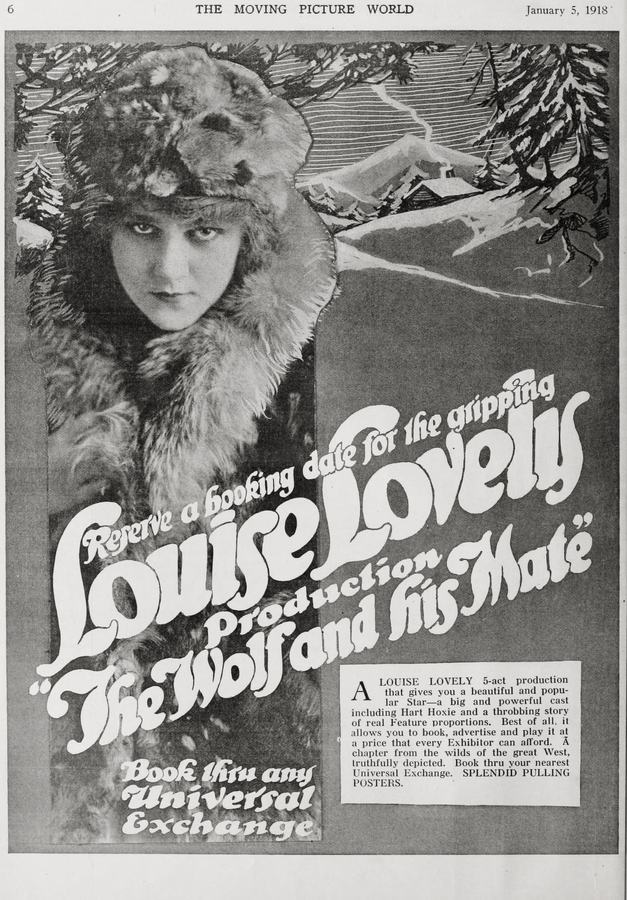
Dir: Edward LeSaint
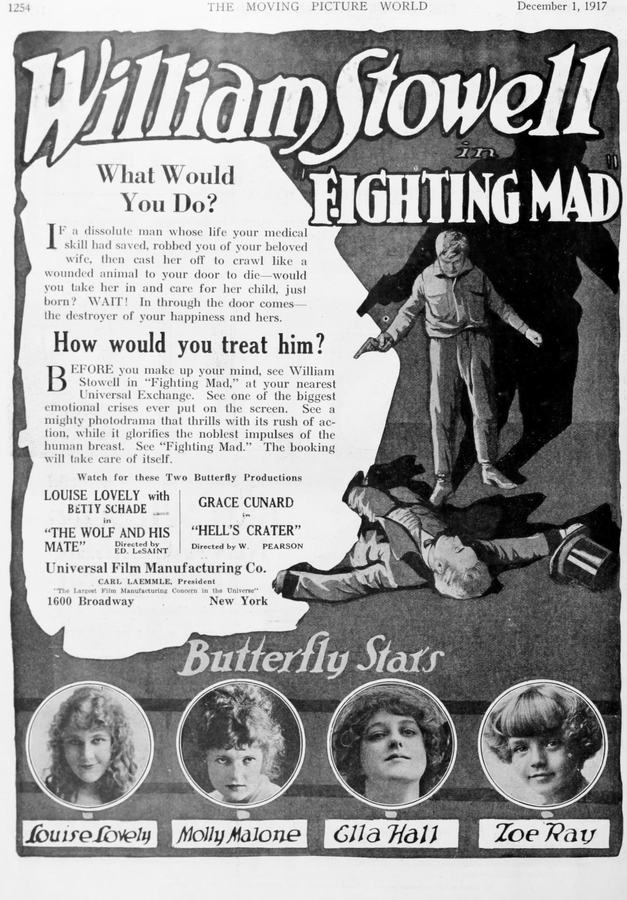
When Donald Bayne, known in the North as The Wolf, loses his cabin to Steve Nolan in a backwoods court, he threatens and thrashes the new owner, then leaves him to tend to his traps. Upon his return, he discovers that Nolan has been killed in a shooting accident and that Bess Nolan, his niece, has moved into the cabin with Rose, her sister's child. Unable to evict her, The Wolf camps out next to the cabin, but soon realizes that this act has compromised her honor in the town. To correct the situation, he forces her into marriage, but she maintains a safe distance from him. When Bess's sister and "Snaky" Burns, her brother-in-law, kidnap Rose for use in their criminal activities, Bess implores Donald to intervene. Donald rescues the child, then restores Rose permanently to Bess. Touched by his deeds, Bess finally accepts The Wolf as her mate.
Dir: Edward LeSaint
Doctor Lambert takes his wife west to a mining town, where he can both minister and doctor. His wife is not happy and upon discovering she is pregnant, runs away with a gambler. He soon dumps her, and she comes back and dies giving birth to a baby girl. Lambert, out of his mind with rage, leaves the baby on a doorstep and vows to never have faith again. He returns to the mining town fifteen years later a drunkard. He meets young, kind Lily Sawyer and is greatly impressed by her compassionate nature. Meanwhile, the gambler has returned and decides to abduct Lily, but his partner recognizes Lambert and tells him Lily is his daughter. He kills the gambler before he can harm Lily and soon his faith returns.
View Details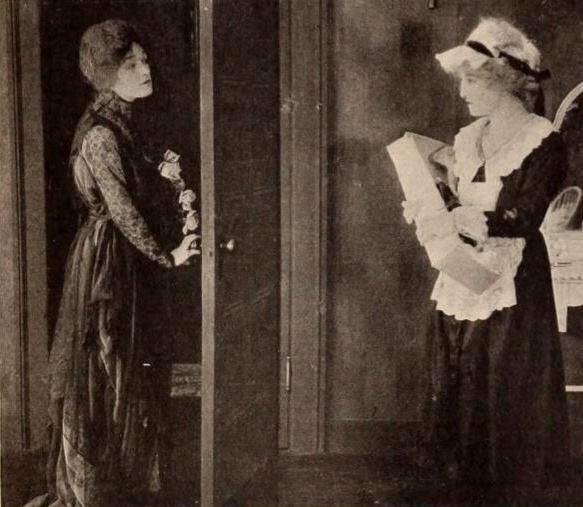
Dir: Edward LeSaint
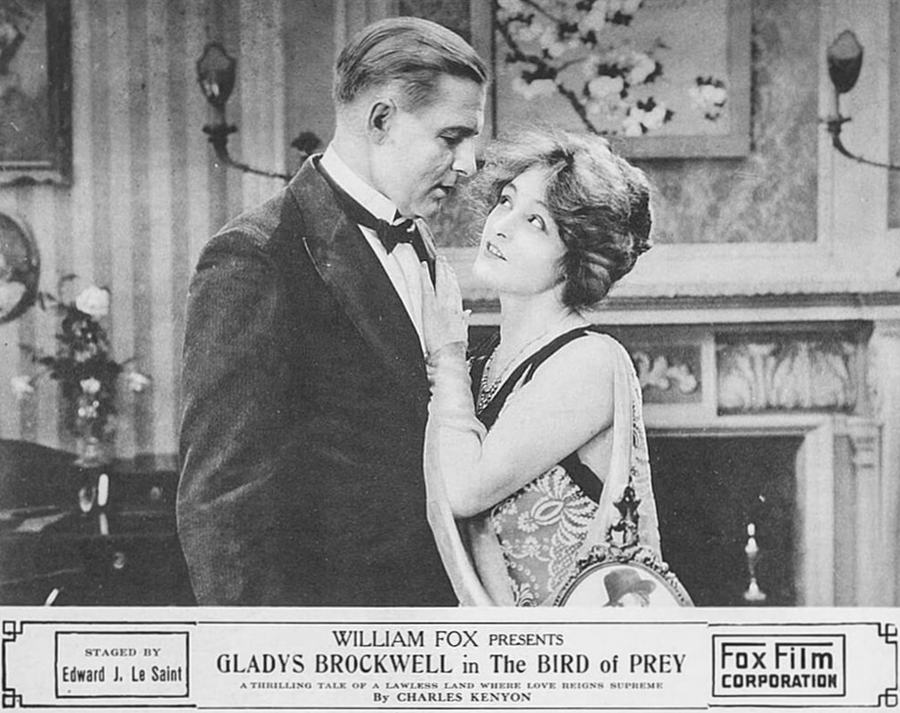
Chicago Charlie, a crook, gets Harriet Gordon, a wealthy heiress, to elope with him. He takes her to a road house on the promise that a minister will be waiting. There he drugs her. Detective Scully arrives, but Charlie gets away. Five years later Harriet is engaged to the district attorney. Chicago Charlie is arrested and convicted, Peggy, his sweetheart, pleads to see him. Harriet helps her and takes her as a maid. Chicago Charlie escapes from prison. He tells Peggy he must have money to get away. With Harriet, Peggy meets Charlie. She recognizes him. She .gives him money, but he demands also the engagement ring she wears. He takes it. While Peggy is trying to pawn the ring Charlie attacks Harriet, who takes a knife from a table and kills him. Detective Scully finds Peggy leaning over the body. Through the ring he traces Harriet. However, knowing all the circumstances, he reports to headquarters that a detective stabbed Charlie while Charlie was trying to escape.
Dir: Edward LeSaint
Dick Brown kills himself in front of Adele Durant after she rejects him and Dick's friend Robert Bradley threatens to accuse her of murder unless she places her life in his hands. He leaves her at a dance hall in an isolated spot in Mexico, where she falls in with a group of bandits planning to seize an American mine. Learning that the brigands plan to kill the lone mine owner, she warns him of their approach and discovers that he is none other than Bradley, whom she loathes. They flee together but are captured and held with other prisoners of the gang. While Bradley goes for help, bandit Pedro Vasquale threatens to kill the prisoners unless Adele comes to him in his cabin. When he embraces her, she stabs him. Bradley, recognizing her noble character, marries her.
View Details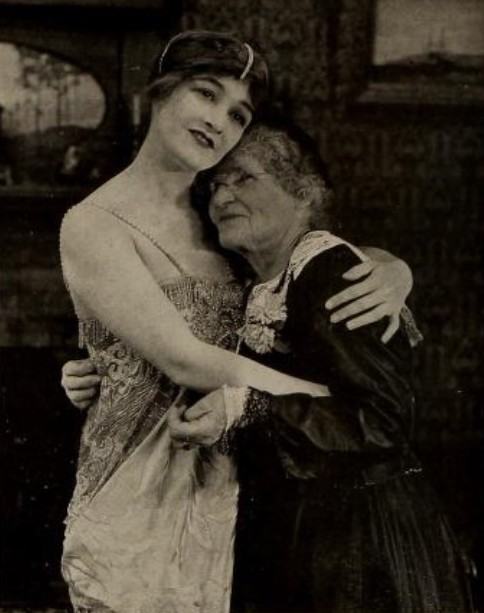
Dir: Edward LeSaint
Inez de Pierrefond's mother forces her to marry a wealthy man who proves to be such a brute that after he is killed in a drunken brawl, Inez swears that she will never marry again. Later, she falls in love with John Hemingway, an Iowan who has come to Paris to study architecture, but when she tells him her views on marriage, he leaves her in shock. His friend, Charles Abbey, convinces him that Inez's ideas are quite logical, and for a time, the two live together in perfect happiness. Upon the couple's return to Delphi, Iowa, however, the town gossips assume that the beautiful and cultured Parisian is an adventuress, and when they learn of her book, Free Love , they call a meeting to inform John's mother of Inez's low character. Hearing of their plan, Inez roundly denounces the villagers as hypocrites and then explains her views to Mrs. Hemingway, who lovingly forgives her. Mrs. Hemingway's tender devotion to her son so moves Inez, however, that she eventually consents to the marriage ceremony.
View DetailsAnalysis relative to The Devil's Wheel
| Film Title | Atmosphere | Complexity | Similarity |
|---|---|---|---|
| The Honorable Friend | Ethereal | Dense | 91% Match |
| The Circular Staircase | Gritty | Dense | 91% Match |
| Nobody's Wife | Ethereal | Dense | 98% Match |
| The Three Godfathers | Ethereal | Linear | 90% Match |
| Each to His Kind | Ethereal | Abstract | 95% Match |
This guide was algorithmically generated using the cinematic metadata of Edward LeSaint's archive. Last updated: 6/23/2026.
Back to The Devil's Wheel Details →