
DbcultAccessing Vault...
Recommendations
Senior Film Conservator
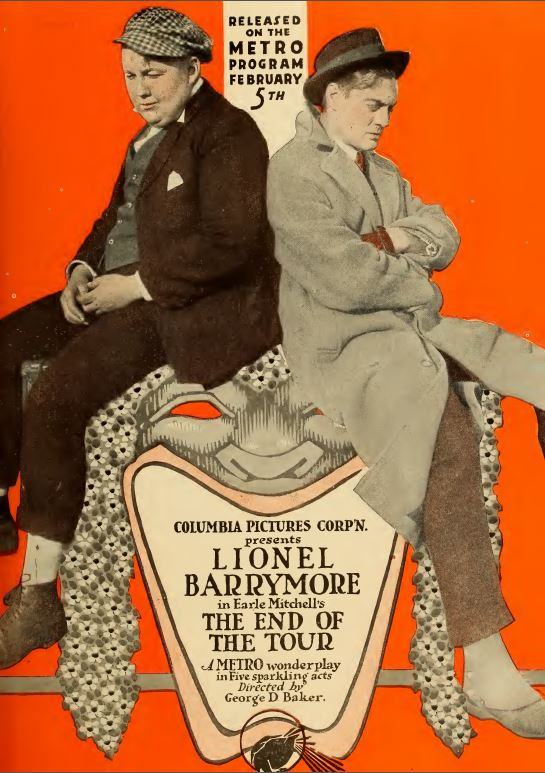
After experiencing the artistic bravery of The End of the Tour (1917), finding other movies that capture that same lightning in a bottle is a top priority. These recommendations provide a deep dive into the same stylistic territory occupied by The End of the Tour.
This 1917 cult classic stands as a testament to challenge the status quo through its avant-garde structure.
Col. Jessup of Mayville does not waste any affection on his young wife, who finally runs away with a theatrical company, taking her son with her, but leaving her baby daughter. Later, she dies, and the boy, Byron Bennett, known as Buddy, is leading man for a theatrical company playing one-night stands, but this season has been disastrous and the company is about to disband when they receive word that the house is sold out for the performance at Mayville, so they hang on. However, the manager collects the receipts for the performance and takes the first train, leaving the company stranded. Buddy secures a position as Instructor for the Jessup Volunteer Hose Company which is to give an amateur theatrical performance. He persuades Grace Jessup's father to allow her to take the leading part in order to out-do Hose Company No. 1, which also plans a performance. Grace becomes interested in traveling salesman Percy Pennington. He tries to persuade her to elope, but she refuses until he makes a definite promise of marriage. He boasts to Buddy and his friend Skinny and intimates that the promise will not be carried out. Soon after, he starts out riding with Grace. Buddy is suspicious and follows on a bicycle, but is outdistanced. At last, however, he sees the horse tied by the roadside, and hears Grace scream. Rushing to her assistance he overcomes Percy, and carries a wilting Grace home.Col. Jessup, thinking Bud is the culprit, fires at him twice. One bullet lodges in the shoulder; the other is stopped by Buddy's watch in which he carries a picture of his mother. Grace regains consciousness and explains matters, and Jessup is amazed to find that the picture in the watch is that of his wife. The doctor advises that Buddy will recover, and there is a reconciliation among father, son, and daughter.
Critics widely regard The End of the Tour as a critically acclaimed piece of cult cinema. Its artistic bravery is frequently cited as its strongest asset, solidifying its place in United States's film legacy.
Based on the unique artistic bravery of The End of the Tour, our vault has identified these titles as the most compelling follow-up experiences for fans of cult cinema:
Dir: George D. Baker
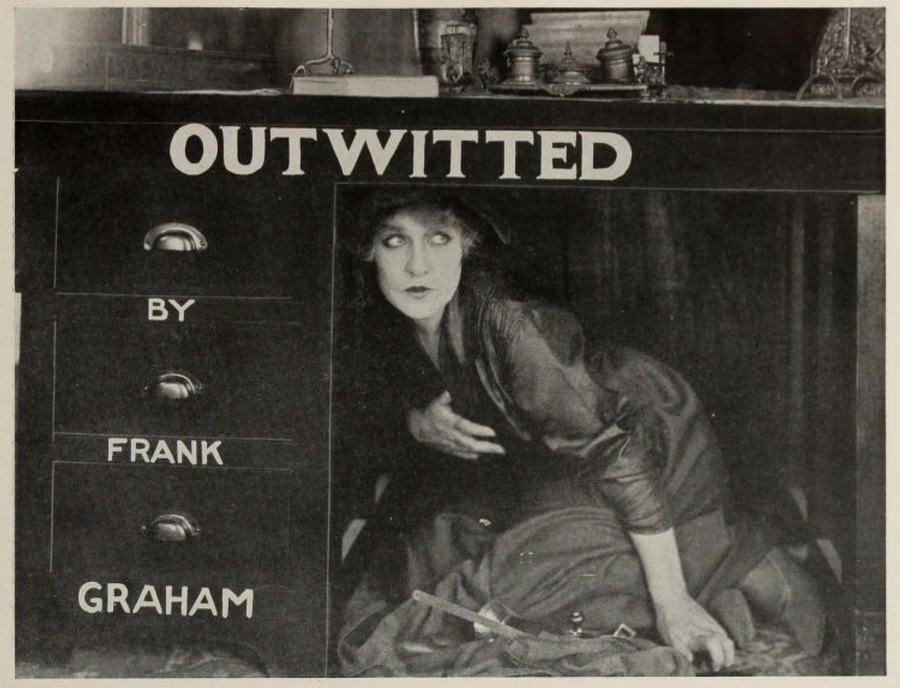
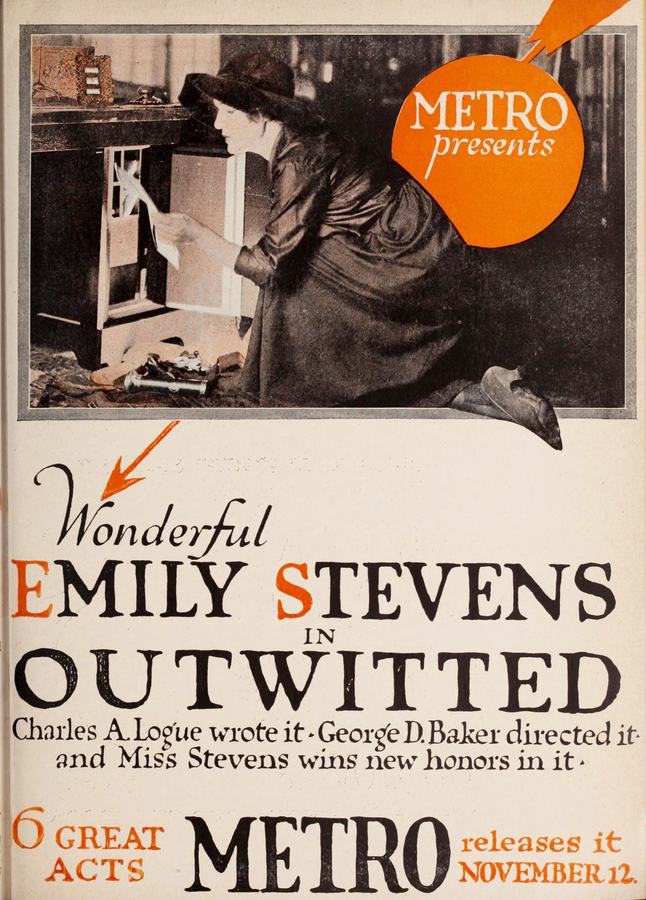
To prevent Ben Farraday from exposing the whereabouts of her brother, an escapee from prison, Nan Kennedy agrees to steal important papers from Farraday's enemy, John Lawson. Nan is caught and Lawson agrees to let her go free on the condition that she do his bidding for a year. After arranging a wedding between Nan and Billy Bond, the son of a man whom he blames for stealing his wife, Lawson shocks everyone during the wedding reception by announcing that Nan is a thief. Billy runs away and turns to drink and Nan's only thought is to seek vengeance against Lawson. Knowing that his one weakness is his belief in spiritualism, Nan poses as a medium and advises him to sell certain stocks. The next day, Lawson finds himself ruined. Meanwhile, Billy vows to kill Lawson, leaving a note to inform his father of the deed. Discovering the note, the elder Bond rushes to Lawson's house and announces that Billy is actually Lawson's son. Overcome, Billy's nerves break and he cries for Nan. Lawson, repentant, finds her and a happy reunion takes place.
View Details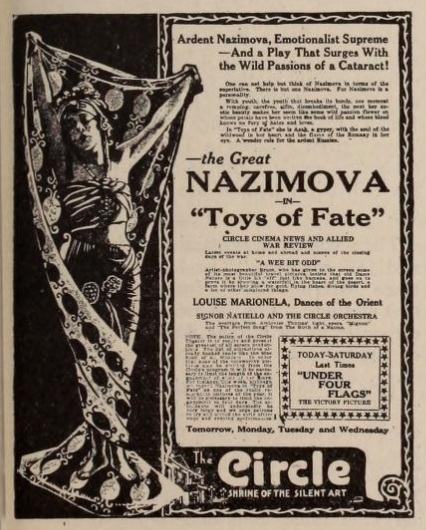
Dir: George D. Baker
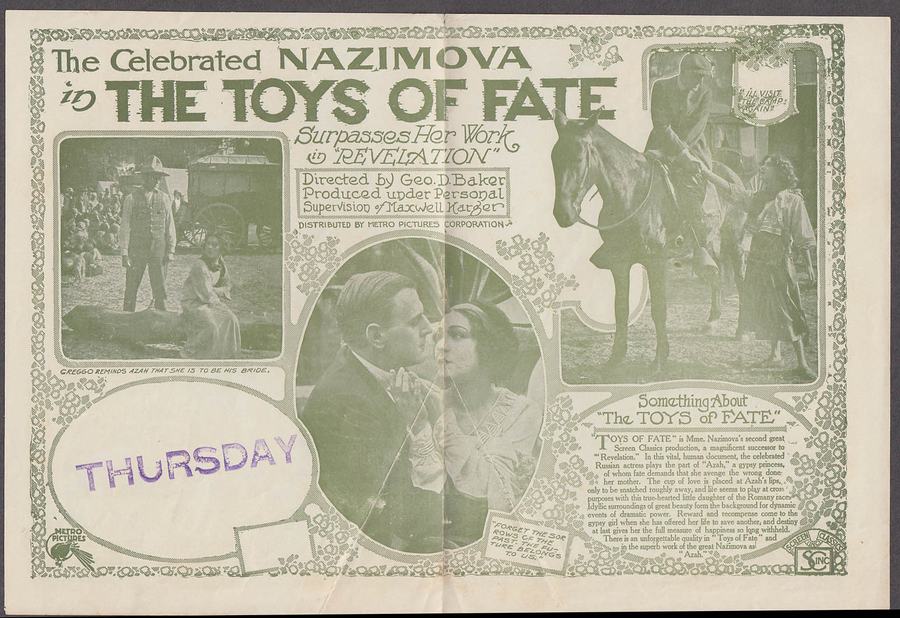
A gypsy girl whose mother committed suicide after being seduced and abandoned by a rich man finds herself twenty years later being wooed by the same man.
View Details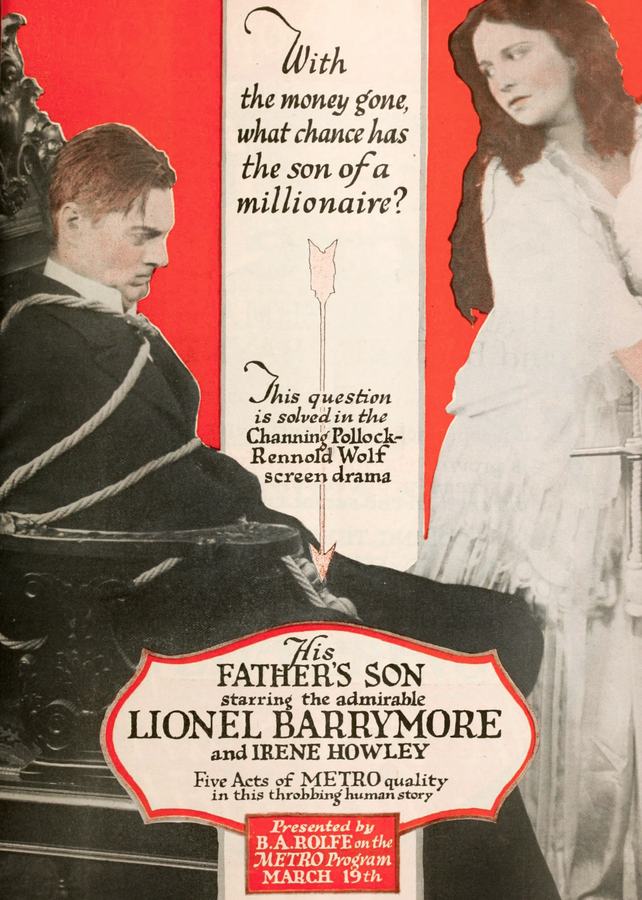
Dir: George D. Baker
College youth J. Dabney Barron regularly fails in his examinations; in disgust, his father deprives him of money and tells him to go to work, betting him $6,000 that he cannot hold a $60-a-month position for that time period. J. Dabney agrees, and with his valet Perkins he goes to look for a job. In a park he meets heiress Betty Arden, whose car has broken down. Her guest, Lord Lawrence, is incapable of helping her, and Dabney hastens to her assistance. She hurries away as soon as her car is repaired. Installing himself and his valet in a room in a lodging house, Dabney reads the want ads. Answering an advertisement for a bookkeeper, he stands in a long line of applicants until he grows tired; his valet, who has taken his place, gets the job. Finally Dabney obtains work through his friend Jim Foley of a detective agency. John Arden, millionaire gem collector, has a priceless emerald called "The Lady of the Sea." He fears it may be stolen and as a matter of fact his guest Lord Lawrence, better known to the English police as "London Larry," is planning to steal the emerald. Foley tells Dabney that to guard the emerald he must pose as butler in the Arden home. No sooner does Dabney enter upon his new work than he discovers Betty Arden, his employer's daughter, to be the girl he helped in the park. In an attempt to retain his dignity in her eyes he tells her he and his sister inherited an enormous fortune from an uncle; that the uncle had a secretary a villainous chap named Slime who forced him to make a will disinheriting Dabney and his sister; that Slime and his accomplices made the old man drink nitroglycerin but unfortunately for them permitted him to fall down when he exploded burning up the will; that the villainous secretary had then overpowered Dabney and run away with the girl, whom Dabney had ever since been seeking, hence his presence in the Arden household as butler. Betty pretends to believe the story, although she has been aware of Dabney's identity all along. Dabney continues to attend to his duties as butler and to guard the jewel from "London Larry." Finally the month is up, and Dabney, in great glee at having won the bet from his father, dares to make known his love to Betty. She returns his affection, and they are discovered in a fond embrace by John Arden, who instantly discharges Dabney. That night he is about to take his departure when he surprises "London Larry" opening the safe in Arden's library. He overpowers the would-be jewel thief, and throws him into the safe. Arden, coming downstairs, liberates Lord Lawrence, who tells him Dabney is the real culprit, and together they overpower him and tie him to a chair. Dabney urges them to send for Foley, to identify him, and the detective, arriving, makes haste to free Dabney and arrest "London Larry." Dabney, cheered by Betty's promise to marry him, goes home to collect his $6,000, having proved himself his father's son.
View Details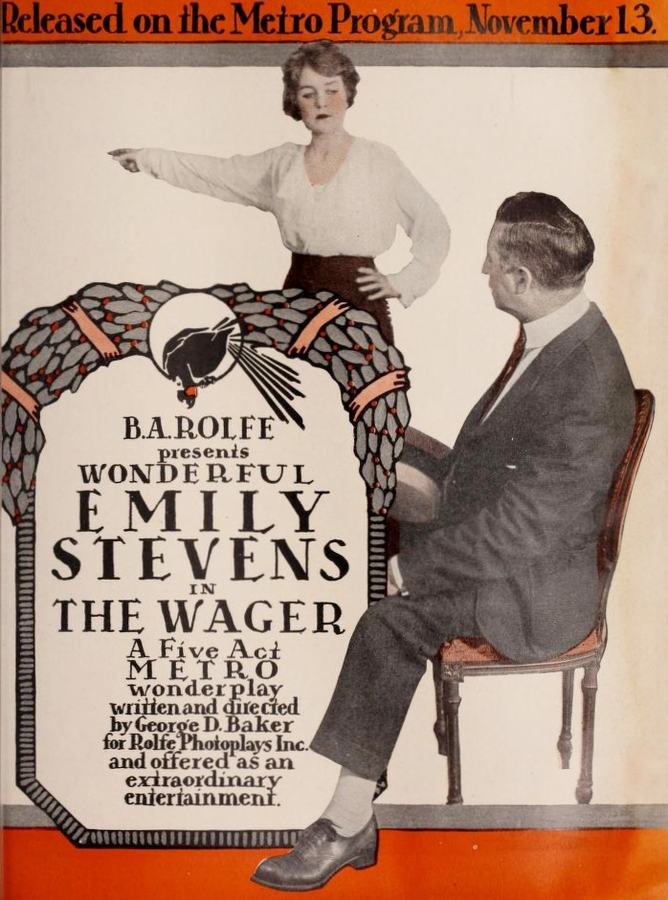
Dir: George D. Baker
A fascinating piece of cinema that shares thematic elements.
View Details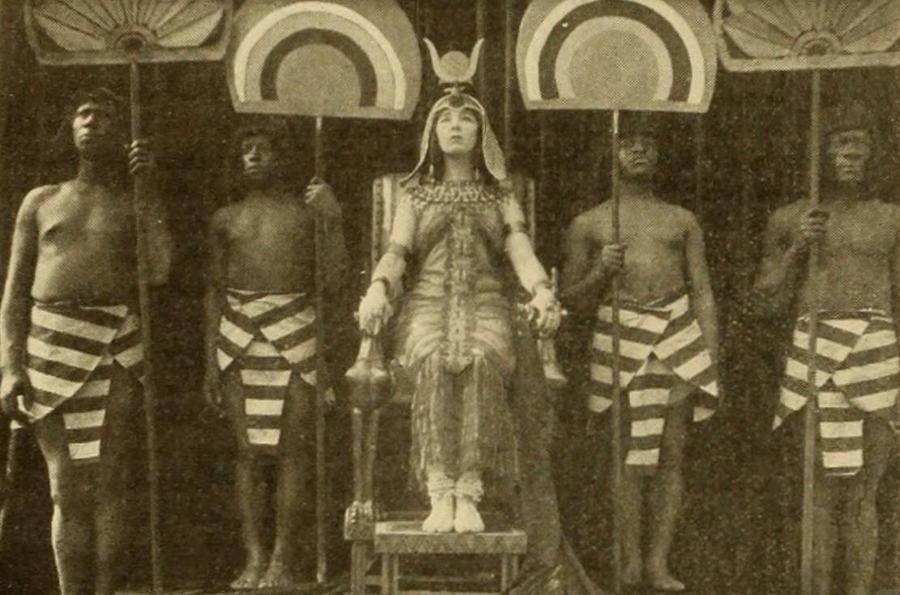
Dir: George D. Baker
An imperious Egyptian princess awakens from a 3000-year trance and wreaks comic havoc in the modern world, but it all turns out to be the dream of a young man, inspired by a mummy left in his care overnight.
View Details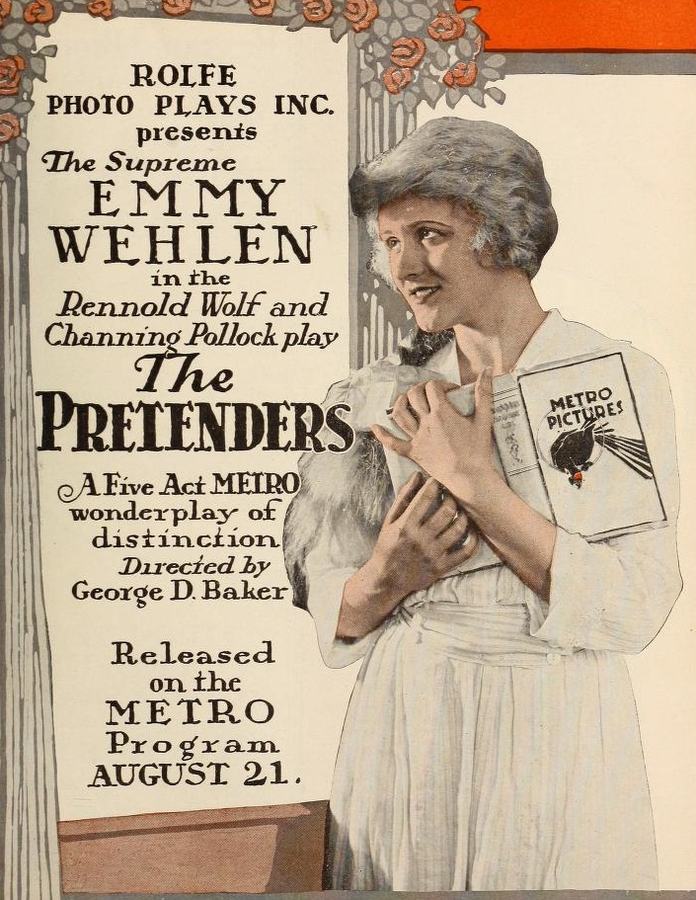
Dir: George D. Baker
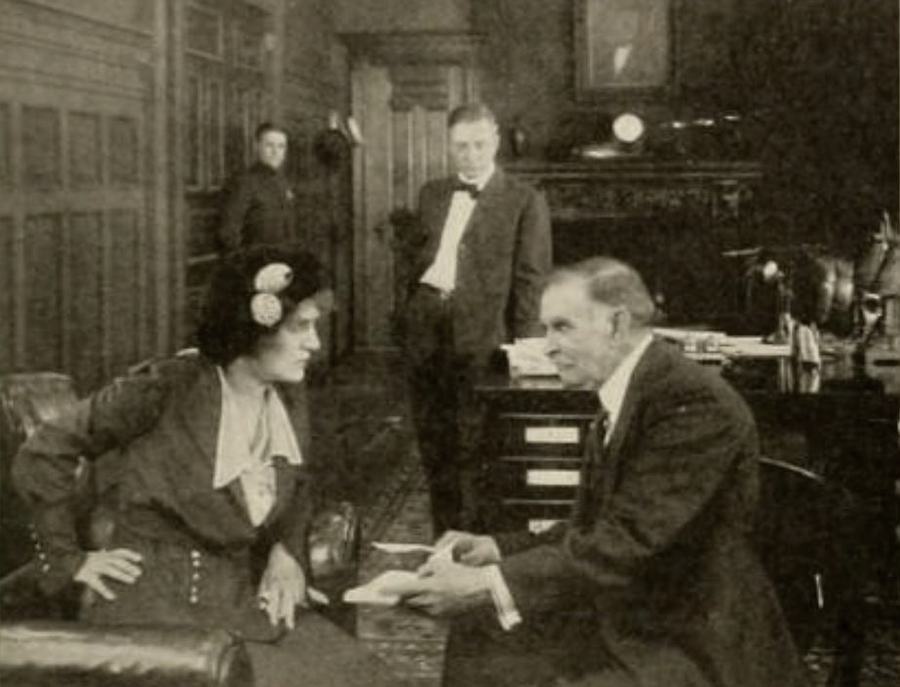
When Silas Pettingill strikes oil and becomes immensely wealthy, his wife Maria and their daughter Helen demand to move from their Middle-Western home to a mansion on Fifth Avenue in New York City. Even then they are dissatisfied, for they have so fashionable friends. Helen is constantly reading books about royalty, and she bewails her fate because she knows no lords or earls. Wearying of their complaints, Silas goes out and makes friends with a taxicab driver, as agreeable young man named Hubert Stanwood, and as the hour grows late, takes him home with him to bed. In the morning Mrs. Pettingill demands to know who the stranger is. Not daring to tell her he has brought home only a chauffeur, he introduces Stanwood as Count Erfitt. Mrs. Pettingill runs to tell Helen the glad news, and they plan a series of social functions to introduce their guest. Soon the "Count" is seen everywhere with Helen. He does not want to pose under false colors, but Pettingill implores him not to let them know that he has deceived them. At a tea-dance they met Macklin Thurston, who is introduced to them as the Earl of Bradwood. Stanwood starts when he hears the name, for his own grandfather is the heir. He does not know that both have died, and that Thurston, discovering that the second son, Hubert, has been missing for several years, has appeared as a false claimant for the title. Stanwood decides to say nothing, but to investigate. Thurston is really the proprietor of an international employment agency. He uses this position to supply Huntington Lodge, the Adirondack home of the Pettingills, with two servants, Rita and Dugan, who are clever crooks. Both Thurston, as the Earl, and Stanwood, as the Count, are invited to a house party at the Lodge. Helen and Stanwood have fallen in love with each other at their first meeting. Stanwood proposes, and Helen accepts him. But Thurston tells Rita she must find a way to compromise Stanwood. She does so, and Helen breaks her engagement to Stanwood, and announced her engagement to Thurston, known as "the Earl." Stanwood engages a detective to unmask Thurston, but he has manufactured credentials, and Stanwood himself is unmasked as a false count by a man who knew him as a chauffeur. Helen orders him to drive her guests back to their hotel from the lawn fete that is in progress. Thurston goes to Helen's room and tries to persuade her to elope with him, but she refuses. Under cover of night, Rita and Dugan attempt to steal Helen's jewels. Stanwood returns in time to prevent them, but he is injured in the struggle, and when Helen enters she thinks it is he who is the thief. Still loving him, however, she urges him to escape, but the real thieves are apprehended. Detective Burke is about to take both Thurston and Stanwood into custody, not knowing which one of them is the tales Earl of Bradwood, when the lawyer arrives from New York and identifies Stanwood as the genuine Earl. Thurston is led away, and Stanwood and Helen, soon to be Lady Bradwood, are reunited.
View Details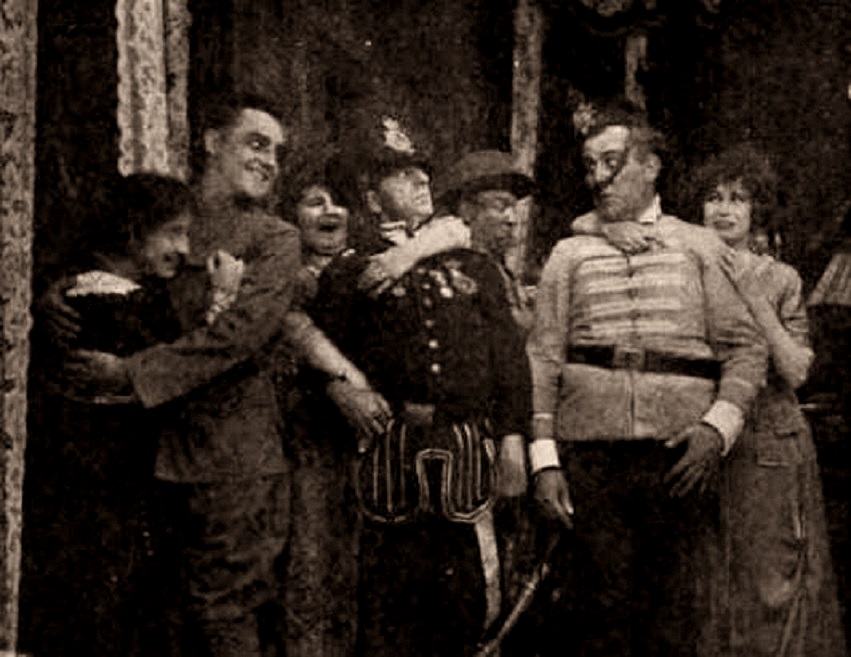
Dir: George D. Baker
Ira Wilton and his son-in-law Harry Bennett resort to the subterfuge of telling their wives that they are members of the Thirteenth Regiment, to be sure of having a night off each week, Friday night, for the regiment drills. They substantiate their deception by bringing into their little game Ira's daughter Laura and her fiancé Jack Brent, a genuine member of the Thirteenth. Their deception runs along nicely until one Friday night when the men have gone to the club, their wives find the invitation, and are just about to start out when they discover that the water pipe has burst. Laura informs the men by telephone what is discovered, and warns them to hurry home. They arrive and find that the kitchen and dining room are flooded, and, after all has been given a good soaking, Lord Dudley, an admirer of Laura, manages to stop the flow of water. Just as the trouble concerning the flood has subsided, Jack Brent arrives home and tells the men that the Thirteenth has been ordered to the front. The husbands, seeing a good chance to take a little vacation, purchase soldiers' clothing and fall in behind the Thirteenth Regiment as it passes their wives, but slip out as soon as it is out of sight. They then go to the barn, where they substitute their soldiers' habiliments for civilian clothes and then make all possible haste to the lake, where they intend to spend a little vacation. But their vacation is short-lived, for one day they see in the newspapers that the entire Thirteenth regiment has been wiped out. They hurry home to the old barn, where they get into their regimentals as quickly as possible--not forgetting to add a few rents here and there, to make it appear as if they have had a terrible struggle at the front and in escaping. When they arrive home they observe that Mrs. Wilton's brother has returned from the West and promised to take care of the "widows." In reply to Lena's (the fat cook), question concerning her lover Conrad, they were just about to tell her that he died with her name on his lips, when in come Harry and Conrad with the news that the newspaper report was all wrong. Ira and Harry fix it up with Conrad, and Jack, desiring to keep on the right side of the old man, tells the women that the men had a terrible fight, and brother Tom forgets about asking questions when a couple of good cigars are shoved into his mitt.
View Details
Dir: George D. Baker
Joline, a "Daughter of Joy," becomes enamored of Paul Granville, a poor artist, and as his model enables him to win fame in a series of startling canvases. A wealthy patron of art commissions Paul to paint "The Madonna of the Rose Bush," and he feels that a new model is needed, but the jealous Joline drives them away, and they start for the monastery, where the miracle of the rose bush is supposed to have occurred. There a monk declares that in Joline he has seen the Virgin, and some chord in her better nature is touched. She leaves Paul, but is reunited when she, a Red Cross nurse, finds him wounded upon the battlefield.
View Details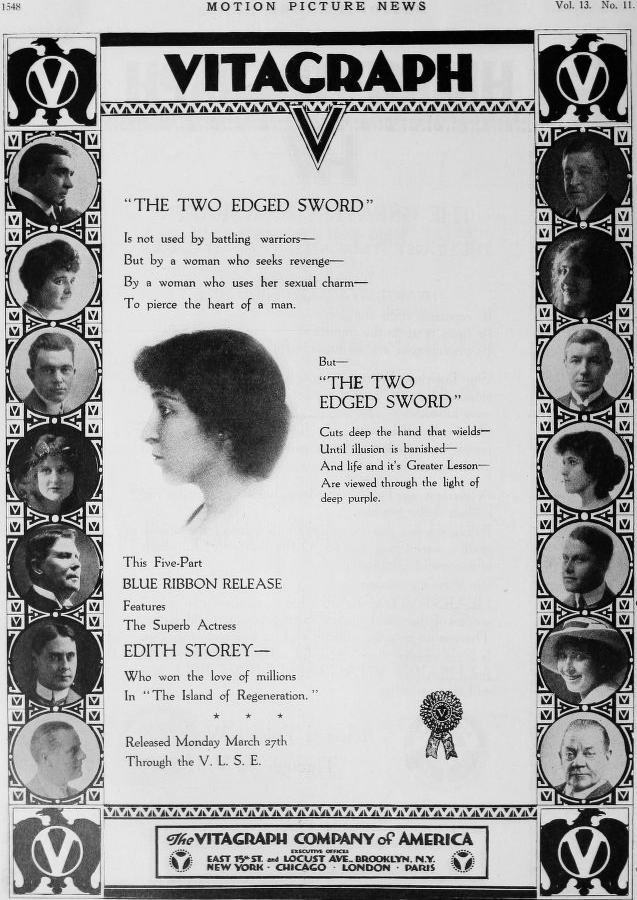
Dir: George D. Baker
Gordon Allen works hard to support his wife Dorothy, but she becomes bored with Gordon and her marriage. She takes a trip with her friend Evelyn to a farm for a vacation, and there meets and flirts with handsome but native farmer Jed. She thinks nothing of it, but Jed takes it very seriously, and his sister Mary tries to break up the relationship. When Gordon pays a surprise visit to the farm to see Dorothy and she greets him warmly and kisses him, Jed realizes that he's been played, and after Gordon beats him in a fight, Jed kills himself. Mary, outraged, vows vengeance on Dorothy.
View Details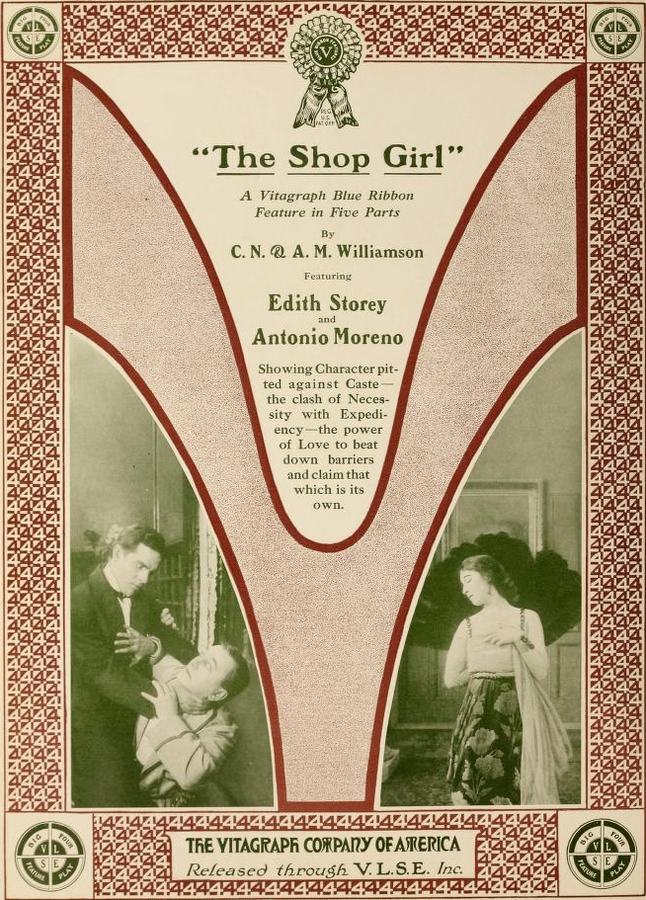
Dir: George D. Baker
Peter is smitten with Winifred, a model, whom he met on board the steamer returning from Europe, but is discouraged by his sister, Ena, who is more ambitious for him. Peter is the son of Peter Rolls, the wealthy New Yorker. Ena tells Winifred that Peter is engaged to Eileen, sister of Lord Ravglan and that he is just trifling with her. Winifred believes her and refuses to speak to him. Before disembarking, Ena gives Winifred a stylish gown which she bought in New York. Winifred is working in a stylish modiste's shop. One of the best customers insults her and she slaps his face. Mme. Nadine, the modiste, sees her action, and fearful of losing the customer, discharges her. She tries to get a position in the other shops, but in each case finds herself blacklisted by Madame Nadine. In sore straits, she moves to cheaper quarters. She meets Lily, a salesgirl in Roll's department store, and the former takes her to Megeison, the store manager to get her a position. The manager, at first says he has no opening, but when he sees what a handsome girl Winifred is, he employs her. Ena Rolls comes to the store to do some shopping, and sees Winifred against whom she harbors a dislike. She makes various remarks calculated to arouse Win's anger, and when Win resents them she complains to Megeison, who pretends to discharge her. When Ena leaves, he tells her that she may remain and transfers her to another department. Megeison arranges a party for that night at which Winifred, Lily, a floorwalker and himself are to be present. Megeison tells the floorwalker to escort the girls to the party, but to keep them ignorant of the fact that it is to be held at his house. Winifred dons the dress Ena gave her, the only decent gown she possesses. They start off, but when Winifred sees that she is being taken to his apartment she tries to back out, but she is persuaded to continue by Lily. Meanwhile, Peter in his hunt for Winifred, gets a clue which leads him to the department store. Here he learns that she has been discharged and is told that Megeison could give him her address. In Megeison's apartment, all drink except Winifred and after a while, she feels sheepish and drinks with them. She catches Megeison trying to "dope" her drink and denounces him. He catches her and tries to kiss her and a struggle follows in which her dress is badly torn, the pieces falling on the floor. She manages to elude him and escapes to another room where she locks herself in. Peter enters and asks for information about Winifred, but Megeison tells him that he knows nothing about her. Then the pieces of Winifred's dress catch his eye and he demands to know the truth. Megeison's valet, who went through another room to admit him, opens the door and Peter sees Winifred within. Winifred shrinks from Peter, thinking he is in league with Megeison, but when she realizes that he really loves her and has come to claim her for his own, she leaves misery behind, and goes with Peter, her suffering relieved in the knowledge of his devotion.
View DetailsAnalysis relative to The End of the Tour
| Film Title | Atmosphere | Complexity | Similarity |
|---|---|---|---|
| Outwitted | Ethereal | Abstract | 87% Match |
| Toys of Fate | Ethereal | Dense | 90% Match |
| His Father's Son | Tense | High | 95% Match |
| The Wager | Gothic | Layered | 94% Match |
| The Dust of Egypt | Ethereal | Abstract | 96% Match |
This guide was algorithmically generated using the cinematic metadata of George D. Baker's archive. Last updated: 8/16/2026.
Back to The End of the Tour Details →