
DbcultAccessing Vault...
Recommendations
Senior Film Conservator
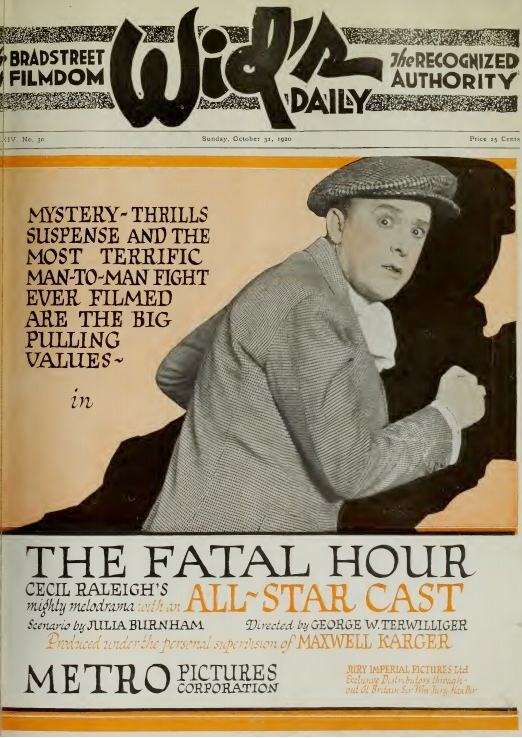
As a cultural touchstone of United States, The Fatal Hour resonates with its stylistic flair, audiences who connected with its message often look for similar thematic gravity. We've assembled a sequence of films that complement the tone of The Fatal Hour perfectly.
For many, the first encounter with The Fatal Hour is to establish George Terwilliger as a true visionary of the 1920s.
When the Marquis of Deerminister dies, his nephew Nigel Villiers inherits the title, but Jim Callender, Nigel's enemy, decides to deprive him of the position. Among Callender's acquaintances is Lord Dolly, an uncle of Nigel, who schemes with Callender to prove that Nigel's father married his mother before the death of his first wife, thereby invalidating Nigel's title, which would then descend to Lord Dolly. Also as part of his revenge, Callender plots to blackmail Dudley Gore, brother of Nigel's sweetheart Dorothy, into stealing the crown jewels. To prove his ancestry, Nigel journeys to the monastery in Switzerland that contains his family records. Once there, he meets Callender, who has already purloined the documents. Dorothy arrives soon after and attempts to detain Callender while Nigel wrestles the papers from him. Callender falls to his death, and the papers and the jewels are returned to their rightful heirs.
Based on the unique stylistic flair of The Fatal Hour, our vault has identified these titles as the most compelling follow-up experiences for fans of cult cinema:
Dir: George Terwilliger
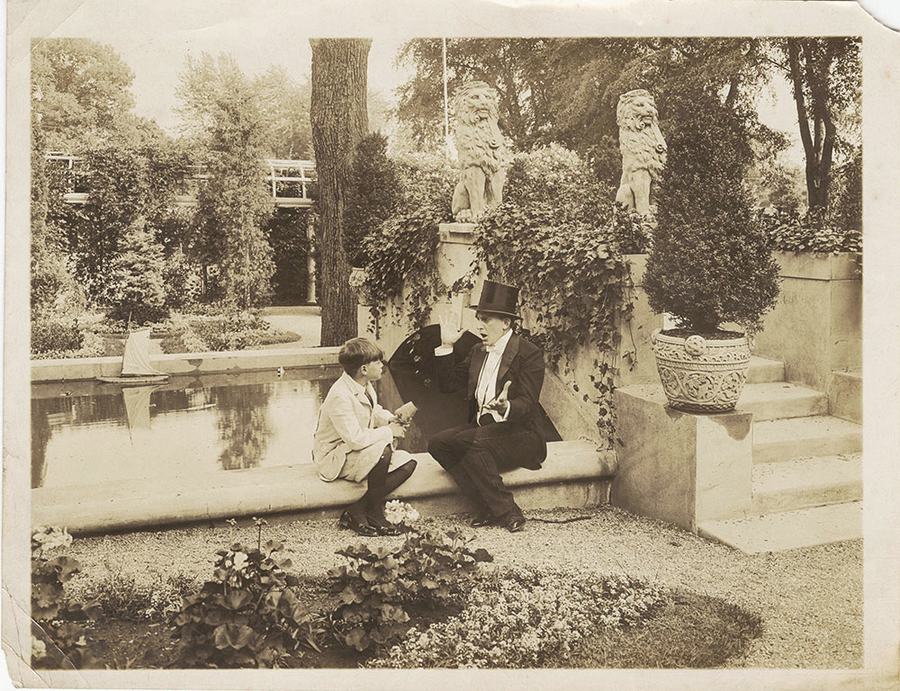
John Carter is a good fellow. In fact, his good fellowship is Carter's one great fault, for the highballs and cocktails which go with it too frequently make him forget his more serious obligations and are cause for anxiety on the part of his charming fiancée Marybelle. Marybelle's little brother, Billie asks Carter what is making Marybelle so sad. Carter replies evasively, "It's a Ringtailed Rhinoceros." Billie vows to kill the rhino. When Carter fails to appear on time at a dinner which was planned to announce his engagement to Marybelle, and finally arrives intoxicated, her parents in anger force her to break the engagement and forbid Carter the house. Marybelle's rejection of Carter hits him hard. When he returns to his rooms, he finds little Billie, who has come to seek his assistance in his hunt for the rhino. Taking Billie on his knee, Carter tells him they will kill the rhino, and they begin to plan how to do it. Billie falls asleep. So does Carter. And Carter dreams. In his dream Carter has become what a harsh creditor predicted, a bum. Then he is shanghaied by pirates and made to scrub decks. Then the ringtailed rhinoceros appears to him and leads him to the captain's rum. The pirates chase him around the ship and finally make him walk the plank. Carter floats and floats and finally crawls out on an island. A guard appears and chases him. Dozens of soldiers appear by magic and all chase him until he falls at the feet of a little prince and begs to be saved. The prince saves him from the soldiers and takes him to see his sister, "The Weeping Princess." She must always weep until the ringtailed rhinoceros has been slain. Carter promises to kill the rhino, so, although the frowning king and queen trust him not, the prince gives him an eight-legged horse, "Resolution," and Carter starts on his hunt. He meets the rhino, but, instead of a killing, they have quite a party together in the king's wine cellar. This continues night after night for some time, Carter deceiving the royal family into believing he is after the rhino, until the Counsellor Bird, failing to make Carter ashamed of himself, "squeals" to the prince about it. They want to cut Carter's head off, but the little prince once more intercedes for him and at Carter's pleading, sets out with him to kill the rhino. The rhino and his "cronies" plead, threaten and cajole with Carter, but the prince's influence is stronger. Through the rhino's domain they plunge, firing at their tempters and not even stopping to "wet up" at the "River of Drinks," which is so inviting to Carter. Seeing that Carter is at last in earnest, the rhino calls his crowd together and they attack the castle. Carter and the prince hasten back to the rescue. On the way Carter finds a bottle of wine. Just as he is about to put it to his lips, the prince commands: "The rhino is here. Kill him!" and as the dreaded beast plunges into the throne room, Carter sends the bottle hurtling at its head. The Rhino falls dead. The princess stops crying, and throws herself gladly upon Carter's manly bosom. The king, queen and all the court hail Carter as a hero. And although this prophecy is made in a dream, it is fulfilled in real life, for Carter comes out of his dream a saner and sober man and tells Billie and Marybelle that he has killed the ringtailed rhinoceros.
View Details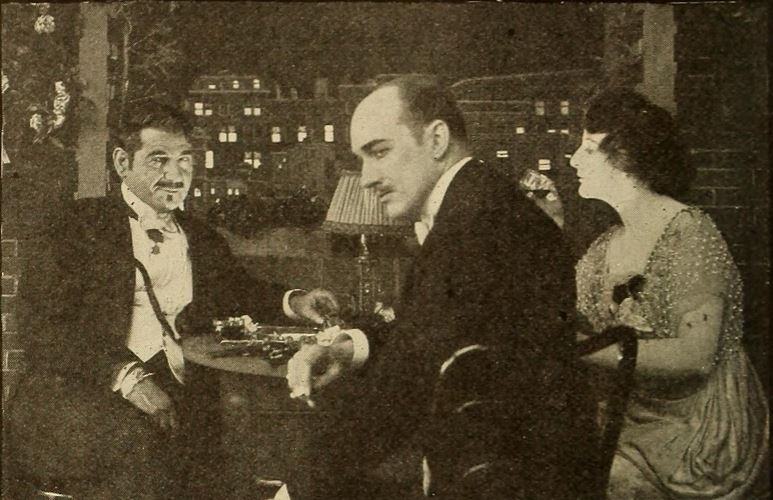
Dir: George Terwilliger
Episode 1: "The Jade Necklace" Dorothy Desmond, an inexperienced Kentucky girl whose father, an editor, had been shot at his desk by a political opponent, and whose mother had dropped dead of shock, found herself left virtually penniless. She believed she had a gift for writing and came to New York to seek a position on a newspaper. She was assigned to Chinatown to get an opium den story. She missed her escort and bravely and foolishly went to Chinatown alone. She yielded to the invitation of a Chinaman to enter his shop and inspect some beads, and he was at the point of attacking her when a storm of revolver shots broke, and a tong war was on. At the crack of the first pistol the Chinese shopkeeper desisted from his evil designs and shoved Dorothy into a secret room, the door of which he closed and locked on the outside. The girl was mad with fear. To her through the deadening walls came the sounds of the shooting. Then the shots ceased as suddenly as they had begun, and she heard faintly the gongs of police ambulances and patrols. Had she been liberated she would have seen white-jacketed emergency surgeons and orderlies picking up dead and wounded Chinamen and putting them into the wagons, while blue-coated officers with busy clubs rounded up other Chinamen, dragging them from all sorts of odd holes and corners and packing them into patrol wagons. "Worst tong fight in years," a sergeant observed pleasantly to a newspaper man. "Seven dead already, and some of the wounded sure to die. These Chinks shoot mighty straight for heathen. In the dark, too. What always puzzled me was how one tong could spot the other tong when they get mixed up in one of these nasty little wars. All Chinks look pretty much alike to me. You can never find out what started one of those shooting festivals. They won't tell a white man a thing. We can take our fill of guessing, though. Maybe it was a woman taken away from a member of one tong by a member of another. Maybe it was opium, maybe, you can think up a whole lot of maybes if you try, but what's the use"?
Dir: George Terwilliger
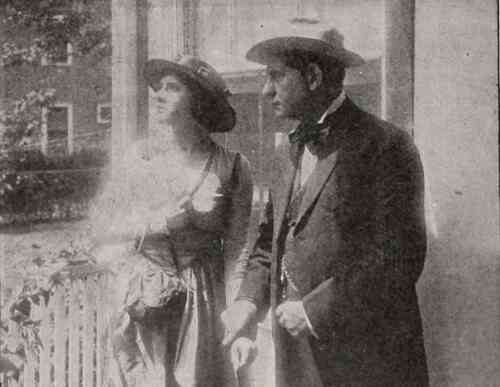
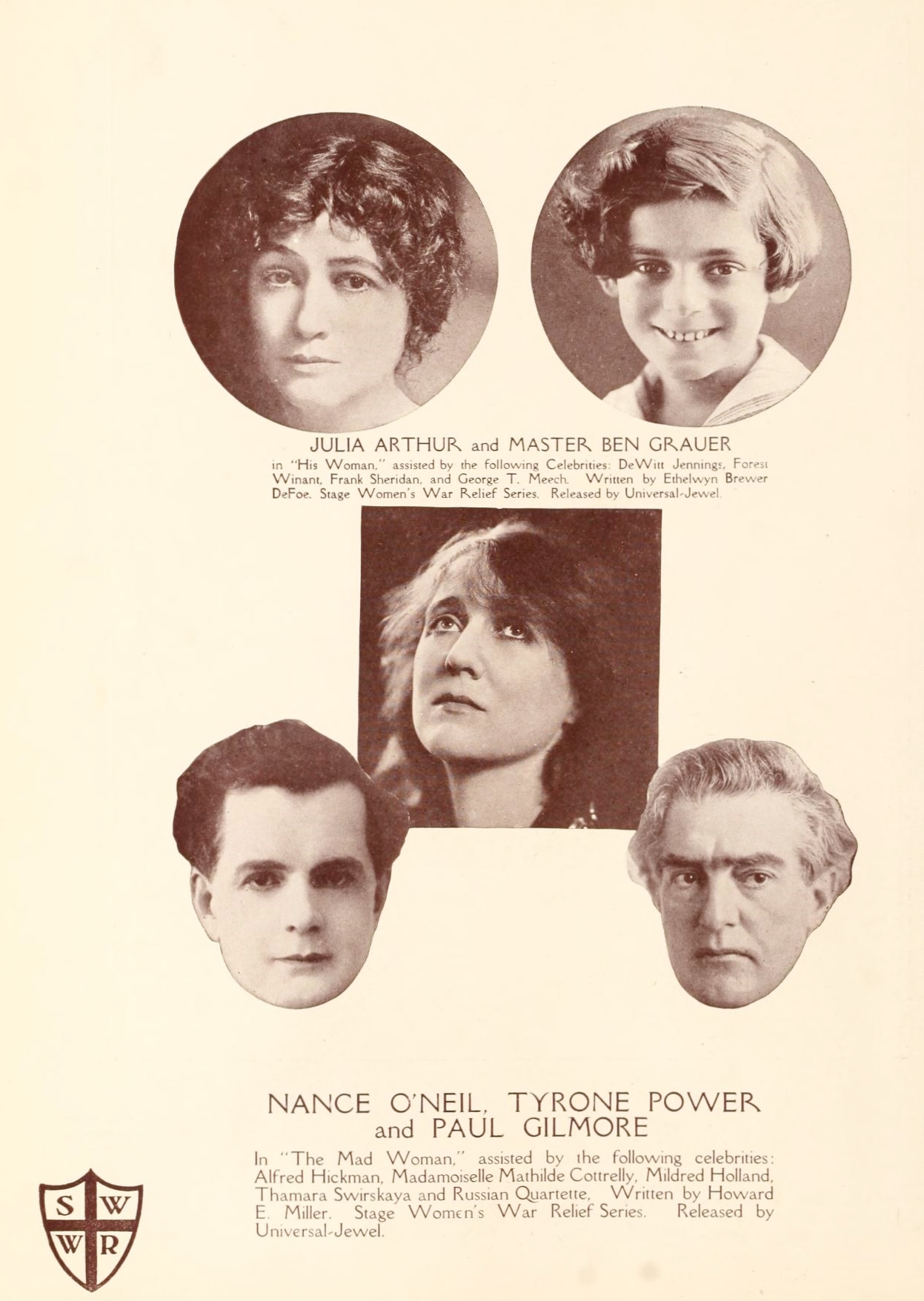
A peasant girl marries a Russian nobleman against the wishes of her parents. A son is born to them and the husband takes him away from her so he can be reared in luxury. The wife spends two years searching for her husband, intending to kill him. She is known as the "mad woman," her mind being partially clouded by grief. But when she finds the husband, a reconciliation follows his promise to restore their son to her.
View Details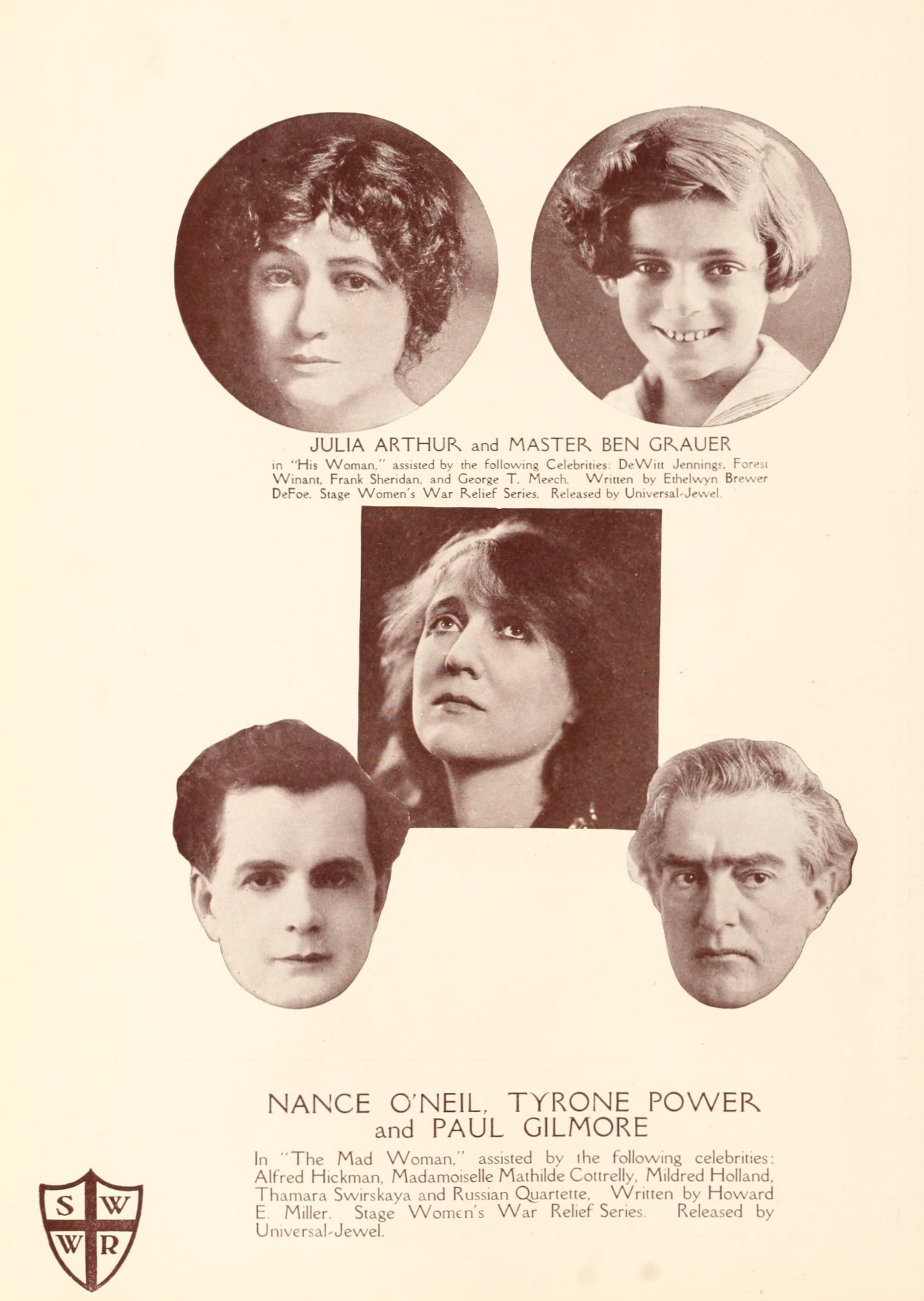
Dir: George Terwilliger
A fascinating piece of cinema that shares thematic elements.
Dir: George Terwilliger
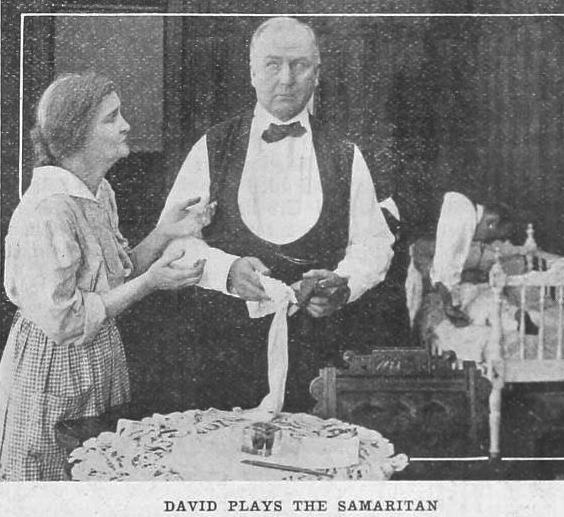
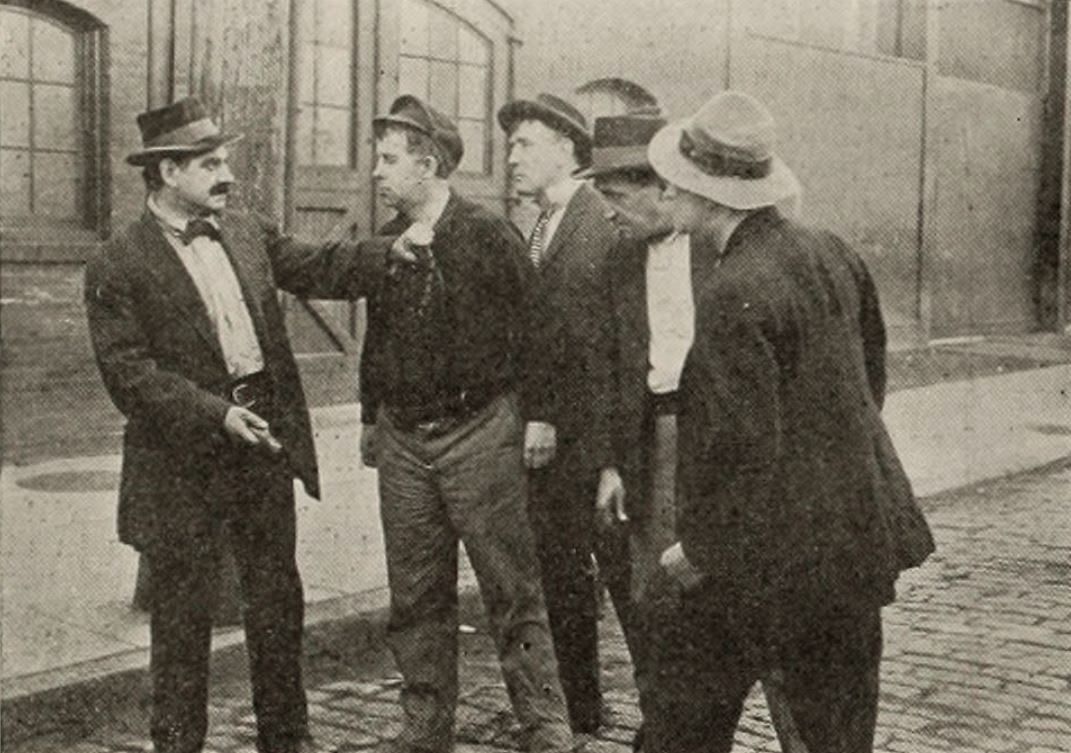
Factory owner John Gray takes ill during a strike at his factory. His doctor suggests that John's brother David, who looks just like him, take his place at home and at the factory. Although the two are look exactly like each other, in temperament and personality they are exact opposites--John is cruel and brutish to both his family and his employees, while David is considerate, thoughtful and kind to everyone. When John sees the effect that David has on his employees--and his wife--by treating them humanely, he begins to re-evaluate the way his own life has turned out, and why.
View Details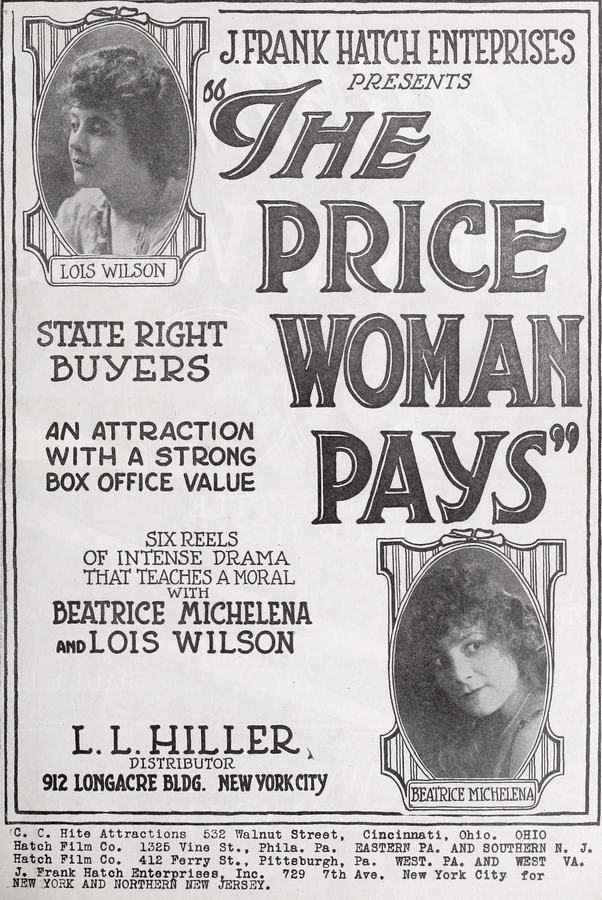
Dir: George Terwilliger
After school one day, Violet, who associates with wicked boys bent on deceiving young girls, persuades her friend Louise to go riding with a couple of boys. Louise, suspicious of the boys' intentions, demands to be taken home. After Louise confesses that she lied to her mother about the escapade, her mother gives her Faust to read. Faust, an old man, sells his soul to the devil for one year of youth to win Marguerite. Marguerite succumbs and soon becomes enshrouded in darkness. The story causes Louise to refuse to meet the boys again. After Violet goes to a distant city with a boy who promises to marry her, Louise receives a letter asking her to help. She follows, and after learning from Violet of the boy's deception, Louise is lured into an apartment by the boy's friend. She attempts to jump from a ten-story window, but the boy catches her. Louise awakens to discover that she has been dreaming since reading Faust and then relates her lesson to Violet.
Dir: George Terwilliger
A fascinating piece of cinema that shares thematic elements.
View Details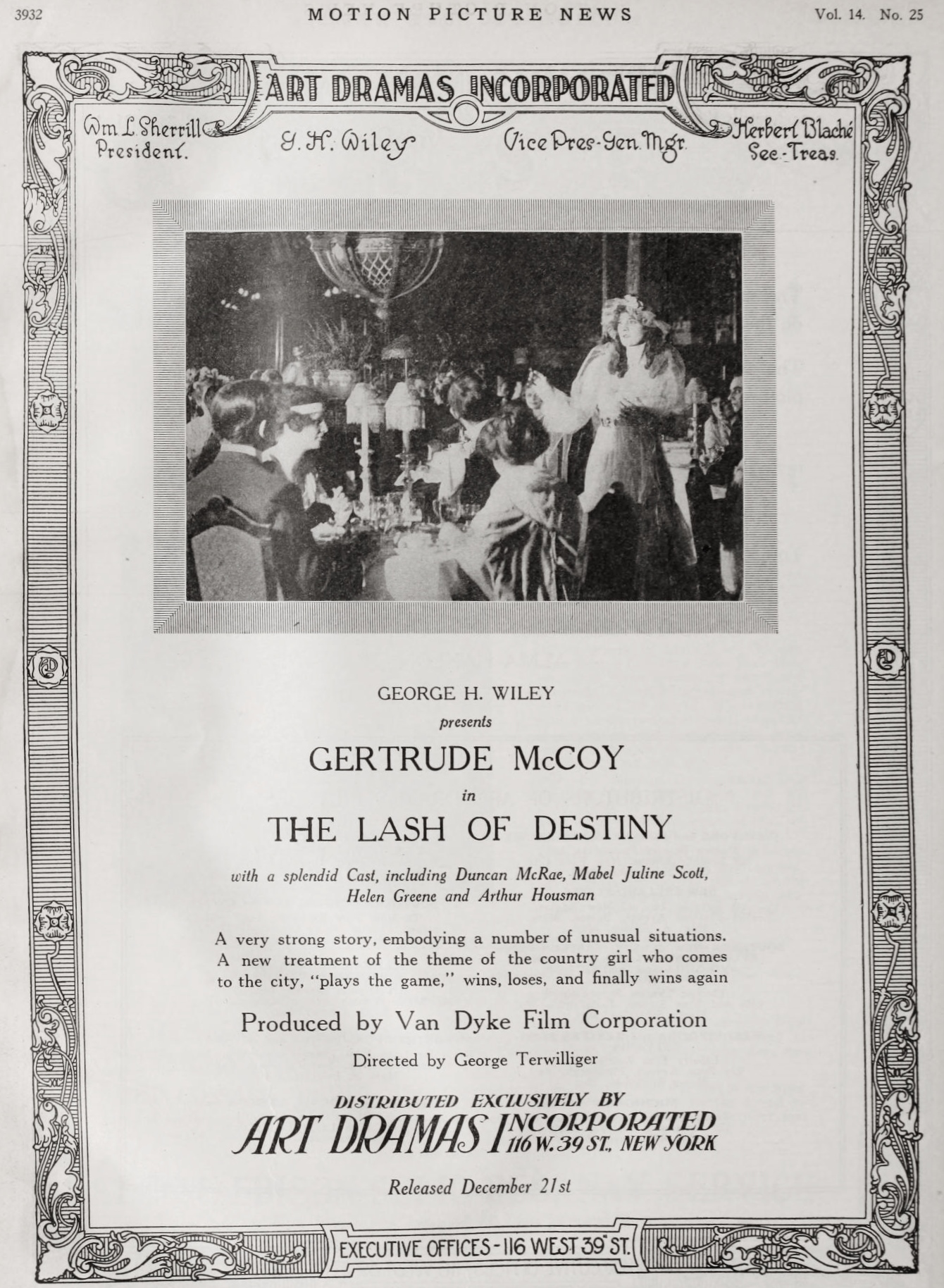
Dir: George Terwilliger
Myra Fielding, a young country schoolteacher, becomes dissatisfied with the narrow outlook of her home, and goes to the city, despite the protests of her half-accepted sweetheart, Bert Temple. There she obtains work in a cabaret, hoping to attract the attention of some theatrical manager. She becomes acquainted with Al Wayne, a flashy "sport" who, although he is married, insists on paying attention to her. She learns that her father is in urgent need of medical attention, and having no money of her own to defray the necessary expenses, is forced to borrow from Wayne. He gives her $500, securing an I.O.U. for the money, thinking in this way to obtain a hold over the girl. Wayne has taken the money from funds belonging to his wife, Edith, who, when she discovers her loss, accuses him of the theft. Wayne leaves her in anger, and going to Myra, demands that she leave the town with him. Myra refuses, and as they are arguing, Bert Temple enters the room. Temple thrashes Wayne, but scorning the life he thinks Myra is lending, leaves her. Wayne leaves for Chicago, but is robbed of his wallet on the train by a pick-pocket, who is later killed while jumping off a car. The thief is identified as Wayne by the papers in the wallet, Wayne does not correct the error, preferring to start life again under a new name. Arriving in Chicago, he embarks upon a "political career" in a tough quarter of the city. All of his old associates think him dead. Edith, meanwhile, has discovered Myra's I.O.U., and writes her, reproaching her for not only stealing her money, but her husband also. Myra calls on Edith, and tells her that she never knew that Wayne was married, and promises to repay the money. In the course of time, Myra succeeds in her ambition, and becomes a musical comedy star. By a strange coincidence, Temple, her old sweetheart, meets Edith, and falls in love with her. She, thinking Wayne dead, marries Temple, and they go to Chicago to live. Temple eventually becomes District Attorney. He starts to wipe out the political gang that has been grafting on the city. Wayne, who is one of the gang that Temple is after, recognizes him, and learns that Edith is his wife. Wayne goes to Temple's home, and revealing himself to Edith, tells her that she is still his wife, but offers to remain silent if Temple will stop his prosecution of the gang. Edith, half-crazed by the situation, meets Wayne at his apartment to see if he will relent. Myra, playing in a Chicago theater, sees Wayne, and marvels at his being alive. Investigating, she learns the true state of affairs and discovers that Edith is to meet her former husband at his apartment. She remembers the wrong she unwittingly did Edith, and desiring to do what she can to help her follows her. There, from a place of concealment, she sees Edith, attacked by Wayne, shoot and apparently kill him. She leaps out from her hiding place and hurries the other woman out of the room through the fire-escape. Then she returns, in time to be caught by the police, who have arrived, attracted by the noise of the shot. Edith goes to her home all unnerved, and confesses everything to her husband. He loves her well enough to stand by her, and conducts an investigation into the entire affair. The search reveals the fact that, instead of having been killed by Edith, Wayne was shot by a man who had lain in wait for him for that purpose. Myra's sacrifice was therefore made unnecessary and she is released, bearing with her, nonetheless, the blessings of her former sweetheart and his wife.
Dir: George Terwilliger
A rich artist has never completed a master painting because he could not find a model for the face, sees the wife of a man in hard luck begging on the street so she can buy milk for her baby, and the artist secures just what he desired.
View Details
Dir: George Terwilliger
A jealous leading lady does herself out of money and honor, while the object of her jealousy steps in, carries the show and wins the love of the play's author.
View DetailsAnalysis relative to The Fatal Hour
| Film Title | Atmosphere | Complexity | Similarity |
|---|---|---|---|
| The Ringtailed Rhinoceros | Tense | High | 86% Match |
| Perils of Our Girl Reporters | Gothic | Linear | 94% Match |
| The Mad Woman | Ethereal | Dense | 87% Match |
| His Woman | Gritty | Dense | 87% Match |
| The City of Failing Light | Gritty | Linear | 91% Match |
This guide was algorithmically generated using the cinematic metadata of George Terwilliger's archive. Last updated: 8/17/2026.
Back to The Fatal Hour Details →