
DbcultAccessing Vault...
Recommendations
Senior Film Conservator
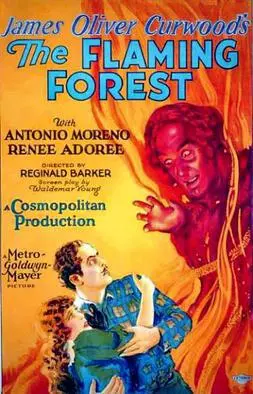
Delving into the atmospheric depths of The Flaming Forest reveals a master at work, the visual language established by Reginald Barker is something many try to emulate. From hidden underground hits to established classics, these are our top picks.
The enduring power of The Flaming Forest lies in to synthesize diverse influences into a singular artistic statement.
Jules Lagarre, a half-breed brigand, undertakes to dominate the Canadian Northwest with the aid of Indians and cutthroats. André Audemard, a trading post merchant, appeals to the government for help and is murdered by Lagarre's henchmen, Lupin and François, leaving his children, Jeanne-Marie and Roger. Lagarre attempts to establish himself as head of a provisional republic, but the Canadian government forms the Northwest Mounted Police to establish law and order. Jeanne-Marie persuades the settlers to remain, and she falls in love with Sergeant Carrigan. Roger murders Lupin and François in a rage, for the killing of his parents, and Carrigan comes to arrest him; as a result, Jeanne-Marie turns against him. Lagarre organizes an Indian attack on the post and orders the forest set afire to hem off the Mounted Police; however, the rescue is effected. Roger dies protecting Jeanne, and she is reconciled with Carrigan.
Critics widely regard The Flaming Forest as a cult-favorite piece of Romance cinema. Its poignant storytelling is frequently cited as its strongest asset, solidifying its place in United States's film legacy.
Based on the unique poignant storytelling of The Flaming Forest, our vault has identified these titles as the most compelling follow-up experiences for fans of Romance cinema:
Dir: Reginald Barker
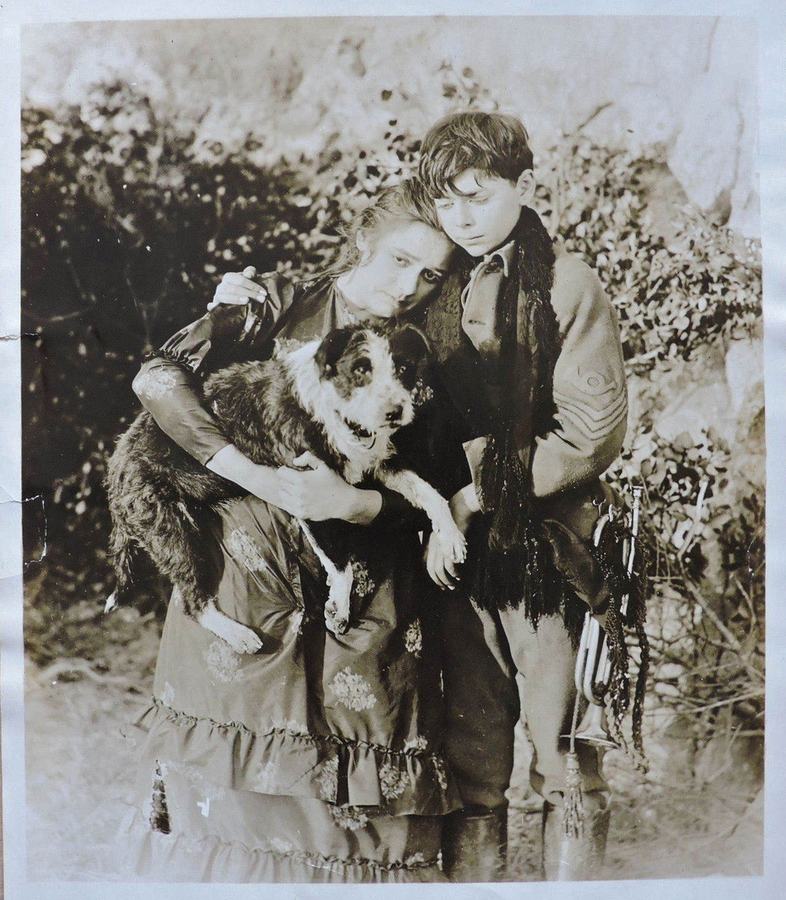
Billy, who is the little son of Captain Andrews, commandant of a western army post, has one ambition in life, and that is to become a good soldier. This he has confided to his friend, Sergeant Hogan, and the sergeant takes pains to foster the idea. He really needs all his courage to face a new situation that has come up in his life. His father is going to marry again. While he knows absolutely nothing about his prospective stepmother, he can conceive of no one worthy of taking the place of his beloved mother, who lies in the little cemetery outside the fort. In spite of Billy, however, the wedding takes place. The newcomer tries in every way to win over the little fellow, but beyond politeness his friendship stops. Soon after the wedding his father is called at the head of his regiment to quell an uprising of the Sioux Indians, forty miles away. He leaves his bride in little Billy's care. The distant trouble is but a ruse on the part of Lame Bear, the Indian chief, and now, with his picked braves, he swoops down on the weakened garrison at the fort. The defenders of the fort are so few in number that it is but a question of time before they must surrender. Billy, bearing in mind the admonition of his father to take care of his stepmother, takes her away from the fort by a secret passage and hides her in a cave in the hills. Suddenly he observes the wavering men at the stockade. Bethinking himself of his bugle and hoping to lead the Indians to believe that his father and the regiment are returning, he blows the signal to charge from a distant knoll outside the fort. The outcome of that bugle call saves the garrison and draws Billy and his stepmother together.
View Details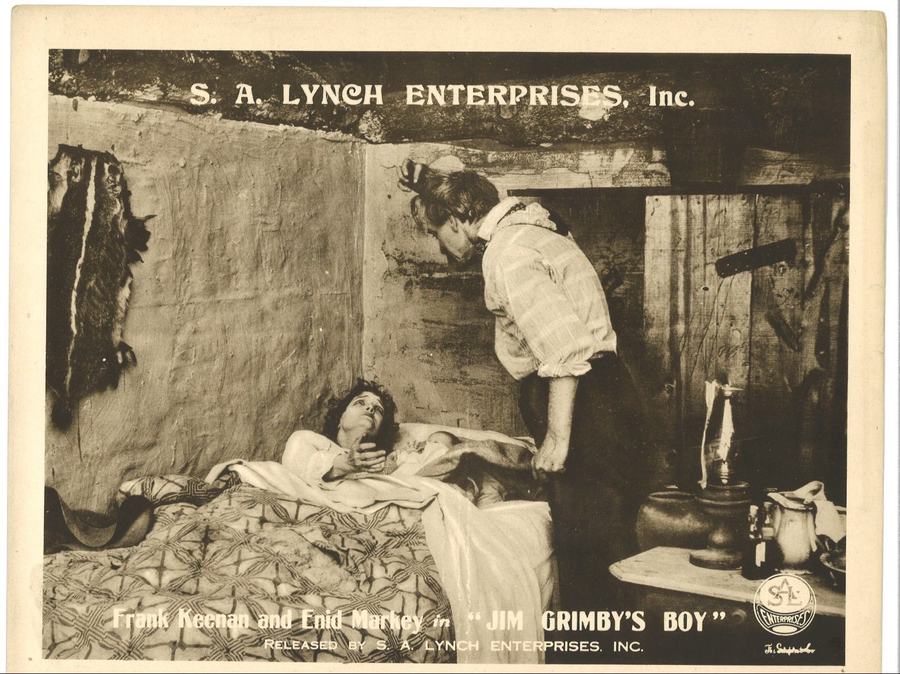
Dir: Reginald Barker
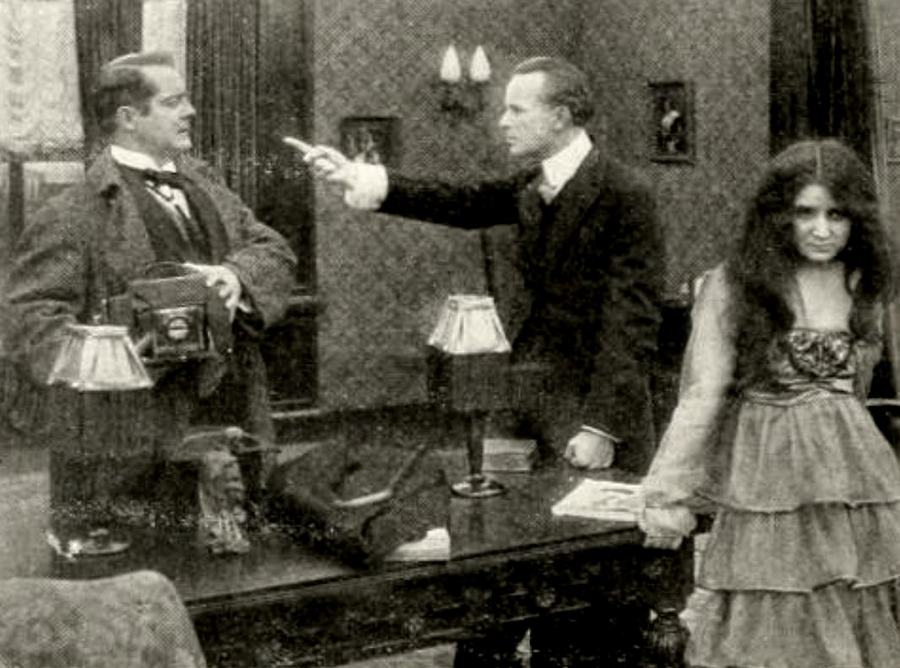
After his wife dies in childbirth, mountaineer Jim Grimsby names his newborn daughter Bill, and raises her as a boy. Remaining a boy in name only, however, Bill soon wants to style her hair and wear the latest fashions. She soon develops a crush on the new sheriff, Waldo Whittier. Appalled at the prospect of his "son" marrying Waldo, Jim decides to test the sheriff's grit, and so, believing that Waldo will be too frightened to come after him, he robs a casino. The sheriff does pursue, however, and, further impressing Jim, Bill pulls a rifle on Waldo to protect her father. Now certain of the sheriff's manliness, and convinced that his daughter has not forgotten how to act like a man, Jim returns the casino's money and agrees to let Bill and Waldo continue their courtship.
View Details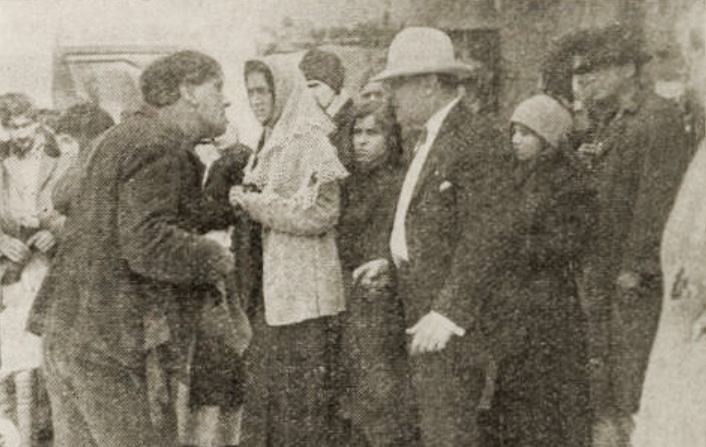
Dir: Reginald Barker
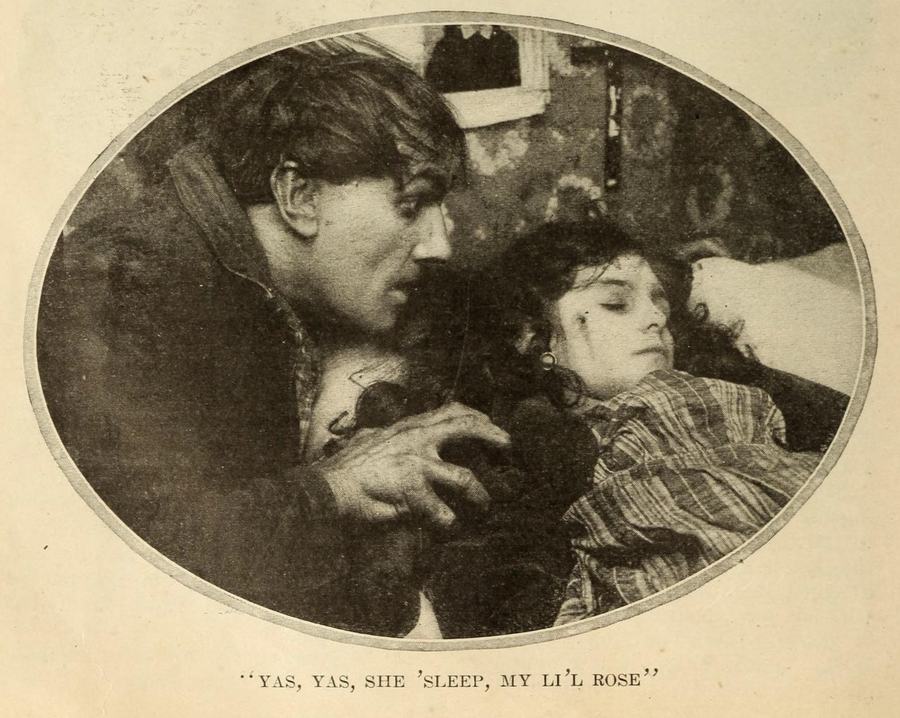
A poor ditch-digger, Pietro Massena, lovingly raises his motherless daughter Rosina. Phil Griswold, in order to throw a party to celebrate his expected inheritance, induces his friend Robbins to rob the flower shop where he works. After the inheritance goes to Phil's brother William, who refuses Phil money to return to the flower shop, Phil abducts William's daughter Dorothy and sends a "Black Hand" ransom demand to throw suspicion onto Pietro, who earlier frightened Dorothy when he delivered a Christmas tree to William's house. William drives into the slums looking for Pietro and accidentally runs down Rosina. The grieving Pietro goes to the flower shop on Christmas morning to buy a rose for Rosina's coffin and is accused of the kidnapping, because Phil arranged to have a man known by "the sign of the rose" pick up the ransom money there. Pietro threatens to kill the arresting detective so that he can return to his "bambino," when William arrives with news that Dorothy has been found. William offers Pietro compensation, but he refuses and sorrowfully returns home.
View Details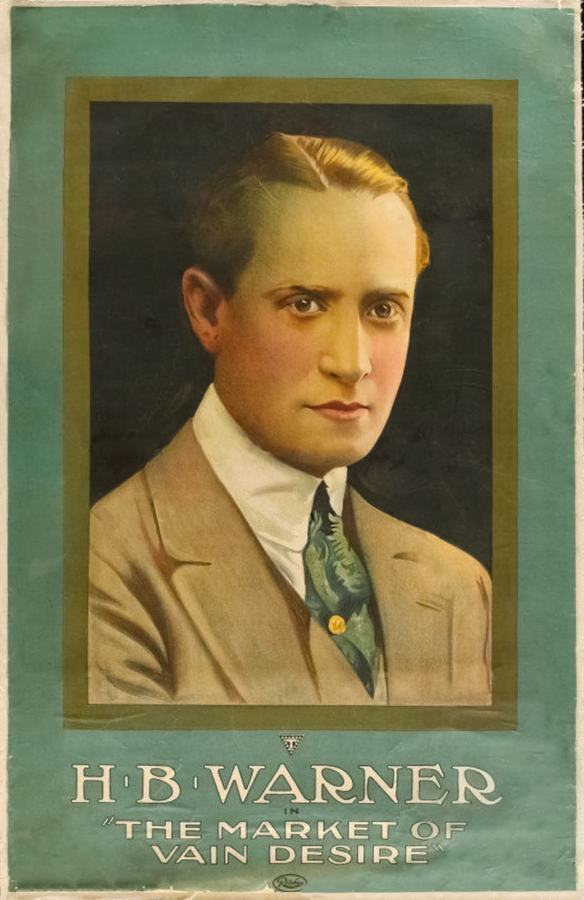
Dir: Reginald Barker
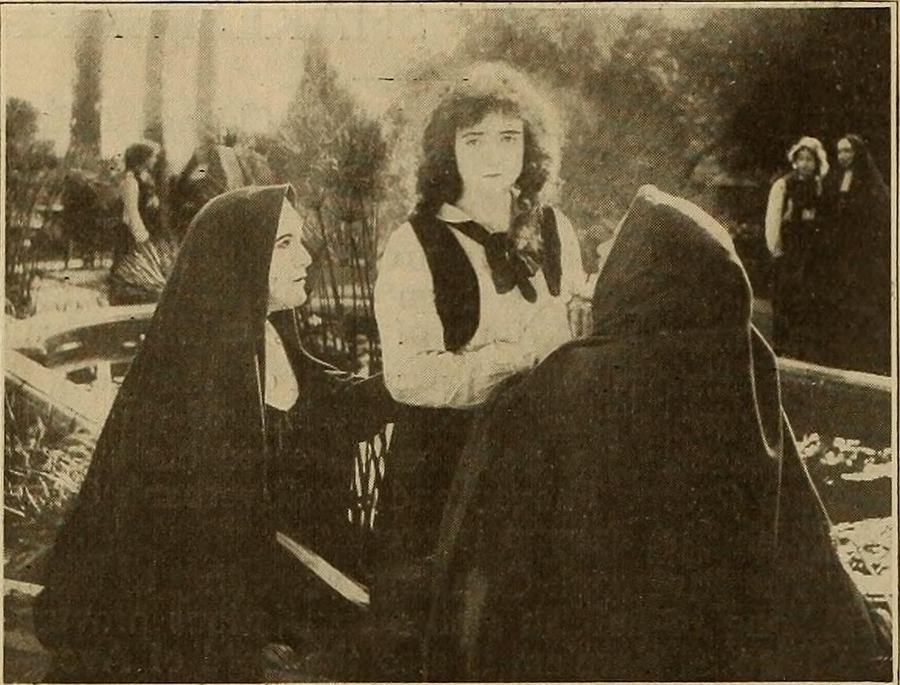
A parson, in love with a girl who is betrothed to a rich Count in her family's hope of partaking in the Count's fortune, uses his pulpit in a scheme to shame the family into allowing the girl to break the engagement and marry him instead.
View Details
Dir: Reginald Barker
"Honest Jim" Martin is elected by popular vote to the U.S. Senate in the fight against the Railway Land-Grab Bill. When Jim goes to Washington his mother accompanies him. At the first reception of the season, Jim is introduced to Harriet Lane, the most dangerous woman in the Capital, by Wm. Landers, chief of the secret railway lobby. Harriet is a lobbyist and is supposed to win the votes of the senators for the Land-Grab Bill. Jim becomes fascinated by Harriet's wit and beauty and she and Landers set a snare for him. Harriet writes him that she is in great trouble and asks him to call at her hotel. In his sympathy for her he places his arm about her and she leans against him, burying her face against his shoulders. As she does this she manages to loosen her hair, which falls in a tangled mass over her shoulders. She also disarranged her waist, giving evidence of a struggle having taken place between herself and Jim. While they are in this position Landers snaps their picture from a curtained doorway where he is concealed. He then confronts Jim and tells him that the negative will be given the newspapers if Jim doesn't give them his vote. Jim leaves the hotel in no pleasant frame of mind, first telling Harriet of his scorn for her. Harriet, who has become friendly with Jim's mother, is very unhappy because of the part she has been obliged to play and when Mother Martin calls on her that afternoon, bringing her a pie which she has baked herself for Harriet's birthday, Harriet determines to get the negatives from Landers and destroy them. To do this, she goes to Lander's office that night and unable to open the safe, because Landers has anticipated some such move on her part and changed the combination, she telephones to police headquarters and asks them to send up an expert to open the safe. This is done and while Harriet and the expert are still in the office (Harriet with the negatives in her hand) Landers enters and snatches the negatives from her. He has drawn his pistol and as he stands there talking with the safe expert, Harriet snatches the pistol from his hand and shoots the negatives to pieces as they lay on Lander's desk. The next day she sends them to Jim with a note telling him that all the evidence the lobby had against him is enclosed and asking him in future to try to live up to his mother's belief in him.
View Details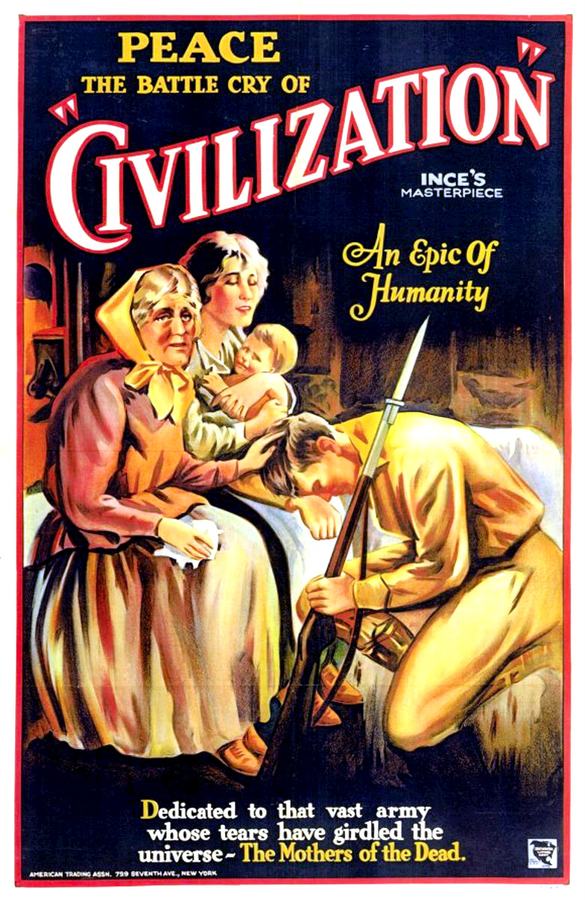
Dir: Reginald Barker
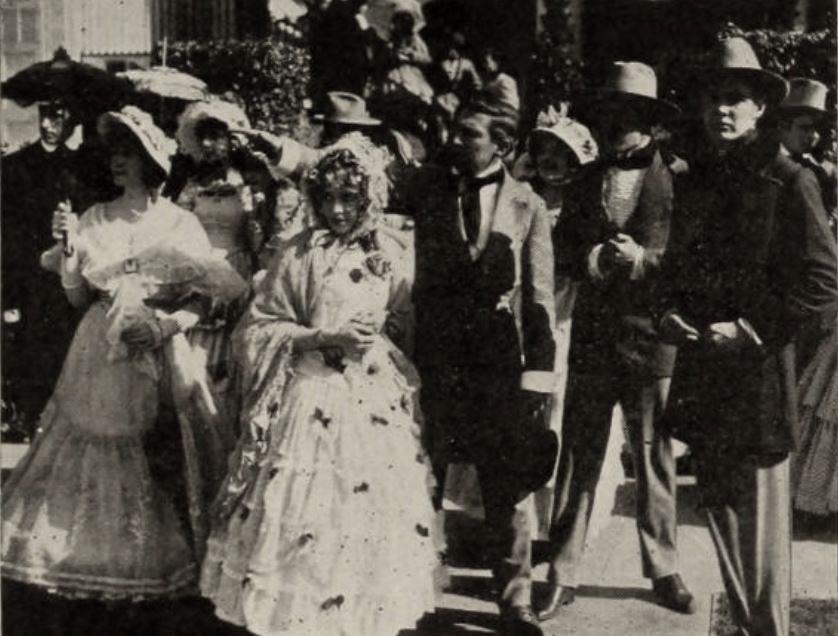
Christ takes on the form of a pacifist count to end a senseless war.
View Details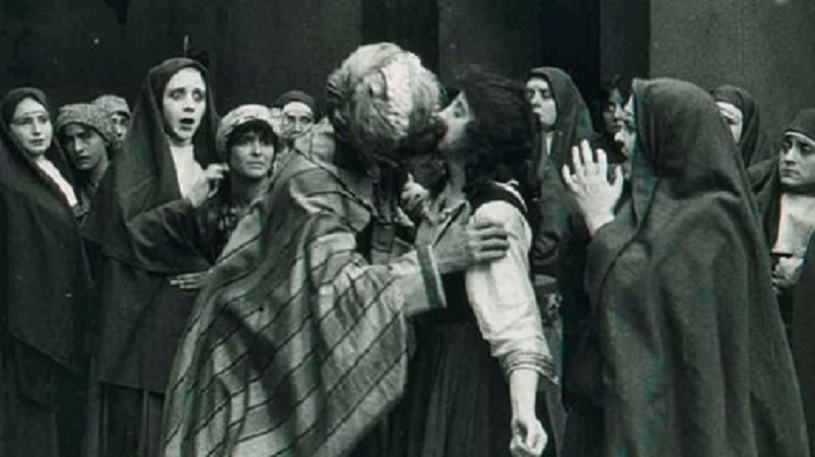
Dir: Reginald Barker
In war-torn Europe, Colonel Damien seizes an enemy town, then to persuade the defeated soldiers to give up their ill-gotten money, the Emir of Balkania, commander of the supporting native troops, threatens to unleash his men on the women who are staying in the town abbey. After giving the captured men a payment deadline, Damien collapses in a chair and falls asleep. As he sleeps, the emir goes to the abbey where Sylvia, the colonel's daughter, is staying in secret. He offers to free the other women in exchange for her sexual favors, but after complying with his demands, she shoots and kills him. When Damien discovers the emir's corpse, he orders the assassin shot, and covered in a veil, Sylvia is promptly executed. After her body is identified, the colonel is overcome with grief. Finally, he wakes up in his armchair and, realizing the tragedy was only a dream, orders his troops to leave the town in peace.
View Details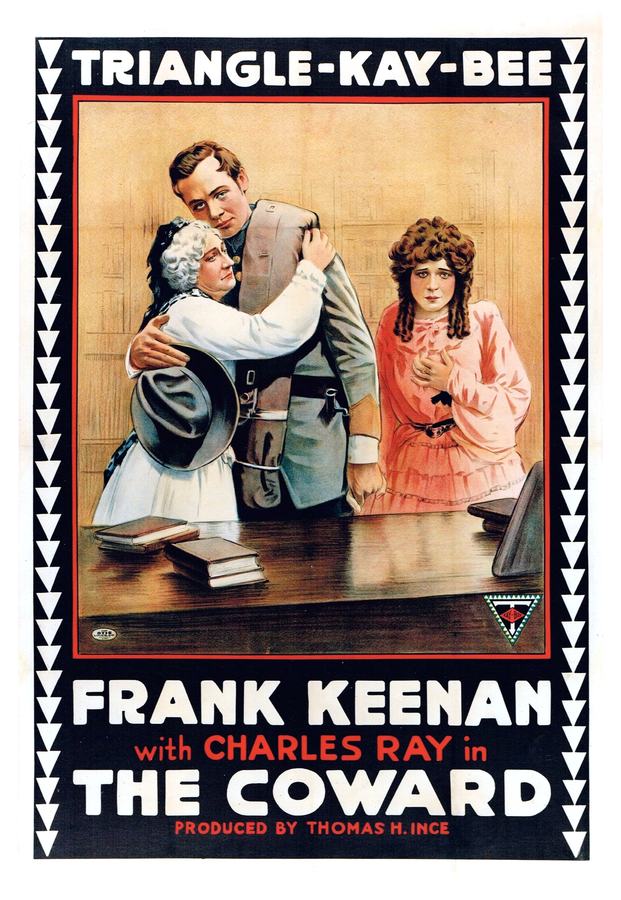
Dir: Reginald Barker
Confederate soldier Frank Winslow is terrified of the war and eventually runs away from battle. But when he finds himself behind enemy lines with vital information, he must decide between his fear and his conscience.
View Details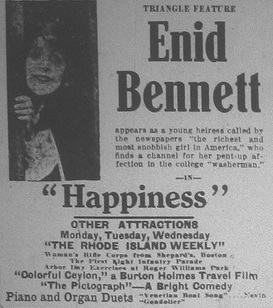
Dir: Reginald Barker
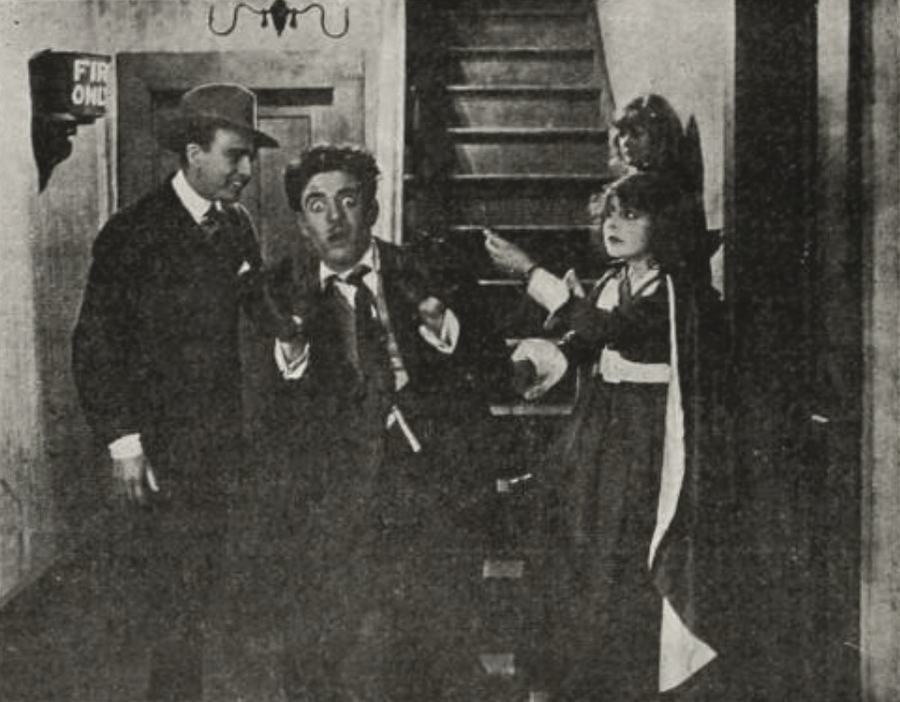
Doris Wingate is featured in a Sunday magazine supplement as the most snobbish girl in America. In reality, Doris is lovable and eager for friends, and it is her Aunt Priscilla who deliberately cultivates the false impression. Realizing this, her uncle ships Doris off to a co-educational college, but unfortunately, her reputation preceded her and she is snubbed by the other students. However, in Robert Lee Hollister, a fellow student who takes in washing to earn his tuition, and his little helper Dolly Temple, Doris finds true friends. Entering into a business partnership with her new friends, Doris spends her happiest hours sorting linen until her Aunt Priscilla arrives to break up the match. Doris defies her aunt and elopes with Bob, thus shattering her image as a snob, and the two settle down to a happy life together.
View Details
Dir: Reginald Barker
When San Francisco social butterfly Octavia Van Ness falls into decline, on a physician's advice her grandfather, mining king Ezra Whitney, takes her to Alaska, hoping that she will regain health and find a mate more suitable than the gilded youths of the California city. In the far north they meet "Chuck" Hemingway, whom the girl supposes to be a "sourdough," but whom the grandfather recognizes as a young collegian from the east. When she rejects Hemingway's advances, the caveman instinct wakens within him. The day before she is to return to civilization, Hemingway kidnaps her, enters into a forced marriage with her, and installs her in his cabin--where she suffers no more harm than if she were with her mother. Six months later, Octavia is now well and strong and rejoices in housework, but is still antagonist to Chuck. When Kitty Malloy, the queen of the Arctic Cabaret, suddenly arrives in the city, Octavia's jealousy is excited. She realizes his true worth and for the first time loves her husband. They return to California, where they are united with Octavia's family.
View DetailsAnalysis relative to The Flaming Forest
| Film Title | Atmosphere | Complexity | Similarity |
|---|---|---|---|
| The Bugle Call | Tense | Dense | 96% Match |
| Jim Grimsby's Boy | Gritty | High | 86% Match |
| The Alien | Gothic | Abstract | 87% Match |
| The Market of Vain Desire | Gritty | Layered | 88% Match |
| The Man from Oregon | Ethereal | Abstract | 94% Match |
This guide was algorithmically generated using the cinematic metadata of Reginald Barker's archive. Last updated: 8/17/2026.
Back to The Flaming Forest Details →