
DbcultAccessing Vault...
Recommendations
Senior Film Conservator
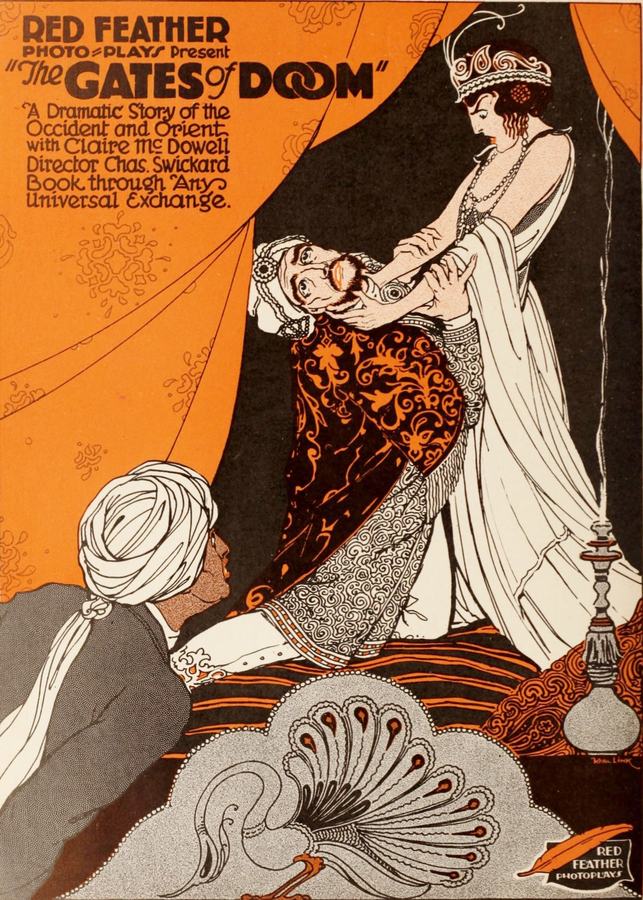
Since its 1917 debut, The Gates of Doom has maintained a cult status status, you are likely searching for more films that share its specific artistic vision. We have meticulously scanned our vault to find hidden gems that resonate with this work.
The 1917 landscape was forever altered by the arrival of to push the boundaries of conventional storytelling.
Captain Unger is relating the story of his love for the Hindoo woman, Indore, to Captain Duane and begs him if anything should happen to care for their little girl. When the officers leave the room a Hindoo sent by Indore's husband poisons the decanter of wine. Unger returns and is astonished to see Indore, who has made her way to him. He consents to take her away, drinks the wine, and falls dead. Indore lifts the glass to her lips to die with him, but it is snatched from her by the native, who carries her back to his prince. She is reduced to slavery in the harem. Duane takes the child, Agatha, to England. Agatha develops into a beautiful woman. She is reading a message from Duane with a heavy heart, for it says he is on his way with his bride, Florence, to join his father on his journey to India. En route they meet the Grand Duke Alexis, who has known Florence in the past. Alexis, perceiving that Florence is jealous of Agatha, forces her to think her husband loves the Indian girl. In India, Alexis informs Agatha her mother is not dead and that she might see her. Guided by a native, Agatha confronts the prince and asks for her mother; he parries her question. Looking at her with a lustful smile, he draws near and she retreats in terror. Struggling fiercely, the girl screams as he overpowers her. Indore hears the scream, slips into the room and stabs the prince. She recognizes her child and clasps her in her arms. Thus the guard finds them. Jang Sahib, the hunchback, rushes in when he hears the guard's shriek, and orders the native to spread the news that their prince has been murdered by an English infidel. Soon there is a riot and many white men are slain. Captain Duane, discovering that Agatha has gone to the palace, hastens with a few horsemen. Jang Sahib tells Duane Agatha is not there. Duane fights. Meanwhile Florence, convinced by Alexis of her husband's infidelity, has left on a steamer with him, leaving a note for Duane. While crossing the desert in Sahib's caravan, Indore jumps over the cliff. She is later picked up by some traders still alive, but has lost her memory. At the Walled City Sahib compels Agatha to marry him. On the wedding day she grasps him by the throat and chokes him to death. Duane, crushed by despair, shuns the haunts of white men. He wanders into a native dive, and is startled by the sight of a dancing girl. He staggers to her and, in spite of the curses of the people, leads her out. It is Indore, whom he mistakes for Agatha. She does not even remember her child's name, but when left alone in Duane's home is stabbed by the prince's servant. She is shocked into her right mind and demands to know where Agatha is imprisoned. At the head of a troop, Duane goes to the Walled City in time to snatch Agatha from the funeral pyre into which she is being forced by the subjects of the murdered Sahib. They escape and begin their journey back. Duane and Agatha are happy at seeing each other again.
The influence of Charles Swickard in The Gates of Doom can be felt in the way modern cult films handle cult status. From the specific lighting choices to the pacing, this 1917 release set a high bar for atmospheric immersion.
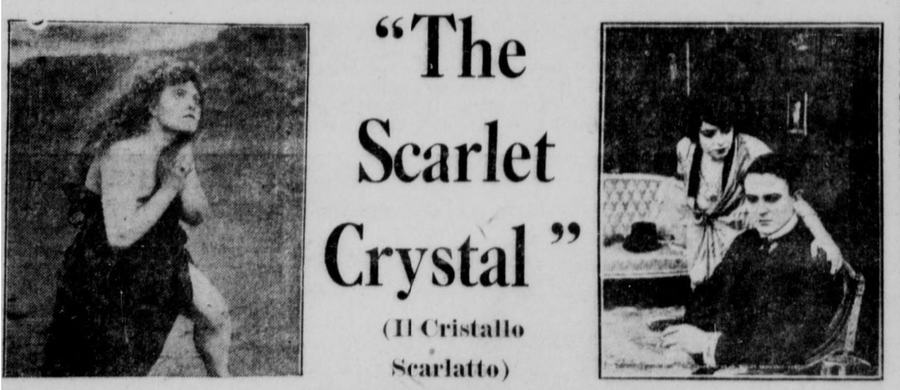
Based on the unique cult status of The Gates of Doom, our vault has identified these titles as the most compelling follow-up experiences for fans of cult cinema:
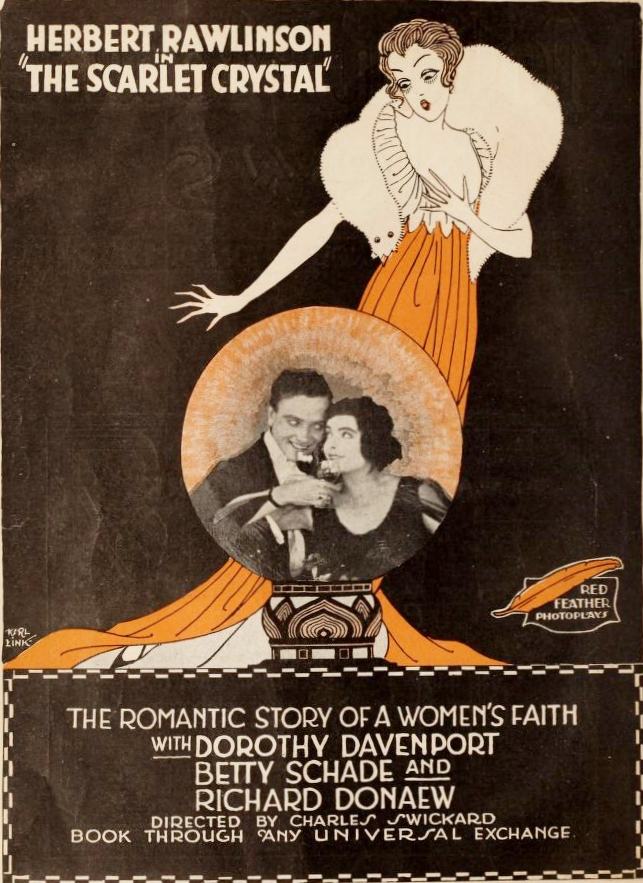
Dir: Charles Swickard
Priscilla Worth, an innocent country girl, goes to the city to visit her aunt, a typical society butterfly, who has sent for her, thinking her child-like simplicity will afford a welcome relief to Vincent Morgan, a wealthy bachelor, and man about town. The plan works well. Vincent marries Priscilla, and takes her on a tour around the world. However, one of his sweethearts, Marie Delys, a vampire chorus girl, resents being cast aside; and after Vincent returns, although he struggles with his better nature, he again succumbs to her charm. Priscilla grieves, but the memory of his love keeps alive her faith. Maxfield Durant, an artist, who painted her portrait when she first came to the city, had also fallen in love with her, but before he declared his love, she accepted Vincent. He advertises for a model who is beautiful, but not of the brazen type, and secures Peggy Lovel, a girl from the slums. Both Vincent, who is having Marie's picture painted, and his friend, Billy Van Duyn, become interested in Peggy. This arouses Marie's jealousy. Priscilla, remembering her portrait, requests Durant to bring it to her. He cannot refrain from showing his great love. Vincent, seeing this, flies into a terrible rage. Priscilla, conscious of no wrong, seeks consolation in the coming of her child. She gazes into a crystal which they brought from Egypt, and views scenes of horror, but her love for her husband renews her faith in him. Durant, unable to longer endure being so near Priscilla, closes his studio and becomes a wanderer. This throws Peggy out of employment, and she goes to Vincent, seeking help for herself and invalid mother. Billy, intoxicated, wants her, but Vincent sends her away, and takes Billie to his home. Peggy, knowing her mother's need of food, returns to Vincent's apartment, where he finds her asleep. As Vincent removes the glass stopper from a bottle of liquor, he sees, as in a crystal; Peggy sacrificing herself, and being sneered at by Billy. She returns home, finds her mother is dead, and takes to drugs to forget her dishonor. Finally she goes to a café where Marie and Vincent are drinking, and falls dead at the foot of the stairs, while Marie stabs Vincent and herself. The horror of this vision awakens Vincent's better nature and he sends Peggy home unharmed. Priscilla, who has been waiting with her baby, sees in the crystal, the fight for Vincent's soul, and when the face of the Christus appears, she knows the victory is won. Soon after, Vincent returns repentant.
View Details
Dir: Charles Swickard
At the death of Count de Beaulieu, his daughter Jeanne learns that her father had been the arch criminal known as The Phantom. The only other person who knew her father's identity was his lieutenant, Franz Leroux, who now demands that Jeanne marry him in return for his silence. She agrees and they go to America where Jeanne meets an old friend, Jane Elliot. Jeanne confides her secret to Jane, and the two decide to flee to Florida. When en route their train is wrecked and Jane killed, Jeanne, in order to protect herself from her criminal husband, assumes Jane's identity. Posing as Jane, she visits the Marstons and falls in love with Henry Marston. Soon after, Leroux arrives and Jeanne is forced to tell her story. While explanations are in progress, one of Leroux's confederates, whom he had double-crossed, kills the criminal. Henry then forgives Jeanne her deception and together they begin a new life.
View Details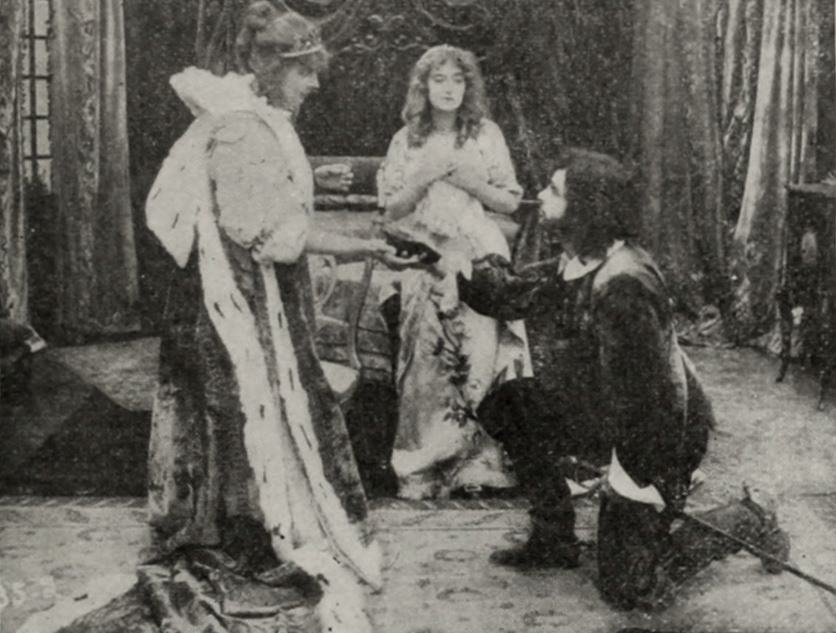
Dir: Charles Swickard
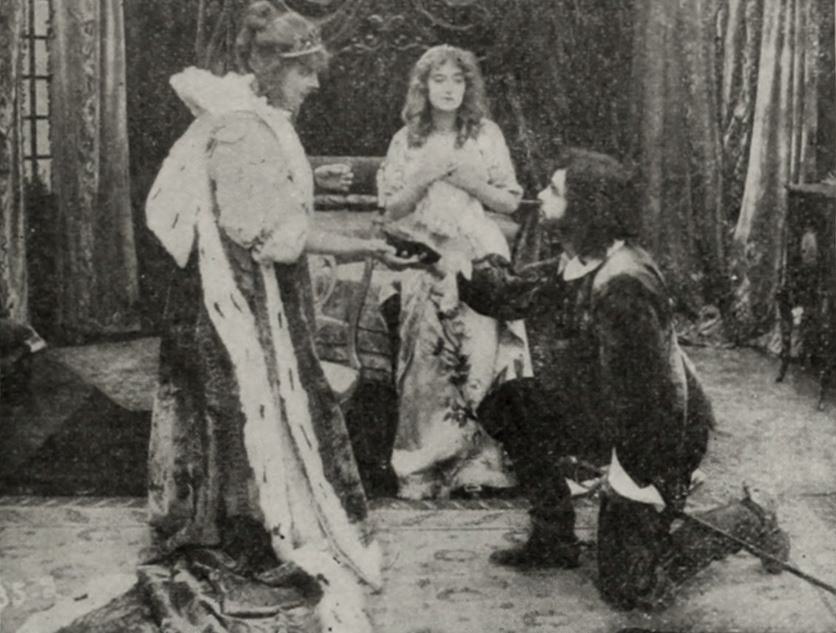
D'Artagnan goes to Paris and becomes a member of the famous King's Musketeers. The Queen sends him on a dangerous mission to England. His three companions are either captured or put out of commission in the course of fights on foot and horseback. D'Artagnan reaches London and recovers from the Duke of Buckingham a pair of studs the Queen gave him as tokens of regard. On the ship on which he returns the hero is captured by his deadly enemy, De Rochfort. Jumping over the side, he clings to the chains of the vessel till it reaches port in France. He restores the studs to the Queen, and she has them put back into the necklace where they belong. Cardinal Richelieu has induced the King to command the Queen to appear wearing the necklace at a great court ball. When he sees the complete necklace, his plan to embarrass the Queen falls through. In addition to obtaining the favor of the Queen, D'Artagnan is rejoiced over the safe return of his comrades and his reward from his sweetheart for his bravery.
View Details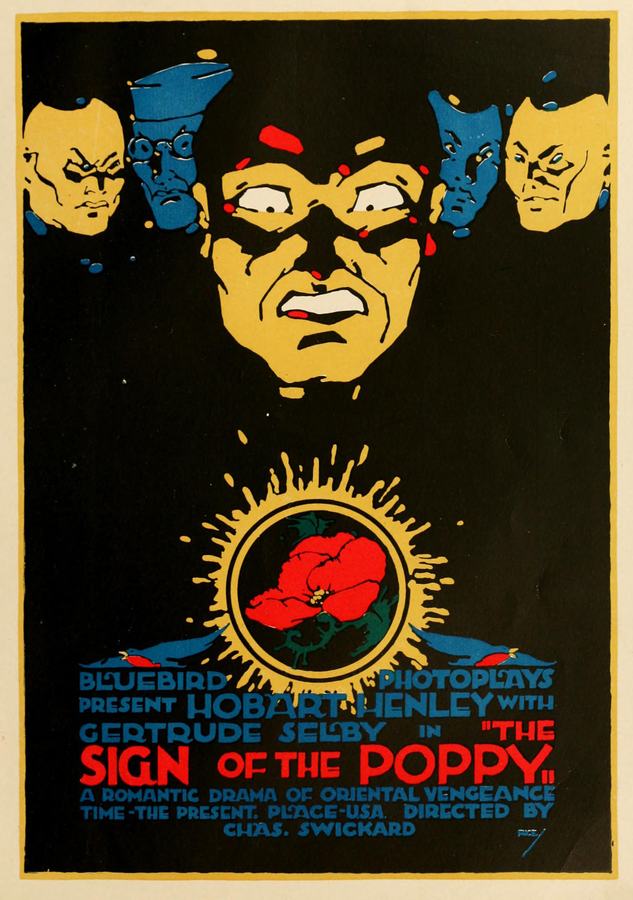
Dir: Charles Swickard
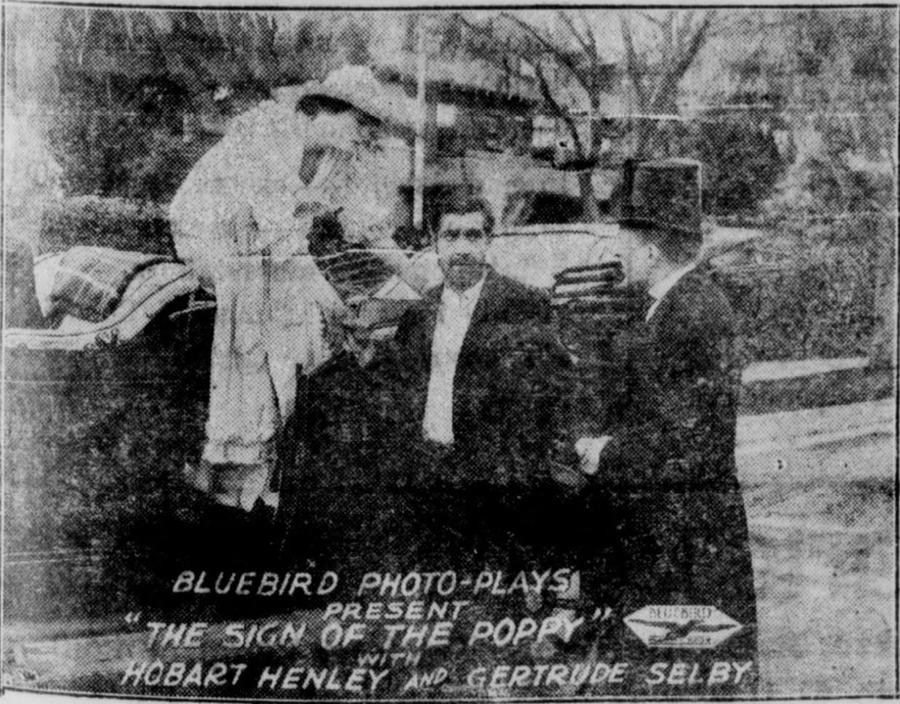
When Jerry Marston played a sharp business trick on Hop Li, the leader of a Chinese tong, he made the mistake of his life. Jerry never knew what became of one of the Marston twins mysteriously disappearing less than three weeks after the boys were born. So the anxious years passed until his only son Alvin had married and gone abroad on his wedding tour. One evening the butler handed Jerry a package, and at the same time delivered a wireless message telling that Alvin and his bride Edith were arriving on that day's ship from abroad. Marston opened the package. Before him lay a red poppy, a sign of death sent him by Hop Li. When Alvin and his bride reached the house, they found Jerry dying with the red poppy clasped in his hand. Alvin knew enough of Chinese lore to realize that his father had received the tong's death signal and thereafter Alvin lived in the dread of a like warning. On their wedding anniversary, Alvin presented his wife with a string of pearls. That night as Edith lay in bed, she experienced what she thought was a frightful nightmare. Alvin, with leering face, seemed to appear at her bedroom window, enter and try to caress her. The next morning she discovered that her pearls were missing. Alvin assured her that the mystery would soon be cleared up and left for his office. When the man Edith presumed was her husband returned home that evening, his face was dark and leering. When she tried to summon help, he silenced her and then, throwing her pearls at her feet, disappeared. Mystified she summoned Helen and Rex Durant, neighbors. They assured her that Alvin would soon come home safely and as his usual self. When she read in the morning of a crime in Chinatown (the murder of Hop Li, and the burning of his opium den) she connected it with her husband, and his revolting appearance the previous evening. She associated his disappearance with the crime and decided to announce to her friends that her husband had gone to a sanatorium. Several weeks later Rex and Helen Durant came upon Alvin as he was walking aimlessly through the streets. They took him home and told Edith her husband had escaped from the sanatorium. Continuing the deception, she accepted the man as Alvin, but his strange conduct so mystified her that she was mentally tortured. She was convinced that the man was not her husband, but one who strikingly resembled him. One evening the prison siren sounded a screeching alarm. A prisoner had escaped. The sound was so distressing to Mrs. Marston that she pleaded with her companion to take her into the library where the noise might be less acute. While the man and woman were standing near the fireplace under a great Chinese vase, they were startled by a pistol shot. The bullet hit the vase which broke and part of it fell upon the man's head. The shock restored Alvin to his normal mental state. The two turned to the library door and saw a man fall to the floor. Rushing to where he lay. Mrs. Marston recognized the man who had appeared at her bedside and who had returned her pearls. The dying man related that he was Alvin's twin brother whom Hop Li had stolen when but an infant, and had brought him up an opium fiend. His hatred finally conquered him, and he committed the vengeful act of murder of which he has been convicted. Immediately after the guards arrived and found the man dead upon the floor. The picture ends happily with Alvin and Edith restored to connubial felicity.
View Details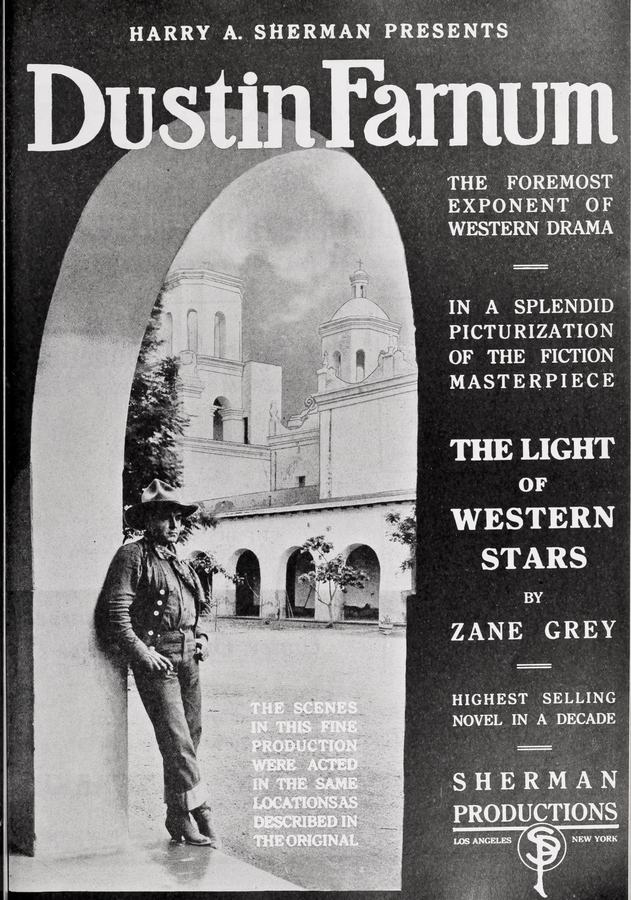
Dir: Charles Swickard
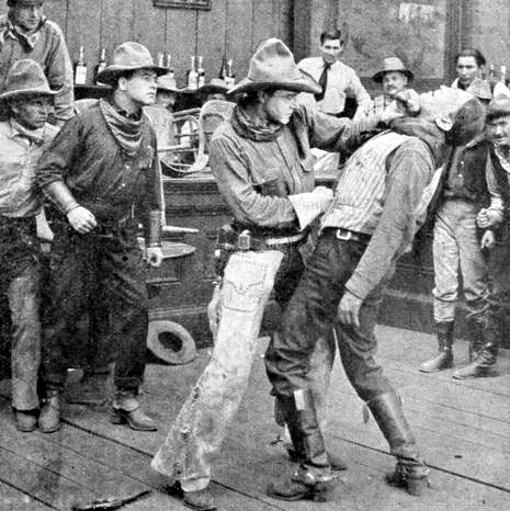
A friend of Dick Bailey is killed by a mysterious assailant, whom Dick suspects to be Stack, who is in league with the crooked sheriff. Out on a spree Dick swears he will marry the first woman he sees, who happens to be Ruth Hammond, sister of his dead friend, arriving to take charge of the Hammond ranch. Revolted by his rough proposal,she fires him as the Hammond foreman and she proceeds to the ranch. Stack informs her he has purchased the ranch for the payment of the back-due taxes, and she relents and rehires Dick and his friends to aid her in her fight against Stack.
View Details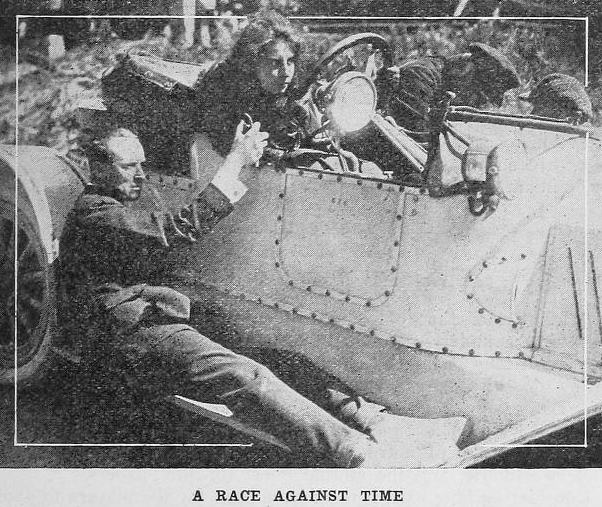
Dir: Charles Swickard
While working as a clerk for stockbroker Jerrold Burns, Scott Wells overhears his boss' plan to ruin railroad magnate David Haldeman, but before Scott can warn David, the millionaire leaves town on vacation. Scott then decides that he himself will fight Jerrold on the floor of the stock exchange, and he goes to David's daughter Dorothy with his plan. She gives him all of her money, and Scott spends all of it in fighting off the first day's raid on David's financial empire. Then, Scott discovers that Jerrold's cronies hold David captive. Scott rescues the millionaire, and rushes him to the stock exchange, where David successfully defends his holdings against the takeover attempt. Afterward, Scott receives more than David's gratitude: he also gets his permission to propose to Dorothy, who quickly accepts.
View Details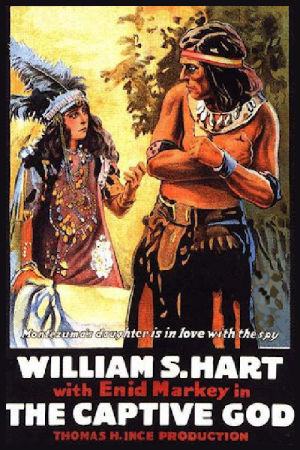
Dir: Charles Swickard
The picture tells the story of a little Spanish boy who is cast upon the shore of the east coast of Mexico early in the sixteenth century, when Mexico was dominated by the Aztec Indians. Never having seen a white person before, the local natives, a tribe called Tehuans, bring him up as a god and call him Chiapa. When he reaches manhood, Chiapa is given authority over his entire tribe. He falls in love with the priestess, Tecolote, and she yields to his advances although she is quite unworthy of him, and encourages other suitors. Then the Aztecs hear that under the white god the Tehuans are very prosperous, and start forth to conquer them. The Aztec army is under command of Mexitli, the chief general of Montezuma, the Emperor, and having conquered the Tehuans, he carried off Tecolote as his personal slave. Chiapa follows as a spy. In the garden of Montezuma, he is wounded by a guard, but Lolomi, the beautiful daughter of the Emperor, saves him. They fall in love. Meanwhile Mexitli has tired of Tecolote, and now seeks the hand of the Princess Lolomi, who would rather die than have him. As the Emperor gives Mexitli his consent, he tries to get the princess by force, and in doing so discovers Chiapa. Luiapa is sentenced to die at the end of the year on the sacrificial stone. But Lolomi, finding her pleas to her father of no avail, sends word to the Tehuans that their god is captive. An avenging army sweeps down, and there is brought about a sequence of thrilling scenes with a smashing finish.
View Details
Dir: Charles Swickard
Engineer Bob Durland, a rival of the wealthy Harold Blake for the hand of Alice Randolph, goes to Mexico during its revolution to prevent Morgan Randolph from losing his oil concession. Harold accompanies him, but when the Mexican insurrectionists threaten the two Americans, he becomes frightened and leaves. Upon his return, he reports that while he himself heroically fought off the revolutionaries, Bob died a coward's death, and Alice, believing her true sweetheart to be dead, agrees to marry Harold. Meanwhile, Bob saves Randolph's mines despite several attempts on his life and then returns to the United States, just in time to prevent his girl from marrying the wrong man. After evening the score with Harold in a fight, Bob takes his place beside Alice at the altar.
View Details
Dir: Charles Swickard
Dick Bisbee loses his job in his millionaire uncle T. W. Bisbee's factory because of the hostility of crooked manager Elmer Robbins. Before leaving, Dick denounces his uncle for his niggardly ways and advises him that there are no pockets in a shroud. Dick goes to live at the home of his one office friend, bookkeeper Stetson, and he falls in love with Stetson's daughter Helen. The next day T. W. feels remorse and under Dick's guidance he abandons his miserly ways and spends his money having a good time. After overhearing Helen telling Dick what she would do if she had T. W.'s money, T. W. follows her advice. Robbins is arrested for embezzlement, and T. W. makes Stetson manager and Dick a partner in the factory.
View Details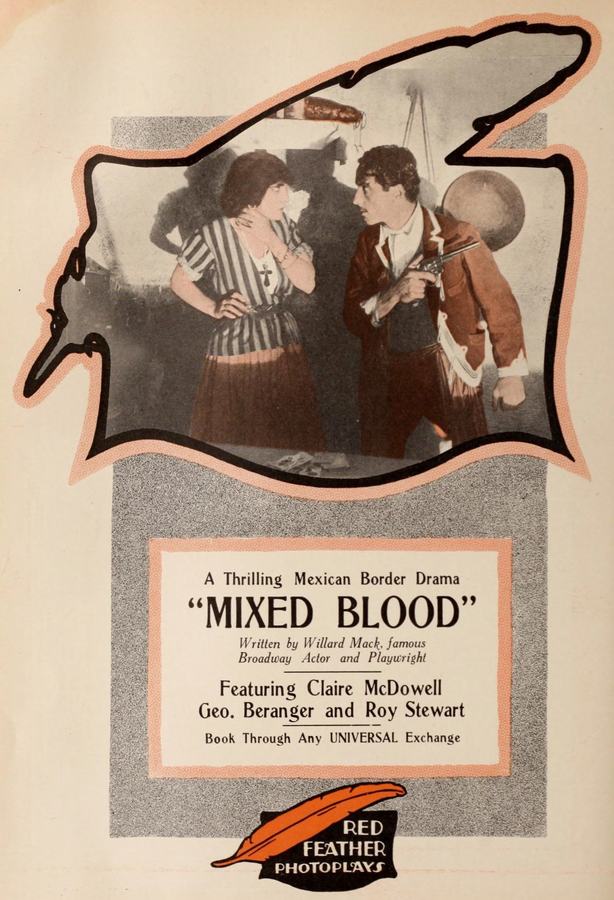
Dir: Charles Swickard
Just over the American side of the Mexican border, Big Jim Burmister, the Sheriff, kept law and order, being both feared and hated by the Mexicans who were thus forced to keep within the bounds. Conducting the saloon and gambling hall is Joe Nagle. His devoted slave, who is also his faro dealer, is "Blootch" White. He is much attached to Lottie Nagle, who bears the surname of the saloon-keeper by courtesy only. The Valyez family, the newest arrivals in the little town, are a source of interest to all. The girl, Nita, whose Mexican father is dead, has inherited a great many of his traits. Carlos, a gambler and a bully, is enamored of the girl. His passionate wooing almost wins her, but at the last moment her contrary nature causes her to turn upon him with angry vehemence. Carlos, angered, returns to the saloon. He starts drinking, and before long he is shooting up the place. He is arrested by Jim, who imposes a fine or imprisonment for a year. Carlos is forced to accept the latter alternative. When Nita hears of this, she hastens to the saloon and soundly berates Jim, who has just received word that the nearest town across the border had become infested with the plague. Joe Nagle gives Nita the money to pay the fine of Carlos, thus thinking to win her heart. Lottie jealously watches this, and later overhears Joe telling "Blootch" to "get Carlos." She warns Carlos and gives him a gun. She has seen the notice of the plague and conceals it so that it does not become public. When "Blootch" accuses Carlos of cheating, the latter kills the faro dealer. Then Lottie whispers to him to take his horse and Nita and go across the border, though she knows she is sending them to brave infection. Carlos goes to the cabin of Nita, telling her that he has killed the faro dealer and that they must flee; but at the last moment she does not want to leave her mother. While they are arguing, Big Jim raps upon the door. Nita hides Carlos in a closet. Then Jim plays upon her jealousy and intimates that Carlos has been having an affair with another girl. She grasps Jim's gun and shoots toward the closet, but on the instant is sorry for her act. Jim, realizing that she loves Carlos, goes outside. When Nita opens the closet she finds it empty, as Carlos has escaped through the thatched roof. As Jim is waiting outside, Carlos sneaks along the roof and shoots him. Then he rushes down to Nita, and with sheer force, compels the fainting girl to accompany him. They have just gone when her mother returns, and bandages Jim's wound. Though weak from loss of blood, he takes up the pursuit of Carlos and Nita. When he arrives, after a day's pursuit, he finds Carlos dying a victim of the plague, while Nita is caring for him. Thinking that she loves the Mexican, Jim leaves for the border, but before he has gone far he falls from his horse, where he is found later by Nita. who has come to seek him. realizing that she loves him.
View DetailsAnalysis relative to The Gates of Doom
| Film Title | Atmosphere | Complexity | Similarity |
|---|---|---|---|
| The Scarlet Crystal | Gothic | High | 97% Match |
| The Phantom's Secret | Surreal | Layered | 89% Match |
| The Three Musketeers | Surreal | Layered | 93% Match |
| The Sign of the Poppy | Ethereal | Linear | 94% Match |
| The Light of Western Stars | Surreal | High | 89% Match |
This guide was algorithmically generated using the cinematic metadata of Charles Swickard's archive. Last updated: 8/17/2026.
Back to The Gates of Doom Details →