
DbcultAccessing Vault...
Recommendations
Senior Film Conservator
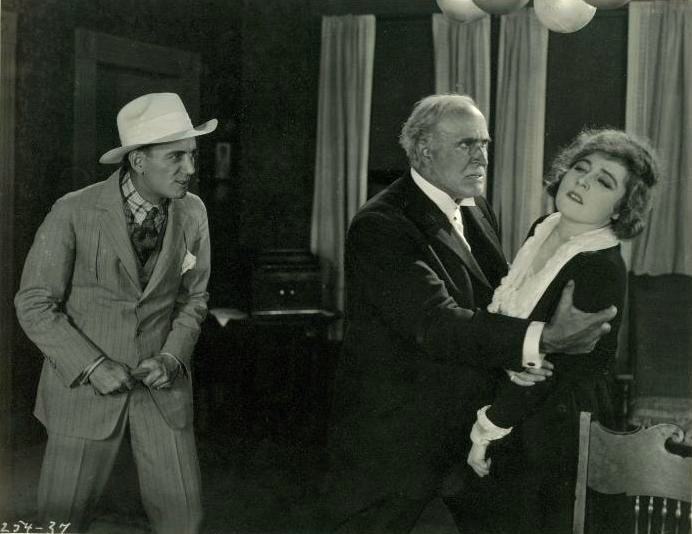
In the vast archive of cult cinema, The Girl Who Came Back stands as a unique vision beacon, it's essential to look at the contemporaries that shared this unique vision. Our cinematic experts have identified several titles that reflect the spirit of 1918.
Few films from 1918 manage to capture to leave an indelible mark on the history of United States film.
A professional burglar has taught his daughter the tricks of his trade, and she learned well. She's proud of her "career", but one day an unidentified man saves her from drowning, and the close call makes her think about changing her life. However, her father has a big heist he wants her to help him with: stealing a string of valuable pearls that an important politician is going to give to his fiancée. She reluctantly decides to help her father with the burglary, but an unexpected turn of events could result in her going to prison for something she didn't do.
Critics widely regard The Girl Who Came Back as a cult-favorite piece of cult cinema. Its unique vision is frequently cited as its strongest asset, solidifying its place in United States's film legacy.
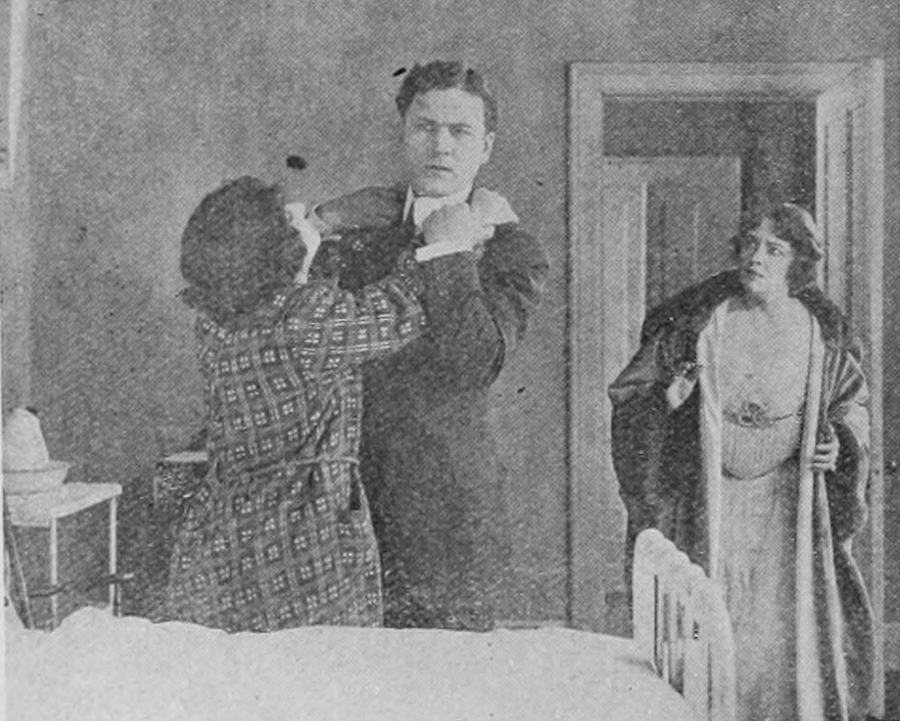
Based on the unique unique vision of The Girl Who Came Back, our vault has identified these titles as the most compelling follow-up experiences for fans of cult cinema:
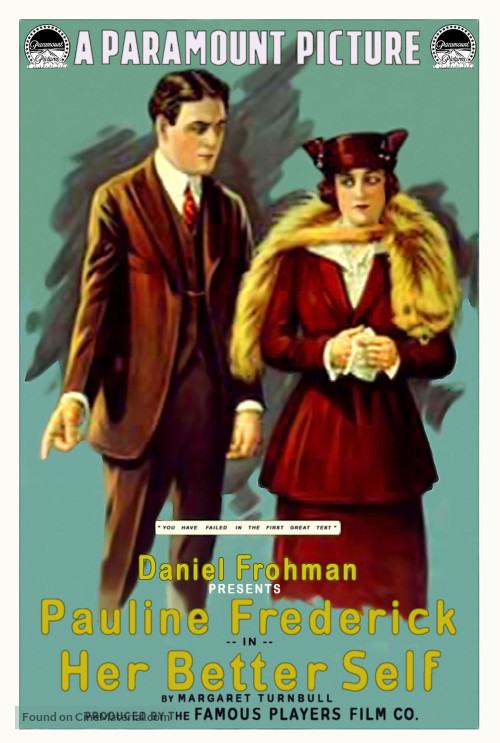
Dir: Robert G. Vignola
Society debutante Vivian Tyler is engaged to marry Count Belloto, then meets Dr. Robert Keith, whose work in uplifting the poor has attracted wide attention, she is strongly attracted to him and asks permission to work in his sanitarium, where the poor of the city receive treatment free of charge. There she meets Aggie May, a woman arrested as a streetwalker, and because she wears a locket bearing Dr. Keith's picture, Vivian assumes that the doctor has been responsible for the woman's downfall. Later, Aggie kills herself, and although Vivian witnesses the act, to avoid a scandal she hurries away before the police come. Dr. Keith is arrested for Aggie's death, the locket providing evidence of guilt. Just as he is to be convicted, Vivian rushes into the courtroom and gives the testimony that clears the doctor.
View Details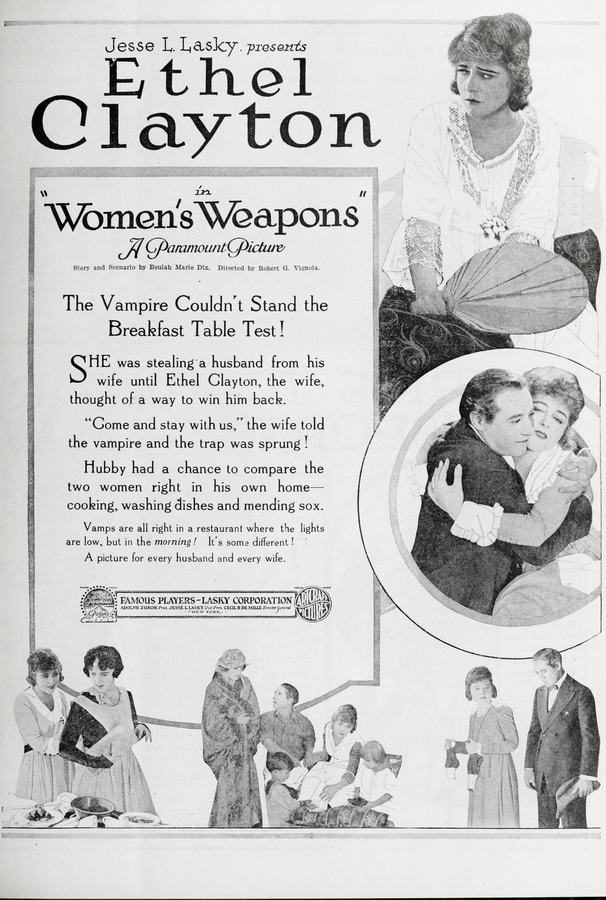
Dir: Robert G. Vignola
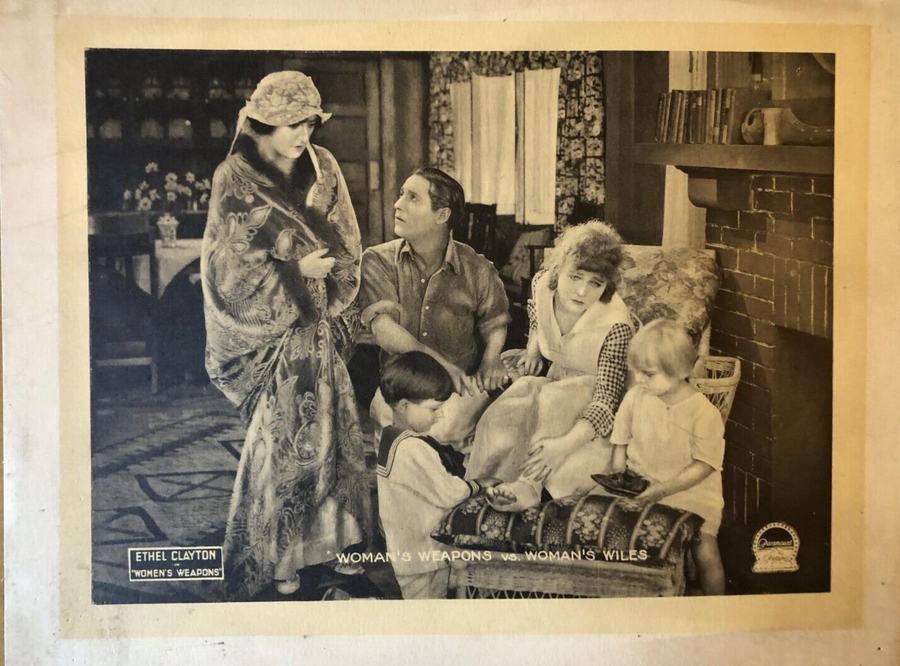
The children of a a novelist, Nicholas, contract scarlet fever. His wife Anne stays in the house to take care of them, but the house is quarantined by the authorities and Nicholas, not being allowed in the house, takes a room in town until the quarantine is lifted. Lonely, he begins to feel attracted to his illustrator, Esmee. They begin an affair, but soon Nicholas finds that Esmee's expensive tastes are driving him to bankruptcy. His wife finds out about the affair, and devises a plan to teach her husband a lesson and get his mistress out of the picture at the same time.
View Details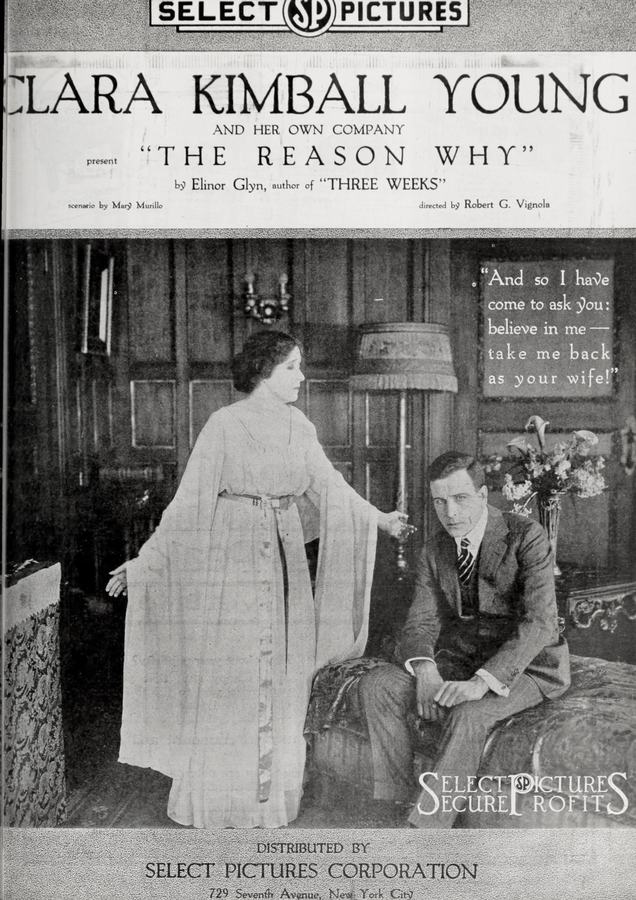
Dir: Robert G. Vignola
A Russian refugee who masquerades as Zara, niece of Francis Markrute, comes to his home and marries Lord Tancred, a scion of the English nobility, after a long series of misadventures she makes a full confession to her supposed uncle and to her husband regarding her origin and her young son by a former marriage to a Russian prefect of police, whom an infuriated mob murdered for his cruelty. Tancred is stunned, but only for a moment. Overwhelmed with forgiveness he avows his undying love.
View Details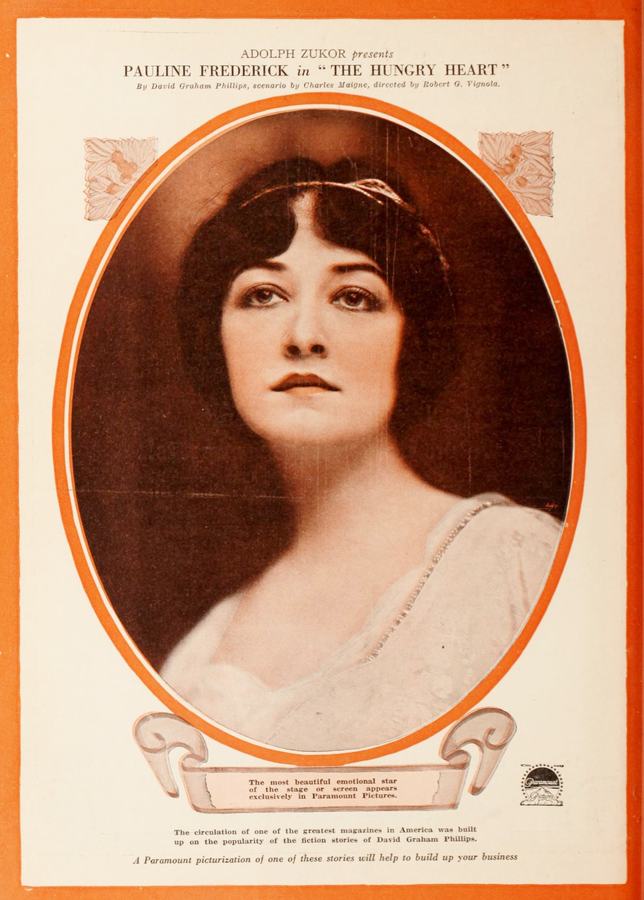
Dir: Robert G. Vignola
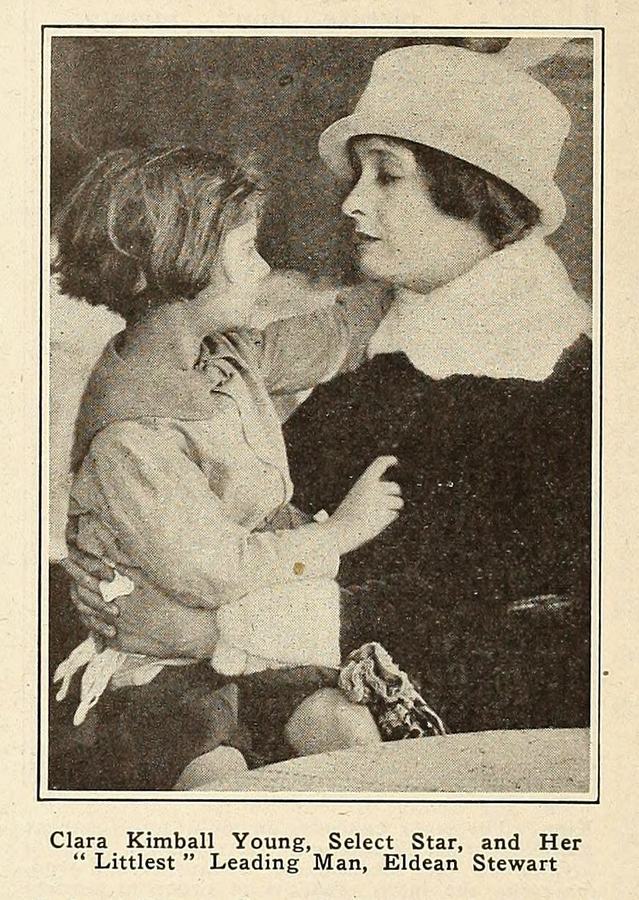
After their wedding, Richard Vaughan and his wife Courtney take up residence in Richard's ancestral home. Courtney, despised by Nanny, the old housekeeper, and neglected by her husband, who buries himself in his chemical experiments, leads a lonely life. Consequently, when experimental chemist Basil Gallatin pays a lengthy visit to the Vaughan home, Courtney finds herself attracted to him. One day, during Richard's absence, a burglar alarm places Courtney and Gallatin in a compromising situation. Witnessing their embrace, Nanny is struck speechless, but when Richard returns she recovers her speech and gives damning evidence against Courtney. Gallatin flees, and Richard, realizing his culpability, gives his wife a divorce. Having read of the divorce, Gallatin returns and Courtney admonishes Richard to kill them both. Richard frightens Gallatin away with the threat of exploding one of his compounds, but Courtney defies death and remains. A reconciliation between husband and wife then follows.
View Details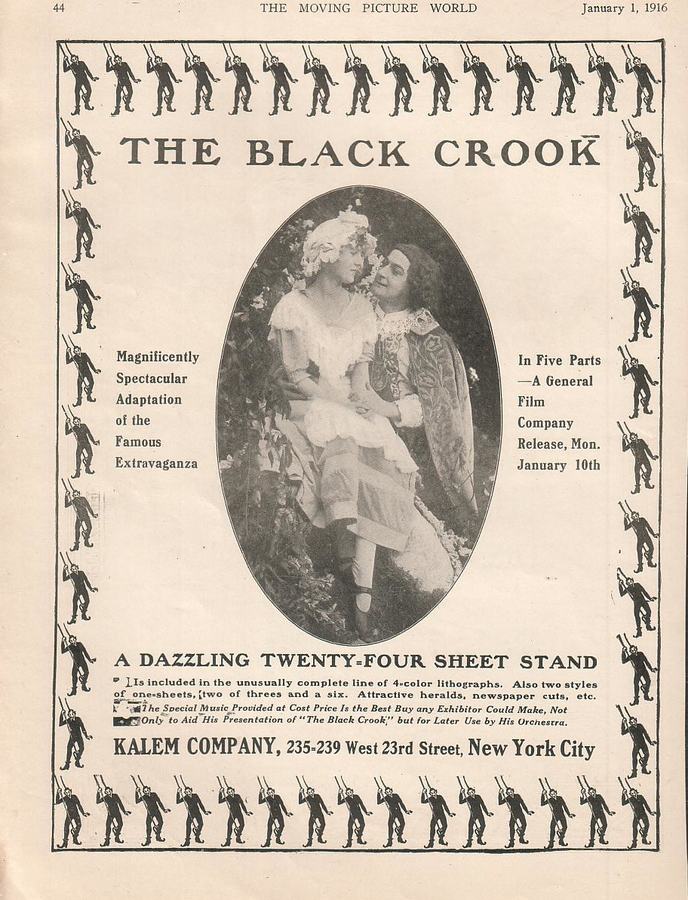
Dir: Robert G. Vignola
Amina loves Rudolph and turns the powerful Count Wolfenstein down when he proposes to her. In a jealous rage, Wolfenstein throws Rudolph into a dungeon. Meanwhile, Hertzog, "The Black Crook," has a deal with the devil: he must hand over to Satan one soul each year or find himself banished to Hell. With only 24 hours left before the year ends, Hertzog focuses all of his attention on Amina and Rudolph, believing them to be weakened from despair and therefore easy prey.
View Details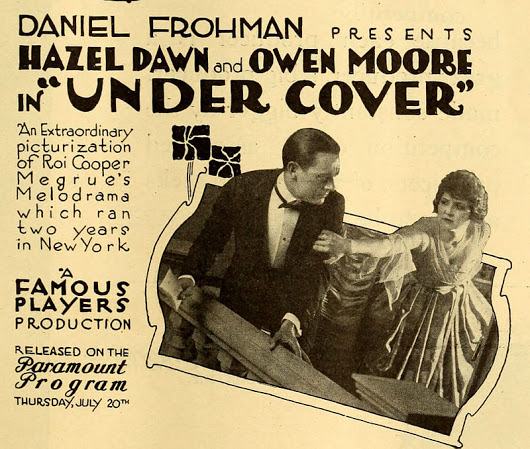
Dir: Robert G. Vignola
At her godmother's place in Paris, Ethel Cartwright meets dashing Stephen Denby but is reluctant to reciprocate her interest in her because he seems to be idle. Denby is actually a jewel smuggler and sells a $200,000 pearl necklace. Upon her arrival in New York, Ethel notices that her necklace is gone and claims her insurance money. The insurance company inspector finds Ethel's sister's behavior very peculiar and has her investigated by customs inspector Taylor; she soon reveals that she is the thief. Taylor tells Ethel he can forget the whole story if she helps him frame Denby. Ethel agrees and does it. As he is about to be taken to jail, Denby offers Taylor $30,000 to release him. Taylor accepts. Denby reveals himself a secret service agent in charge of catching a customs inspector who has been dealing illegally with smugglers for three years: Taylor. Ethel eventually marries Denby.
View Details
Dir: Robert G. Vignola
Lester, returning from Mexico, becomes interested in Helen, a girl whose life he had saved. Helen, according to her uncle, Vanderhoff, is insane. Dr. Luchow, Lester's friend, confirms Vanderhoff's statement. Upon returning home, the author finds that the Vanderhoffs have rented the adjoining cottage. The writer sees Helen drop a note. Picking it up, he finds the paper blank. Lester's window faces Helen's window. That night, the girl informs him in pantomime that the note contains a message written in milk. Scorching brings the message into view. As the result, Lester learns that Helen is the victim of a foul plot on the part of her uncle who desires to obtain her fortune. The girl drops a notebook which contains the details. The author is thus informed that Vanderhoff, by keeping his niece drugged with a loco weed preparation, succeeds in fooling the physicians who examine her. Lester breaks into the Vanderhoff house the following morning. He is discovered by Jose, who knocks the author unconscious and places him in the room above the dining room. Vanderhoff hastens his preparations to place Helen in the insane asylum. Dr. Luchow calls for the purpose of preparing the papers. Lester, using the top of a ventilator, saws away at his bonds. The blood from his bruised hands drips down upon Luchow's paper and the doctor soon becomes aware of what is going on. Jose attacks Lester just as the latter gains his freedom, but Dr. Luchow's timely arrival saves his friend. The Mexican and Vanderhoff endeavor to make their get-away in an auto, but an explosion, which wrecks the machine, ends their villainous careers.
View Details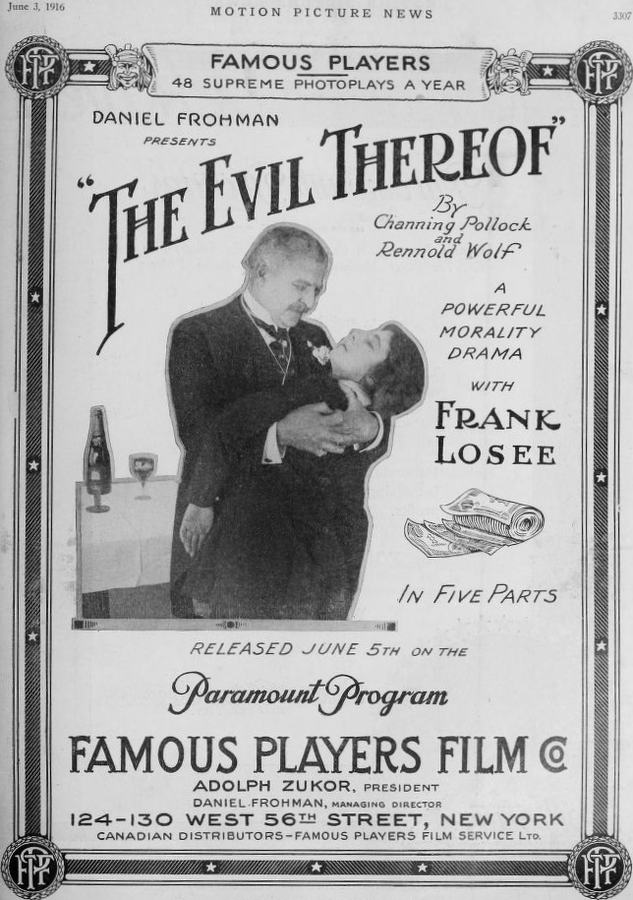
Dir: Robert G. Vignola
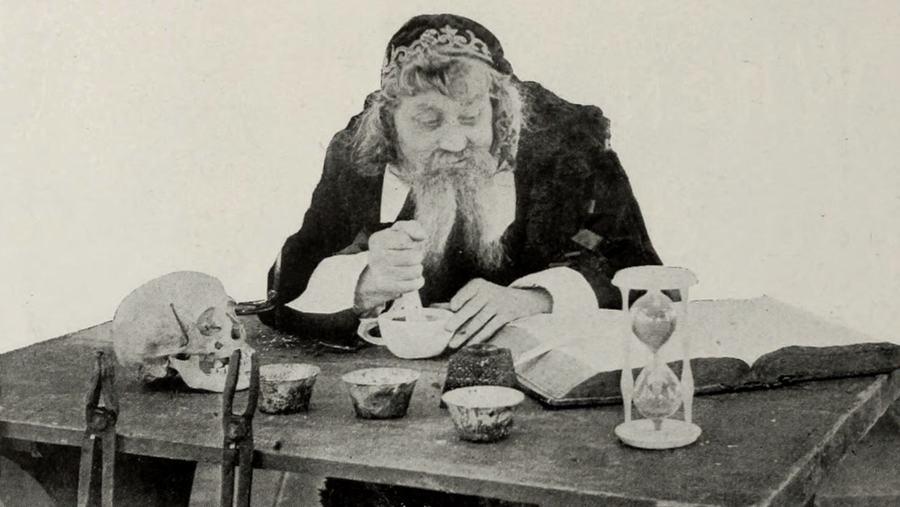
A fascinating piece of cinema that shares thematic elements.
View Details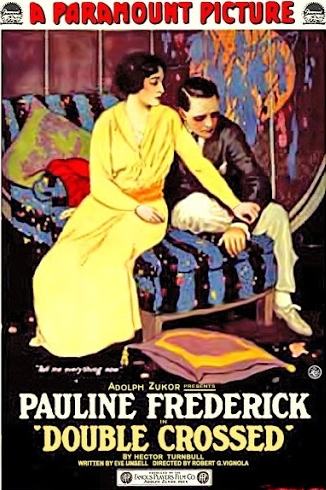
Dir: Robert G. Vignola
Young Frank Stratton, the scion of a wealthy family who is temporarily short of funds, has borrowed a valuable bracelet and hasn't returned it to its owner. A crooked detective, Jim Foley, finds the bracelet in Stratton's possession and promises not to arrest him for it in return for Stratton signing a confession that he stole it, which Foley intends to use at a future date. Years pass and a political boss in danger of losing an election asks Foley's help in getting valuable papers from his opponent, Worthington Lawrence. Foley knows that Lawrence is a friend of Stratton and tells Stratton that unless he steals those papers Foley will make his signed confession public. Complications ensue.
View Details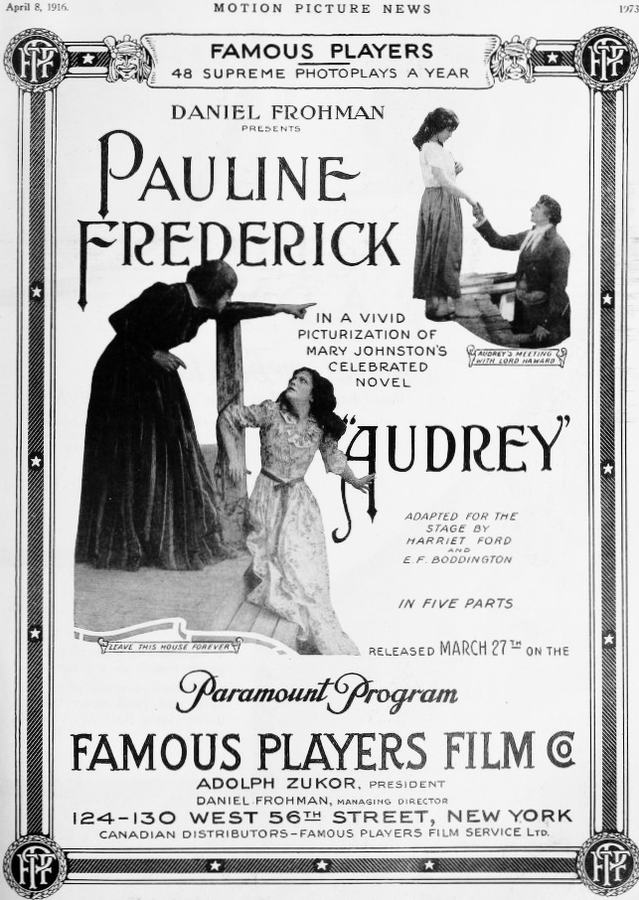
Dir: Robert G. Vignola
Audrey, an orphan, becomes the ward of a wealthy man, but when he travels to England, she is turned over to an unscrupulous couple who usurp her money and turn her into a slavey.
View DetailsAnalysis relative to The Girl Who Came Back
| Film Title | Atmosphere | Complexity | Similarity |
|---|---|---|---|
| Her Better Self | Surreal | Linear | 93% Match |
| Women's Weapons | Surreal | High | 89% Match |
| The Reason Why | Ethereal | Linear | 87% Match |
| The Hungry Heart | Gritty | Abstract | 98% Match |
| The Black Crook | Tense | Abstract | 94% Match |
This guide was algorithmically generated using the cinematic metadata of Robert G. Vignola's archive. Last updated: 8/16/2026.
Back to The Girl Who Came Back Details →