
DbcultAccessing Vault...
Recommendations
Senior Film Conservator
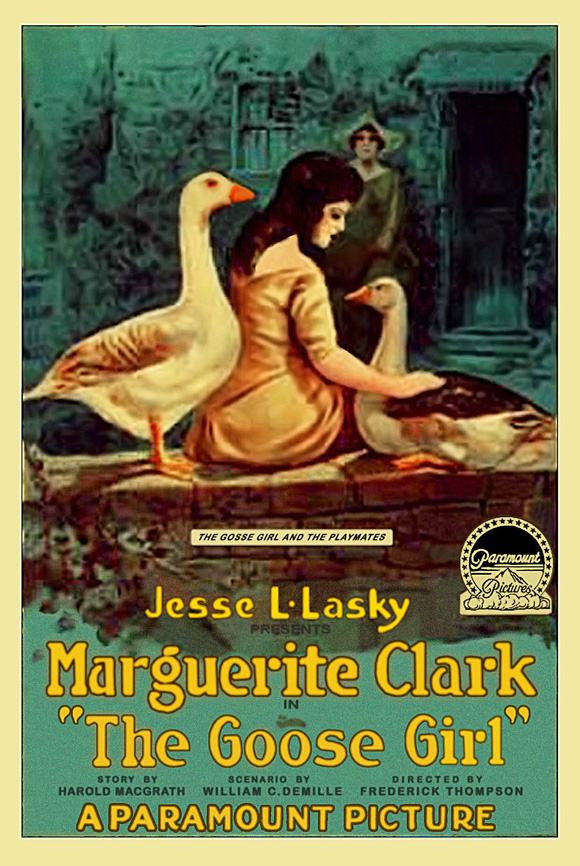
The 1915 release of The Goose Girl redefined the parameters of cult storytelling, the narrative complexity found here is a rare find in the 1915 landscape. Prepare to discover your next favorite movie in our hand-picked collection.
Historically, The Goose Girl represents to explore the darker corners of the human condition with unique vision.
Count von Herbeck, chancellor to the Grand Duke of Ehrenstein, is married but keeps it a secret because of his high ambitions. His dying wife writes him a letter urging him to make their young daughter a great lady. To this end, he arranges to have Torpete, a gypsy, to kidnap Gretchen, the daughter of the GRand Duke. He takes the coat and locket belonging to the little Princess and then sends his own daughter, Hildegarde, away. During the abduction of Gretchen she is wounded in the shoulder by a bullet. Fifteen years later Von Herbeck tells the Grand Duke he has found the Princess, and produces the coat, locket and Hildegarde as proof. Meanwhile, the real Princess has been abandoned by the gypsies and adopted by peasants, and has grown up as a "Goose Girl." The young King Fredrick of Jugendheit is officially betrothed to the fake Princess but he does not wish to marry a woman he has never met. He disguises himself as a Vinter and travels around the countryside, meets the Goose Girl, and rescues her from the insulting attentions of a vicious Count, and longs to marry her. But since he can not marry a peasant, true love seems doomed. Or does it?
The influence of Frederick A. Thomson in The Goose Girl can be felt in the way modern cult films handle unique vision. From the specific lighting choices to the pacing, this 1915 release set a high bar for atmospheric immersion.
Based on the unique unique vision of The Goose Girl, our vault has identified these titles as the most compelling follow-up experiences for fans of cult cinema:
Dir: Frederick A. Thomson
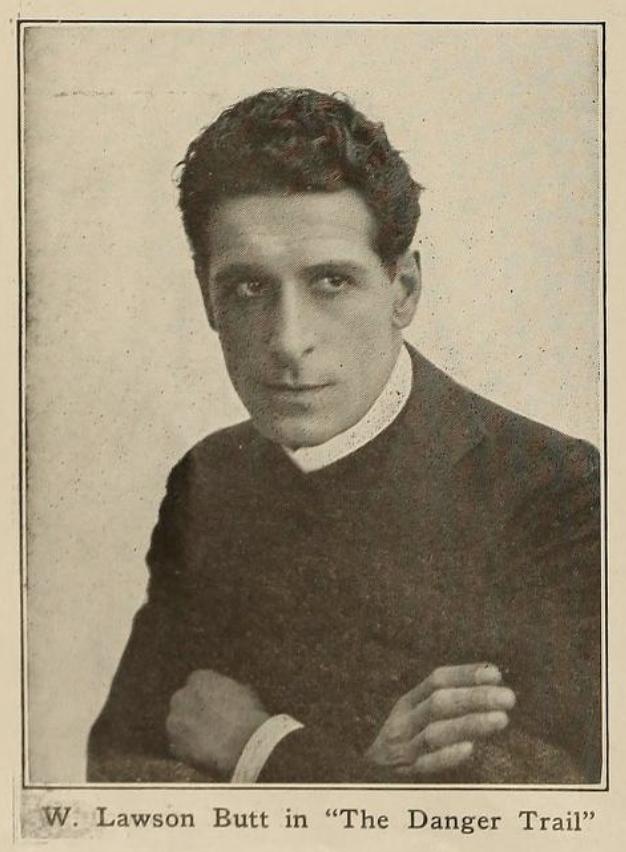
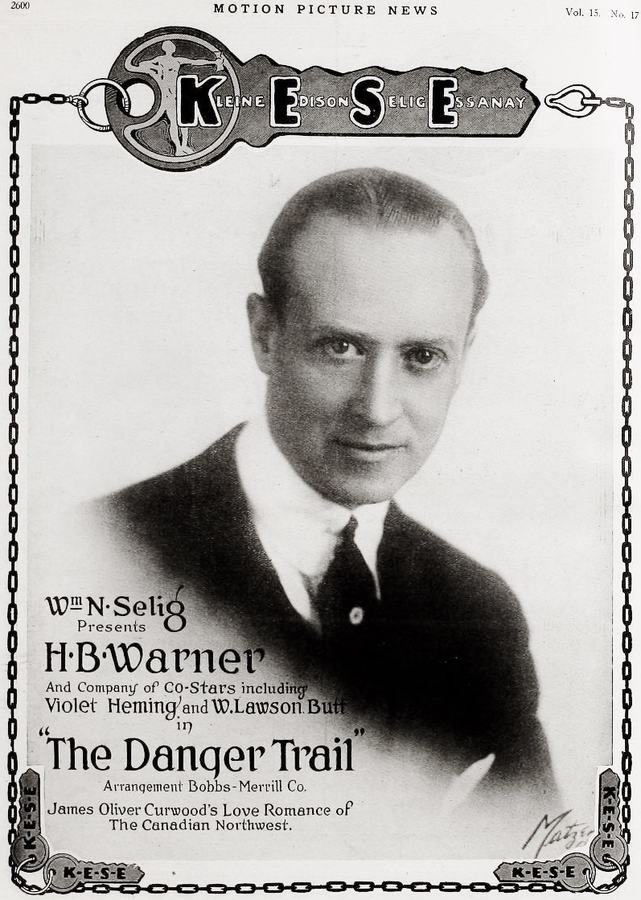
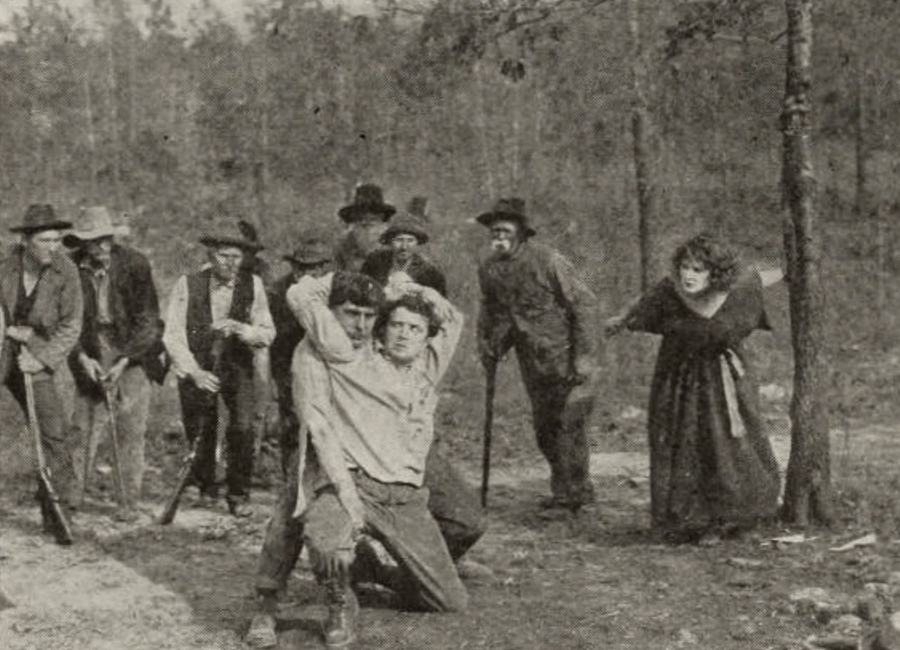
John Howland travels to the frozen North to build a branch of the Hudson Bay Railroad. There he meets and falls in love with Meleese Thoreau who warns him that her three bloodthirsty brothers--Max, Pierre, and François--have sworn vengeance against a man named John Howland, the son of a man who killed their mother, and that torture and death await him along the route to his station. Just as Meleese said, Howland is pursued by the vengeance starved brothers. Captured and near death several times, Howland manages to escape with the assistance of Meleese and the Jean Croisset, until the brothers discover that they have been pursuing the wrong Howland, and all ends happily with the union of the two lovers.
View Details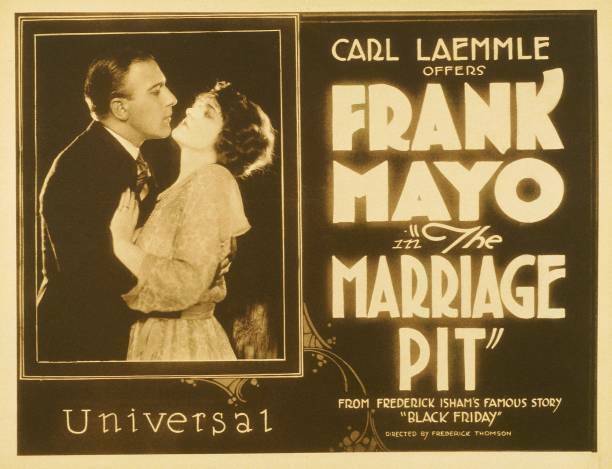
Dir: Frederick A. Thomson
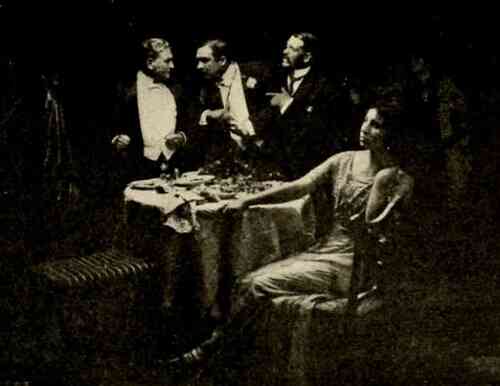
When Wall Street dynamo Richard Strong rescues Edwin Rossiter from financial ruin, Rossiter is so grateful that he persuades his daughter Elinor to marry their benefactor, although she does not love him. Instead, Elinor favors her distant cousin, Charles Dalton, a dissipated member of the aristocracy who weds Zoldene, an actress, on the day of Elinor and Strong's wedding. Soon after, Dalton wearies of Zoldene and renews his attention to Elinor, now estranged from her husband. Meanwhile, Strong and Zoldene's names are linked together in the scandal sheets, alienating Elinor even more from her husband. Dalton enters into a pact with Daniel Brewster to ruin Strong, but Elinor, finally realizing her love for her husband, assists in defeating his enemies. Their problems thus reconciled, Elinor and Strong face a happy future together.
View Details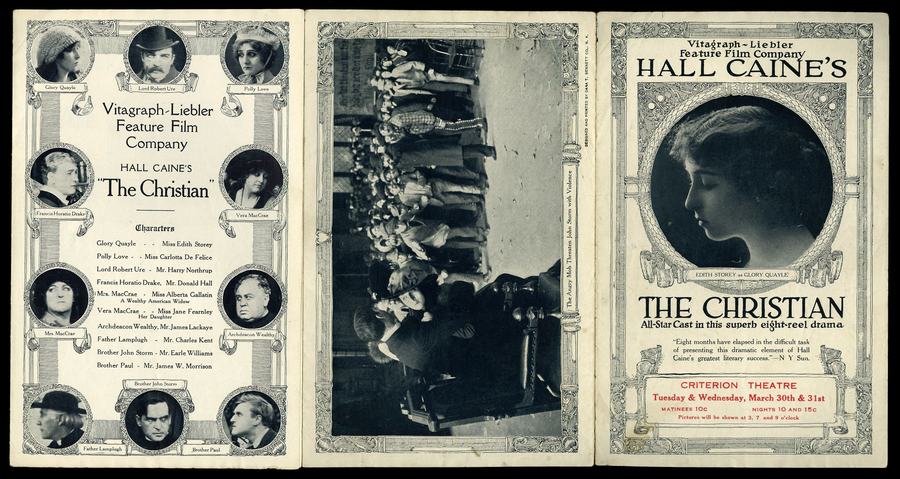
Dir: Frederick A. Thomson
Natural-born mimic Glory Quayle leaves her country home, reaches London, goes on the stage, and gains fame and affluence. Her country sweetheart John Storm, believing he has lost Glory forever, enters a monastery, tries to forget her, cannot kill his love, returns to the world, and becomes a famous slum worker and friend of the poor. Social vampire Lord Robert Ure, a beast in human form, betrays Glory's chum Polly Love. Glory tells John of Lord Robert's wicked treatment of poor Polly. John demands that Lord Robert marry Polly to save her from dishonor. Lord Robert refuses, as he intends to marry a rich American heiress, and a terrific clash erupts between the Right of John and the Might of Lord Robert. John exposes Lord Robert, who swears revenge. Polly dies of shame and a broken heart. Lord Robert plans fiendish revenge on John. He broadcasts the report that John predicts the end of the world on Derby Day, the greatest day of sport in England. John becomes an object of hatred. All Britain wrought up by John's alleged prediction. His former friends become bitter foes. The uneducated and weak are in mortal fear. Thousands and thousands incite riots against John Widespread and awful panics in the slums. Derby Day becomes a day of terror. (Wonderful scenes of the world-famous Derby Race, with its great horses and its terrific crowds, taken in England especially for these scenes.) John is a target for the vengeance of everyone, both rich and poor. He stands alone, with all the world against him. Glory rushes to his aid, quells the angry hordes and saves him from them. Through persecution, John's mind becomes unbalanced. That night, fearful for Glory, John goes to her home, tries to kill her to save her from a fate like the one which befell poor Polly. Glory rises supreme makes a magnificent defense, recalls John to his senses, helps establish his innocence, proves Lord Robert's guilt, accepts John's love, joins him for life, be it better or worse and in spite of the terror, the deep disappointment, the tribulations, the misunderstandings, in spite of all, Glory and John find happiness in each other's love.
View Details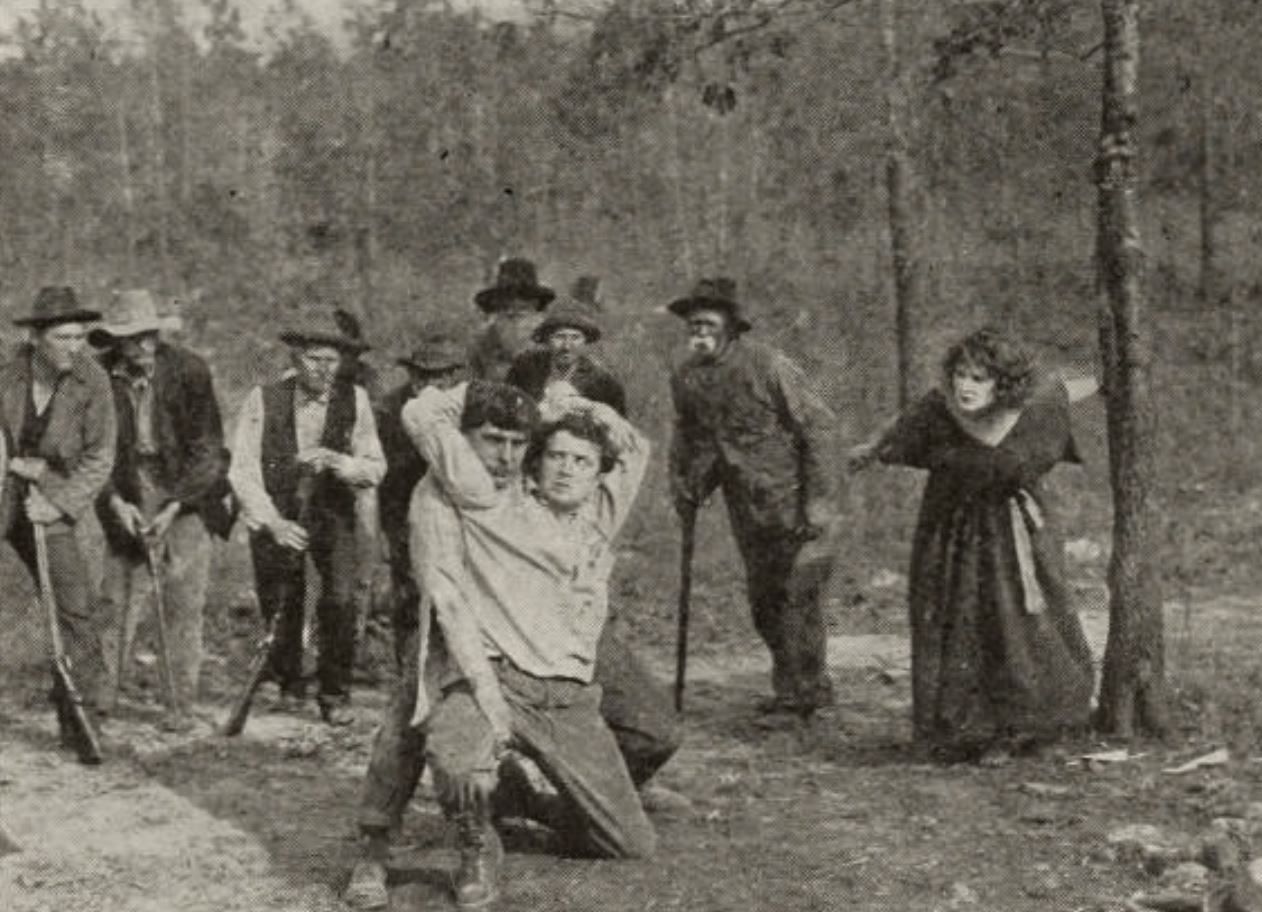
Dir: Frederick A. Thomson
A drama of two feuding clans of rugged mountain folk, and the conflicting love of young couple from opposing sides.
View Details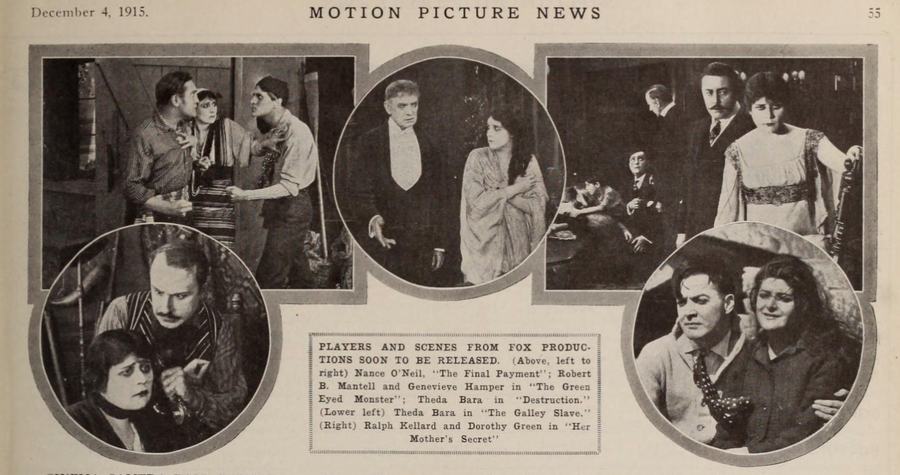
Dir: Frederick A. Thomson
Seth Cartwright abandons his mistress Bernice Archer and their child, Loma, and returns to his wife and son. Bernice, in a daze, leaves Lorna, who is adopted by Cartwrght's wife, who knows full well who the child's father is. Unfortunately, she and her husband are killed in a shipwreck, but it turns out Loma and her real mother are reunited because of the wreck, and settle in a small seaside town. Matters get complicated when Seth Jr. arrives in the town for a vacation and falls in love with Lorna--not knowing that she is his half-sister.
View Details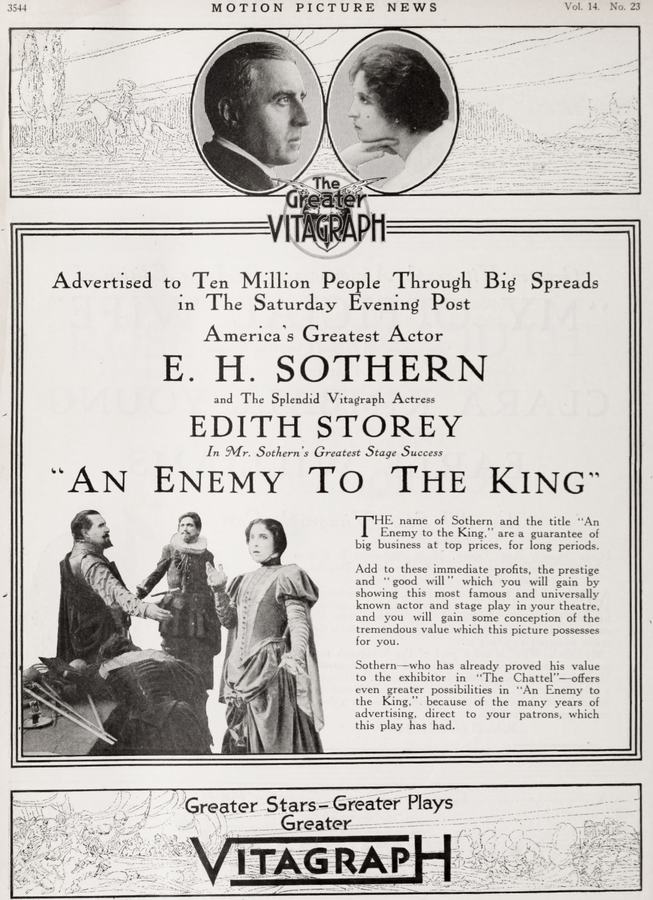
Dir: Frederick A. Thomson
When Julie De Varion's old father is imprisoned for harboring fugitive Huguenots, she goes to the authorities and begs for his freedom, declaring that he only did it out of kindness of heart. They refuse to release her father unless she locates the Catholic's greatest enemy, Ernanton De Launay, who lives in the depths of the forests and who has been vainly sought after for years. Although she knows her father would loathe such methods of release, she accepts the offer and sets off with her lady-in-waiting, Jeanette, to capture the enemy of the king by means of her womanly beauty. While stopping at an inn for the night, she is molested by a man who has been sent after her. A stranger, who is also stopping at the inn, comes to her rescue, however. The stranger offers her his protection for the rest of the journey, a kindness which she gladly accepts. He promises to take her to Ernanton De Launay, believing that she merely wishes to meet him. They continue their journey, and on the spur of the moment Julie dispatches her servant back to the officials with the statement that she has located the enemy and for them to release her father. Ernanton's servant discovers that they are being spied upon, and tells his master, who, now in love with the girl, kills him for daring to cast a reflection on the sweetest flower of womanhood he has ever met. When Julie asks him why he assaulted his servant, he truthfully tells her his reasons. Realizing that she has fallen below his estimation of her, she sends another servant after the bearer of the message in order to prevent it reaching the officials. She will not allow her womanhood to suffer even for her father's freedom. When she returns to the city, Ernanton follows her and is forced to believe that she is the spy his servant had accused her of being. She gains admittance to the officials' room and asks her father's freedom. She is refused, as the understanding was that the enemy was to stand before them, and she has failed in her quest. She will not bring the man who has won her love to them, and frankly states such as the case. Ermanton, who has been standing behind the curtain, now comes forward and tells them that they see the enemy before them, to release the aged father. Julie is distracted at the way things have turned, and becomes inconsolable. The Huguenots, who have been gaining victory after victory, now enter the city and surround the palace, demanding the release of their leader. The officials are forced to surrender, and Ermanton seeks Julie to tell her of his love and ask her to become his wife.
View Details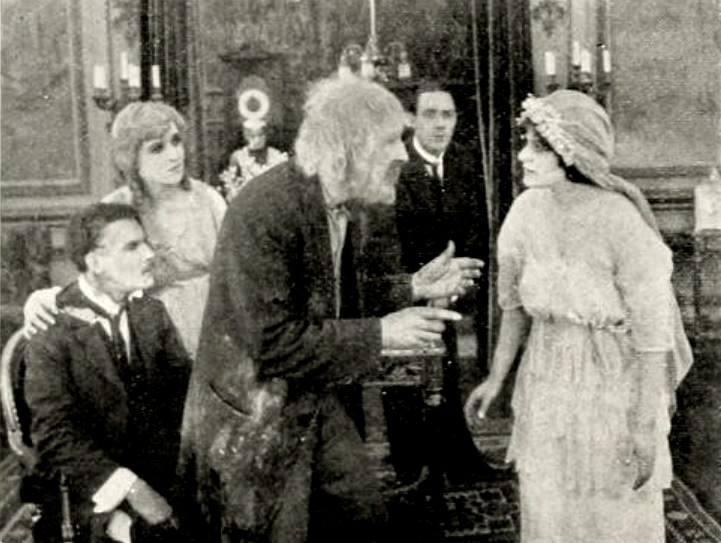
Dir: Frederick A. Thomson
A baronet's son marries a barmaid in order to qualify under the inheritance terms of a will.
View Details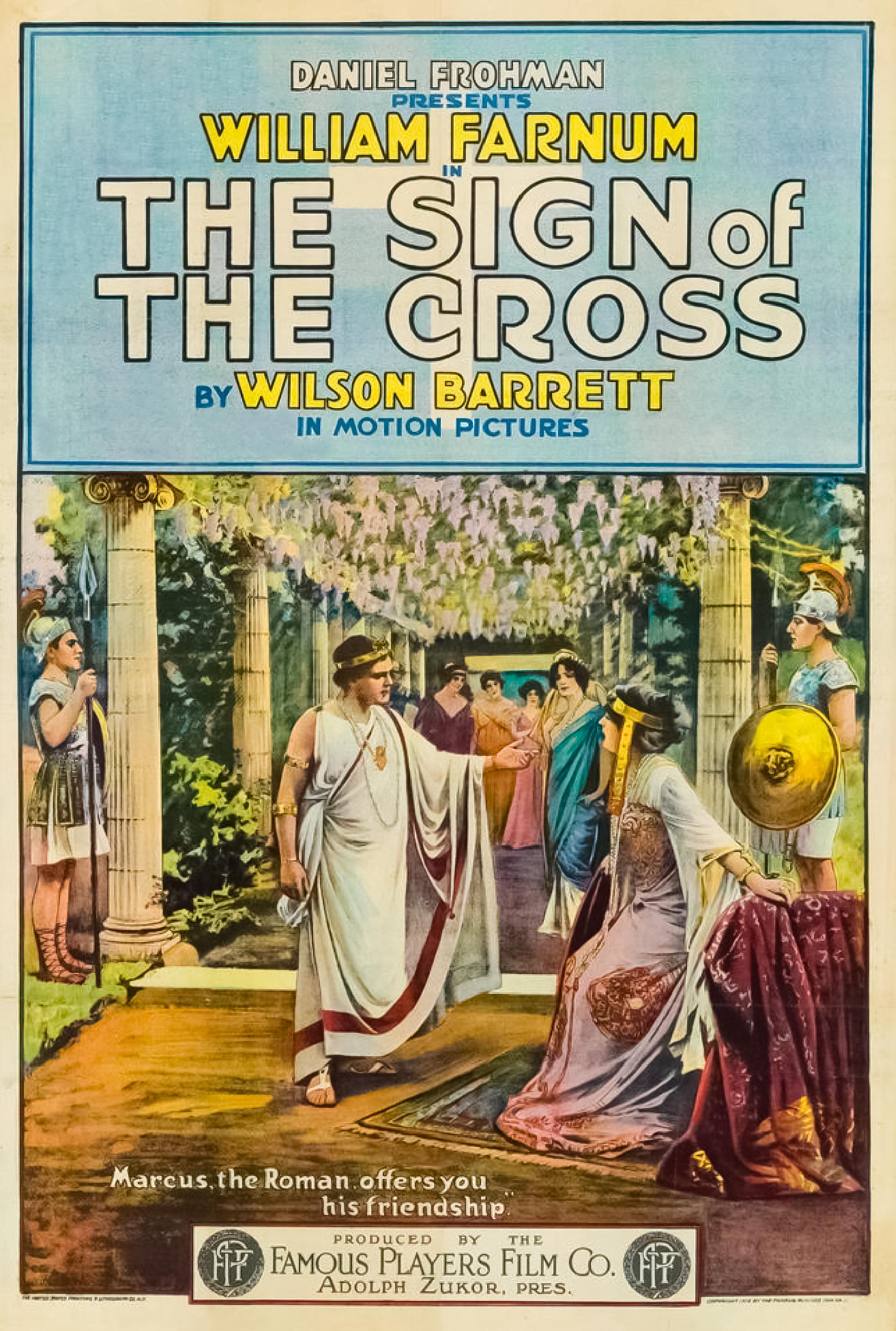
Dir: Frederick A. Thomson
Through the machinations of the Empress Poppaea and other women at court, Tigellinus, Nero's agent in the war against the Christians, convinces Nero to have Mercia arrested.
View Details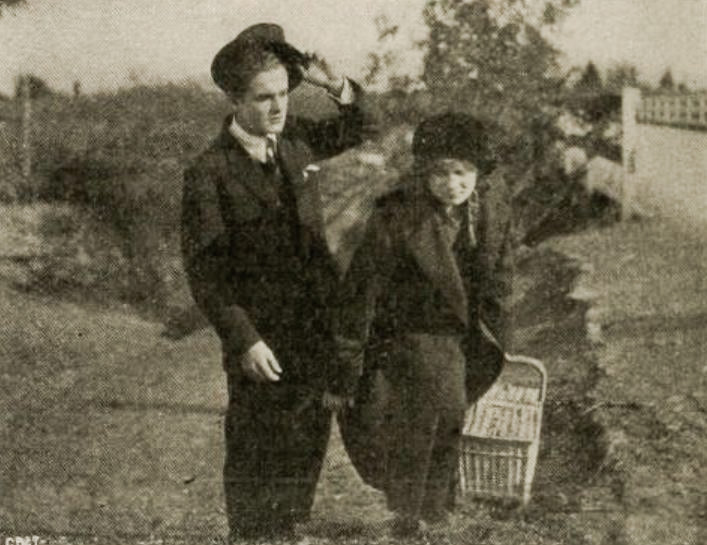
Dir: Frederick A. Thomson
Tom, a young man in a small town, wants to marry his sweetheart Jane, but Jane's father won't allow it until Tom proves he can support her. Tom heads to New York City to make his fortune and prove to Jane's father that he has what it takes, but he meets and falls in love with Amy, a chorus girl who already has a wealthy suitor. Complications ensue.
View Details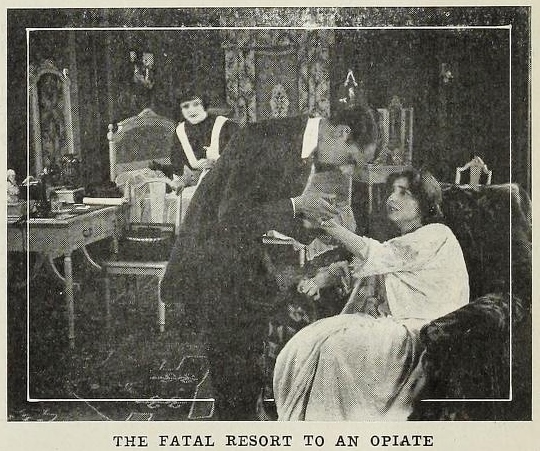
Dir: Frederick A. Thomson
A psychological study of the effects of drug addiction on humanity.
View DetailsAnalysis relative to The Goose Girl
| Film Title | Atmosphere | Complexity | Similarity |
|---|---|---|---|
| Danger Trail | Gothic | Linear | 90% Match |
| The Marriage Pit | Ethereal | Linear | 90% Match |
| The Christian | Gothic | Abstract | 91% Match |
| The Feud Girl | Tense | Layered | 87% Match |
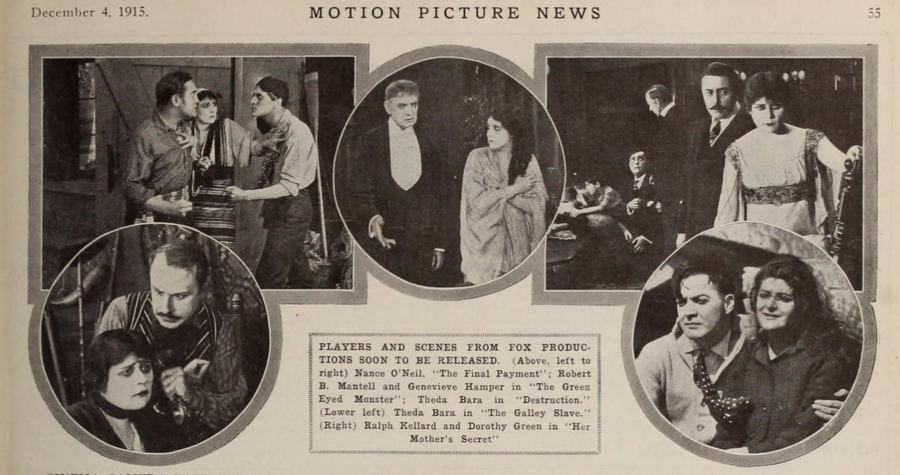
| Her Mother's Secret | Gritty | Linear | 85% Match |
This guide was algorithmically generated using the cinematic metadata of Frederick A. Thomson's archive. Last updated: 6/28/2026.
Back to The Goose Girl Details →