Summary
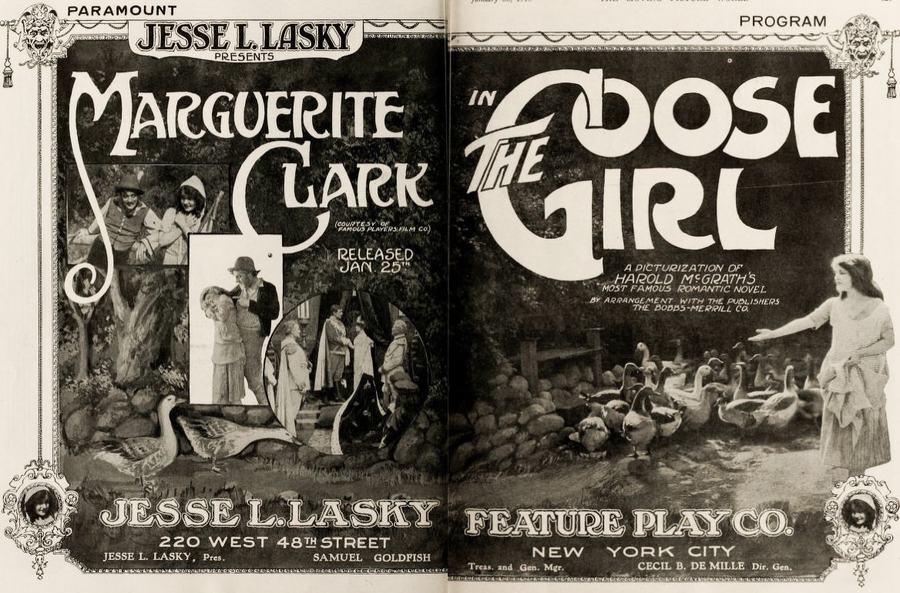
A bullet, meant to silence a child-princess, instead ricochets through two decades of baroque deception, carving a scar that becomes the axis on which kingdoms pivot. Von Herbeck, the chancellor who treats fatherhood like a chess problem, swaps infants the way card-sharps palm aces: his own daughter Hildegarde ascends to a gilded lie while the true heir—Gretchen, shoulder still carrying lead—tends geese in a marsh thick with reeds and rumor. Across the principality of Ehrenstein, banners prepare for a wedding that will weld dynasties, yet the bridegroom-king, Frederick of Jugendheit, tastes only dread. Disguised as a vintner whose tunic smells of crushed Riesling, he wanders the countryside, stumbling upon a barefoot goose-girl whose laughter ricochets like the same musket-ball that once nearly killed her. Between them blooms an impossible tenderness: a monarch who can command armies but not his own heart, and a peasant who commands birds but not her own past. Meanwhile the locket—an oval miniature no larger than a hazelnut—beats like a second heart in Hildegarde’s bodice, its enamel face reflecting a likeness she has never lived, while the scar on Gretchen’s shoulder burns whenever the wind shifts, as though the wound remembers its own story. Courtiers swirl in torch-lit corridors, each candle dripping wax like slow confession; gypsy caravans dissolve into forest dusk; and letters sealed with black wax travel faster than truth. When recognition finally erupts—an unveiling part pageant, part tribunal—crowns tremble, geese scatter skyward like white punctuation, and the border between bloodline and barnyard dissolves in torch-smoke.
Synopsis
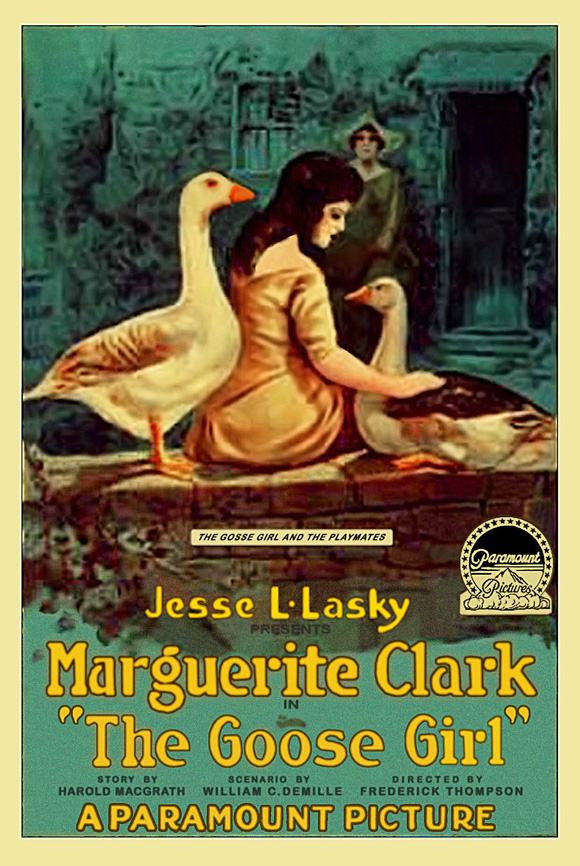
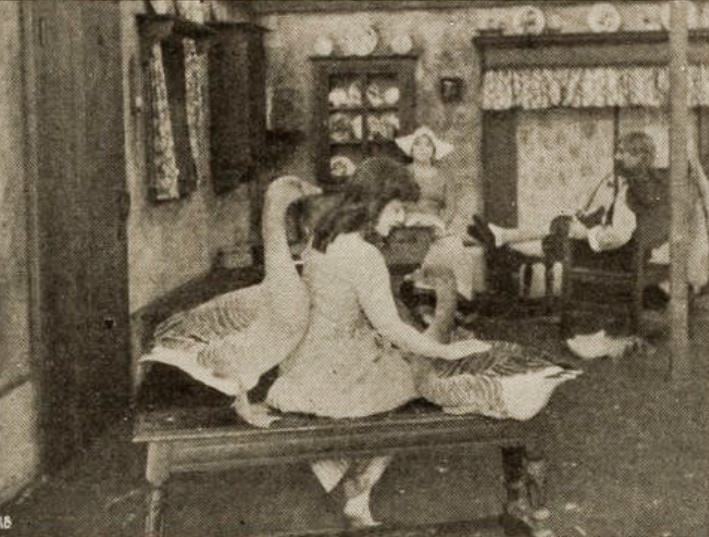
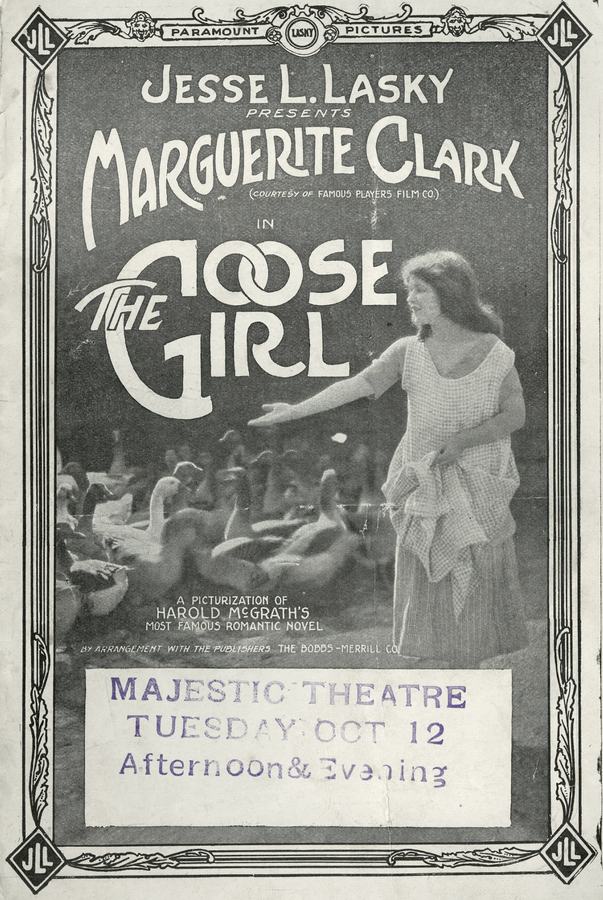
Count von Herbeck, chancellor to the Grand Duke of Ehrenstein, is married but keeps it a secret because of his high ambitions. His dying wife writes him a letter urging him to make their young daughter a great lady. To this end, he arranges to have Torpete, a gypsy, to kidnap Gretchen, the daughter of the GRand Duke. He takes the coat and locket belonging to the little Princess and then sends his own daughter, Hildegarde, away. During the abduction of Gretchen she is wounded in the shoulder by a bullet. Fifteen years later Von Herbeck tells the Grand Duke he has found the Princess, and produces the coat, locket and Hildegarde as proof. Meanwhile, the real Princess has been abandoned by the gypsies and adopted by peasants, and has grown up as a "Goose Girl." The young King Fredrick of Jugendheit is officially betrothed to the fake Princess but he does not wish to marry a woman he has never met. He disguises himself as a Vinter and travels around the countryside, meets the Goose Girl, and rescues her from the insulting attentions of a vicious Count, and longs to marry her. But since he can not marry a peasant, true love seems doomed. Or does it?
Review Excerpt
"
Imagine, if you will, a fairy-tale negative: the silhouettes are familiar—orphaned princess, ambitious courtier, lovelorn sovereign—yet the photographic emulsion has been bathed in venality, so every highlight arrives bruise-dark. William C. de Mille’s 1915 adaptation of Harold McGrath’s serial is precisely that inverse image, a silent that refuses to glimmer with the hygienic sparkle of later folk fantasies. Instead it exhales soot, resin, and the sour breath of secret corridors. The Goose Gir..."