
DbcultAccessing Vault...
Recommendations
Senior Film Conservator
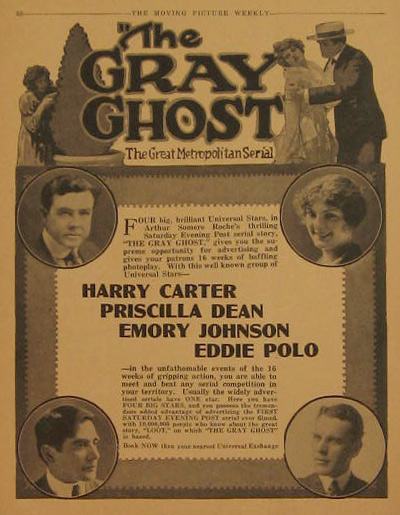
The artistic legacy of Stuart Paton was forever changed by The Gray Ghost, the thematic layers of this 1917 classic invite a wider exploration of the genre. This list serves as a bridge to other cult experiences that are just as potent.
The vintage appeal of The Gray Ghost to reinvent the tropes of cult cinema for a global audience.
Episode 1: "The Bank Mystery" Mr. Carlow, a wealthy American living in London, is engaged to Lady Gwendolin, and has ordered from Arabin and Company, famous Fifth Avenue jewelers, a necklace worth two million dollars, to be made for her wedding present. She is anxious to see it, and he sends the junior partner of his London solicitors, Wade Hildreth, to America to get the jewel. He cables the young attorney's personal description to Arabin, and gives Wade his certified check for two million dollars. Wade makes ready to go with his secretary. Jean Marco. In New York is a master criminal known as the Gray Ghost. So perfect is his organization that he is never even suspected of the crimes and robberies which follow each other in quick succession. Only one member of the detective force really believes in his identity. This is Jerry Tyron. The Gray Ghost intercepts the message from Arabin. He prepares a reception for Hildreth, for he wishes to get the necklace and the check. Banker Olmstead is at dinner with his wife and son who is employed in the bank with him. His father is anxious that the books shall be in order, as the auditor is coming to examine them. He decides to go down to the bank. Young Olmstead is in the power of the Gray Ghost, to whom he has lost at cards. He goes to him to say that the game is up, and asks for mercy. Instead of helping him, the man plans to get him further into his power. Morn Light, a musical comedy star, whose connection with the Ghost is mysterious, arrives during their discussion. The Ghost asks her to retire, but she listens and watches. She sees the Ghost's men strike down Olmstead, and demands to know what is to be done with him. The Ghost tells her to mind her own business, and she is very angry. He sends her home. Olmstead has arrived at the bank and ordered the vault to be opened. The watchman is in the pay of the Ghost. Olmstead discovers his son's thefts from the bank. Suddenly he is shot down. It is the Ghost's men who have been introduced into the vault by the watchman. The men appear, carrying the boy. They place a revolver in his hand, and leave him lying upon his father's body. He comes to, and the watchman tells him that he has shot his father, and that the police are after him. He cannot believe it, but an officer rushes in and drags him out. In the car the officer changes his clothes to civilian attire, and when Olmstead demands to know what it means he is silenced. The Gray Ghost waits till one o'clock, and then he calls up Tyron and tells him that the bank has been robbed. Tyron sets out at once with a large force of police. They arrive at the bank, and find the unconscious watchman. The body of the banker has disappeared.
The Gray Ghost was a significant production in United States, bringing a unique perspective to the global stage. It continues to be a top recommendation for anyone studying cult history.
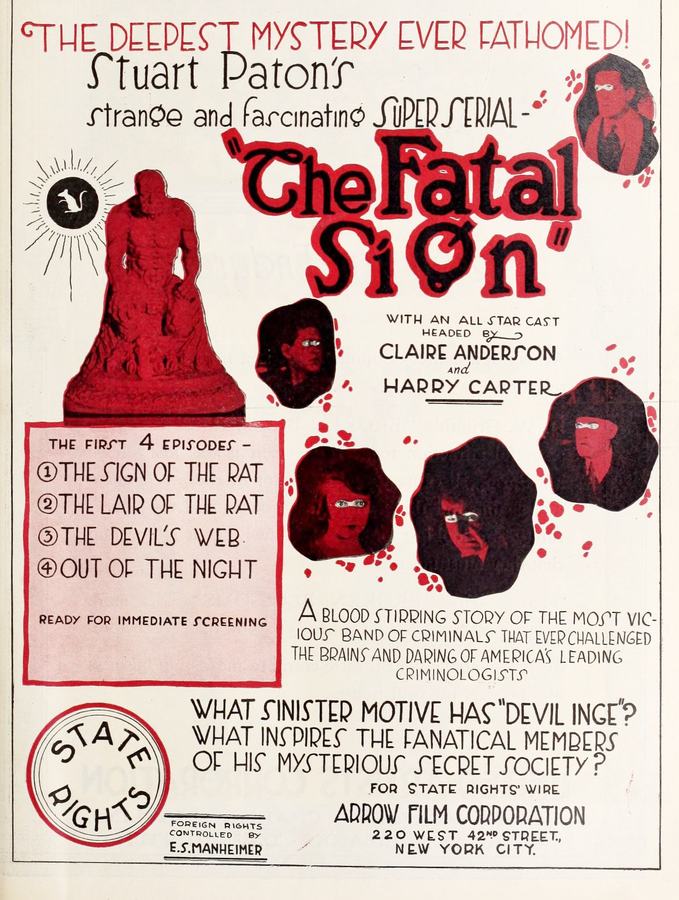
Based on the unique cult status of The Gray Ghost, our vault has identified these titles as the most compelling follow-up experiences for fans of cult cinema:
Dir: Stuart Paton
The exploits of a noted band of criminals whose reputation for notorious crime equals that of the famous Camorra gang that for many years terrorized the cities of Europe. 15 episodes.
View Details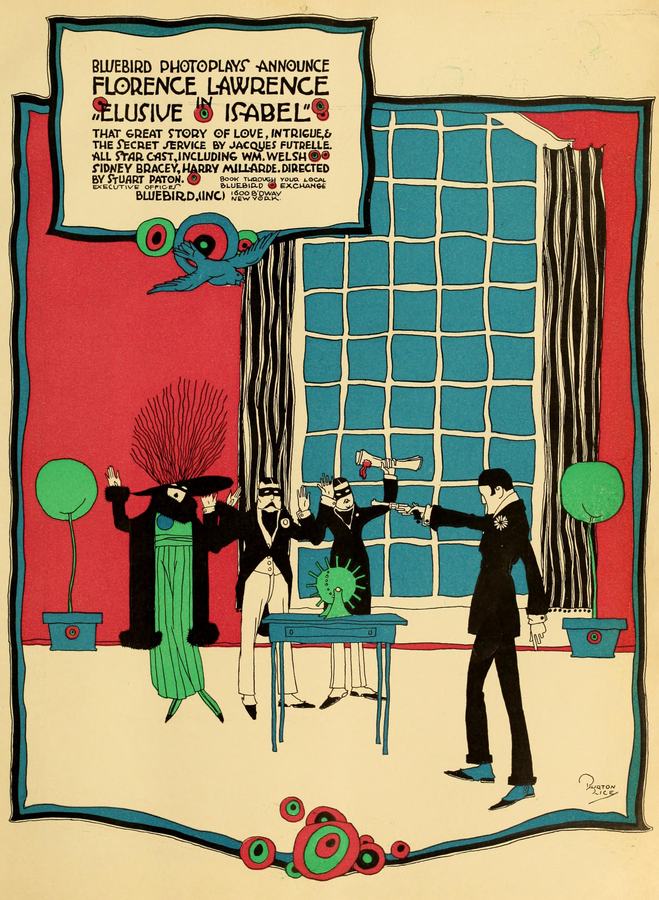
Dir: Stuart Paton
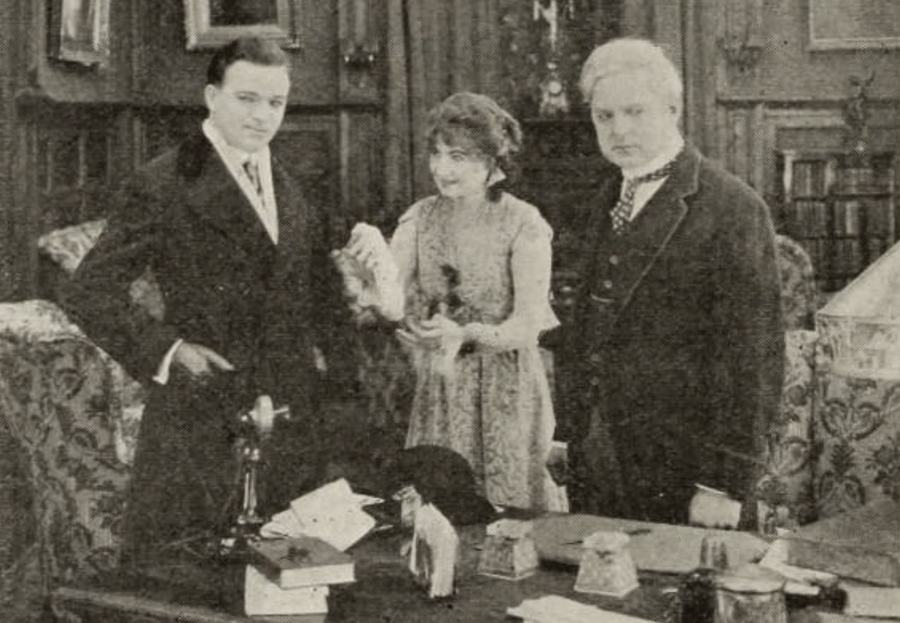
A conspiracy to take over the world is uncovered when several Latin diplomats visit the United States.
View Details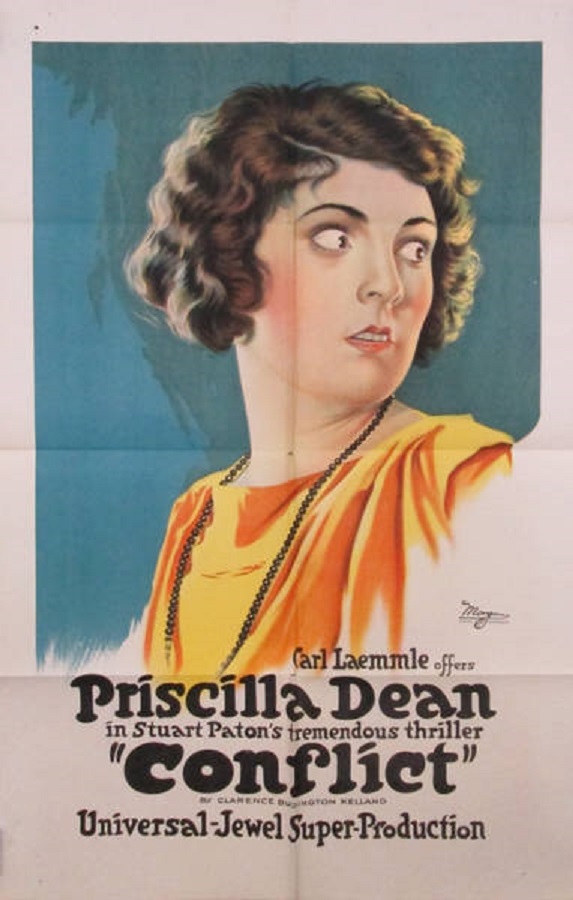
Dir: Stuart Paton
A society girl goes to live in the woods with her evil uncle and his wicked housekeeper.
View Details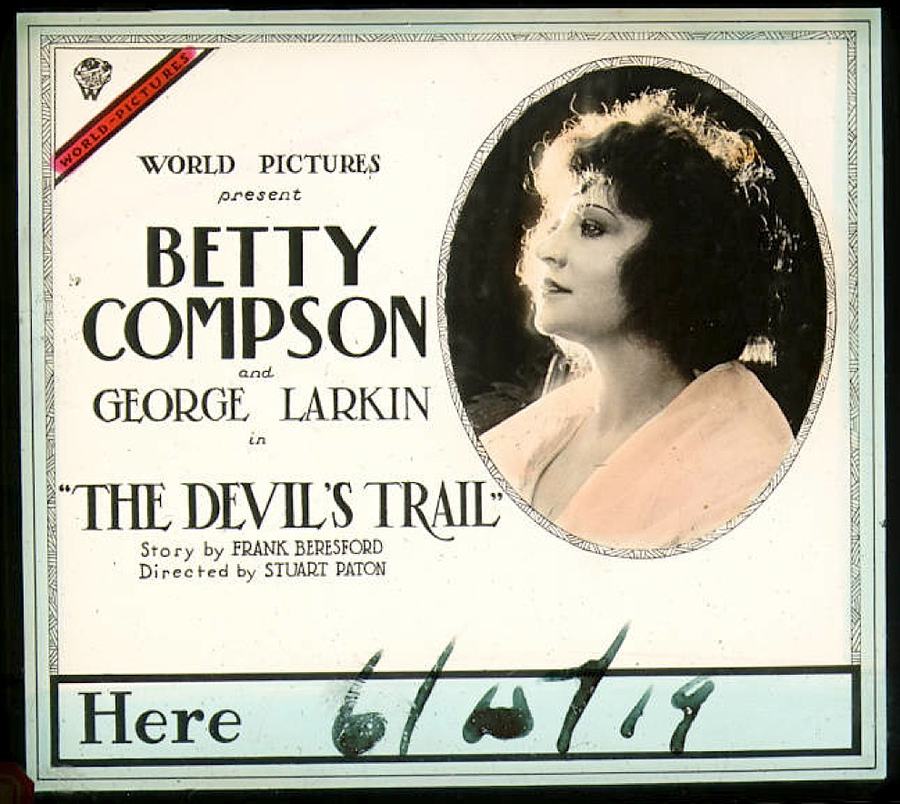
Dir: Stuart Paton
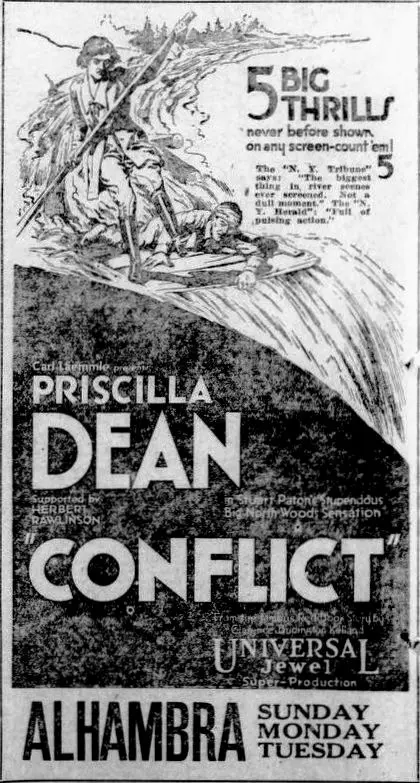
Whiskey smuggler Dubec, trades liquor to the Indians, takes revenge on the Royal North West Mounted Police pursuing him by killing the wife of post commander Sergeant Delisle and abducting his teen-aged daughter Nonette. After twelve years of futile searches, the eighteenth birthday celebration of Delisle's other daughter Julie is disrupted when Sergeant MacNair arrives to replace Delisle because Delisle cannot control the lawlessness in the camp. MacNair falls in love with Julie though she scorns him. When Dubec and Nonette, now his wife, return from the Klondike with a dance hall troupe of women, Delisle, not recognizing Dubec but resenting his flirtations with Julie, orders them to leave. Dubec captures Julie and MacNair, forcing Julie to dance, and offers her to the highest bidder. MacNair saves her just as Delisle, warned by Nonette of Dubec, arrives. Nonette is reunited with her father, and MacNair and Julie, now in love, embrace.
View Details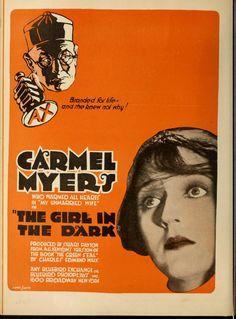
Dir: Stuart Paton
Lois Fox, upon whose shoulder is branded a Chinese ideograph resembling the letters "A. Y.," is rescued from a gang of Chinese ruffians by Brice Ferris. His servant Ming, in attempting to steal from her finger a ring that bears a mysterious green seal, is killed, and soon afterwards a stranger named Strang arrives, also in search of the girl. Despite Brice's efforts to protect her, Lois is abducted and taken to the headquarters of Lao Wing, the leader of a secret Chinese society known as the Tong. Ferris and chief of police Struber finally infiltrate the gang's headquarters and after a furious battle, Lois and Strang are freed. Strang, actually Lois' uncle, reveals that the sacred ring had belonged to an ancient Chinese order but had been stolen by Lois' father.
View Details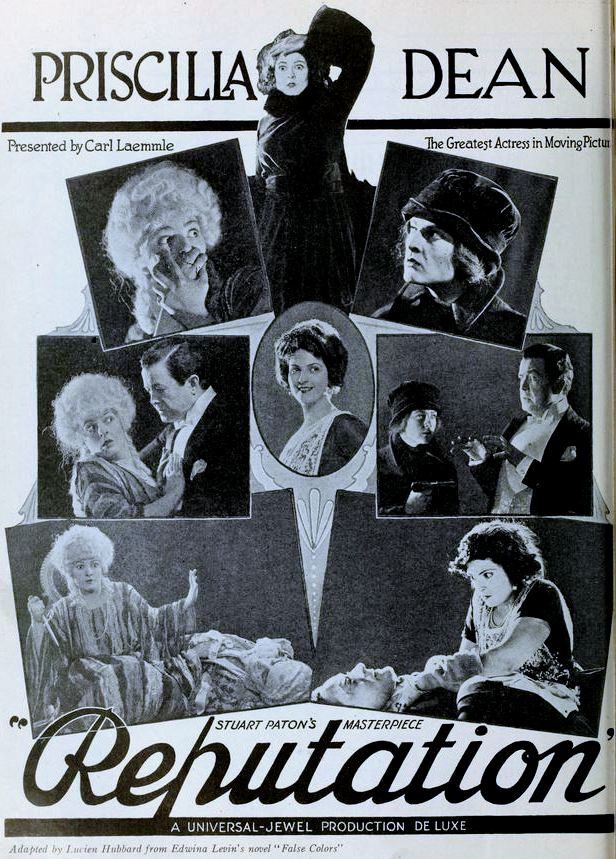
Dir: Stuart Paton
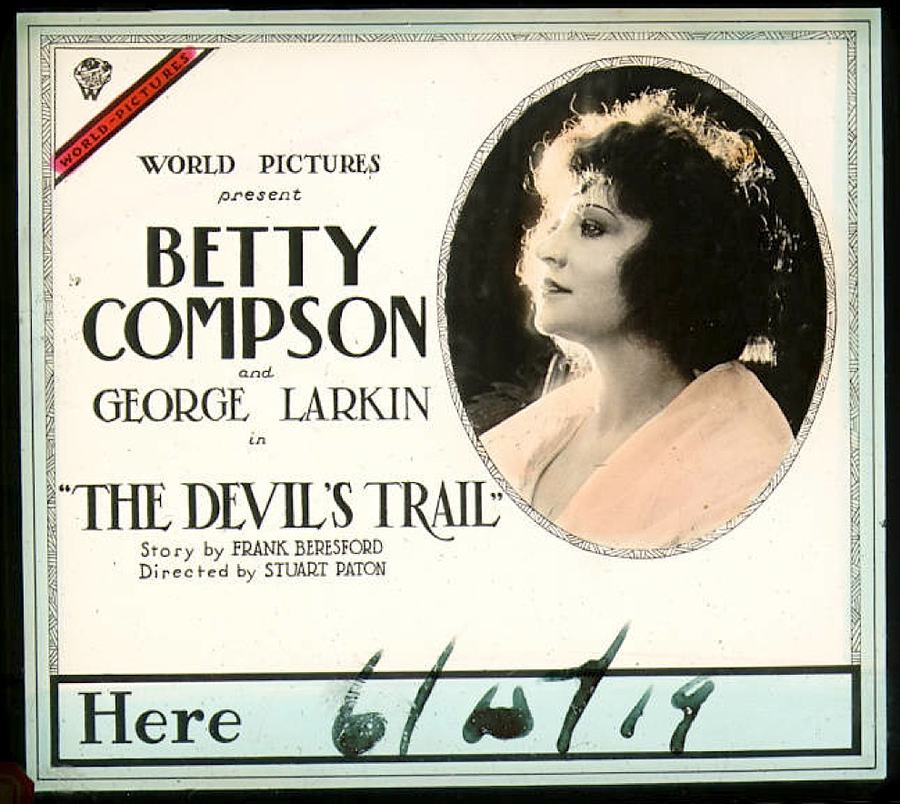
Actress Fay McMillan finds her child, Pauline, whom she deserted years ago, in an orphanage, but Monty, her financer, objects to her taking the girl back. In Paris, France, she becomes a sensation as "Laura Figlan." While intoxicated, however, she cancels her American engagement. Meanwhile, her daughter, having left the orphanage and "inherited" her mother's talent, tries to substitute for Laura and carries out the impersonation successfully. The mother, now a dope addict, hears of the imposture and comes to the theater and shoots Dan Frawley, leaving Pauline to take the blame. As Pauline is about to be sentenced, Laura discovers that she is aiding in the prosecution of her own child, and after writing a confession, she kills herself.
View Details
Dir: Stuart Paton
John Hardy, a ranch owner, marries Cleo Dade, not realizing she belongs to a gang planning to use the ranch as headquarters for Mock Sing's opium smuggling operations. When Hardy suddenly disappears, Cleo takes charge of the ranch, usurping the place of Hardy's daughter, Rose. Suspecting her father is still alive, Rose visits Mock Sing's cabin. John Smith, a card dealer for Mock Sing who is attracted to Rose, saves her from Mock Sing's assault and frees Hardy, who has been held prisoner. Soon after, Hardy's ranch hands attack and kill Mock Sing, Cleo is revealed as the wife of gang member "Square Deal" Dixon, and the ranch is restored to Hardy. John Smith, actually a government agent sent to curb opium trafficking on the border, marries Rose.
View Details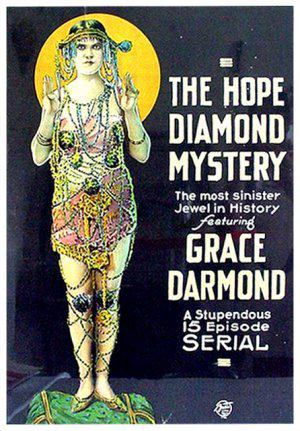
Dir: Stuart Paton
The true story of Lord Francis Hope, who inherits the Hope Diamond and marries showgirl May Yohe'. Lord Francis Hope gambles away the family fortune and May Yohe' leaves him--another suspected curse of owning the Hope Diamond.
View Details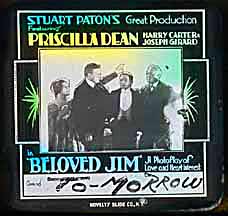
Dir: Stuart Paton
Jim Brockton had three interests in life: His nephew, Donald: the Trinity, three friends of different nationalities, but united by their love for Jim; and a faithful dog named Lady. His affection for Donald, his nephew, was entirely misplaced, and that unworthy young man laughed at his uncle every time he got a check from him, and proceeded to spend it upon riotous living. Christmas came, and with it Donald, who immediately proceeded to call his club friends around him and have a good time. Jim naturally was hurt, but excused Donald on the ground that youth seeks youth. But when he discovered his nephew and a group of his friends bear-baiting a poor beggar even his faith got a shock, but he took the derelict home and into his household and his heart. The next day the three friends introduced Jim to Mary, an admirable woman, and a year from that date saw them married. When Donald came home for Christmas a situation arose which was fraught with great danger, for Donald had previously been engaged to Mary, and had been low enough to permit an action of his toward her to be sadly misconstrued, destroying her reputation. In an endeavor to compromise her again the ingrate brought about two events which came near to wrecking Donald's life, but the old derelict saved the situation and exposed Donald for what he was.
View Details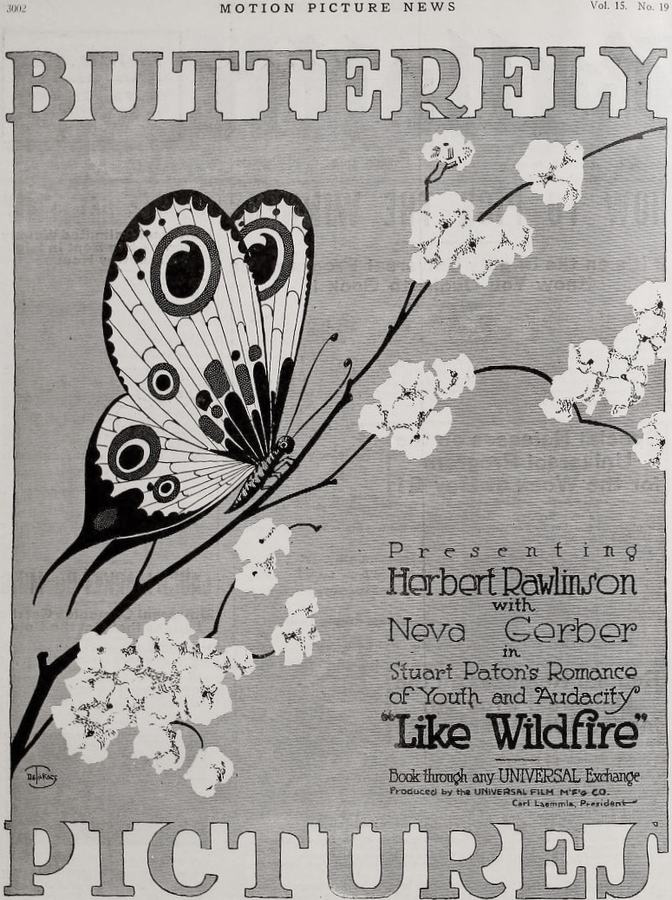
Dir: Stuart Paton
Tommy Buckman, the ne'er-do-well son of dime store magnate John Buckman, is given one last chance to succeed by surveying a possible location in New England for the opening of another store in his father's chain. Arriving in the town of Winton, Tommy lands in jail and, disowned by his father, is bailed out by Nina Potter, whose father owns the only dime store in town. Tommy accepts a job as a delivery boy in the Potter store and soon rises to the post of general manager. When Buckman opens the store across the street, Tommy, now an adroit manager, corners the market. Old Buckman is sent for, and when he arrives to discover that his own son has beaten him in business, he consents to Tommy's marriage to Nina and withdraws his store from the town of Winton.
View DetailsAnalysis relative to The Gray Ghost
| Film Title | Atmosphere | Complexity | Similarity |
|---|---|---|---|
| The Fatal Sign | Surreal | Layered | 88% Match |
| Elusive Isabel | Tense | Abstract | 88% Match |
| Conflict | Ethereal | Layered | 92% Match |
| The Devil's Trail | Ethereal | Linear | 92% Match |
| The Girl in the Dark | Surreal | Linear | 97% Match |
This guide was algorithmically generated using the cinematic metadata of Stuart Paton's archive. Last updated: 6/25/2026.
Back to The Gray Ghost Details →