
DbcultAccessing Vault...
Recommendations
Senior Film Conservator
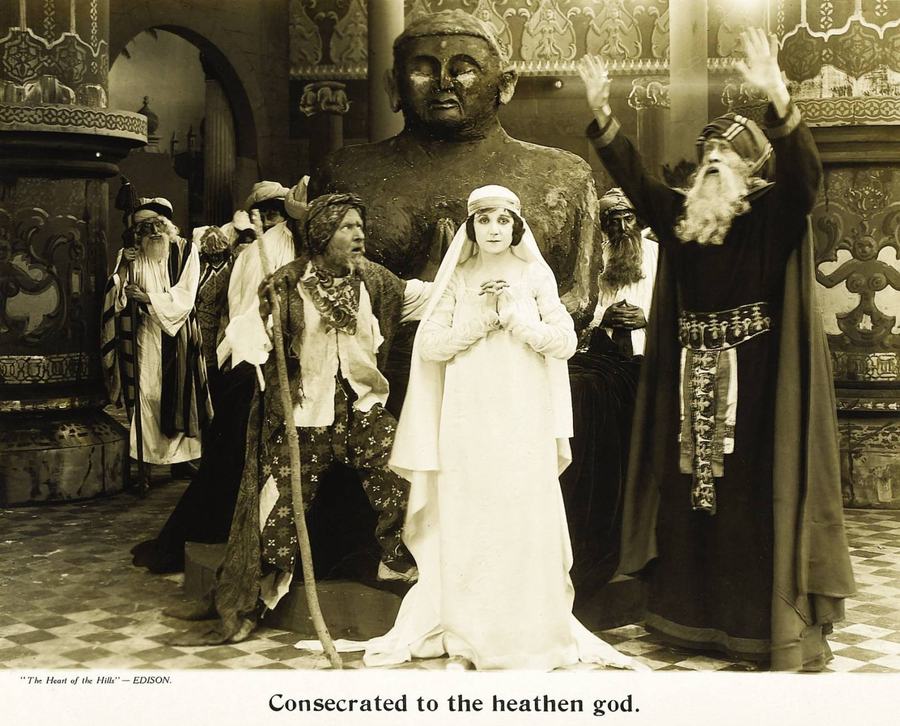
If you found yourself captivated by the cinematic excellence of The Heart of the Hills (1916), the quest for comparable cinema becomes a journey through the fringes of film history. Below, we've gathered a list of films that every fan of Richard Ridgely's work should explore.
The Heart of the Hills remains a monumental achievement to create a hauntingly beautiful cinematic landscape.
Young Hester is kidnapped in India by revolutionaries. As she grows up she becomes one of them, and is sent to England to recover a holy ruby taken from India by her father, Sir Christopher Radwick. However, she falls in love with the manager of her father's estate, and gives up her revolutionary activities. The revolutionaries aren't the forgiving types, however, and follow her to England. When Hester's father dies and is found to have been poisoned, Hester is accused of the crime.
The Heart of the Hills was a significant production in United States, bringing a unique perspective to the global stage. It continues to be a top recommendation for anyone studying cult history.
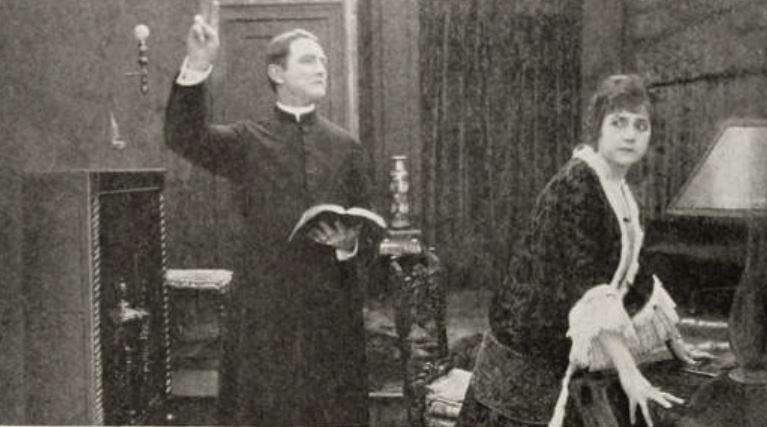
Based on the unique cinematic excellence of The Heart of the Hills, our vault has identified these titles as the most compelling follow-up experiences for fans of cult cinema:
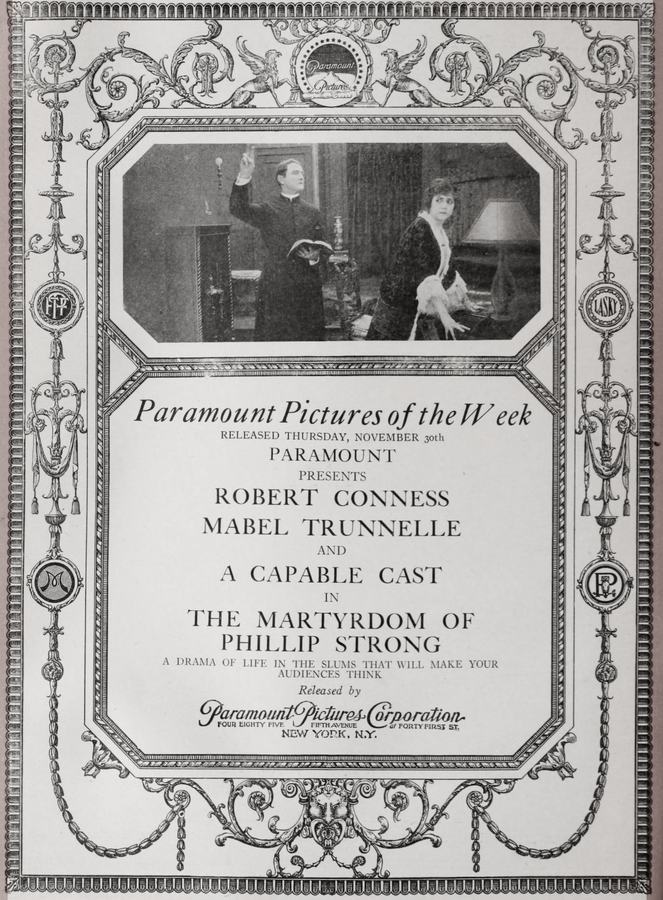
Dir: Richard Ridgely
"Man, you are a living lie." Thus is Philip Strong, the rising young pastor of a fashionable Calvary Church, addressed by Brother Man (symbolizing the Spirit of Christ on earth). Surrounded by luxury, lionized by a wealthy congregation, Philip Strong suddenly realizes the force of these words. He has been preaching the doctrines of Christ, but his work has been the work of bare words only. To prove the truth of what he says. Brother Man leads Philip to the slums, and shows him the misery and squalor of a world which he has never known. The starving women and children, the kitchens of Hell where whiskey ruins the lives of men, impresses Philip deeply. He sees his real mission in life. He must help the downtrodden. Sarah, Philip's wife, wrapped in her social ambition, is horrified when Philip announces his determination. She refuses to permit her little daughter, Irma, to play with an orphaned child of the slums, whom Philip has brought home to shelter. She pleads with Philip to give up his new work. It means ruin and social ostracism. She scolds and bursts into a rage of fury, but Philip is firm. Goaded on by her mother, who pictures the disgrace of Philip's close association with the slums, Sarah leaves the home, taking Irma with her. Time finds Philip living in the slums, immersed in his work. Fighting the battle of the downtrodden, he arouses the hate of powerful forces. The rich of his congregation, owning the properties which house saloons, and the owners of these saloons, combine to bring about his downfall. Undaunted by threats of personal harm, he wages his war. Cheered by Brother Man in the moments when things seem most hopeless, he fights his battle with new energy. His friends gone, his little daughter dead, the wife whom he loves opposing him, he fights on. Scenting an opportunity to discredit him, the interests cause Sarah to believe that Loreen, a consumptive derelict, whom he has redeemed and sheltered in his home, is his mistress. The story is disproved and Sarah relents, but too late. The body bearing the spirit of Philip is not equal to the task. Wrecked by worry and ill-health, he gives up his life and his soul passes to the One Whose work he has been doing, and like Whom he has been crucified.
View Details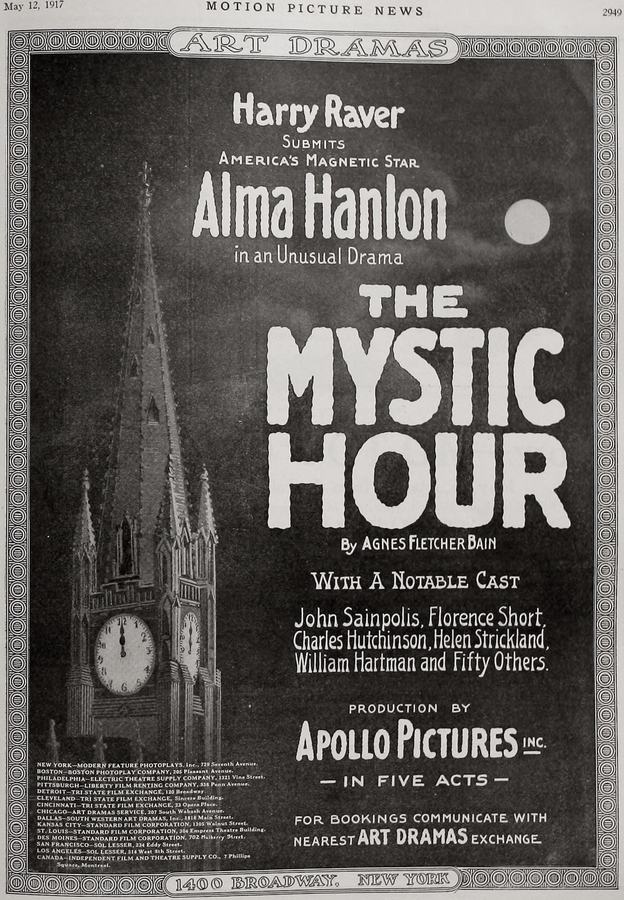
Dir: Richard Ridgely
Guido, an artist, is obsessed with the desire for the death of Clavering, a rich man who has entered into a forced marriage with Margaret, the girl whom Guido loves. The thought accompanies him in his work, his sleep and fills his every moment. One night, he awakens from a dream in which he has murdered Clavering. The next morning, Clavering is found murdered and Guido labors under the uncanny feeling that he is the murderer. Hoping to relieve Guido's fears, Margaret induces him to paint the picture of his dream. Clavering's butler sees the painting of his dead master, and is so horror stricken that he confesses to murdering Clavering for his money.
View Details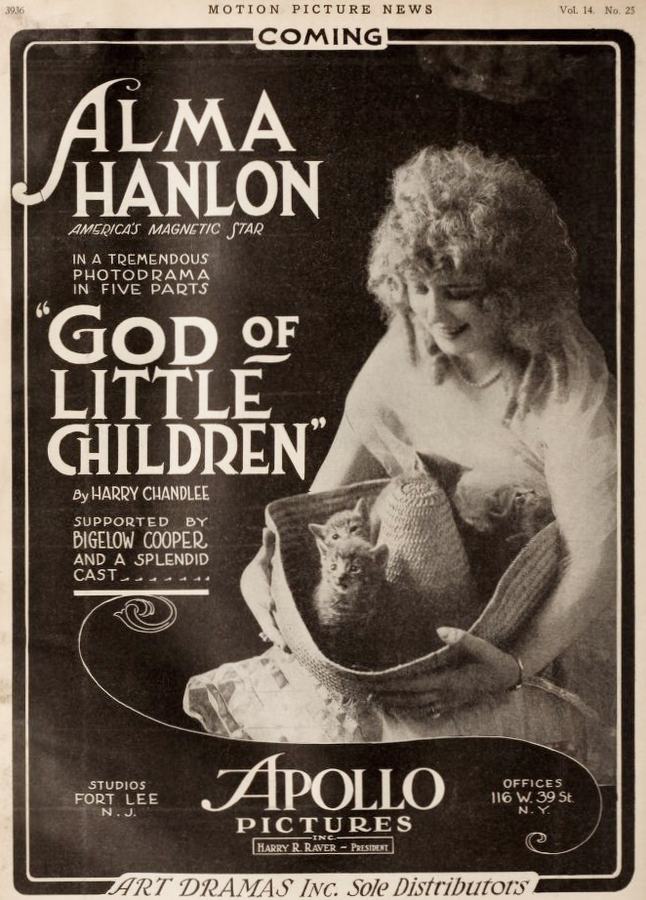
Dir: Richard Ridgely
Mary Keene did not realize that when placed in the office of John Ingalls to assist in carrying out Robert Moran's plot to secure Ingalls' money she would spoil the whole scheme of things by falling in love with her big-hearted employer. Mary had always been "straight" in spite of her association with Moran and his band of blackmailers. But she had erred against man-made laws, though innocently, and fearing disgrace and prison if exposed by Moran she was compelled to assist in his nefarious schemes. Moran discovered that Ingalls loved children, and that he lived a secluded, lonely life. Mary's advent in John Ingalls' life was for the purpose of introducing a supposed little sister of hers into the Ingalls' home and through this child, thoroughly trained for the task assigned her, ultimately reach Ingalls' store of wealth. Moran's plans were successful until Mary began to realize she loved Ingalls and rebelled against further deception. Ingalls loved Mary and offered her his hand. The wedding ceremony was simple but pretty. Meanwhile, Moran had been planning along different lines. Why not force Mary to get a large sum from her husband and leave with him for foreign shores? Moran has long coveted Mary and he believes this his opportunity. Mary, for once in her bitter life, enjoys the utmost happiness. This joy is increased by the realization that she is soon to become a mother. Time has flown backward ten years in the life of John Ingalls. He feels the blood of young manhood coursing through his veins. Soon Moran presents his plan to Mary, who pleads with Moran to have pity and leave her in peace; but there is no alternative, she must go or see herself and husband disgraced by Moran's exposure. At home, Mary ponders long over her duty. She looks out on the placid lake from her window and with a prayer to the "God of Little Children," decides to give up the struggle and end her life, Moran, meanwhile, has plotted carefully. For a few dollars "Hard Tack," his willing accomplice, will put John Ingalls out of the way. The public will believe he committed suicide because his wife deserted him. The note she writes upon leaving will be found beside the body. Then with John Ingalls' widow in his power nothing shall come between Robert Moran and a fortune. Seated in his library, John Ingalls little dreamed that the hand of an assassin was near. Beside the lake Mary is about to end her life. She looks up at the library window with a silent prayer to Ingalls not to misjudge when she sees a crouching figure holding a pistol, silhouetted against the blind. Mary rushes into the house and reaches his side just in time to divert the bullet from Hard Tack's weapon. Ingalls conquers Hard Tack, who is hurled through a window. He is killed by his fall. Moran, waiting outside for Mary to meet him according to promise, overhears the pistol shot and, becoming alarmed at Hard Tack's long absence, boldly comes into the library, revolver in hand. Mary, seeing Moran and believing Ingalls' life again in danger, takes aim with the gun she picks up and fires at Moran. He falls dead, the bullet piercing his heart. The story ends happily.
View Details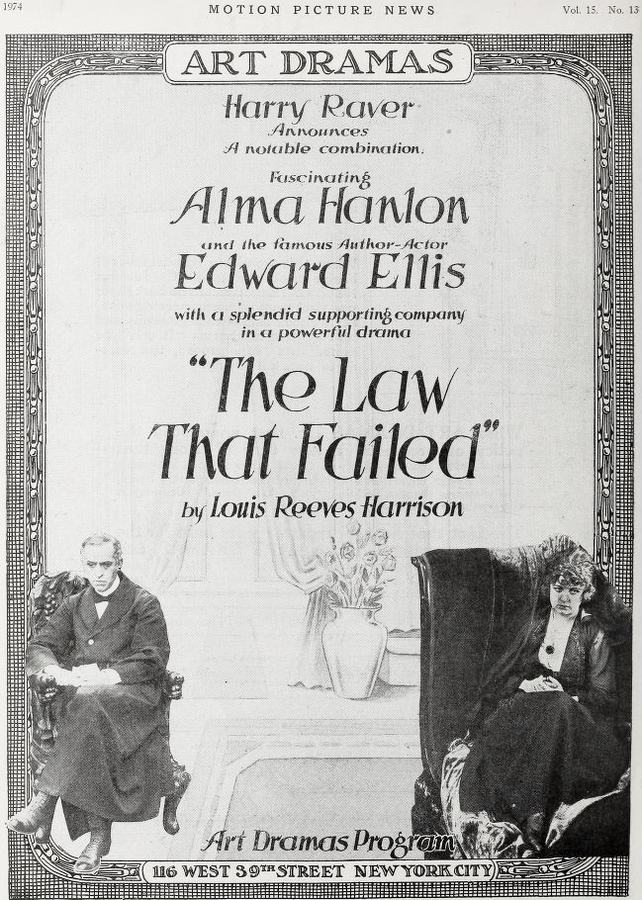
Dir: Richard Ridgely
Story deals with Rodin, a prospector who has struck it rich after years of toiling. He comes upon the cabin of Estrella in a delirium brought on by starvation. This woman's husband has deserted her; in order to blackmail Rodin she makes him believe that in his delirium he murdered the missing man. For years Estrella bleeds Rodin. He tries in vain to establish proof of his innocence, but he is unsuccessful, and the woman keeps the upper hand. Alter some years Rodin meets Alice Carey, and a love springs up between them. Estrella reads of their engagement, and sends another blackmailing letter. Rodin calls on her to plead with her. She refuses, and in desperation he switches off the lights and locks her in a secret room, where he leaves her. Her trunk, which has been packed for a journey, he gives to an expressman. It falls off the wagon into the river. As Estrella does not appear, and the trunk is found floating in the stream, Rodin is accused of her murder. At the trial a host of evidence is brought up against him, and it seems to everyone that he is certain of being convicted. But just when the jury is about to retire the judge instructs them that no verdict of guilty can be brought, as the body has not been found. On this technicality, which comes as a complete surprise to everyone, including Rodin, the accused man is acquitted. He then goes to Alice to hear his "real sentence." She confesses that she believes him guilty of the murder. He releases her from the engagement, and goes to his home. A shot rings out in the library. The butler rushes in, to find his master dead.
View Details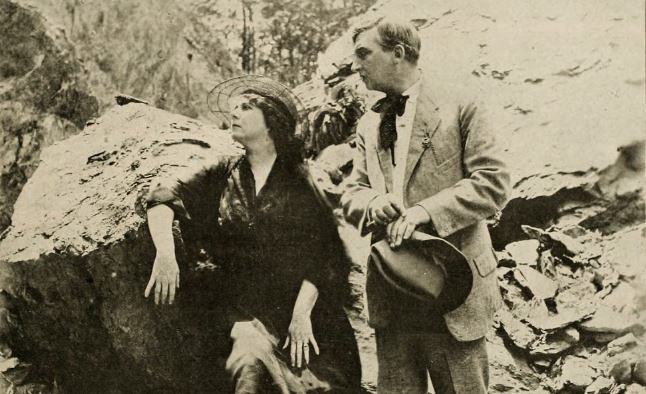
Dir: Richard Ridgely
Meg lived down in Carolina in the shadow of the great Blue Ridge. When she had been a little younger she had been winsomely and strangely beautiful, a gypsy-like elf of the woods and forests. Now, she is mad. The neighbors said cruel things about Meg and turned their faces aside when she passed. And from her little son, they shrank, and turned away as from a thing accursed. When Hugh Gregory opened a store in the little mountain town and fell in love with the widowed Darthea Westerly, he incurred the bitter hatred of Simon Grant, who had long courted Darthea. When Meg's little son ran away, and Gregory found him, and gave him back to his mother, the crazed woman thought she recognized in him the father of her boy. When she returned home she told her brother that she had found her child's father. The brother, infuriated, confronted Gregory, and demanded that he marry his sister. Gregory, naturally, refused indignantly. Simon Grant met Jake, Meg's brother, while he was still half insane with rage over Gregory's refusal, and found him in a willing mood to listen to Simon's scheme. The next day, as Gregory and the colonel were riding together, Jake, egged on by Simon, fired at them from a barn. Gregory proved himself a good Samaritan by saving Jake from the infuriated mob which thirsted for his life. Meanwhile. Darthea, who had fallen in love with Gregory, learned of Meg's terrible accusation against him. The story naturally changed her feelings toward the man, particularly when Gregory, realizing the futility of argument, refused to say a word in his own defense. Then suddenly Meg came upon Simon Grant, and with a miraculous flash of understanding, remembered that he, not Gregory, was the man. But with the passing of her madness, Meg's life fluttered and went out like a candle in the wind, but not before she had told Gregory and Darthea the truth.
View Details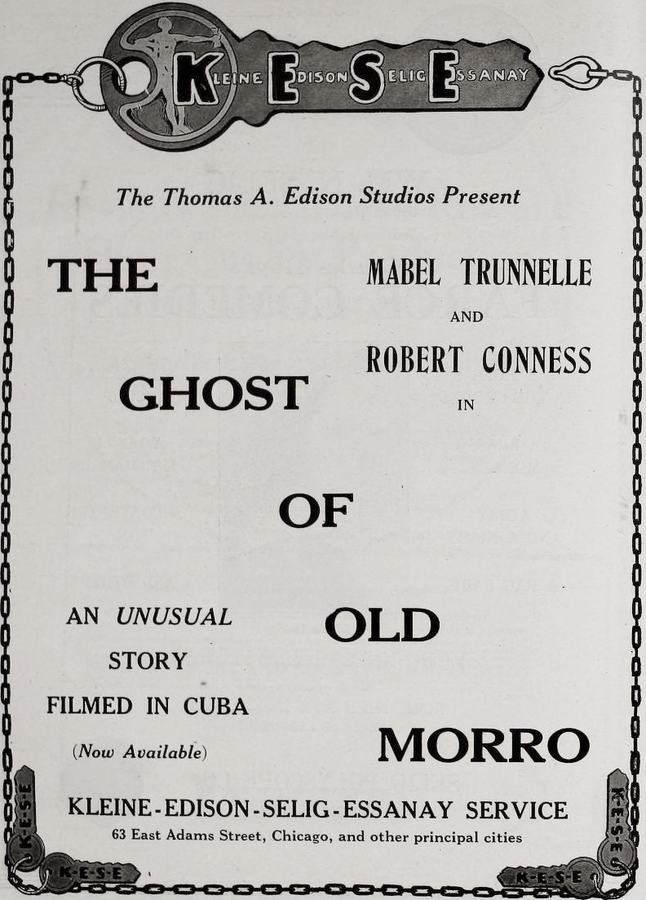
Dir: Richard Ridgely
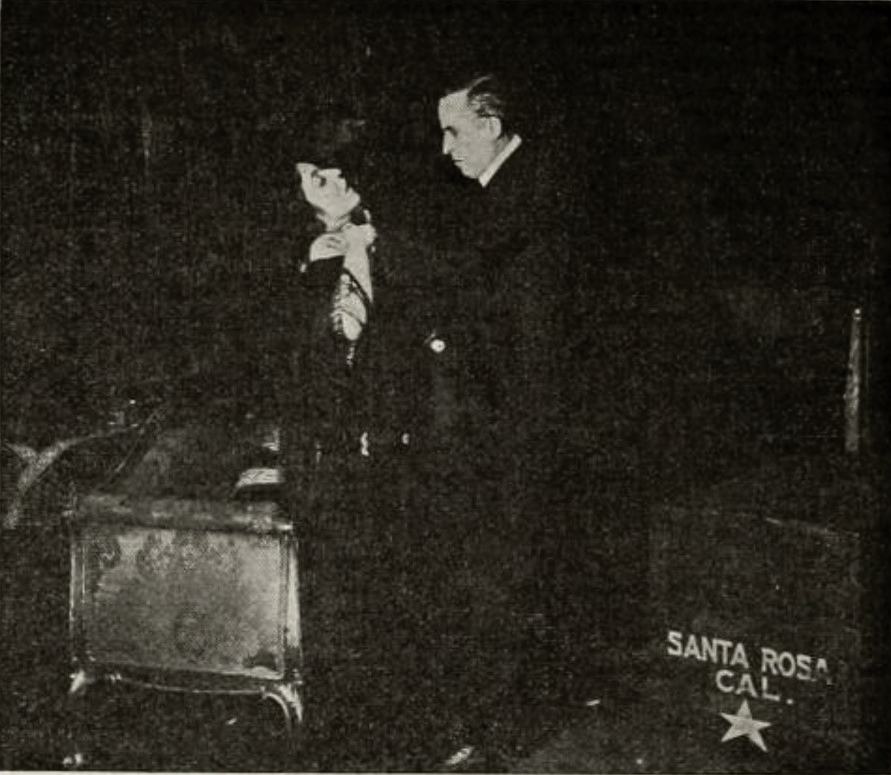
The nefarious Mother Morro is a disreputable innkeeper who charges smugglers protection money. After she procures an innocent young girl for Capt. Jose's pleasure, the girl's father puts a curse on the old woman. Soon after, Morro's beloved convent reared daughter Mercedes falls in love with the lecherous Jose. To avenge her daughter's stolen innocence, Morro arranges for Amadio to kill Jose, but Mercedes overhears the plan and offers her life to save Jose's. Upon learning that her daughter's body has been thrown over the cliff, Morro becomes demented and falls to her death. On moonlit nights her ghost haunts Morro Castle.
View Details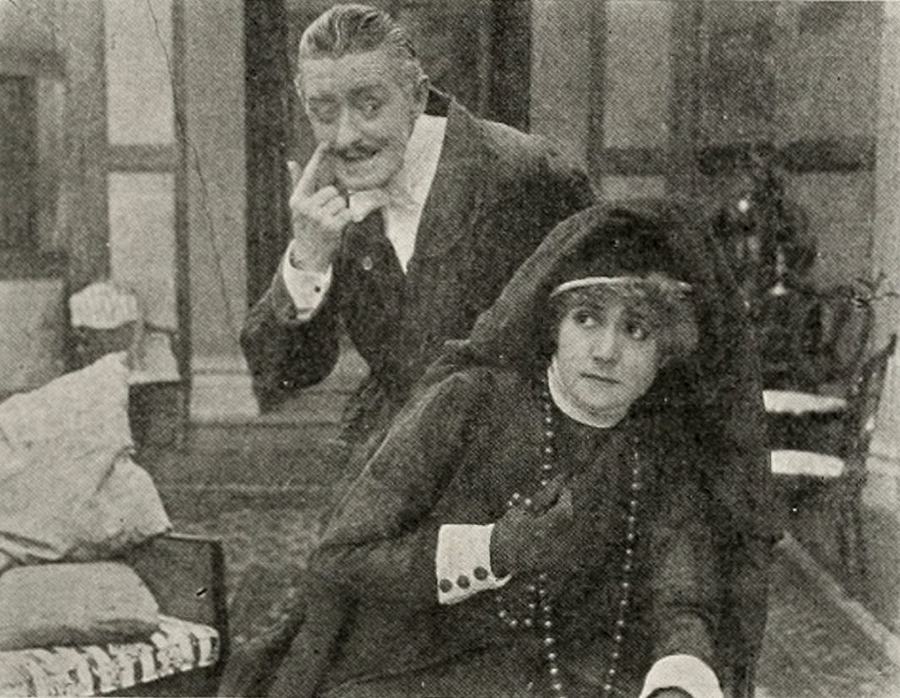
Dir: Richard Ridgely
Mary Fitz Allen has three suitors, Arthur Barton, a young soldier, Robert Jardon, a barrister, and Lord Lester, already past middle age, but devoted to her. Her heart, however, is wholly Barton's, and while, being very gracious with Lord Lester, has an ill-concealed dislike for Jardon. Her mother is purse-proud and favors the suit of Lord Lester. Jardon sees Mary and Barton talking together in the garden, and from her words, gathers something of what has passed between them. Later, in the village inn, he makes a remark against Mary's character that Barton overhears and the young soldier knocks him down. Barton returns to the barracks, but is told that in falling Jardon had been struck on the head and is now dead. Advised by his companions to leave the country at once, Barton sends a note to Mary, assuring her that "he will never desert her," but will send for her as soon as he is safe in another land. Receiving the letter, Mary falls in a swoon. Mrs. Fitz Allen tells Lord Lester that she is taking Mary to the continent for a visit, and that the girl will probably be more willing to do her bidding and marry Lester on their return. Then she takes Mary to the home of an old family servant of the Fitz Allen's, and there Mary's child is born. The mother makes the old woman swear to keep from Mary the fact that her child is alive, and, later, when they return to their home, Mary has the double grief of believing her child dead, and her lover unfaithful to her, for Mrs. Fitz Allen takes possession of the three letters that Barton has written to her during her absence. It is now that Mary consents to marry Lord Lester. Meantime Barton has shipped aboard a vessel bound for America, but in a quarrel with one of the seamen, has been thrown overboard and drowned. Fifteen years later, Mary, now Lady Lester, is living happily with her husband, whom she has learned to truly love. Jardon is living in bachelor quarters, and Babette, a young French woman, who is infatuated with him, is an inmate of his house. All these years, Mrs. Fitz Allen has been paying for the care given the child by the old servant. Jardon, calling on Lord Lester, picks up and carries away with him a letter addressed to Mary's mother, written by the child's guardian, requesting more money with which to purchase clothes for her. Reading this at his home, Jardon immediately realizes the truth, and determines to compel Mary to listen to his protestations of love by threatening to expose her past life. Meantime, Jardon has turned the French woman out of his house, and she, suspecting that Lady Lester is her rival, obtains a position as maid in her house, in order to spy upon her. On the night that Jardon makes it thoroughly plain to Lady Lester that he knows her secret, he is visited, at midnight, by Lady Lester herself. He pleads with her, and finally threatens her, but she leaves him after declaring that she will tell her husband everything of her own accord. As she leaves the house, Babette enters, and goes to Jardon's bedroom. He orders her out, and in the quarrel which follows, she draws a revolver and shoots him dead. When the crime is discovered, Lady Lester's handkerchief is found in Jardon's hand, and she is suspected of being the murderess. Overhearing the detective talking with Lord Lester, she writes a note of farewell to her husband and goes away to the farm where her child is living. Almost at the moment that her note is handed to Lester, a telephone message to the effect that Babette has confessed to being the murderer, is received. Lord Lester, learning of his wife's whereabouts, sends his housekeeper after her with a message that he wants, not only his wife, but her child, to come to him.
View Details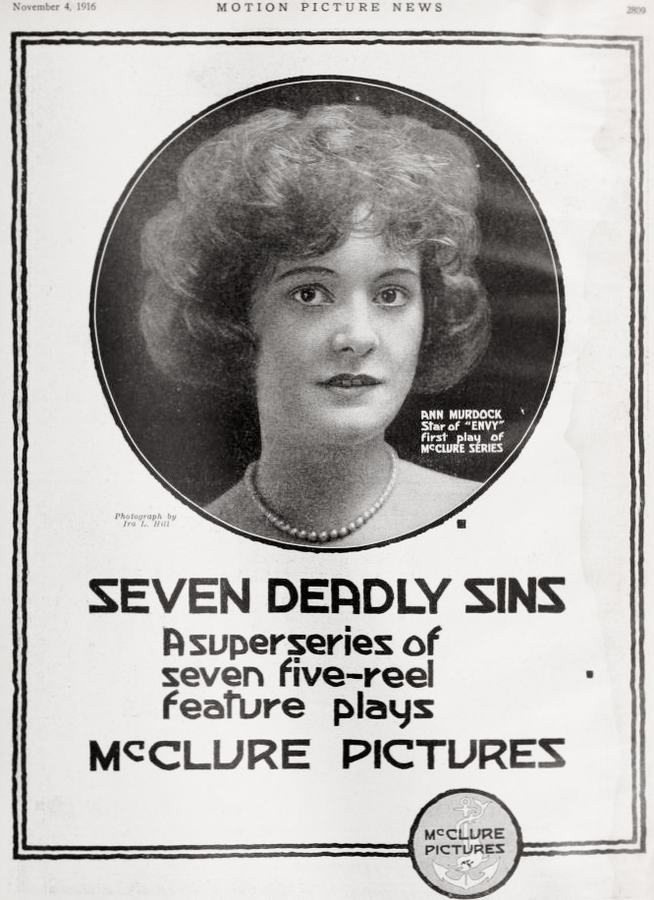
Dir: Richard Ridgely
Eve Leslie is a poor country girl who wishes she could have fine clothes, motors, and wealthy friends. The person she envies most is famous actress Betty Howard, not knowing that Betty's life has been full of sorry--for years she sought a certain man, and when she found him he was a a desperate criminal who, misunderstanding her kindnesses, tried to blackmail her. Her hard work, too, has affected her health and her physician has ordered her to give up the stage to take a long rest. Betty longs for just the sort of life that Eve has and doesn't seem to appreciate. Through Adam Moore, son of a rich man, Eve hears much of Betty Howard, who is a "pal" of Adam's. One day Betty is motoring with Stanton Skinner, an unscrupulous man who wants her to marry him. Betty collapses and is taken to Eve's home, which is nearby; they become friends. Rocco Erwin, the man Betty has been seeking, attempts to rob Skinner, is caught, and is released only upon Betty's pleas. She tells Skinner who Rocco is. Rocco, himself, does not know. Rocco later comes to Betty for more money, is refused, and throttles her and flees, leaving her for dead. Skinner, who has fallen in love with Eve, invites her aboard his yacht. Rocco follows Skinner to the yacht, where Eve has gone. Rocco asks Skinner to help him escape. Skinner refuses and Rocco attacks him. Rocco learns that Betty is his sister, and attempts to slay Skinner, while Eve crouches nearby frantic with terror. Betty recovers, learns where Eve has gone, and, with Adam to help her, follows to the yacht. In exciting scenes Adam and Betty rescue Eve from her peril and she rests securely in Adam's arms, envious no longer.
View Details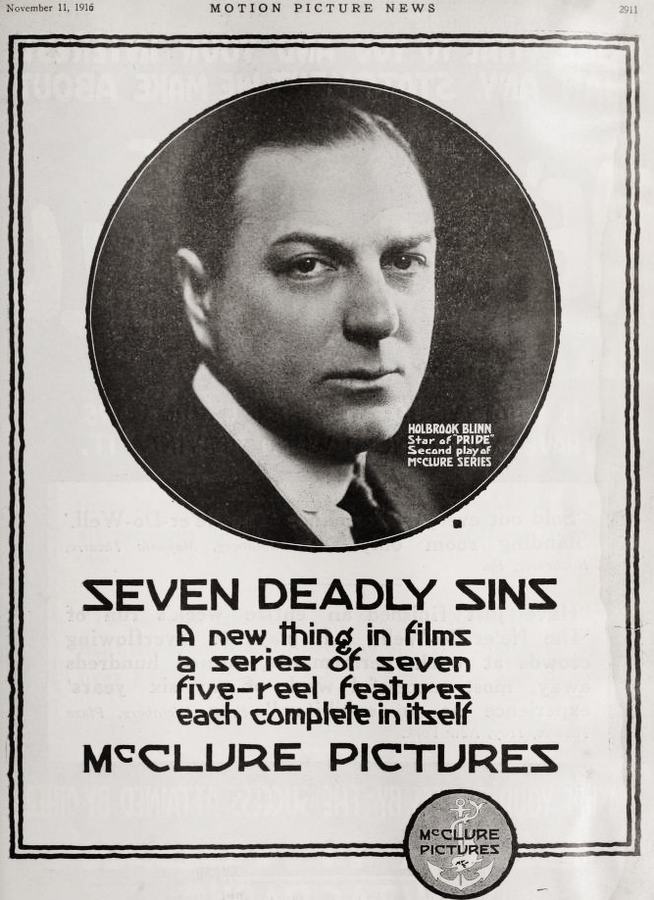
Dir: Richard Ridgely
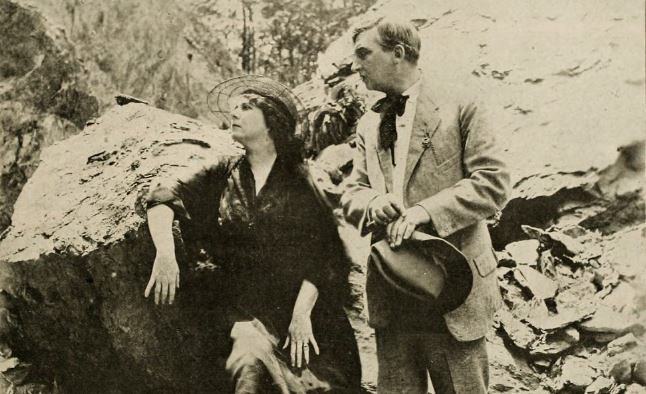
Eve Leslie is sent to boarding school. Proud of the fortune that has come to her she feels herself above Adam Moore, who loves her. Eugene D'Arcy, a powerful banker, who also suffers from pride and arrogance, meets Eve and wants her. In order that her pride may be further satisfied, she decides to marry a count. They elope, after eluding D'Arcy in an exciting chase, and board an ocean liner, bound for Europe. D'Arcy manages to catch the liner, as does Adam Moore, who stows away, hoping to protect her. Aboard the liner Adam manages to expose the bogus count and frustrate D'Arcy. Adam wins back his sweetheart after she has learned from bitter experience that a fall always follows pride. A fitting end comes to D'Arcy, who pays for his evil machinations that resulted from his false pride.
View Details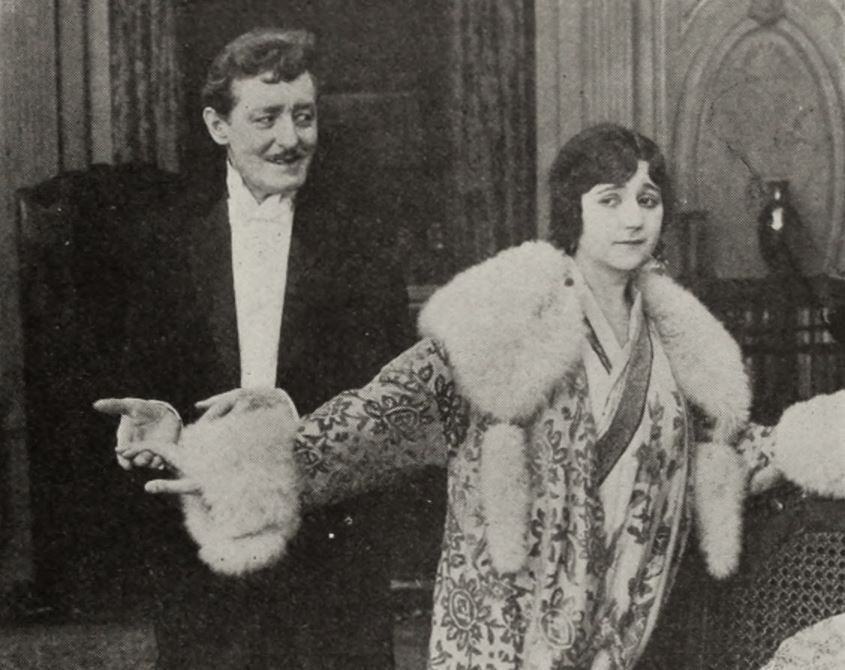
Dir: Richard Ridgely
Mary Ladislas elopes with the chauffeur because of his sympathy for her ideals, and they stop at a hotel. The scornful attitude of all who meet them causes Mary to desire immediate marriage, but on the way for a license, the auto overturns and kills the chauffeur. It is too late for Mary to return home now and she is left alone, disconsolate. Hugh Whittaker, ill, given up by the doctors, leaves his affairs in the hands of Drummond, his partner, and prepares to leave for the west. He meets Mary and prevents her suicide. Pitying her and feeling his own end near, he marries her and continues on his journey, after giving her a note to his partner, Drummond, so that he may provide for her. Drummond, who is dissipating and appropriating Hugh's funds, is fascinated by Mary, but she refuses his aid. Later, news comes of Hugh's death. Mary obtains the title role in Carmen at Max's theater, who treasures her for her artistic acting. In a jealous rage he causes the death of David, another actor whom Mary is to marry. Four years pass. Thurston, a young millionaire, who is to marry Mary, is pushed off a ferry boat by Max and drowned. Drummond, meanwhile, is forcing his attentions on Mary. Hugh, contrary to reports, has not been killed. His mining operations in the west have made him a millionaire and he returns home cured. At the theater he sees Mary. She recognizes him and suffers a nervous breakdown. Her unfortunate affairs with men have earned her the title of "The Destroying Angel." She goes to the seashore to recover from her attack. Drummond, meanwhile, who has spent all the money left in his care by Hugh, has disappeared. Unconscious of Mary's whereabouts, Hugh also takes a cottage at the seashore. He foils Drummond, who has suddenly reappeared, in an attempt to kidnap Mary. Drummond is killed in the scuffle by Hugh's valet. Fearing to cast her terrible spell upon him, Mary leaves Hugh and returns to the stage. He follows, however, and Max attempts to shoot him, but Hugh has broken the deadly spell, for Max's bullets go wild. Mary, who really loves Hugh, gives herself up to her love, and returns with him. His is the charmed life which has pierced the circle of death about "The Destroying Angel."
View DetailsAnalysis relative to The Heart of the Hills
| Film Title | Atmosphere | Complexity | Similarity |
|---|---|---|---|
| The Martyrdom of Philip Strong | Ethereal | High | 90% Match |
| The Mystic Hour | Gothic | Linear | 96% Match |
| God of Little Children | Gritty | Layered | 85% Match |
| The Law That Failed | Gritty | Dense | 86% Match |
| Meg o' the Mountains | Gothic | High | 86% Match |
This guide was algorithmically generated using the cinematic metadata of Richard Ridgely's archive. Last updated: 8/16/2026.
Back to The Heart of the Hills Details →