
DbcultAccessing Vault...
Recommendations
Senior Film Conservator
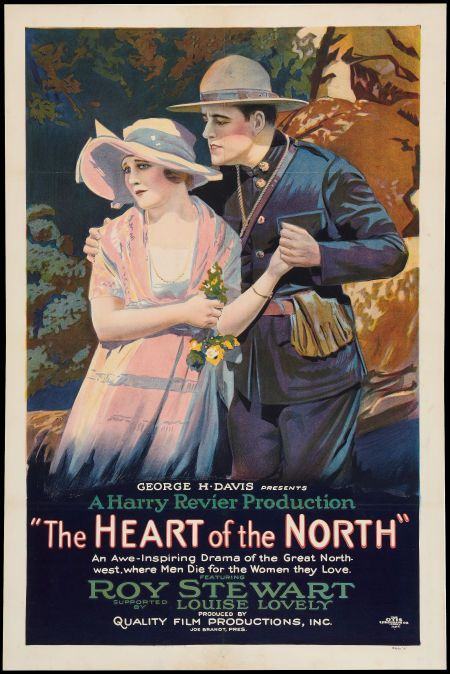
Ever since The Heart of the North hit screens in 1921, fans have sought that same character-driven intensity, it's essential to look at the contemporaries that shared this character-driven intensity. Prepare to discover your next favorite movie in our hand-picked collection.
Whether it's the character-driven intensity or the thematic depth, this film to leave an indelible mark on the history of United States film.
Orphan twins found in a snowstorm by Father Ormounde are adopted from a Montreal orphanage by an officer of the Northwest Mounted Police and Pierre Maupome, a leader of desperadoes. Twenty years later, one of them, "Bad" Maupome, has become leader of a gang of thieves, and the other, John, has become a lieutenant in the Northwest Mounted Police. John meets Patricia Graham and falls in love with her after rescuing her from a forest fire. Meanwhile, having directed the looting of an Indian village, "Bad" goes to De Brac's trading post and roughs up the trader when he objects to his seeing his daughter; however, the infatuated Rosa goes to "Bad's" cabin where Father Ormounde discloses the bandit's identity. Maupome steals a police uniform and robs and wounds Miss Graham's father. John is arrested, but he escapes and trails his brother, who is killed by a falling tree in a storm. John is cleared by the girl's testimony, and they are happy together.
Critics widely regard The Heart of the North as a cult-favorite piece of Drama cinema. Its character-driven intensity is frequently cited as its strongest asset, solidifying its place in United States's film legacy.
Based on the unique character-driven intensity of The Heart of the North, our vault has identified these titles as the most compelling follow-up experiences for fans of Drama cinema:
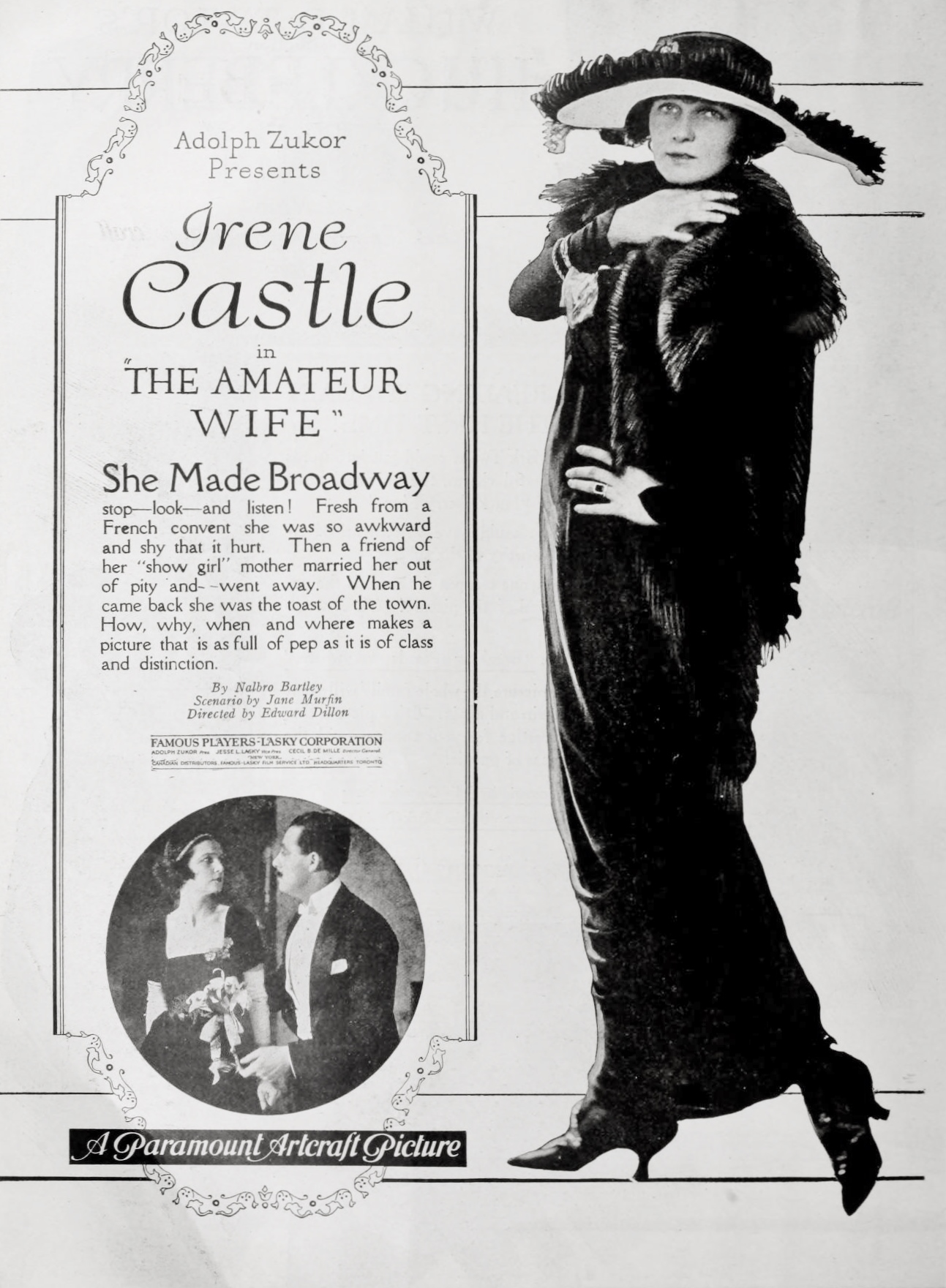
Dir: Edward Dillon
Her education in a French convent school completed, plain Justine Spencer returns to New York. There she is shocked to discover that her mother Dodo is a flamboyant musical comedy actress with many male admirers. Dodo, on the other hand, is dismayed to find Justine priggish and dowdy. One of Dodo's suitors is Billy Ferris, who, in a fit of jealousy, murders her and slays himself. Out of pity, Cosmo Spotiswood, another admirer of Dodo, marries Justine, but soon tires of his platonic marriage and leaves for Europe. Upon his return, Cosmo finds Justine transformed. Under the tutelage of Dodo's maid Loti, she has bobbed her hair and donned fashionable apparel. Thus changed, Justine is surrounded by suitors. Stung by jealousy, Cosmo falls in love with his sophisticated wife.
View Details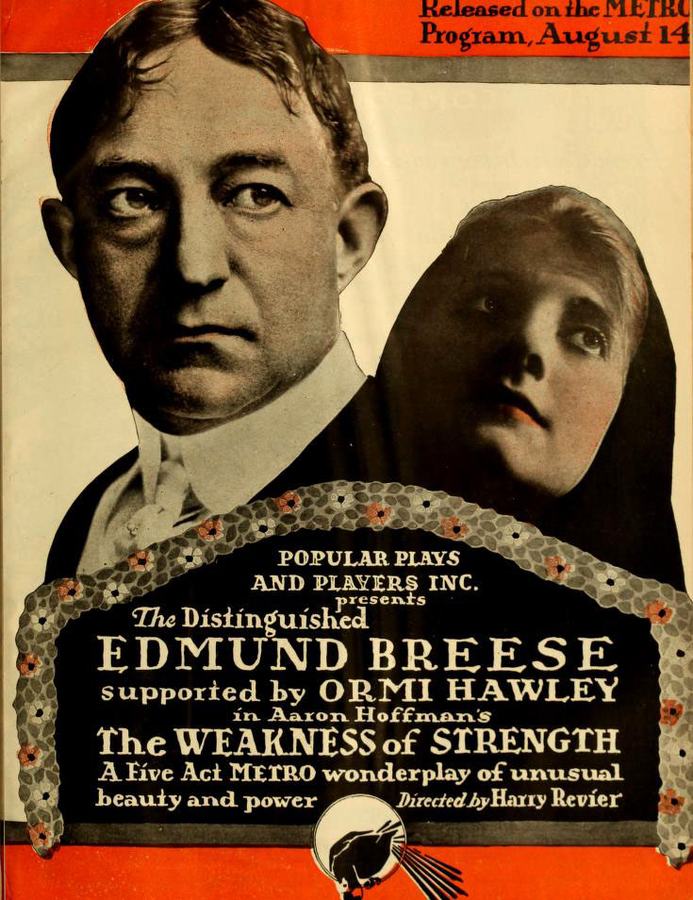
Dir: Harry Revier
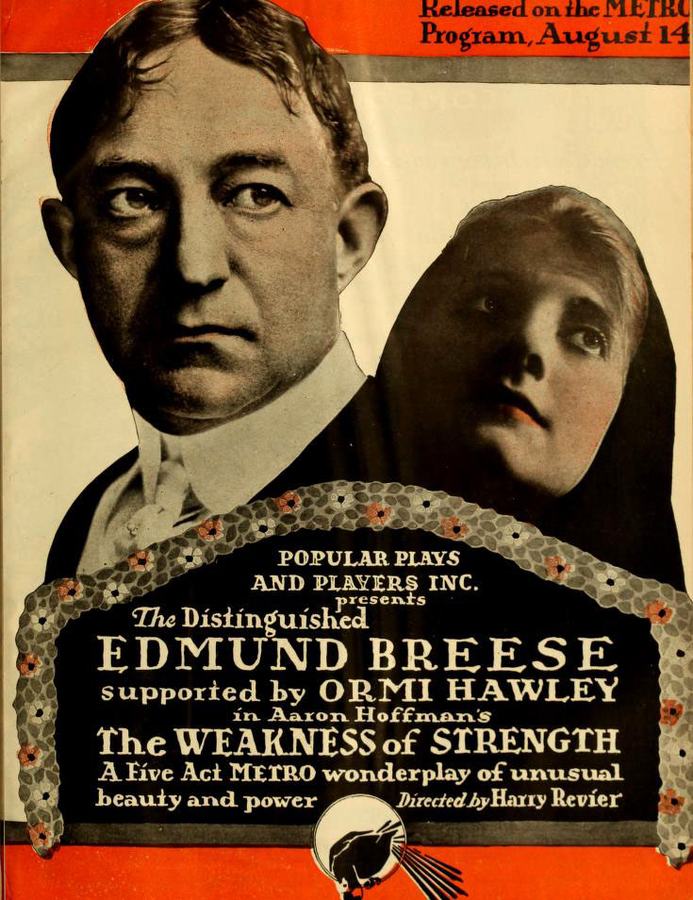
Through a real estate purchase Daniel Gaynor acquires all rights in the waterway leading from Moose River to the mill. The original owner has never made use of his rights, but Gaynor, whose one thought is to get power, refuses to allow logs to be floated down the river running through his property. The men resent this injustice, and there is a fight between Gaynor and Bill Jackson, Bill representing the lumbermen. The ruthless way in which Gaynor deals with the men loses for him the sympathy of his one friend, Mary Alden, a widowed school teacher, with whom he is in love. The loggers are forced to sell their output to Gaynor, getting a poorer price for it than ever before. He in turn sells it to the ship company in the city at a lower figure than they have ever paid. Gaynor has had to get the assistance of the sheriff and deputies to protect his interests, and he has won the victory only after many brutal fights. Delighted with Gaynor's executive ability, the firm offers him the position of general manager, at a large salary, and he goes to the city. Mary Alden refuses to accompany him as his wife, for she does not believe that happiness can be built on a foundation of injustice. At the shipyards Gaynor continues in the high-handed way he has begun. He cuts wages, speeds up the work of the men to a cruel degree, and in other ways makes himself a tyrant. So successful is he that in ten years' time he is president of the company. Bessie Alden, Mary's daughter, comes to the city to seek her fortune. She meets Dick Grant, who is employed in the office of the ship building firm, and they are instantly attracted to each other. They are married, and Dick goes to Gaynor and asks for a raise in salary. It is refused. Dick's old grandmother falls ill, and he finds his added responsibilities more than he can manage. A child is born, and Dick is at his wit's end to provide comforts for the child and Bessie. About this time Gaynor's health fails and he is obliged to go to the woods to recuperate. This facilitates the carrying out of the plan that has tempted Dick, and he takes a certain sum out of the cash box each week, telling Bessie that Gaynor has increased his salary. Returning to his old home, Gaynor finds himself thoroughly hated. He is beaten and thrown into the river, but is rescued by Mary. He begins to realize that his power has not brought him the real things in life. Dick's theft is discovered by his superior in the office, and reported to Gaynor on his return. He goes to Dick's house, telling the detective to follow later. Bessie surprises him by thanking him profusely for her husband's raise, and telling all it has done for them. The baby climbs up into his arms and pats his face. Bessie tells him the child has been named for him. It is the first affection that has been shown Gaynor for many long years, and it overwhelms him. When the detective comes, he tells him there has been a mistake, and that there has been no theft. Then, having established the happiness of Dick and Bessie, he goes to Mary Alden and finds happiness for himself.
View Details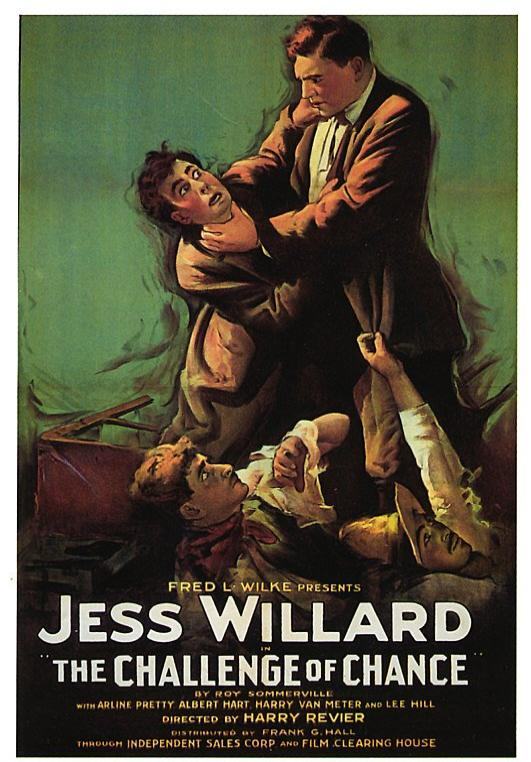
Dir: Harry Revier
A ranch foreman innocently works for a crooked horse dealer. When he discovers the truth about his boss, and about the boss's plans to rob a young woman, the foreman quits his job and offers his services to the young woman. The task she presents him is to rescue her herd of Kentucky thoroughbred horses from the crooked dealer's bandits.
View Details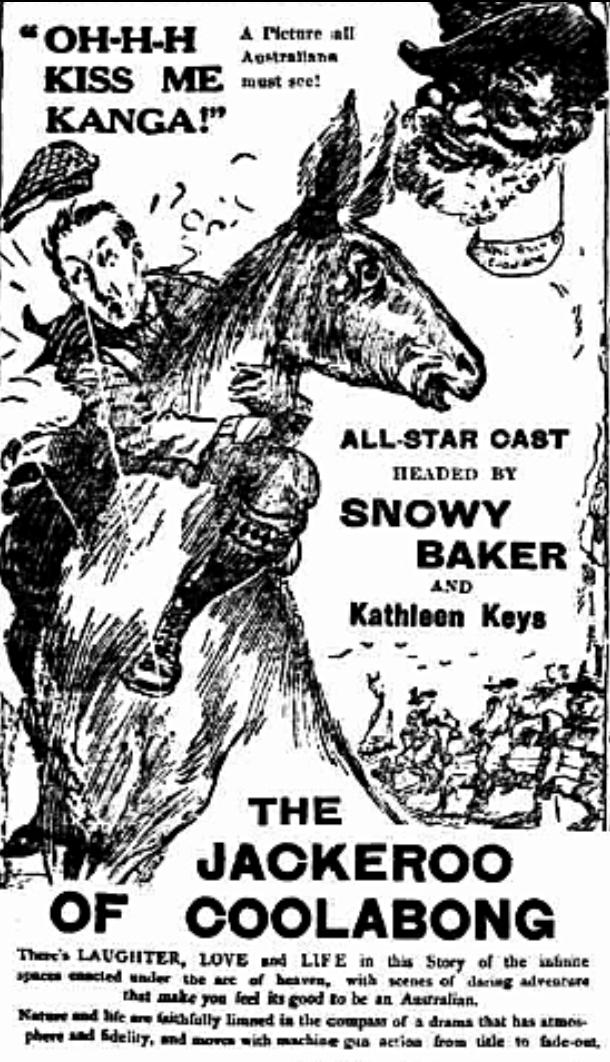
Dir: Wilfred Lucas
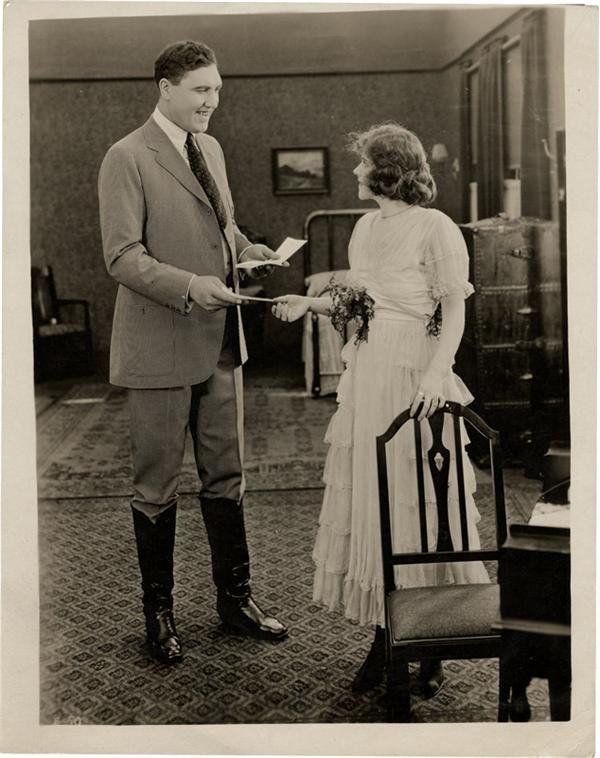
Brian O'Farrell (Snowy Baker), is an English 'new chum' who takes a job at an Australian cattle station. He is teased by station hands because of his appearance (including spats and a monocle) but he soon impresses them with his skills at riding and boxing. The station manager, John MacDonald (Wilfred Lucas), takes O'Farrell to Sydney to meet his daughter Edith (Kathleen Key) who is working in the slums. Edith is kidnapped by criminals after witnessing a crime but O'Farrell rescues her. It is later revealed he is the owner of the station.
View Details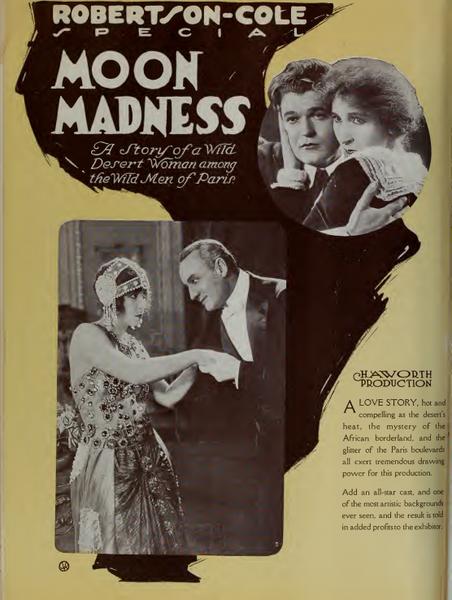
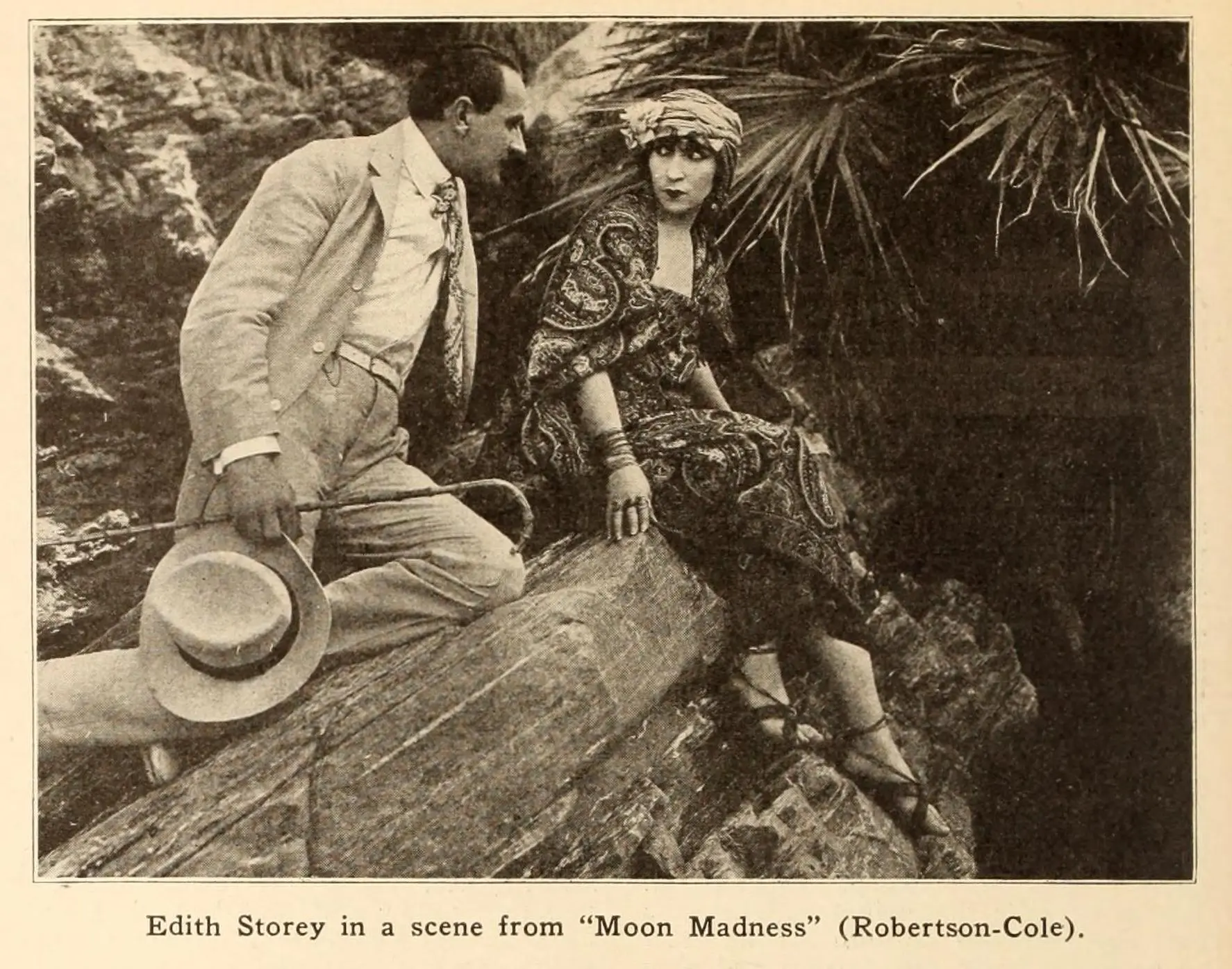
Dir: Colin Campbell
Zora, a girl of French origin, is raised by a wealthy Bedouin family after her mother Valerie dies while eloping with another man. Zora feels such great longing for the French artist Adrien that she accepts the offer of another artist, Raoul, to take her to Paris with the stipulation that if Adrien rejects her, she must give herself to him. Jan, the chieftain's son who is in love with Zora, follows the two to Paris. There Zora realizes that Adrien does not love her and discovers her real love for Jan. However, she feels bound to honor her pact with Raoul and is about to succumb to his advances when her father appears and recognizes Raoul as the man who destroyed his home years earlier. In the ensuing fight between the two men, Raoul is killed, thus freeing Zora to accept Jan's love.
View Details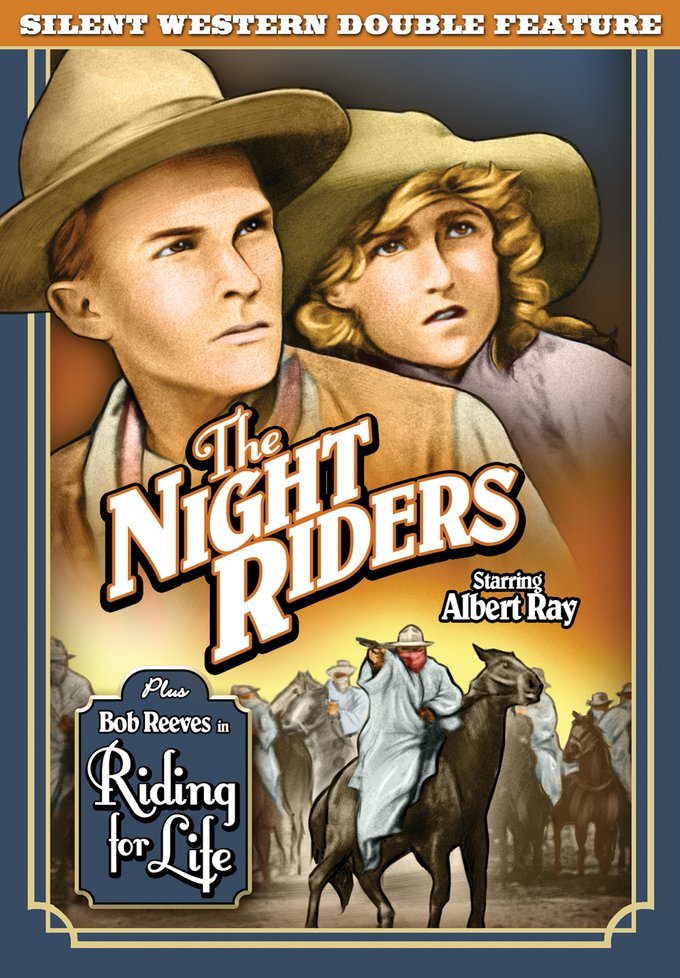
Dir: Alexander Butler
In Alberta, Canada, a Cornish emigrant unmasks a rustler posing as the girl's "blind" father.
View Details
Dir: Dallas M. Fitzgerald
Confidence artist Flossie Golden attempts to fleece foolish but wealthy James Venable with a breach-of-promise suit. Venable's shrewd attorney, Richard Harding, outwits Flossie by proposing that she marry Venable and live on an allowance of $3,000 per year. Flossie is determined to get even with Harding for ruining her plans. In an attempt to con him, she poses as Innocence Page, but falls in love and marries him instead. Larry, Flossie's former accomplice, endeavors to blackmail her with her errant past, but Harding is already cognizant of the facts and Larry fails.
View Details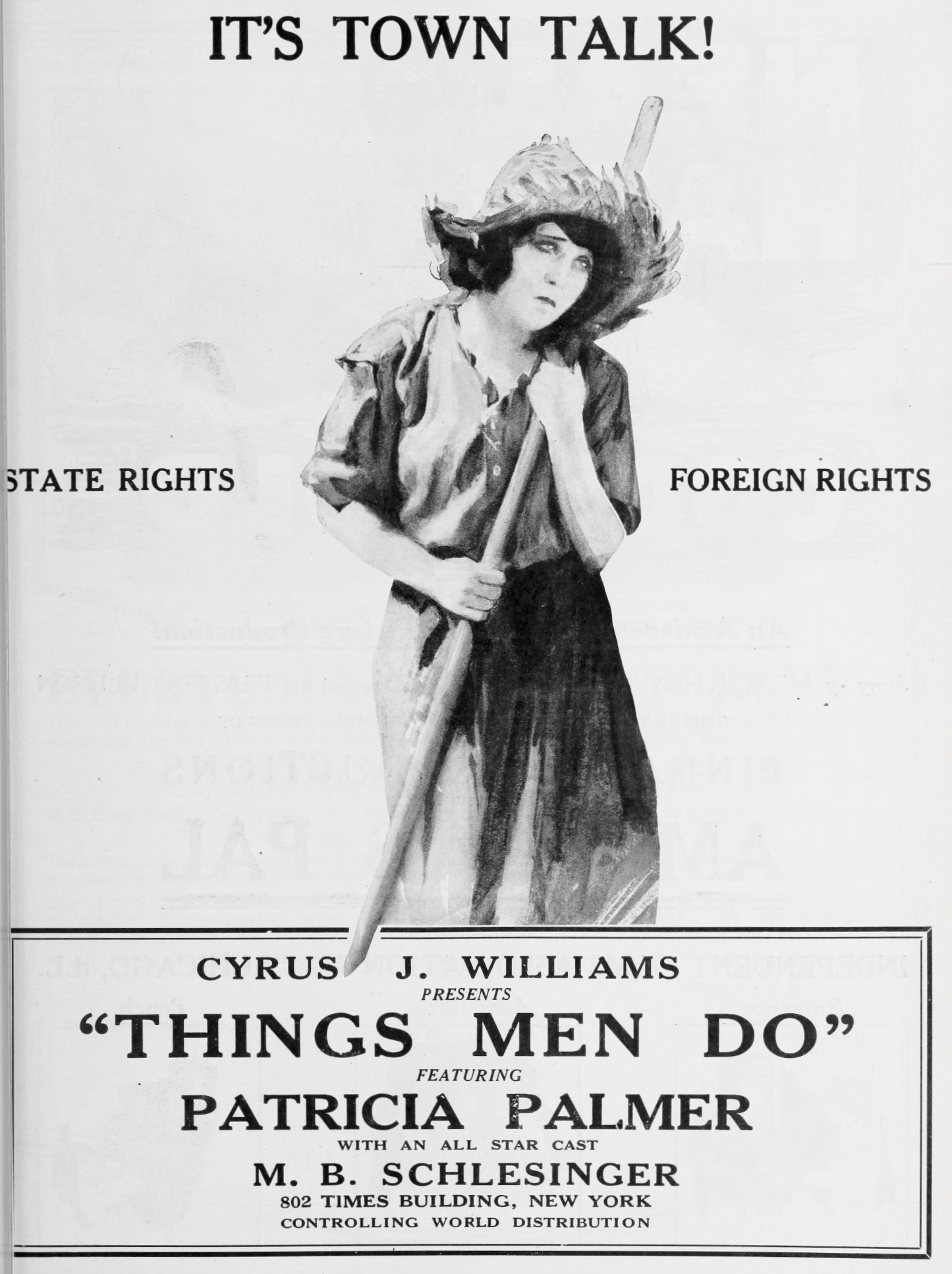
Dir: Robert N. Bradbury
A simple country girl, brutally mistreated by her stepfather, awakens first the sympathy, then the love, of The Boy. The Spider, who lusts after The Girl, makes a bargain with the stepfather and takes her to the city where, kept prisoner, she is soon broken in health and spirit. Cast out and near death, she is taken in by The Boy. Following the demise of The Spider, The Boy takes her to church, where he prays, and after many hours she is restored to health.
View Details
Dir: Eduardo Notari
A crime drama in the Gennariello-series. The police detective in Naples that is confronted with modern gangsters and crime events.
View Details
Dir: Edgar Jones
A mail-order bride arrives at a Maine lumber camp but doesn't like her prospective husband.
View DetailsAnalysis relative to The Heart of the North
| Film Title | Atmosphere | Complexity | Similarity |
|---|---|---|---|
| The Amateur Wife | Surreal | Linear | 97% Match |
| The Weakness of Strength | Gritty | Linear | 97% Match |
| The Challenge of Chance | Tense | Abstract | 92% Match |
| The Jackeroo of Coolabong | Ethereal | High | 85% Match |
| Moon Madness | Surreal | Layered | 95% Match |
This guide was algorithmically generated using the cinematic metadata of Harry Revier's archive. Last updated: 6/25/2026.
Back to The Heart of the North Details →