
DbcultAccessing Vault...
Recommendations
Senior Film Conservator
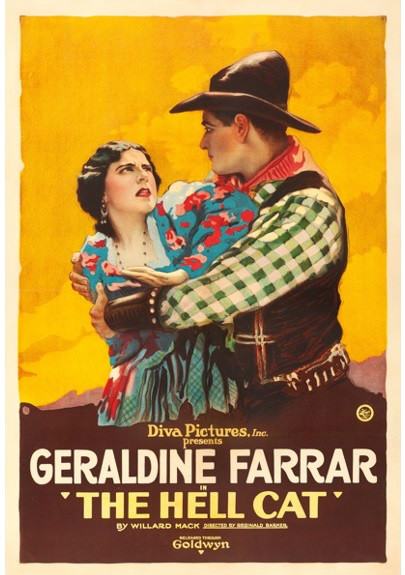
In the vast archive of cult cinema, The Hell Cat stands as a cinematic excellence beacon, it's essential to look at the contemporaries that shared this cinematic excellence. Our cinematic experts have identified several titles that reflect the spirit of 1918.
Few films from 1918 manage to capture to leave an indelible mark on the history of United States film.
Pancha O'Brien, the beautiful and spirited daughter of an Irish ranch owner, is loved by two men, Sheriff Jack Webb, whom she loves, and outlaw Jim Dyke, whose attentions she repeatedly rebuffs. Jim and his men attack Pancha's ranch, burning it to the ground and killing her father. The outlaw carries her to his cabin, where Wan-o-mee, his jealous squaw, tries to stab the girl. Pancha explains that she does not love Jim and sends Wan-o-mee to find Sheriff Jack. Stalling for time, Pancha agrees to marry Jim, and the two set out for Cheyenne. Jack and his posse overtake them on the road, but Pancha has already stabbed Jim, and he falls dead at the sheriff's feet. To protect Pancha, Jack claims that he killed the outlaw and then proposes to her.
Critics widely regard The Hell Cat as a cult-favorite piece of cult cinema. Its cinematic excellence is frequently cited as its strongest asset, solidifying its place in United States's film legacy.
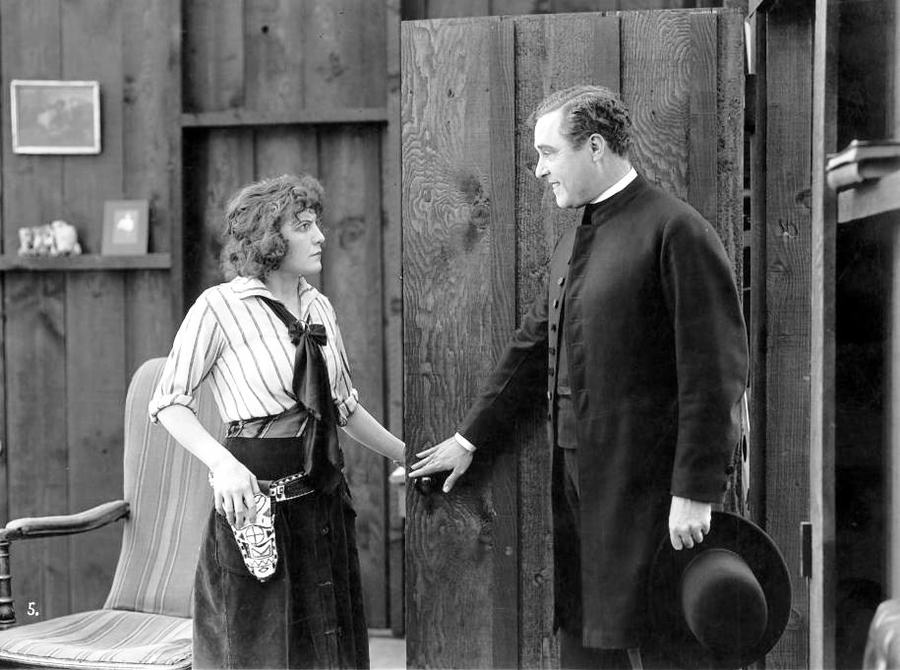
Based on the unique cinematic excellence of The Hell Cat, our vault has identified these titles as the most compelling follow-up experiences for fans of cult cinema:
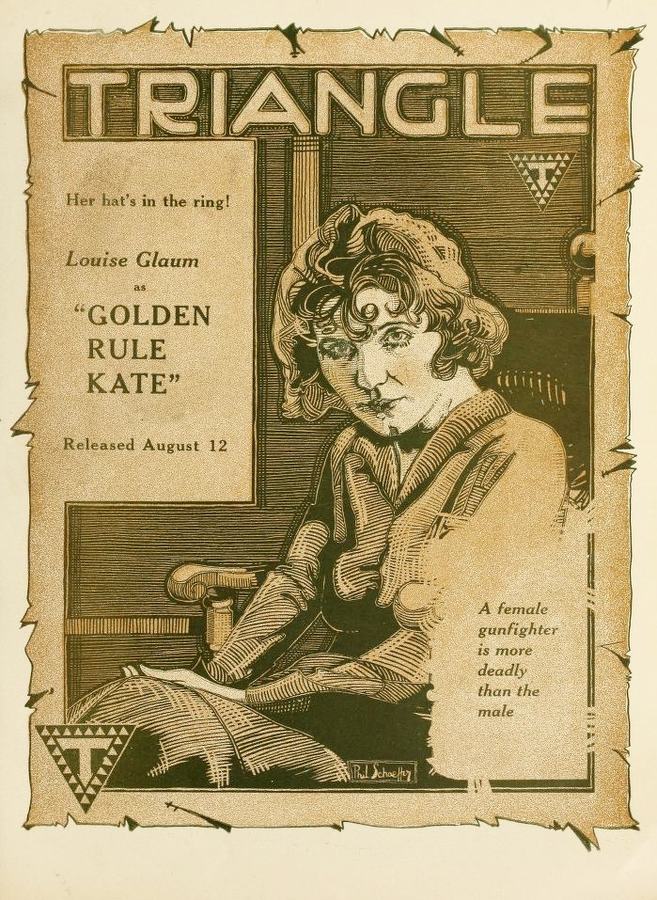
Dir: Reginald Barker
Mercedes Murphy and her partner, Slick Barney, run a saloon and dance hall in the tough town of Paradise, Nevada. While Mercedes is a hard-nosed businesswoman, she has a soft spot for her sister Olive, with whom she lives. One day a preacher, Rev. McGregor, who is determined to "reform" Paradise, sets up his church right next to the saloon. Mercedes is at first opposed to the reverend, but is eventually won over by his sermons and closes the dance hall. However, she soon discovers that Olive's "virtue" may no longer be so virtuous--and she suspects that the minister might be responsible for this.
View Details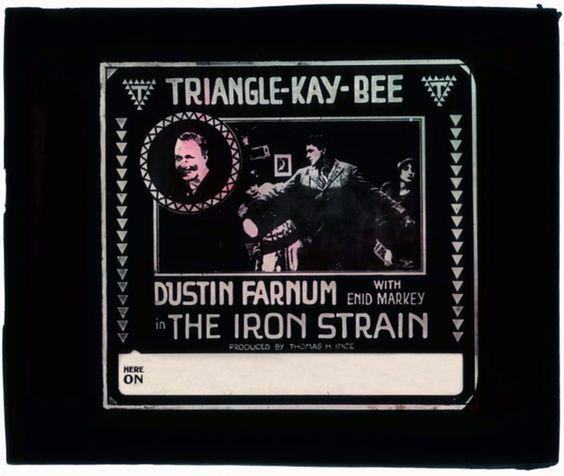
Dir: Reginald Barker
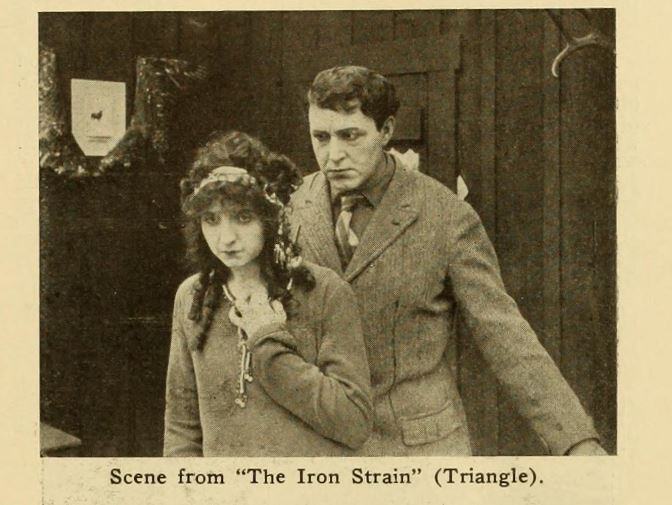
When San Francisco social butterfly Octavia Van Ness falls into decline, on a physician's advice her grandfather, mining king Ezra Whitney, takes her to Alaska, hoping that she will regain health and find a mate more suitable than the gilded youths of the California city. In the far north they meet "Chuck" Hemingway, whom the girl supposes to be a "sourdough," but whom the grandfather recognizes as a young collegian from the east. When she rejects Hemingway's advances, the caveman instinct wakens within him. The day before she is to return to civilization, Hemingway kidnaps her, enters into a forced marriage with her, and installs her in his cabin--where she suffers no more harm than if she were with her mother. Six months later, Octavia is now well and strong and rejoices in housework, but is still antagonist to Chuck. When Kitty Malloy, the queen of the Arctic Cabaret, suddenly arrives in the city, Octavia's jealousy is excited. She realizes his true worth and for the first time loves her husband. They return to California, where they are united with Octavia's family.
View Details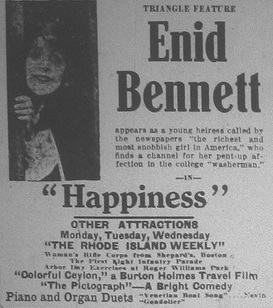
Dir: Reginald Barker
Doris Wingate is featured in a Sunday magazine supplement as the most snobbish girl in America. In reality, Doris is lovable and eager for friends, and it is her Aunt Priscilla who deliberately cultivates the false impression. Realizing this, her uncle ships Doris off to a co-educational college, but unfortunately, her reputation preceded her and she is snubbed by the other students. However, in Robert Lee Hollister, a fellow student who takes in washing to earn his tuition, and his little helper Dolly Temple, Doris finds true friends. Entering into a business partnership with her new friends, Doris spends her happiest hours sorting linen until her Aunt Priscilla arrives to break up the match. Doris defies her aunt and elopes with Bob, thus shattering her image as a snob, and the two settle down to a happy life together.
View Details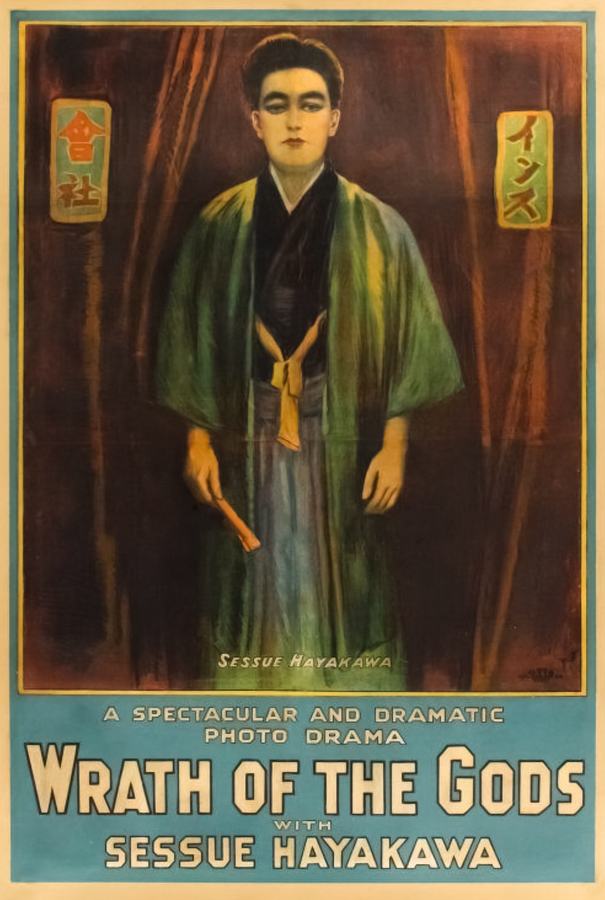
Dir: Reginald Barker
An American sailor falls in love with a fisherman's daughter and convinces her that Jesus is more powerful than the gods who have cursed her.
View Details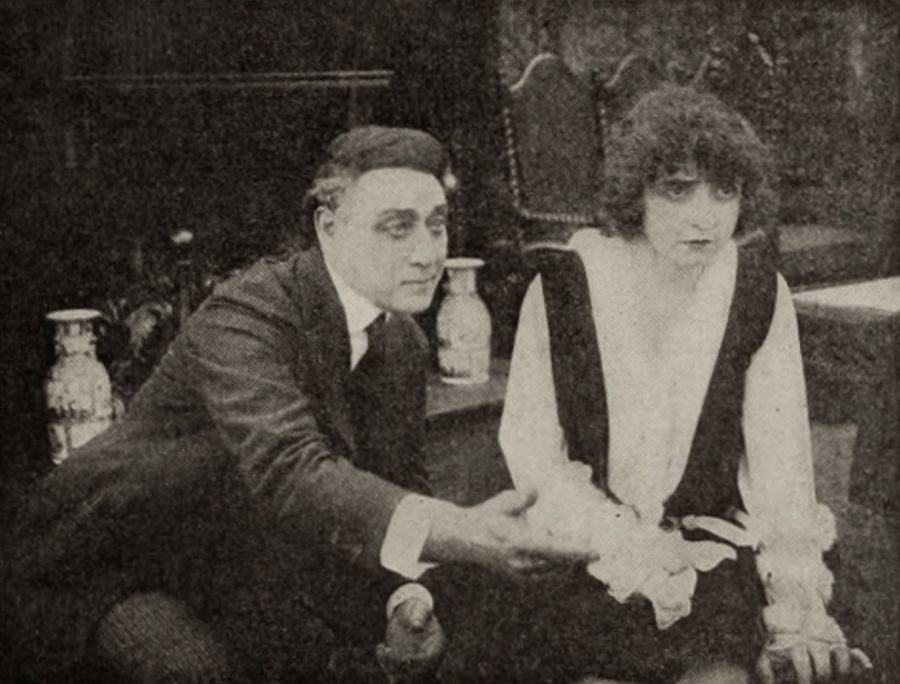
Dir: Reginald Barker
Mark Horn, once a lowly shoeshine boy, grows up to become a millionaire on Wall Street, but because of his experiences as a youth, still harbors a grudge against the rich. His money and position gain him entrance to high society, and he decides to drive wealthy Wayne Madison to ruin, agreeing to save Madison only if he lets Mark marry his daughter Viva. However, things don't turn out quite the way Mark intended.
View Details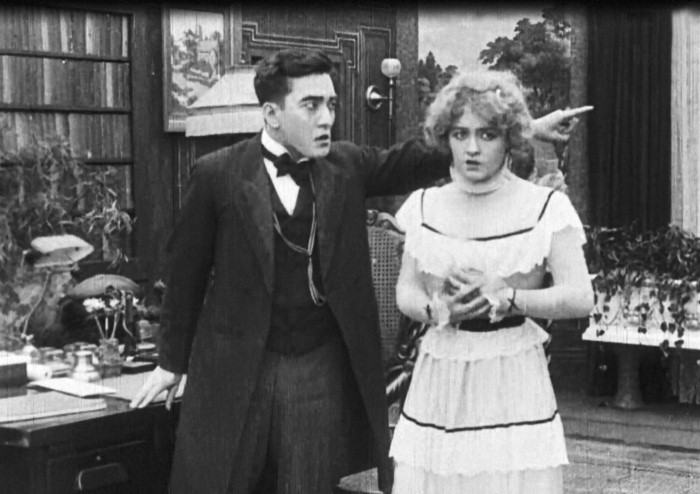
Dir: Reginald Barker
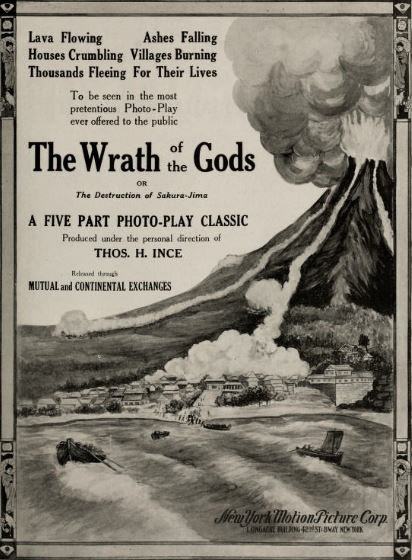
Japanese diplomat Tokoramo ( Sessue Hayakawa ), on a mission to Paris, begins a love affair with chorus girl, Helene ( Gladys Brockwell ), who subsequently rejects her American fiance, Richard Bernisky. When the Japanese discover the affair, they try to force Tokoramo to end it, but Helene refuses to stop visiting him. One night, during one of her visits, Bernisky comes to Tokoramo's apartment and, while Helene hides, rebukes her to her lover. After Bernisky leaves, Tokoramo orders Helene out, but when he realizes his love for her, he calls her back. Suddenly, she rejects and insults him to the point that he strangles her. Tokoramo wants to confess his crime, but he must complete his work, and so his countrymen sacrifice a boy, Hironari, who pleads guilty to the murder and eventually is executed. In the end, Tokoramo also dies and his colleagues burn his valuable papers in order to protect Japan.
View Details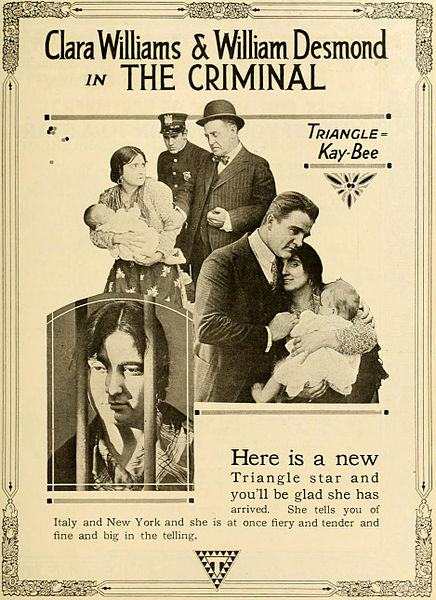
Dir: Reginald Barker
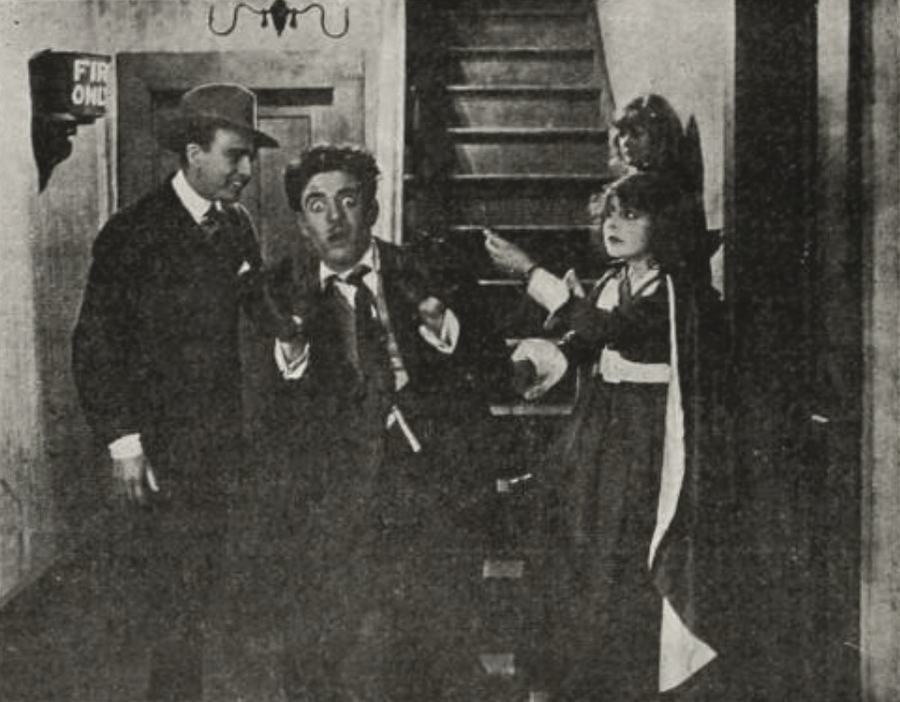
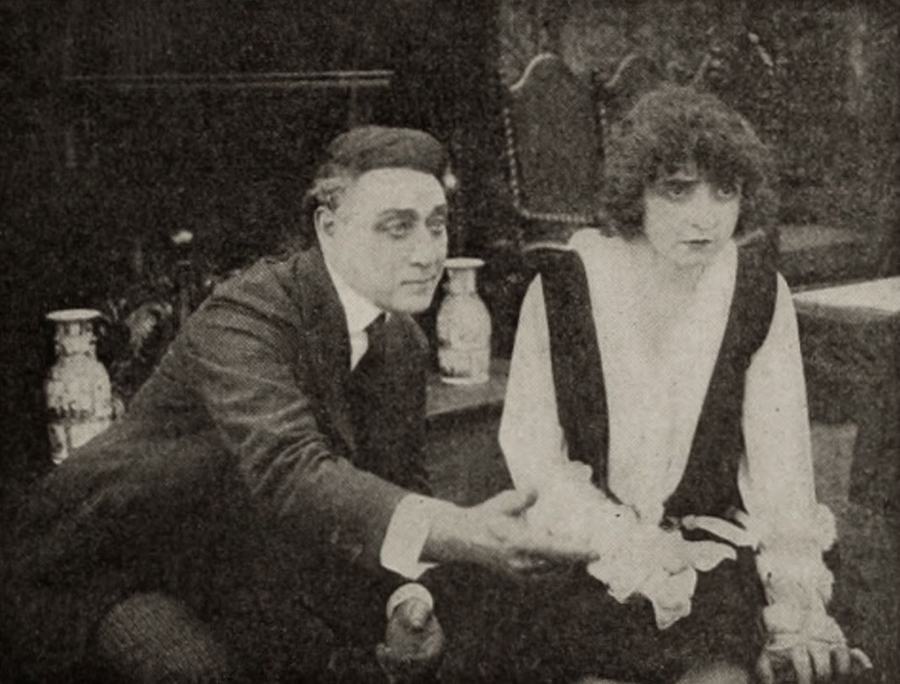
A young Italian immigrant girl, uneducated and superstitious, finds an abandoned baby on the stairs of her tenement, with a note attached explaining the baby is illegitimate. A young newspaper reporter, whom the girl knows from waiting on him at the restaurant where she works, reads the note for her. But the police arrest her, at no evidence whatsoever other than possession of the baby, for kidnapping. She refuses to tell them the baby was abandoned and fatherless, because she was herself, and confesses, in order to save the baby from being branded a bastard, that she stole it. The reporter goes to the jail and elicits the truth from her. And then proposes to her and adopts the baby.
View Details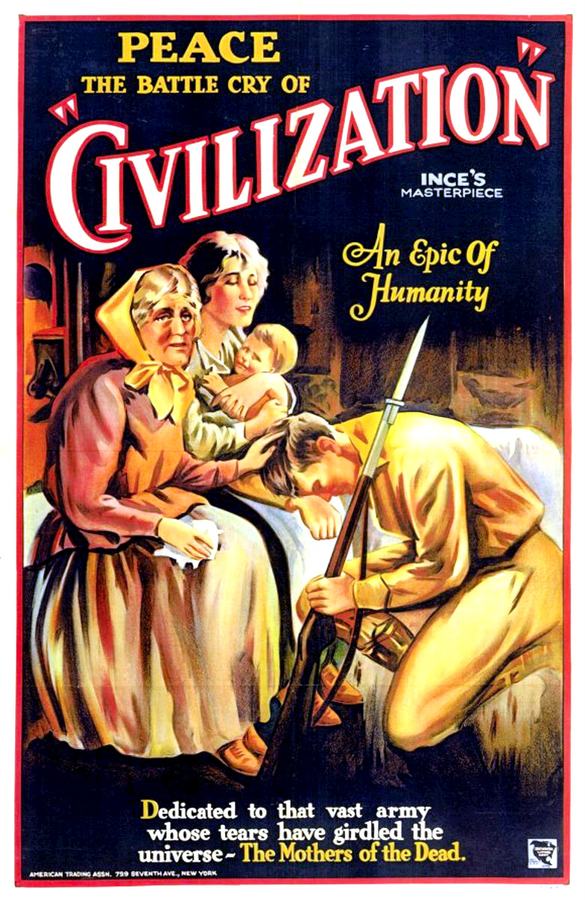
Dir: Reginald Barker
Christ takes on the form of a pacifist count to end a senseless war.
View Details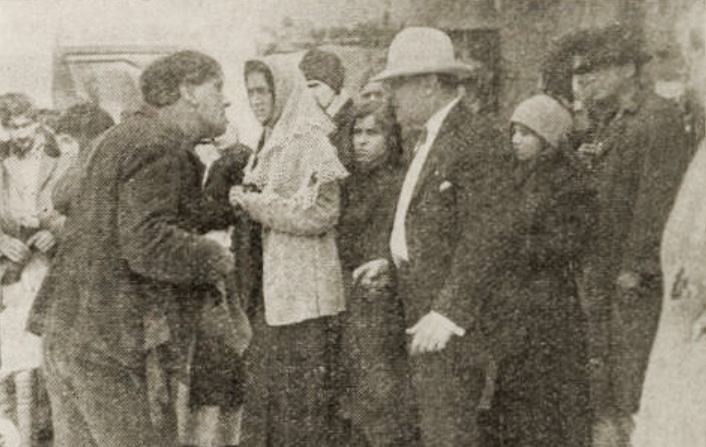
Dir: Reginald Barker
A poor ditch-digger, Pietro Massena, lovingly raises his motherless daughter Rosina. Phil Griswold, in order to throw a party to celebrate his expected inheritance, induces his friend Robbins to rob the flower shop where he works. After the inheritance goes to Phil's brother William, who refuses Phil money to return to the flower shop, Phil abducts William's daughter Dorothy and sends a "Black Hand" ransom demand to throw suspicion onto Pietro, who earlier frightened Dorothy when he delivered a Christmas tree to William's house. William drives into the slums looking for Pietro and accidentally runs down Rosina. The grieving Pietro goes to the flower shop on Christmas morning to buy a rose for Rosina's coffin and is accused of the kidnapping, because Phil arranged to have a man known by "the sign of the rose" pick up the ransom money there. Pietro threatens to kill the arresting detective so that he can return to his "bambino," when William arrives with news that Dorothy has been found. William offers Pietro compensation, but he refuses and sorrowfully returns home.
View Details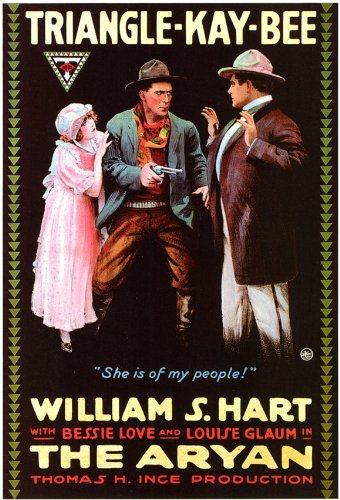
Dir: Reginald Barker
Denton rides into Yellow Ridge with a money-belt filled after years of toil in the mines beyond the desert. The local gamblers covet the fortune but fail to get Steve to try the roulette table until the enticer, Trixie, comes to exercise her charms on him. He blindly follows her lead and is watching the wheel with stern stare when a telegram is received. He asks the woman to read it. She lies when she says it contains good news, for it tells of his mother's critical illness. In the morning Steve awakes to find his belt is empty. In his feverish search through his pockets, he comes upon the telegram. As the truth dawns he goes to the telegraph office to send home a wire. The operator hands him the news that his mother has died. Wild with rage, he shoots up the town and drives away with Trixie lying limp over his horse before him. His heart is now filled with hate for all women and Trixie becomes his slave in a community where he tolerates only the scum of the section. Across the desert comes a pack train of Mississippi farmers who have left their fertile valleys to hunt for gold. Their water is all but gone and their stock is fagged. Their leaders plead with Steve for aid, but the white race may expect nothing from him. Back to the wailing women and children go the despondent leaders. Mary Jane, a waif among them, is not cowed by the story they tell, and by night she goes to repeat their please to the harsh white man. He looks upon her as another victim to share Trixie's lot, but her innocent, fearless attitude toward him makes him hesitate. Meanwhile, his men have carried off the women of the train. As the men pursue and bloodshed is in the air, Steve yields to the little girl and trades the safety of those people for his rich mine, leaves his wealth to his followers and guides the strangers out of the desert.
View DetailsAnalysis relative to The Hell Cat
| Film Title | Atmosphere | Complexity | Similarity |
|---|---|---|---|
| Golden Rule Kate | Gritty | High | 98% Match |
| The Iron Strain | Surreal | Abstract | 96% Match |
| Happiness | Tense | Linear | 97% Match |
| The Wrath of the Gods | Tense | Dense | 98% Match |
| The Conqueror | Gritty | High | 86% Match |
This guide was algorithmically generated using the cinematic metadata of Reginald Barker's archive. Last updated: 8/16/2026.
Back to The Hell Cat Details →