Summary
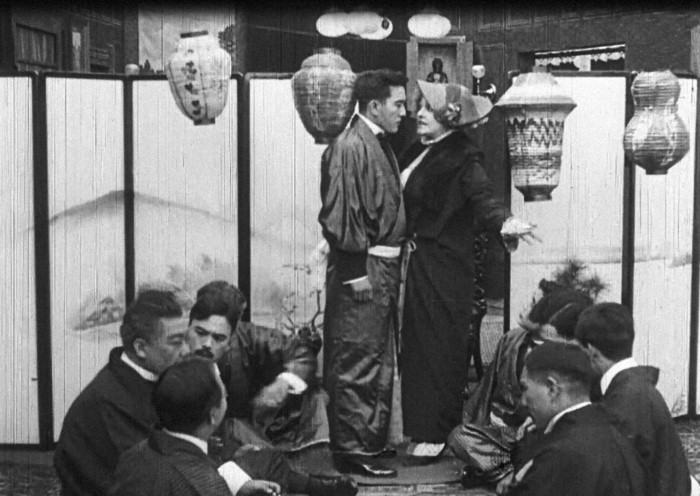
A lacquered paper lantern sways above the Seine, its glow spilling onto cobblestones like molten saffron; beneath it, Tokoramo—imperial envoy, ink-stiff collar, heart a moonlit drum—steps from a berline and into the smoky hush of Montmartre’s Eden-Concert. Helene, all shoulder-blades and spangles, high-kicks through a chorus line of canards while her American fiancé, Bernisky, watches from the wings with the proprietary smirk of a man who mistakes possession for love. One glance between the diplomat and the dancer detonates a silence louder than artillery: eyelashes become guillotines, breaths turn to silk nooses. Their clandestine nights unspool in haiku of skin on tatami, the scent of camellia oil wrestling with cheap perfume, until Tokyo cables arrive sealed in crimson wax—ancestral duty trumping cardiac thunder. Helene, drunk on defiance, keeps slipping past gendarmes and gossips into Tokoramo’s rue de l’Université flat, where shōji shadows slice her nakedness into ivory shards. Bernisky’s intrusion—topcoat damp with fog and bile—forces her to crouch behind a byōbu like a porcelain fox; his tirade, a cracked gramophone record of racial slurs and wounded pride, ricochets off the walls. Exit the American; enter shame, stage left. Tokoramo’s dismissal of Helene is a samurai slash: precise, bloodless, yet the tatters of his voice betray tidal regret. On the balcony, Parisian gaslights blur into haniwa constellations; he summons her back, but she—now Medea in beads—unleashes a typhoon of scorn that flays his honor raw. Fingers close around a throat still tasting of lipstick and seawater; the crack of cartilage is the sound of empires fracturing. Bureaucratic machinery grinds: a scapegoated boy, Hironari, signs his death with trembling kanji, while Tokoramo, condemned to keep breathing, inks treaties by day and scrubs phantom fingerprints by night. When his heart finally ruptures—perhaps from guilt, perhaps from unspoken cholera—his compatriots feed parchment secrets to the brazier, smoke curling like obituary incense over the ashes of two lovers and one sacrificed child.
Synopsis
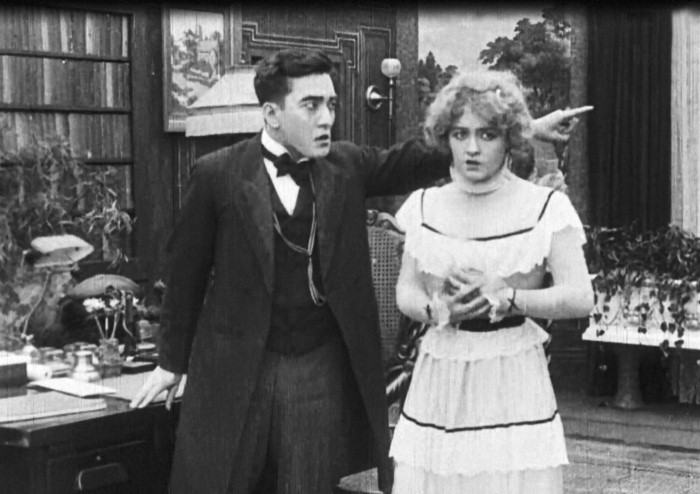
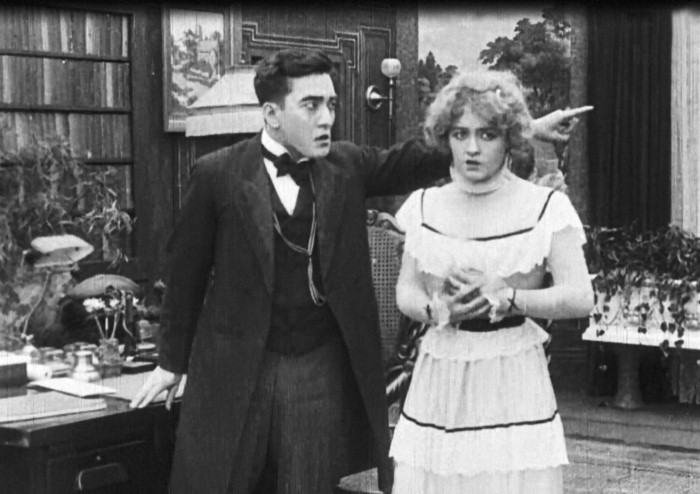
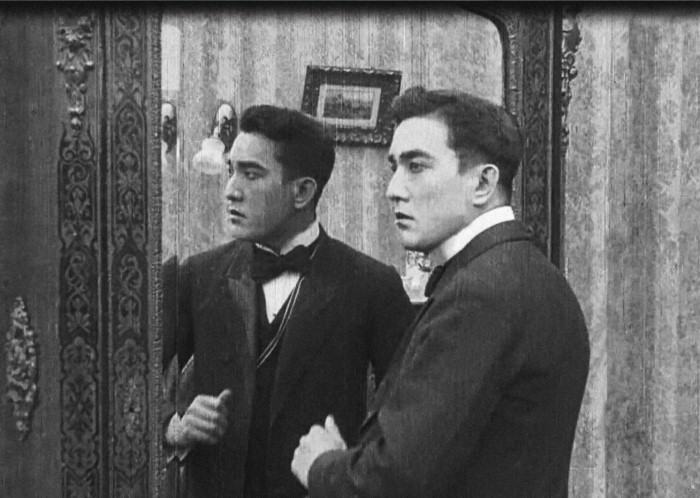
Japanese diplomat Tokoramo ( Sessue Hayakawa ), on a mission to Paris, begins a love affair with chorus girl, Helene ( Gladys Brockwell ), who subsequently rejects her American fiance, Richard Bernisky. When the Japanese discover the affair, they try to force Tokoramo to end it, but Helene refuses to stop visiting him. One night, during one of her visits, Bernisky comes to Tokoramo's apartment and, while Helene hides, rebukes her to her lover. After Bernisky leaves, Tokoramo orders Helene out, but when he realizes his love for her, he calls her back. Suddenly, she rejects and insults him to the point that he strangles her. Tokoramo wants to confess his crime, but he must complete his work, and so his countrymen sacrifice a boy, Hironari, who pleads guilty to the murder and eventually is executed. In the end, Tokoramo also dies and his colleagues burn his valuable papers in order to protect Japan.
Review Excerpt
"
I. The scent of camellia in a Montmartre trap
If cinema were perfumery, The Typhoon would be a bruised camellia petal soaked in absinthe—delicate yet corrosive, its sweetness laced with arsenic. Director Reginald Barker, armed with Melchior Lengyel’s scalpel-sharp scenario, distills Meiji-era rigidity into the person of Tokoramo: every bow a hinge of wrought iron, every smile a paper cut. Watch the way Sessue Hayakawa lowers his gaze when Helene’s garter snaps against her thigh; the iris-in fe..."