
DbcultAccessing Vault...
Recommendations
Senior Film Conservator
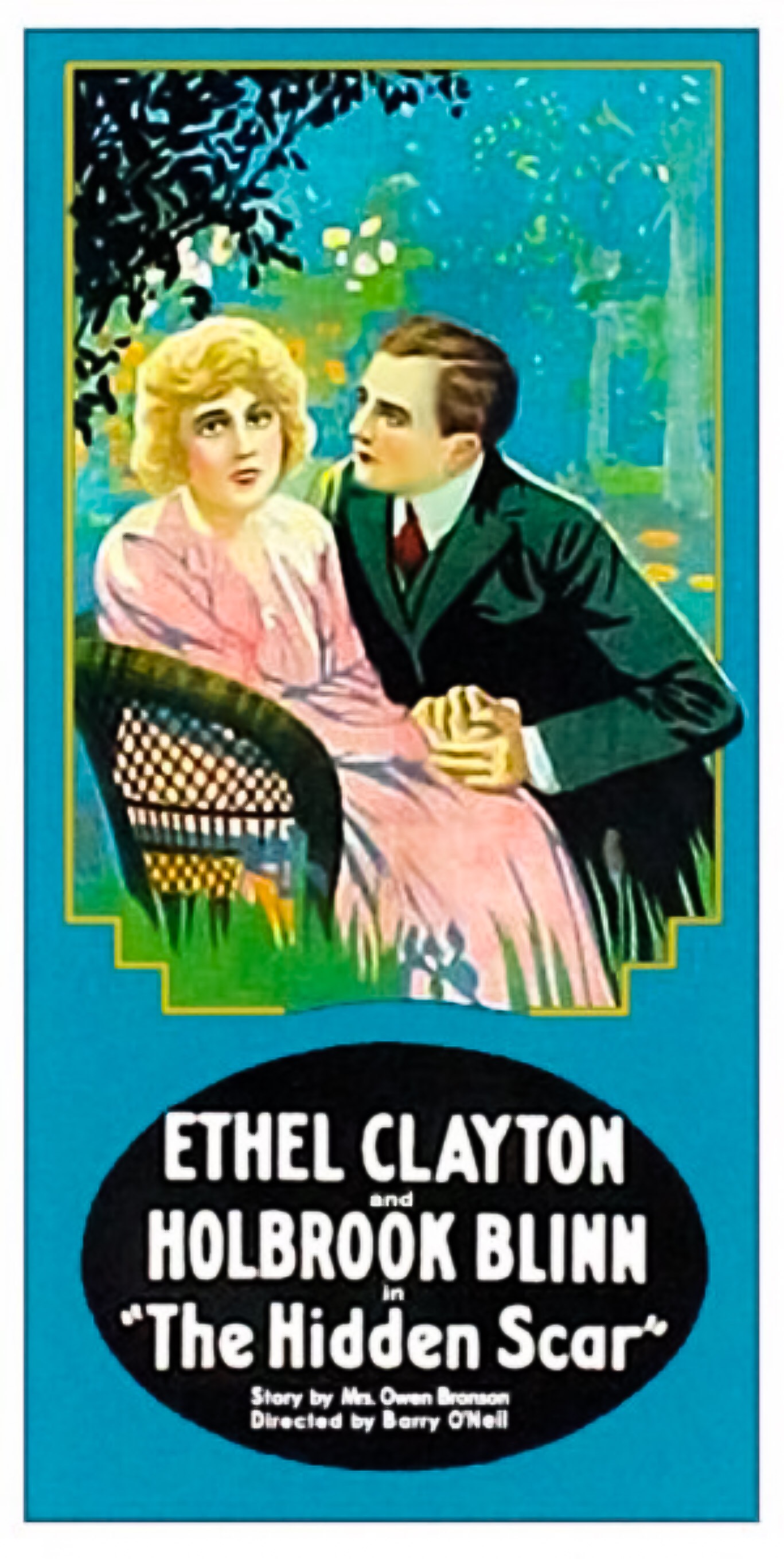
The 1916 release of The Hidden Scar redefined the parameters of cult storytelling, the visual language established by Barry O'Neil is something many try to emulate. Explore the following titles to broaden your appreciation for cult excellence.
Historically, The Hidden Scar represents to synthesize diverse influences into a singular artistic statement.
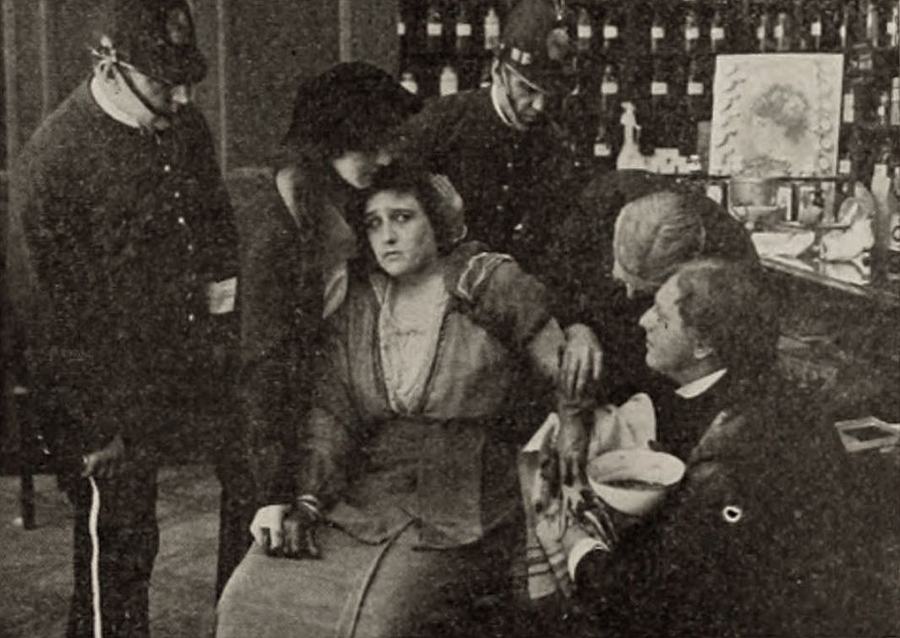
Janet Hall begins a romance with Dale Overton, a small town minister, after the death of Henry Dalton, with whom she had an illegitimate child. At first, because of her past, she refuses to marry him, but then, after listening to his sermons about forgiveness, she consents, although she makes sure that he knows nothing of her history. Finally, however, he does find out about her relationship with Henry, and just as Janet feared he might, he renounces his wife. Defending Janet, Dale's friend, Stuart Doane, accuses the minister of spreading the word about tolerance without actually believing it himself. Dale realizes his hypocrisy, and then, after forgiving Janet, sees through her recovery from a breakdown brought on by the sudden disclosure of her past and by the subsequent strain on her marriage.
Critics widely regard The Hidden Scar as a cult-favorite piece of cult cinema. Its stylistic flair is frequently cited as its strongest asset, solidifying its place in United States's film legacy.
Based on the unique stylistic flair of The Hidden Scar, our vault has identified these titles as the most compelling follow-up experiences for fans of cult cinema:
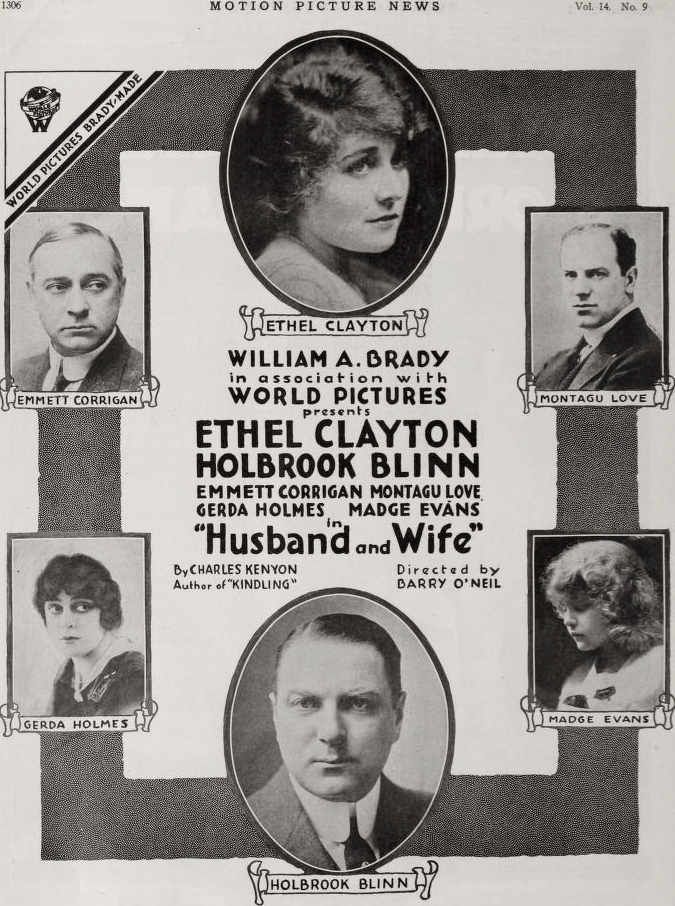
Dir: Barry O'Neil
Dick Baker, cashier of the National Bank, is in financial difficulties through his wife's extravagance. Becoming desperate, he plays the stock market with "borrowed" securities. Schmidt, a social climber and director of the bank, goes in with Dick on some of his speculations and in return Doris, Dick's wife, is expected to receive Mrs. Schmidt. Pat Alliston, a wealthy young man, is in love with Doris, but is playing "on the level." Doris refuses to receive Mrs. Schmidt one afternoon while Alliston is calling. This infuriates her and she confides in her husband, who then refuses to go in on a deal with Dick. Porter, Dick's younger brother, has learned something of Dick's difficulties, and blames Doris for her extravagance. Doris complains of Porter to Dick and they quarrel. The next day the stock Dick has invested in drops heavily and his margin is wiped out. He cannot cover it and is forced to let it go. Schmidt has become suspicious and sets detectives to watch Dick. That evening Dick learns that Doris is dining with Alliston again and asks her why she doesn't get a divorce and in anger she says, "Very well, I will." Doris plans to go to Japan with Mrs. Prescott, a chum, Alliston and their daughter Bessie. She has planned to give Dick the impression that she is eloping with Alliston so that he will get a divorce, but Doris confesses to Mrs. Prescott that if Dick should even hold out his hand to her, she would stay. Schmidt's suspicion is again aroused, and when Schreiber. the detective, reports that Doris is planning this trip. Schmidt thinks Dick is planning to slip away with them and cautions Schreiber to guard against this. Schmidt has Knight, the bank examiner, go over things and when Dick learns of this and of Doris' intended departure, feeling utterly deserted and alone, he attempts suicide, but is prevented by the unconscious intervention of Bessie. Alliston calls for Doris and Bessie and they meet Mrs. Prescott at the railroad station. They are followed by the detective's assistant and brought hack, he mistaking Alliston for Dick. Doris denounces Dick for having, as she supposes, detectives trail her and Alliston, and when she learns the truth, falls unconscious to the floor. Dick carries her into the drawing room and they are reconciled. Knight tells Schmidt that his suspicions of the bank's soundness were groundless and the latter leaves crestfallen. Alliston, alone in the hallway with Bessie, realizes his own part in this domestic tragedy. Knight asks him if he will help him to give Dick another chance, and he agrees. Knight writes a check and a note and sends it by Bessie to Dick.
View Details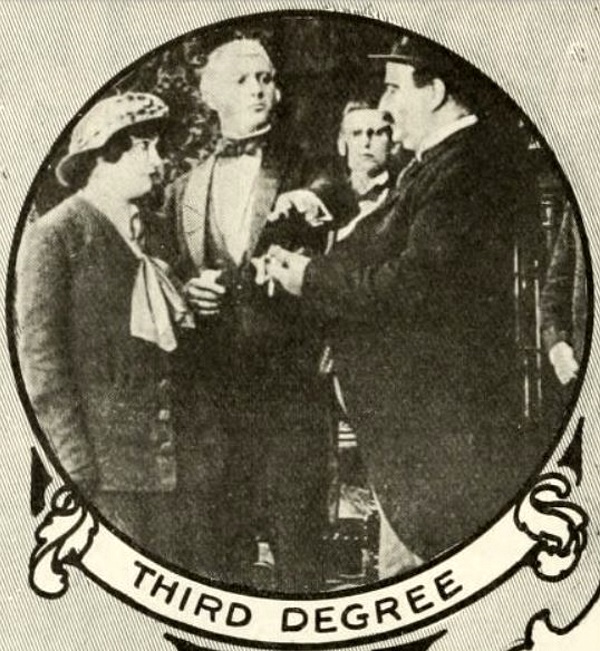
Dir: Barry O'Neil
The disowned son of a wealthy family is tried for the murder of a college friend who killed himself after his failure as an artist.
View Details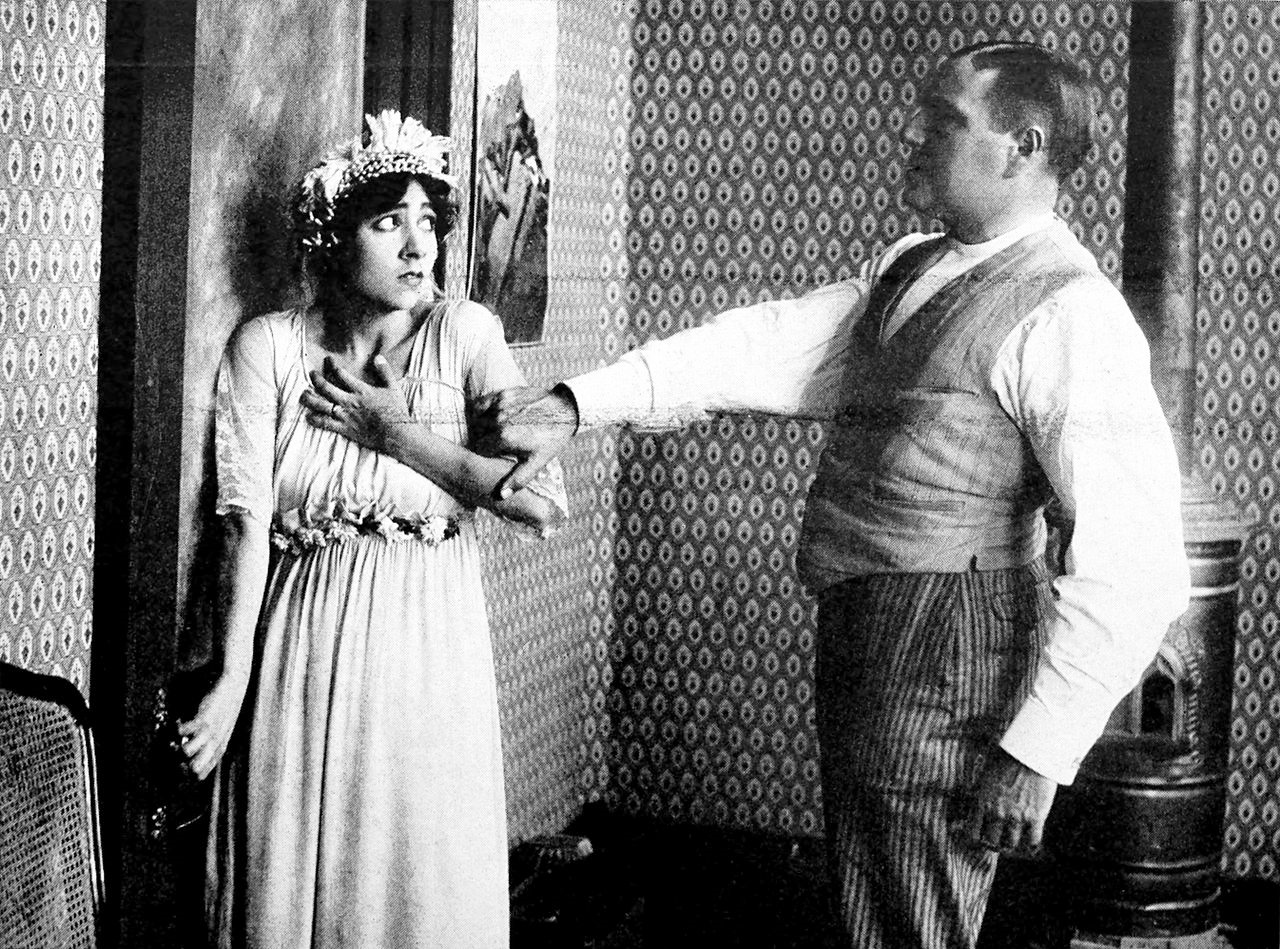
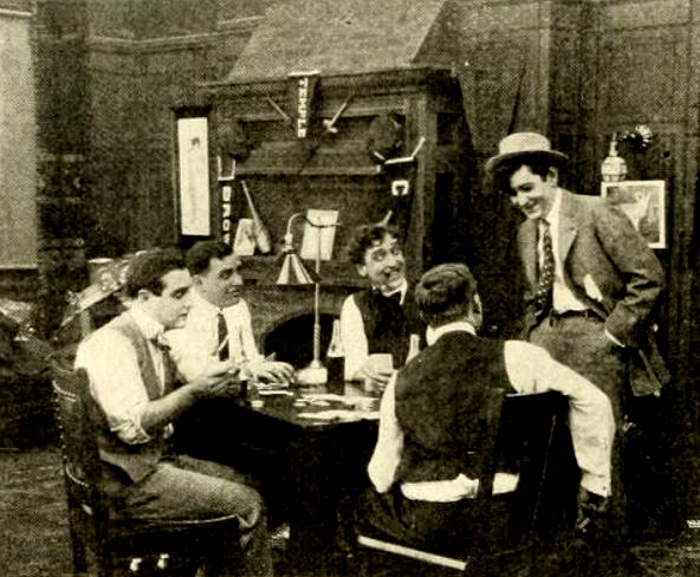
Dir: Barry O'Neil
McTeague begins life in the mines. He later becomes an unlicensed practicing dentist. He is a man of violent physical passions, but until he meets little Trina, who visits his dental office, his love instincts have never been aroused. McTeague induces Trina to marry him through the sheer force of his domineering personality. The couple are not happy. Trina develops miserly instincts and when she wins a $5,000 lottery prize, she hoards the money and grows more and more avaricious. McTeague quarrels with Marcus, his former rival for Trina's affections, and the ill feeling between the two men leads to a fierce combat in which McTeague proves the victor. In revenge Marcus has McTeague prevented from practicing dentistry because he has no diploma. McTeague leans on Trina for support but she turns him away. Trina has a severe illness and while recuperating develops a mania for fondling her hoarded gold pieces. McTeague returns to find Trina showering handfuls of gold upon her bed. After a terrific scene he strangles her and steals the money. Marcus, determined to avenge Trina's death, trails the fugitive McTeague into the heart of Death Valley, where the two men come at last face to face in a final battle to the death under the blistering desert sun.
View Details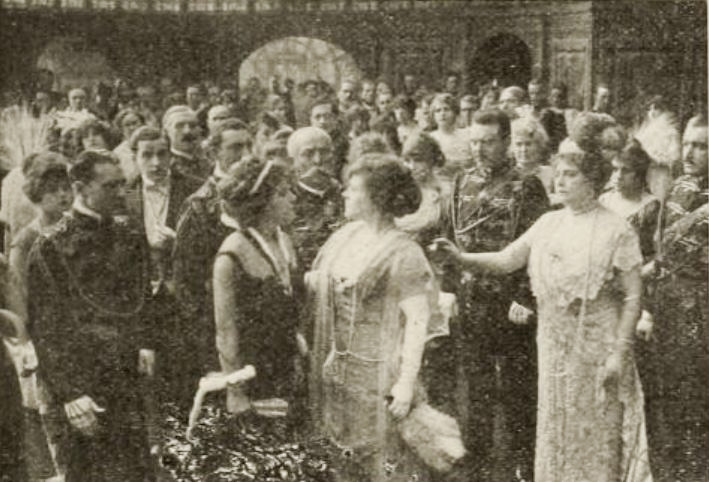
Dir: Barry O'Neil
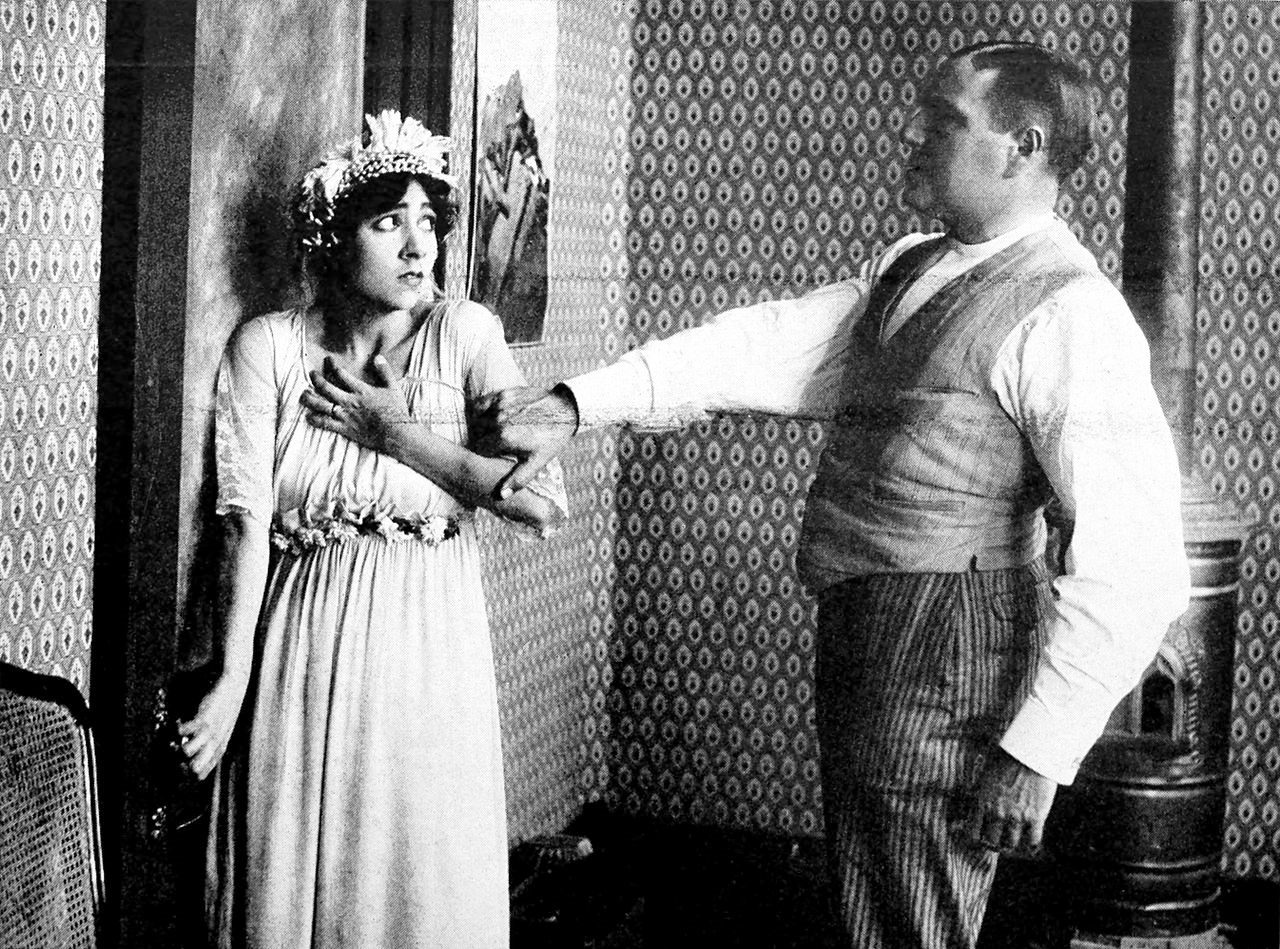
Lord Desborough and Captain Mostyn, both officers in the same regiment, are suitors for the hand of Muriel. Desborough wins and marries her, and thereby incurs the everlasting enmity of his rival. Their regiment is ordered to India, where Desborough falls under the wiles of an adventuress named Vivian Darville. His flirtation is duly reported to the absent wife by Mostyn, and the resultant future trouble between husband and wife, is fanned into flame by the jealousy of Rupert Lee, a young officer whom Vivian has driven to drink by her broken promises. On the return of the regiment to England the Desboroughs open their magnificent home, Desborough Hall, where in spite of the fact that Desborough is on the verge of bankruptcy, expensive entertainments are given under the patronage of the Countess, known as "The Sporting Duchess," because her aspirations are in the direction of hunting, horse racing and other phases of sporting life, rather than the less exciting functions of society. She is a woman of great wealth, keeps a large racing stable, and her liking for Desborough causes her to back his horse, Clipstone, for the Derby, as against King of Trumps, who is Mostyn's entry. Deciding to take unto herself a young husband, she selects Dr. Streatfield, a young army surgeon of fickle temperament, who has become engaged to Vivian Darville on the voyage home from England, and whom he introduces into the Desborough circle, only to find that his true affinity is Annette, daughter of Colonel Donnelly. Vivian's interest, however, goes no further than to be introduced into society through her engagement to Streatfield, and once under the Desborough roof, she begins to aid the villainous Mostyn in effecting a separation between the Desboroughs. This will open the way to Mostyn's attentions to Muriel, and at the same time secure revenge for Desborough's casting her off in India. But there is in the household, as nurse for the Desborough heir, Harold, Mary Aylmer, daughter of Desborough's stable trainer, whom Mostyn has betrayed under promise of marriage. She exacts fulfillment of that promise, and the plotters decide to remove her from the field of action at once. Mary reveals her condition to Muriel, who consults Desborough, and he writes her a letter stating that he will provide for her future, but cannot, of course, retain her in his household as preceptress to his own son. At the same time he also writes a letter to Vivian Darville, asking that their former relations be forgotten, and that she no longer should remain in his home, to disturb the restored tender relations between his wife and him. Mary shows the Desborough letter to Mostyn, who promises to do what he can for her in a secret way, at the same time retaining the letter. Going with it to Vivian, she shows him the letter she has received, and the method of parting the Desboroughs is at once revealed. The headings of both letters are torn away, substituting for each other, and two letters are the result, which furnish evidence of Desborough's guilt both with Mary and Vivian. Muriel already prepared by Mostyn for certain compromising disclosures, is shown the letter, believes that her husband is doubly false to her and accepts Mostyn's offer to act as her escort to London, followed by the irate husband. Mostyn takes Muriel to an out-of-the-way inn, where his perfidy is revealed, for she now discovers that his only motive in removing her from her home was to further his own evil designs. She tries to escape from her prison, and a struggle between them is interrupted by Desborough, who administers a severe beating to Mostyn, and informs Muriel that he will at once begin an action for separation. This action results in a sweeping verdict for Desborough. In spite of the earnest efforts of "The Sporting Duchess" and other good friends, and he is given the custody of the child. Harold, a heart-breaking interview taking place in the court chambers. Following his event the affairs of Desborough grow from bad to worse, and even his stable is to be sold. Including the great Clipstone, favorite for the Derby. Believing that Desborough is the betrayer of his daughter, the faithful trainer, Aylmer, deserts him, taking with him Dick Hammond, the lover of Mary, who was to be the mount for Clipstone. The days of sale for the Desborough stable is announced, and to save for Desborough his one hope to recoup his shattered fortunes, his friends decide to raise a fund for the purchase of Clipstone. But their efforts are unavailing, the sum subscribed is not sufficient, and "The Sporting Duchess" is appealed to by Doctor Streatfield and Annette Donnelly to buy the horse herself. Replying that she buys expensive horses only for her husband, the young people magnanimously decide to break the engagement of marriage between them, and the doctor becomes the affianced husband of the Duchess. At the sale the Duchess buys Clipstone; he wins the Derby and nothing is left for Mostyn but to leave the array and retire into solitude with his fellow plotter, Vivian Darville. The unfortunate Rupert Lee, In the cottage where he has been living with Vivian, overhears the interview between Mostyn and Vivian and determines to revenge himself by making atonement for his share in the plots against the Desboroughs, which is done by producing the two Desborough letters with the proper headings supplied. Accordingly the Desboroughs are reunited, the erring Mary is forgiven by her faithful lover, and "The Sporting Duchess," deciding that it is best to be the doctor's mother instead of his wife, restores him to the unhappy Annette Donnelly.
View Details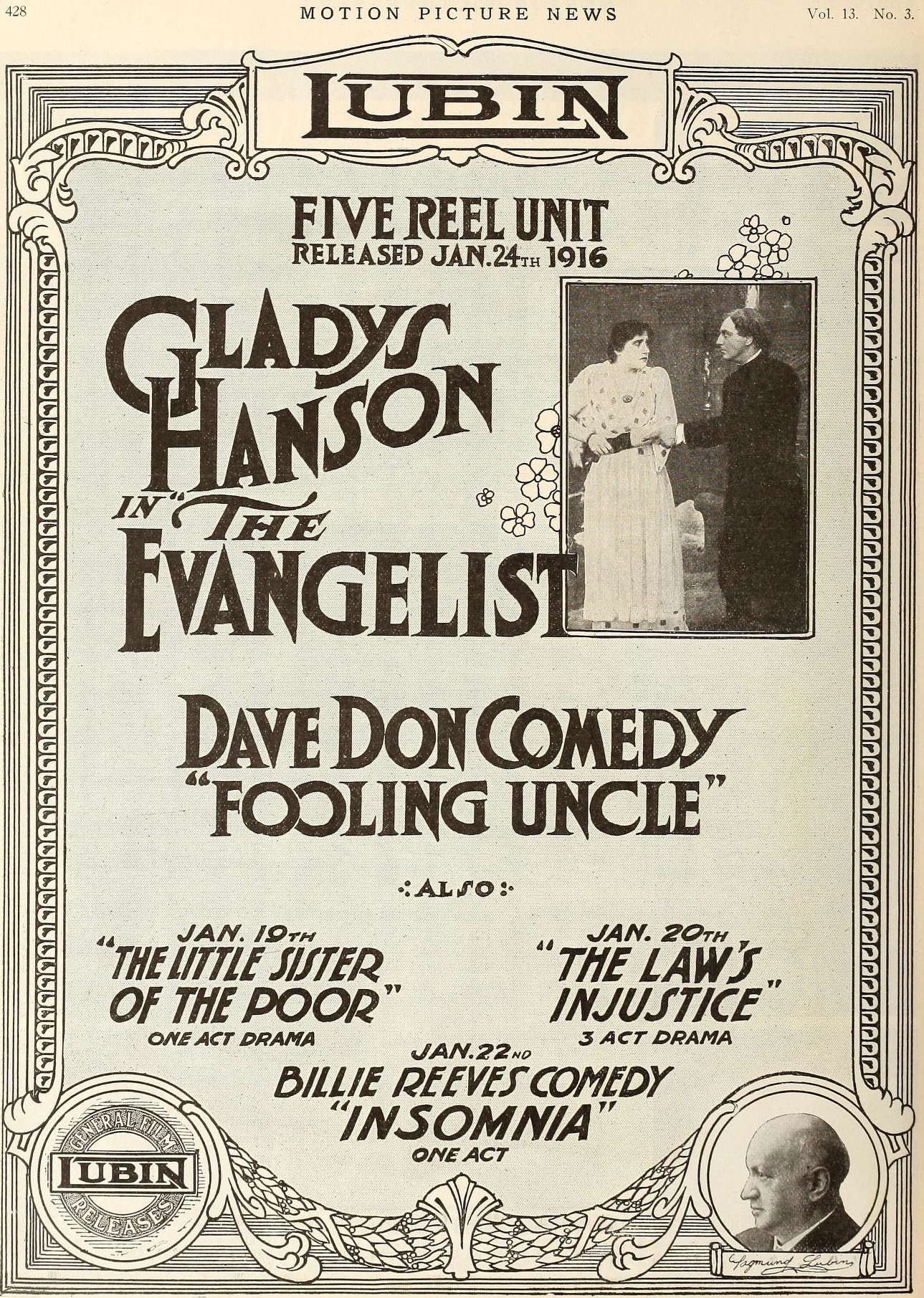
Dir: Barry O'Neil
Businessman Philip Nuneham pays more attention to his business of building power plants than he does to his wife Christabel. Feeling neglected and unloved, Christabel is receptive to the attentions of Rex Allan, a young army officer. When his regiment is suddenly called to duty in India, he convinces Christabel to secretly accompany him to Southampton to see him off. She spends the night with him, and on her way home the next day she is involved in auto accident and injured. Renowned evangelist Sylvanus Rebbings rescues her. He has the largest congregation in the country, but has incurred the enmity of the religious establishment because of his "radical" views on religion and religious hypocrisy, Christabel finds out that she really needs his help when Rex comes home from India and she attempts to end their affair, but her husband discovers her infidelity and threatens to divorce her and keep their daughter Ione.
View Details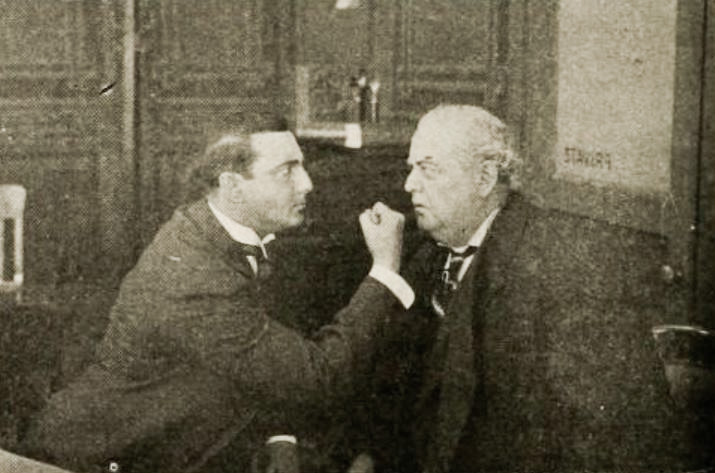
Dir: Barry O'Neil
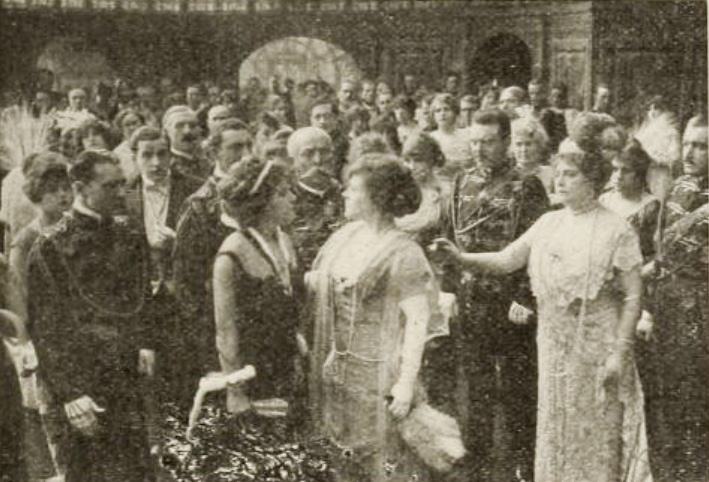
Matthews Brainerd, a wealthy contractor and head of a grafting political gang, has formulated a plan for a great scoop from the City Treasury in the form of the forging of city warrants. This is hanging fire, however, because his chief minions, McGrath and Williams, have been unable to find someone who would be willing to stand trial for the crime for a sum of money. The stool pigeon is eventually found in the person of Frank Pierson, a clerk in the Warrant Office, who is betrothed to Helen Knight, but their marriage has been many times postponed on account of his inability to improve her condition in life. Tempted by McGrath and Williams, Pierson agrees to stand trial for the crime for the sum of $50,000, with the understanding that after serving a few months in the penitentiary the ring will exert its influence to have him pardoned. A meeting occurs between Pierson and the gang, and instead of a cash payment he demands five notes for $10,000 each, and these he entrusts for safe keeping with Mrs. Varrick, his lodging housekeeper, until such time as he shall be discharged from prison. But the gang decide that in order to secure their own future safely their victim must be kept out of the way, and three years elapse without anything having been done toward the release of Pierson. He writes to Helen to interest herself in his case, and at the same time makes his story known to General Ruggles, editor of a great reform newspaper, who has been for some time conducting a bitter fight against the ring, and both seek to have the case reopened through the district attorney. This is no less a person than Brainerd's son-in-law, John Stratton, elected to the office through the influence of Brainerd and his gang. After many attempts to secure an interview with Stratton, Helen interests him in her case, with the assistance of his wife, and Stratton decides to bring Pierson before the Grand Jury to prove his allegation that he was the victim of a plot. To keep Helen from being tampered with by the agents of the gang, she is made a visitor in the Brainerd home, and while there receives a letter from Frank Pierson, telling her to proceed at once to Mrs. Varrick's, secure the papers which will prove his innocence, and deliver them to the district attorney. The ring is plunged into a lever of dread lest its members be exposed through the efforts of Ruggles and the district attorney, and the most desperate plan of action is determined upon. McGrath is entrusted with the duty of expunging the pages of the trial from the court records, while Williams is sent to Sing Sing to "get to" Pierson. But the district attorney has given orders that no one is to be allowed to see the prisoner without an order from him, and in lieu of an interview with Pierson, Williams secures from the letter clerk of the prison a copy of Pierson's letter to Helen giving the address of the house where the incriminating papers are concealed. Helen arrives at the house before him, however, secures the papers and takes them to the Brainerd home. Here Brainerd succeeds in convincing her that the district attorney's purpose is to see that Pierson is not to be released. She entrusts the papers with him and he burns them in the fireplace. Full of the conviction that Stratton is Pierson's enemy and Dot his friend, Helen refuses to give her evidence to the Grand Jury, and on Pierson alone devolves the onus of giving the only testimony that can clear him. He tells the story of his agreement with the gang, and when Brainerd's name is mentioned as being the head of it, he collapses in the court and is taken home in a dangerous condition. McGrath is arrested for having tampered with the court records; Williams departs for Canada, and Brainerd finally confesses that Pierson has been the innocent victim of a cruel plot. Now the crushed and broken "boss" pleads for mercy, but even his own daughter cannot bring herself to see him cleared at the expense of her husband's honor, and since Brainerd's death seems only a matter of a very short time, his arrest and trial are left for future consideration.
View Details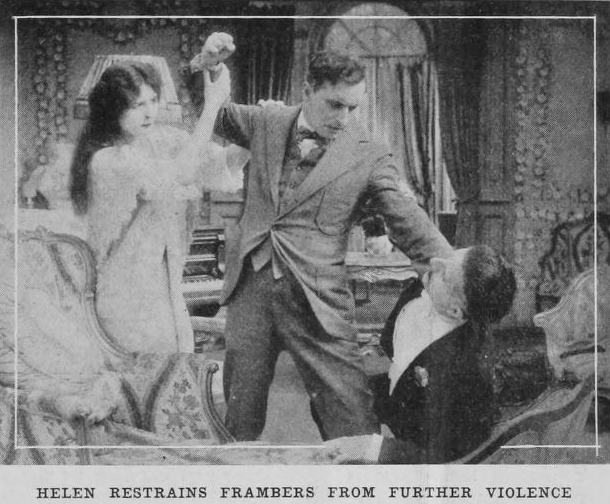
Dir: Barry O'Neil
Horace Frambers, an impecunious literary man receives the following offer: Helen Talbot, daughter of a rich financier, has trusted her lover not wisely but too well. She is about to become a mother. Her lover went down on the Titanic. If Frambers will marry Helen Talbot and save her name he will receive $10,000 and a position in Mr. Talbot's office. Frambers marries Helen; the child dies. Mr. Talbot gradually trusts and likes Frambers, but Helen despises her "bought" husband and intrigues with other men. So Frambers resigns his position and pays her back her $10,000. He deserts her and tells her to get a divorce. Talbot's business is failing and Frambers helps him recover it. Then Frambers returns to his room to die, as he thinks, but when he recovers from his illness he finds Helen by his side. She loves him and they are made happy with a happiness that has not been "bought."
View Details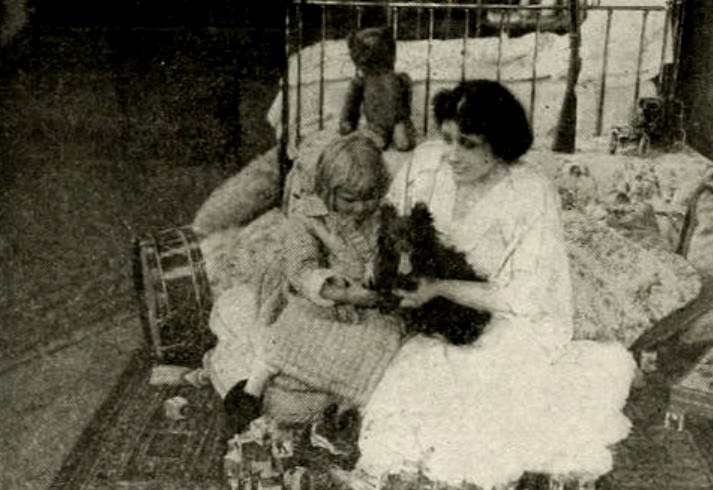
Dir: Barry O'Neil
To keep his social-climbing wife and daughters in the lifestyle they are accustomed to, wealthy John Hunter makes some large investments in the stock market, but the stocks crash and he loses a great deal of money. When he discovers that his son-in-law Dick Sterling has lost $3 million making investments in his name, Hunter kills himself. His wealthy aunt offers to bail the family out, but on the condition that the money she gives must be under Sterling's strict control. Complications ensue.
View Details
Dir: Barry O'Neil
David Spencer falls in love with actress Babbie Norris, but his wealthy, propriety-conscious father John Spencer makes him marry aristocratic Janice Lane. After five years with Janice, David is so miserable that he goes to the river to drown himself. When he sees a corpse floating in the water, however, he decides instead to change clothes with it and leave his own identification cards on the dead man. Then, starting life over, David gets work as a laborer. He meets Babbie again, and soon moves to the Northwest with her. Meanwhile, after the dead man has been identified as David, Janice marries Dr. Stone, whom she has loved for several years.
View Details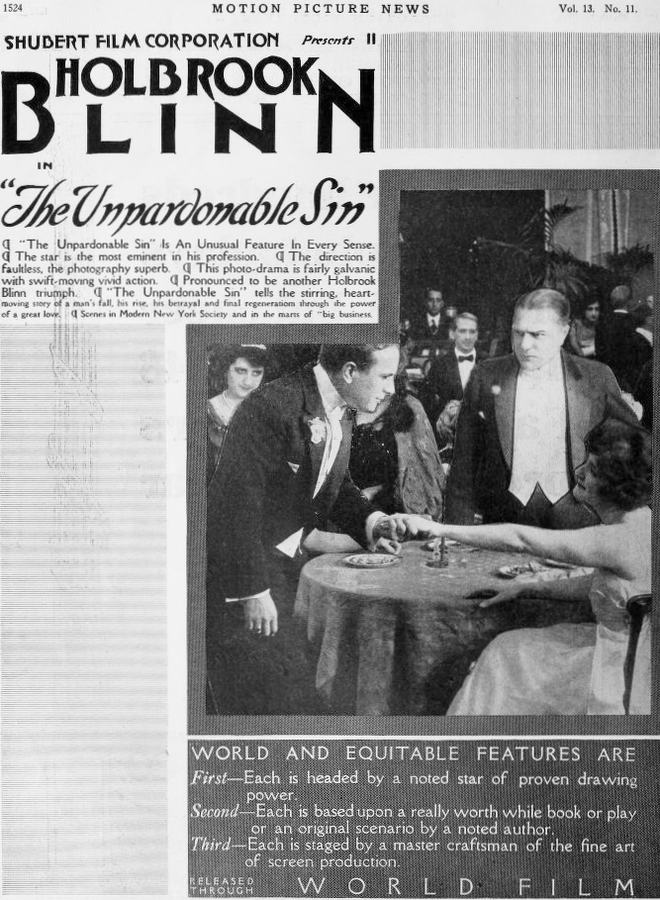
Dir: Barry O'Neil
Walter Norman, a wealthy member of the smart set of a small city, becomes an habitual inebriate. His best friend, Richard Grant, makes every effort to bring Walter to his senses, but has no influence until one night, when Norman, under the influence of liquor, attacks James Harker during a party at a fashionable restaurant. Grant takes Norman away on his yacht, and succeeds in curing him of all desire to drink. Norman takes up a new life in New York and becomes socially popular and successful in business. He falls in love with Julia Landis who considers drinking to excess an unpardonable sin. She returns Norman's love, thereby arousing the intense jealousy of John Royce, a successful Wall Street man. In the meantime Harker has married the girl over whom he and Norman quarreled, and has come to New York to raise funds for a questionable business enterprise. He meets Royce in a business way, and at a reception discovers Norman and his fiancée and learns the reason for Royce's hatred for Norman. From Harker, Royce learns of Norman's former indulgence in drink. He promises Harker to back his enterprise if he will get Norman drunk and bring him before Julia, knowing that she would break the engagement if she ever saw Norman in such a condition. Harker succeeds in getting Norman to take the first drink he has had since the sea voyage. With the first drink Norman's weakness returns, and Harker parades him before Julia in a drunken condition. Julia breaks her engagement to Norman, who plunges into the wildest dissipation until, money gone and friendless, he is forced into the streets to make a pitiful living as best he can. Royce at length prevails on Julia to marry him. He is blackmailed from time to time by Harker, who threatens to tell Julia the trick by which Royce and he shamed Norman before her. Norman learns of the trick played upon him and inspired by revenge decides to reform. Under another name he gambles on a careful system and wins. With his winnings he goes into Wall Street and steadily piles up his capital until he becomes a formidable figure in the market. He then turns his financial guns on Royce and brings him to the verge of failure. Julia at length overhears a conversation between Royce and Harker and learns how Norman was tricked by the two plotters. Infuriated, she seeks out Norman, pledges her love to him. Norman tells Julia to return to her home and forgive Royce, and in turn permits Royce to recover from the financial trap in which he has caught him. Desperate for money, and maddened by Royce's final rejection of his demands, Harker waylays Royce and shoots him. On account of the known enmity between Royce and Norman the latter is accused of the crime, brought to trial and convicted. He is sentenced to die, but at the last moment Harker's wife discovers that it was her husband who shot Royce and gives the news to the police. Out of the shadow of death Norman comes face to face with Julia and a new life.
View DetailsAnalysis relative to The Hidden Scar
| Film Title | Atmosphere | Complexity | Similarity |
|---|---|---|---|
| Husband and Wife | Gothic | Abstract | 89% Match |
| The Third Degree | Tense | Abstract | 86% Match |
| Life's Whirlpool | Gritty | Layered | 86% Match |
| The Sporting Duchess | Gritty | Abstract | 94% Match |
| The Evangelist | Surreal | Linear | 98% Match |
This guide was algorithmically generated using the cinematic metadata of Barry O'Neil's archive. Last updated: 6/27/2026.
Back to The Hidden Scar Details →