
DbcultAccessing Vault...
Recommendations
Senior Film Conservator
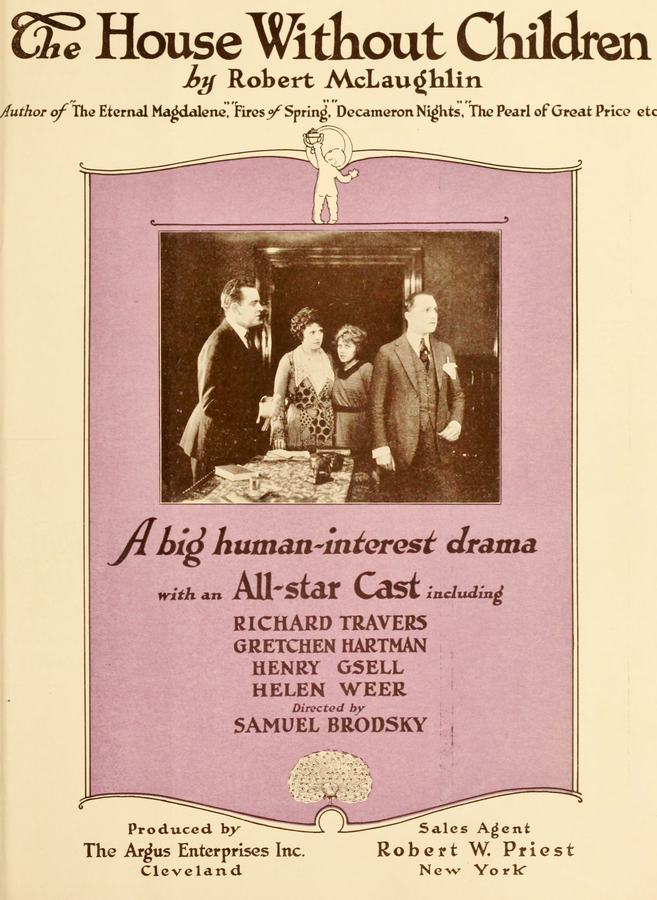
As a cultural touchstone of United States, The House Without Children resonates with its stylistic flair, its lasting impact ensures that its spirit lives on in modern recommendations. Our archive is rich with titles that mirror the stylistic flair of Samuel R. Brodsky.
For many, the first encounter with The House Without Children is to provoke thought and inspire awe in equal measure.
Richard Walker longs for a son, but his wife Margaret argues for birth control. They live with Richard's sister Florence, Margaret's cousin Jim, and Richard's secretary Lawrence Branford, who is in love with Florence. After Richard and Jim leave for a year on an engineering project, Florence confesses to Margaret that she is pregnant with Jim's child. Margaret's recommendation of an abortion is unacceptable to Florence, so after the birth, Margaret passes the sickly child off as her own to protect Jim and Florence, and to please Richard, who is elated when he returns. After Jim learns that Florence is about to inherit a fortune, he proposes, but when she discovers the reason, she confesses that the child is theirs. Richard upbraids Margaret for being a "modern woman" whose aversion to motherhood is criminal. After Jack leaves and the baby dies, Richard, seeing that Margaret's maternal instinct has been sparked, forgives her, and Florence marries Lawrence.
Based on the unique stylistic flair of The House Without Children, our vault has identified these titles as the most compelling follow-up experiences for fans of cult cinema:
Dir: Samuel R. Brodsky
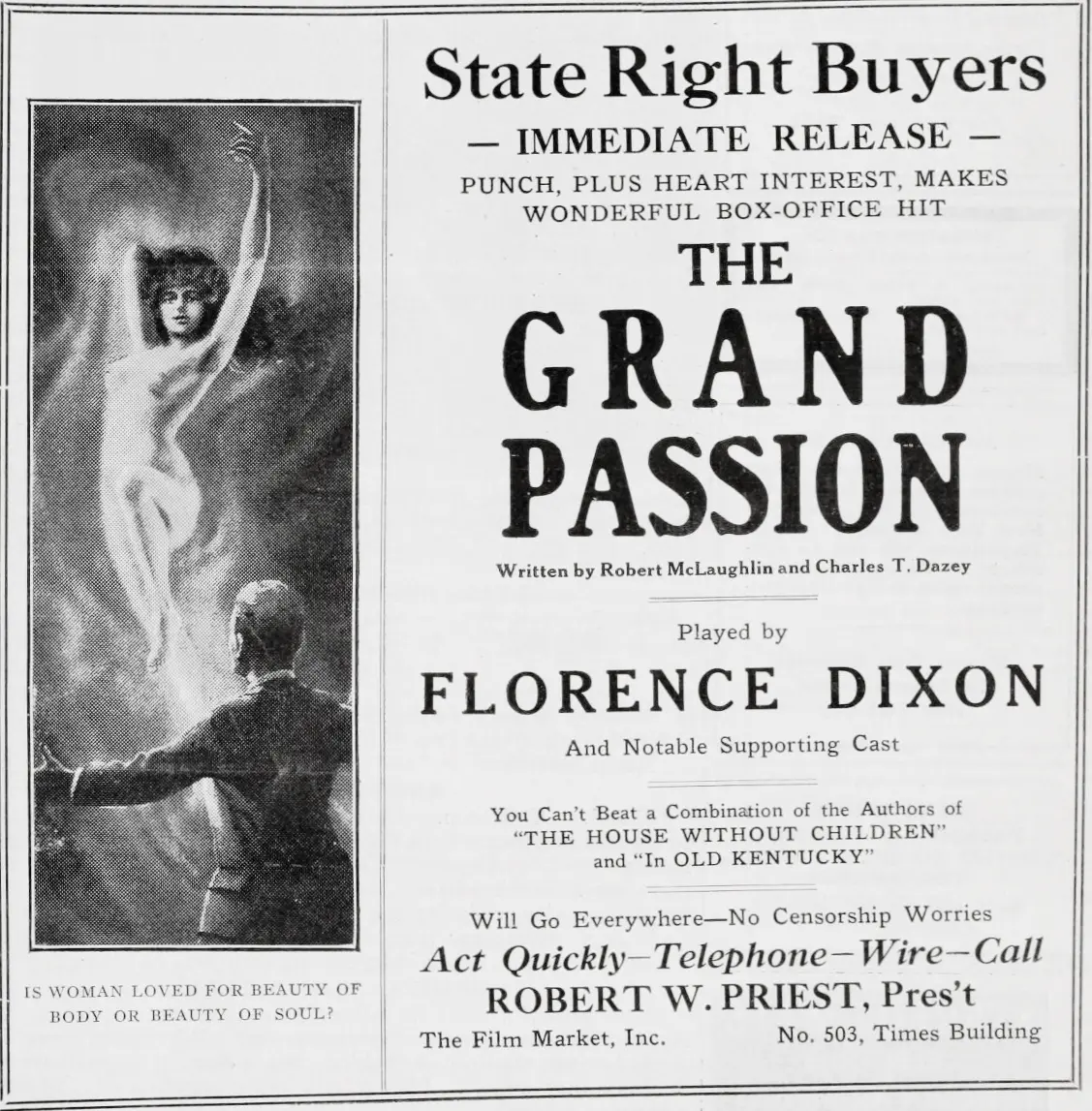
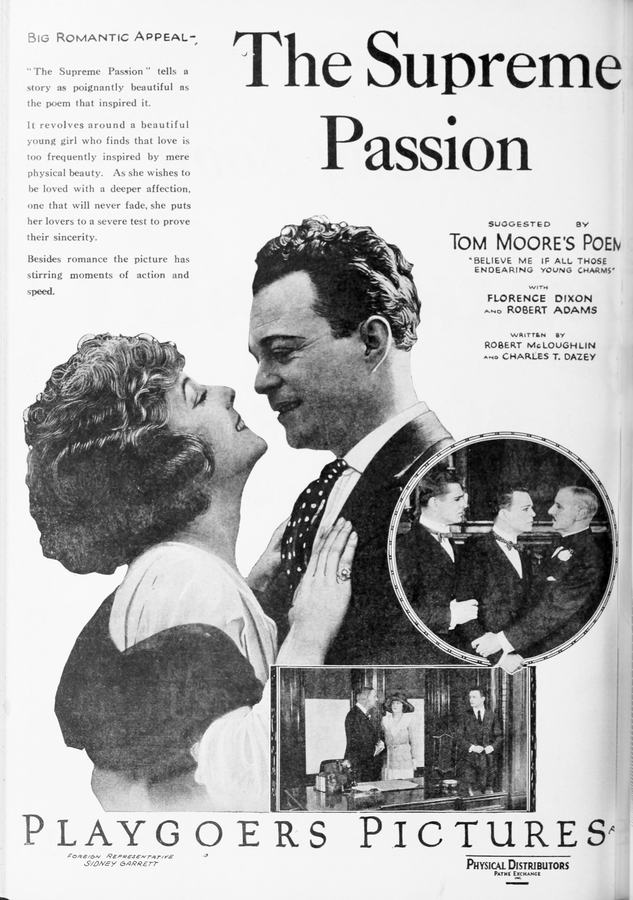
Jerry Burke is engaged to marry Mary Manning, the beautiful daughter of a wealthy old Irishman, but his father opposes the match and disowns him. Meanwhile, James Lacey, a successful but crooked politician, returns to Ireland and persuades the elder Manning to emigrate with Mary to the U.S. Jerry follows and finds work at a newspaper, but he is disheartened upon hearing that Mary plans to marry Lacey. While Mary prepares for the ceremony, her veil catches fire. A doctor claims that the accident has left Mary permanently deformed, whereupon Lacey cancels the wedding. Afterward, she reveals to Jerry that the fire was a pretext to prevent her marriage to Lacey, and the lovers are reunited.
Dir: Samuel R. Brodsky
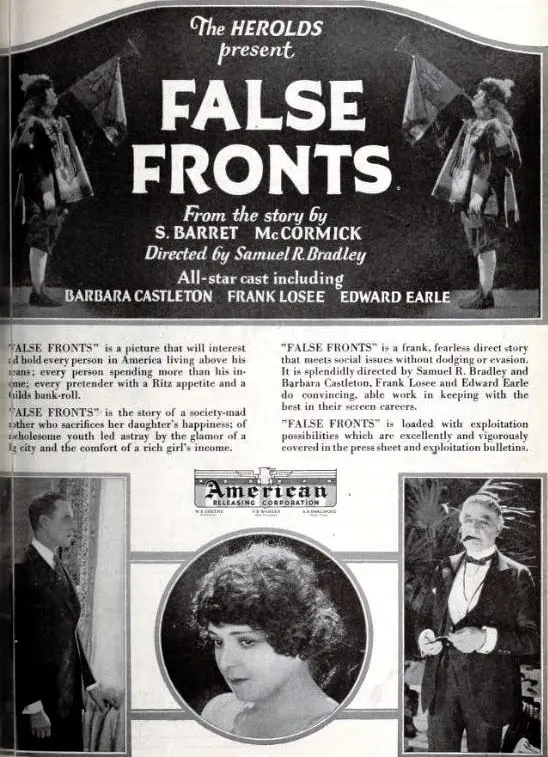
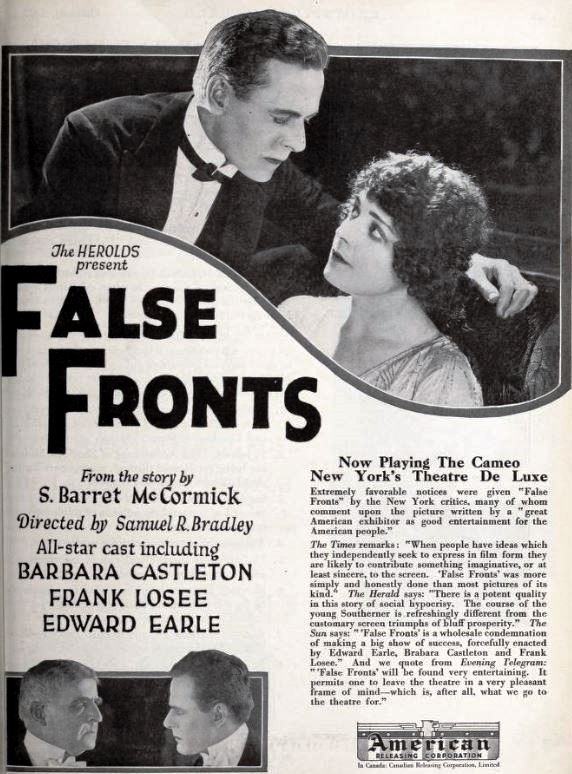
Keith Drummond, a penniless youth from a well-known family, is advised by John Lathrop to put on a wealthy front and work hard in order to be successful. With money borrowed from Lathrop, Keith takes only the first part of the advice and plunges into a social whirl. He marries nouveau riche Helen Baxter, but one day he denounces his whole way of life and leaves to work in the western oil fields. They are reunited when Keith establishes himself and Helen is reduced to poverty.
Dir: Samuel R. Brodsky
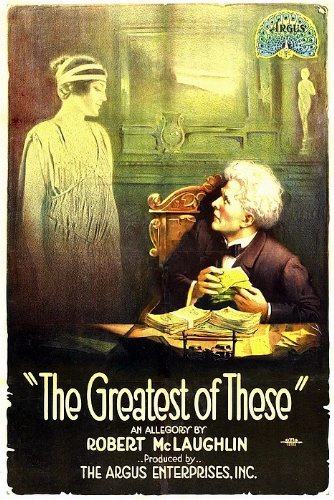
In his usual inimitable style, Mr. McLaughlin has built a very beautiful story around the three Biblical characters, Faith, Hope and Charity.
View DetailsAnalysis relative to The House Without Children
| Film Title | Atmosphere | Complexity | Similarity |
|---|---|---|---|
| Hidden Charms | Tense | High | 89% Match |
| False Fronts | Ethereal | Layered | 90% Match |
| The Greatest of These | Gothic | Layered | 85% Match |
This guide was algorithmically generated using the cinematic metadata of Samuel R. Brodsky's archive. Last updated: 6/25/2026.
Back to The House Without Children Details →