
DbcultAccessing Vault...
Recommendations
Senior Film Conservator
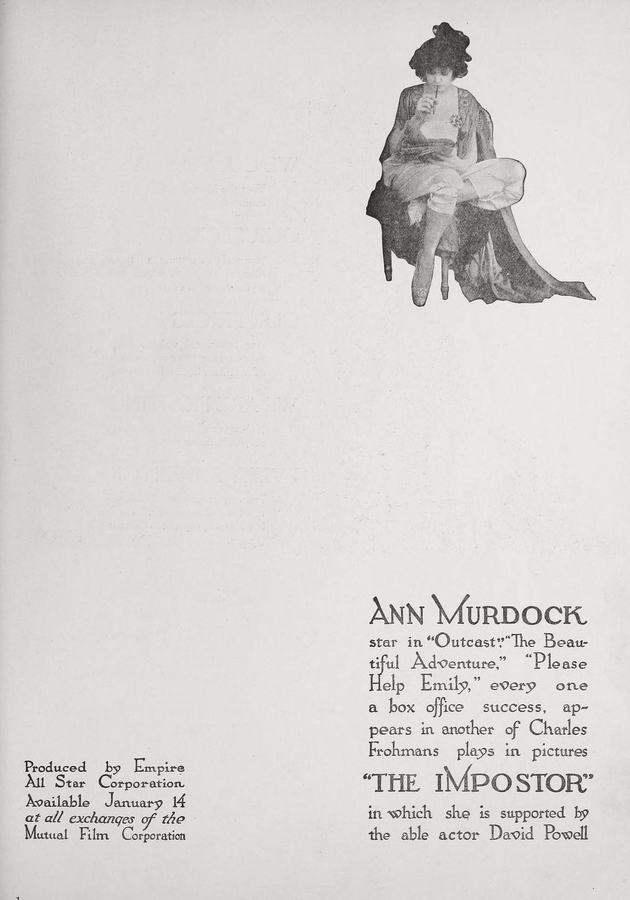
If the stylistic flair of George Abbott's work in The Impostor left an impression, the juxtaposition of stylistic flair and narrative makes it a cult outlier. Experience the United States influence in these recommendations that echo The Impostor.
By merging stylistic flair with cult tropes, it to elevate cult to the level of high art.
Mary Fenton, the star singer in her small town church choir, is assured by a phony impresario that with six months of voice lessons at his New York school, she will become famous. When the hopeful young girl arrives in New York, she finds the school closed, and is soon robbed of all her money. Sitting on a park bench, broke and friendless, she attracts the attention of Charles Owen, who lures her to his apartment with promises of money and protection. When his wife's friend drops by the apartment, Charles introduces Mary as his wealthy sister-in-law, and soon she is invited to visit the country home of his friends, the Walfords. After Owen's wife returns, Mary is forced to confess everything to the Walfords, but young Blake Walford, who has fallen in love with her, forgives her and proposes.
The Impostor was a significant production in United States, bringing a unique perspective to the global stage. It continues to be a top recommendation for anyone studying cult history.
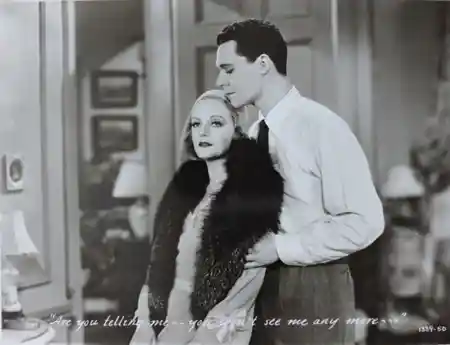
Based on the unique stylistic flair of The Impostor, our vault has identified these titles as the most compelling follow-up experiences for fans of cult cinema:
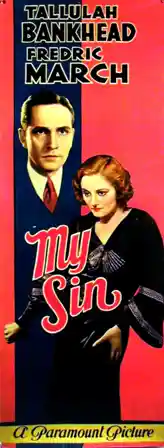
Dir: George Abbott
Acquitted of murder charges, Carlotta moves to New York to start a new life.
View Details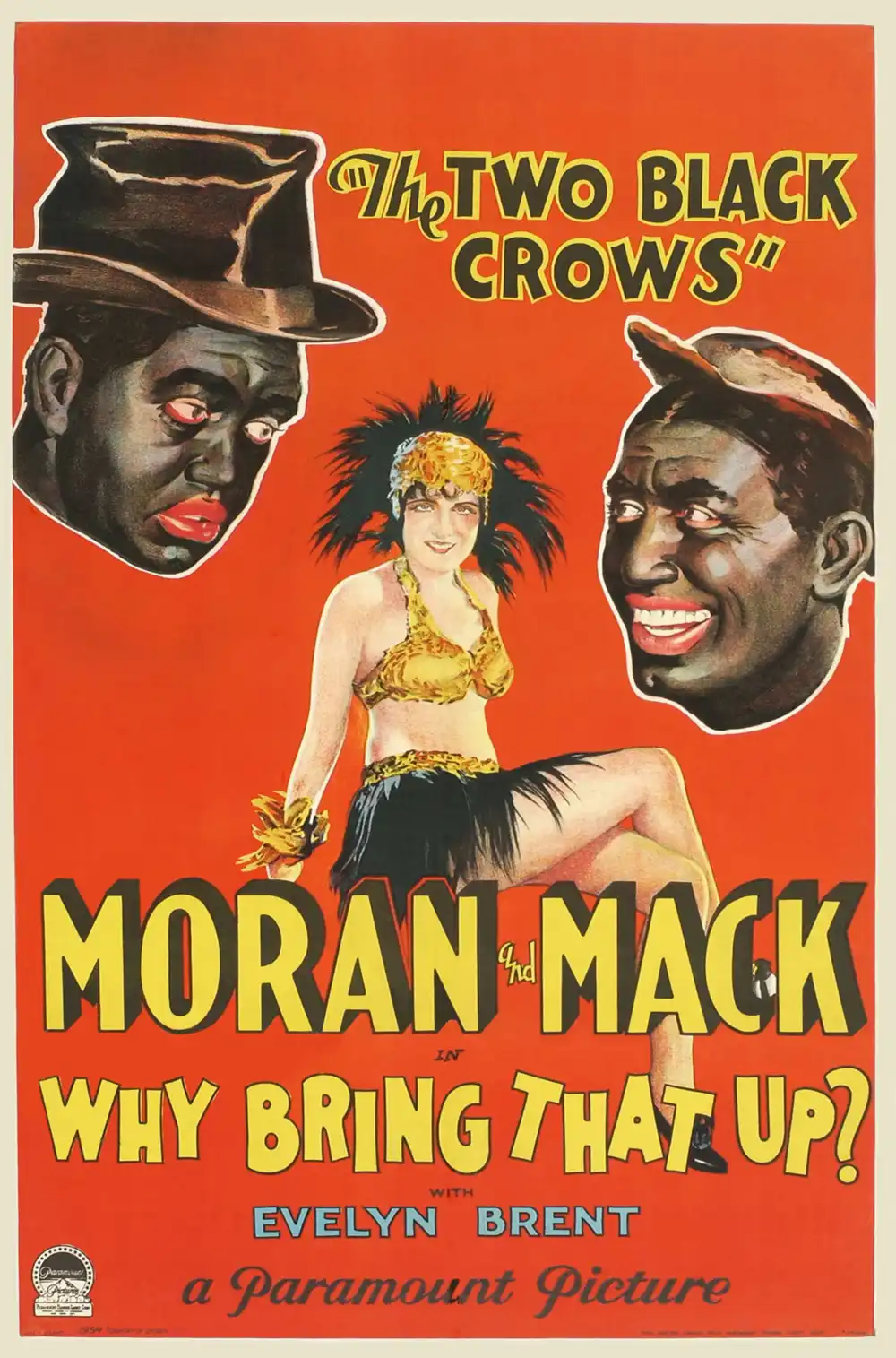
Dir: George Abbott
George's vaudeville partner quits their act, claiming that fellow performer Betty has broken his heart. George then teams up with Charlie, a stranded trouper he meets in a boardinghouse, and Irving becomes their manager. Later, in New York, the "Two Black Crows" are starring in their own popular revue and saving to build their own theater on Broadway. Betty comes to the theater with her gigolo, who poses as a cousin and induces George to hire her into their act. When George becomes smitten and showers Betty with jewels and money, she tries to persuade him to invest in oil stock her lover is selling, and though their act is a success, Charlie fires Betty. When Charlie and Betty's gigolo quarrel, Charlie is smashed over the head. Realizing that he has been duped, George is called to the hospital, and in desperation he does bits of the act for Charlie, who, as a result, regains consciousness.
View Details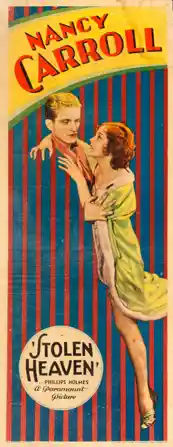
Dir: George Abbott
Engineering a $20,000 robbery, Mary and Joe draw up a pact to spend all the money foolishly and then commit suicide.
View Details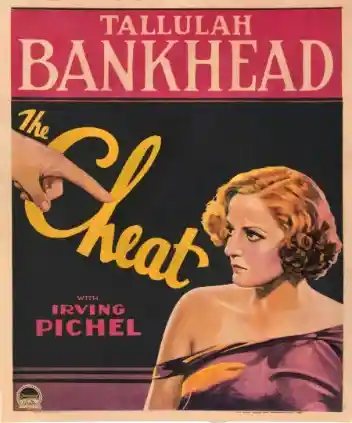
Dir: George Abbott
Woman in debt makes an impulsive investment which doesn't go her way.
View Details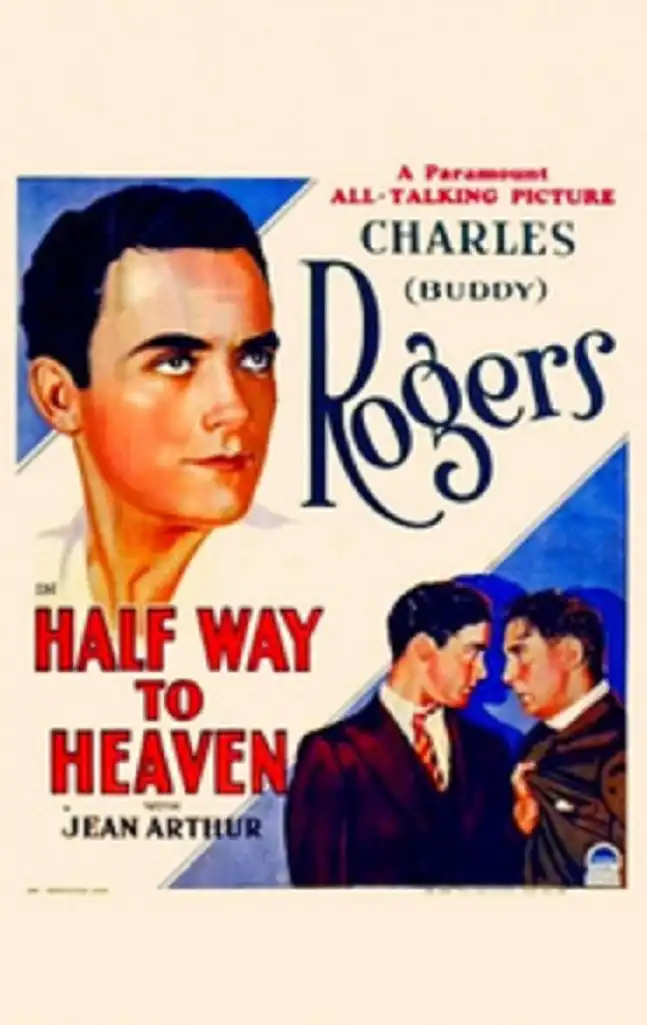
Dir: George Abbott
Nick, the "swing" man in a trapeze troupe, loves Greta Nelson, the girl in the act; and Tony, the "flyer," incurs his enmity as Greta seems to favor him; thus Nick fails to catch Tony, and Tony is killed. Ned Lee, a novice, reports for the next engagement. Meanwhile, Greta discovers that Nick purposely dropped Tony, and, frightened, she seeks refuge with Ned, with whom she falls in love. Greta remains with the act to protect Ned, and when the jealous Nick plots to kill him in a similar manner, Ned swings past him and hangs by his feet. After the show, a fight results in Nick's dismissal and the reunion of the lovers.
View Details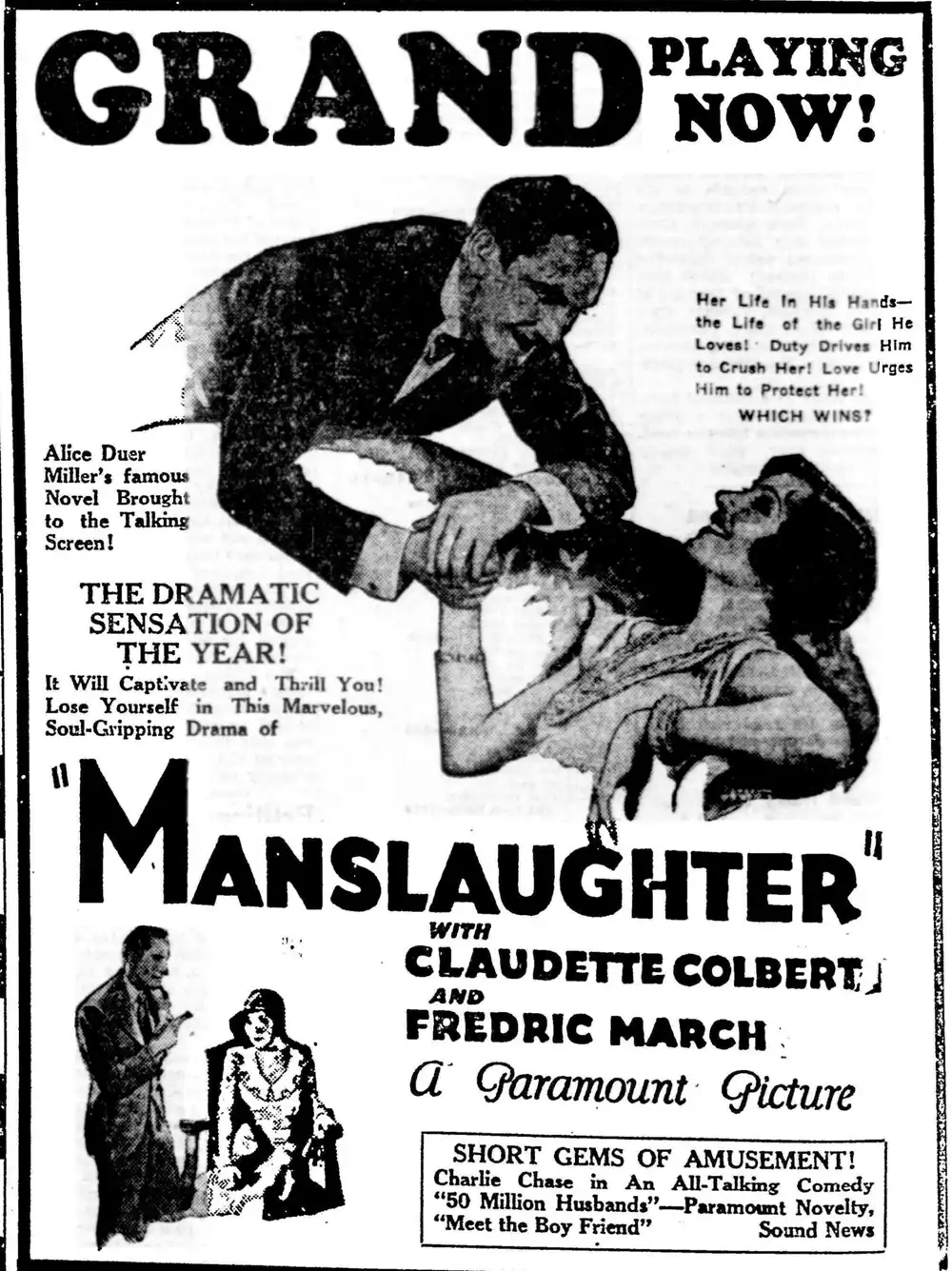
Dir: George Abbott
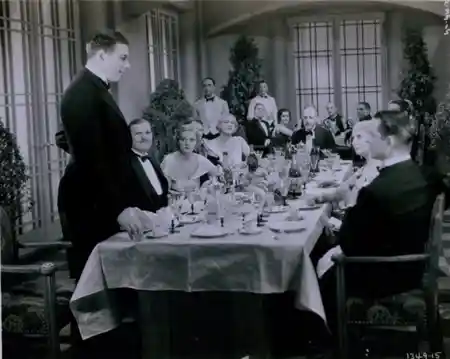
Lydia, a spoiled and selfish girl of wealth and position, meets Dan, a serious-minded district attorney, but their growing affection is disturbed by her thoughtlessness in speeding on the road and by a petty theft involving her maid.
View Details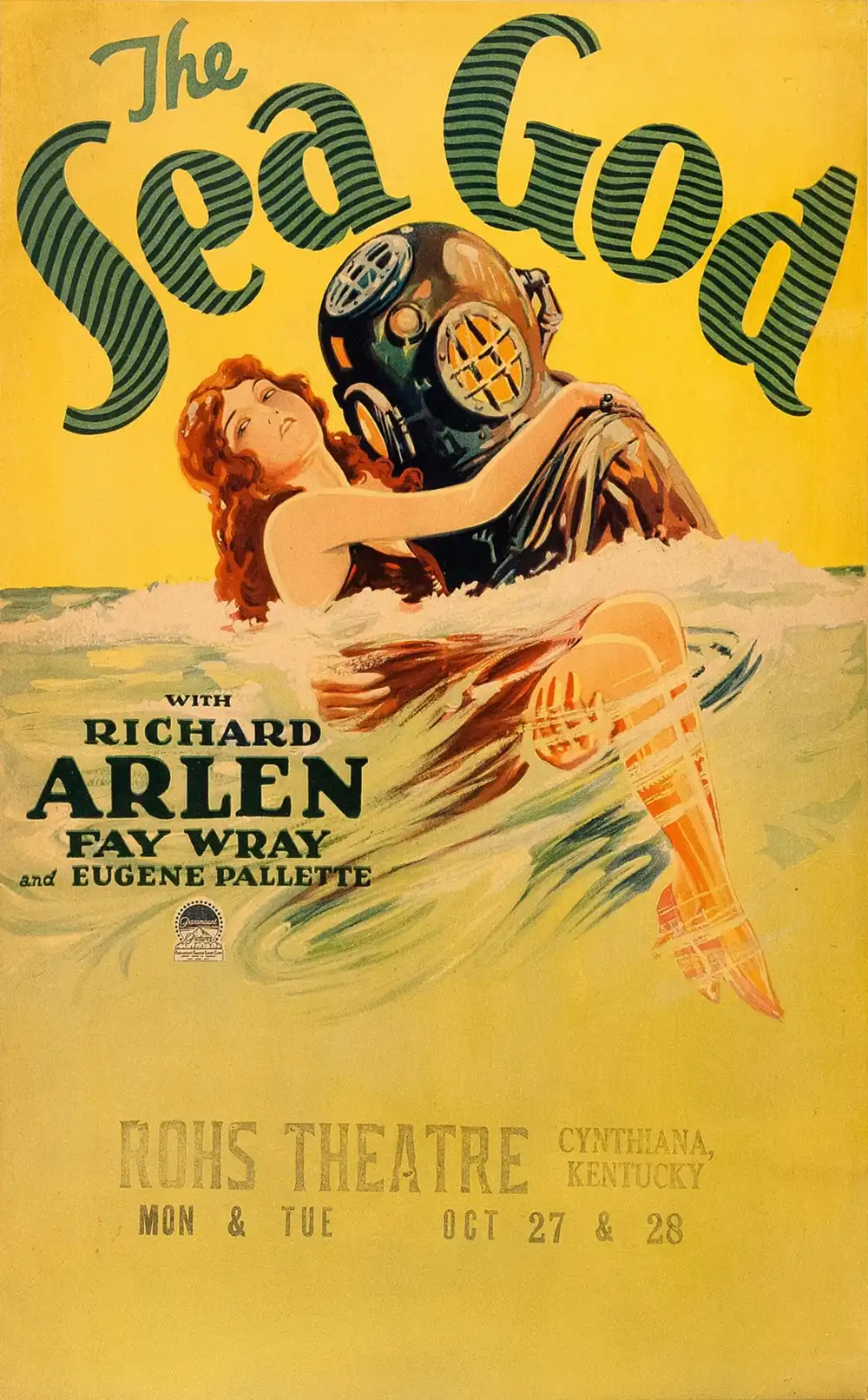
Dir: George Abbott
When 1 of 2 rivals diving for pearls in the Solomon Islands emerges with his goggles on, natives think he is a sea god. A romance with an endangered heroine and the threat of cannibalism also figure in this exotic adventure.
View Details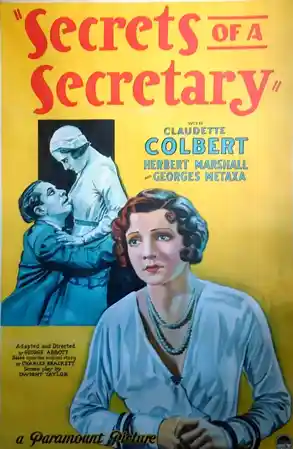
Dir: George Abbott
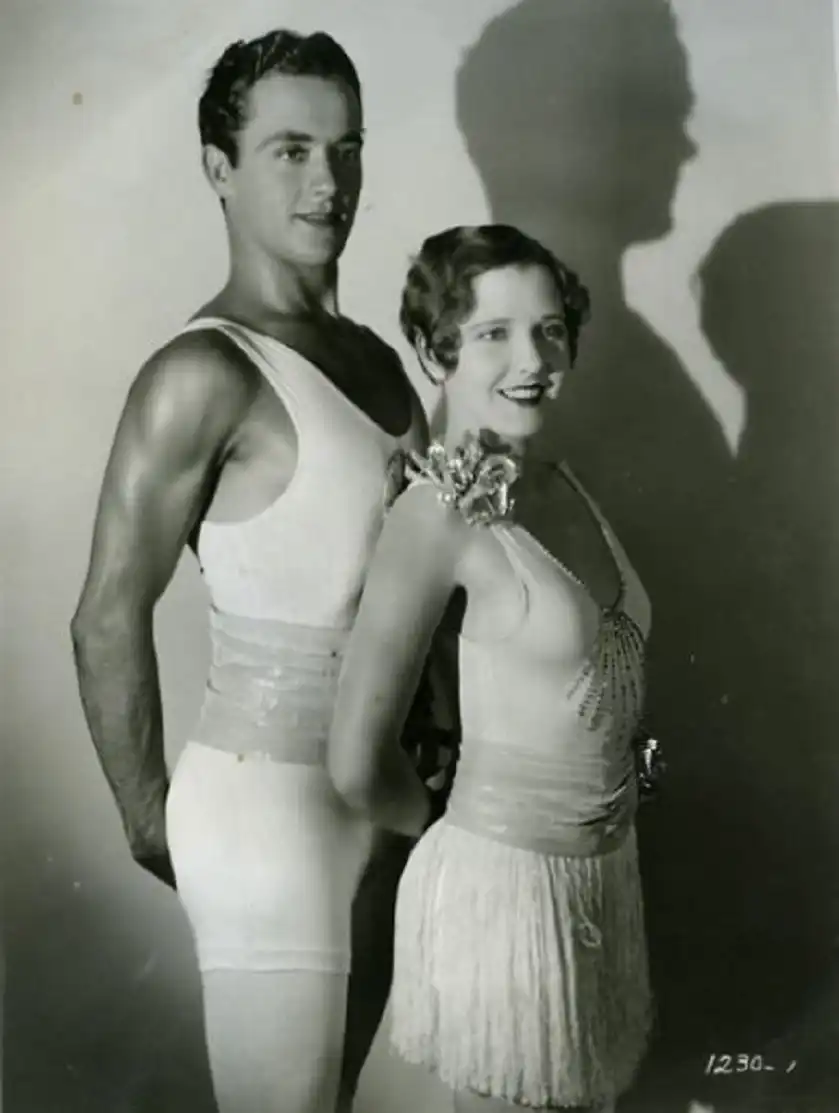
When her father dies, a wealthy young women discovers that she's not wealthy at all--her father lost all of his money in the 1929 stock market crash and she's now officially broke. She takes a job as the social secretary to her father's friend, Ogden. She has two major problems, however--shortly before her father's death, she and some friends were out partying and, on a dare, she married her fiancé, a scheming gold-digger named Frank, who leaves her when he finds out she's broke. The other problem is that she's in love with her best friend Sylvia's fiancé, Paul.
View Details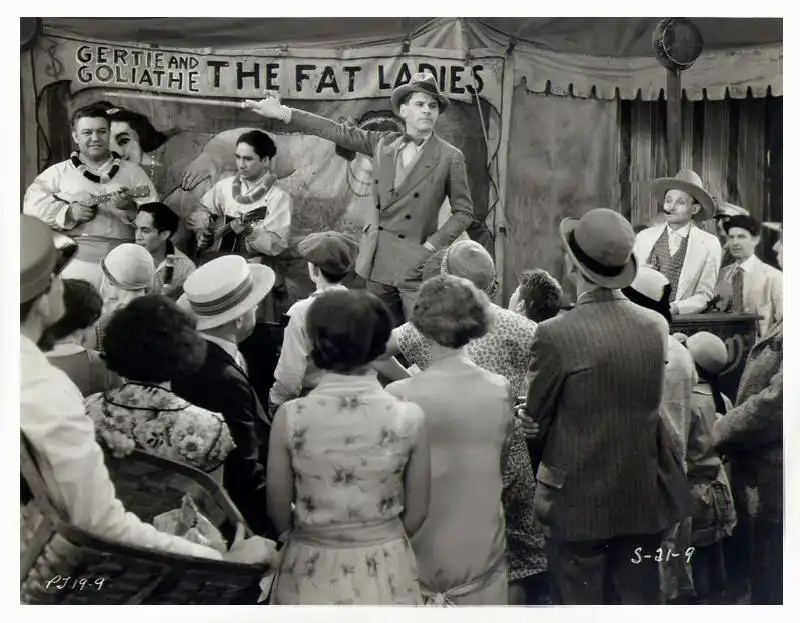
Dir: George Abbott
A fascinating piece of cinema that shares thematic elements.
View DetailsAnalysis relative to The Impostor
| Film Title | Atmosphere | Complexity | Similarity |
|---|---|---|---|
| My Sin | Gritty | Abstract | 85% Match |
| Why Bring That Up? | Gritty | Layered | 85% Match |
| Stolen Heaven | Gritty | Linear | 89% Match |
| The Cheat | Gritty | Dense | 94% Match |
| Half Way to Heaven | Gritty | Abstract | 93% Match |
This guide was algorithmically generated using the cinematic metadata of George Abbott's archive. Last updated: 6/27/2026.
Back to The Impostor Details →