
DbcultAccessing Vault...
Recommendations
Senior Film Conservator
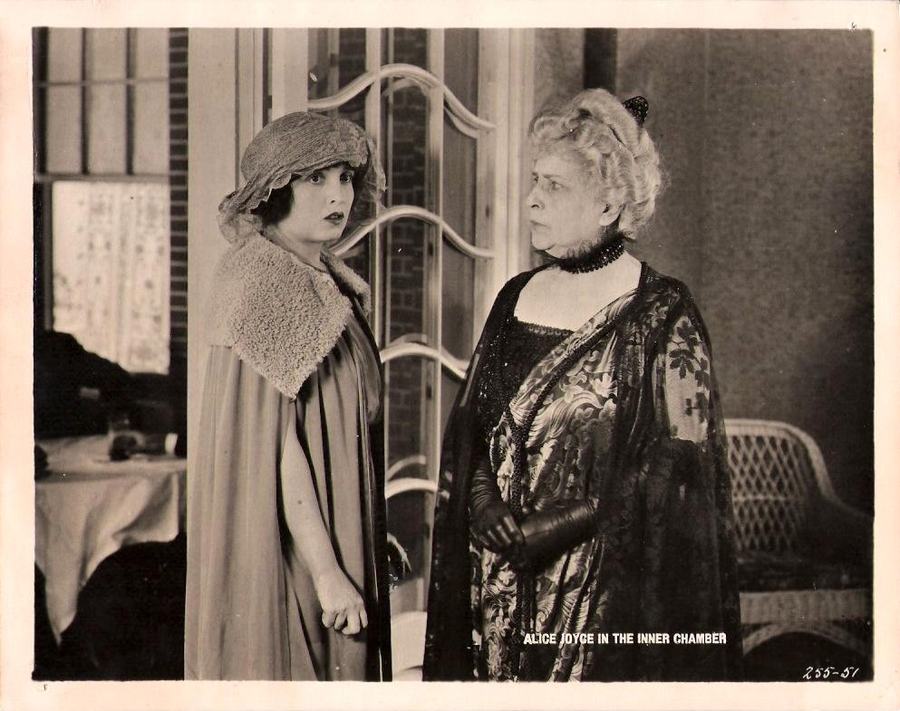
The artistic legacy of Edward José was forever changed by The Inner Chamber, the thematic layers of this 1921 classic invite a wider exploration of the genre. This list serves as a bridge to other Drama experiences that are just as potent.
The vintage appeal of The Inner Chamber to reinvent the tropes of Drama cinema for a global audience.
Claire Robson, a girl without money, is annoyed by another, and a third man steps in to try to protect her and does so. The two instinctively love each other, but a woman who has designs upon the kindly-disposed individual tells Claire that the chap is married, so she misinterprets his actions and dismisses him. Then her mother is taken seriously ill and saved by an Italian doctor. He makes violent love to the daughter. Out of gratitude for what he has done for her mother, she consents to wed him. Upon their nuptial night he learns from a gossip what he believes to be true: a lie regarding his wife's former association with the good-natured chap. There is a scene and the husband shoots himself, but before dying he learns the truth. His death leaves the way clear for the two lovers to straighten out their mistake. - Moving Picture World, September 3, 1921.
Based on the unique character-driven intensity of The Inner Chamber, our vault has identified these titles as the most compelling follow-up experiences for fans of Drama cinema:
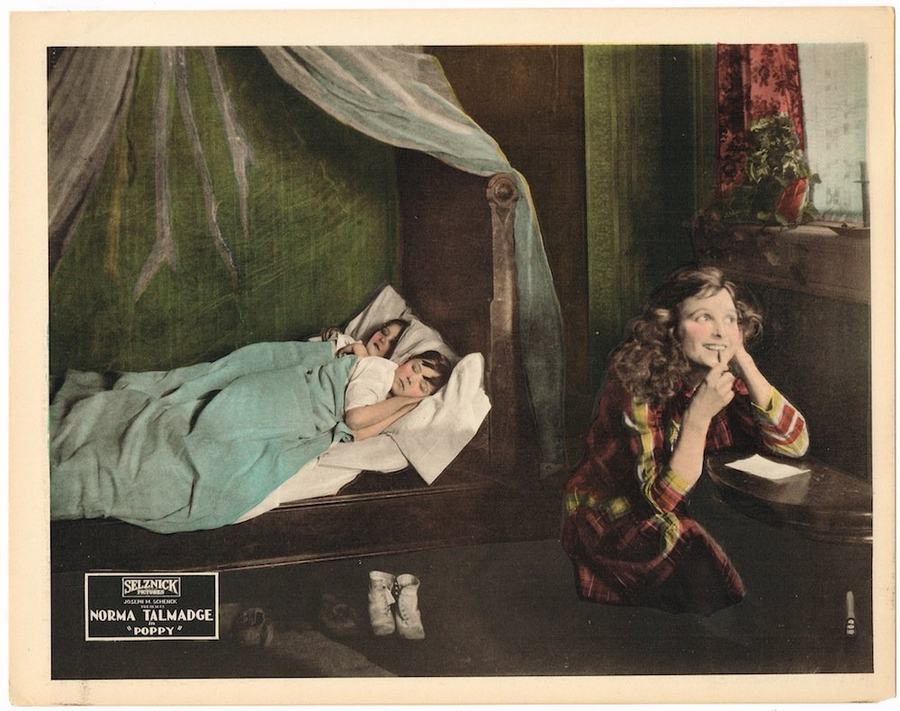

Dir: Edward José
An orphan in Africa unwittingly marries an abusive man, falls in love with and gets pregnant by an amnesiac, runs away and becomes a novelist.
View Details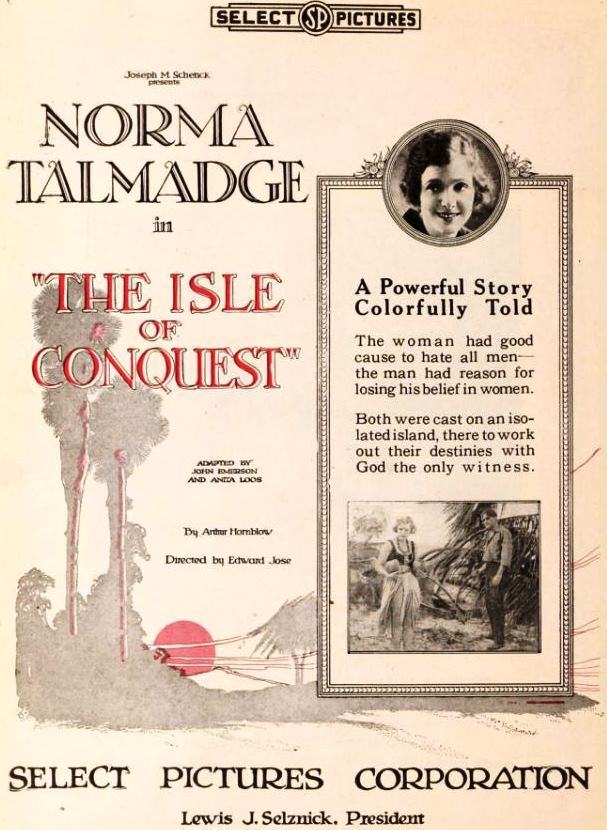
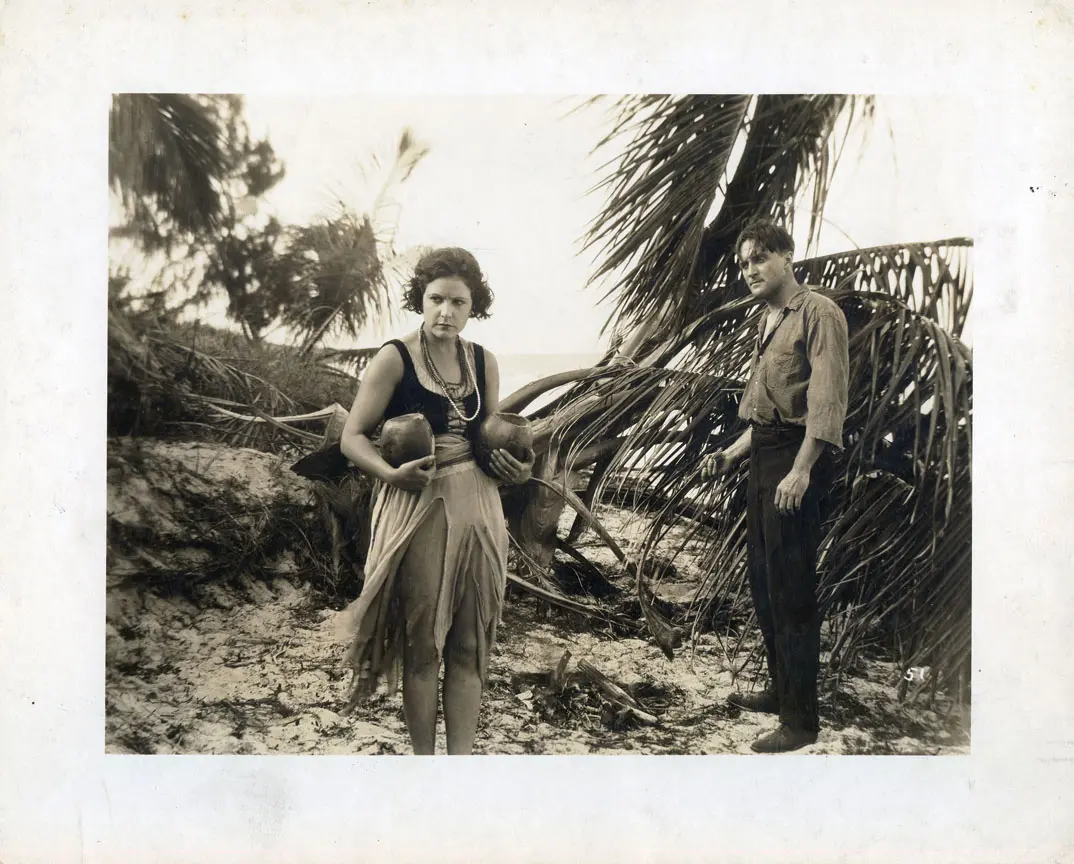
Dir: Edward José
A woman unhappily married to a blackguard is washed ashore after a shipwreck and finds her sole companion to be a young man recently jilted. Both of them despise the opposite sex, but after a little time on the island....
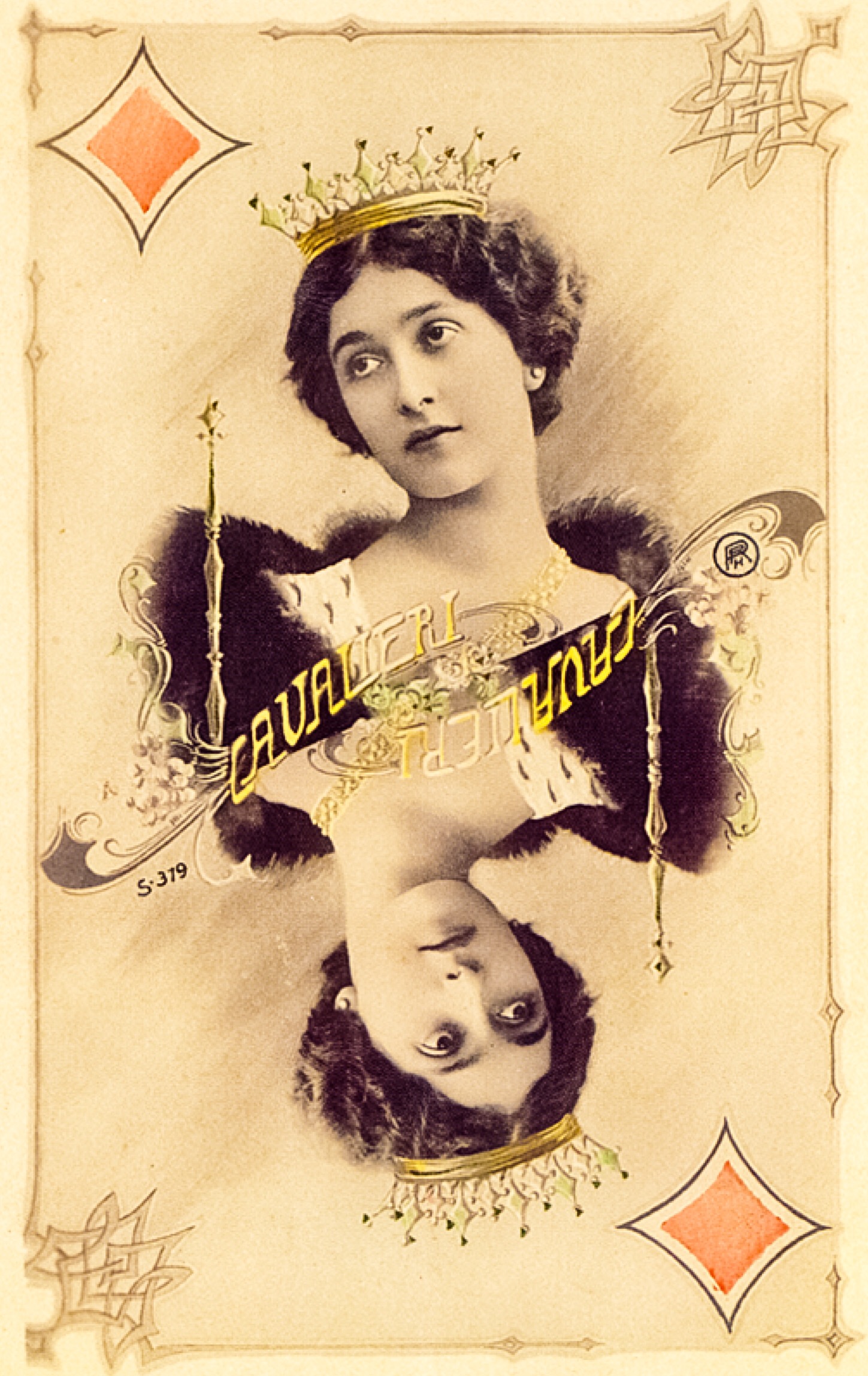
Dir: Edward José
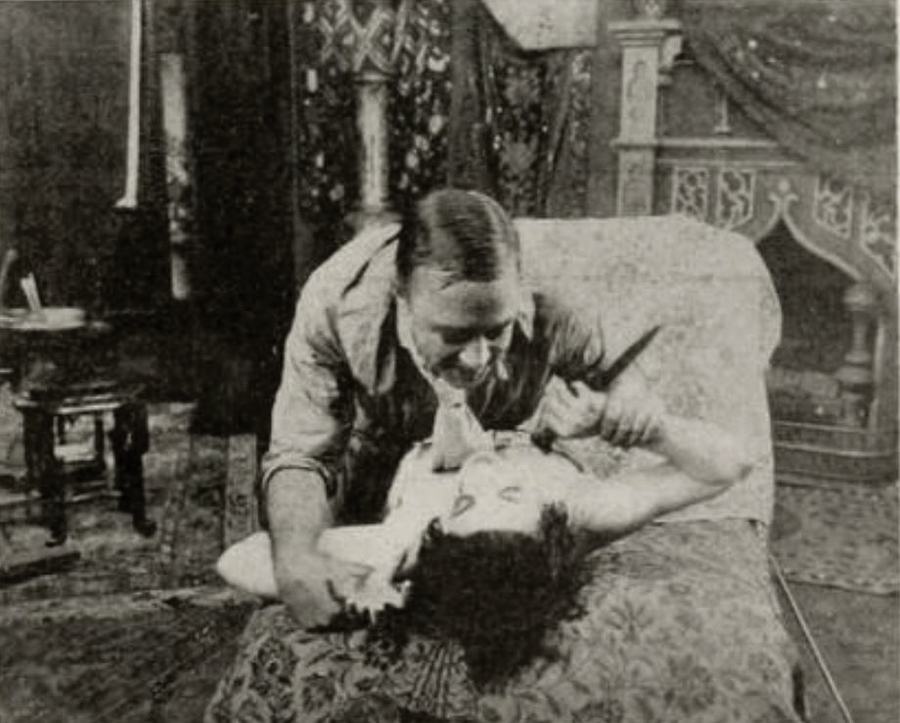
In sixteenth century Greece, Gismonda, the Duchess of Athens, entertains a stream of suitors, although she only loves her little son Francesco. Prince Zaccaria, who wishes to become the duke of Athens, kidnaps Francesco and throws him into a pit holding a huge lion. The duchess, terrified that her child is in danger, offers to marry the man who rescues her boy. The deed is accomplished by a humble huntsman, Almerio, but Gismonda soon breaks her promise, not wishing to marry a commoner. To persuade him to release her from her vow, the duchess visits Almerio one night but is seen by Zaccaria and his cohort Gregoras leaving the hut in the morning. Zaccaria determines to kill the huntsman, but Gismonda stabs him at Almerio's door. Having discovered who was responsible for Francesco's entrapment, Gismonda has Gregoras arrested. Finally realizing her great love for Almerio, she bestows on him the title of duke and marries him.
View Details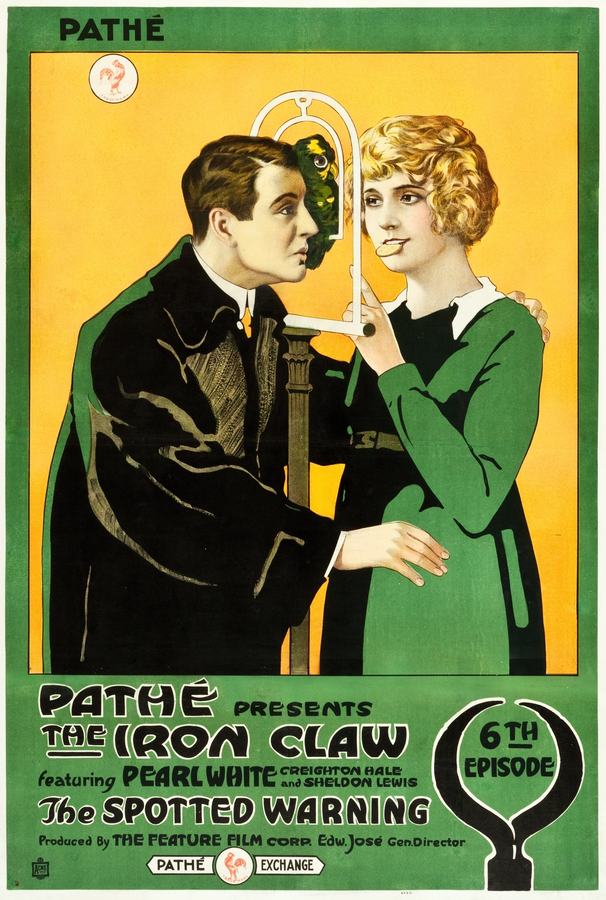
Dir: Edward José
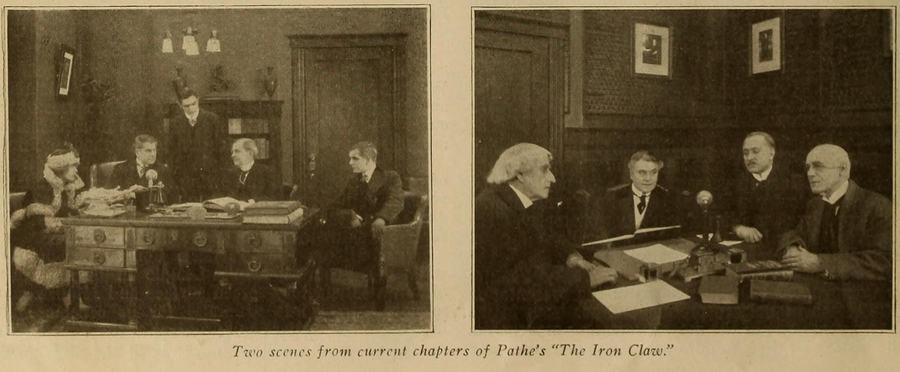
Episode 1: "The Vengeance of Legar" The story begins years ago on an island in the South. Enoch Golden, a wealthy planter, catches Jules Legar, a scheming physician, making love to his wife in an attempt to learn the secret hiding place of Golden's wealth. Suspecting the worst, Golden sends his wife away, and as punishment to Legar has his handsome face branded with white-hot irons and his hand crushed in a vise. Then Legar, set free, swears vengeance and begins his villainy by opening the sluice-gates that keep the sea from inundating the island. The waters rush in and the entire island is flooded and its houses swept away in the swirling waters. Legar kidnaps Golden's daughter, Margery, whom, in the next scene, twenty years later, we see grown to beautiful maidenhood, in his ominous power. Hate still lives in Legar's heart, and he sends Margery to a denizen of the underworld in whose house she is to be detained. But here steps in a mysterious gallant known as "The Laughing Mask," who saves her, for the nonce, from her fate.
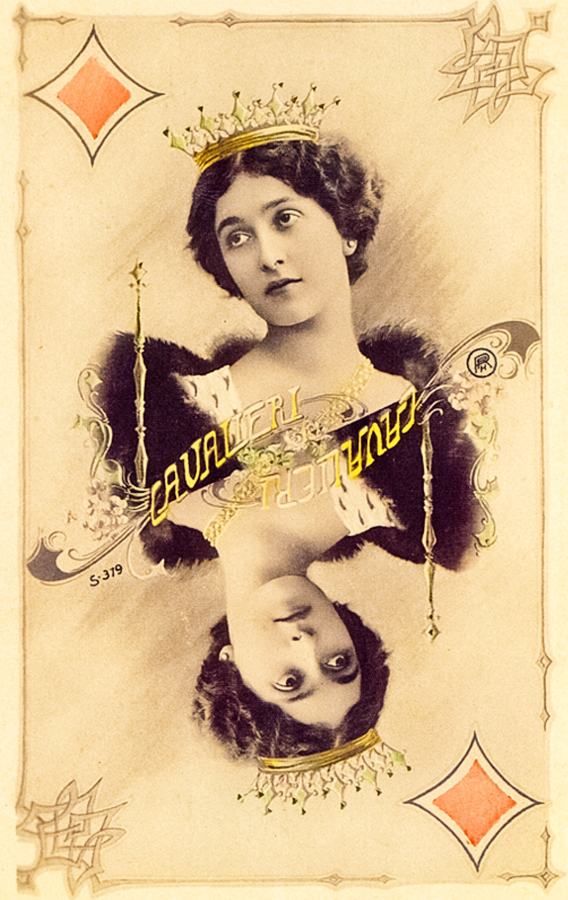
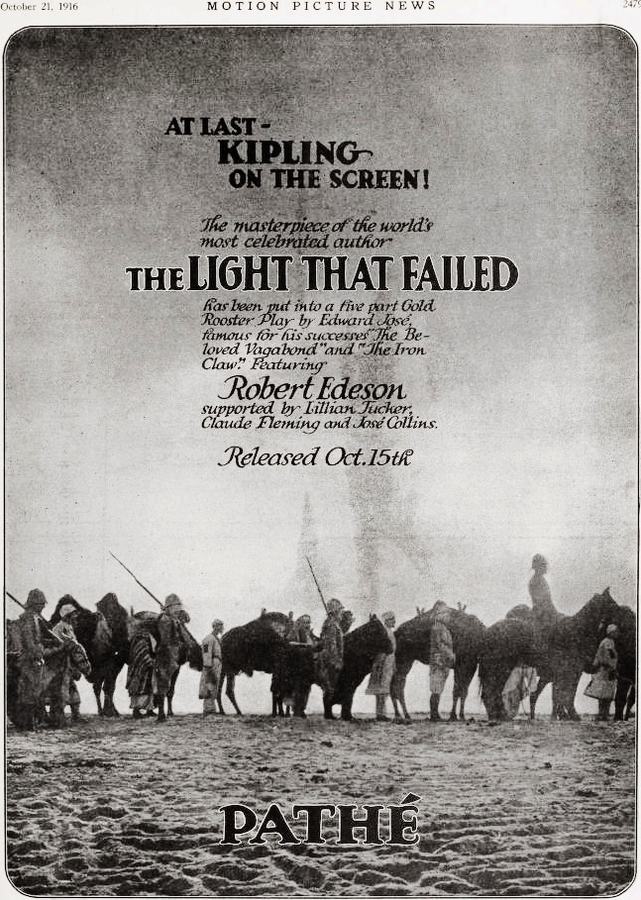
Dir: Edward José
After many years, Dick Hedlar, a staff artist, stationed in the Soudan, returns to England to find his pictures have made him famous. He has always cherished memories of his childhood sweetheart, Maizie, and at an exhibition of his pictures he meets her again and the old romance is revived. She, still struggling to make a name for herself in the world of Art, refuses his offer of marriage, fearing that her acceptance would mean a hindrance to their careers. Dick tries to comfort himself with his painting. Bessie, a model, comes into his life and makes love to him. In the meanwhile love overcomes Maizie's decision and in a sudden resolve she goes to Dick's studio to tell him that she will marry him. She finds Dick repulsing the advances of Bessie and mistakes the situation as being Dick's overtures to the demi-monde. She leaves in disgust and refuses to hear his explanations the next day. An accident affects his eyesight, and gradually going blind, he completes his master picture. His bosom friend, Torpenhow, brings some of his friends to Dick's studio to admire the picture, only to find that Bessie has ruined the masterpiece. They keep the fact from the now totally blind Dick, and he as a last gift to Maizie sends the picture to her unknowing what has happened to it. Torpenhow, horrified at what has happened, goes to see Maizie, and she learns of the injustice she has done Dick. She and Torpenhow make haste to Dick's studio only to find him gone. Cursed with the blindness and with a deep ache in his heart, Dick has heard the call of the East. They follow the trail of the "mad Englishman," as he is called, for many hundreds of miles and reach him just as a horde of Dervishes are about to make an attack, in the skirmish both Maizie and Dick are wounded and die in each other's arms. In Dick's clenched hand Torpenhow finds the verse of their childhood dreams, cherished through all the years.
View Details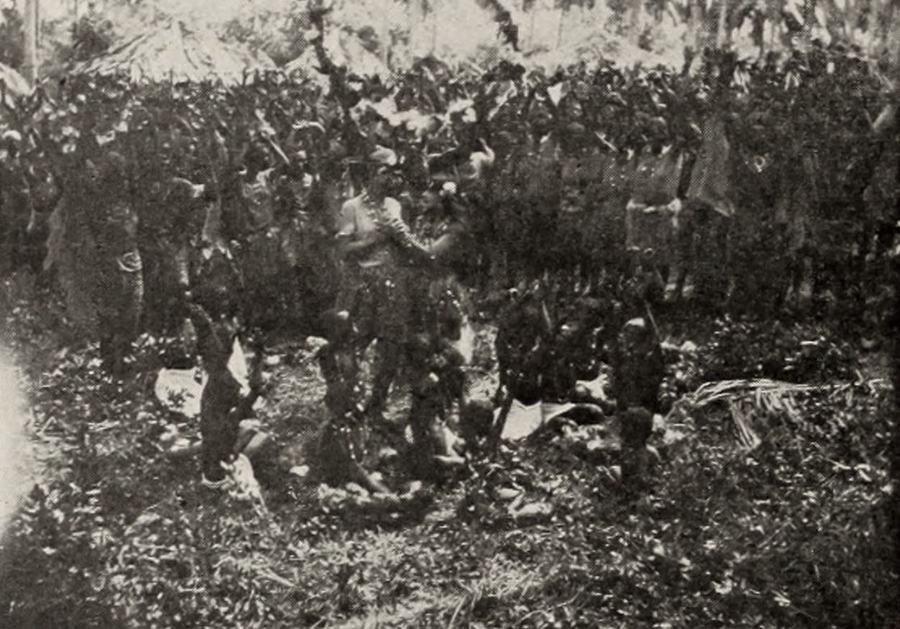
Dir: Edward José
When two love-sick young people run off to be married, and aren't caught, they usually get married. It was different with Grace Vernon and Hugh Ridgway, though. Worn out by the social affairs given in honor of their approaching marriage, they elope in the wee small hours of a certain summer morning, and being mistaken for housebreakers by the gardener and other members of the household, are pursued. A couple of cops as added starters make the chase even more interesting, and they don't breathe easily until, a couple of hours after climbing a rope ladder up the side of an ocean liner, they come out from their hiding place and find themselves at sea. Not nearly so much "at sea" then, however, as later, when Hugh finds that Grace is much smitten with Henry Veath, an old-time friend of his. Hugh cares nothing about the fact that Lady Tenny, another passenger, seems to care more for his society than for anyone else. Comes a typhoon, the ship is dashed on the rocks, and in the ensuing darkness and panic Hugh makes a brave attempt to save one who clings closely to him, one he thinks to be Grace. Then blackness, and with returning consciousness and the light, the realization that he is cast away on a strange tropical isle, the isle of Nedra, with Lady Tenny. Add to this that they are found and worshiped as two gods by the savage natives of the isle; that their enforced wedding is interrupted by the landing of a U.S. ship; that Hugh goes home only to find Grace married to Veath; that he finds that he doesn't care a particle; that he rushes back to Lady Tenny, and you have just a bare conception of this romantic love story.

Dir: Edward José
Harold R. Peat tries to enlist in the United States army so that he may fight in World War I but is rejected by the recruiting officer. He is despondent until he and his friend, Old Bill, concoct a scheme whereby they are both accepted. After a stint in training camp, Harry bids his sweetheart Mary goodbye and accompanies Bill to France. Following several adventures at the front, Bill is killed and Harold, in trying to save a load of ammunition, is wounded. Harold spends some time in a French hospital, after which Mary comes to France to bring her heroic private home.
View Details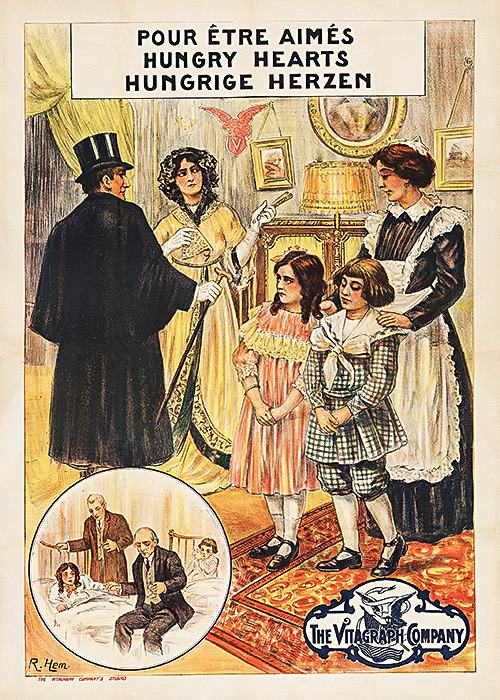
Dir: Edward José
A fascinating piece of cinema that shares thematic elements.
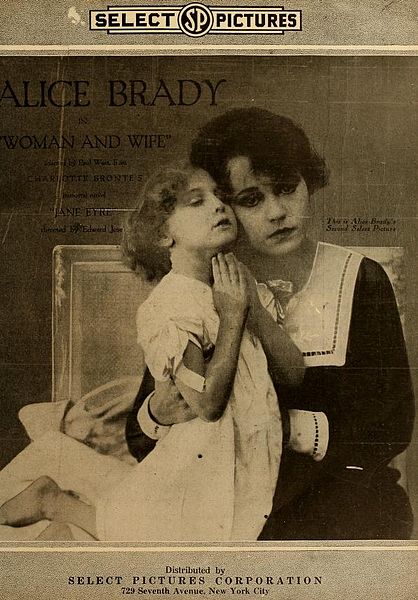
Dir: Edward José
After a harsh childhood, orphan Jane Eyre is hired by Edward Rochester, the brooding lord of a mysterious manor house, to care for his young daughter.
View Details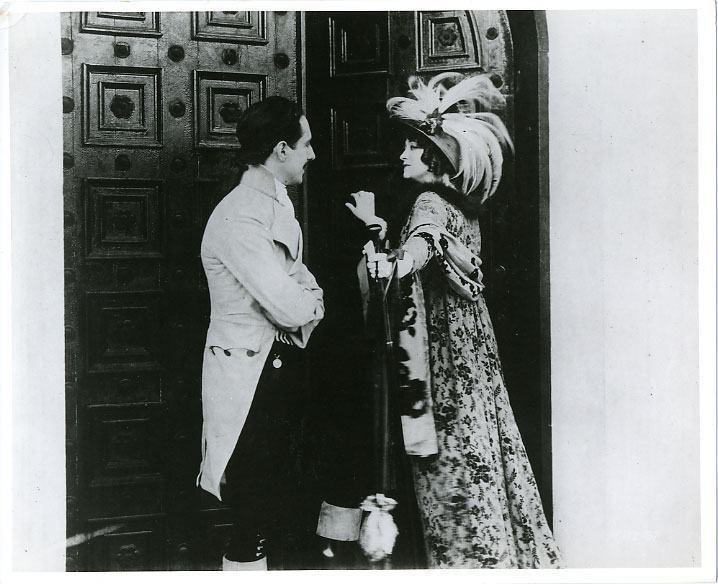
Dir: Edward José
Floria Tosca, a famous Italian opera singer, suspects that her lover, Mario Cavaradossi, is unfaithful and secretly follows him to his villa on the outskirts of Rome. La Tosca is relieved to discover that Mario is harboring not another woman but Cesare Angelotti, a political prisoner. Her relief turns to despair, however, when Baron Scarpia, Rome's tyrannical chief of police, arrives and demands that Mario turn Cesare over to the authorities under penalty of torture. He refuses, but La Tosca, unable to endure Mario's screams, confesses. All three are arrested, and the baron threatens to have Mario shot unless La Tosca gives herself to him. She consents, but when Scarpia approaches her, she stabs him. Finding that Mario has been shot despite the baron's promise, she leaps from a high tower to her death.
View DetailsAnalysis relative to The Inner Chamber
| Film Title | Atmosphere | Complexity | Similarity |
|---|---|---|---|
| Poppy | Tense | Layered | 96% Match |
| The Isle of Conquest | Gritty | Layered | 96% Match |
| Love's Conquest | Surreal | Linear | 98% Match |
| The Iron Claw | Gritty | Layered | 86% Match |
| The Light That Failed | Ethereal | Dense | 92% Match |
This guide was algorithmically generated using the cinematic metadata of Edward José's archive. Last updated: 6/26/2026.
Back to The Inner Chamber Details →