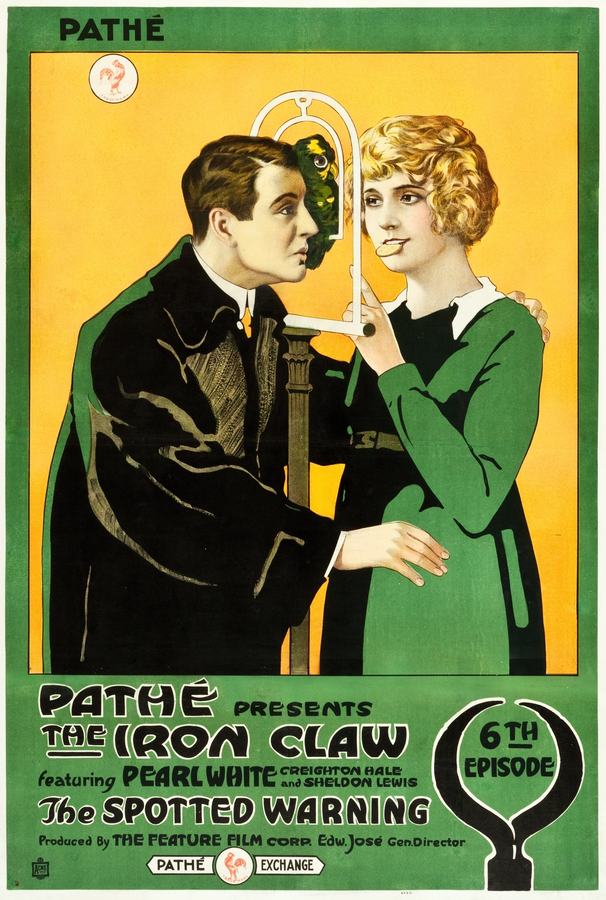
Summary
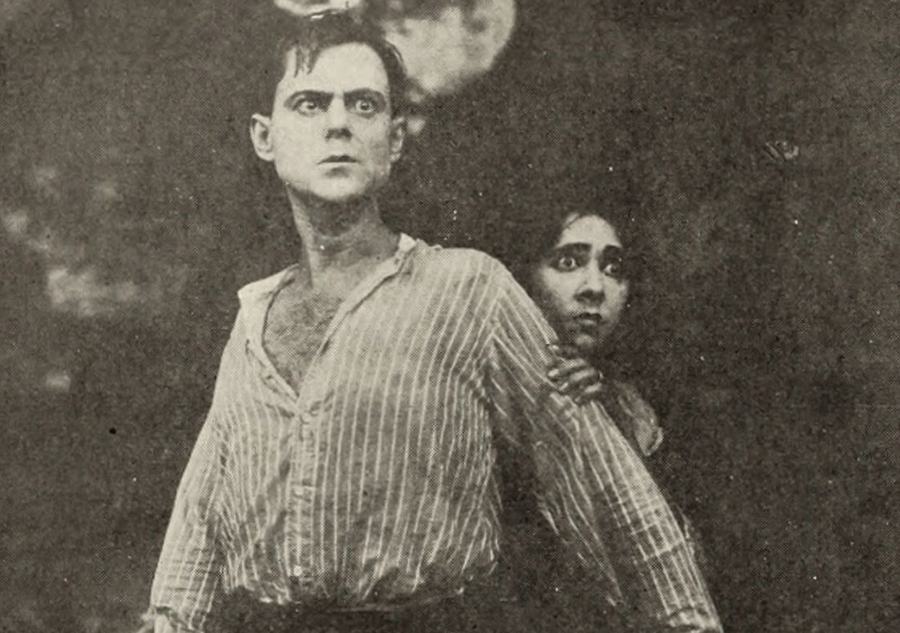
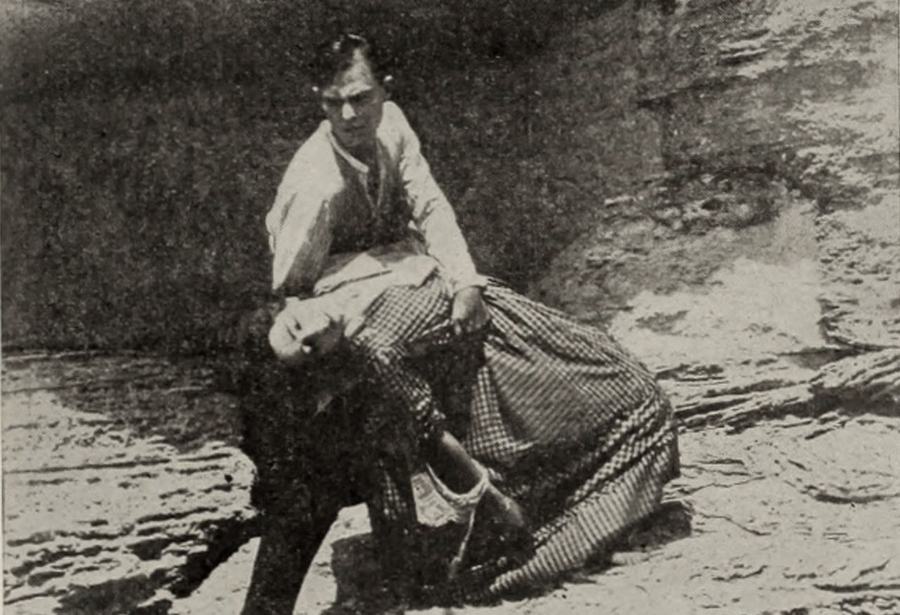
At the violet hour, when champagne flutes still echo with society’s shrill laughter, Grace Vernon—bridal veil flung over her shoulder like a surrender flag—slips down a satin rope of moonlight beside Hugh Ridgway, her fiancé whose grin already wears the fatigue of a man who has read the last page of his own story. They sprint across dew-drenched lawns, mistaken by a half-blind gardener for nocturnal burglars; the estate’s brass bell clangs, mastiffs bay, two flat-footed cops tumble after them, and the lovers scramble up a rope ladder dangling from an ocean liner that smells of coal smoke and distant revolutions. By dawn they are maritime stowaways, only to discover that the ship is a floating labyrinth of older desires: Grace’s gaze keeps drifting toward Henry Veath, Hugh’s college friend whose smile could sell absolution, while Hugh, indifferent, drifts into the orbit of Lady Tenny, a widow whose mourning attire seems cut from midnight itself. A typhoon—half weather, half Greek chorus—smashes the hull against obsidian cliffs; in the ink-splash panic Hugh clutches a woman he believes to be Grace, swims through churning black glass, and wakes on Nedra, an uncharted island where breadfruit trees cast shadows shaped like question marks. Here, tattooed warriors crown the castaways as deities; drums beat in polyrhythms that sound suspiciously like the society orchestras they fled. A missionary-haunched U.S. gunboat eventually shatters the idyll, ferrying Hugh back to a Manhattan whose skyscrapers now feel like bamboo cages: Grace has married Veath, society claps politely, and Hugh realizes, with the mild curiosity of a man discovering a forgotten coin in his waistcoat, that his heart has relocated to the island. He races back to the dock, boards the first available steamer, and returns to Nedra—to Lady Tenny, to the salt-stung future that was waiting before the first wedding bell ever tolled.
Synopsis
When two love-sick young people run off to be married, and aren't caught, they usually get married. It was different with Grace Vernon and Hugh Ridgway, though. Worn out by the social affairs given in honor of their approaching marriage, they elope in the wee small hours of a certain summer morning, and being mistaken for housebreakers by the gardener and other members of the household, are pursued. A couple of cops as added starters make the chase even more interesting, and they don't breathe easily until, a couple of hours after climbing a rope ladder up the side of an ocean liner, they come out from their hiding place and find themselves at sea. Not nearly so much "at sea" then, however, as later, when Hugh finds that Grace is much smitten with Henry Veath, an old-time friend of his. Hugh cares nothing about the fact that Lady Tenny, another passenger, seems to care more for his society than for anyone else. Comes a typhoon, the ship is dashed on the rocks, and in the ensuing darkness and panic Hugh makes a brave attempt to save one who clings closely to him, one he thinks to be Grace. Then blackness, and with returning consciousness and the light, the realization that he is cast away on a strange tropical isle, the isle of Nedra, with Lady Tenny. Add to this that they are found and worshiped as two gods by the savage natives of the isle; that their enforced wedding is interrupted by the landing of a U.S. ship; that Hugh goes home only to find Grace married to Veath; that he finds that he doesn't care a particle; that he rushes back to Lady Tenny, and you have just a bare conception of this romantic love story.
Review Excerpt
"
Synesthetic Prelude
If celluloid could perspire, Nedra would drip brine and gardenia nectar. The film arrives like a postcard that has been forwarded through seven ports, edges singed by equatorial sun, ink blurred by salt spray. You can almost smell the nitrate feverishly decomposing, as though the reels themselves are impatient to return to the jungle from which their story sprang.
Plot Refraction: Elopement as Carousel
Most 1921 romances treat elopement as a single pistol shot—here, it is ..."