
DbcultAccessing Vault...
Recommendations
Senior Film Conservator
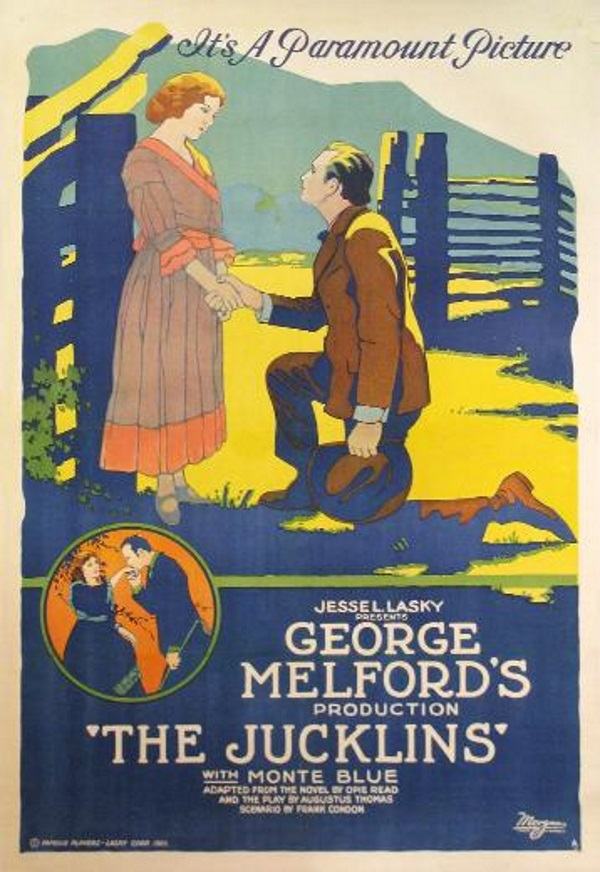
The artistic legacy of George Melford was forever changed by The Jucklins, the thematic layers of this 1921 classic invite a wider exploration of the genre. This list serves as a bridge to other Drama experiences that are just as potent.
The vintage appeal of The Jucklins to reinvent the tropes of Drama cinema for a global audience.
Pampered debutante Betty Baylock buys a wishing rug from a peddler and wishes for a dark-haired, blue-eyed man, hoping to rid herself of three annoying suitors. However, her wealthy stockbroker father, Robert Baylock, decrees that Betty must choose one of the young men immediately, and she defies him by dismissing them all. Robert's aggravation compounds when Betty falls in love with Jack Grey, who is penniless after squandering a $100,000 fortune. Robert orders Jack to earn back the money he has lost before he can marry Betty. Jack goes into the laundry business and discovers that Robert writes stock tips on his shirt cuffs. He copies the notations and corners a stock, earning $100,000 at Robert's expense. Admitting defeat, Robert gives the young couple his blessing.
Based on the unique emotional resonance of The Jucklins, our vault has identified these titles as the most compelling follow-up experiences for fans of Drama cinema:
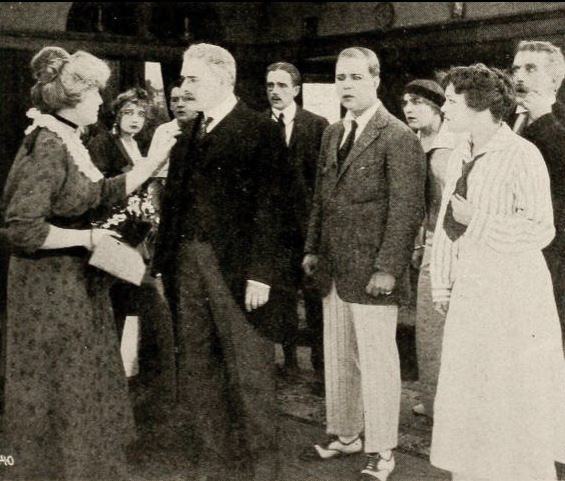
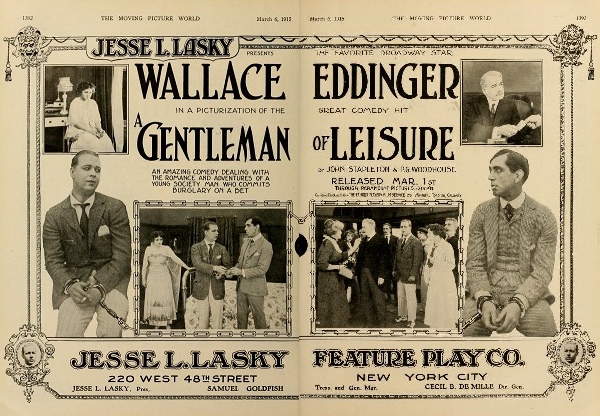
Dir: George Melford
A young New York society man makes a bet that he can rob a house and get away without being caught by the police. Shortly after making this wager, he overpowers a professional burglar in his own house, and instead of giving the man up, decides to use him in winning the bet. However, the house that he attempts to rob is the home of the Deputy Police Commissioner, with whose daughter he is in love. The succeeding complications, which arise out of this altogether original situation, are due to the Commissioner's willingness to accept graft and the professional burglar's inability to restrain himself when tempted to steal a valuable necklace. The final result is a happy conclusion to the very troubled love-story.
View Details
Dir: George Melford
Masha, a young Russian emigrant traveling to the U.S., is saved from an officer's advances by civil engineer David Harding. Upon landing in America, J. J. Walton, a self-made political boss and contractor, pursues Masha and hires her as his maid. She leaves after the first night, but becomes his mistress after Walton promises her an education and marriage. Sometime later, David defeats Walton in a bidding war for a contract to build a dam in Arizona. Intent on ruining David, Walton dynamites the dam while Masha distracts the engineer. Although Walton takes refuge, he is drowned in the floodwaters. David and Masha survive, and confess their mutual love.
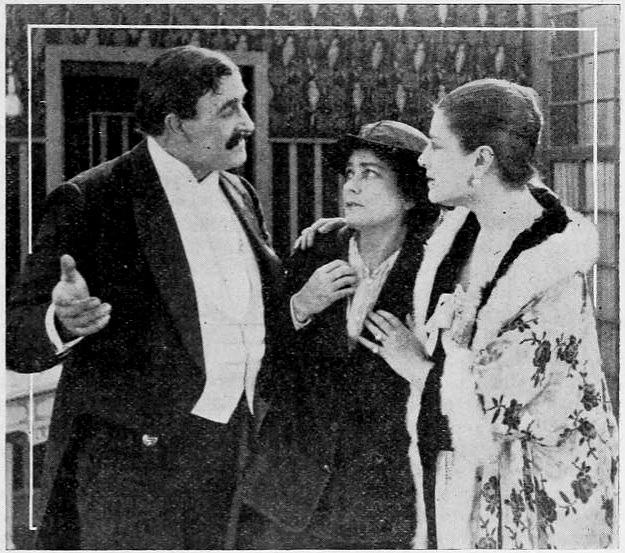
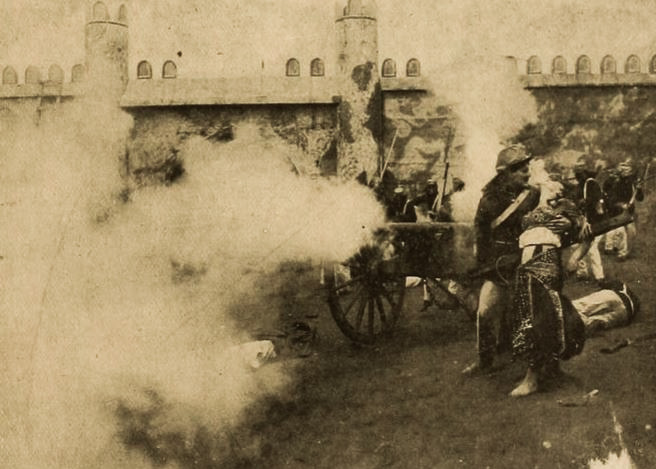
Dir: George Melford
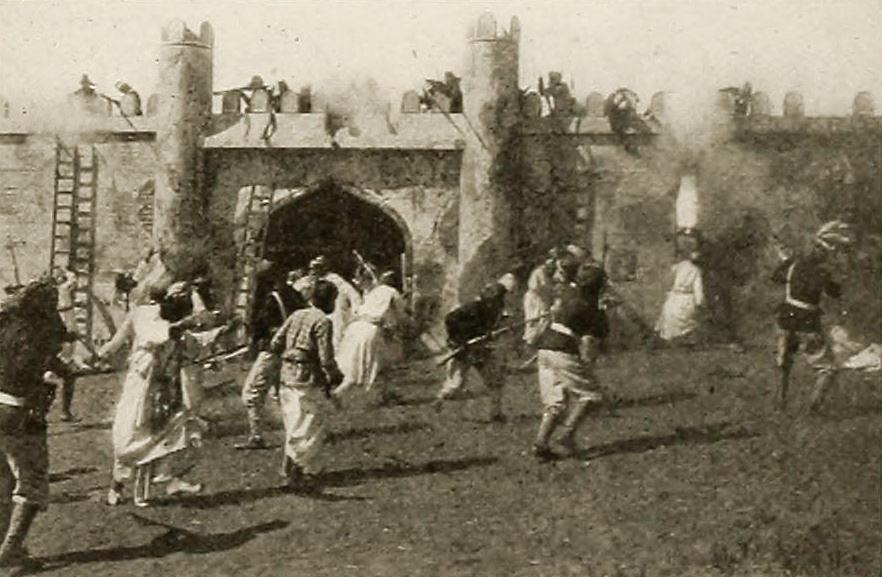
Ram, High Priest of the Temple of Delhi, urges his people to throw off the British yoke. Word of the uprising reaches General Kimber who is in command of the troops at Calcutta. Summoning Captain Arlington and Lieutenant Shannon of the famous Sixth, he orders them to proceed to Delhi with their troops. Arlington and Shannon are rivals for the hand of Dora, the commandant's daughter. Although secretly betrothed to Surrada, the beautiful native girl employed as Dora's maid, Arlington is filled with jealous rage upon discovering that Dora loves his rival. The captain has tired of Surrada but fears to cast her off because of the scandal she may create. Shortly afterwards, Arlington and Shannon reach Delhi where they succeed in restoring order. The High Priest Ram, however, lays his plans for a general uprising and on Sunday, May 10, 1857, the famous massacre at Meerut, which started the nationwide mutiny, commences. Thousands of English men, women and children are slain. Ram and his followers make their way to Delhi. At the sight of the priest, the Sepoy troops turn upon their white officers and slay them. At the first sign of danger, Arlington flees. Shannon, however, rallies the white troops. The soldiers are finally compelled to make a stand about the arsenal. The women and children beg Shannon to slay them, should the natives prove victorious. Knowing the terrible fate which must befall them should they fall into the hands of the Sepoys. Shannon consents. The women and children are placed in the magazine of the arsenal, while Shannon makes preparations to destroy the building in event of defeat. The soldiers are beaten back. The victorious natives rush into the arsenal to capture the women inside. Shannon lights a fuse leading to the powder stored in the building. The awful explosion which follows rends the walls asunder, bringing death to the hundreds in the building. Arlington makes his way back to Calcutta where he informs General Kimber that Shannon and his men have been slain by the natives. Believing her sweetheart dead, Dora is grief-stricken. Arlington attempts to console her but is spurned. By a miracle, Shannon has escaped death in the explosion which destroyed the arsenal. Slaying a native, the lieutenant disguises himself in the man's clothes. After many days he reaches Calcutta. Dora is overjoyed to see her lover alive and uninjured. Fearing lest his cowardice be revealed, Arlington implores Shannon to keep silent. The latter consents. General Kimber marches upon Delhi with his entire army. A few days after her father's departure, Dora decides to follow. Accompanied by a bodyguard of natives, she sets out for Delhi despite Surrada's pleas. The treacherous natives, however, deliver the girl into the hands of Shah, king of Delhi. Inflamed by her beauty, the king decides to make her the queen of his harem. Overwhelmed by the fate which menaces her mistress, Surrada slays the man guarding their room and escapes from the palace. The native girl makes her way out of the city to the British encampment. While she informs General Kimber of his daughter's plight, the murder of the guard is discovered. Dora is thrown into a dungeon to await torture and death. Kimber, Arlington and Shannon are horrified upon hearing Surrada's awful news. Shannon and Arlington beg to be allowed to go to the girl's rescue. Because of his seniority in rank, the honor falls to Arlington. Accompanied by Surrada, the man hastens towards the city gates. The two arrive a moment too late and are locked out of the city tor the night. Unwilling to return to camp, Arlington and Surrada enter the Temple nearby where they determine to hide for the night. There the captain sees the great diamond which forms the eye of the idol Brahma. Filled with greed, Arlington forgets his mission and unknown to Surrada, pries the jewel from its resting place. Umballa, a servant in the Temple, sees the thief at work, and is knocked unconscious after a struggle with the Englishman. To hide the jewel, Arlington returns to camp where he announces his failure. Unable to sleep, Shannon strolls beyond the lines. Learning of Arlington's failure upon his return, the man denounces him as a coward. Later, the thief wraps the diamond in a cloth and gives it to Surrada. He tells the native girl that it contains his mother's jewels. The following morning. Ram, Umballa and a number of natives arrive at the camp and inform General Kimber of the theft of Brahma's eye. Having promised that the sacred edifice should not be molested, the British commander vows to find and punish the offender. Umballa sees Shannon. Mistaking him for his assailant the native accuses the lieutenant of the theft. Circumstances point to Shannon as the vandal. Kimber orders him to his tent. Shortly afterwards, the British troops make an assault upon Delhi. While the attack is going on, Surrada suspecting the truth, comes to Shannon and gives him the package. Heart-broken because of her lover's deception, and fearing the curse of Brahma, the girl suicides before Shannon can interfere. The lieutenant sees that the British are being repulsed. He rejoins his men. Calling for volunteers Shannon announces his intention of blowing up the city gates. Accompanied by three men, the lieutenant crawls to the gates where he plants several sacks of powder A few moments later, the huge doors are torn from their hinges by a terrific explosion. Led by Shannon, the British enter the city and sweep all before them. King Shah hears this news with dismay. Furious, he determines to wreak vengeance upon the daughter of the British commander. Dora is tied to the muzzle of a loaded cannon. After lighting the fuse the natives flee. The maddened rebels make a last stand in the city streets. A number of them surround Arlington. Facing death, the man's courage comes to the surface. Six of the natives fall by his sword. A spear thrust through his breast brings Arlington low. Attracted by a woman's screams for help, Shannon and his men dash into the palace courtyard. The gallant soldier sees his sweetheart's awful danger. Slashing her bonds, Shannon pulls Dora aside. An instant later, a terrific roar appraises the fainting girl of the awful danger from which she had been rescued in the nick of time.
View Details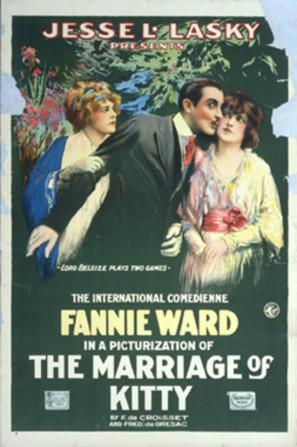
Dir: George Melford
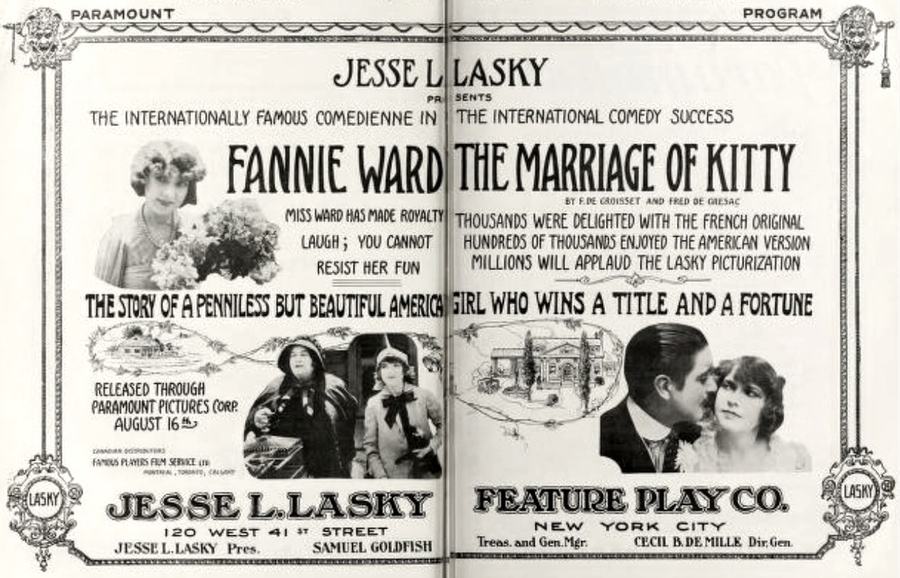
For the first time in her life Katherine Silverton--Kitty to her friends--hesitated about spending carfare to ride six blocks to the law office of her godfather, John Travers. She was not used to walking and she didn't intend to start just because her money supply was short and she faced a future which threatened economy of the strictest sort. Kitty's father had died leaving her practically nothing. She sought the advice of Mr. Travers. At the moment she entered the outer office, Mr. Travers had a perplexing problem on his hands. He was attorney for a large estate, the heir to which, Lord Reginald Belsize, had that morning arrived in New York to claim his inheritance. Lord Reginald was young, good-looking and ambitious to marry Mme. Helen de Semiano. Mme. Helen saw a favored match in Lord Reginald, who was soon to be wealthy, and her young-spendthrift brother Jack Churchill encouraged the match. But certain provisions of the will perplexed Mr. Travers. They also perplexed Lord Reginald. It was stipulated that Lord Reginald was to marry within a year or lose his inheritance; it further was stipulated that he was not to marry an actress. Lord Reginald didn't see how it could be arranged as he had brought Mme. Helen and her brother to New York. Mr. Travers suggested that he marry someone else first, leave her after the wedding and in six months she will obtain a divorce on grounds of desertion, making you free to marry whom you please. Then Kitty entered the office. Kitty assented to the proposition readily. She had the promise of a large sum of money, a quick divorce, and a chance to look around the world. But Kitty was very attractive and pretty, and Lord Reginald said that if Mme. Helen, who had reluctantly agreed to the arrangement, should see such an attractive young woman, she would refuse her consent. But resourceful Kitty rearranged her hair, put on a gingham apron, rolled up her sleeves, and made herself into a most unpromising person. Mme. Helen passed approval, not knowing the hoax. The ceremony was quickly performed and Lord Reginald and his bride left to be gone for several months until Kitty had gained her divorce. Meanwhile the jealousy of Mme. Helen was discouraging Lord Reginald, so one day he went to Long Island where Kitty was living. Realizing her opportunity, Kitty did everything within her power to make him happy. When Mme. Helen arrived, having followed Lord Reginald, the latter told her the time had come for the parting of their ways. Kitty, he said, was the woman he loved, and Kitty admitted that she loved him.
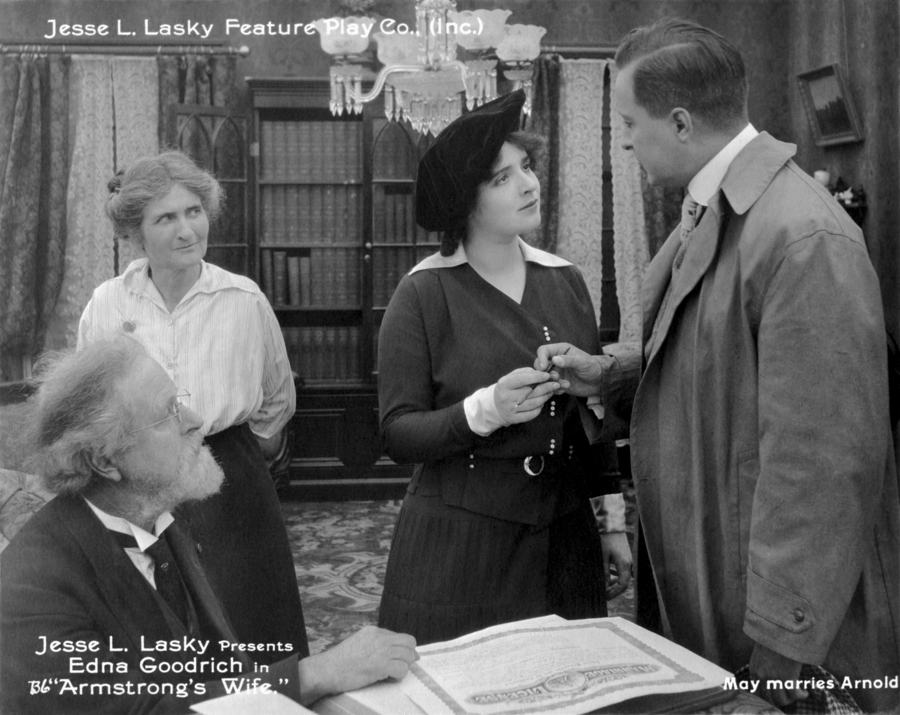
Dir: George Melford
Gambler Harvey Arnold is forced to leave San Francisco and winds up in a small country town that is in the midst of a reform movement. He marries local girl May Fielding, who has no idea of his profession. When she finds out, he promises to quit, but it turns out that his profession wasn't the only secret he was keeping from May.
View Details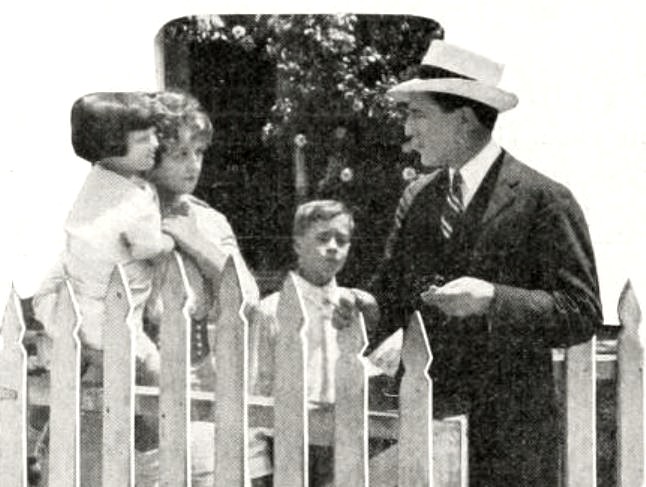
Dir: George Melford
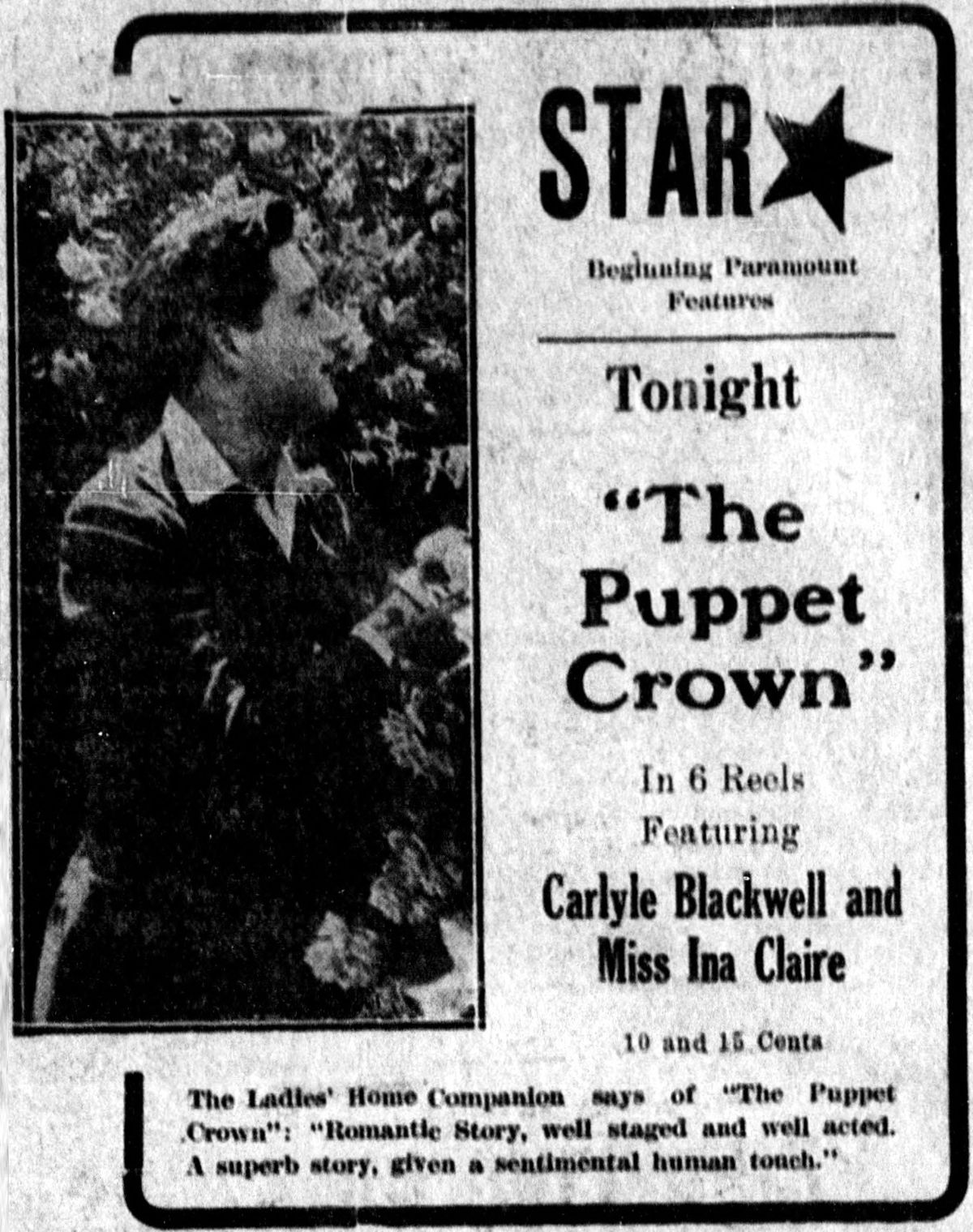
Anna Granger's husband commits a fraud at the bank where he works and is condemned to pay the penalty of a jail sentence. In the hope of proving his innocence she goes to work, under an assumed name, for the President of the closed bank. This man is now indicted himself, though unjustly, and employs detectives who finally unearth a letter positively establishing the guilt of Granger. In spite of everything, Anna remains faithful until she learns that the theft her husband committed was to get money for another woman. Then comes a sudden climax which puts an end to a situation which she could not possibly endure.
Dir: George Melford
Ailing King Leopold sends his daughter Princess Alexia of Osia to a exclusive American girls' boarding school as a commoner, so that she can know the meaning of true freedom. When she meets young millionaire Bob Carewe, they fall in love, but Alexia is summoned home because of a conspiracy of the king's advisers threatening to replace him with the Duchess Sylvia. When Bob reads of Osia's financial difficulties, he goes to help with a loan, though he realizes she cannot marry him if she is ever to rule. When the king dies suddenly, it causes a rebellion among the people. Although Bob bravely fights against the conspirators and nobly helps a bleeding rival for Alexia's affections, the duchess is proclaimed queen. She orders Alexia's arrest, but Bob, using one of the conspirators as a shield, escapes with Alexia to the border, now they are happily free to marry.
View Details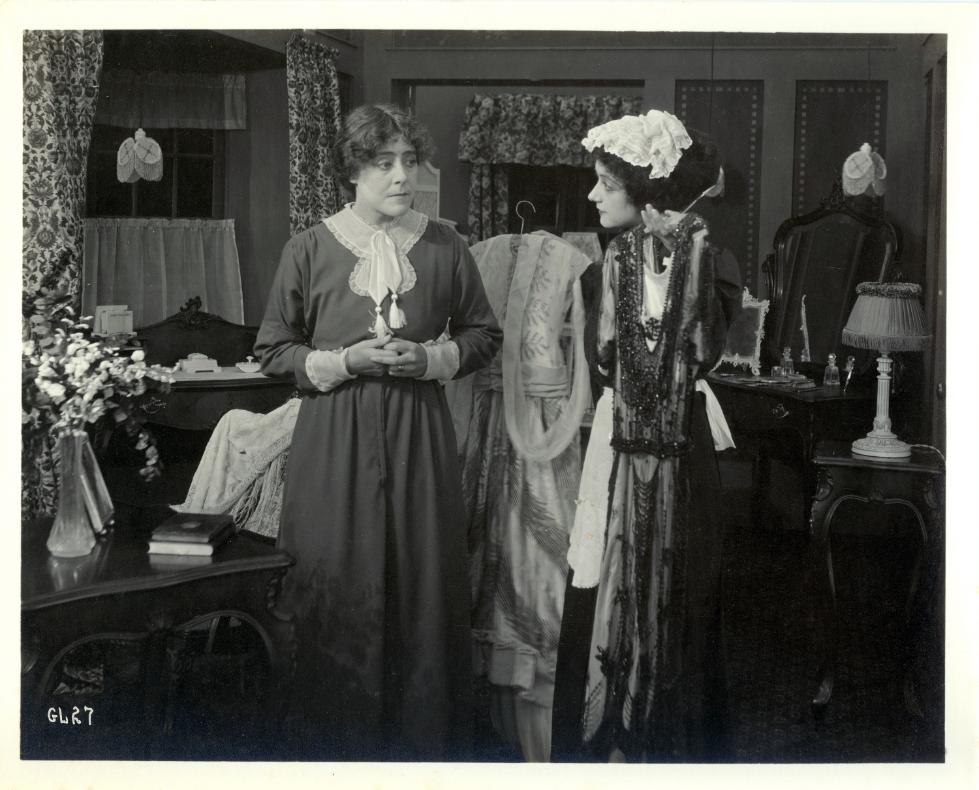
Dir: George Melford
At the opening of the story Daniel Slade is working in a mine and, though not positively in need, he and his wife live in comparative poverty. Slade is a man filled with ambition, but his wife is contented and absorbed in her love for her husband. By a fortunate accident he discovers a gold mine, and with his newly acquired wealth, immediately sets out to make a position of influence for himself in the world. His aggressive personality and ability at once attract attention, these qualities being combined with wealth, and the possibilities of a political career are pointed out to him by Senator Strickland. Slade has no sooner established himself in his new surroundings than he comes to feel that his wife does not know how to take advantage of their altered circumstances. She is still the same simple, home-loving person. In the course of time he becomes attracted to the Senator's daughter, who, like himself, is of ambitious temperament. In fact, though she does not love him, she agrees to marry him if he obtains a divorce from his wife. The concluding episodes of the story show how the wife rescues her husband from his unpardonable folly, and how, much chastened, he finally persuades her to come back to him. He has now become the chief executive of the State and Mary at last takes her place as the Governor's Lady.
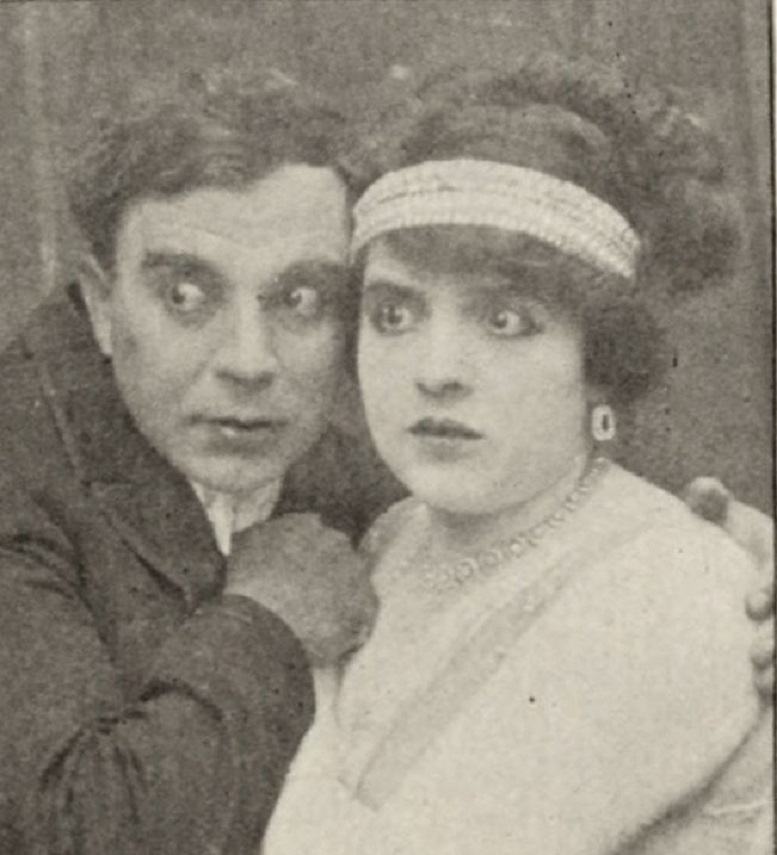
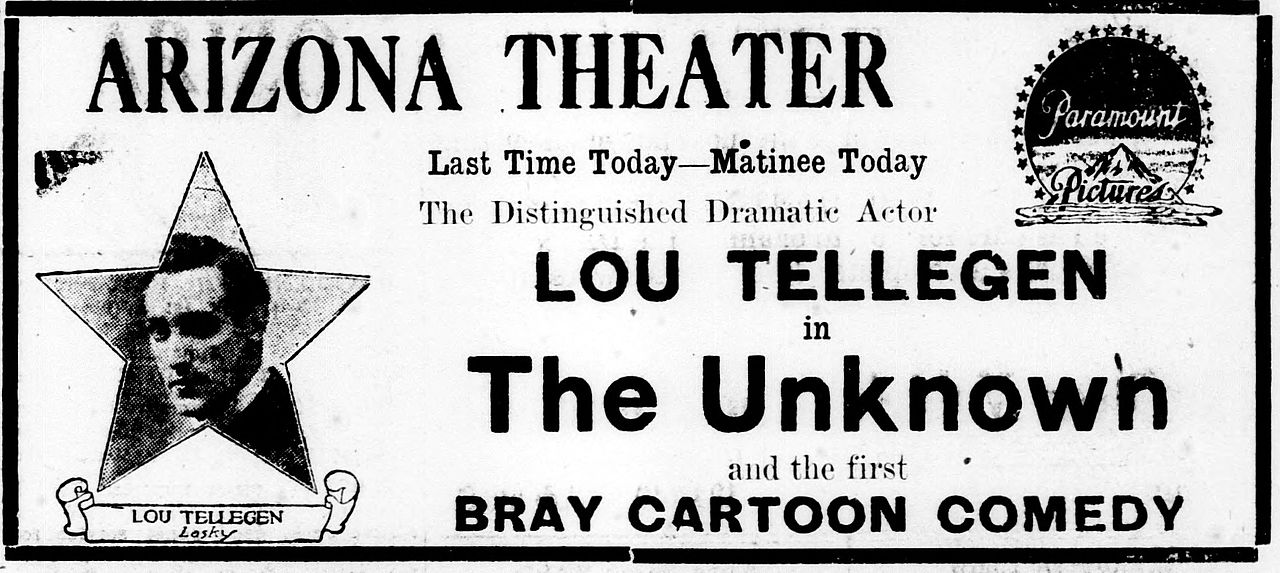
Dir: George Melford
A young man joins the French Foreign Legion and is sent to Algieria, where he becomes a target for hatred by his commander. However, the commander has a change of heart when he realizes who the young man is.
View Details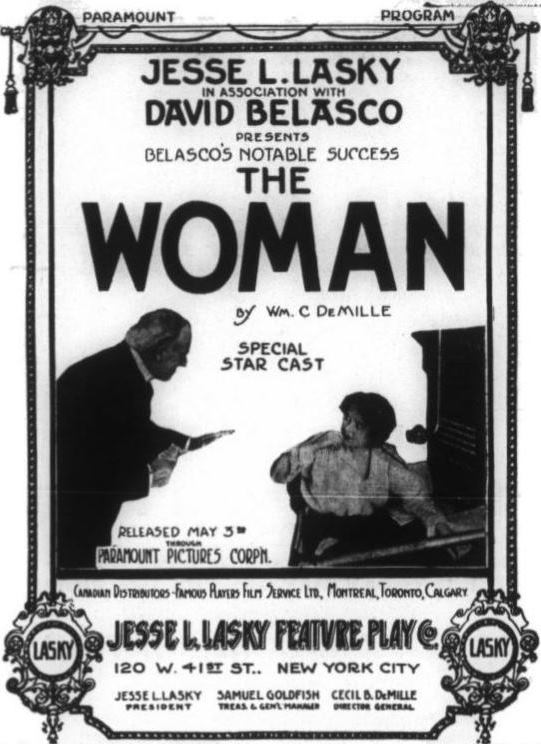
Dir: George Melford
The story relates the attempt of a group of machine politicians at Washington to ruin Matthew Standish, an insurgent who has made himself so strong with the people that he is in a position to defeat the Mullins bill, fostered by a corrupt ring in Washington, in favor of certain railroads. The leaders of this ring are Jim Blake, the boss of the party machine, and his son-in-law Mark Robertson. Standish is being hailed throughout the country as the exponent of morals and virtue, and Blake realizes that the only way to defeat him is to find some blot on his record in the past. He puts a detective to work, who, by bribing Standish's former secretary, finds out that some years ago Standish became involved with a young woman of good family, but for some reason he did not marry her. Blake realizes that skillfully handled, this story could be made to ruin Standish's career, but without the woman's name it will look like a campaign lie. So the entire machine bends its energy to discovering the woman's identity to prove the story. To accomplish this, they lay a trap that they think will make Standish try to warn the woman by telephone. He is deceived and does telephone the woman to be on her guard, calling the number Plaza 1001. Wanda Kelly, telephone girl at the Keswick, has been told of the plan by Blake, who believes that she can be bribed to give him the telephone number. After Standish telephones, Blake's son-in-law Robertson comes in to 'phone his home in New York, calling the same number that Standish has just called. Wanda, the operator, sees that the woman in the case is really Blake's daughter and Robertson's wife, and besides refusing to give the number, destroys her record sheet. Mrs. Robertson arrives from New York and is driven to desperation when Standish informs her that, though he has tried to protect her, he needs to give her name to Blake and Robertson if they continue striving to ruin him by this story. The subsequent events leading to the conclusion of the drama and the defeat of the offensive Mullins bill in Congress are stirring in the extreme. Once again the telephone girl interferes in the plot by disconnecting the wires when the "ring'' politicians, driven to their last ditch, are trying to telephone a newspaper to release the story even without the woman's name. She keeps her courage after this, even when threatened with arrest and criminal prosecution. It is the woman herself who finally comes to the rescue and refuses to see the little telephone girl made to suffer further on her behalf. This terrible revelation makes Blake and Robertson see what a veritable heroine she has been and even leads to the happy consummation of a romance between the telephone operator and Jim Blake's son.
View DetailsAnalysis relative to The Jucklins
| Film Title | Atmosphere | Complexity | Similarity |
|---|---|---|---|
| A Gentleman of Leisure | Tense | Dense | 91% Match |
| The Immigrant | Gothic | High | 86% Match |
| Shannon of the Sixth | Tense | Abstract | 98% Match |
| The Marriage of Kitty | Surreal | High | 88% Match |
| Armstrong's Wife | Gritty | High | 98% Match |
This guide was algorithmically generated using the cinematic metadata of George Melford's archive. Last updated: 6/26/2026.
Back to The Jucklins Details →