
DbcultAccessing Vault...
Recommendations
Senior Film Conservator
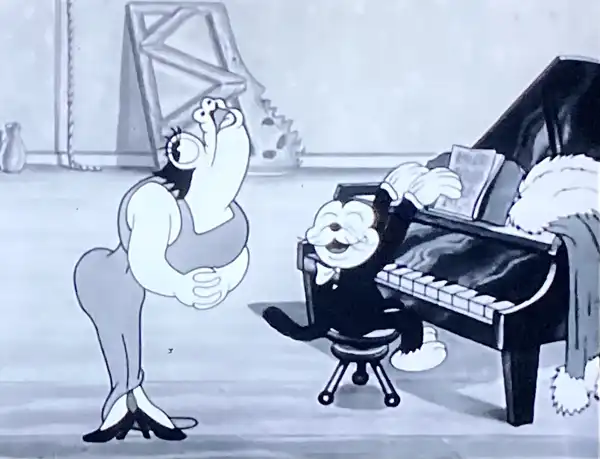
If the cinematic excellence of Harry Love's work in The Katnips of 1940 left an impression, the juxtaposition of cinematic excellence and narrative makes it a Comedy outlier. Experience the United States influence in these recommendations that echo The Katnips of 1940.
By merging cinematic excellence with Comedy tropes, it to elevate Comedy to the level of high art.
Krazy is a dance instructor who is teaching moves to a quartet of clowns wearing leotards and high-heeled pumps. When the clowns are having trouble following his instructions, Krazy puts ropes on their legs to show them how to move. Momentarily, a Swedish girl with a blond spiral hair comes out of a dance school only a few yards away before entering Krazy's studio. The Swedish girl comes to Krazy, and shows him her dance skills. Krazy, however, isn't interested and therefore turns her down as he is expecting a famous soprano to arrive. The Swedish girl then shows her singing skills by letting out a high tone that jolts Krazy off his feet. But Krazy still turns her down. The Swedish girl then demonstrates her acting skills as she goes into a movable balcony, and recites some romantic poems. To keep her away, Krazy raises and sets the balcony to the peak. The Swedish girl screams in horror upon seeing no way down. A fancy car arrives just outside the studio minutes later. Exiting the vehicle is the soprano whom Krazy was waiting for. The soprano comes to Krazy, and sings a few notes for demonstration. The Swedish girl, who is still up on the movable balcony, applauds the soprano's test act. The Swedish girl is also leaning forward too much before falling off the platform and onto the soprano. The soprano is deformed as a result, and even has a distorted voice. The soprano leaves the scene embarrassed. Krazy has no choice but to pick the Swedish girl for the show. Later that night, the scene shows the outside of the theater with a banner of the event called "The Katnips of 1940." The name of the soprano on the banner is also shown being replaced by that of the Swedish girl. The event is started by a group of singing can can dancers. Next it is the turn of the Swedish girl to take center stage. The Swedish girl, wearing a fedora, is at first too hesitant to step into the limelight but thankfully Krazy literally gives her a push. The Swedish girl sings, dances, and plays castanets on the stage with complete fluency. Krazy, also wearing a fedora, joins her on stage seconds afterward. With three flawless performances, both of them receive applause. After the lights move away from them and back, Krazy and the Swedish girl are seen dressed like Uncle Sam and the Statue of Liberty respectively.
The Katnips of 1940 was a significant production in United States, showcasing the immense talent of Mary Moder, Beatrice Hagen, Dorothy Compton. It continues to be a top recommendation for anyone studying Comedy history.
Based on the unique cinematic excellence of The Katnips of 1940, our vault has identified these titles as the most compelling follow-up experiences for fans of Comedy cinema:
Dir: Edgar Jones
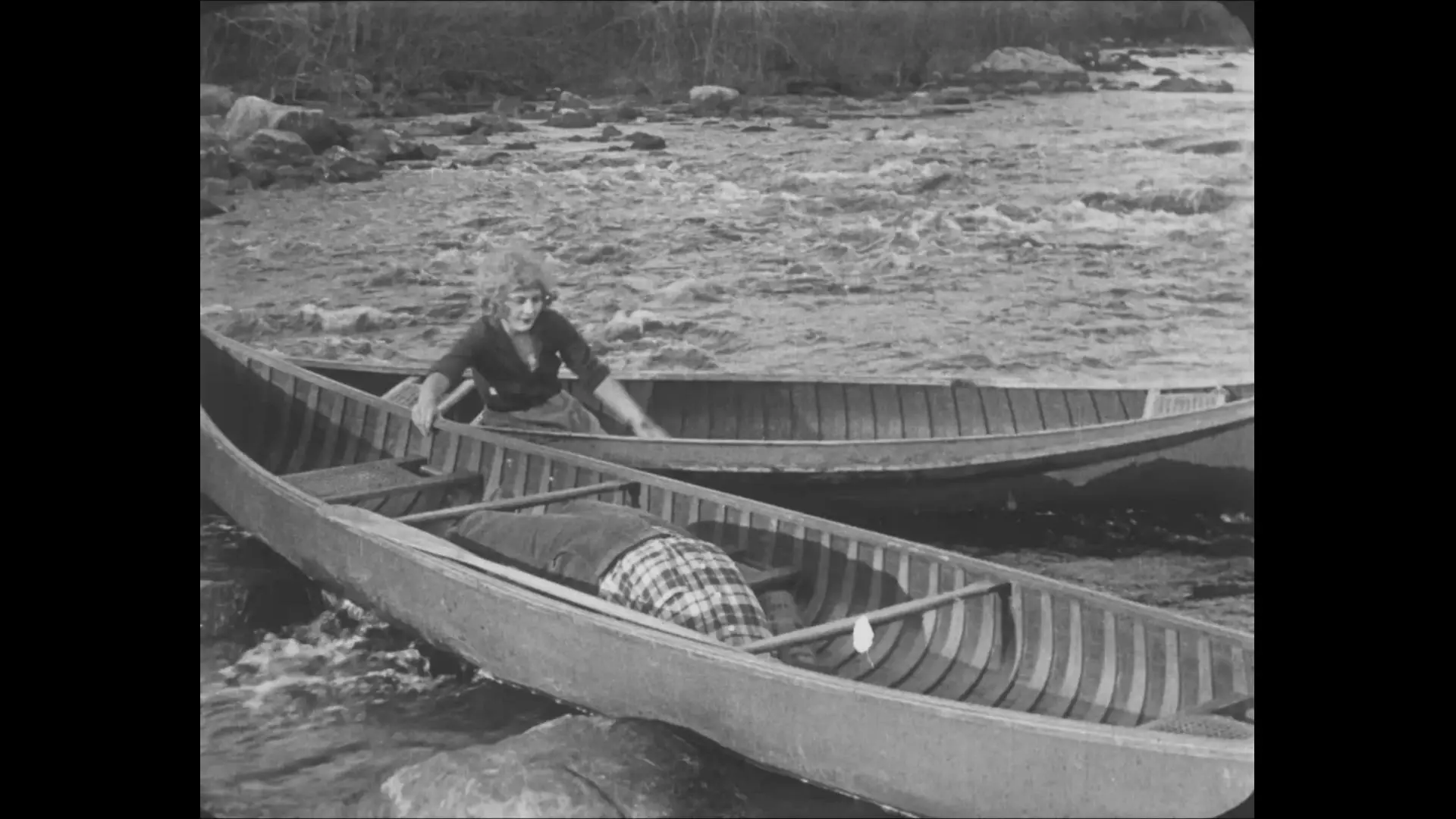
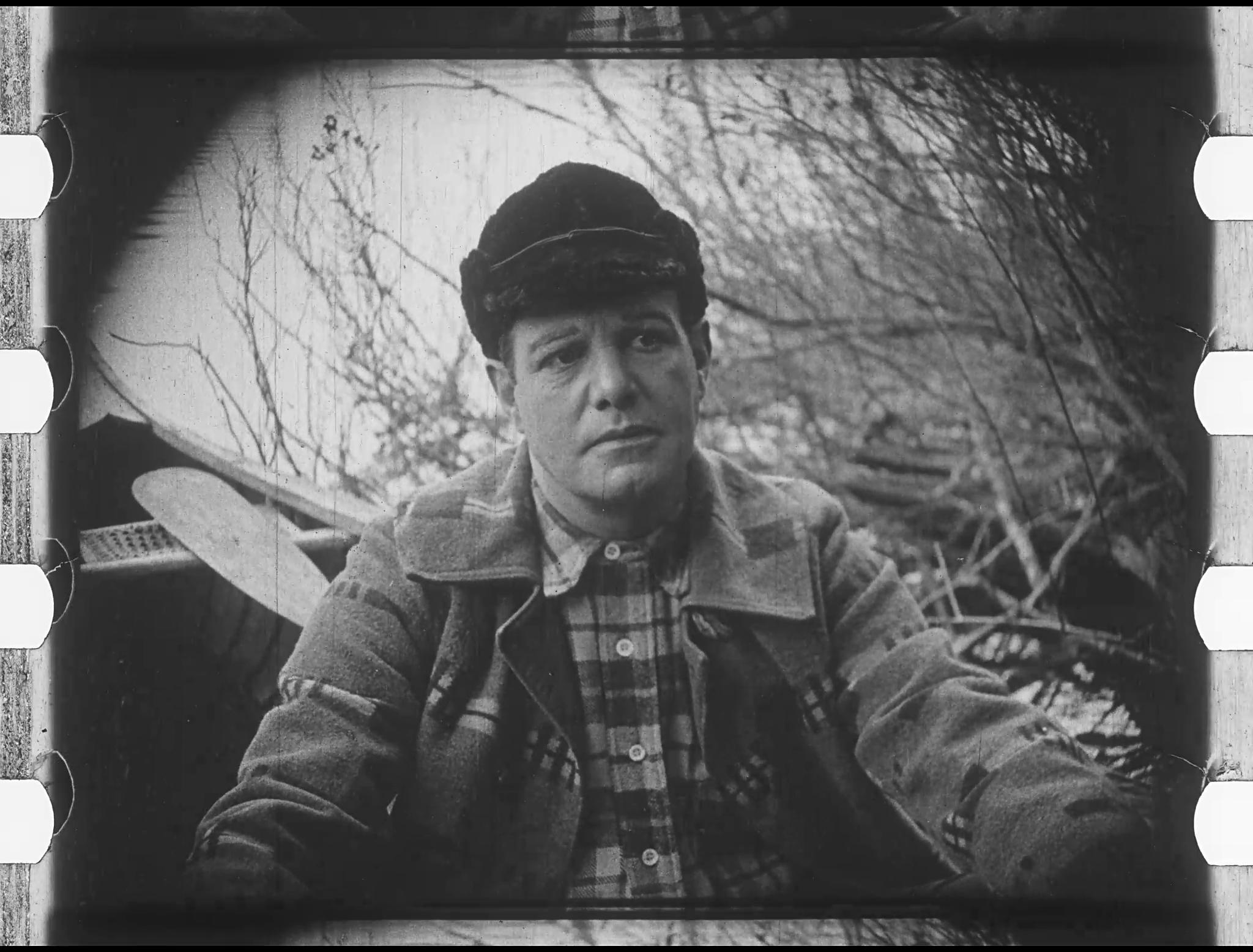
A mail-order bride arrives at a Maine lumber camp but doesn't like her prospective husband.
View Details
Dir: Unknown Director
A fascinating piece of cinema that shares thematic elements.
View Details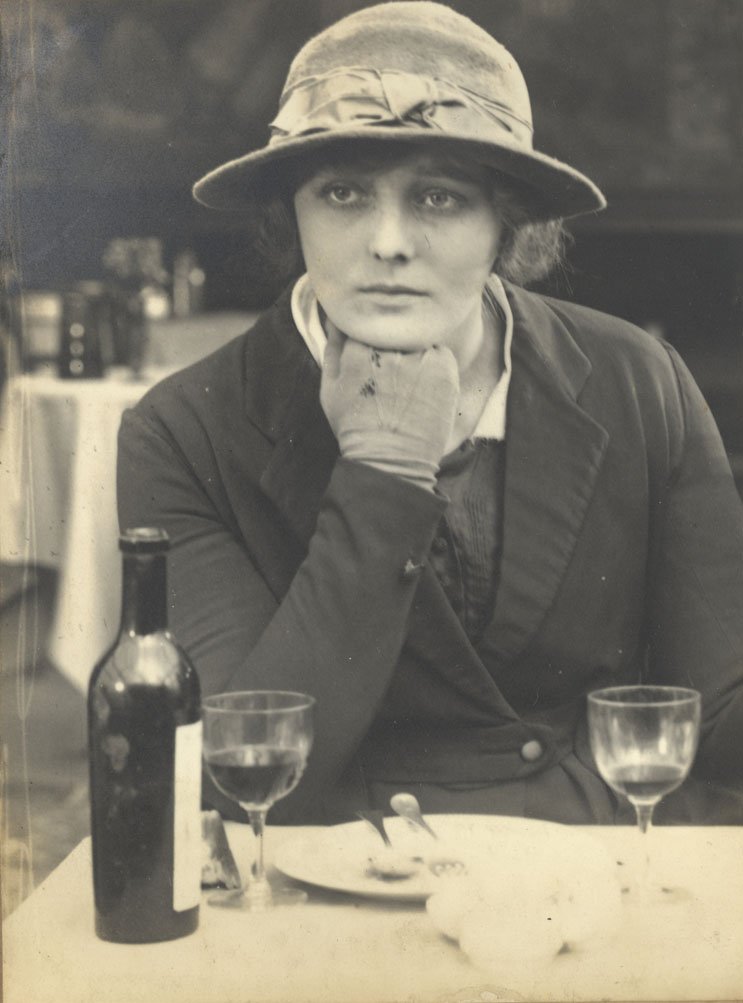
Dir: Henry Edwards
A millionaire bets £25,000 that he can earn his own living for six months.
View Details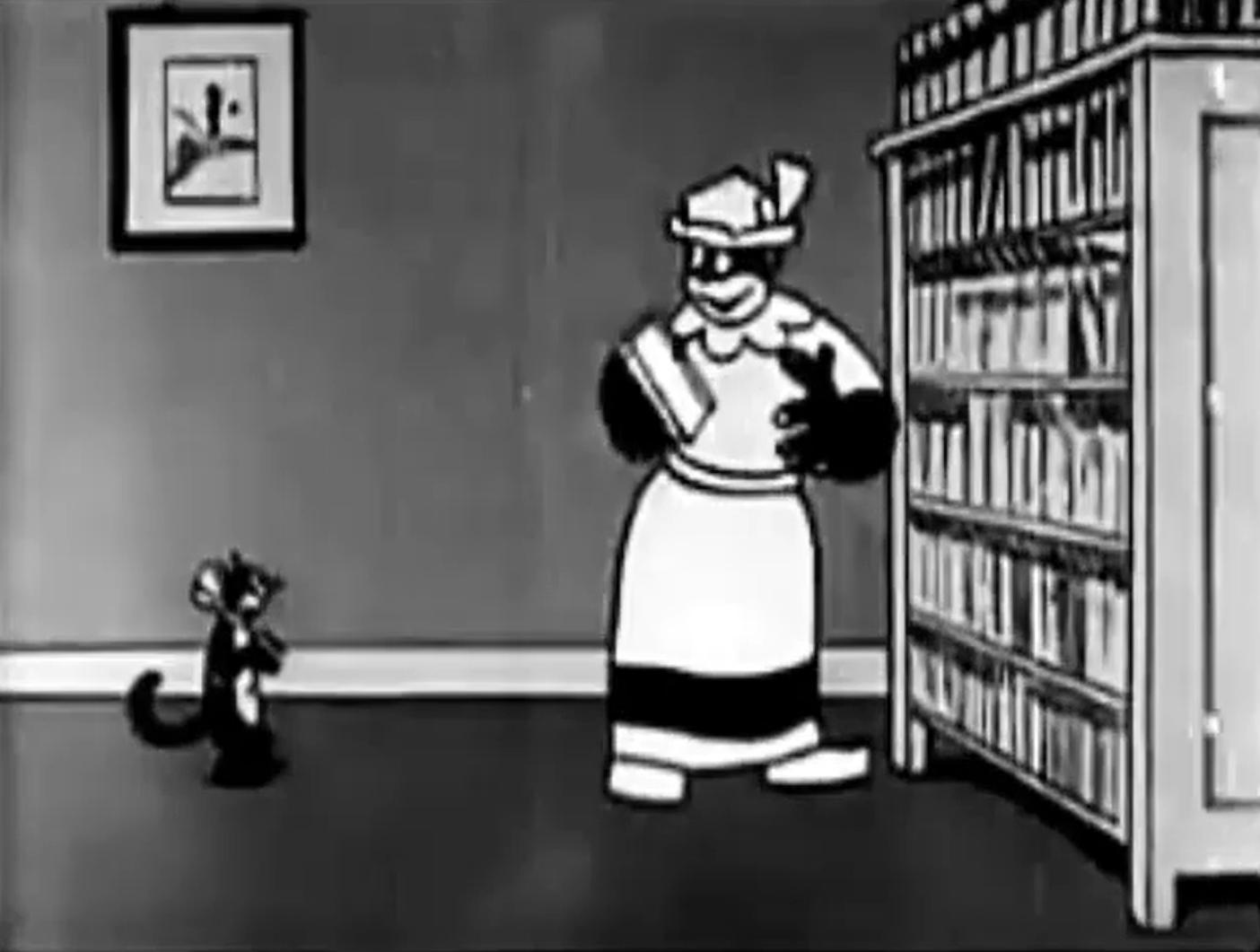
Dir: Frank Moser
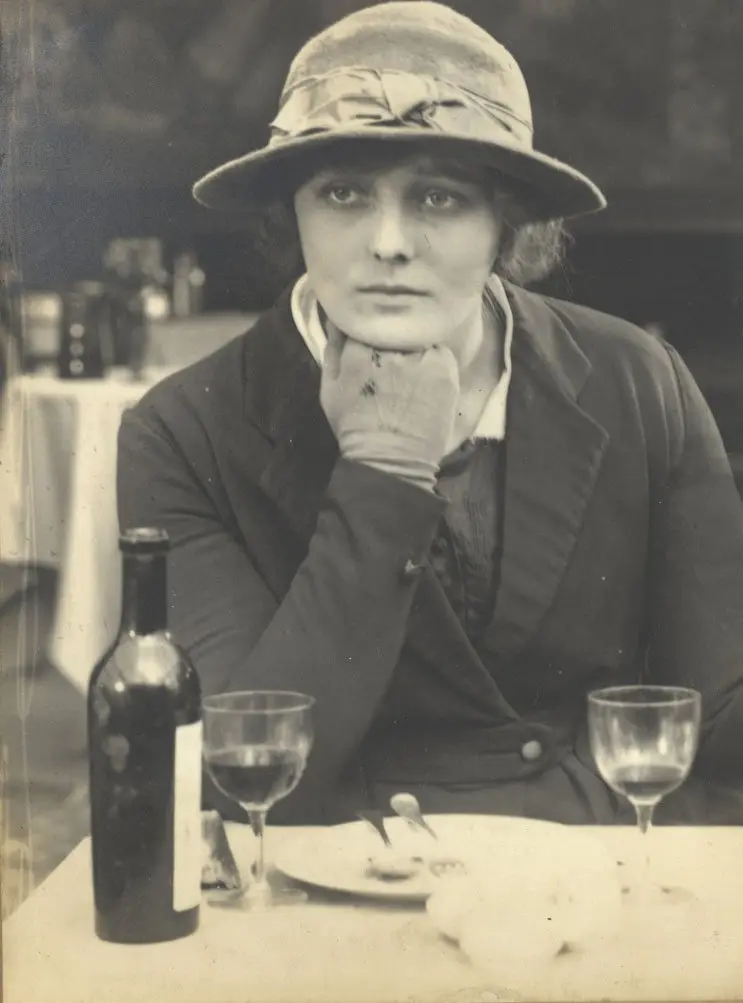
The simple story is about two siblings, little brother Bud and big sister Susie. After they've been reading "Huckleberry Finn" they dream of adventures on the Mississippi River.
View Details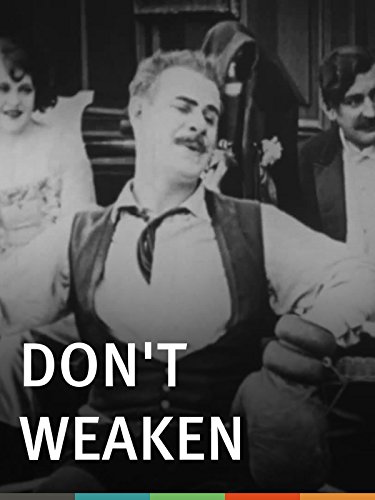
Dir: Malcolm St. Clair
A dancing instructor gets involved with a newly rich family.
View Details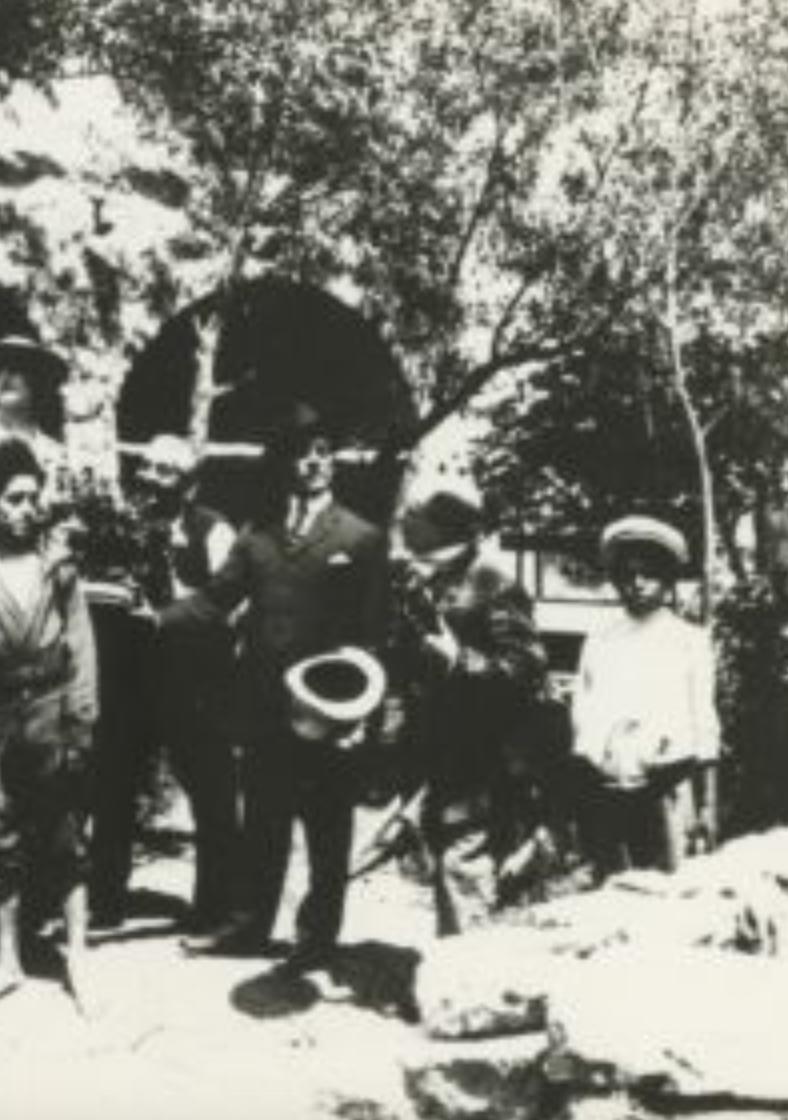
Dir: Eduardo Notari
A crime drama in the Gennariello-series. The police detective in Naples that is confronted with modern gangsters and crime events.
View Details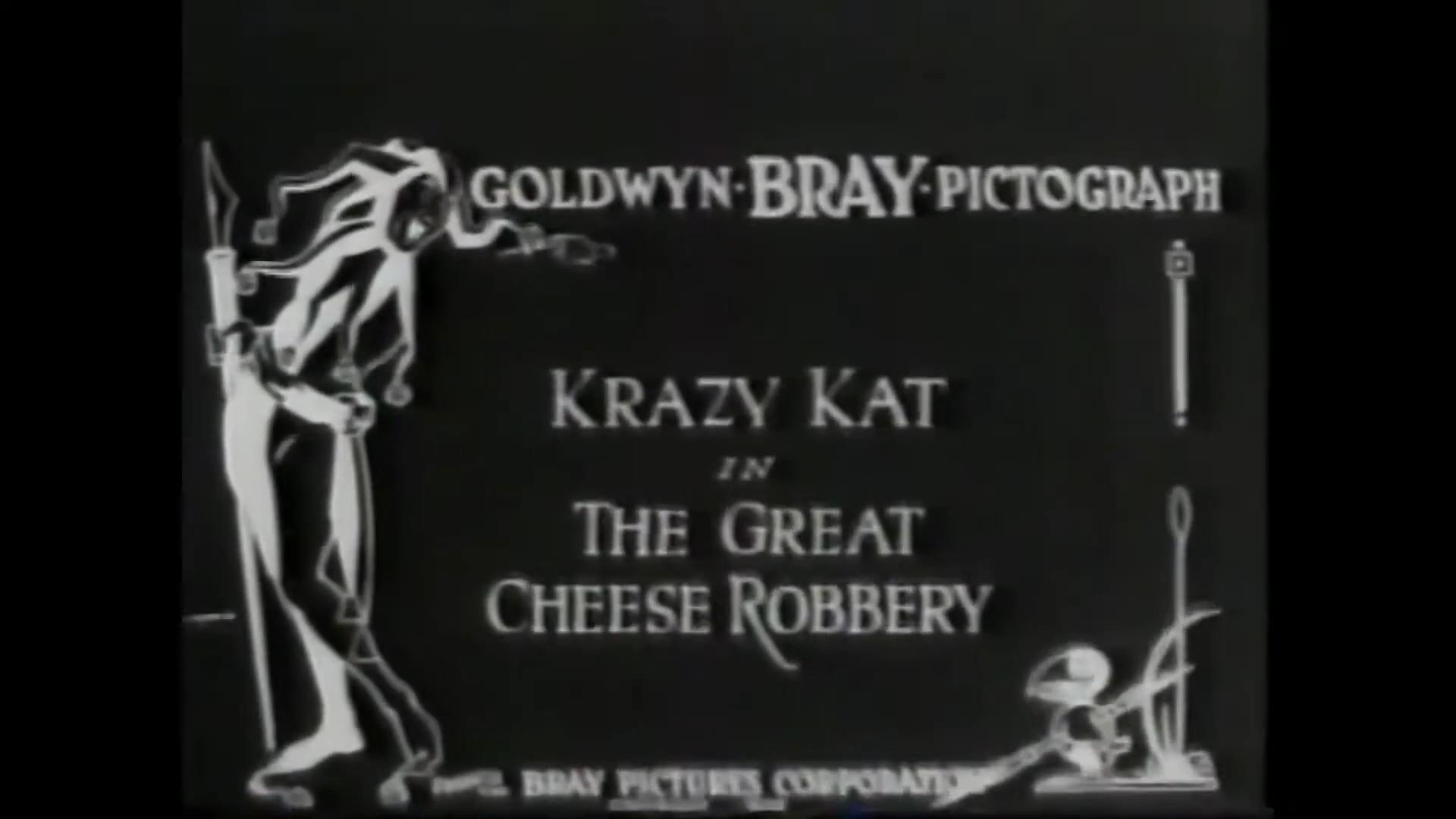
Dir: Vernon Stallings
Krazy Kat is held in jail and Ignatz finally bails him out after encountering "guilt".
View Details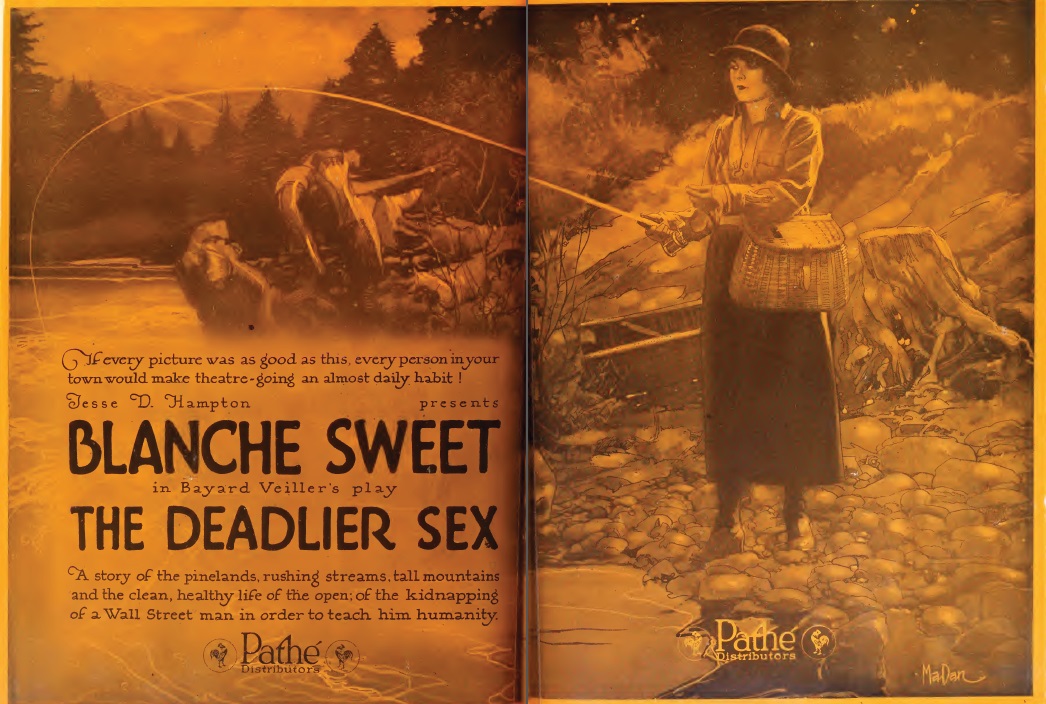
Dir: Robert Thornby
Mary Willard takes over her father's railroad after his death. Her major competitor is a ruthless crook named Harvey Judson. She arranges for Judson to be kidnapped and taken to an isolated spot deep in the forest and turned loose to fend for himself. She accompanies the kidnappers to the wild and Judson, not knowing who she is, begins to fall in love with her. Complications ensue.
View Details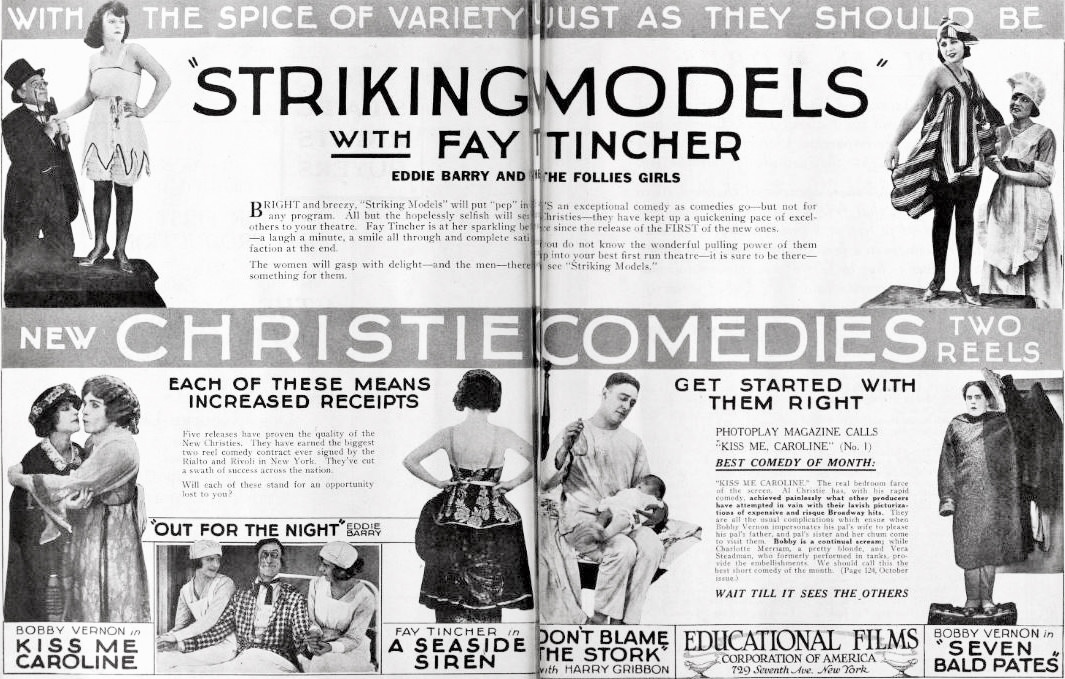
Dir: Reggie Morris
A fascinating piece of cinema that shares thematic elements.
View Details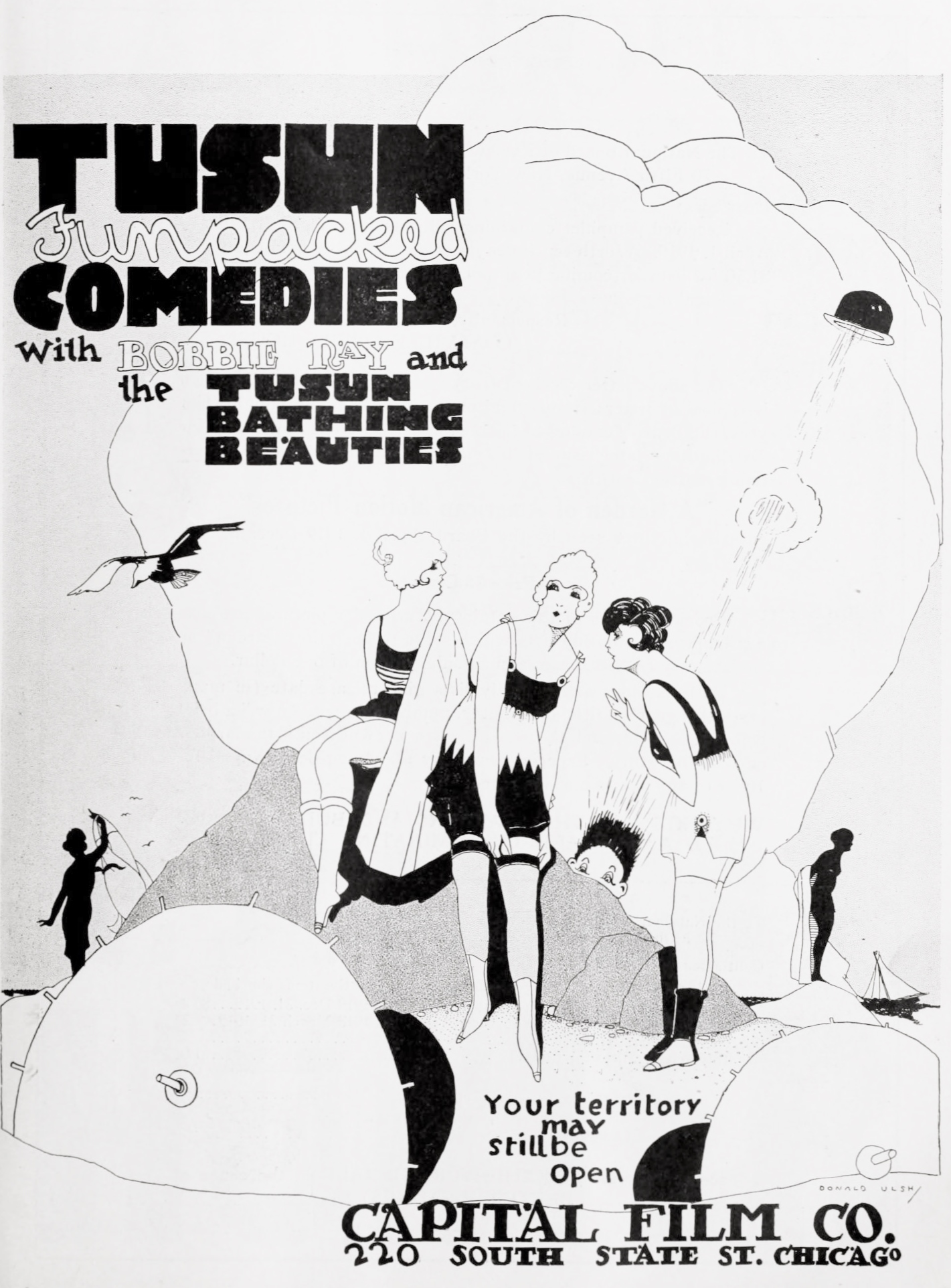
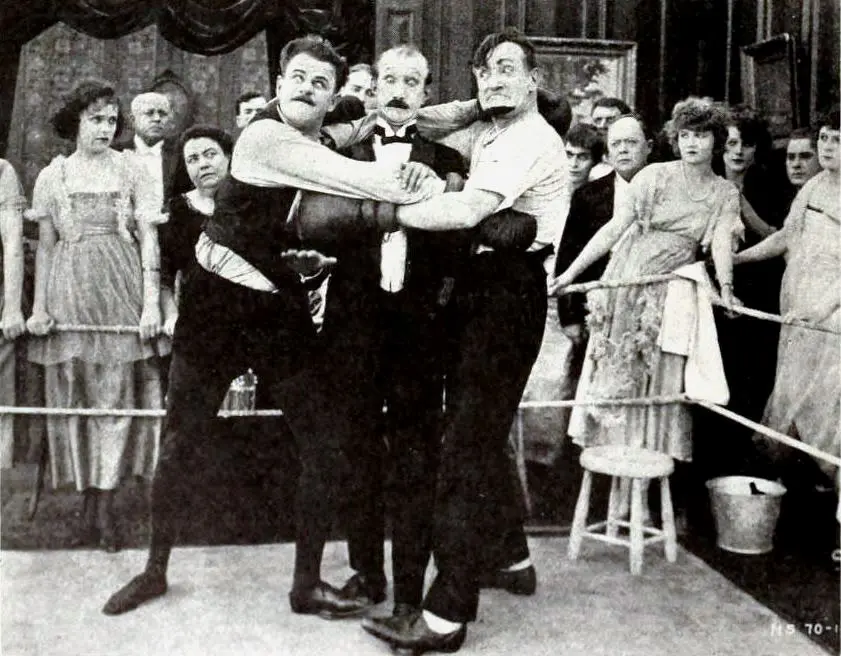
Dir: Unknown Director
The village youths are rivals for the hand of the local belle. Their battles lead them to the village store, where chaos soon reigns, terminating in the place being blown up, leaving Bobby a happy victor.
View DetailsAnalysis relative to The Katnips of 1940
| Film Title | Atmosphere | Complexity | Similarity |
|---|---|---|---|
| In the River | Gritty | High | 92% Match |
| Trail of the Rails | Tense | Layered | 96% Match |
| The Amazing Quest of Mr. Ernest Bliss | Gritty | Linear | 86% Match |
| Down the Mississippi | Gritty | Linear | 92% Match |
| Don't Weaken! | Tense | Dense | 89% Match |
This guide was algorithmically generated using the cinematic metadata of Harry Love's archive. Last updated: 6/20/2026.
Back to The Katnips of 1940 Details →