United States
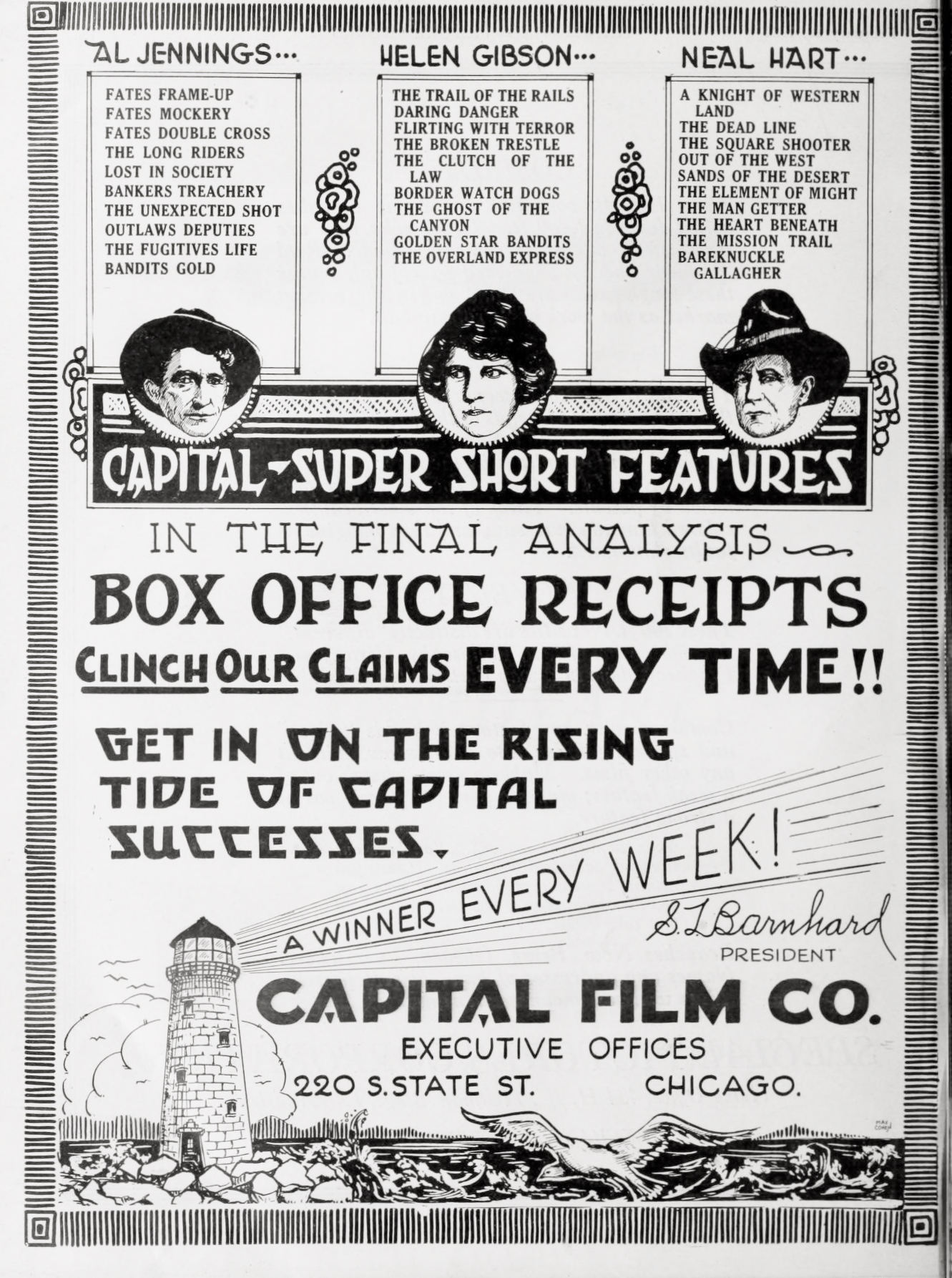
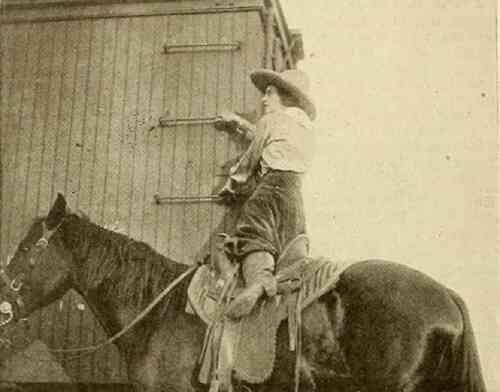
The Iron Muse: How Trail of the Rails Turns a Locomotive into Lyric Poetry There is a moment—blink and you’ll miss it—when Helen Gibson’s boot heel scrapes the lacquered varnish of a Pullman step, sending a spark that arcs through the emulsion itself, as though celluloid has become live rail. That spark is the film’s ...
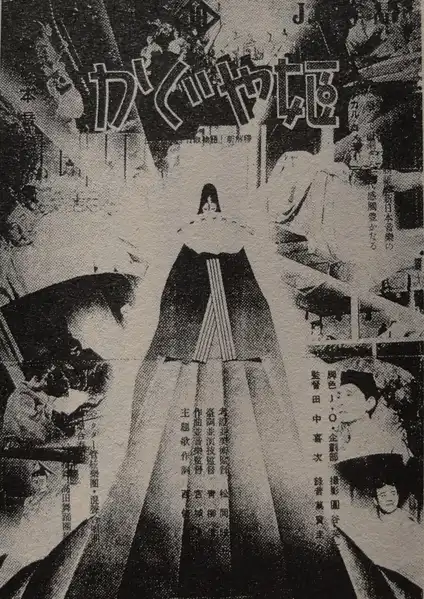
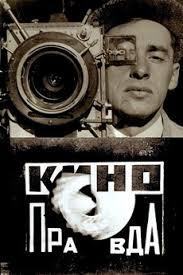
Comparing the cinematic DNA and archive impact of two defining moments in cult history.
Unknown Director

Unknown Director
Community
Log in to comment.
" The Iron Muse: How Trail of the Rails Turns a Locomotive into Lyric Poetry There is a moment—blink and you’ll miss it—when Helen Gibson’s boot heel scrapes the lacquered varnish of a Pullman step, sending a spark that arcs through the emulsion itself, as though celluloid has become live rail. That spark is the film’s manifesto: movement as memory, steel as syntax. Shot on location between the Raton Pass and the Galveston docks during the autumn of 1918 while influenza convoys halted traffic, Tr..."