
DbcultAccessing Vault...
Recommendations
Senior Film Conservator
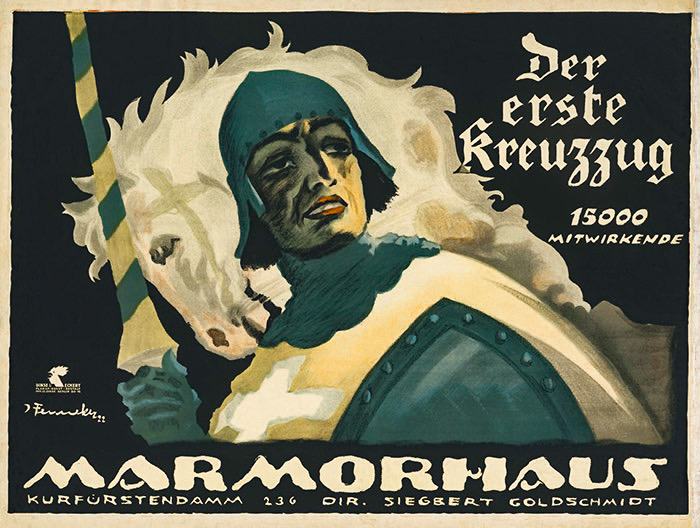
In the vast archive of Short cinema, The Last Crusade stands as a character-driven intensity beacon, it's essential to look at the contemporaries that shared this character-driven intensity. Our cinematic experts have identified several titles that reflect the spirit of 1922.
Few films from 1922 manage to capture to leave an indelible mark on the history of United Kingdom film.
Critics widely regard The Last Crusade as a cult-favorite piece of Short cinema. Its character-driven intensity is frequently cited as its strongest asset, solidifying its place in United Kingdom's film legacy.
Based on the unique character-driven intensity of The Last Crusade, our vault has identified these titles as the most compelling follow-up experiences for fans of Short cinema:
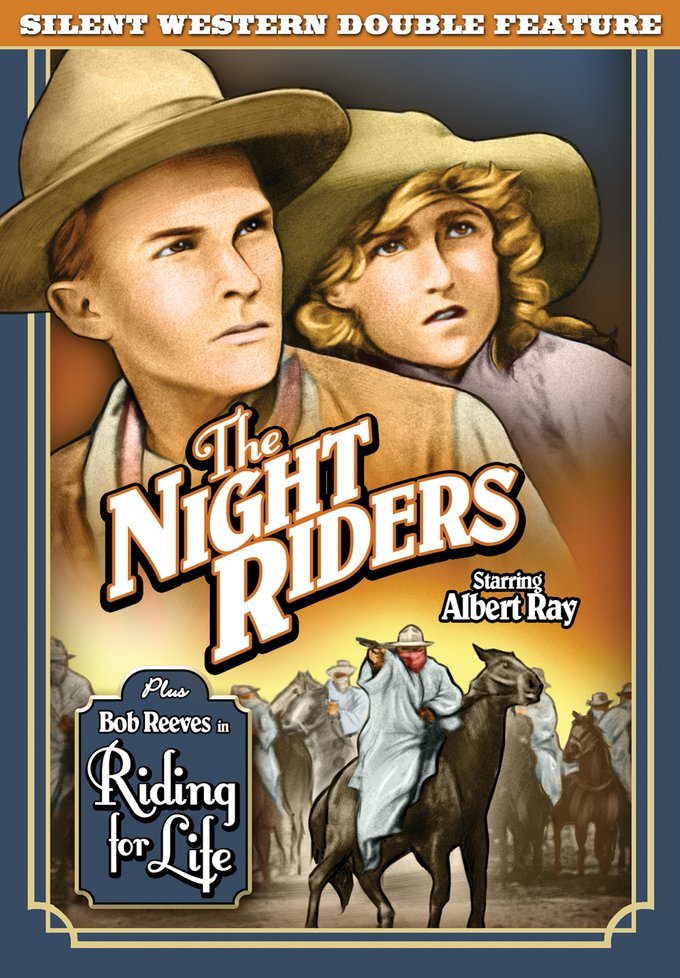
Dir: Alexander Butler
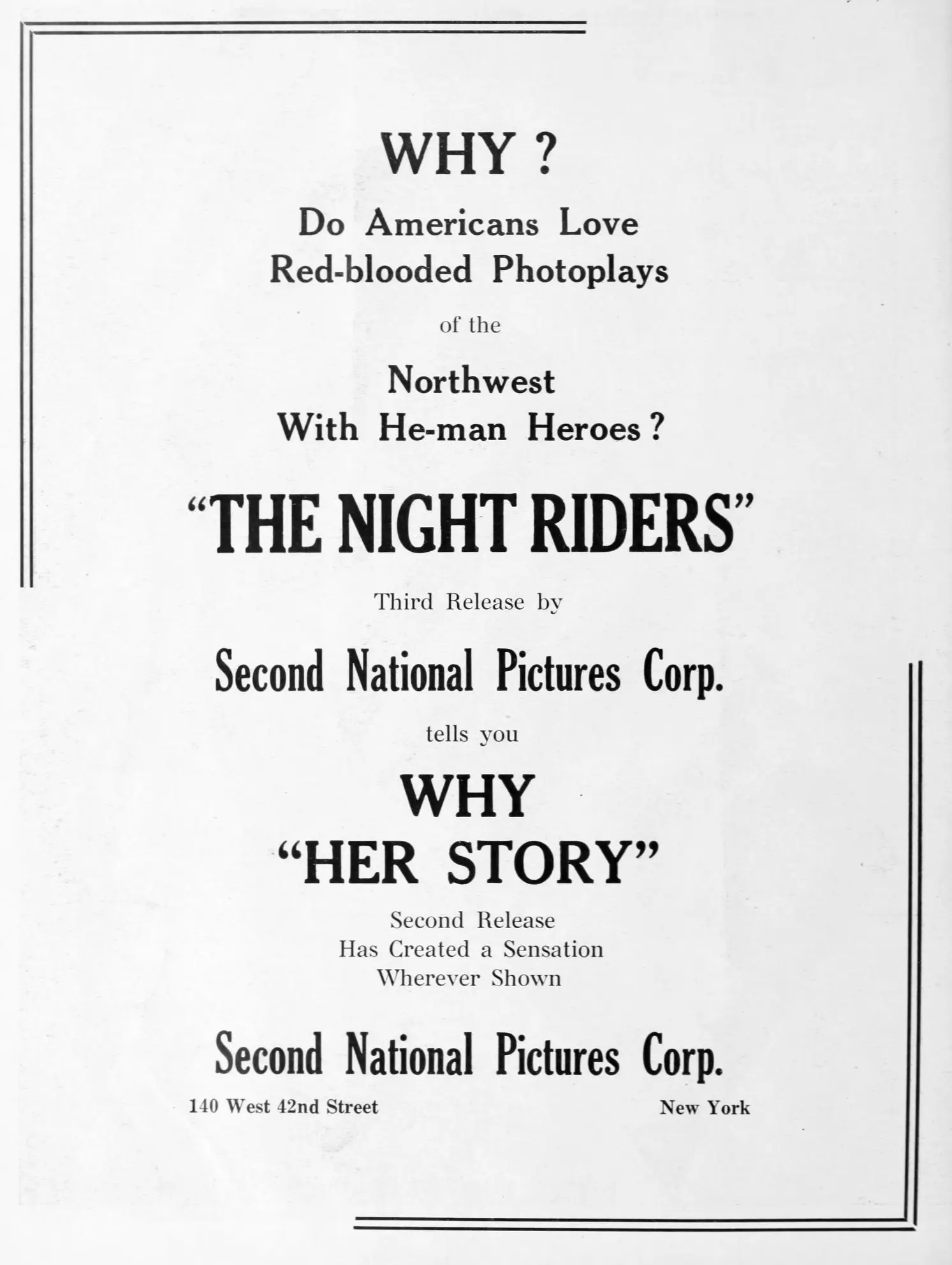
In Alberta, Canada, a Cornish emigrant unmasks a rustler posing as the girl's "blind" father.
View Details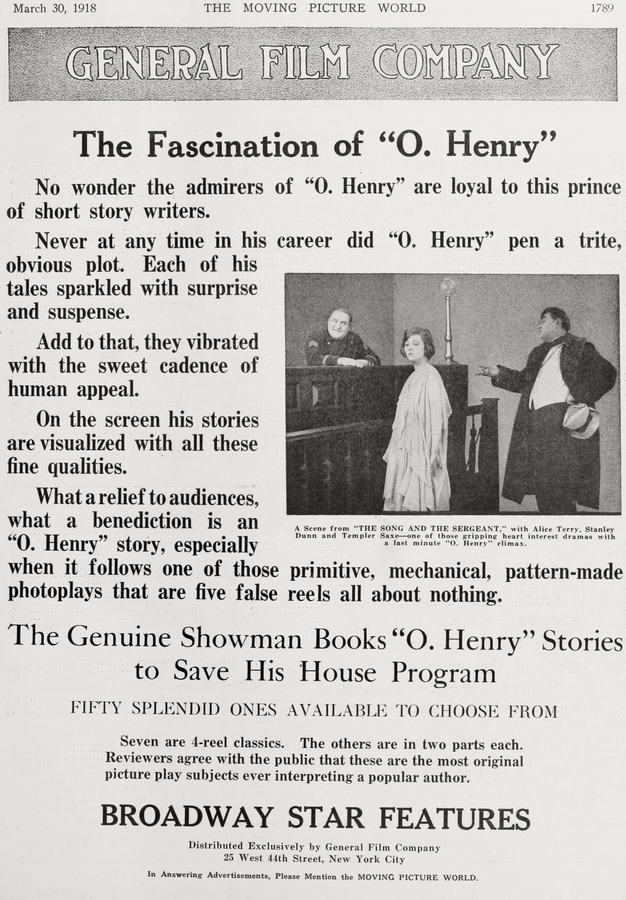
Dir: George Ridgwell
A vaudeville act which falls flat after starting off with great promise furnishes the theme for this two-reel O. Henry story. No one is able to ascertain the cause, and after the cast creates so much disturbance in a restaurant that they are arrested and taken before the police sergeant do his judicious questions enable the police matron to fathom the mystery; that is, that the situation where the star always breaks down and weeps is because the leading man is in love with her and trying to show it in his singing.
View Details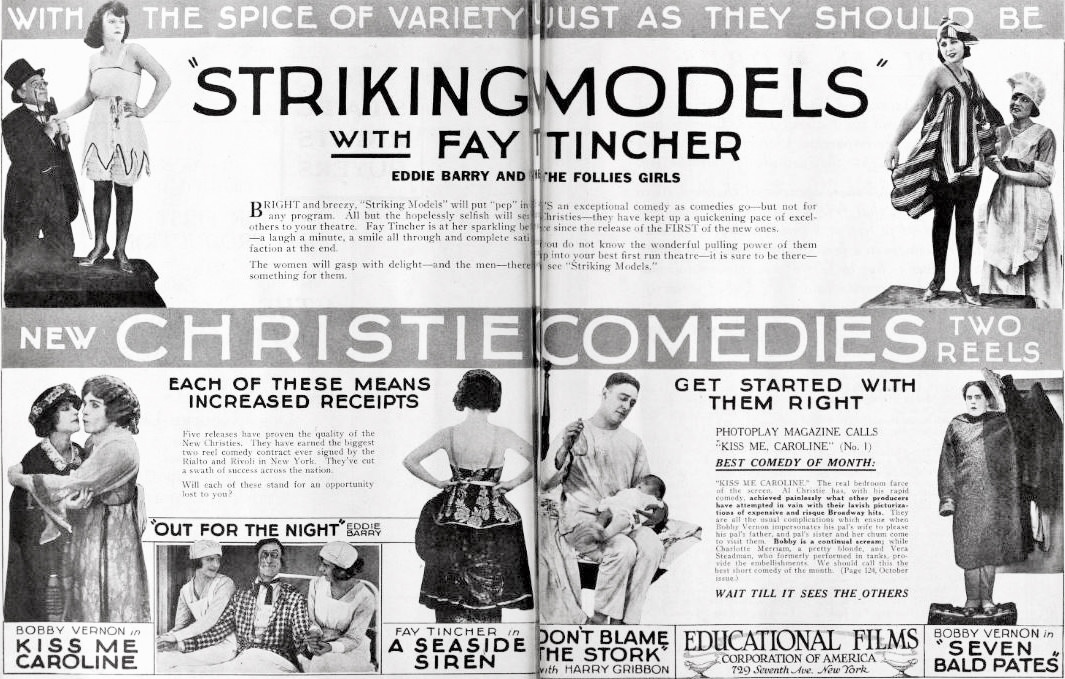
Dir: Reggie Morris
A fascinating piece of cinema that shares thematic elements.
View Details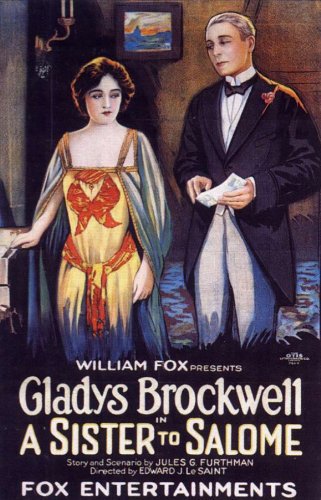
Dir: Edward LeSaint
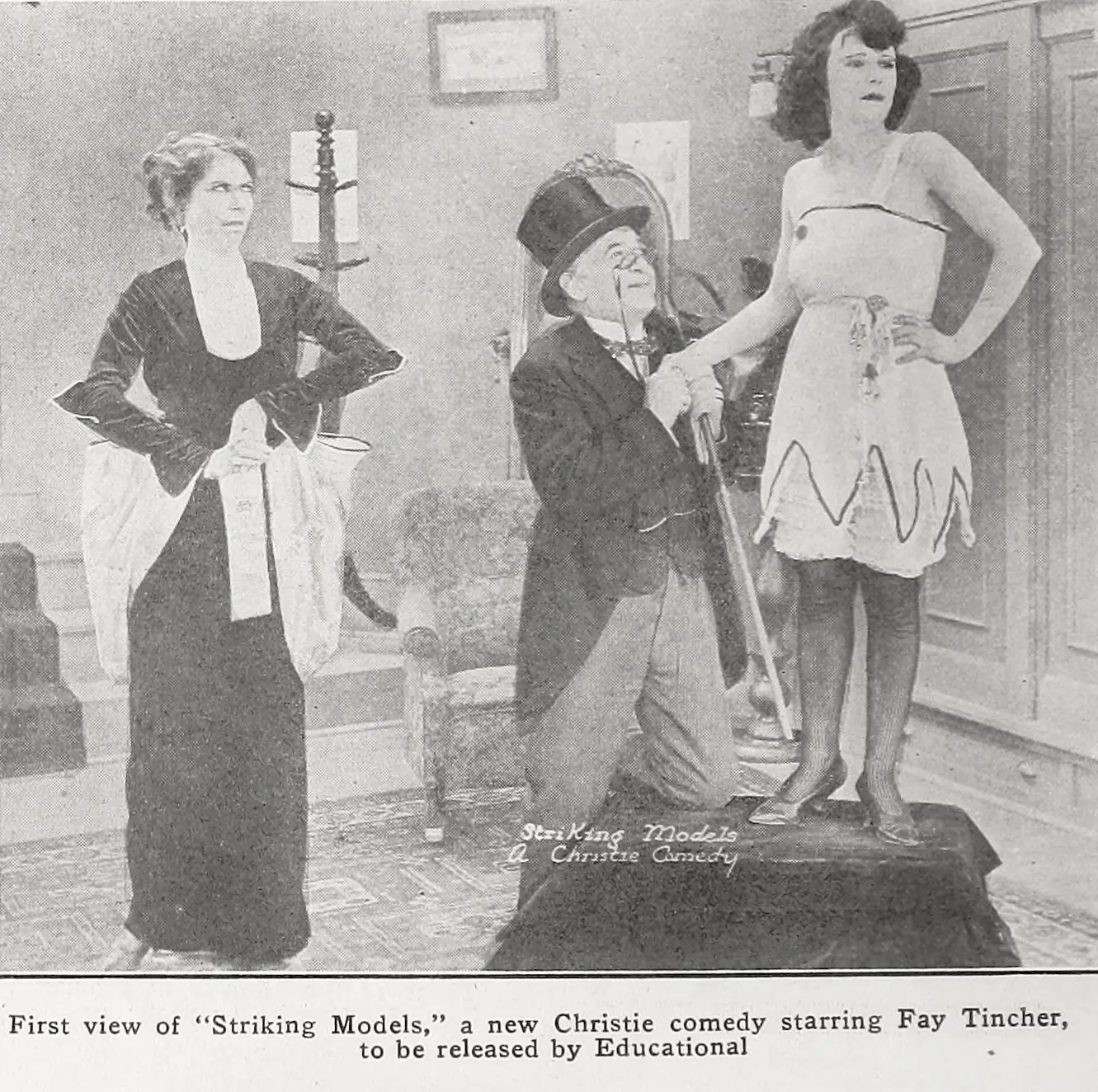
When famous opera singer Elinore Duane undergoes an operation on her throat, she has a series of ether-induced visions. In one, she is transported to ancient Rome where she appears as a much-admired woman in love with Paul, a young heretic, and at odds with Lutor, the high priest. To save her love, she poisons Lutor with her ring. After several other visions which involve variations on this love triangle, Elinore awakens to discover that Lutor is actually her doctor, Sascha Jaccard, and that Paul is the son of a friend who has come to visit the recovering prima donna.
View Details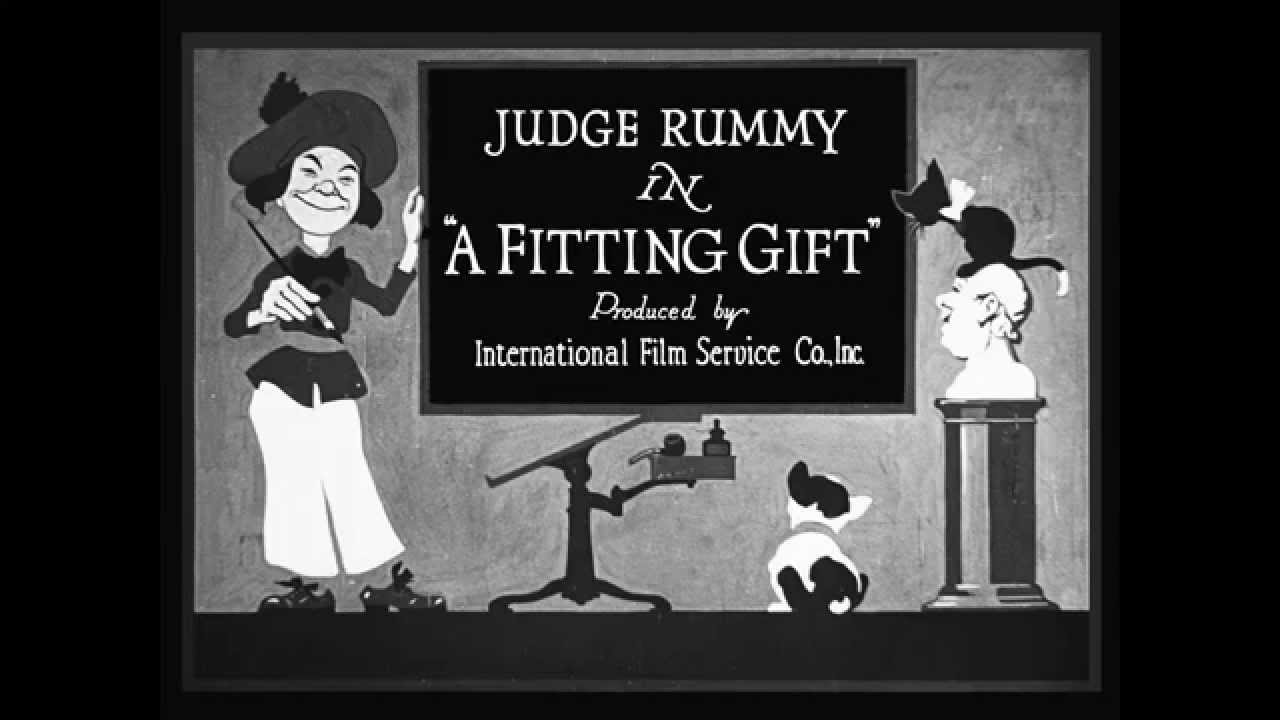
Dir: Unknown Director
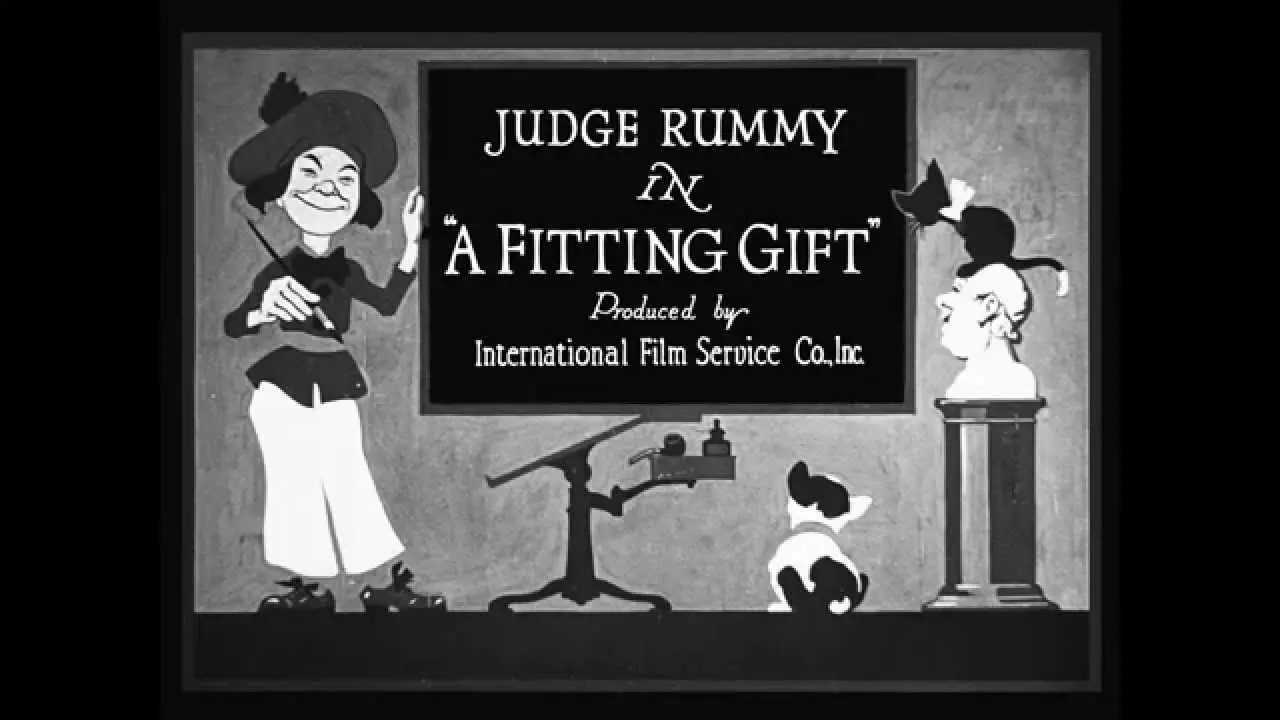
The Judge needs a present for his wife's birthday, so Harry suggests a new corset. They go to the shop, but he's so embarrassed to ask the saleslady he hides in a phone booth.Harry goes in, but finds a GUY wearing one, and runs out.They both dress as women to get back in, but Mrs. Rummy gets there and chases him out.
View Details
Dir: Bruno Ziener
A fascinating piece of cinema that shares thematic elements.
View Details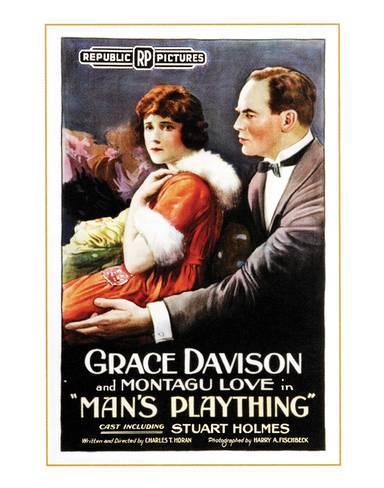
Dir: Charles Horan
While working as a flower girl in Devlin Maddox's nightclub, Nellie Vaughan meets wealthy young Pelton Van Teel and falls in love. Maddox, desirous of using Nellie to blackmail Van Teel, spreads a rumor that she is his mistress. This makes Nellie uncomfortable, and she demands that Van Teel marry her immediately, to which he agrees. Meanwhile, Van Teel has been losing money gambling to Maddox, who threatens to break up the marriage by producing a worthless check that the young husband has written. Venturing to Maddox's apartment for a showdown, Nellie pulls a gun and demands the check, accidentally shooting Maddox when he throws a lamp at her. Maddox plans to charge Nellie with assault, but when the police arrive, his butler, actually a detective employed by the elder Van Teel, exposes Maddox, who is then arrested, clearing the path for the couple's happiness.
View Details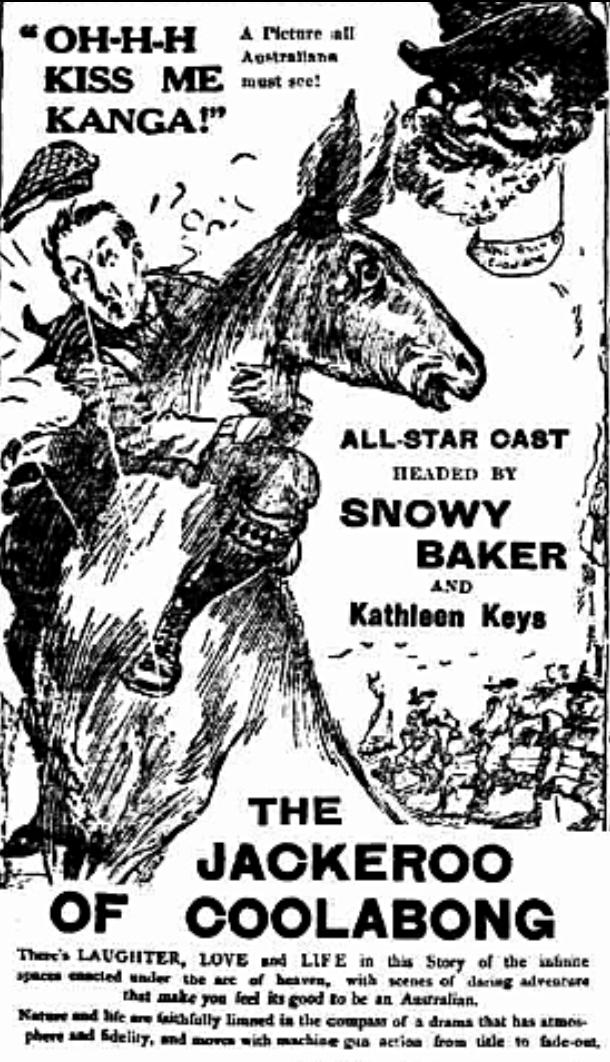
Dir: Wilfred Lucas
Brian O'Farrell (Snowy Baker), is an English 'new chum' who takes a job at an Australian cattle station. He is teased by station hands because of his appearance (including spats and a monocle) but he soon impresses them with his skills at riding and boxing. The station manager, John MacDonald (Wilfred Lucas), takes O'Farrell to Sydney to meet his daughter Edith (Kathleen Key) who is working in the slums. Edith is kidnapped by criminals after witnessing a crime but O'Farrell rescues her. It is later revealed he is the owner of the station.
View Details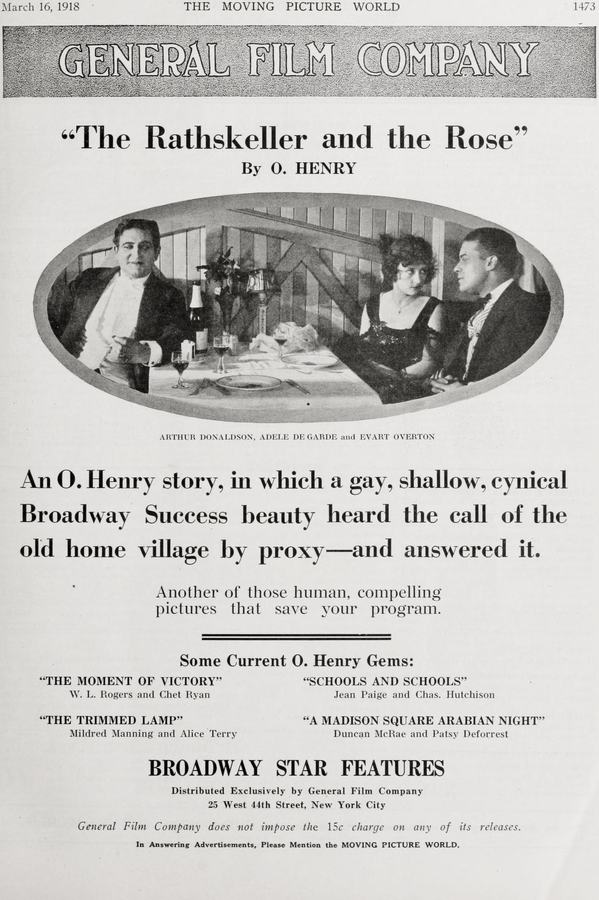
Dir: George Ridgwell
A country girl runs away to town, and achieves success as an actress. A struggling actor desiring a part in her company visits her home town, absorbs local color, and on his return brings a faded rose from the girl's mother, and poses as one of her country neighbors with such success that the girl cancels all engagements and returns home. Then the actor decides to follow her.
View Details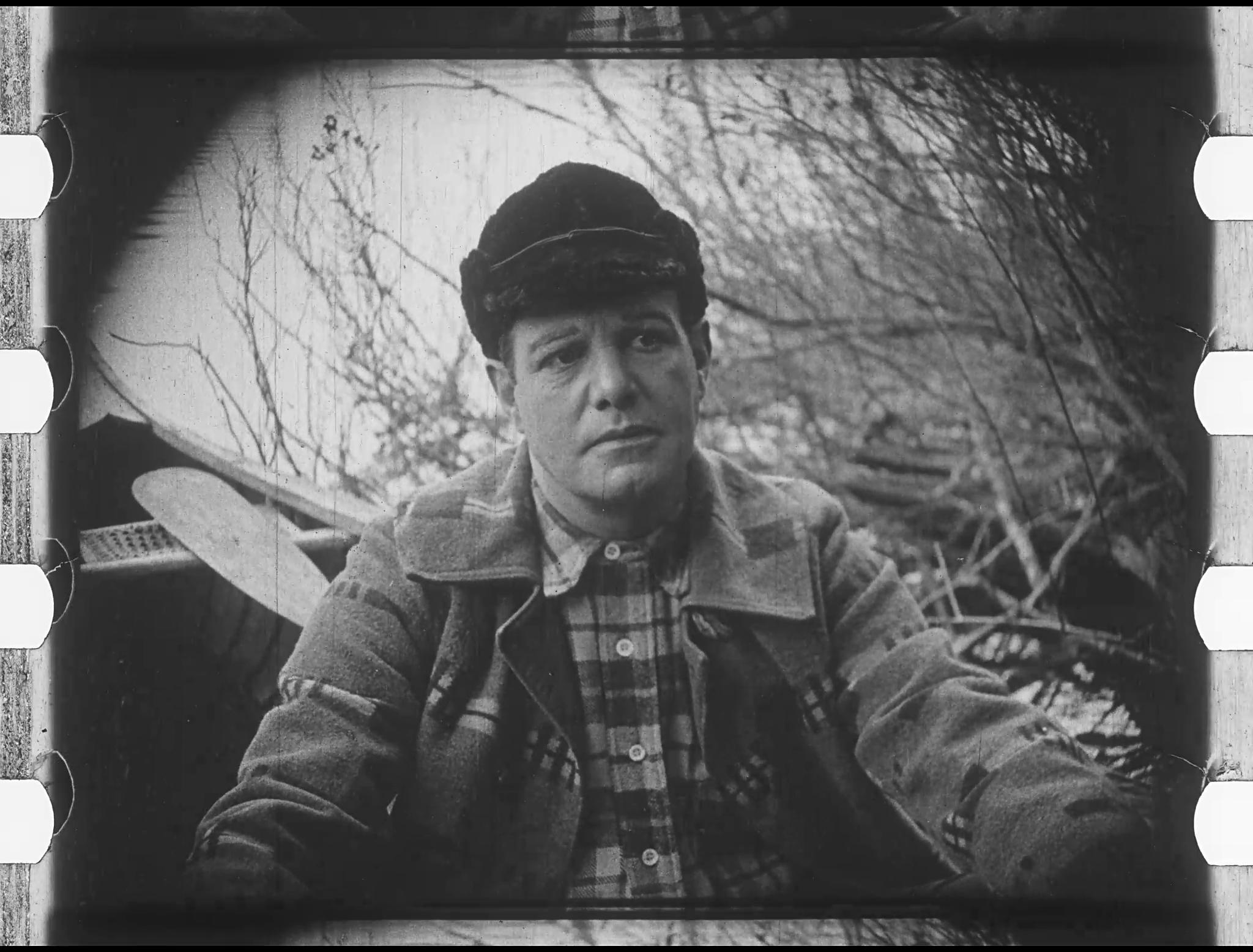
Dir: Edgar Jones
A mail-order bride arrives at a Maine lumber camp but doesn't like her prospective husband.
View DetailsAnalysis relative to The Last Crusade
| Film Title | Atmosphere | Complexity | Similarity |
|---|---|---|---|
| The Night Riders | Ethereal | High | 96% Match |
| The Song and the Sergeant | Ethereal | Layered | 97% Match |
| Striking Models | Tense | High | 96% Match |
| A Sister to Salome | Gothic | High | 88% Match |
| A Fitting Gift | Surreal | Layered | 96% Match |
This guide was algorithmically generated using the cinematic metadata of George Ridgwell's archive. Last updated: 8/17/2026.
Back to The Last Crusade Details →