
DbcultAccessing Vault...
Recommendations
Senior Film Conservator
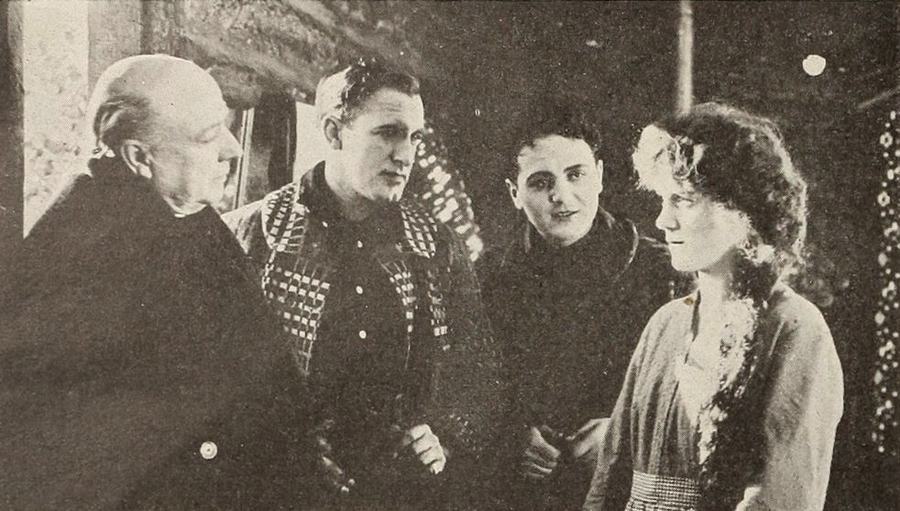
The artistic legacy of Raymond Wells was forever changed by The Law of the Great Northwest, the thematic layers of this 1918 classic invite a wider exploration of the genre. This list serves as a bridge to other cult experiences that are just as potent.
The vintage appeal of The Law of the Great Northwest to reinvent the tropes of cult cinema for a global audience.
Hal Sinclair, the chief agent at the Fort Roscher trading post in the Canadian Northwest, controls the town and cheats the trappers, until a group of independent fur traders arrives. After nearly all of the traders are killed by Sinclair's brutal henchman, Mont Brennan, Officer Jamison of the North West Mounted Police is sent to investigate. Charles Morin, a wealthy French Canadian businessman, also arrives at Fort Roscher that week with the intention of entering the fur trade, and soon falls in love with Petain Monest's pretty daughter Marie. Sinclair, who also loves Marie, commissions Brennan to kill the young trader, but Marie overhears their plans. As Brennan is taking aim, Marie shoots and kills him and subsequently is accused of murder. Jamison has also fallen in love with Marie, but realizing that she prefers Morin, he decides to stand by the young couple. With Jamison's help, Marie is exonerated and finally joined to the man whose life she saved.
The Law of the Great Northwest was a significant production in United States, bringing a unique perspective to the global stage. It continues to be a top recommendation for anyone studying cult history.
Based on the unique unique vision of The Law of the Great Northwest, our vault has identified these titles as the most compelling follow-up experiences for fans of cult cinema:
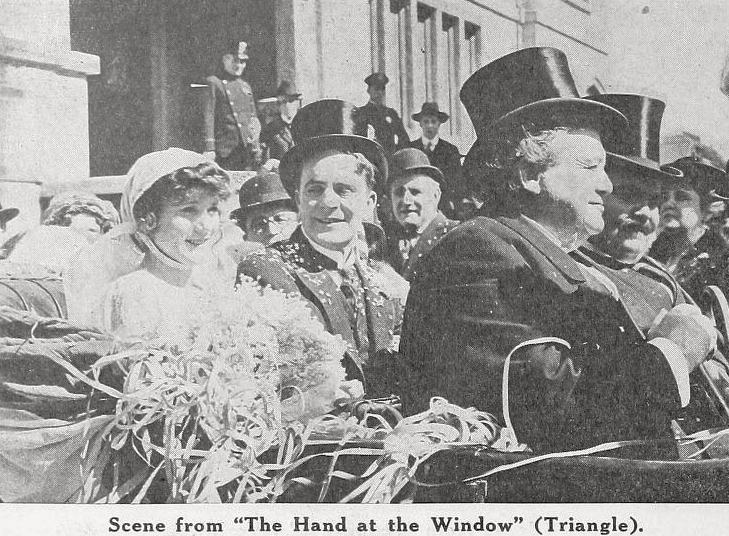
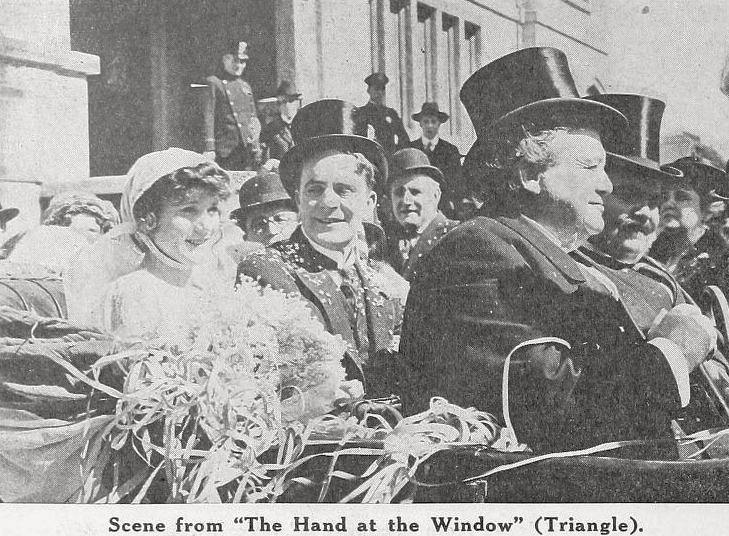
Dir: Raymond Wells
The story gets away with a bang, as the wedding of Tony the Banker is rudely interrupted by Detective Moran and the bridegroom is dragged off to the station house. Tony is tried, convicted of counterfeiting and sent to prison. Moran becomes a police captain and, shortly afterward, runs up against the most baffling mystery of his career. Laura Bowers, a new boarder at the house where he lives, is the person that excites his curiosity. He sees her open a street door with a hairpin, but is forced to believe her when she assures him she is now leading an honest life. A love affair follows. After the wedding the couple go to their own home and Moran is shot while seated at a window. Tony threatened to get even when Moran was married and the news is brought that the Italian has escaped from prison. The fact is also established that he was killed while trying to resist capture, but finger marks outside the window prove that he is implicated in the shooting of Moran. The explanations are cleverly planned.
View Details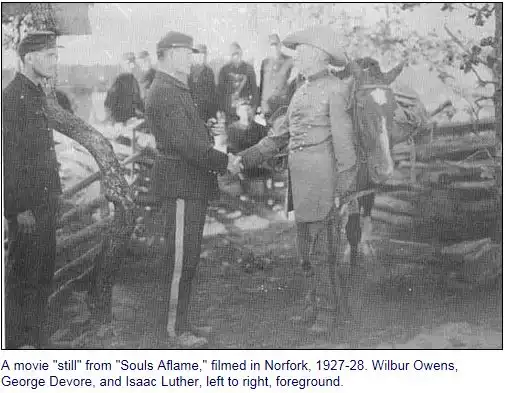
Dir: Raymond Wells
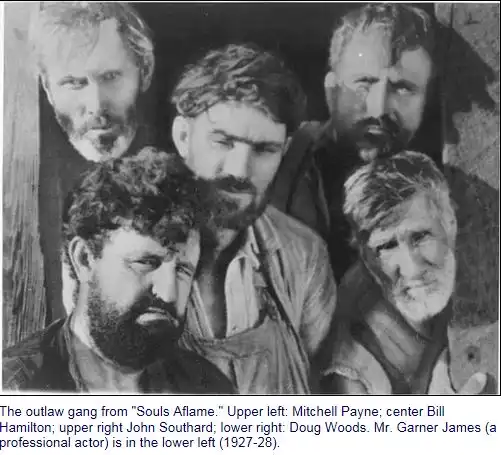
It is about the Civil War. Dismayed it was made in Norfork Arkansas in 1928
View Details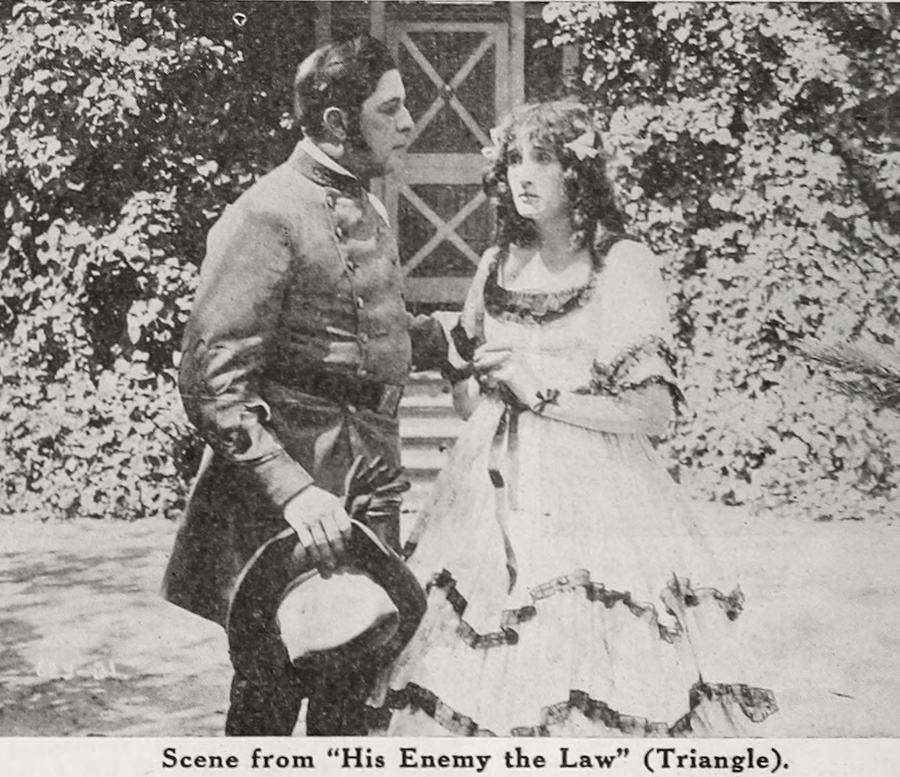
Dir: Raymond Wells
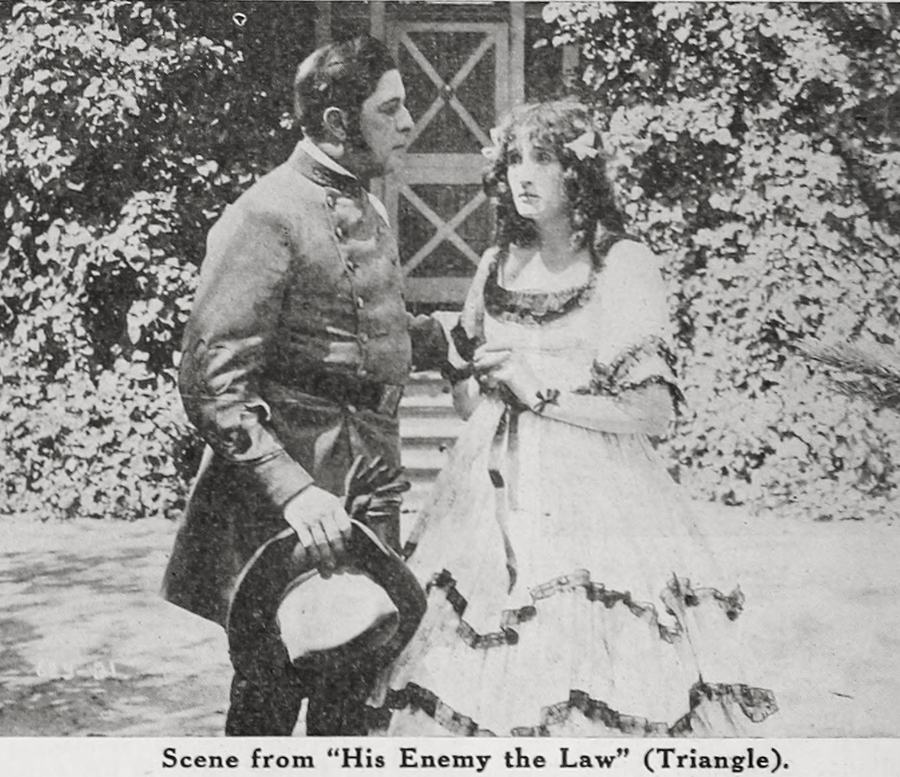
Captain Jack Rogers returns home from the Civil War to find that his fiancée's father has broken his engagement to Sarah Catherwood because Jack's income is so low. Jack goes West to earn his fortune but soon hears that Pamela has wed her former suitor, Randolph. Heartbroken, Jack proposes to a widow, but their marriage is so unhappy that he leaves, taking his son John with him. In the town of Ten Strike, Jack robs a stage and is shot by a posse. The sheriff adopts little John, who grows to manhood nurturing such an intense hatred for the law that in his renowned law practice, he intentionally helps notorious criminals escape justice. Sarah's daughter, Sally Randolph, begs John to defend her lover who has been charged with murder, and John succeeds in winning his freedom, but upon the young criminal's release from prison, he is shot and killed. When John and Sally discover that their parents were in love, they marry and begin a new life together.
View Details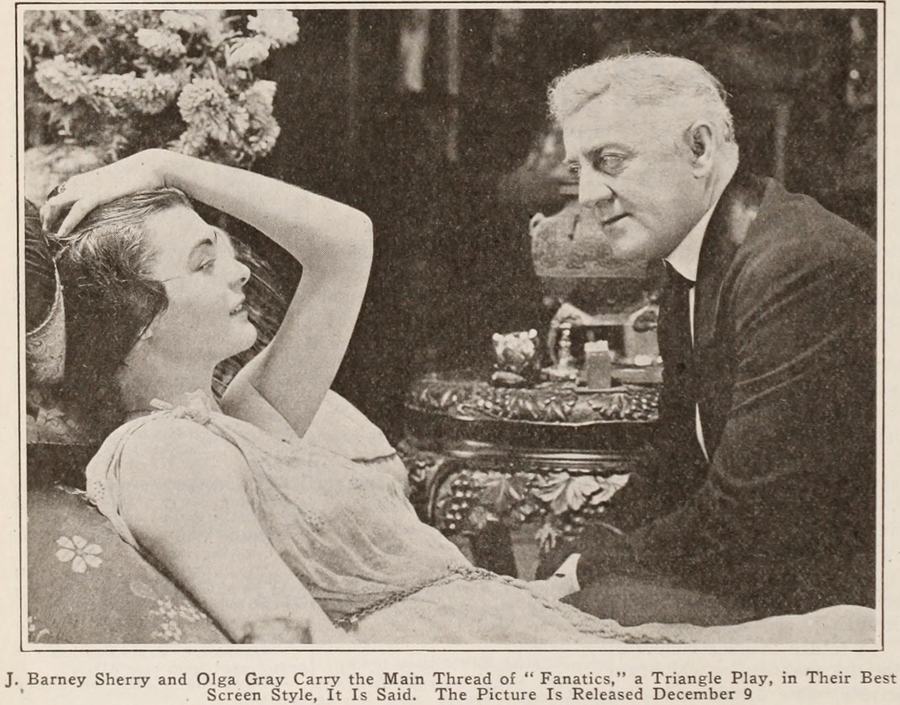
Dir: Raymond Wells
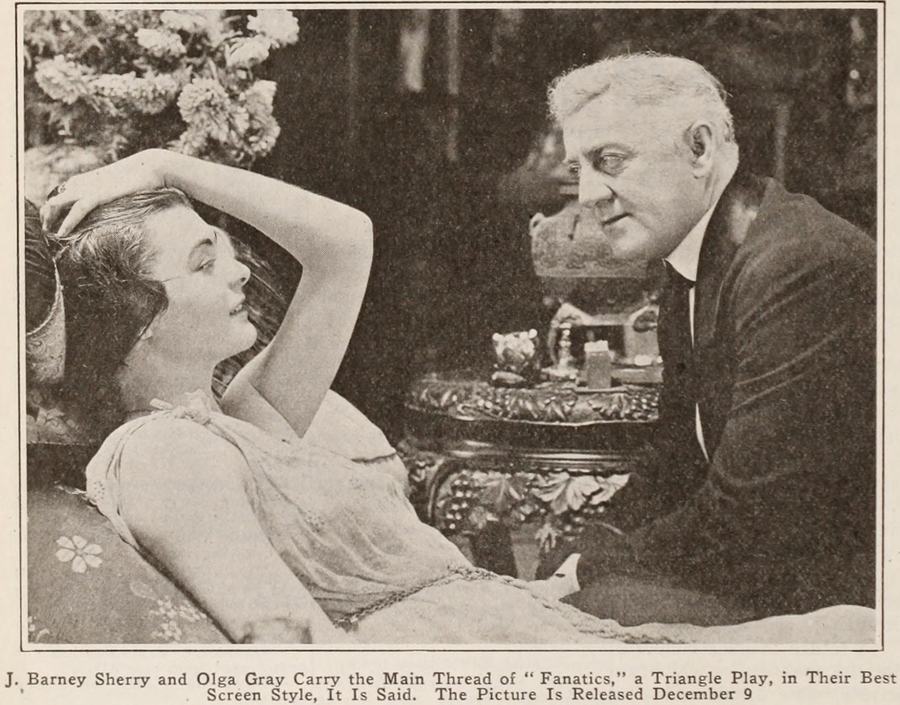
Failing to get a loan from Nicholas Eyre, the Steel King and friend of his wife's father, Robert Lathrop induces his wife to beg for the money he plans to spend upon his mistress. He is given a check. Hurrying to Lola's apartments, he finds her in the arms of her lover, Haskell. In the fight that follows, Lathrop is killed and left in the park. Believing her husband to be a suicide because Eyre refused to advance him funds, the wife plans to revenge what she considers his murder, but enlightenment comes after terrible damage has been done.
View Details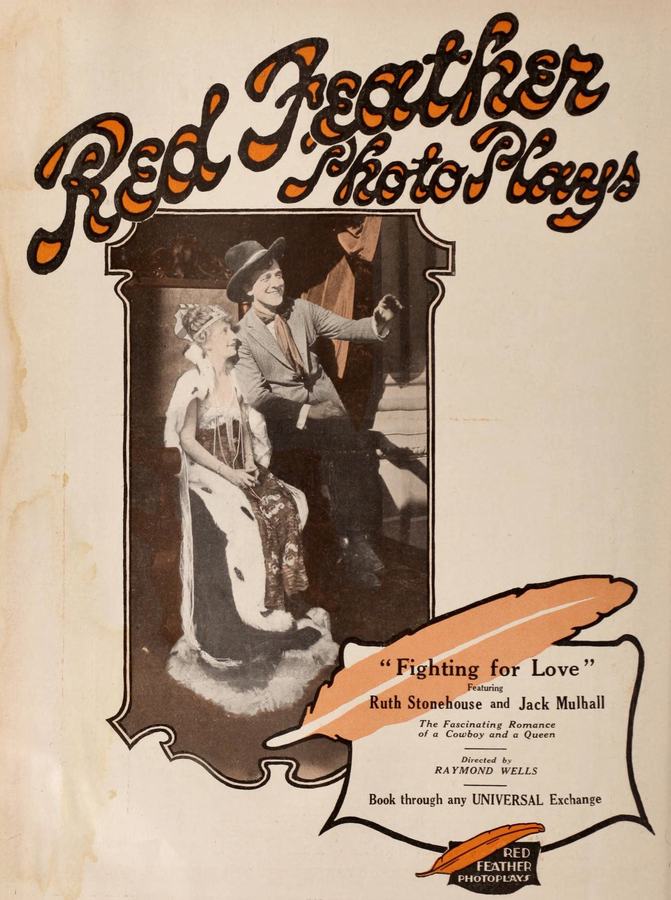
Dir: Raymond Wells
In adjoining kingdoms rule Sylvia, beloved of her people, and Ferdinand, who is forced to exact homage from his subjects. He spends his life in riotous living. One day the two meet, and straightway Ferdinand decides that he will marry the queen, sending his prime minister with the proposal. But she refuses it. He delivers the ultimatum that unless she consents to his proposal within a certain space of time, he will declare war. In America two cowboys, Jim and Johnny Little Bear, discover a rich mine and decide to spend some of the money traveling. The two start out. It happens that during their travels they stop near the kingdom of Sylvia, and Jim, wishing to see a real queen, makes bold to climb the wall. He sees a beautiful lady, who is none other than Sylvia herself, but he thinks her one of the court ladies. She finally confides the predicament of the queen, and he tells her that he will come to the assistance of the great lady. He wires to Bill, one of the cowboys, and tells him to come on with the whole gang. When he rides to the palace to tell the lady, he finds that she is the queen. Meantime, Ferdinand's favorite, seeing that her reign is coming to an end, tries to hold him, but he refuses to have more to do with her. Both sides prepare for battle. Ferdinand, with his army, attacks Sylvia's force before the cowboys arrive, and they are being forced to retreat when Bill arrives and saves the day. The favorite is killed when she tries to slay Sylvia. Jim explains to the boys that he is in love with Sylvia, and they finally persuade him to ask her hand in marriage. But Sylvia kindly explains that though she loves him, the dictates of custom compel her to marry royalty. Bill and the boys, seeing that Jim is taking this keenly, leave him in the palace and after a time return, telling him that they have captured the whole of Sylvia's forces, and that now he is the king. Sylvia is informed of this and with queenly dignity places her crown upon Jim's head, and so accepts his proposal of marriage.
View Details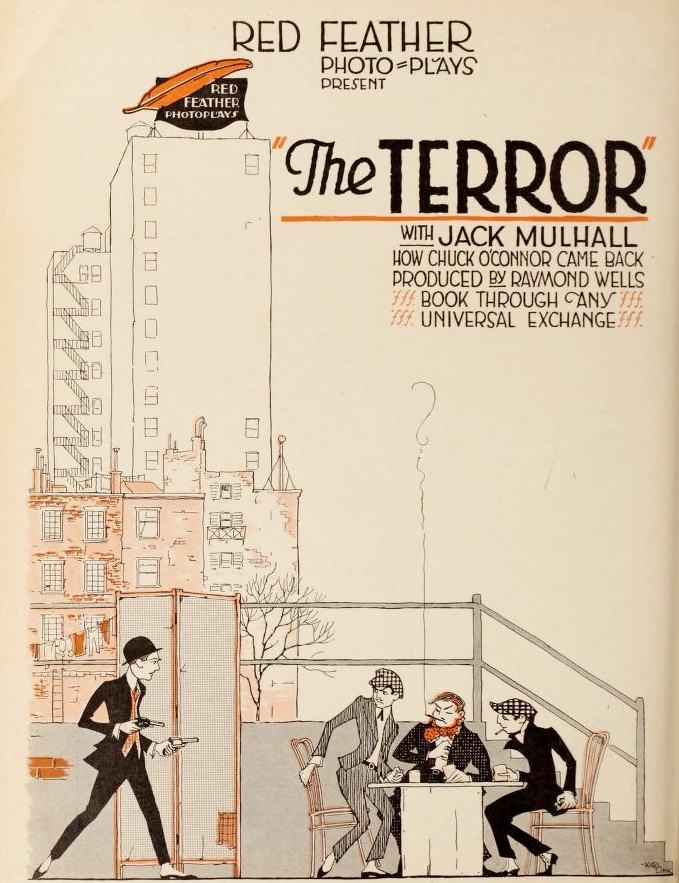
Dir: Raymond Wells
Chuck Connelly discovers his sister in a compromising situation with a gunman and kills the man. Two private detectives connect him with the crime. Later, the members of the protected organization to which the man belonged, attempt to kill Chuck, but he kills three of them and the detectives help him make a getaway. They then force Chuck with threats of the electric chair to kill a reformer who has been upsetting the organization. Chuck then becomes a regular member of the gang. Chuck falls in love with Annie Mangan, who is persuaded to go to the Salvation Army home. Chuck comes to the dancehall looking for her and is told that she has joined the Salvation Army. The new District Attorney is pounding the graft organizations. Word is passed to the gunmen to get him. Chuck goes to the District Attorney's house to threaten him, and is taken aback when the District Attorney's three-year-old daughter leans trustfully on his knee and looks up into his face with a smile. He goes to the Salvation Army for another sight of Annie. Chuck's sister has become the mistress of Jim Canford, the man higher up. The District Attorney pays no attention to the warning. Chuck is ordered to kill him and breaks into the house. He sees the District Attorney's little daughter, who forgot one of her dolls and is on her way to the library to get it. He steps out of sight, the child passes him, and he attempts to go up the stairs but cannot do it. Canford arranges to put some other man on the job and accuse Chuck. His sister overhears and warns Chuck, who has gone to the Salvation Army. He tells Annie he has thrown the gang down and asks her to teach him "this religion thing." She explains, but he cannot understand how a few words of acknowledgment can square all he has done. His sister arrives and, seeing a chance "to square himself with God," goes to save the District Attorney. The gunmen have surrounded the District Attorney's house before Chuck arrives. He reaches the door and sees the gunmen. There is no time to wait, so he breaks through the library window, grabs the District Attorney and his daughter, hurries them up stairs and faces the gunmen. The District Attorney's life is saved, but Chuck is mortally wounded. Word is sent to Annie and his sister and they come to the house. Chuck dies, feeling that this was the only way in which he could atone.
View Details
Dir: Raymond Wells
A ranch foreman wins a series of events at a frontier day rodeo.
View Details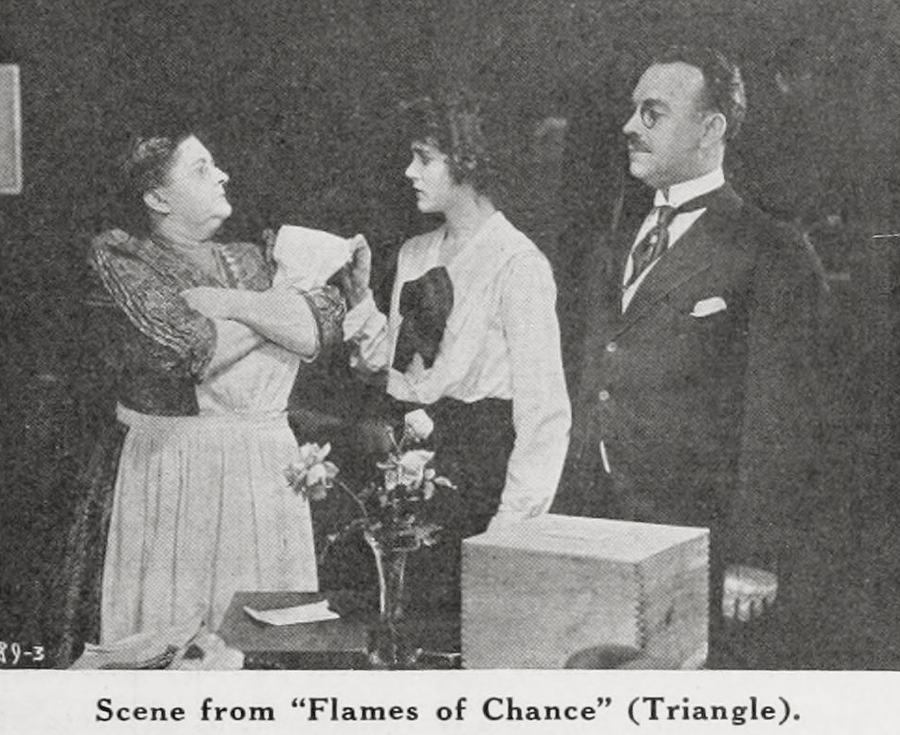
Dir: Raymond Wells
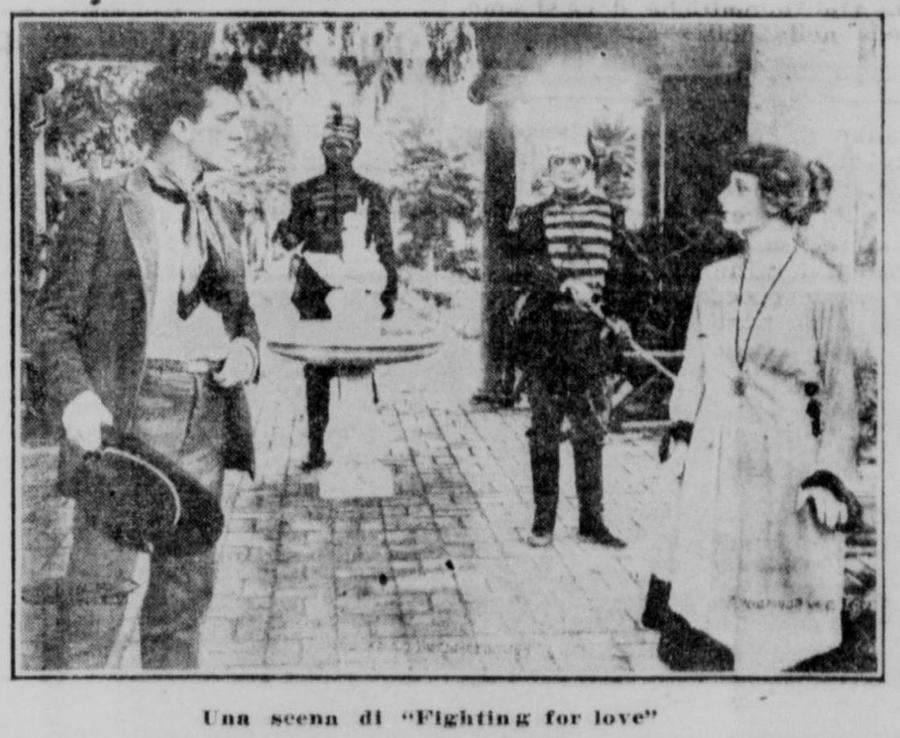
During World War I, Jeanette Gontreau becomes a "godmother" to three Allied soldiers imprisoned in a German camp. Describing herself as an old woman, she sends them cheerful letters and baskets of small gifts until one of the soldiers, Harry Ledyard, informs her that he has been released and will visit her in New York. Panic-stricken, Jeanette dons a wig and spectacles, and although she convinces Harry that she is old and gray, she soon falls in love with him. Harry worships his "godmother," and when secret service agents discover coded messages on her letters, he shields her by assuming the blame. Eventually, however, Jeanette's employer, Frederick Armstrong, confesses that it is he who is guilty of espionage. Jeanette reveals her true age to Harry, who joyfully proposes to her.
View Details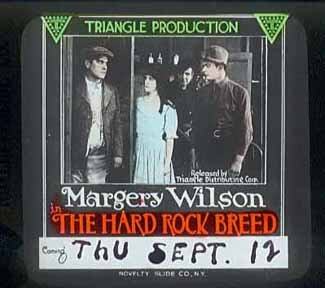
Dir: Raymond Wells
Donald Naughton, the lazy son of a self-made millionaire named Bill Naughton, is sent to his father's rock quarries to replace the crooked superintendent, Mike Carney. The job at first proves difficult for Don, who does not know how to handle the rock drillers, but is made somewhat more pleasant by the presence of Shiela Dolan, the pretty daughter of Naughton's old friend Lynch, an alcoholic. Don hires a new gang of workmen, but they prove to be anarchists secretly in Carney's employ. The young boss earns the respect of the regular hands by beating Jerry Shea in a fight, but Carney and his partner, Greek Louis, succeed in stirring up a strike. After Don and his men defeat Carney's agitators in a brawl, Don saves Carney from a lynch mob. The men return to work with a new respect for their boss, and Don wins Shiela's love.
View Details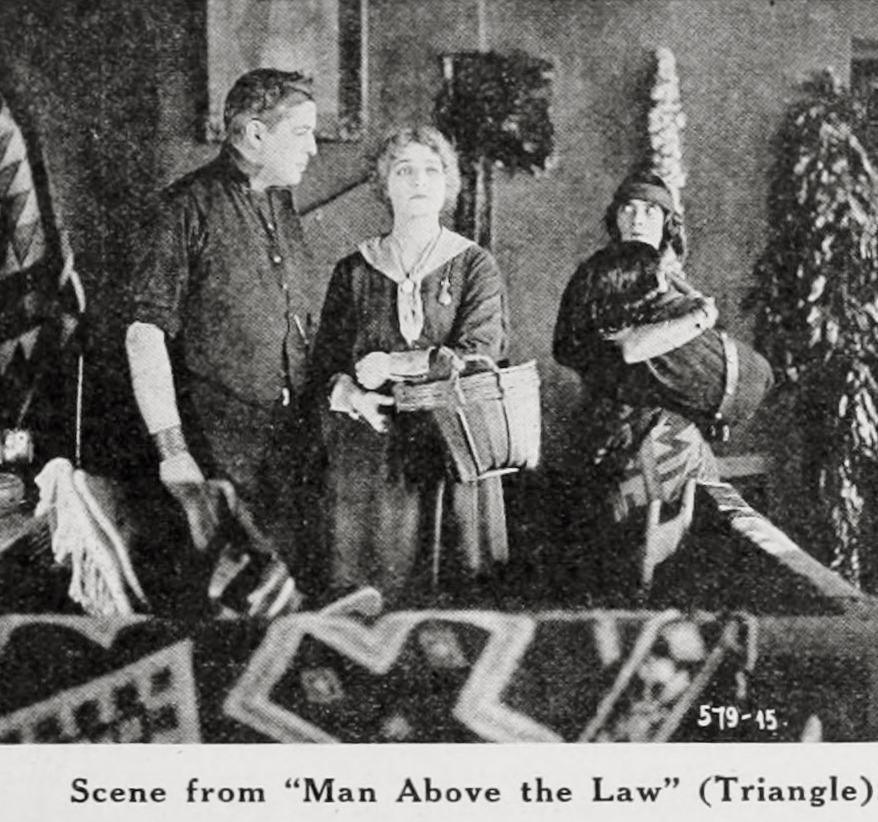
Dir: Raymond Wells
Having been unlucky in love, Duke Chalmers renounces civilization and moves to New Mexico, where he establishes himself as an illicit whiskey trader. Although he does not really love her, Duke marries Natchah, a Navaho Indian, who bears him a daughter, Tonah. When Esther Brown arrives from the East and opens a school in the small New Mexican settlement, Duke denies Tonah permission to attend, but Esther refuses to abandon her interest in the child and soon grows to love her. Duke rescues Esther from a pair of drunken Mexicans, after which he falls in love with her. Esther, however, reminds him of his duty toward his wife and daughter, whereupon Duke closes his shop and takes his family to a new life in the Far West.
View DetailsAnalysis relative to The Law of the Great Northwest
| Film Title | Atmosphere | Complexity | Similarity |
|---|---|---|---|
| The Hand at the Window | Gritty | Layered | 90% Match |
| Souls Aflame | Gritty | Linear | 91% Match |
| His Enemy, the Law | Ethereal | Layered | 98% Match |
| Fanatics | Gritty | Linear | 85% Match |
| Fighting for Love | Ethereal | Layered | 89% Match |
This guide was algorithmically generated using the cinematic metadata of Raymond Wells's archive. Last updated: 6/18/2026.
Back to The Law of the Great Northwest Details →