
DbcultAccessing Vault...
Recommendations
Senior Film Conservator
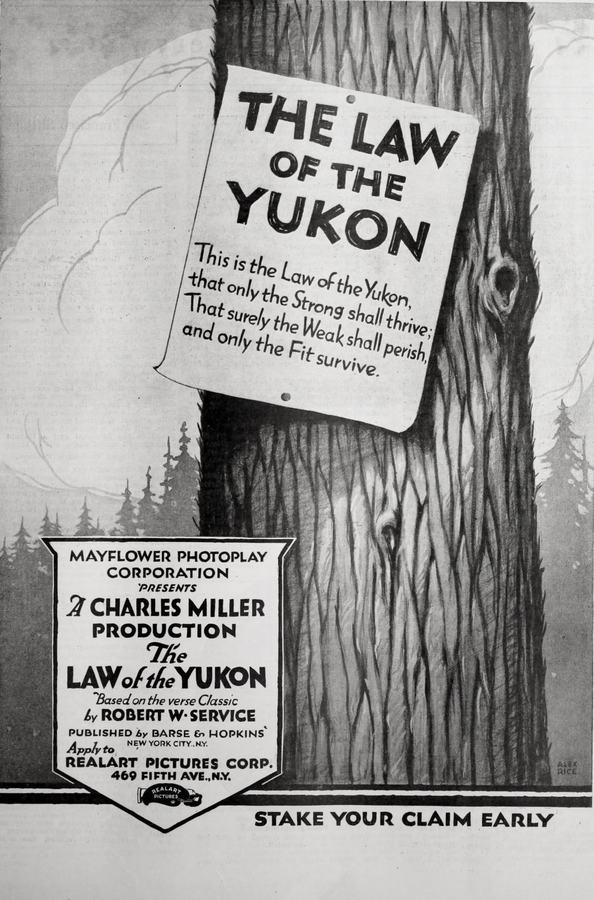
For cinephiles who admire the thematic gravity within The Law of the Yukon, the specific thematic gravity of this work is a gateway to a broader Crime world. We've prioritized films that capture the 1920 aesthetic with similar precision.
At its core, The Law of the Yukon is a study in to create a dialogue between the viewer and the thematic gravity.
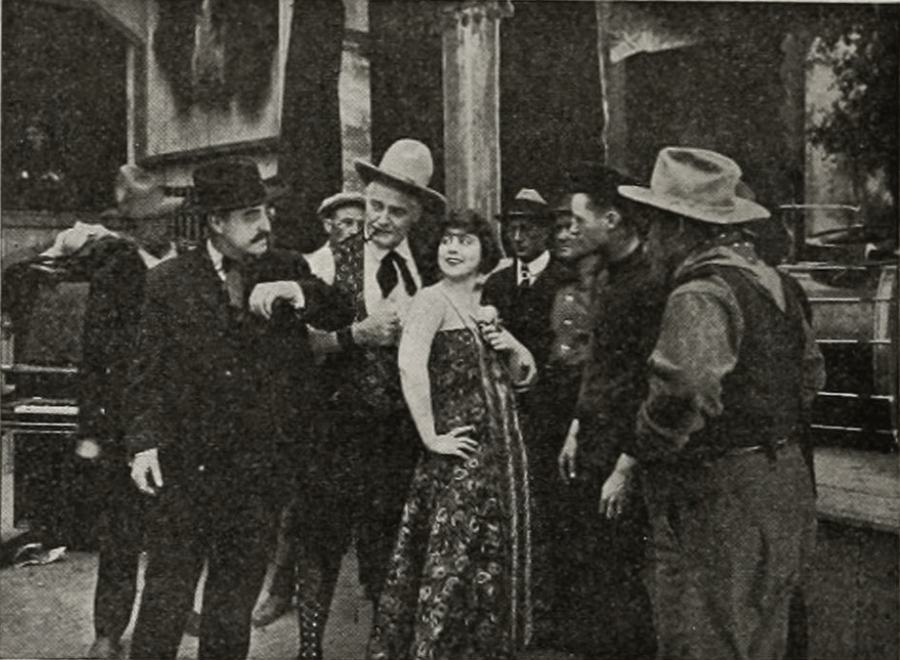
Morgan Kleath, fleeing an unfaithful wife in San Francisco, goes to the Yukon to establish a daily newspaper. Shortly after arriving, he meets Goldie Meadows, the ward of dance hall proprietor Tim Meadows. Upon exhibiting an interest in Goldie, Morgan arouses the jealousy of Joe Duke, one of her admirers, and during a fight between the two, Goldie comes to Kleath's aid when he is stabbed in the back. Later, when Duke's associates rob Meadow's safe, a number of clues point to Kleath and he is arrested and charged with the crime. Just as the court declares him guilty, Kleath's wife arrives from San Francisco and testifies that she had seen Kleath and Goldie together the night of the robbery. To save Goldie's reputation, Kleath had refused to defend himself with this alibi. After completing her testimony, Mrs. Kleath is shot and killed by members of the Duke gang, freeing Kleath to make Goldie an "honest woman."
Based on the unique thematic gravity of The Law of the Yukon, our vault has identified these titles as the most compelling follow-up experiences for fans of Crime cinema:
Dir: Charles Miller
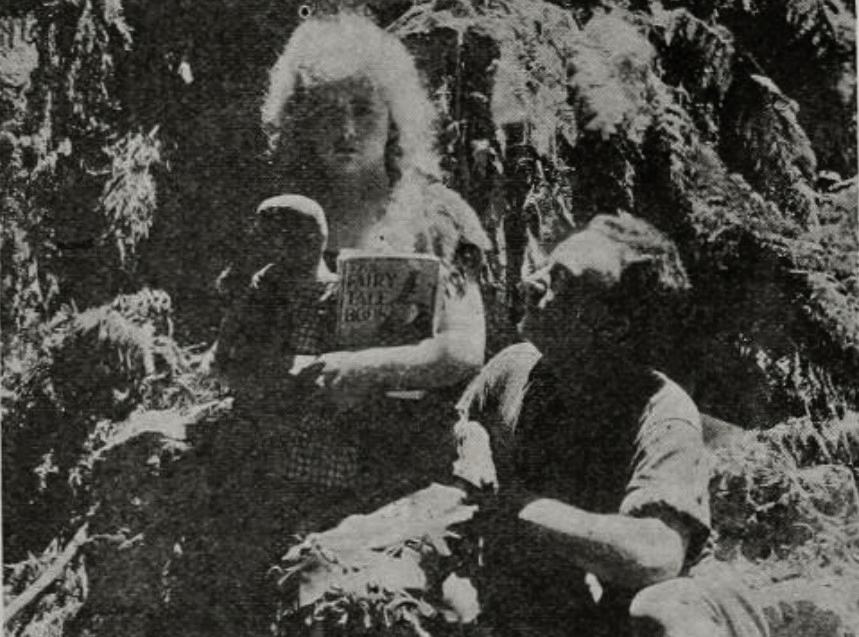
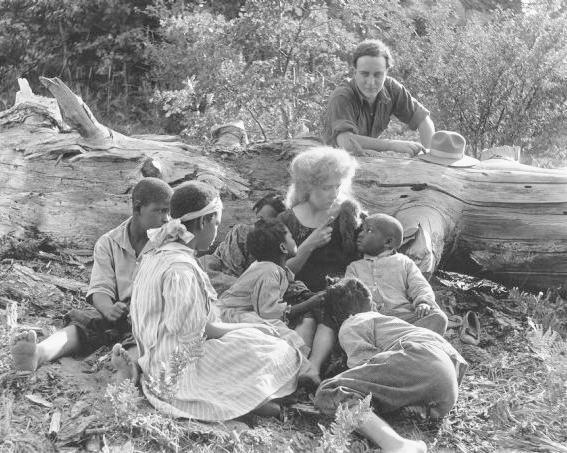
Just before mountain girl Barbara "Bawbs" Colby's aunt dies, she reveals that Bawbs' deceased father had left her $5000, but to watch out for men because they would only be interested in her for her money. Her aunt's warning is tested when Bawbs falls for a new arrival in the mountains named Ralph Gunther, who says he is an author who's there for the peace and quiet he needs to write.
View Details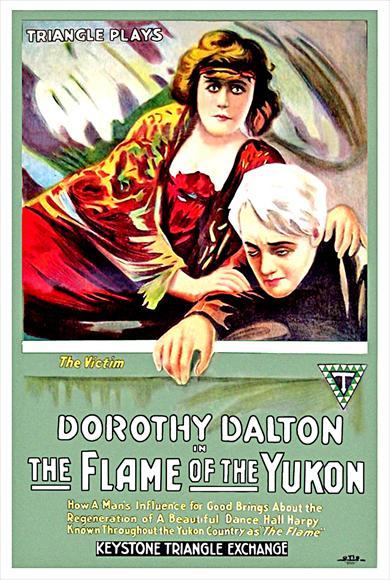
Dir: Charles Miller
The Flame, a dance hall girl who rules the Midas Café, is notorious from Nome to Dawson. She meets her match in a youth named George Fowler, whose good looks and raw nerve compel her to grubstake him and go straight while awaiting his return from the gold fields. One day, a young girl and her baby arrive at the camp, looking for her husband, George Fowler. Shaken, the Flame takes the girl home and when the youth returns he is informed that the Flame is dead. Forlorn, the boy decides to break the bank but the saloon's proprietor plans to rob him instead, and only the Flame's appearance with her six guns saves his life. Not having the courage to tell the boy about his wife and child, the Flame takes her lover to the hotel where she battles with her conscience. Her better nature finally wins, however, and the Flame discovers that there are actually two George Fowlers and that the one she loves is single.
Dir: Charles Miller
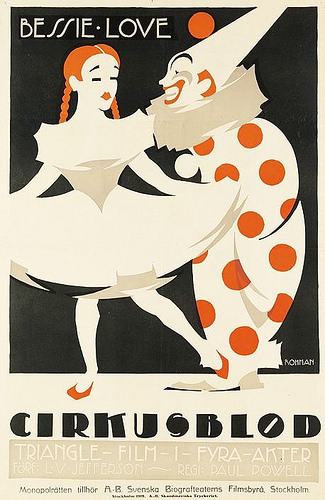
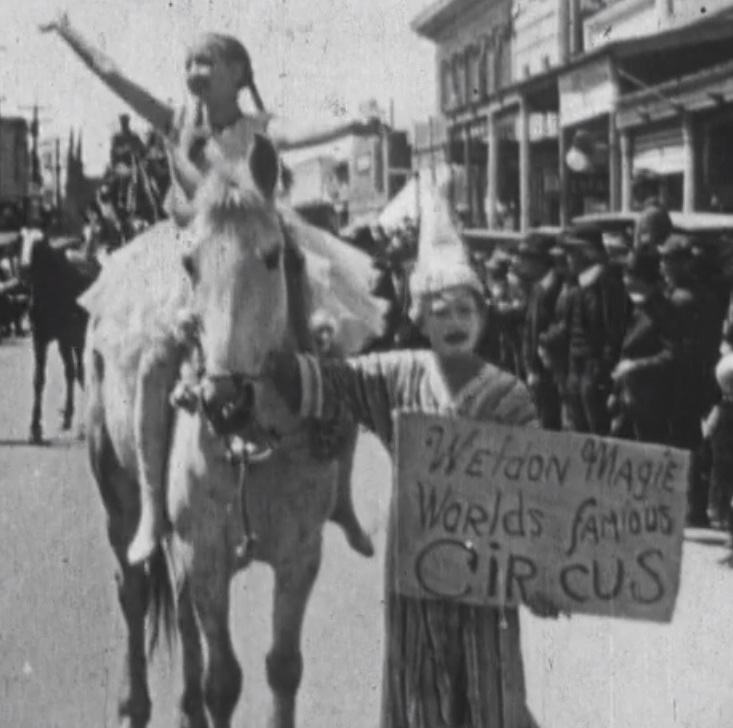
Janet sets out to find her circus ringleader father, who her mother abandoned believing him to be unfaithful. Along the way, Janet and her friend Peter join Colonel Simmonds's circus, she as a trick horse rider and he as a clown, but Janet cannot help but wonder why she finds Simmonds so familiar.
View Details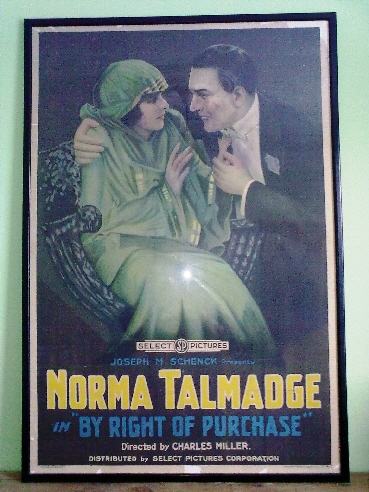
Dir: Charles Miller
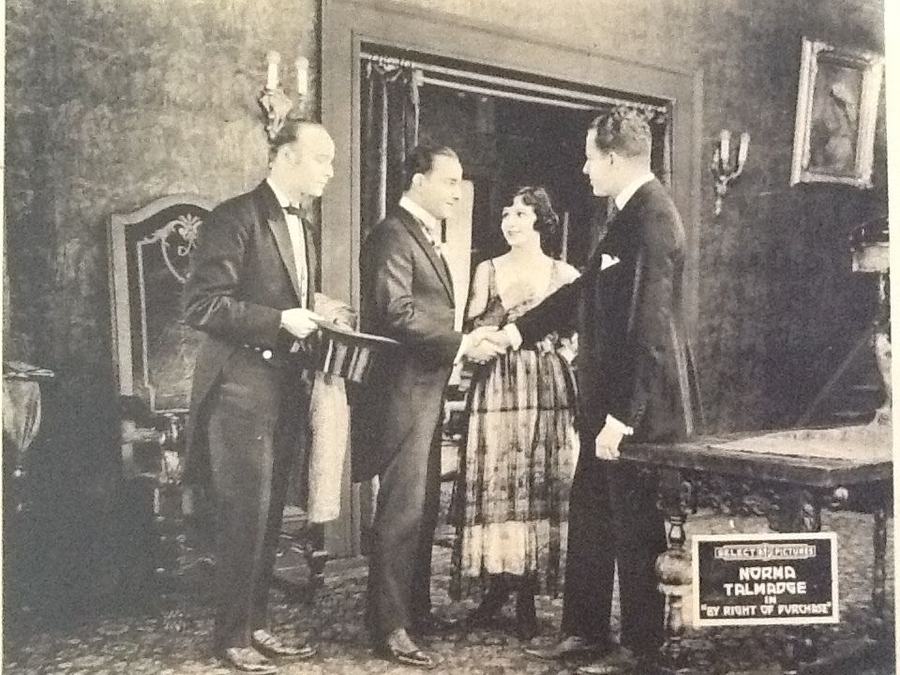
Margot Hughes is a butterfly society girl who sells herself to the highest bidder. Her husband does not press his ownership "by right of purchase," and she misunderstands his delicacy and she things that love is lost to her. She goes to France to serve the cause of humanity. There they meet again and understanding comes. For the Program: A loveless marriage that turned out differently. - Moving Picture World, February 2, 1918.
Dir: Charles Miller
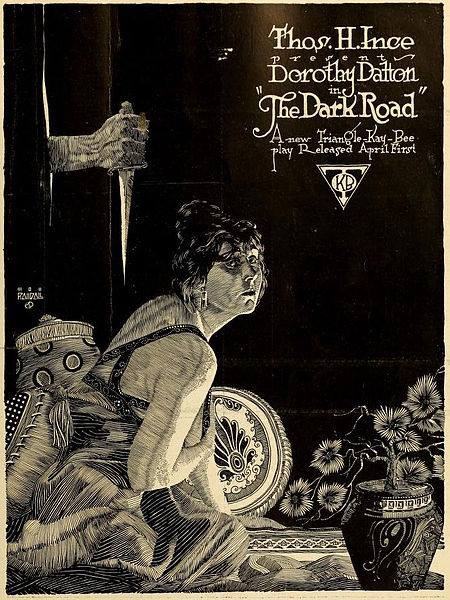
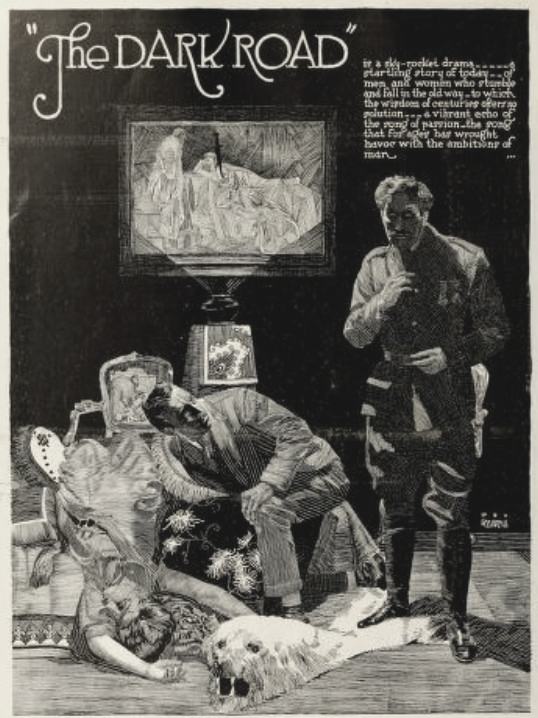
Jim Morrison, an English army officer who comes from a very old and prominent family, marries the ravishingly beautiful but unscrupulous Cleo, who has no qualms about using her sexual allure to get the luxuries she wants but that her husband can't provide. When Jim is sent off to war, Cleo embarks on a series of affairs, one of which results in her becoming the love slave of a German spy--the very spy that her husband has been assigned to track down.
View Details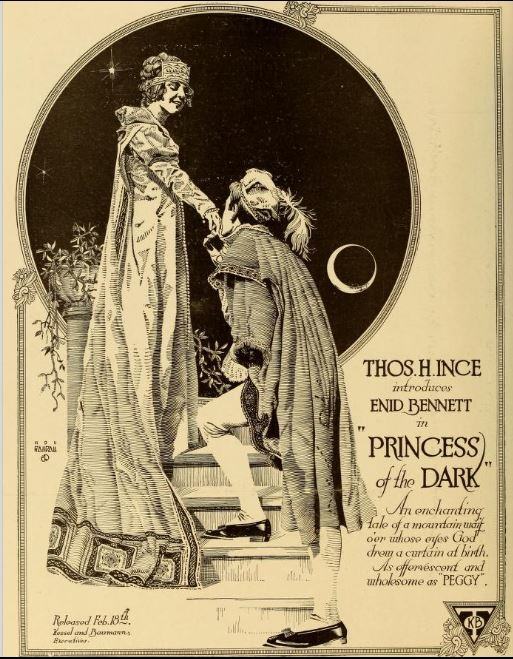
Dir: Charles Miller
In a squalid mining town in West Virginia James Herron, a consumptive, has built a shack in the hope that the mountain air may prolong his life. With him dwells his daughter, Fay, whom he idolizes. Fay, who has been blind from her birth, has a wonderful imagination. Even the town and its sordid inhabitants become invested with romance and take their part in the stories of adventures that her father reads to her. While Fay goes about with security and fearlessness, which causes the ignorant to regard her with almost religious respect, her inner life is in sharp contrast. She has secret haunts, where she hides, and in thought recreates fairyland. Her favorite retreat is a cavern formed by an old abandoned tunnel which she peoples with knights and princesses, gnomes and fairy guardians. The one thing lacking is the Prince. And one day he comes. The "Prince" is a hunchback, "Crip" Halloran, the son of the village drunkard, who stumbles into Fay's imaginary fairyland, and is at once endowed by her with every heroic attribute. Finally Fay's father passes away and Fay becomes a drudge in the hut of ignorant aliens, and the meetings between her and the Prince are few and far between, and "Crip" is almost heartbroken. Jack Rockwell, son of a rich mine owner, comes to look after his property. Chance throws him in contact with Fay, and he becomes infatuated with her charm and idealism. He is admitted to the kingdom and gradually dethrones "Crip," to the hunchback's bitter distress. In love and pity for Fay's misfortune, Rockwell secures a great oculist and an operation opens Fay's eyes to the harsh world that her fancy idealized. She sees her two devoted admirers as they really are, and shrinks with horror from the poor misshapen "Crip." Broken-hearted, the hunchback seeks the old cavern and with a revolver ends a life that holds nothing but hopeless misery. Rockwell and Fay visit their old haunt, and with years of love and happiness opening before them discover the body of the poor hunchback, who had once for a few happy hours reigned as a Prince in a fairy realm of a girl's imagination.
Dir: Charles Miller
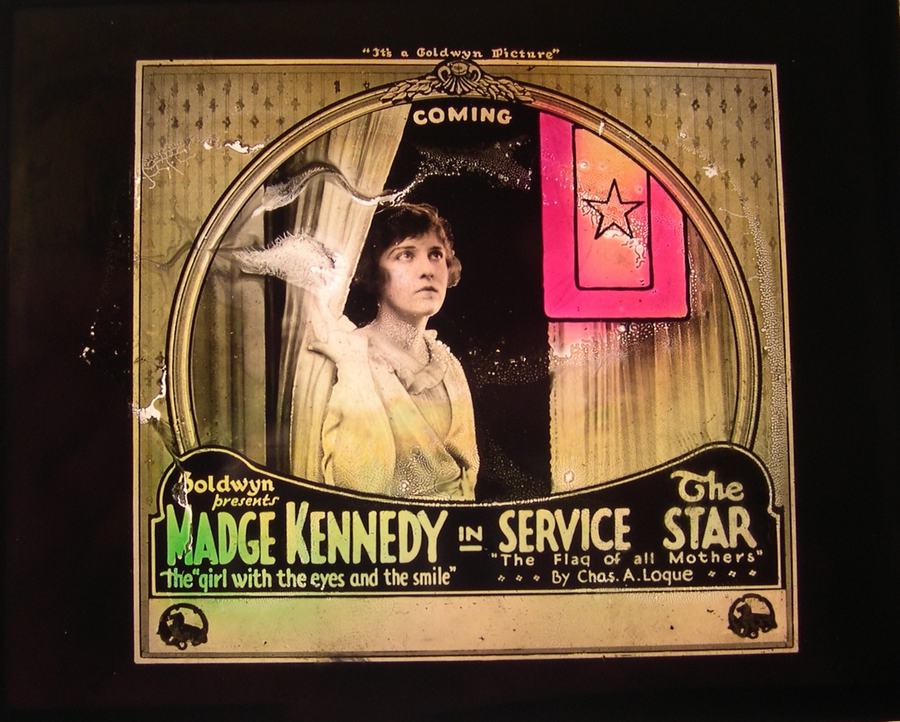
A homely young girl, lonely and unhappy because she alone of all the girls in her town does not have a soldier sweetheart, pretends to be the fiancée of a famous combat aviator. When the flyer's mother learns of the "engagement," she accepts the girl as her future daughter-in-law, just in time for complications to arise in the form of the truth.
View Details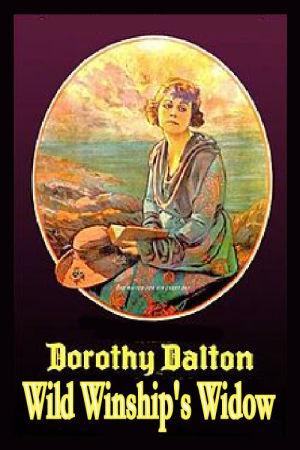
Dir: Charles Miller
Widow Catherine Winship treasures the memory of her late husband so greatly that she has given up her life to the adoration of his memory, spending her days strewing flowers on his grave. Catherine's idealism is rudely shattered, however, when she discovers a package of love letters in a secret drawer in Winship's desk. Deciding to throw aside her widow's weeds, Catherine's next hurdle is to choose a spouse from the many male admirers who are pursuing her. Among her suitors are the sentimental bore Archibald Herndon and Morley Morgan, a determined young man. After many misadventures, Morley finally beats out Herndon and marries Catherine in an impromptu ceremony at a hunting lodge.
Dir: Charles Miller
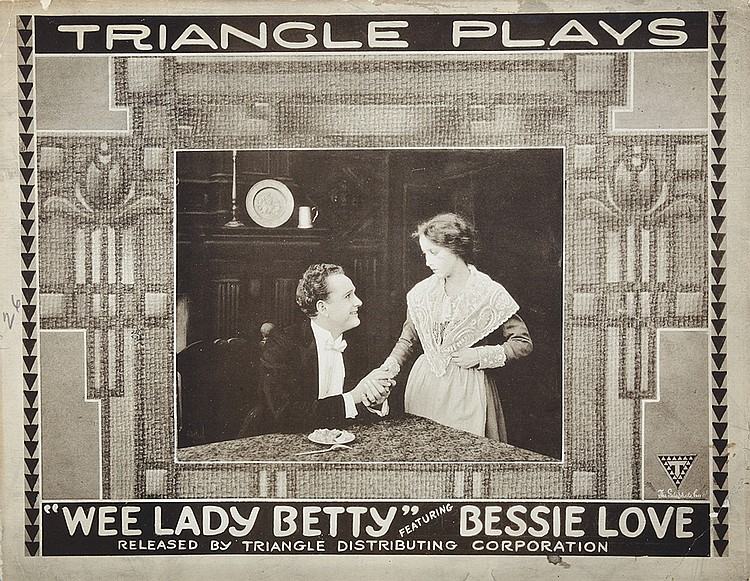
Wee Lady Betty rules the O'Reilly castle with a stern hand and a big heart until she learns that Roger, the O'Reilly heir, is coming to take possession of his estate. Unable to provide for her aged father, Betty conceives of a scheme. Feigning to leave the castle, she returns after dark with her father and installs him in the haunted chamber. The next day when Roger arrives with his mother, he is met by villagers angry at Betty's banishment. In the guise of a maid, Betty shows the O'Reillys through the castle, laying special emphasis on the haunted chamber. That night, while bringing food to her father, Betty hears Roger opening the chamber door. Attempting to frighten him away, she jumps behind a suit of armor, but he shoots at the "ghost." Meanwhile the villagers storm the castle and Roger goes to appease them. Betty saves Roger by commanding them to leave, and her future at the castle seems secure when she and Roger embrace.
View Details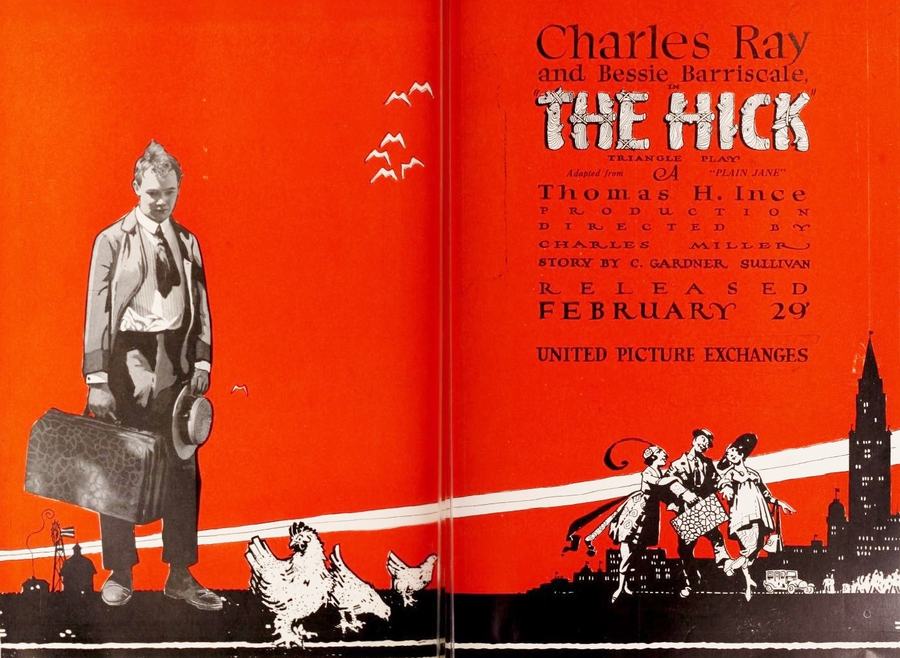
Dir: Charles Miller
John Adams is working his way through college. Jane is the little slavey in his boarding house. John at first has no idea of falling in love with Jane, but she is completely gone on him from the beginning. In fact, he has his eyes on Ethelda Rathbone, a young college girl. There came a time when John wanted to attend a ball at which Ethelda was to be present, but he hadn't a dress suit. Jane chanced to become aware of this, and with her scanty savings rented him one. Of course she couldn't tell him she did that, but she pretends that it was left there by a former boarder. So he goes to the ball. But boys will be boys, and his classmates rip the coat up his back, and he is compelled to come home without having seen Ethelda at all. Jane takes the suit back to the dealer, unaware that it is ruined. When the dealer discovers it, he demands payment. There follows a scene in the street in which she is humiliated. It was then that old Frederick Verstner, the town photographer and a man of considerable means, came to the crowd. Hearing her pitiful story, he made good the amount to the dealer. Shortly after this, Jane went to Verstner's to have her picture taken that she might give it to John. A newspaper in New York was offering a prize for the most beautiful photograph of a college girl, and Verstner's was crowded with girls from the school. Verstner took a picture of Jane, and, by loosening out her tresses and placing something filmy about her shoulders, he made her look beautiful. Through a course of circumstances, and without Jane's knowledge, this photograph is sent along with the others to the paper. And it wins the prize. Jane is, of course, as much surprised as the rest. And so is John. Verstner adopts the girl, educates her and makes her the most popular girl in the place. And then comes a great awakening for John.
View DetailsAnalysis relative to The Law of the Yukon
| Film Title | Atmosphere | Complexity | Similarity |
|---|---|---|---|
| Bawbs O' Blue Ridge | Ethereal | Linear | 96% Match |
| The Flame of the Yukon | Ethereal | Linear | 94% Match |
| The Sawdust Ring | Tense | Dense | 92% Match |
| By Right of Purchase | Gothic | Layered | 86% Match |
| The Dark Road | Tense | Abstract | 87% Match |
This guide was algorithmically generated using the cinematic metadata of Charles Miller's archive. Last updated: 6/25/2026.
Back to The Law of the Yukon Details →