
DbcultAccessing Vault...
Recommendations
Senior Film Conservator
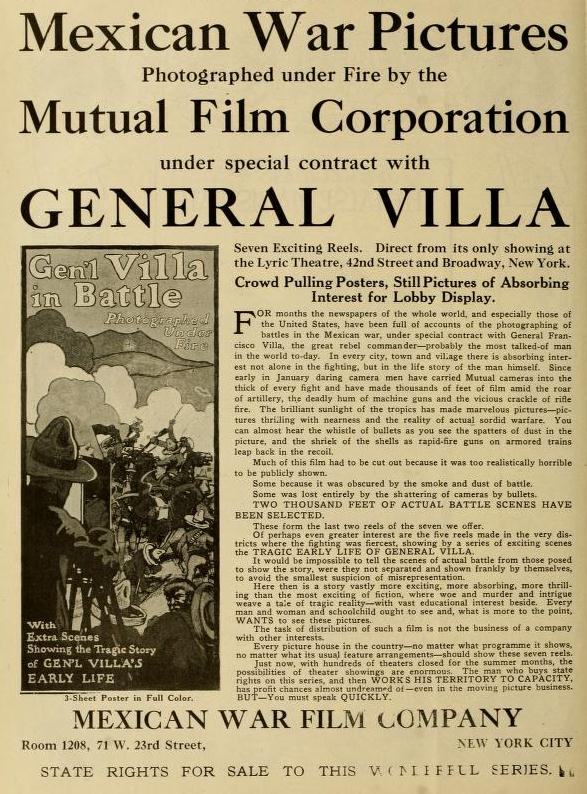
In the vast archive of cult cinema, The Life of General Villa stands as a artistic bravery beacon, it's essential to look at the contemporaries that shared this artistic bravery. Our cinematic experts have identified several titles that reflect the spirit of 1914.
Few films from 1914 manage to capture to leave an indelible mark on the history of United States film.
The life and career of Pancho Villa from young man to revolutionary leader is chronicled.
Critics widely regard The Life of General Villa as a cult-favorite piece of cult cinema. Its artistic bravery is frequently cited as its strongest asset, solidifying its place in United States's film legacy.
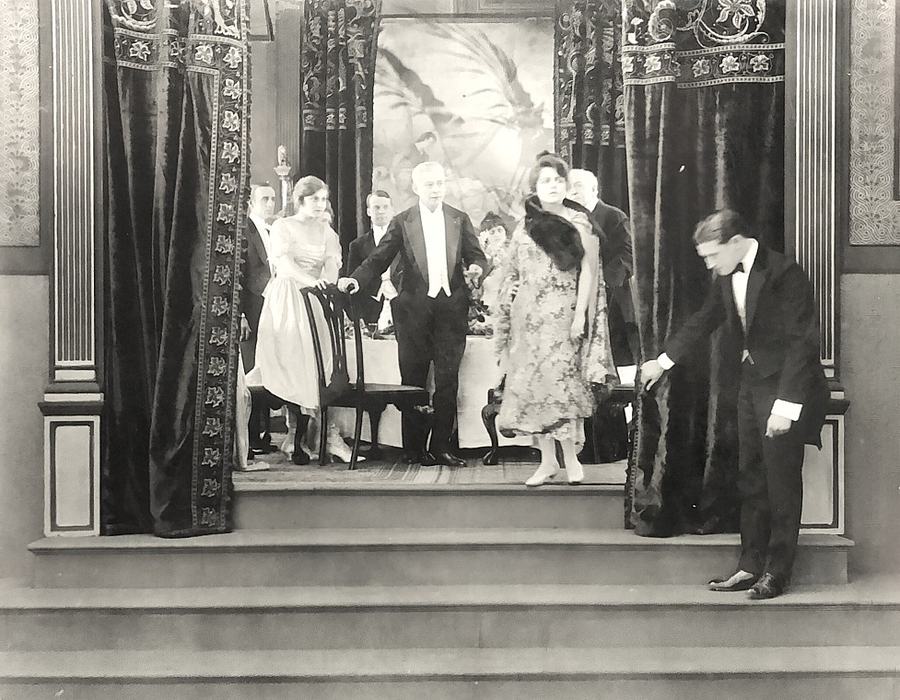
Based on the unique artistic bravery of The Life of General Villa, our vault has identified these titles as the most compelling follow-up experiences for fans of cult cinema:
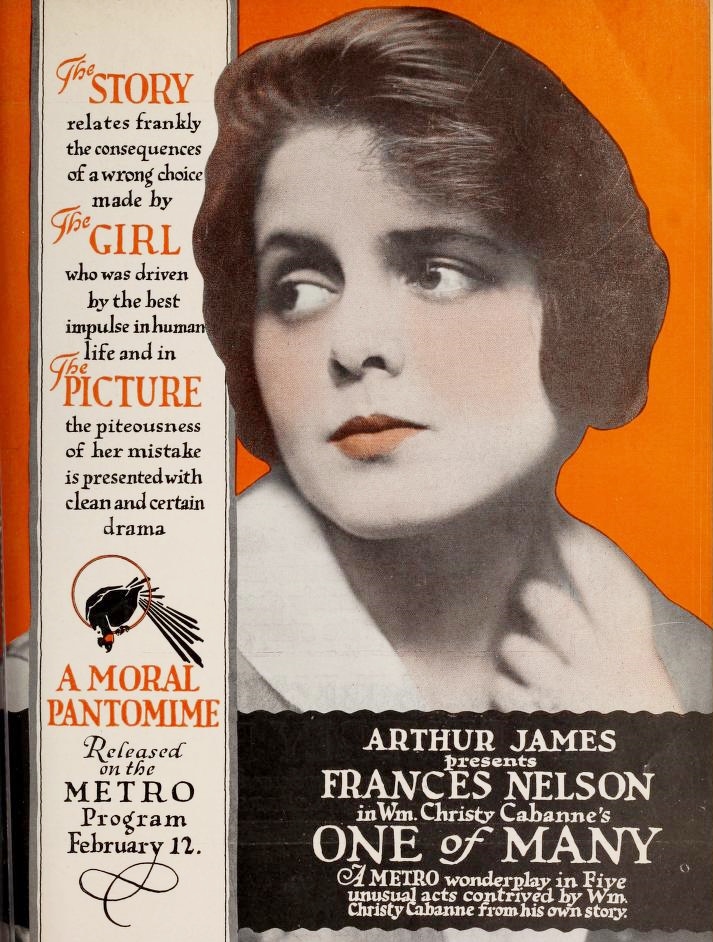
Dir: Christy Cabanne
The home of Mrs. Bryson and her two daughters is happy except for the poverty that prevents the girls from sending their sick mother away to the mountains. Both help to support the household, but it is Shirley who feels the responsibility of her mother's approaching death and her worry is evident to all about her. She is employed in a manicure shop frequented by wealthy men and meets Wilfred Templeton, who invites her to dine with him. He questions her about her dejected air and she tells him of her mother's illness. This is Templeton's opportunity, and he asks her to make a bargain with him. He will give her all the money she needs and in return she is to live with him in an apartment which he will establish for her. Shirley refuses, but when her mother grows worse she yields and leads her mother and her sister to believe that she has married Templeton and Mrs. Bryson is happy. When James Lowery, the butler in Shirley's new home, finds that she is not married to Templeton, he forces his way into her boudoir when she is dressing. With the greatest difficulty Shirley repulses him. She informs Templeton and Lowery is discharged. Everything runs smoothly until Shirley invites her sister to visit her. Emma wants to see this wonderfully generous husband. Shirley is unable to conceal her secret, and Emma wrings a confession from her. The news so preys upon Emma's mind that she is unable to keep it a secret from her mother. Stricken at her child's dishonor, Mrs. Bryson gives up her battle for life. Shirley leaves Templeton and goes to work as a cabaret entertainer. Lowery again forces his attentions upon her. He openly insults her and a young man at a nearby table comes to her rescue. The man is Harold Templeton, "Wilfred's son, who is the "black sheep" of the family, and is living away from home. The acquaintance finally ripens into real affection. The young people are married, but their happiness is clouded by the girl's fear that her husband will discover the truth about her past life. The expected happens when Wilfred Templeton forgives his son and comes to call on him and his bride. Shirley and her husband's father are brought face to face, and their manner accuses them before either makes a confession. Harold turns against his wife. Later, however, his better nature asserts itself, and he drives his father away. Realizing Shirley's mistake was made, not for her own sake, but for her mother's, he forgives her and takes her into his arms.
View Details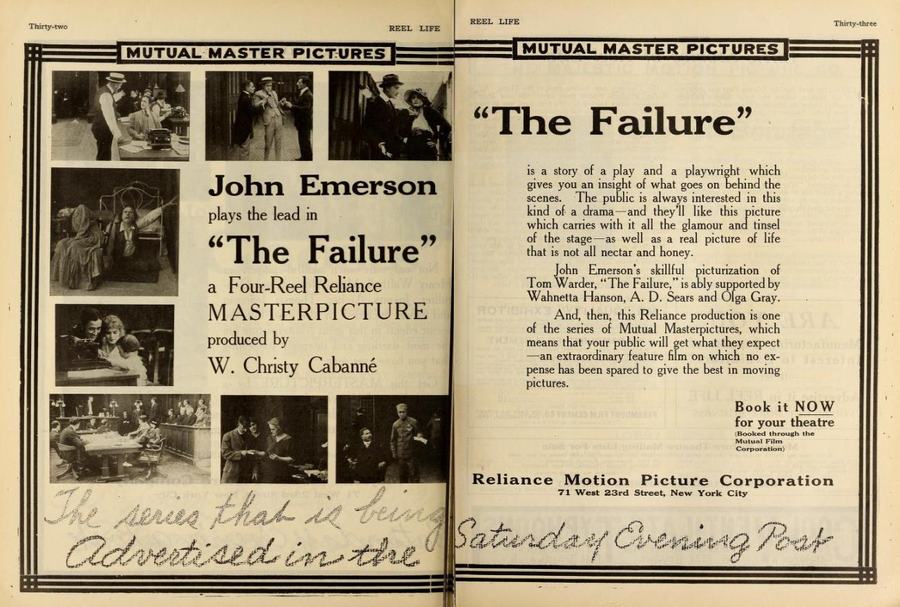
Dir: Christy Cabanne
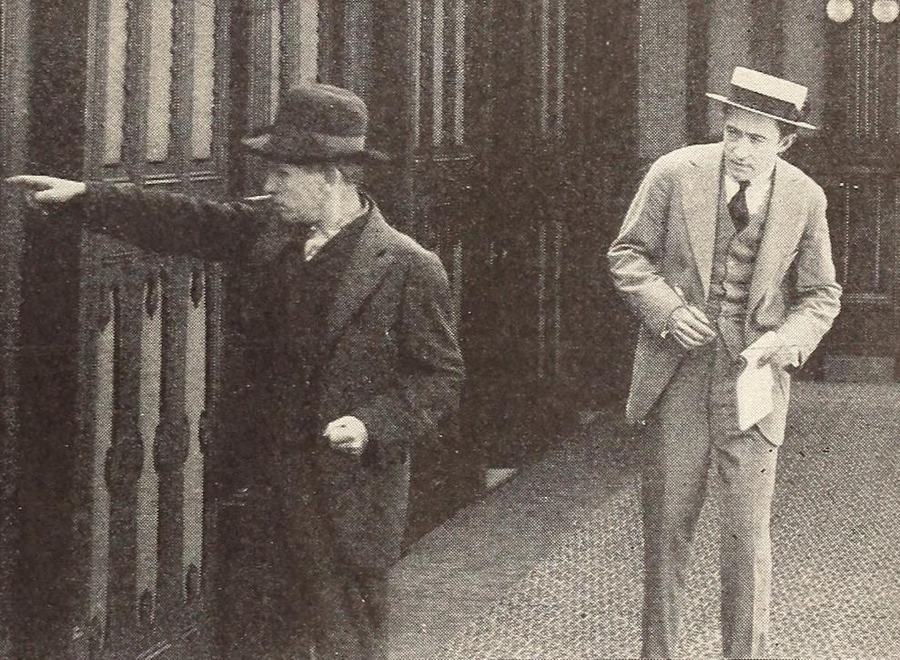
Theatrical manager Isaac Shuman has a reputation for taking advantage of young girls who want to become stars on Broadway. Reporter Tom Warder investigates these stories and exposes Shuman in his newspaper. Shuman threatens to kill Warder, then leaves town. He returns several years later and hatches a scheme to frame Tom and have him sent to prison. He succeeds, but Tom hatches his own plan to get his revenge.
View Details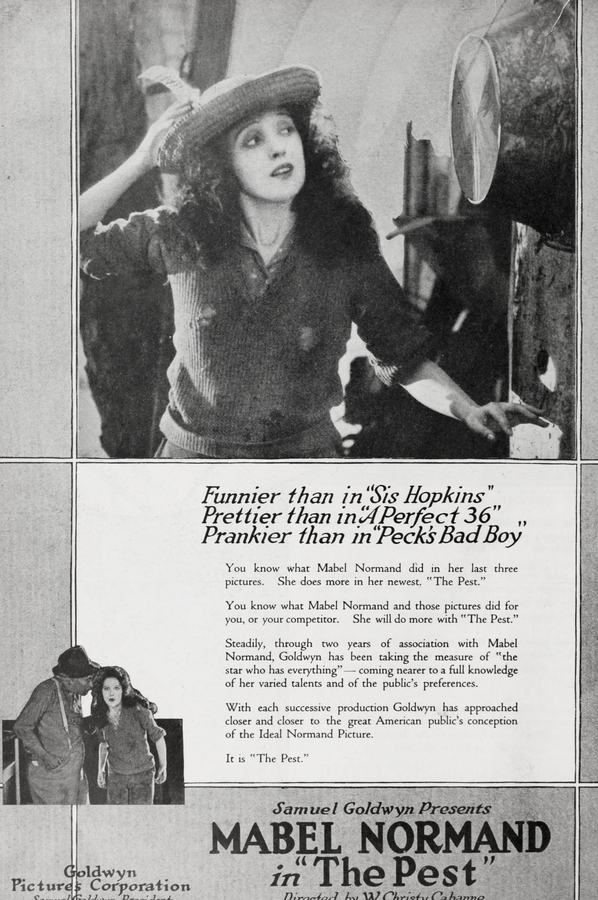
Dir: Christy Cabanne
Naive country girl Jigs Blodgett makes friends with Gene Giles, the nephew of a wealthy judge. Shady John Harland is courting the judge's daughter Blanche because of her father's money and position. To amuse herself, Blanche invites Jigs to a party with her "sophiscated" friends, intending to humiliate and embarrass Jigs. Things don't quite go the way Blanche planned.
View Details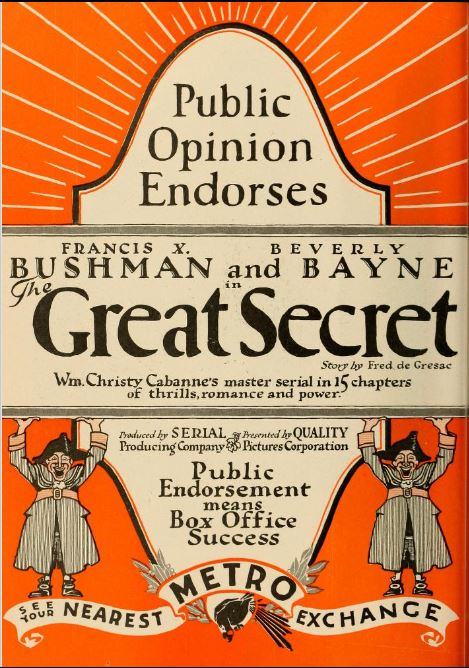
Dir: Christy Cabanne
A wealthy young athlete comes to the aid of a beautiful heiress, whose fortune is being threatened by two arch villains, The Great Master and Doctor Zulph.
View Details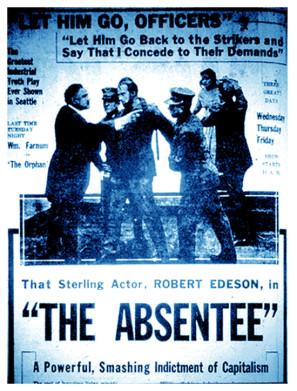
Dir: Christy Cabanne
The Prologue shows man as 'Power,' garbed in Greek-classic costume, standing at the parting of life's highway. One road leads to 'Success' - the other to ''Failure'. He (Power) is confronted by a figure emblematic of 'Pleasure,' who points out to him "the easiest way," then 'Ignorance' leads him to the end of the road. where 'Destruction' stands. The classic figures disappear and the story begins: 'Power-The Absentee' leaves his factory in charge of his manager 'Might." who wrecks the property in order that his wife, 'Extravagance," and his daughter, 'Vanity,' may devote themselves to lives of selfish pleasure. It is only when 'Justice,' the office stenographer. forces 'Power' to right the harm done to his employees that he sees the error in believing that 'Might' is right. Then comes the realization that 'Justice' should go hand-in-hand with 'Power," and so they are wed, and 'Ambition,''Opportunity' and 'Success' array themselves on his side.
View Details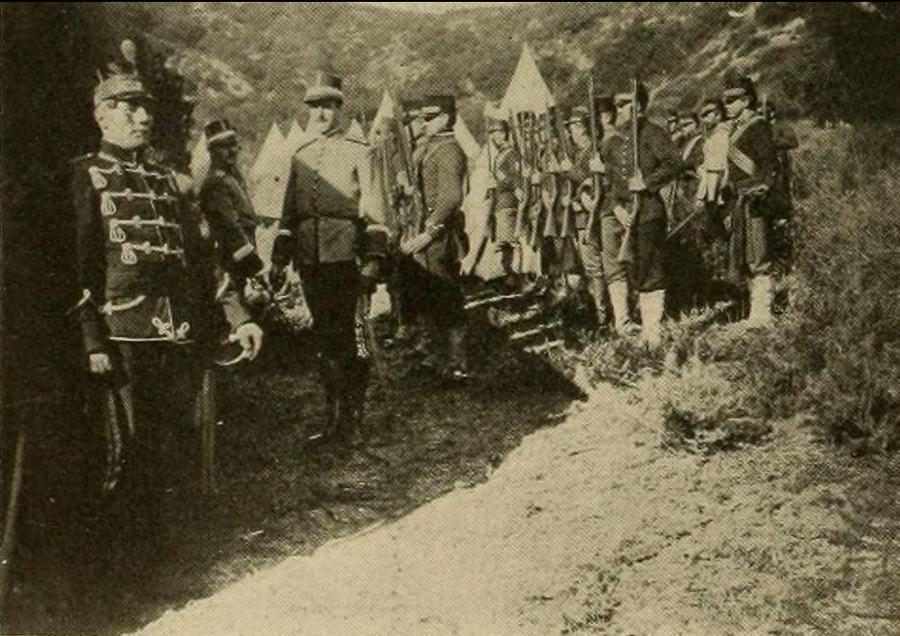
Dir: Christy Cabanne
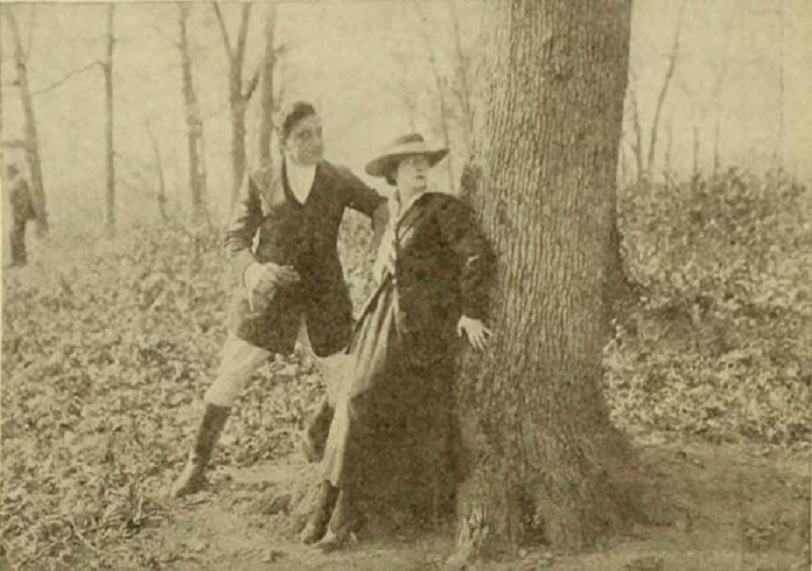
While with the French Foreign Legion in Algeria, Lt. Dubois seduces the lovely Zora, leaving her with a child and his medal for bravery. Sheik Achmed generously befriends Zora, and when she is killed in an accident he raises her son, El Rabb, as his own, and soon El Rabb and Achmed's biological son Bel Khan become best friends. Years later Lt. Dubois, now a general, is dispatched to Algeria to crush a revolt led by El Rabb and Bel Khan--and he doesn't know that El Rabb is his son--who wears his father's medal around his neck.
View Details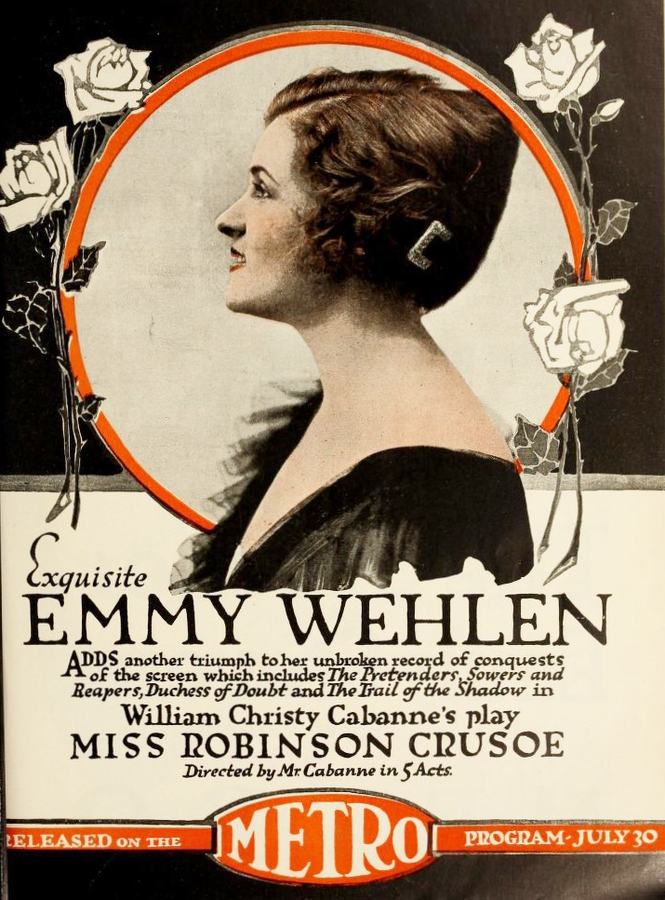
Dir: Christy Cabanne
Rich, spoiled social butterfly Pamela Sayre lives the good life with her two maiden aunts. Bertie Holden, the somewhat slacker son of a wealthy couple, is in love with Pamela, who seems to prefer muscular, daredevil-type men, which Bertie definitely isn't. Pamela flirts with the wealthy but much older Charles Van Gordon in order to make Bertie jealous, but her plan seems to backfire.
View Details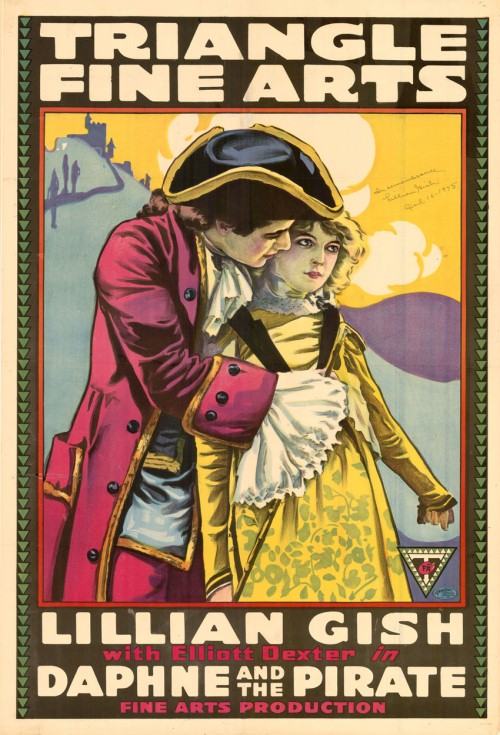
Dir: Christy Cabanne
Philip de Mornay, a courtier in the French royal court of the 18th century, falls in love with Daphne La Tour, the daughter of a nobleman. Knowing that her family would never approve of their marriage, he takes her and hides her in a brothel, but is soon captured by pirates. Soldiers looking for women to bring with them to a settlement across the ocean in Louisiana raid the brothel and take the girls, including Daphne. Later on the trip to the new world their ship is attacked by pirates--and she discovers that her lover Philip is on board the pirate ship.
View Details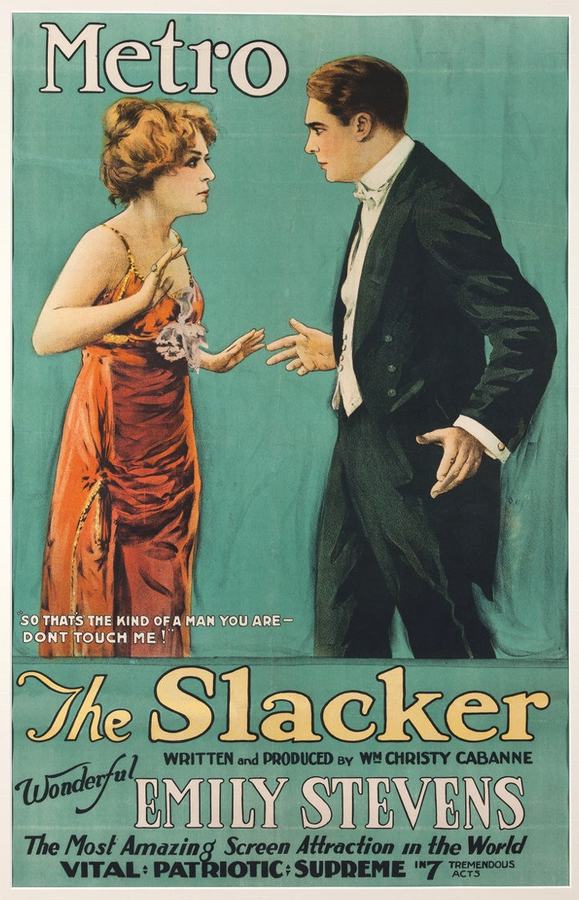
Dir: Christy Cabanne
Robert Wallace, the elder son of a rich and indulgent father, marries Margaret Christy, a spirited patriot, so that he can escape the call to war. Discovering the reason for Robert's haste to get married, Margaret is appalled and resolves to bring home to her husband a sense of his personal responsibility. In order to instill patriotism in Robert, Margaret contrasts him with John Harding, the man who gave her up to go to war. When Robert protests his wife's tactics, Margaret accuses him of being a contemptible coward. The next day a German insults the American flag, and Robert, his sense of justice aroused, makes him salute it. He then bids Margaret farewell and marches off to war. Margaret sees him off without divulging the secret that she is pregnant, thus sacrificing her own welfare for that of her country.
View Details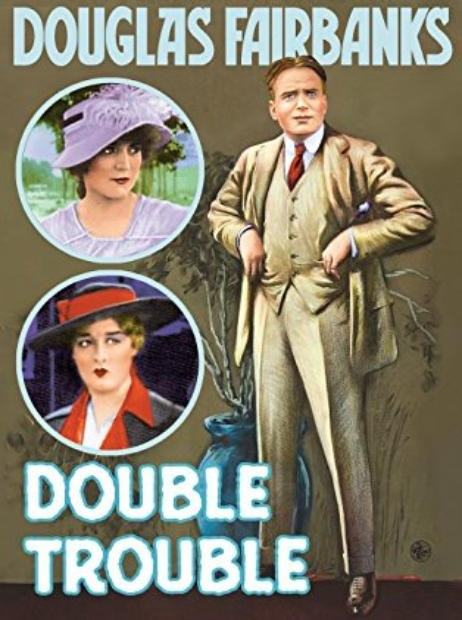
Dir: Christy Cabanne
Shy, timid banker Florian Amidon is assaulted, robbed, and knocked out while on vacation. When he wakes up he discovers that he's in the booming oil town of Bakerstown, has no memory of how he got there--and that there's a five-year gap in his life from the time he was robbed until that moment. He and his friend Judge Blodgett enlist the services of clairvoyant Madame Leclaire to help Florian find out what happened to him. What she discovers changes his life forever.
View DetailsAnalysis relative to The Life of General Villa
| Film Title | Atmosphere | Complexity | Similarity |
|---|---|---|---|
| One of Many | Gothic | High | 98% Match |
| The Failure | Gritty | Layered | 94% Match |
| The Pest | Ethereal | High | 90% Match |
| The Great Secret | Gritty | High | 90% Match |
| The Absentee | Gothic | Linear | 89% Match |
This guide was algorithmically generated using the cinematic metadata of Christy Cabanne's archive. Last updated: 6/21/2026.
Back to The Life of General Villa Details →