
DbcultAccessing Vault...
Recommendations
Senior Film Conservator

As a cultural touchstone of United States, The Lion's Den resonates with its cult status, audiences who connected with its message often look for similar thematic gravity. We've assembled a sequence of films that complement the tone of The Lion's Den perfectly.
For many, the first encounter with The Lion's Den is to establish George D. Baker as a true visionary of the 1919s.
Reverend Sam Webster admonishes his parishioners for their failure to finance a boys' club to keep the boys from frequenting the town's pool halls. The richest man in town, Grocer Stedman, whose daughter Dorothy loves Webster, responds to Webster's request for $2,500, half the amount needed, by writing a check for $25. Then, in order to make money for the club, Webster follows Dorothy's suggestion and goes into partnership with Grocer Jarvis, whom Stedman had nearly driven out of business. After Stedman lowers his prices below cost, Webster enlists the aid of the boys who encourage their mothers to buy at his store. Although Stedman succeeds in having Webster removed from the ministry, when a clerk sets the store on fire after Stedman accuses him of dishonesty, Webster and the boys save the grocer and put out the blaze. Stedman then apologizes, offers to build the club himself, and sanctions Dorothy's marriage to Webster, which occurs at the clubhouse opening.
The Lion's Den was a significant production in United States, bringing a unique perspective to the global stage. It continues to be a top recommendation for anyone studying cult history.
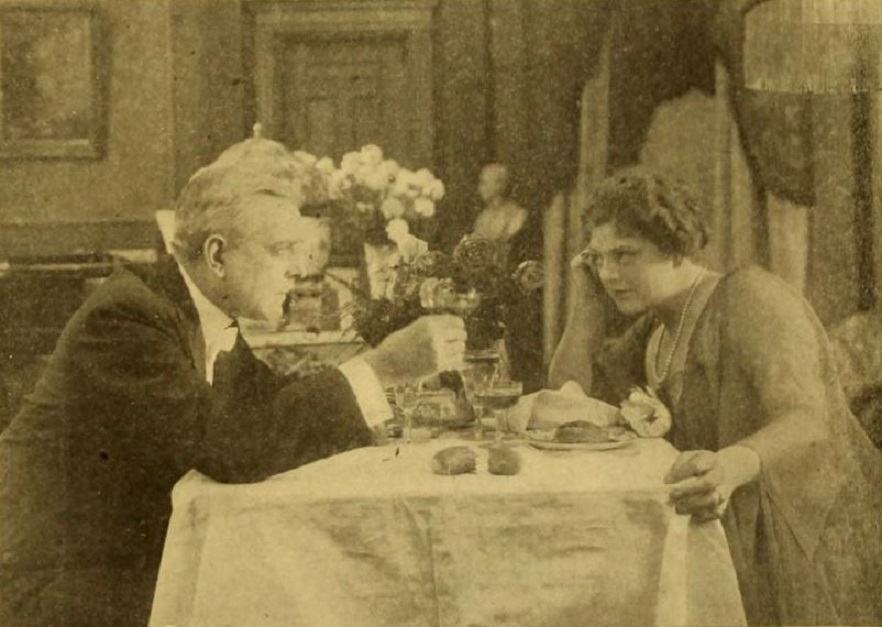
Based on the unique cult status of The Lion's Den, our vault has identified these titles as the most compelling follow-up experiences for fans of cult cinema:
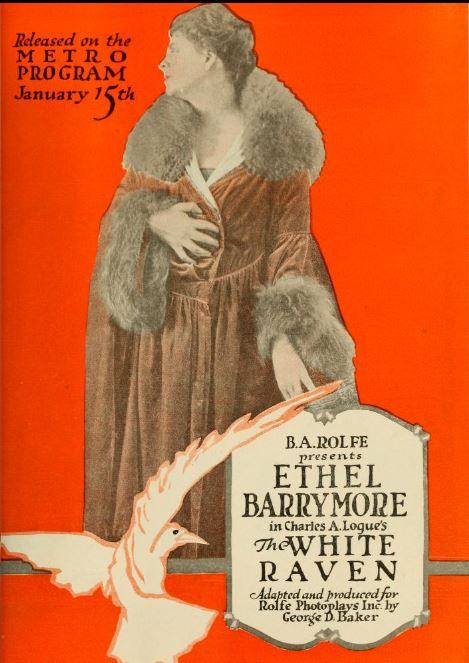
Dir: George D. Baker
William Baldwin, ruined in business by his partner John Blaisdell, implores Blaisdell's aid and receives in answer a five-dollar bill inscribed with "Spend this for a gun and use it on herself." Hopelessly, Baldwin and his daughter Nan go to the Yujon, where the father dies and Nan earns a living in a rough dance hall where as "Nightingale Nan" she is the miners' idol. When she discovers that the little claim on Bear Creek, the only thing her father has left her, is worthless, at first she collapses; then she becomes defiant and tells the miners who have been forcing their attentions upon her that they may have her, the lucky man to be the winner in a card-game, she to take the money won in the game and go away to seek fame and fortune. A bearded stranger wins the game with a pair of deuces and pays her $1,000 a card, and she leaves with him for her cabin. Once there, however, she repents her rash bargain, and implores him to release her, offering the money in return. He makes her sign an I.O.U. for herself, promising to pay the debt at any future time that he sees fit. "You'll win success," the stranger tells her, "but in the hour of your greatest triumph I shall claim you, and you must return." She leaves on this condition. Nan's voice wins success for her all over the world. Five years later, as Mlle. Nanon Boldini, she is the reigning operatic queen at La Scala, Milan, then comes to the Metropolitan Opera House, New York, to make her American debut in "Lucia di Lammermoor." Her success is instantaneous. Two of the most important patrons of the opera house, business rivals John Blaisdell and James Van Brunt, are united in their admiration of Mlle. Boldini, and obtain an introduction. When Nan discovers the identity of Blaisdell, the man who ruined her father, she quietly plans his downfall. She encourages his attention, even at the risk of displeasing a young stranger with whom she has fallen in love. She refuses an offer of marriage from the man who won her heart, telling him of her promise made under amazing conditions to a man in Alaska five years ago. That promise, she tells him, must be fulfilled, no matter how great the sacrifice she makes in doing so. Inviting Blaisdell to her apartment to dinner, she has a telephone connection so arranged that James Van Brunt, at his downtown office with the receiver at his ear, hears Blaisdell's answers to the carefully prepared questions Nan asks, betraying all his business secrets. As Blaisdell falls across the table in a drunken stupor, after having told everything, Nan's triumph is complete. It is at this moment that two fateful cards, the deuces with which the Alaskan won his game, are thrust under the door, and Nan falls fainting. The next day she prepares for her journey to the Northland, ready to pay the price of her five years' freedom. The man she loves insists on accompanying her. Going to her little cabin, she finds it sumptuously furnished. As she turns to her lover in surprise, he places on the table a crumpled "I.O.U." then tears it in two, giving her the pieces. As the realization slowly dawns on Nan that the man she has learned to love is the bearded stranger of so long ago, she fits the two pieces of the "I.O.U." back together, presents them to him, and creeps into the arms of her stranger-lover.
View Details
Dir: George D. Baker
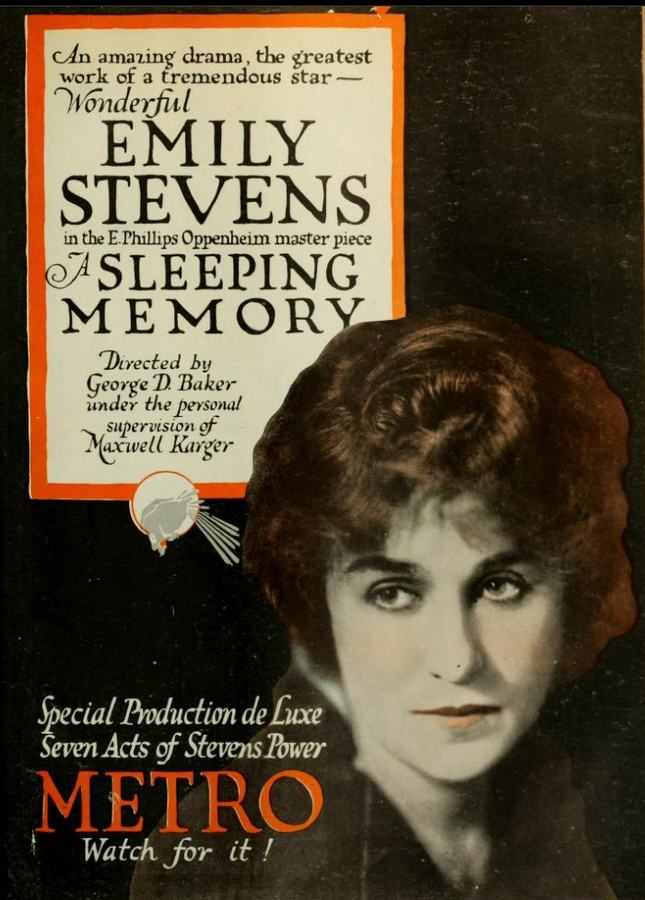
The disgrace and suicide of her father drives Eleanore Marston from her comfortable existence into a life as a department store clerk in New York. There she meets wealthy Powers Fiske, who offers her a life of luxury if she will consent to an operation on her brain which would deprive her of her memory. Eleanore agrees, and after the operation, Fiske is horrified to learn he has robbed her of her individuality and that she has become cruel, selfish and remorseless. Dr. Trow, a friend of Fiske, hypnotizes Eleanore to learn of her previous incarnations. Eleanore first remembers herself as a heartless Viking woman, then progresses to a Borgian princess, ending as a woman persecuted as a witch in Salem. Continuing to exercise his power over her, Trow draws Eleanore to the edge of a cliff. They are followed by Henry Johnson, one of Eleanore's compatriots from the department store, who traced the girl to Fiske's house. At Eleanore's plea for help, Johnson leaps upon Trow and the two plunge to their death over the cliff. Fiske arrives just in time to lead Eleanore back to the house. He appeals to a great scientist who restores her memory by means of a second operation, and Eleanore then becomes Fiske's bride.
View Details
Dir: George D. Baker
Joline, a "Daughter of Joy," becomes enamored of Paul Granville, a poor artist, and as his model enables him to win fame in a series of startling canvases. A wealthy patron of art commissions Paul to paint "The Madonna of the Rose Bush," and he feels that a new model is needed, but the jealous Joline drives them away, and they start for the monastery, where the miracle of the rose bush is supposed to have occurred. There a monk declares that in Joline he has seen the Virgin, and some chord in her better nature is touched. She leaves Paul, but is reunited when she, a Red Cross nurse, finds him wounded upon the battlefield.
View Details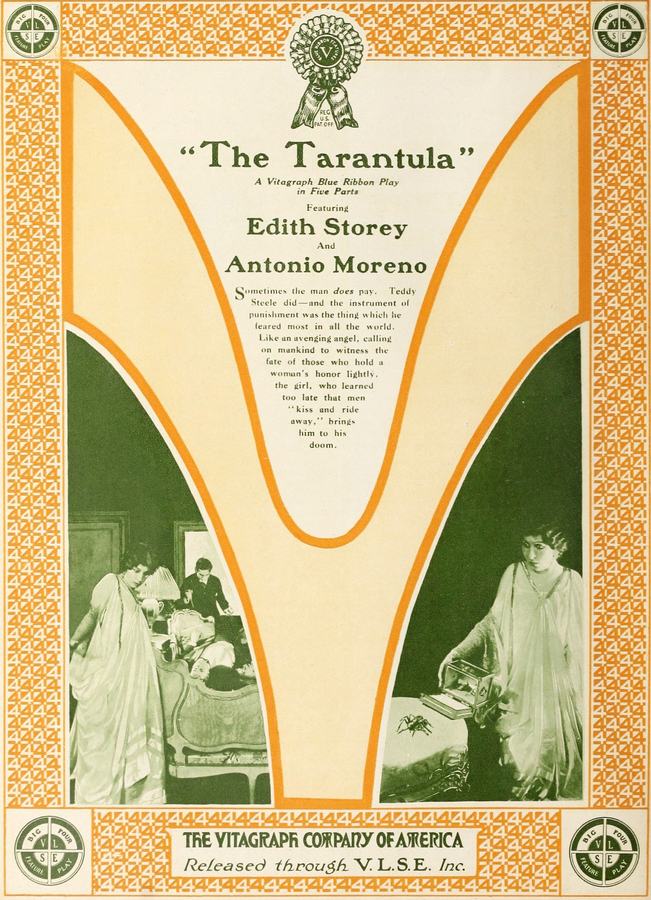
Dir: George D. Baker

"Beauty Smythe is at his old tricks again. Look at the raving beauty he's got on the string now." This was Manning's contribution to the discussion, which was taking place in one of New York's most exclusive clubs. All seemed to take a jolly view of the matter, except Van Allen, who, the others noticed, looked with disapproval on the flirtation. They could not understand his mood, and prodded him for his prudishness. When Smythe joined them, Van Allen called him over and asked him to listen to the story he was about to tell, the story of one man who paid for his loose habits. First, he drew from his pocket, a picture of a young man, about Smythe's age. "My sister's only boy," he said. "Two years ago he was leading the kind of life you are now, Smythe. He came down to Mexico to visit me and met Chonita, a pretty Mexican girl. He immediately became infatuated with her, to the consternation of Pedro, another of her lovers, who soon saw that Teddy held a higher place in her heart than he. When her father heard of the affair, he sent her away to their summer hacienda, hoping that she would forget Teddy. Then Ted received an invitation from a friend to spend the summer with him, and accepted. Out hunting one day, he met Chonita and both were happy at the reunion. He told her of his love for her, and she believed him. Of course he promised to marry her. One day, while walking through the forest. Ted just missed stepping on a tarantula, and shrinking from the hideous thing, told Chonita that he feared those terrible spiders worse than anything on earth. Sometime later, Ted received a note from her telling him to meet her at the usual place, and from the tone of the note he knew what had happened. She came, and brought a minister with her, but Teddy was married, and had two children, so even if he had wanted to, he could not have married her. Before word got back to the hacienda, Ted had hopped on a horse and started at a mad gallop for the railroad station, to avoid the wrath of her father and Pedro. Back in New York once more, he felt secure. Chonita meanwhile was thrown out of her father's house, and her child was born in an abandoned cabin. It lived but a few hours. Then Chonita got a position as dancer in a cheap music hall and became popular immediately. The proprietor of a New York café, seeing her perform, asked her to come to the city and dance for him. When she remembered that her betrayer was also in the city, she accepted. Hearing of her proposed trip, her father sent her a dagger, so that she might first kill Teddy and then herself, but she returned it, telling him that she would choose her own method of death for both of them. In the city she met Teddy once more. She responded to all his advances and finally induced him to invite her to his apartment. Here she presented him with an elaborate jewel case, which, she said, contained a gift. When his anxious hands opened the case, a giant tarantula crawled out. Need I tell you that he died a terrible death?" In a meditative mood, Beauty Smythe sat in his room and reflected on what he had heard. Then the moral hit home, and the letter he had intended sending to his latest "sweetheart" never went further than the trash basket.
View Details
Dir: George D. Baker
When Silas Pettingill strikes oil and becomes immensely wealthy, his wife Maria and their daughter Helen demand to move from their Middle-Western home to a mansion on Fifth Avenue in New York City. Even then they are dissatisfied, for they have so fashionable friends. Helen is constantly reading books about royalty, and she bewails her fate because she knows no lords or earls. Wearying of their complaints, Silas goes out and makes friends with a taxicab driver, as agreeable young man named Hubert Stanwood, and as the hour grows late, takes him home with him to bed. In the morning Mrs. Pettingill demands to know who the stranger is. Not daring to tell her he has brought home only a chauffeur, he introduces Stanwood as Count Erfitt. Mrs. Pettingill runs to tell Helen the glad news, and they plan a series of social functions to introduce their guest. Soon the "Count" is seen everywhere with Helen. He does not want to pose under false colors, but Pettingill implores him not to let them know that he has deceived them. At a tea-dance they met Macklin Thurston, who is introduced to them as the Earl of Bradwood. Stanwood starts when he hears the name, for his own grandfather is the heir. He does not know that both have died, and that Thurston, discovering that the second son, Hubert, has been missing for several years, has appeared as a false claimant for the title. Stanwood decides to say nothing, but to investigate. Thurston is really the proprietor of an international employment agency. He uses this position to supply Huntington Lodge, the Adirondack home of the Pettingills, with two servants, Rita and Dugan, who are clever crooks. Both Thurston, as the Earl, and Stanwood, as the Count, are invited to a house party at the Lodge. Helen and Stanwood have fallen in love with each other at their first meeting. Stanwood proposes, and Helen accepts him. But Thurston tells Rita she must find a way to compromise Stanwood. She does so, and Helen breaks her engagement to Stanwood, and announced her engagement to Thurston, known as "the Earl." Stanwood engages a detective to unmask Thurston, but he has manufactured credentials, and Stanwood himself is unmasked as a false count by a man who knew him as a chauffeur. Helen orders him to drive her guests back to their hotel from the lawn fete that is in progress. Thurston goes to Helen's room and tries to persuade her to elope with him, but she refuses. Under cover of night, Rita and Dugan attempt to steal Helen's jewels. Stanwood returns in time to prevent them, but he is injured in the struggle, and when Helen enters she thinks it is he who is the thief. Still loving him, however, she urges him to escape, but the real thieves are apprehended. Detective Burke is about to take both Thurston and Stanwood into custody, not knowing which one of them is the tales Earl of Bradwood, when the lawyer arrives from New York and identifies Stanwood as the genuine Earl. Thurston is led away, and Stanwood and Helen, soon to be Lady Bradwood, are reunited.
View Details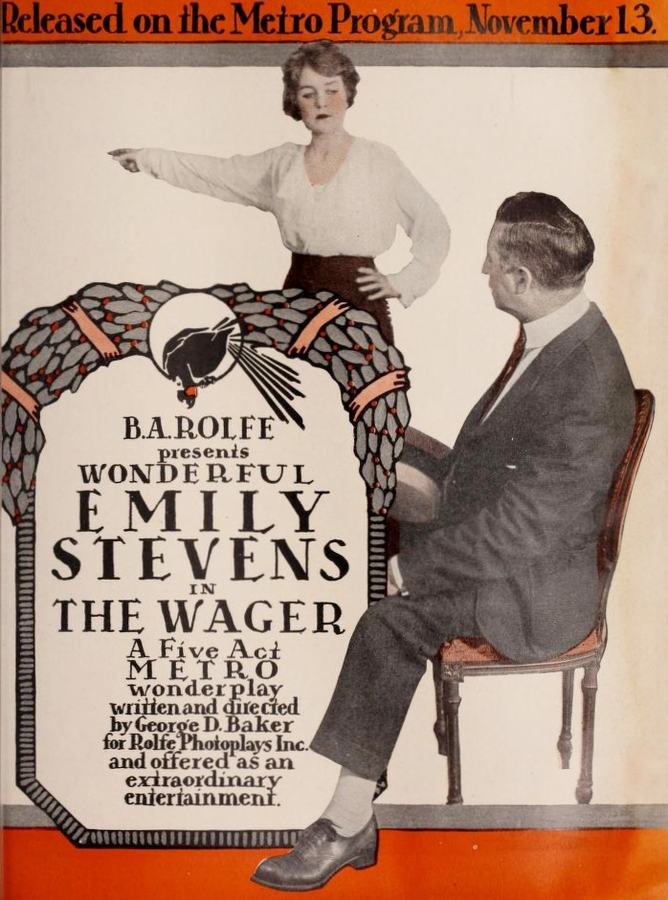
Dir: George D. Baker
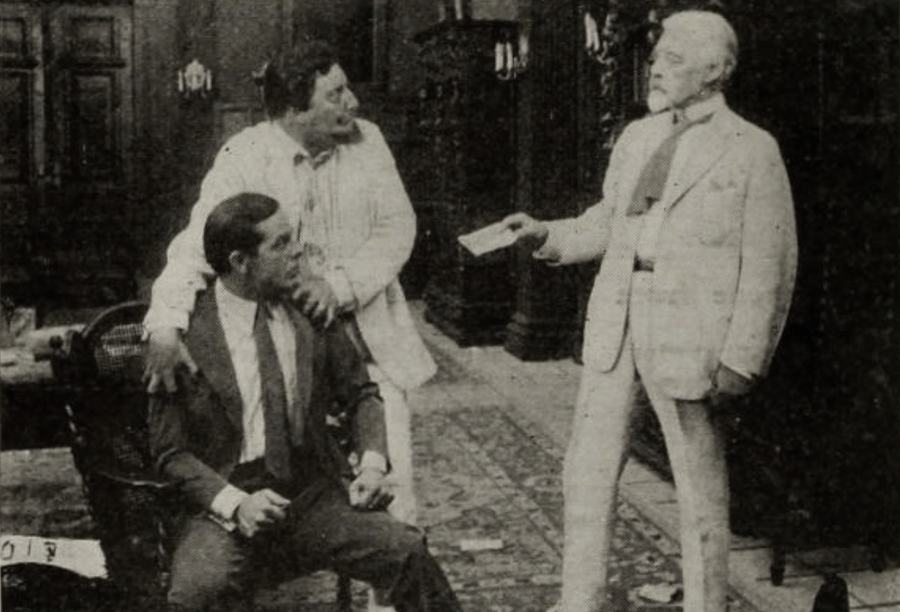
A fascinating piece of cinema that shares thematic elements.
View Details
Dir: George D. Baker
Overcome with guilt after having an affair with her best friend's husband, Clorinda hopes to escape her past by moving to Europe, where she meets Malcolm, a decent man who falls in love with her. Unable to accept his love, she returns to America and confides her sin to Rev. Bainbridge. Malcolm has followed her, but when she discloses her past, he turns his back. Rev. Bainbridge proposes and before the marriage takes place, Malcolm returns, begging Clorinda's forgiveness. Preferring the worldly man over the minister, Clorinda marries Malcolm and they begin their new life together in France.
View Details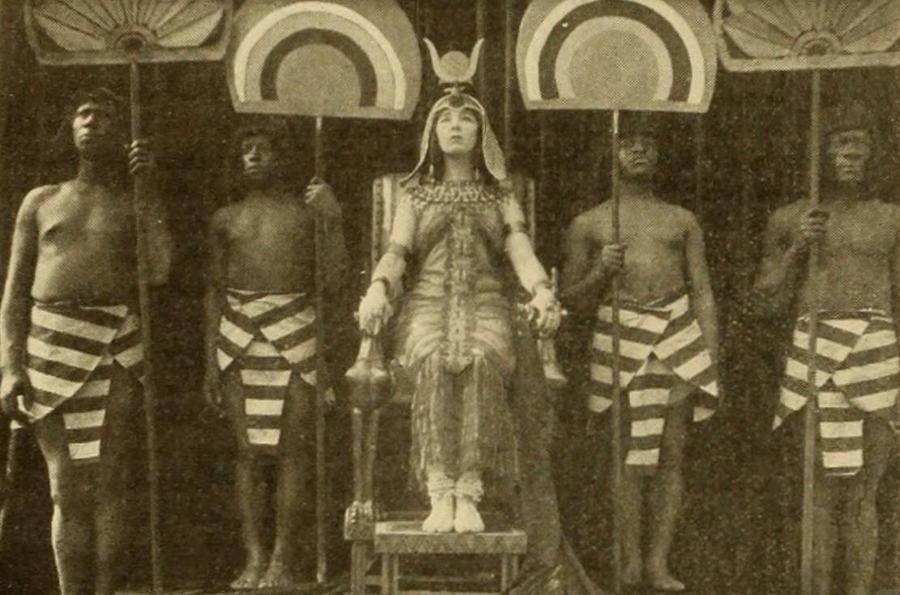
Dir: George D. Baker
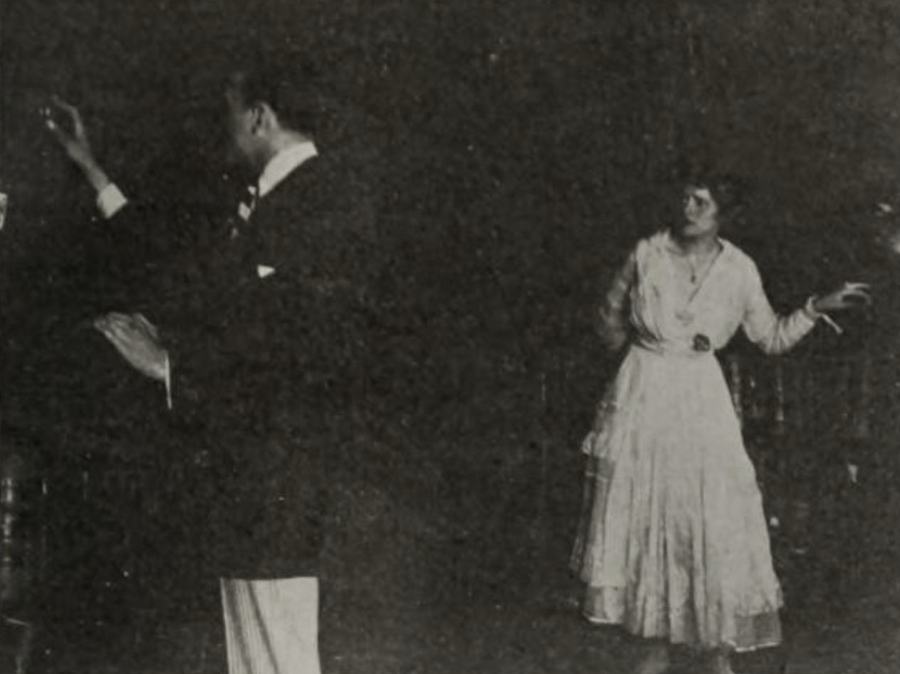
An imperious Egyptian princess awakens from a 3000-year trance and wreaks comic havoc in the modern world, but it all turns out to be the dream of a young man, inspired by a mummy left in his care overnight.
View Details
Dir: George D. Baker
To prevent Ben Farraday from exposing the whereabouts of her brother, an escapee from prison, Nan Kennedy agrees to steal important papers from Farraday's enemy, John Lawson. Nan is caught and Lawson agrees to let her go free on the condition that she do his bidding for a year. After arranging a wedding between Nan and Billy Bond, the son of a man whom he blames for stealing his wife, Lawson shocks everyone during the wedding reception by announcing that Nan is a thief. Billy runs away and turns to drink and Nan's only thought is to seek vengeance against Lawson. Knowing that his one weakness is his belief in spiritualism, Nan poses as a medium and advises him to sell certain stocks. The next day, Lawson finds himself ruined. Meanwhile, Billy vows to kill Lawson, leaving a note to inform his father of the deed. Discovering the note, the elder Bond rushes to Lawson's house and announces that Billy is actually Lawson's son. Overcome, Billy's nerves break and he cries for Nan. Lawson, repentant, finds her and a happy reunion takes place.
View Details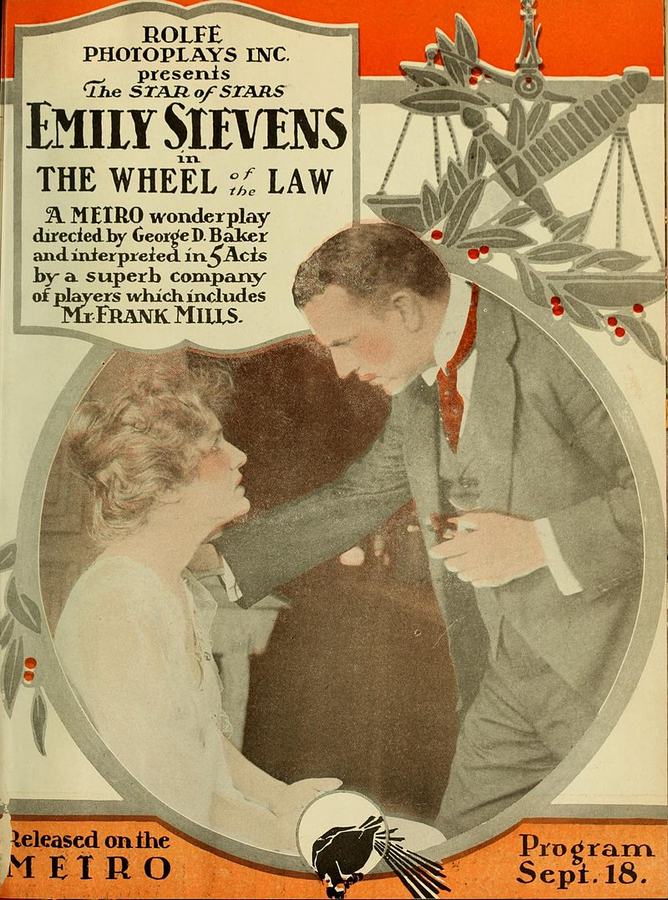
Dir: George D. Baker
Young attorney John Norton is in love with Broadway star Mona Mainard. Mona's young brother Tommy has served a term in Sing Sing. When he is released, he comes at once to his sister and tells her he is going away to begin life anew. She urges him to remain, but he refuses, and she gives him money for his railroad fare. He knows of her love for Norton, who has now been made assistant district attorney, in recognition of his ability, and does not want to stand in her way. Mona leaves the stage and marries Norton. Boss politician Ryan is in love with adventuress Pearl Le Claire. He has installed her in a handsome apartment in the Arcadia, the leading hotel, where he guards her jealously. Norton wins case after case. Mona realizes that less-clever lawyers are no match for him, and knows that based on circumstantial evidence, he secures many convictions of innocent persons. District attorney Daniels becomes ill and Norton succeeds to his position. He convicts on circumstantial evidence an old man who obviously could not have committed the crime and is not guilty. As sentence is pronounced, the old man dies on the witness stand. Mona, in the gallery, is amazed at the injustice of it, and writes to a newspaper a scathing denunciation of the case under an assumed name. The breach widens between husband and wife. Mona pleads with Norton to change his tactics, but he knows that his record has made him a favorite with the public, and that he is in line for the governorship of the state. Tommy has secured work as bell-boy in the Arcadia Hotel. In a jealous rage Ryan kills Pearl Le Claire, but the evidence points directly to Tommy. The boy gives the name of John Smith, not wishing to bring disgrace upon his sister, and is taken to the Tombs. Mona sees his picture in the newspaper. She rushes to him. He insists that he did not commit the murder, and convinces her of his innocence. She goes to her husband and begs him to give up this case, but he tells her that Ryan will make him governor of the state if he wins it. She confesses that Tommy is her brother, but even that does not influence him. Norton has a laboratory adjacent to his library. where he experiments with poisons and chemicals in preparing for his cases. Among his bottles is one containing a harmless sedative. Mona changes the labels on some of the bottles. That night, while her husband is working with his stenographer in the library, Mona feigns hysteria. Norton rushes to the laboratory, snatches up the bottle which he supposes contains the sedative, and gives her some of the contents. Mona now simulates an agony of pain. Servants and policemen rush in, and she accuses her husband of having poisoned her. He swears that he did not, but all the evidence is against him. Circumstantial evidence proves that he has attempted to kill her. He begs her to forgive his hard-heartedness; he promises to do anything in the world for her if she will only live. Obtaining his promise not to prosecute her brother, Mona sits up, smiles, and makes him admit that circumstantial evidence may be wrong; also, that she is the best little actress in the world. Tommy is released, and as Ryan confesses, the real culprit is brought to justice without the aid of circumstantial evidence.
View DetailsAnalysis relative to The Lion's Den
| Film Title | Atmosphere | Complexity | Similarity |
|---|---|---|---|
| The White Raven | Ethereal | High | 88% Match |
| A Sleeping Memory | Ethereal | High | 87% Match |
| Revelation | Gritty | High | 89% Match |
| The Tarantula | Gothic | High | 96% Match |
| The Pretenders | Ethereal | High | 90% Match |
This guide was algorithmically generated using the cinematic metadata of George D. Baker's archive. Last updated: 6/25/2026.
Back to The Lion's Den Details →