Summary
In a provincial landscape steeped in the rigid moral frameworks of its era, Reverend Sam Webster, a figure of fervent conviction, confronts his congregation's profound fiscal apathy. His impassioned plea for a boys' club, a sanctuary intended to divert impressionable youths from the town's ubiquitous, morally dubious pool halls, meets with a disheartening lack of communal commitment. The town's preeminent titan of commerce, Grocer Stedman, whose daughter Dorothy harbors a tender affection for Webster, responds to the minister's modest request for half the required funds—a mere $2,500—with an audacious, almost contemptuous, check for twenty-five dollars. Undeterred by this blatant display of magnate's disdain, Webster, guided by Dorothy's sagacious counsel, embarks on an unconventional alliance with Grocer Jarvis, a rival whom Stedman's cutthroat tactics had nearly rendered destitute. This partnership, born of necessity and a shared opponent, ignites a fierce economic skirmish. Stedman, leveraging his formidable capital, initiates a predatory pricing war, driving his prices below cost to crush the nascent competition. In response, Webster rallies the town's boys, transforming them into an unexpected, yet potent, grassroots marketing force, encouraging their mothers to patronize his store. The conflict escalates when Stedman, wielding his considerable influence, orchestrates Webster's dismissal from the pulpit. However, fate intervenes dramatically; a clerk, unjustly accused of malfeasance by Stedman, exacts a fiery revenge by setting the grocer's store ablaze. In a pivotal moment of selfless heroism, Webster, aided by his loyal contingent of boys, valiantly battles the inferno, saving Stedman from ruin. This act of profound grace melts the hardened heart of the patriarch, eliciting a contrite apology, a generous pledge to personally finance the boys' club, and, crucially, his blessing for Dorothy's union with Webster, a marriage solemnized amidst the inaugural celebrations of the very clubhouse their combined efforts brought to fruition.
Synopsis
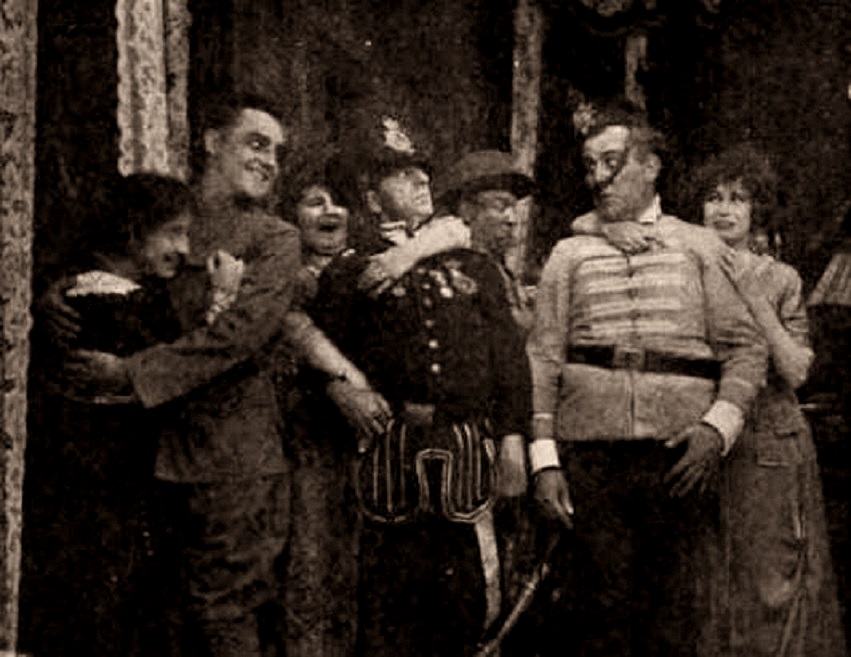
Reverend Sam Webster admonishes his parishioners for their failure to finance a boys' club to keep the boys from frequenting the town's pool halls. The richest man in town, Grocer Stedman, whose daughter Dorothy loves Webster, responds to Webster's request for $2,500, half the amount needed, by writing a check for $25. Then, in order to make money for the club, Webster follows Dorothy's suggestion and goes into partnership with Grocer Jarvis, whom Stedman had nearly driven out of business. After Stedman lowers his prices below cost, Webster enlists the aid of the boys who encourage their mothers to buy at his store. Although Stedman succeeds in having Webster removed from the ministry, when a clerk sets the store on fire after Stedman accuses him of dishonesty, Webster and the boys save the grocer and put out the blaze. Stedman then apologizes, offers to build the club himself, and sanctions Dorothy's marriage to Webster, which occurs at the clubhouse opening.
Review Excerpt
"
Stepping into the cinematic landscape of 1919, one encounters a fascinating tapestry of societal anxieties and burgeoning moral debates, often reflected through the lens of silent film. Among these, George D. Baker and Frederick Orin Bartlett’s narrative, brought to life in The Lion's Den, emerges as a particularly potent example of storytelling that grapples with the interplay of faith, commerce, and community. This is not merely a quaint relic of a bygone era, but a robust exploration of ..."