
DbcultAccessing Vault...
Recommendations
Senior Film Conservator
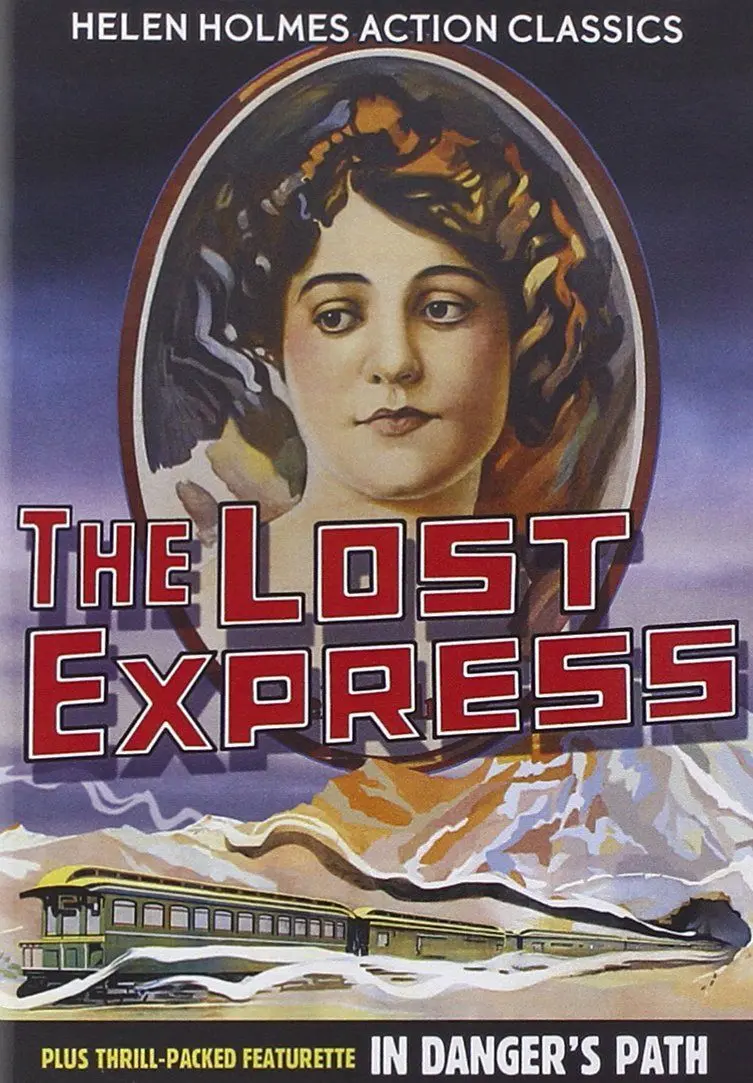
Navigating the complex narrative architecture of The Lost Express is a unique vision experience, the emotional payoff of the 1926 classic is what fans crave in similar titles. The following gems are essential viewing for anyone captivated by The Lost Express.
The artistic audacity of The Lost Express ensures it to define the very concept of unique vision in modern film.
Kidnapping and marital reconciliation drive this action film set on a millionaire's private train.
The influence of J.P. McGowan in The Lost Express can be felt in the way modern Mystery films handle unique vision. From the specific lighting choices to the pacing, this 1926 release set a high bar for atmospheric immersion.

Based on the unique unique vision of The Lost Express, our vault has identified these titles as the most compelling follow-up experiences for fans of Mystery cinema:
Dir: Marcel Perez
Ralph Barr refuses to lend more money to Trent, who has been rejected by Judith Reynard and is now engaged to Barr. When Trent insults Judith, Barr threatens to kill him. Then Trent calls on Barr, threatening to kill himself and make it appear that Barr killed him if Barr will not lend him the money. Later it seems that Trent has committed suicide and Barr is suspected of the murder, but disappears. A series of complications follows which make it appear that Barr did kill Trent, but it turns out that he was killed from a shot behind the portieres. Another murder takes place and more mystery develops. Finally it is determined that Barr is not guilty, and Judith's loyalty saves him.
View Details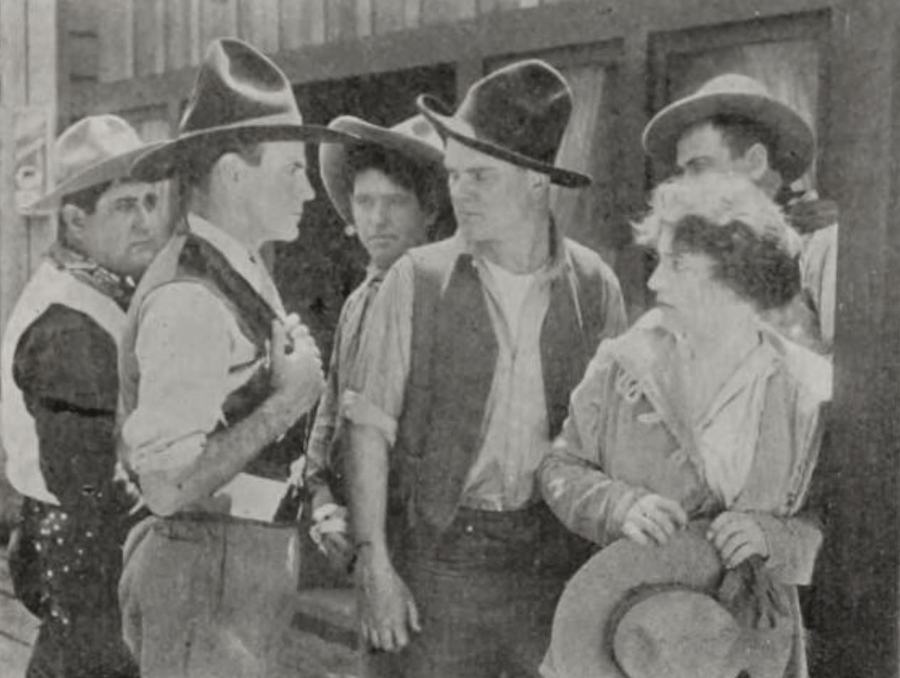
Dir: J.P. McGowan
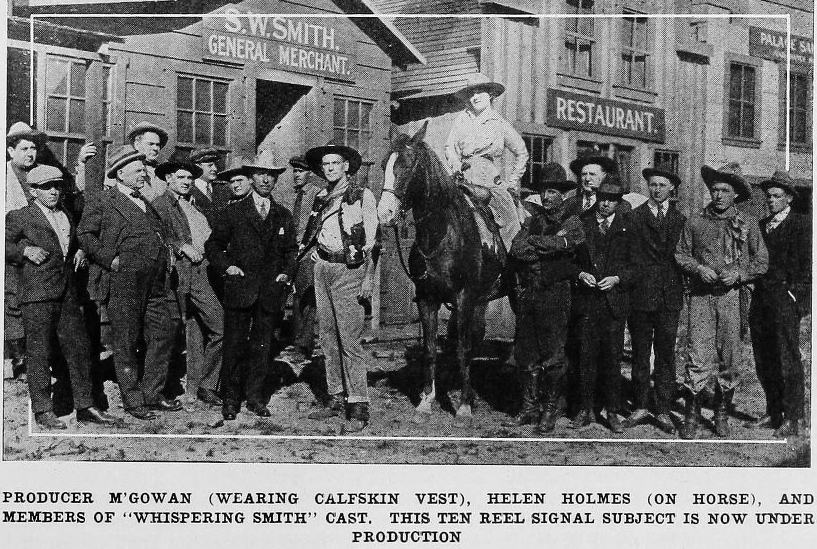
Whispering Smith is a virile, fearless type of the true American whose theory of life is to give every man a chance to show what is in him. There is nothing of the bully or braggart about him. He is just a man who knows instinctively what is right and never falters in his steps to see that justice is given where it is deserved and crime punished on the same basis. Whispering Smith loved Marion, a carefree, beautiful Western girl. His love was that of the strong, clean-living man, who knows no physical danger, but is reticent and bashful in his love affairs. Lacking as a suitor the characteristics that made him esteemed and feared among his fellow-men, he was beaten out for her hand by Sinclair, a dashing devil-may-care sort of fellow among the women, but an unscrupulous and vindictive man at heart. Marion's life with Sinclair was not all joy and happiness. Slowly he was killing her love for him, but in the manner of his kind he believed that harshness was the way to rule women. When the story opens, Sinclair, who is foreman of a wrecking crew on a mountain section of a transcontinental railroad, is living in one of the company's cabins in the small division terminal, "Medicine Bend," a typical Western railroad and mining town. This town was located at the foot of a steep declivity, noted for the frequency of the wrecks occurring there, particularly among freight trains. The officials of the road were worried at the great number of the wrecks, but were more concerned with the robberies that took place after each collision. No trace of the thieves could be found. The railroad detectives had about given up in despair when Whispering Smith was sent to "Medicine Bend" to put an end to the robberies. Sinclair was never suspected. Smith, however, discovers soon after his arrival that Sinclair is the brains of the gang engaged in looting the freight cars. Smith, to save Marion the disgrace of having her husband branded as a thief, does not expose him, but causes the division superintendent, McCloud, to discharge him. Life for Marion soon becomes unbearable and she leaves him. This arouses to frenzy the desperate man, who plans to get revenge on the railroad by burning the "Smoky Creek" trestle. Assisted by several of the band who had been engaged in looting the cars, Sinclair sets fire to the trestle, causing a disastrous wreck. Smith, determined to capture the men responsible, discovers that Sinclair is at the bottom of the plot. Again his love for Marion induces him not to expose her husband until he talks with her. He effects a reconciliation between Sinclair and Marion and upon the former's promise to lead a better life and to leave "Medicine Bend," Whispering Smith lets him go with his wife, and the girl he still loves.
View Details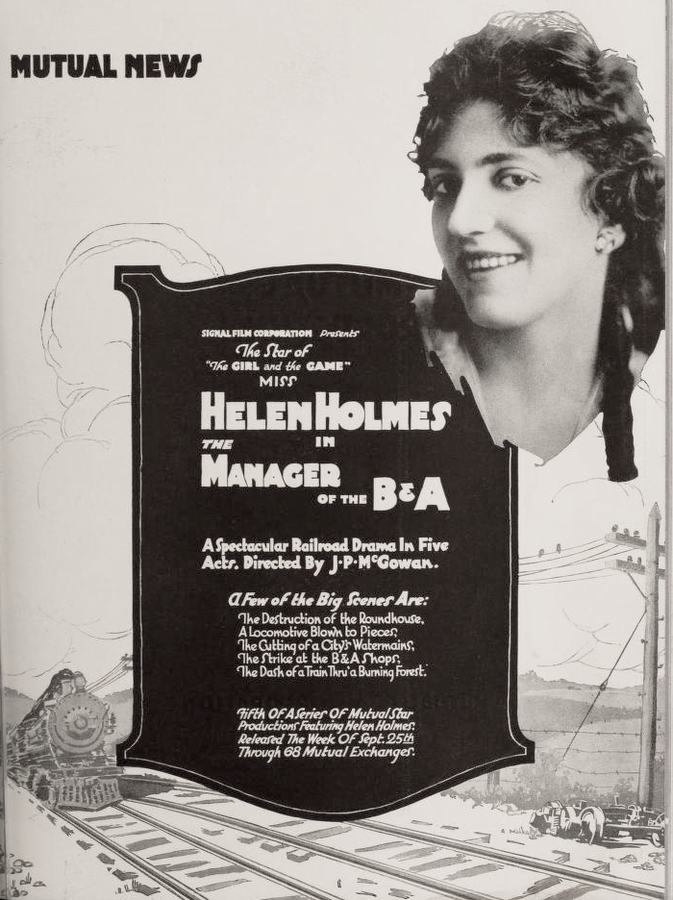
Dir: J.P. McGowan
Thomas Emory, manager of a local branch of the Buckhorn and Antioch, finds one day that he is minus a position due to his negligence in office. In his place is appointed temporarily his former assistant, Gordon Holt. Later, on an unexpected trip to the branch office, General Coming, the president of the B.&A., and his private train are narrowly saved from accident by the act of one of the minor superintendents along the division, Dan Oakley. In reward for the deed of daring which shows to the company's president of what stuff the young mechanic is made, Oakley is made manager over the head of Holt. With the introduction of new blood into "the works" the old regime of banker's hours and shiftless work is dealt its death blow. As a consequence the radical young manager incurs the enmity of the editor of the Antioch Herald and the leader of the Labor Party, one Griffith Ryden, who stirs up the men against him. But in spite of opposition the new manager "makes her pay." Due to the activities of the Labor Leader, a strike is called. Although the subsequent turmoil, hunger and dissatisfaction among the strikers is distasteful to the fighting manager, he stands his ground and keeps up his record by means of the men who remain loyal. A personal bitterness grows up between Ryder and Oakley since Constance Emory, the daughter of old Thomas Emory, the former manager, has evinced an interest in both which sways from one to another as her father's sympathies vary. The strike culminates in the cutting of the pipes leading to the water tanks, which results in the explosion of an over-heated engine boiler and a fire. The journey for aid to the next town to get the fire-fighting apparatus through a roaring forest fire which threatens to lick up the puny train with its tongue of flame, falls to the brave young manager. On his return he has won not only the hearts of his men, but that of the beautiful Constance, who promises to become his partner for life.
View Details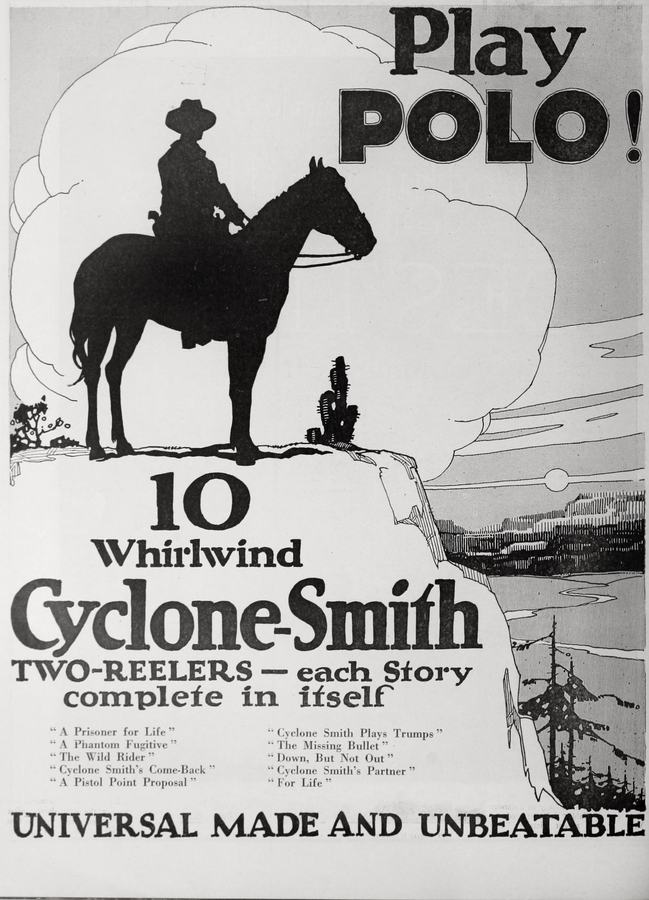
Dir: J.P. McGowan
A fascinating piece of cinema that shares thematic elements.
View Details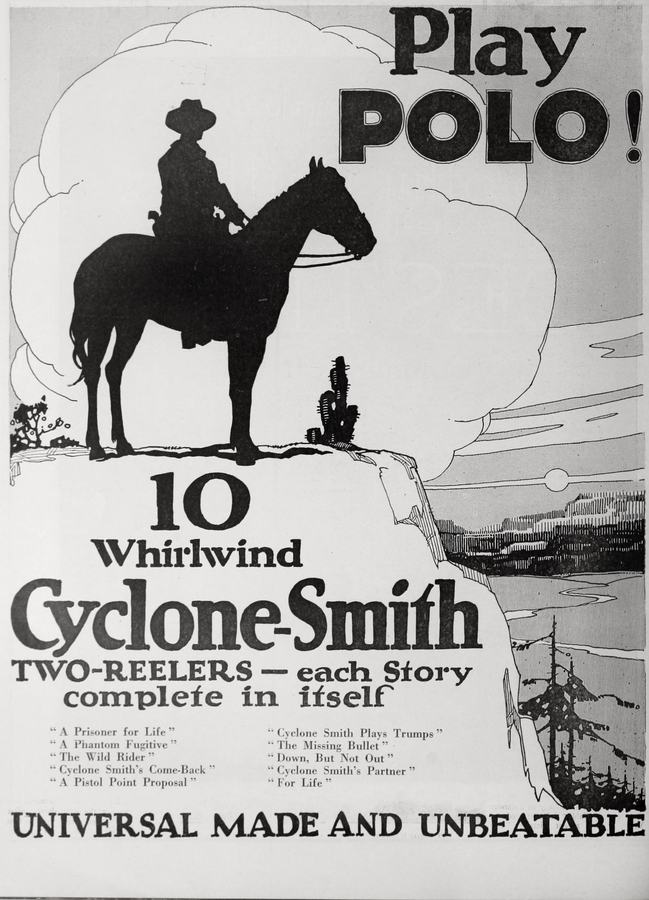
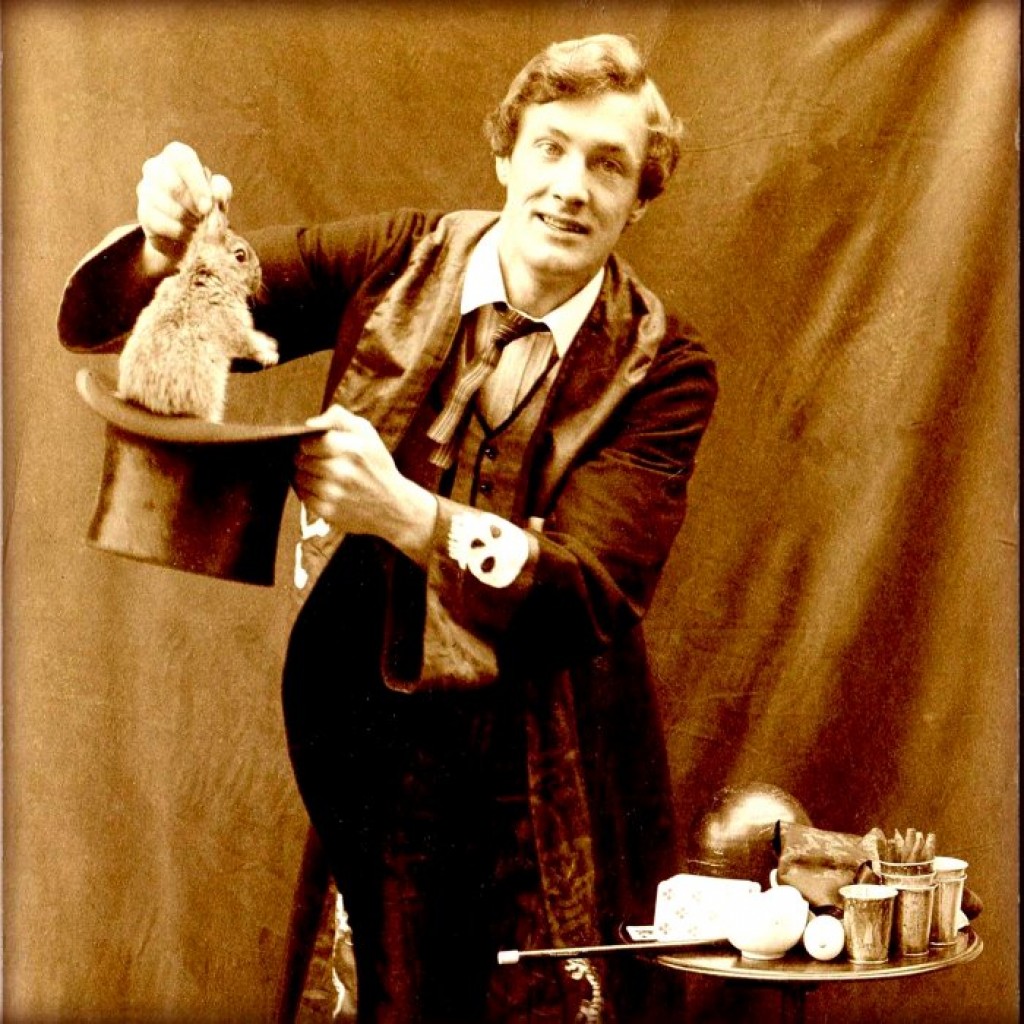
Dir: Charles Raymond
A magician helps outwit a Chinaman's gang.
View Details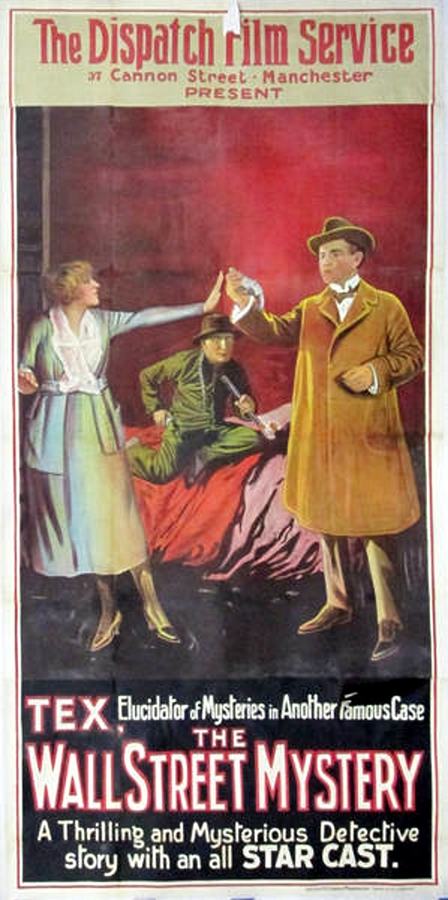
Dir: Tom Collins
When the body of Wall Street broker Norman Temple is found dead in his office, the police arrest contractor James Borden for the crime on the testimony of Temple's secretary that Borden had threatened her employer over an unpaid note. Also under suspicion is Temple's Japanese valet, who quarreled with his employer the day before the murder. Tex, a detective, enters the case, following his own leads which prove the valet innocent. Tex finally deduces that Minkin, one of Temple's clerks, shot his employer when he interrupted the clerk robbing his safe. With Tex's revelation, Minkin's room is searched, the stolen bonds found and Borden is freed.
View Details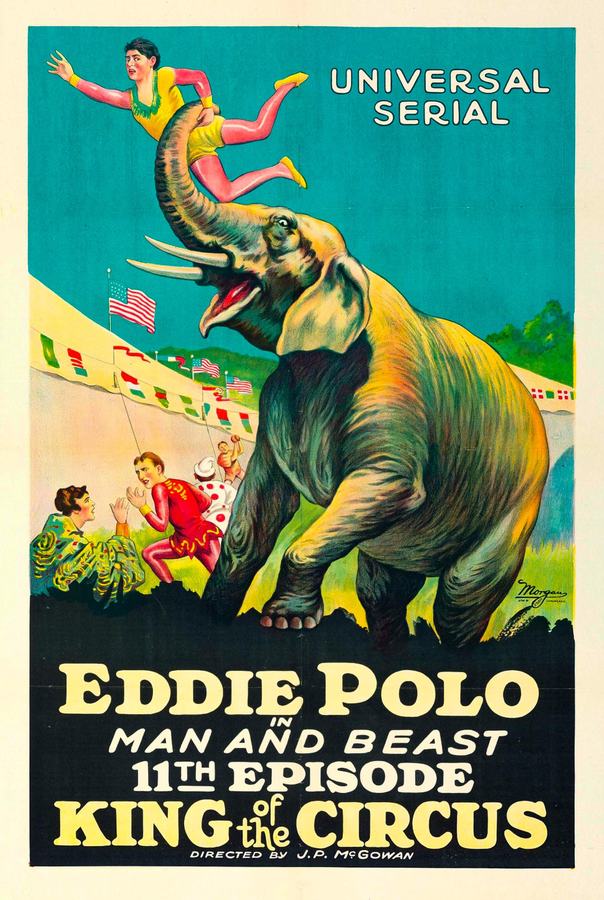
Dir: J.P. McGowan
A fascinating piece of cinema that shares thematic elements.
View Details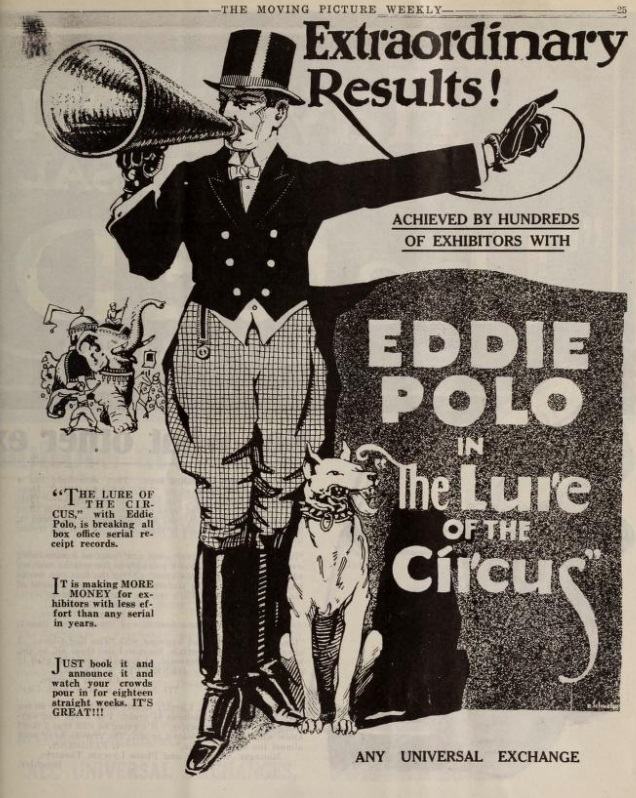

Dir: J.P. McGowan
A train that is carrying the formula for a valuable form of granulated gasoline disappears before it reaches its destination. Railroad investigators and the authorities try to determine where it is and who took it.
View DetailsAnalysis relative to The Lost Express
| Film Title | Atmosphere | Complexity | Similarity |
|---|---|---|---|
| The Way Women Love | Tense | Linear | 93% Match |
| Whispering Smith | Gothic | Dense | 88% Match |
| The Manager of the B & A | Ethereal | Dense | 92% Match |
| For Life | Ethereal | Abstract | 88% Match |
| The Missing Bullet | Gothic | High | 85% Match |
This guide was algorithmically generated using the cinematic metadata of J.P. McGowan's archive. Last updated: 8/17/2026.
Back to The Lost Express Details →