
DbcultAccessing Vault...
Recommendations
Senior Film Conservator
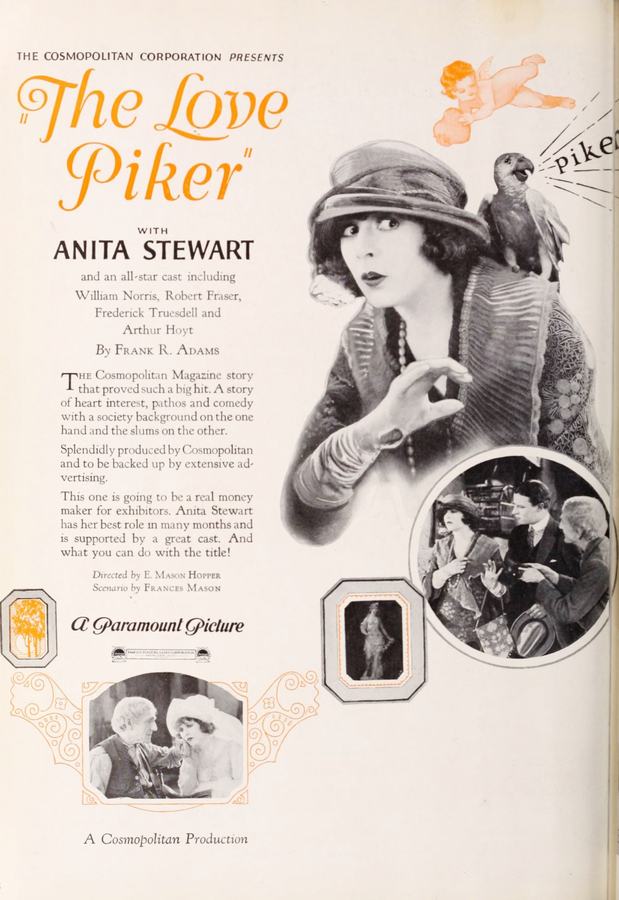
Ever since The Love Piker hit screens in 1923, fans have sought that same thematic gravity, the search for similar titles reveals the deep impact of E. Mason Hopper's direction. These recommendations provide a deep dive into the same stylistic territory occupied by The Love Piker.
Whether it's the thematic gravity or the thematic depth, this film to capture the existential zeitgeist of 1923.
Arrested for speeding in her roadster, Hope Warner, a wealthy young woman, meets and is aided by Martin Van Huisen, a young civil engineer who has made his way in the world by sheer force of character, despite the handicap of early poverty. Later, Martin is instrumental in saving Hope's life and the friendship between the two ripens into love. They become engaged but the girl's loyalty to her lover is put to a severe test when he takes her to visit his father, old Peter Van Huisen, who lives in the tenements, where he has spent all his life and will not leave. When Hope sends out invitations for her wedding, her snobbish training asserts itself and she tears up the one intended for the elder Van Huisen. On the wedding morning she is troubled with remorse for her action and by the time she is attired in bridal costume, experiences a revulsion of feeling. She jumps into an auto and hurries to old Peter, confesses her fault, brings him back with her and is married.
The influence of E. Mason Hopper in The Love Piker can be felt in the way modern Romance films handle thematic gravity. From the specific lighting choices to the pacing, this 1923 release set a high bar for atmospheric immersion.
Based on the unique thematic gravity of The Love Piker, our vault has identified these titles as the most compelling follow-up experiences for fans of Romance cinema:
Dir: E. Mason Hopper
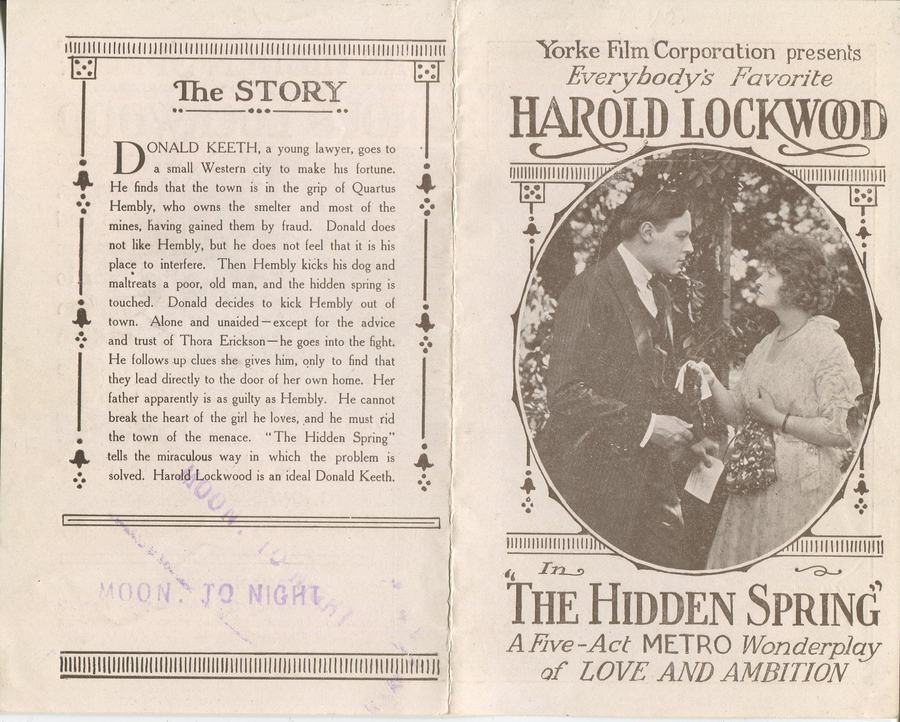
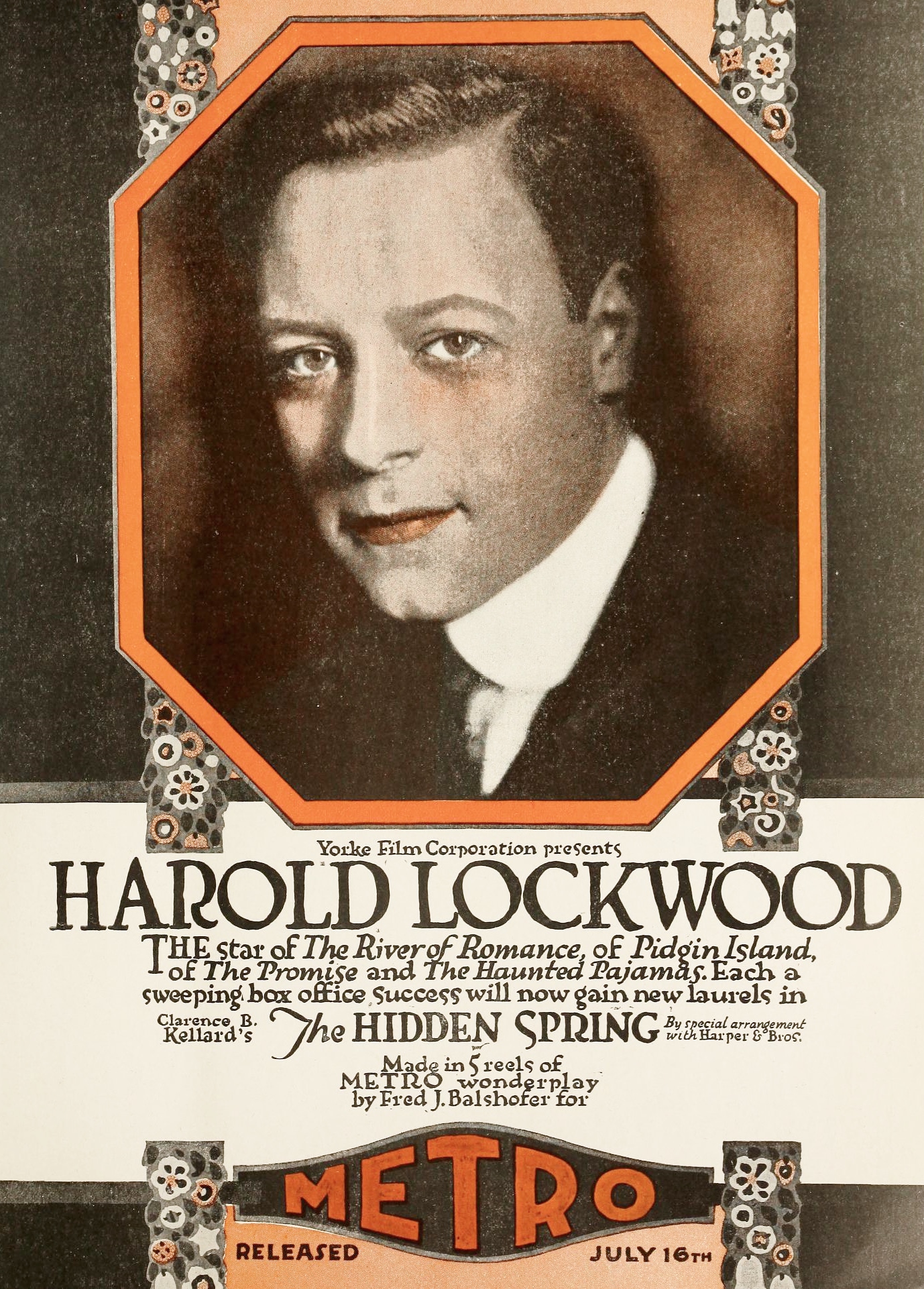
Quartus Hembly, a man without a conscience, is the ruler of the town of Copper City, having made himself rich at the expense of his workers. When Donald Keith, a young lawyer, arrives in town, a hidden spring within him is touched after Hembly viciously kicks his dog. Keith refuses to leave town and warns Hembly that he will fight to see that the people get their rights. Keith's only ally is Thora Erickson, the daughter of Hembly's henchman. Keith's opportunity to topple Hembly presents itself when he rescues Bill Wheeler, who, out of gratitude, confesses that it was Hembly who dynamited the log jam years earlier. With the lawyers and the courts in the palm of his hand, Hembly is acquitted, but the townspeople are so outraged that they capture Hembly and tie him to the whipping post. He is rescued by Keith, who forces a full confession for all Hembly's crimes and then allows him to leave town. Keith is then made district attorney, Thora becomes his bride, and Copper City becomes a decent place in which to live.
View Details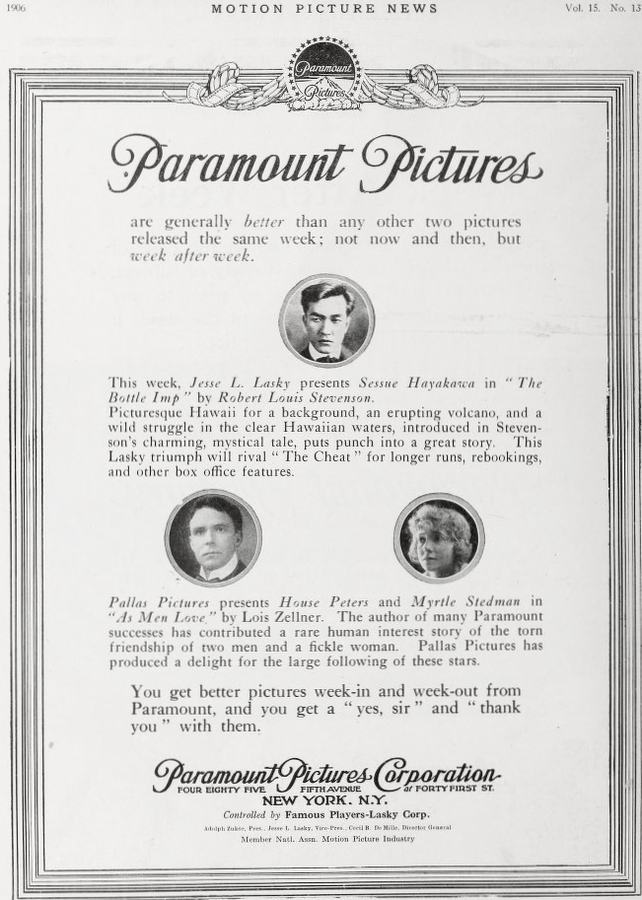
Dir: E. Mason Hopper
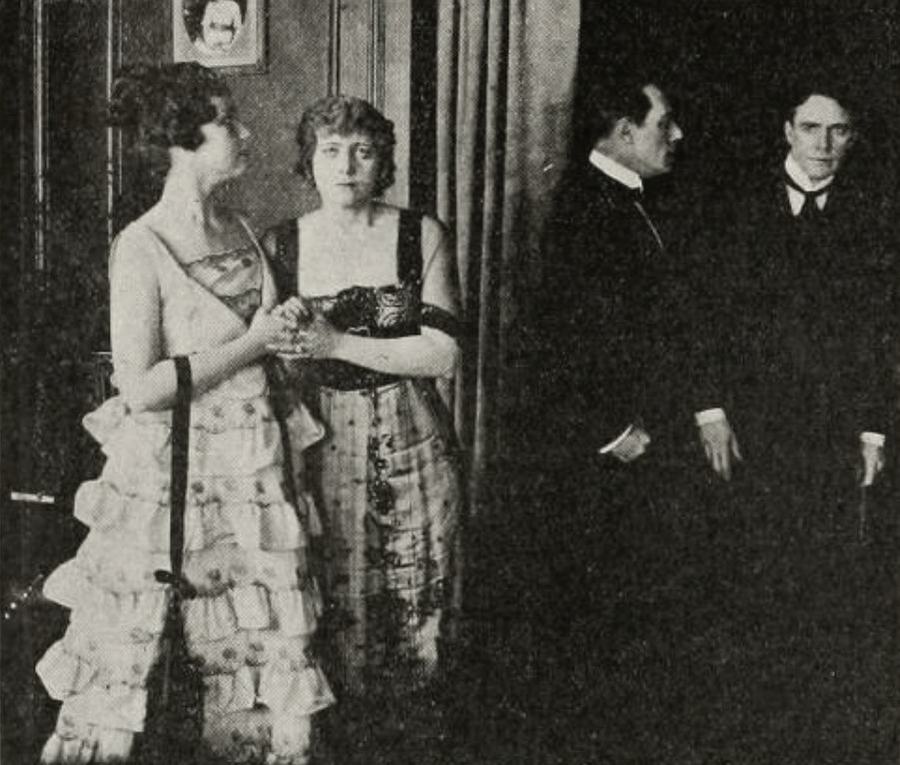
Diana Gordon a socialite, falls madly in love with Dr. Paul Russell, her husband Keith's best friend. Russell, however, is in love with Keith's sister Marjorie, who is spending the winter with the Gordons. Overhearing Russell's proposal to Marjorie, Diana is extremely jealous and when alone with the physician, throws herself into his arms. At that moment, Gordon enters the room, and to protect Diana's reputation, Russell takes the blame and is banished from the house. Sometime later, polio sweeps the city and Russell becomes an expert in treating the disease. The Gordon's young daughter is stricken and Diana summons the physician, but Gordon forbids him to enter their home. In order to save her child, Diana reveals the truth to her husband and sister-in-law. All are then reconciled and the little girl recovers.
View Details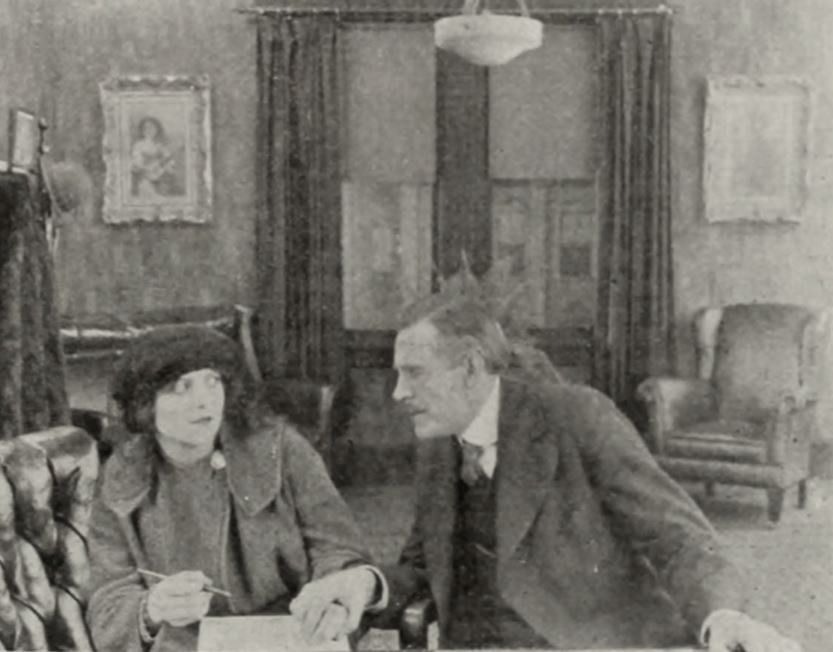
Dir: E. Mason Hopper
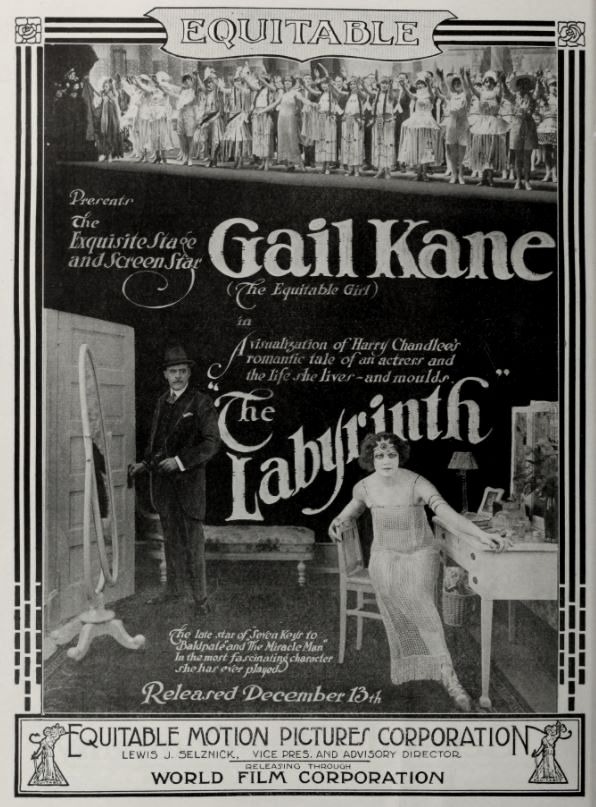
Florence Burgess, a singer in the Cafe Fanchon, supports her lame sister, Frances, but keeps her struggle secret. Oscar Morse, a theatrical manager, is attracted by Florence's beauty and talent, and offers her an engagement. When they meet he demands the usual payment his girls have to make, and is refused. The café has been closed, she is out of work and decides to trick Morse. She gets him drunk, and he signs a paper she has substituted for the contract he planned. Florence the next day admits her deception and Morse, fearing publicity, accepts the situation and stars Florence in "The Green Goddess." She makes a big success, her stage name being Flo Burke. At a little country hotel where she has gone to rest after the first year's work, she meets Fenton, the minister, whose efforts closed the Fanchon, but he does not recognize her. He tells the story of his mission work, she becomes interested, they fall in love, he not knowing that she is the actress, Flo Burke, the register showing Miss F. Burgess. She finally keeps her secret, saying she is the sister of the actress. Fenton is preaching, Florence hears him, determines to give up the stage, but Morse demands the payment of a large forfeit, and she is bound to the stage. Frances, who has been sent to a sanatorium, starts with her sister for New York, the train is wrecked, and Fenton, when the bodies are brought in, finds one bearing cards which tell him it is Flo Burke. Another woman, not dead, has cards of Florence Burgess. Florence sees in a paper in the hospital the announcement of the death of Flo Burke, and sees that it means her escape from the stage. She marries Fenton, but is full of remorse over her deception, and plans to use her money, which had come to her through her own will, which had left it to her sister, for the work of Fenton. Morse goes to the church rectory to see Fenton about a problem play, sees Florence, she denies knowing him, he returns to his office, finds a diary she had kept, and it reveals her secret. He returns, demands full payment of the contract forfeit, and Florence is up against a dilemma. If she gives the money to Morse, she must explain to her husband; if she gives it to her husband Morse will drag her back to the stage. Seeking a way out of the labyrinth, she promises Morse to read the play, and advises Fenton to favor it for production by Morse. He comes to the house, meets Fenton instead of Florence, who overhears her husband praising the play, and decides to give her husband the money. Morse flies into a rage, threatens to denounce her, but Fenton stops him; there is a fight, Morse accidentally shoots himself with his own pistol, and with her husband's love safe Florence feels that she has escaped from the labyrinth.
View Details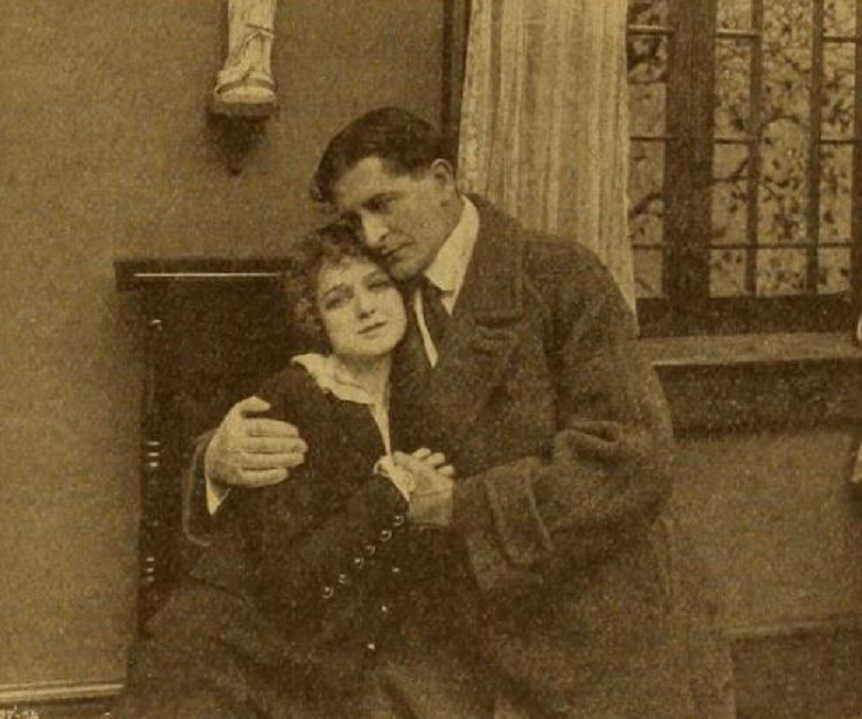
Dir: E. Mason Hopper
Julie Davenant is the neglected daughter of a Parisian dancer who, tired of her life, commits suicide. With her last breath she tells Julie not to trust men. Julie begins her battle with life as a nursemaid. Sculptor John Ramsey spies the beautiful little girl, gives her his card, and when she is discharged from her nursemaid position she becomes his model. She becomes the most talked-of model in Paris, and modiste Hermineux pays her a handsome sum to have her likeness made in wax, on which he displays his gowns. Julie meets Melville Ilchester, who seems "different." He also falls deeply in love with her. Ilchester, to satisfy a query in his mind if Julie is really "different," goes to her flat at night and walks in just as she, on a dare, takes a sip of wine and lights a cigarette. He refuses to listen to her explanation. In a moment of despair, Ilchester smashes both window and model at the Hermineux shop. Julie surmises Helen (Ilchester's sister) and Ramsey's plan to elope, sends Ilchester a note to go to Ramsey's because a friend is in danger, tells Helen that Ramsey is married, and hides her as Ilchester enters Ramsey's studio. Ilchester, believing this is a ruse of Julie's, leaves, still refusing to allow Julie to explain. Heartbroken she abandons her profession as a model and becomes destitute. She sends Ilchester a last note of appeal, which Helen accidentally sees, and after hearing the truth from his sister, Ilchester hastens to Julie, explanations are made and their happiness is assured.
View Details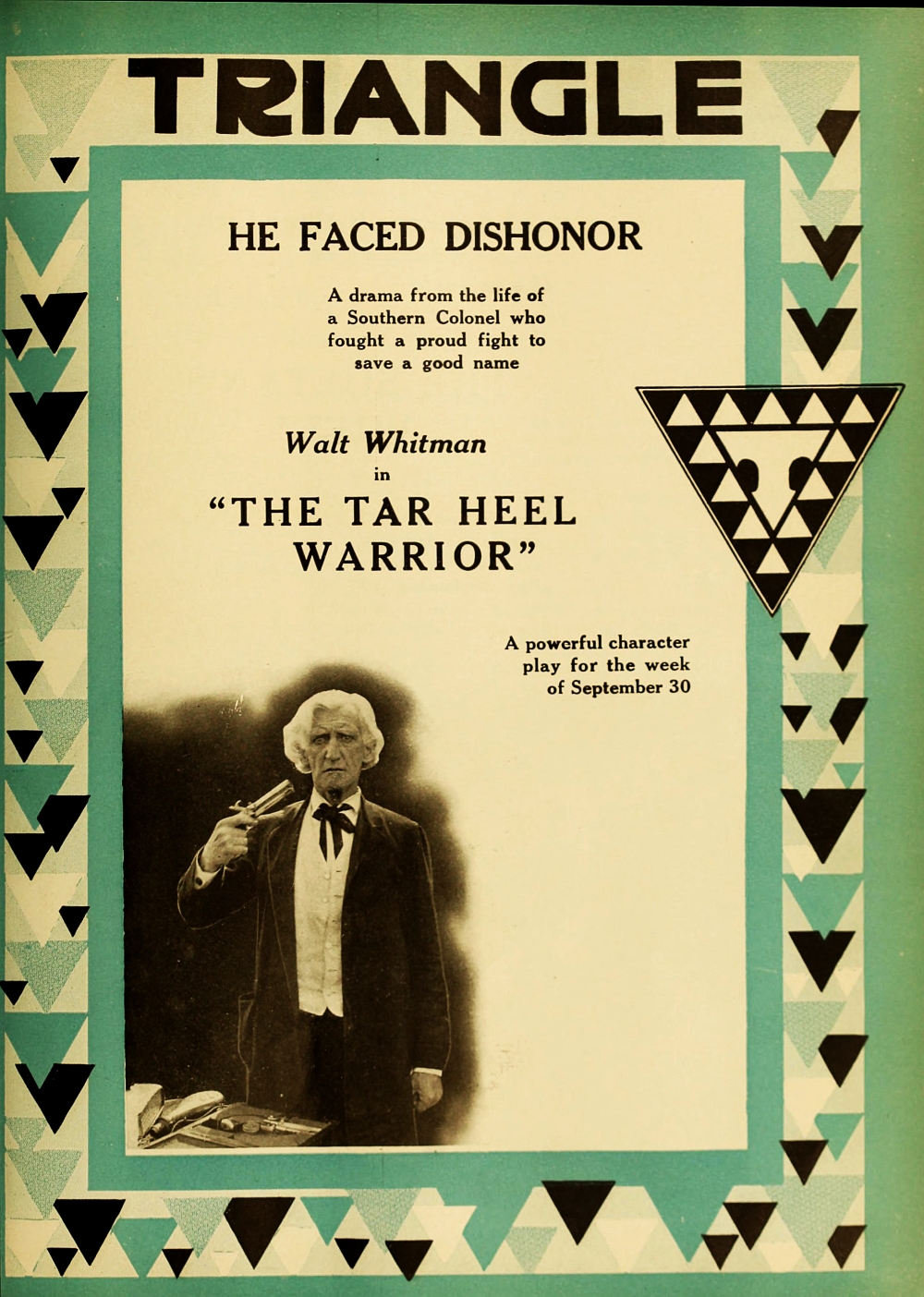
Dir: E. Mason Hopper
Colonel Dabney Mills, whose Southern plantation is heavily mortgaged, makes a trip to New York hoping to borrow money from James Adams, his granddaughter Anna Belle's husband. When the colonel arrives, he learns that Adams's entire capital is tied up in a big stock deal, and that he is therefore unable to lend the colonel any assistance. While Adams is away, one of his business partners entrusts the colonel with $5,000 to retain for his grandson-in-law. Desperate, the colonel speculates in cotton on the tip of an old friend and loses the money. Conscience-stricken, the colonel returns to his plantation determined to take his life, but Adams, successful in his deal, arrives just in time to prevent the tragedy.
View Details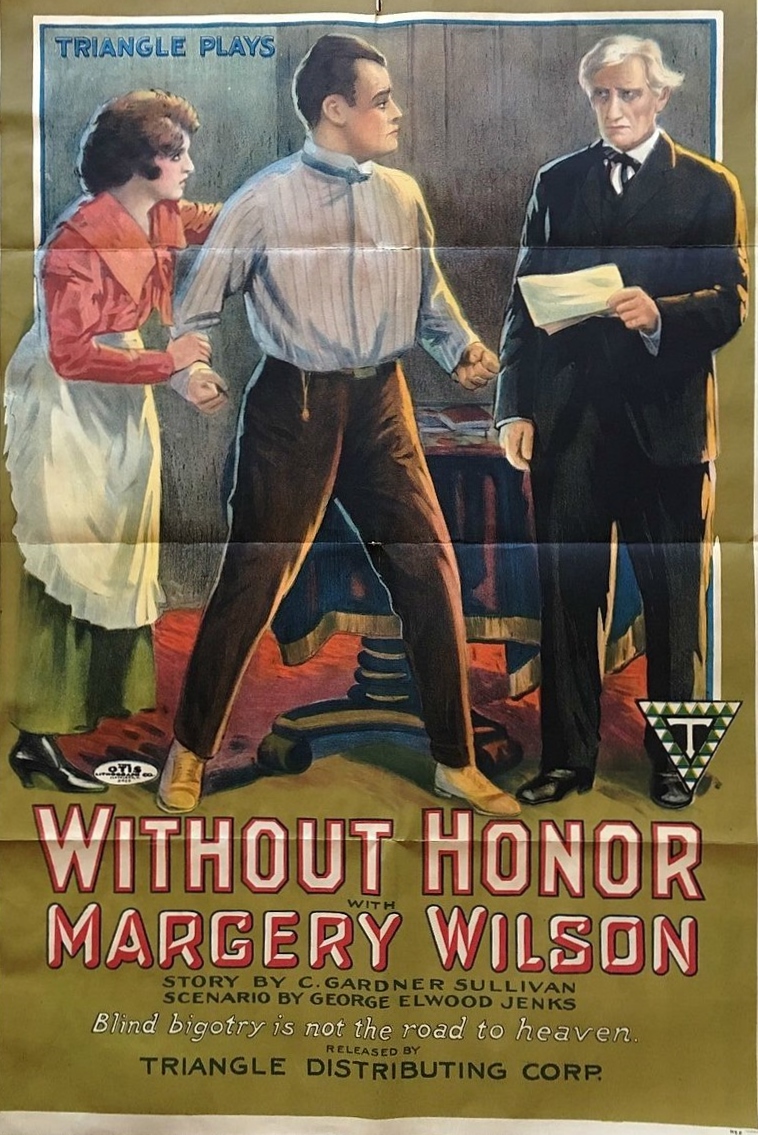
Dir: E. Mason Hopper
Weak-willed Roy Hanford, driven from his father's house by the coldness of his stone-hearted wife and the sanctimonious attitude of his father, the deacon, flees to the city. There he is befriended by Breeze Ballard, a salesman for the Ajax Hardware Company who arranges for Roy to work in the office. Roy falls in love with the firm's secretary, Jeanie MacGregor, and the two are married. A year later, Roy is happy with his wife and newborn child when his father appears, accompanied by an officer carrying a warrant that charges Roy with bigamy. To save himself from the penitentiary, Roy denies the marriage and deserts Jeanie. Jeanie follows her drunken husband, who falls from a cliff and dies. She then becomes a target for the hypocritical deacon who attempts to rally the villagers to drive her from town. The deacon is defeated by the appearance of Breeze, who produces proof of Jeanie's marriage and pledges his own love to her.
View Details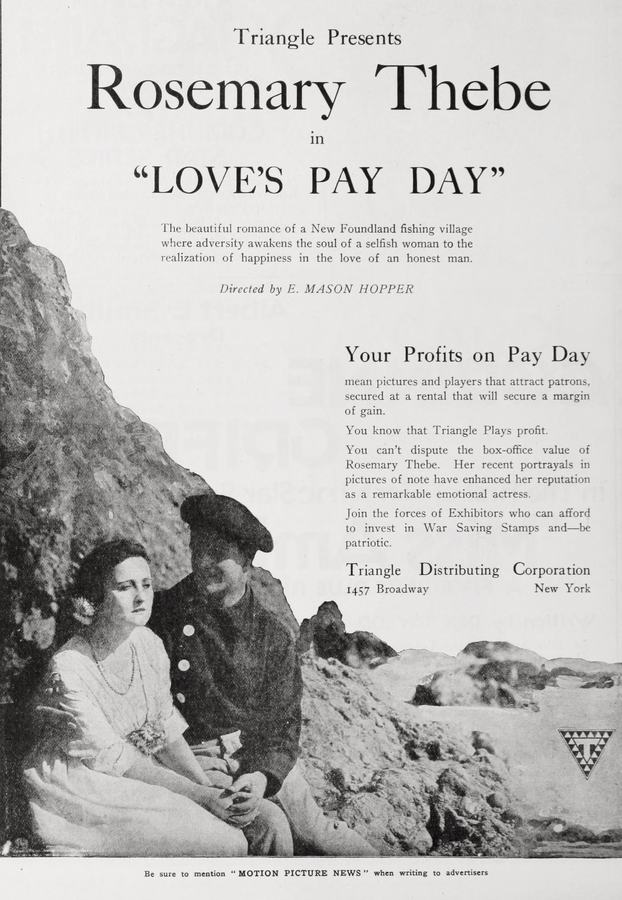
Dir: E. Mason Hopper
Representing a large New York fish packing concern, George Wilton travels to the Newfoundland fishing village of Hearts Desire to purchase a packing plant, but he soon learns that the plant's owner, Jean Laroque, has no intention of selling. Wilton promises Jean's restless young fiancée, Judith Bretans, that he will finance her move to New York City provided she give him the deed to the plant. On the night of the wedding, Judith secures the papers from her new husband, and when Jean realizes that he has lost the plant to Wilton, he denounces Judith and leaves town. As the new owner, Wilton operates the plant with such cruelty that the outraged fishermen decide to revolt and are about to attack the building when Jean appears. Although he succeeds in dispersing the mob, Wilton is killed, and Judith, who has realized her foolishness, is reunited with her husband.
View Details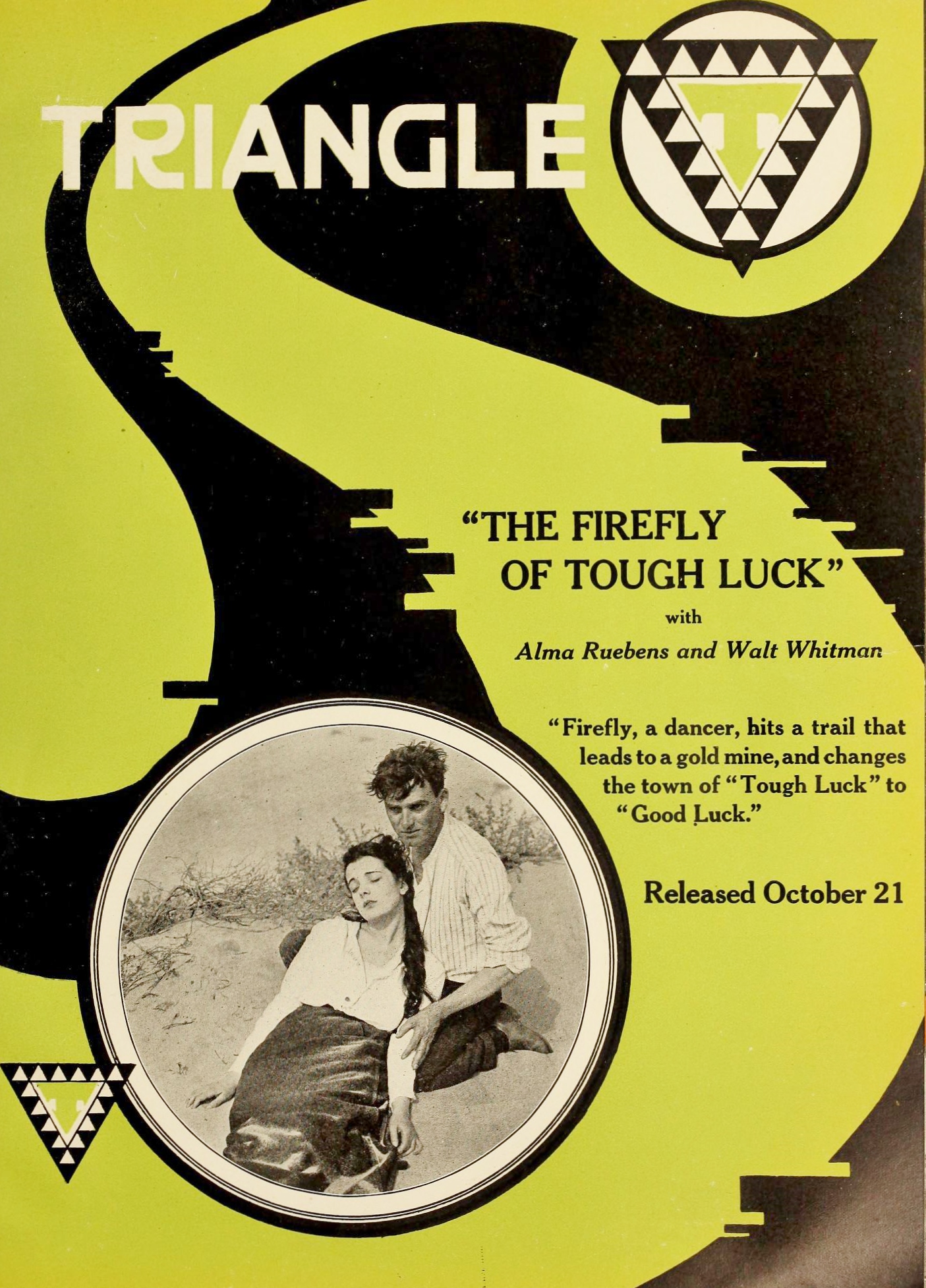
Dir: E. Mason Hopper
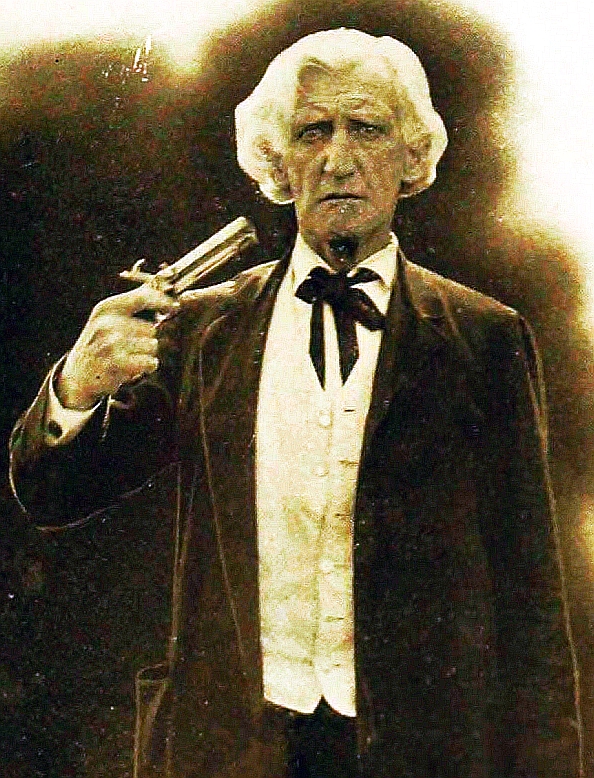
"Tough Luck" Baxter, returning from a prospecting trip, meets Happy Jack Clarke, a former citizen of Baxter City, a boom town which became a ghost town when the gold petered out. A game of cards decides that Clarke will go back to Baxter City with "Tough Luck" in search of ore. Meanwhile, the Firefly, a New York music hall entertainer out of a job, is ordered by her parasitic husband Bert Wilcox to perform at the dance hall in Baxter City. Upon her arrival, she finds the town deserted and strikes out on the open trail. Overcome by the desert, she is rescued and brought back to Baxter City by Danny Ward, a former Yale athlete. Together, "Tough Luck," Clarke, Danny and Firefly organize a family and strike gold. Danny, having fallen in love with Firefly, proposes to her on the very night that her worthless husband comes to town. Wilcox loots the assayer's office, is caught, convicted, and thrown out of town. Out of loyalty, Firefly accompanies him. Danny follows them and finds Firefly abandoned in the desert by Wilcox who has stolen her money and water. Justice is served when Wilcox perishes in a den of rattlesnakes, thus freeing Firefly to return with Danny to Baxter City.
View Details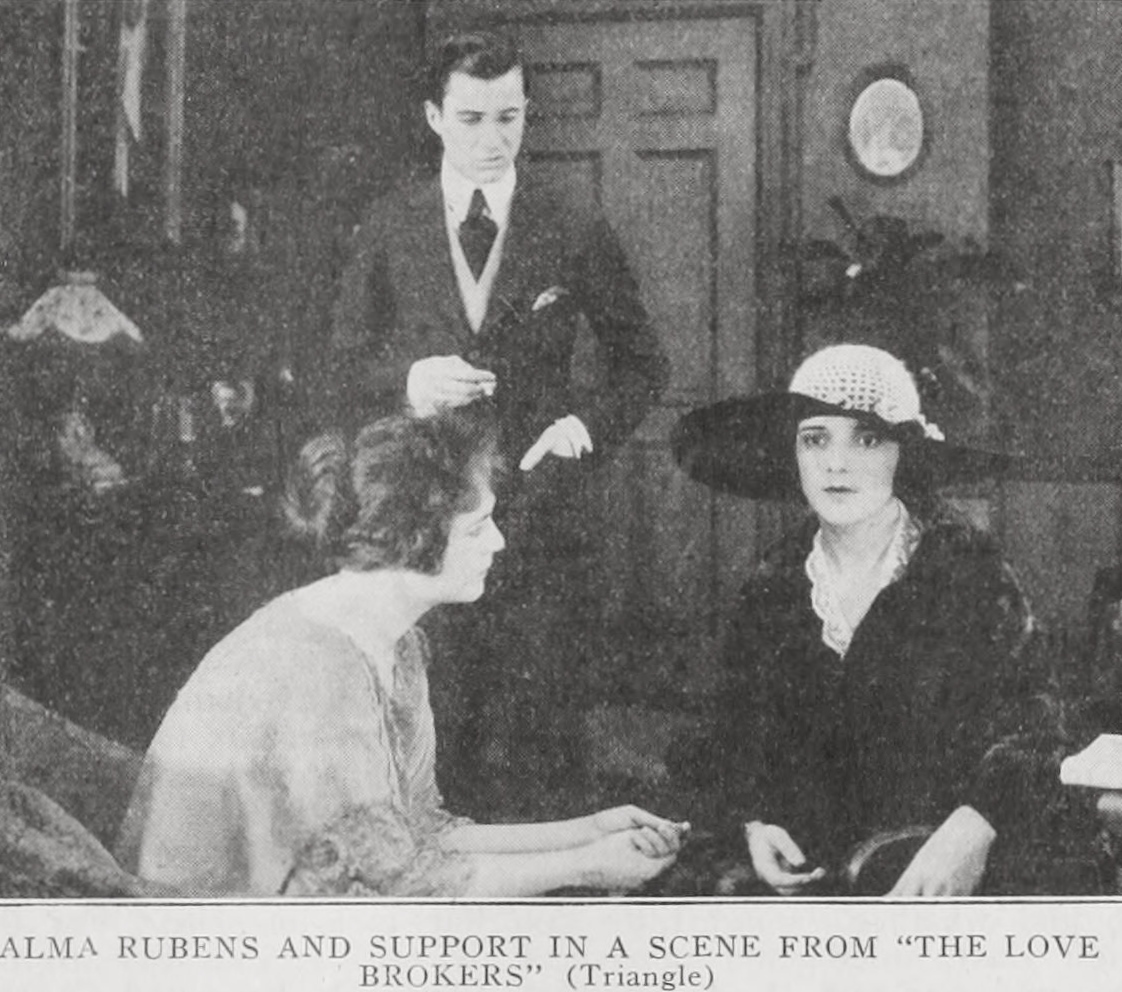
Dir: E. Mason Hopper
Charlotte Carter, a young songwriter, moves to New York and settles in the city's Bohemian quarter. When Peter Ladislaw, one of her admirers, confesses that he has forged a number of checks and is in danger of arrest, the good-hearted girl promises to help him. Olga Grey, a dishonest schemer, convinces Charlotte to marry wealthy arts patron Gerard Townshend, who has been injured in an auto accident and is near death. Charlotte consents and the two are wed, but following an operation, Gerard recovers. Ashamed, Charlotte confesses that she married Gerard for his money, and he forgives her. Olga and Peter try to frame them for a divorce, but the couple, now deeply in love, rid themselves of the crooks and begin their marriage again.
View Details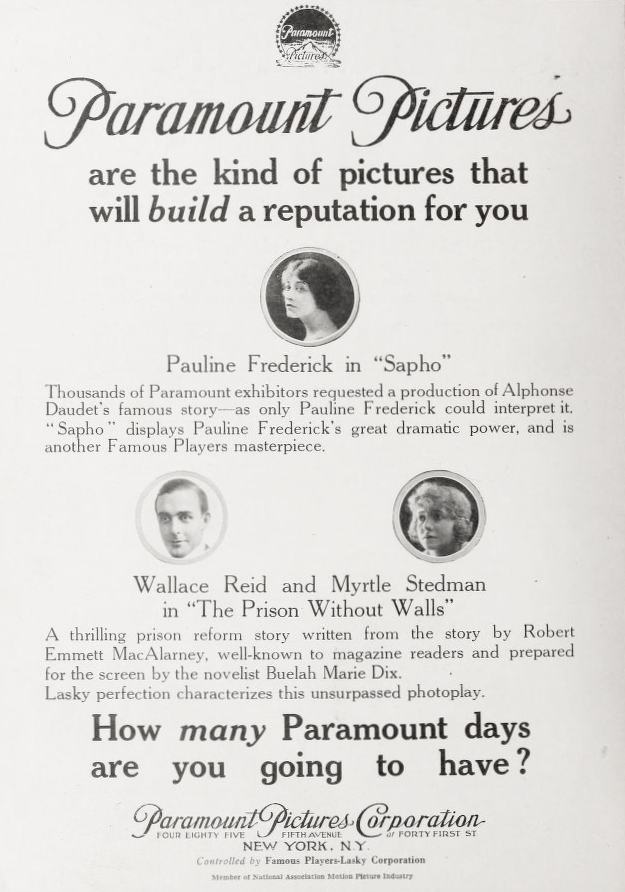
Dir: E. Mason Hopper
Helen Ainsworth, a young philanthropist, who is interested in a prison reform movement, is engaged to Norman Morris, administrator of the Ainsworth millions and the undiscovered "man higher up," grafting through his influence with prison wardens. He is also having an "affair" with Felice, Helen's maid, an ex-convict. Governor Havens sends for Huntington Babbs, prison expert, who enters the prison as a convict, is discovered by Helen and made her secretary upon his release. Morris is jealous of the good-looking secretary and he makes Felice "plant" a necklace which he has presented to Helen, in Babbs' room. Babbs discovers the plot, and Morris, overhearing his plan to visit a certain place in the rough part of the city, for Helen, plans to get him. He orders the gang to murder him. Helen accompanies Babbs (or Conroy, as he is known). Morris learns Helen has gone and reaches the place just as the men have nearly overpowered Conroy. Morris allows the men to escape, but Helen refuses his offer to take her home, preferring Conroy. Infuriated, Morris plans to have the Ainsworth safe burglarized the night of Helen's party. Conroy discovers the burglar and that he is Gilligan, whom he befriended in prison. Conroy sends a note to the Governor by Gilligan. Just as the burglar leaves, the guests of the house enter the library. Conroy is accused, but Helen allows no arrests. She orders Conroy to leave the house. Morris betrays the girl Felice by suggesting her arrest as an accomplice. Morris accompanies Helen to the Governor's office. The Governor requests an interview with Morris and accuses him of being the "man higher up." Morris asks for his witnesses and a door is opened, disclosing Gilligan and the gang, and Felice. Conroy is introduced as Huntington Babbs, prison expert. Morris is staggered. Helen overjoyed. Morris is arrested, but just as he is leaving Felice shoots him. Unconsciously, Helen goes into the arms of the man she loves.
View DetailsAnalysis relative to The Love Piker
| Film Title | Atmosphere | Complexity | Similarity |
|---|---|---|---|
| The Hidden Spring | Gritty | High | 96% Match |
| As Men Love | Ethereal | High | 88% Match |
| The Labyrinth | Gritty | Linear | 91% Match |
| The Wax Model | Gothic | Linear | 86% Match |
| The Tar Heel Warrior | Gritty | Dense | 85% Match |
This guide was algorithmically generated using the cinematic metadata of E. Mason Hopper's archive. Last updated: 6/25/2026.
Back to The Love Piker Details →