
DbcultAccessing Vault...
Recommendations
Senior Film Conservator
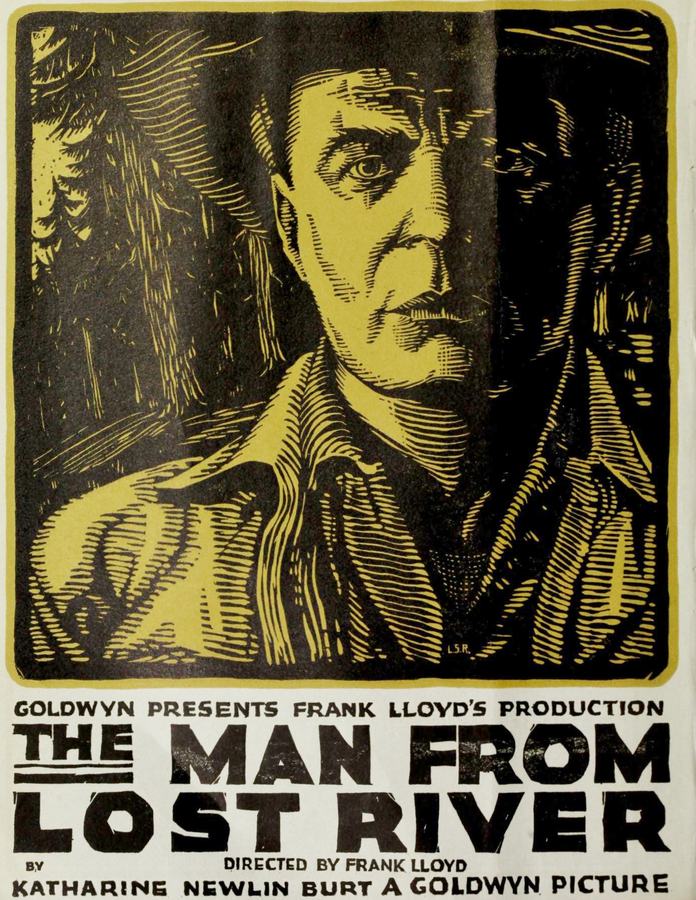
For those who were mesmerized by The Man from Lost River, a true Romance masterpiece from 1921, its influence on Romance cinema remains a vital reference point for fans today. This list serves as a bridge to other Romance experiences that are just as potent.
The legacy of The Man from Lost River is built upon its ability to blend thematic complexity with stunning visual execution.
A beautiful but timid young woman named Marcia comes to a backwoods logging camp, where she is wooed and won by a young city boy, Fosdick. Marcia is put off by the gruffness of the camp's foreman, Barnes, but soon learns that Fosdick is a coward whose sole determination is self-preservation at all costs, and she begins to see that foreman Barnes is the better catch.
The Man from Lost River was a significant production in United States, showcasing the immense talent of Milla Davenport, James Gordon, Fritzi Brunette. It continues to be a top recommendation for anyone studying Romance history.
Based on the unique emotional resonance of The Man from Lost River, our vault has identified these titles as the most compelling follow-up experiences for fans of Romance cinema:
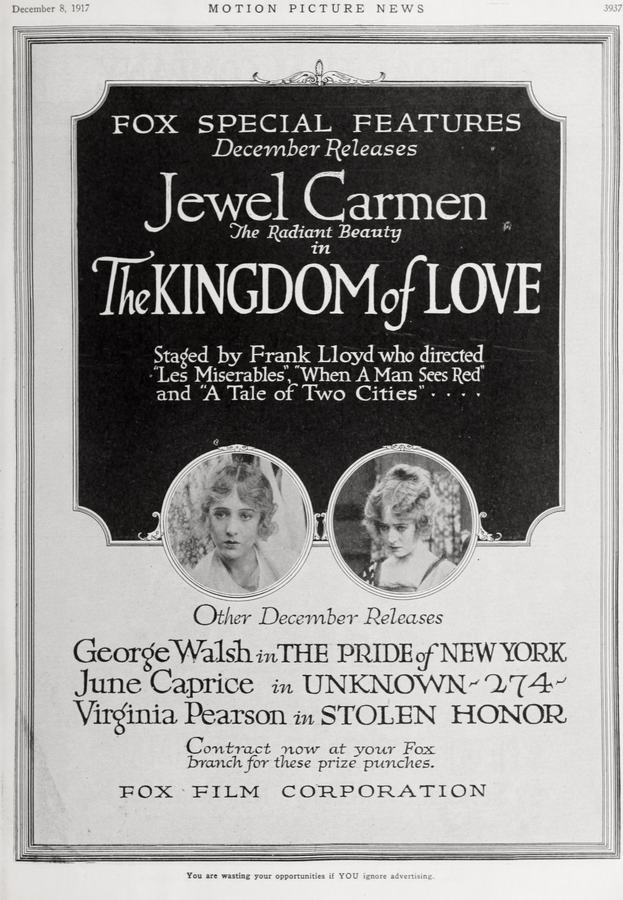
Dir: Frank Lloyd
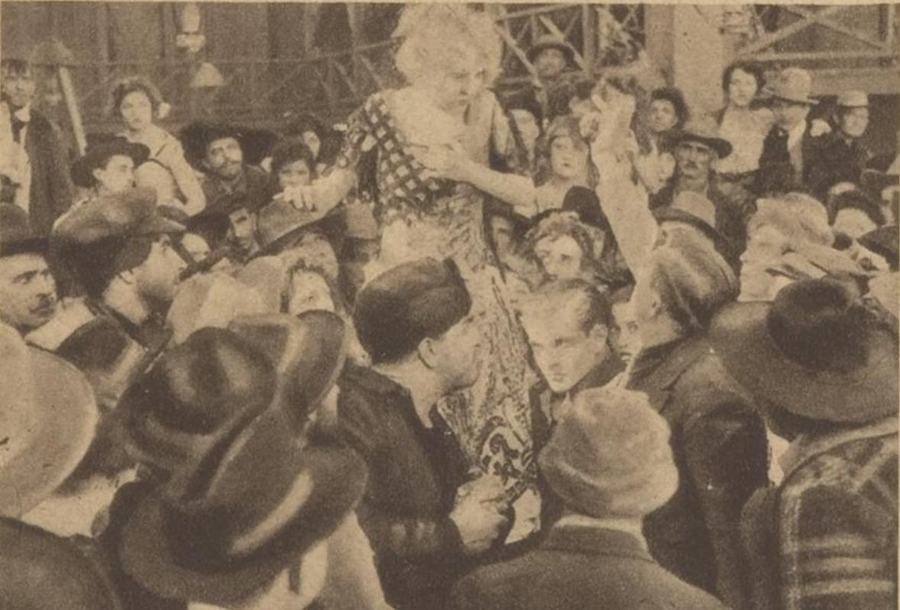
After her parents separate, young Violet Dale's father takes her to Alaska. Although he tries to protect her from the sordidness of life in a lawless town, Violet must resort to working in a dance hall after he is killed after being caught cheating at cards. Despite her circumstances, Violet remains virtuous and earns the respect and admiration of the dance-hall clientele. Frank Carson, a young man who has come to Alaska to seek his fortune, is attracted to Violet and asks her to marry him. When he shows her a portrait of his mother, Violet sees that it is a duplicate of a portrait she has of her own mother. Now realizing that Frank is her own brother, she refuses his proposal but does not tell him why. Some time later, Frank receives word that his mother is seriously ill and needs an expensive operation that she cannot afford. Desperate to help, Violet holds an auction at the dance hall to offer herself to the highest bidder. Rev. David Cromwell, a kind man who is in love with Violet and knows her predicament, makes the winning bid of $6,000, although he does not have the money. Dance-hall owner Buck, who is jealous of David's influence over the community, decides to lend him the money for three months on the condition that if David does not pay, he will belong to Buck for 10 years. David eventually obtains the money and wins Violet's love.
View Details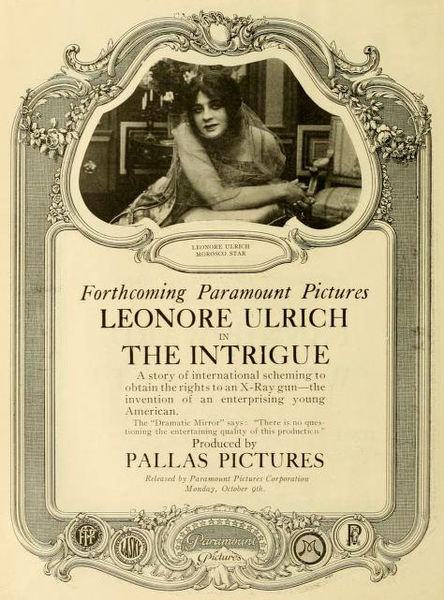
Dir: Frank Lloyd
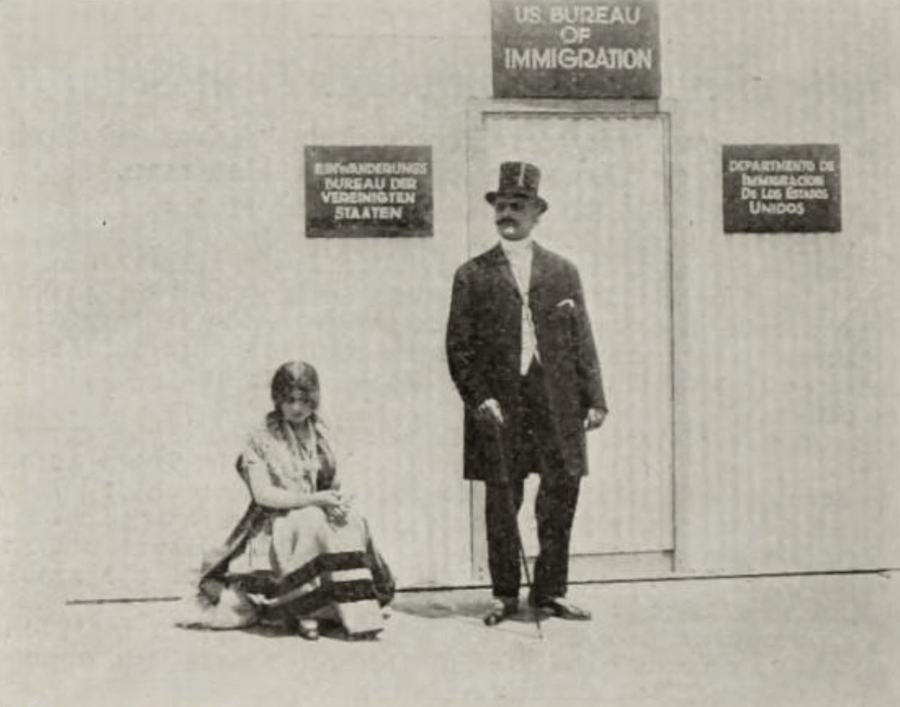
A sci-fi/espionage film in which world powers vie for control of a death ray during World War I.
View Details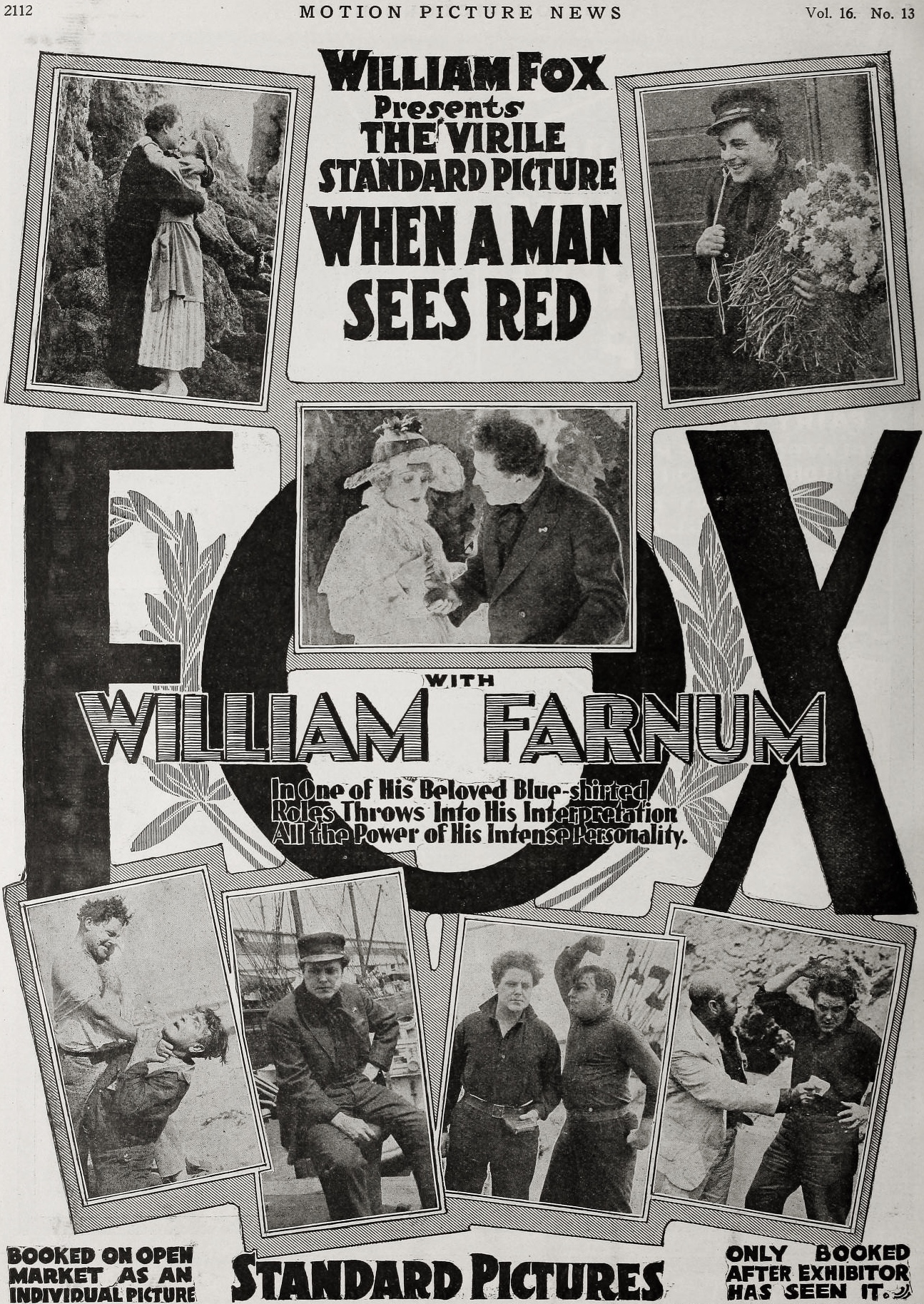
Dir: Frank Lloyd
Returning home to find that his sister has died after being abducted and violated by an unscrupulous man, sailor Larry Smith ships out as mate with Captain Sutton. After an altercation with the captain, Larry leaves the ship at a South Sea port where he meets and falls in love with Violet North, a woman of questionable reputation who is the mistress of millionaire Lewis. Larry proposes, but Violet sails with Lewis anyway. Sutton also sets sail, leaving behind inveterate drunk Logan, who informs Larry that Sutton was the man responsible for his sister's death. Sometime later, Lewis' yacht is wrecked and Violet is cast upon an island. Sutton picks her up and tries to sell her to the natives as punishment for resisting his advances, but Larry rescues her and kills Sutton. His sister thus avenged, Larry marries Violet and settles down.
View Details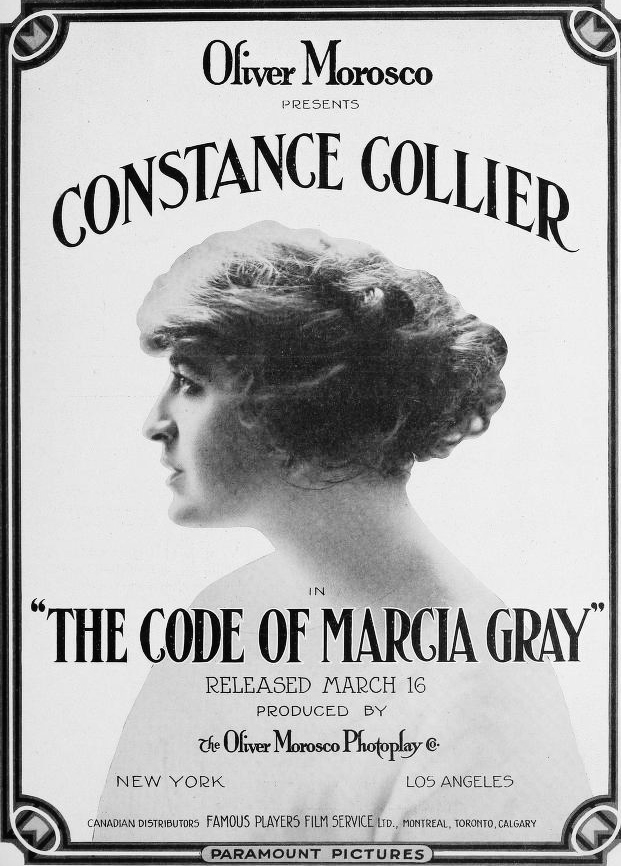
Dir: Frank Lloyd
A fascinating piece of cinema that shares thematic elements.
View Details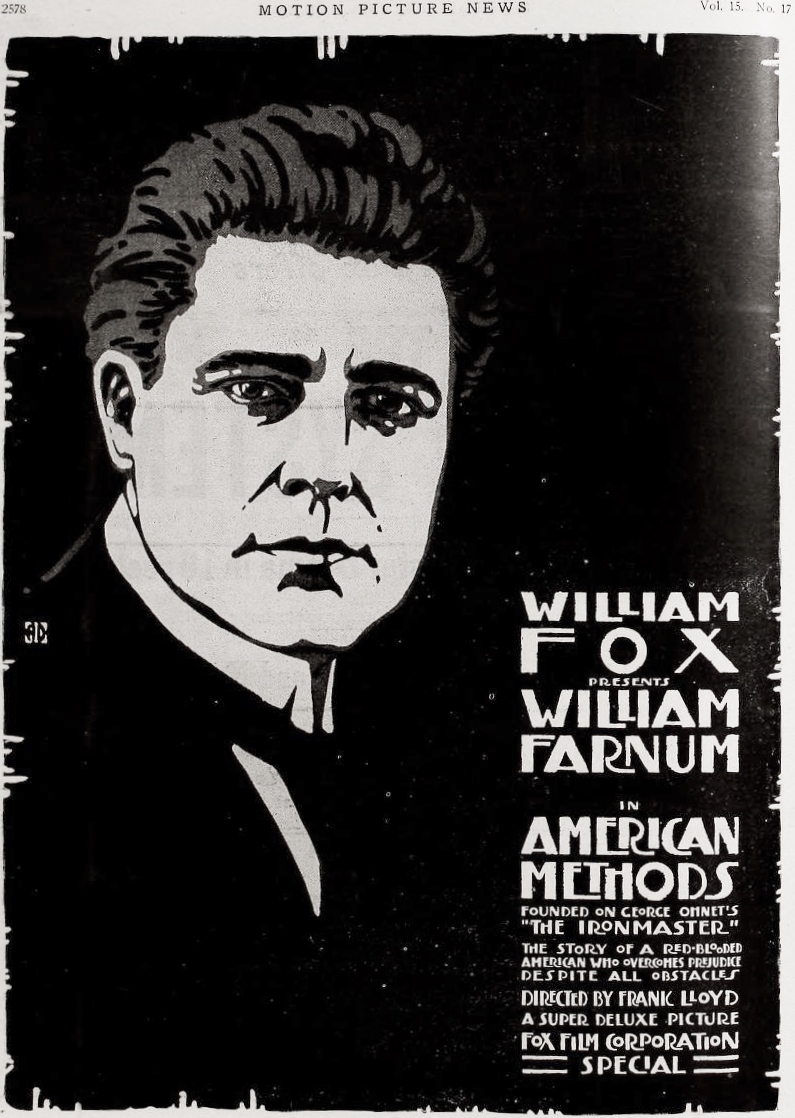
Dir: Frank Lloyd
William Armstrong, an American whose family is from France, inherits an iron mine in France. With his sister Betty, he travels to France to take over the business. In the village near the mine lives Claire, the daughter of a wealthy family, who is engaged to the scheming Duc de Bligny. When Claire's family loses all their money, the Duc dumps her for the daughter of a wealthy manufacturer. Armstrong and his sister find themselves caught up in this intrigue, which becomes more complicated when Armstrong falls for Claire.
View Details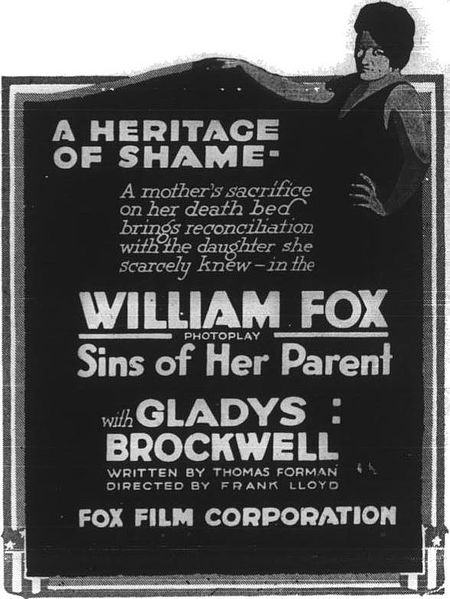
Dir: Frank Lloyd
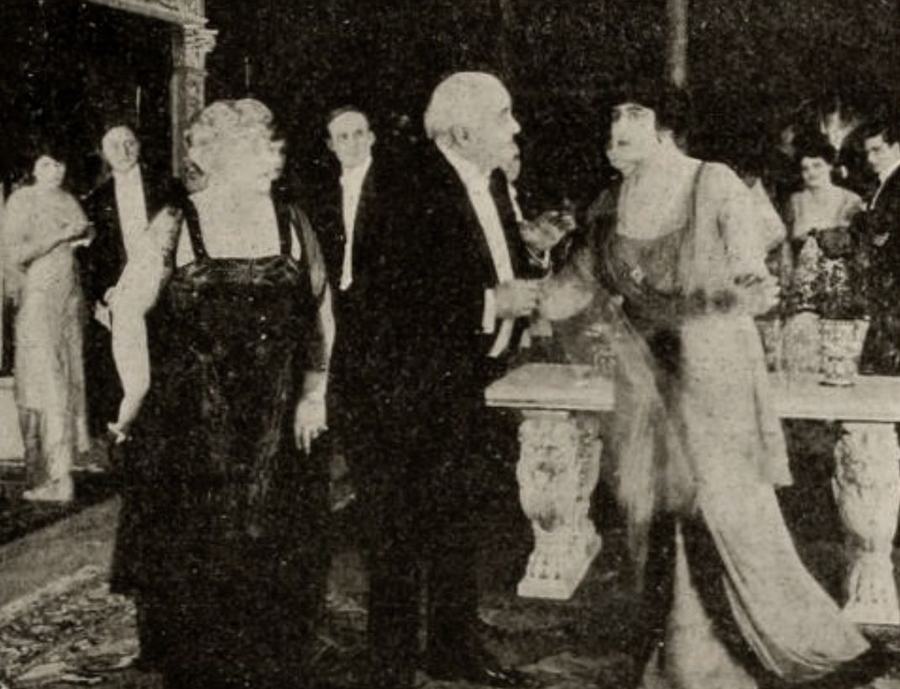
Unhappy with her shotgun marriage to Southern aristocrat Arthur Heatherway, Valerie Marchmont leaves her new husband and, after giving her infant daughter to a Virginia family, goes to Alaska to work in a dance hall. Years later, the daughter, Adrian Gardiner, wants to marry Richard Carver. Richard's father Robert, refuses them to marry because Adrian cannot provide any information about her parents. Following a hunch, Richard goes to Alaska to find the mother Adrian never knew, but just after locating Valerie, he is shot by saloon owner Jim McNeil. When Adrian and Robert go to Alaska to be with Richard during his recuperation, Robert recognizes Valerie as the wife of his old friend Arthur. As a result, he approves of the marriage, but the celebration accompanying the news is cut short when Valerie and Jim kill each other in a fight.
View Details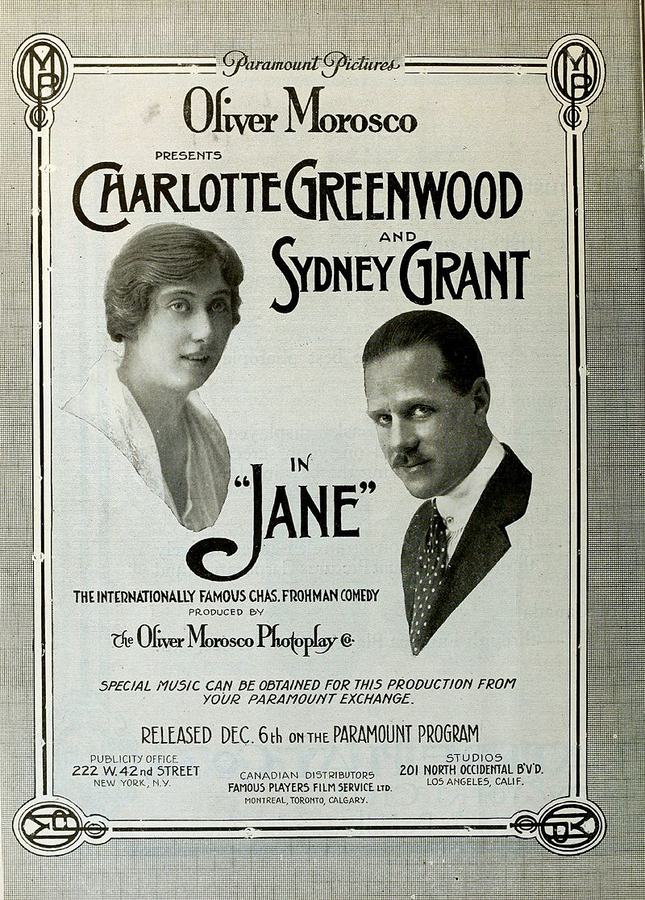
Dir: Frank Lloyd
To obtain an increase in his income from his wealthy uncle, Charles Shackleton must stop his wild bachelor ways and marry. Charles proposes to Lucy Norton, but her father refuses his permission. Undaunted, Charles tells his uncle he has married and receives his increased allowance. A year later the uncle announces an upcoming visit, and Charles begins a frantic search for a temporary wife, offering Jane, the maid, five hundred dollars to play the part of Mrs. Shackleton. Secretly married to William, the butler, Jane undertakes the role without her husband's knowledge, causing him much confusion and jealousy. When the uncle demands to see "the baby," Jane snatches one from an unsuspecting washerwoman, who later catches the uncle with her child and calls the police on him. Further complications lead to Charles' pleading proposal to Lucy and then finally to the truth, which leaves everyone satisfied.
View Details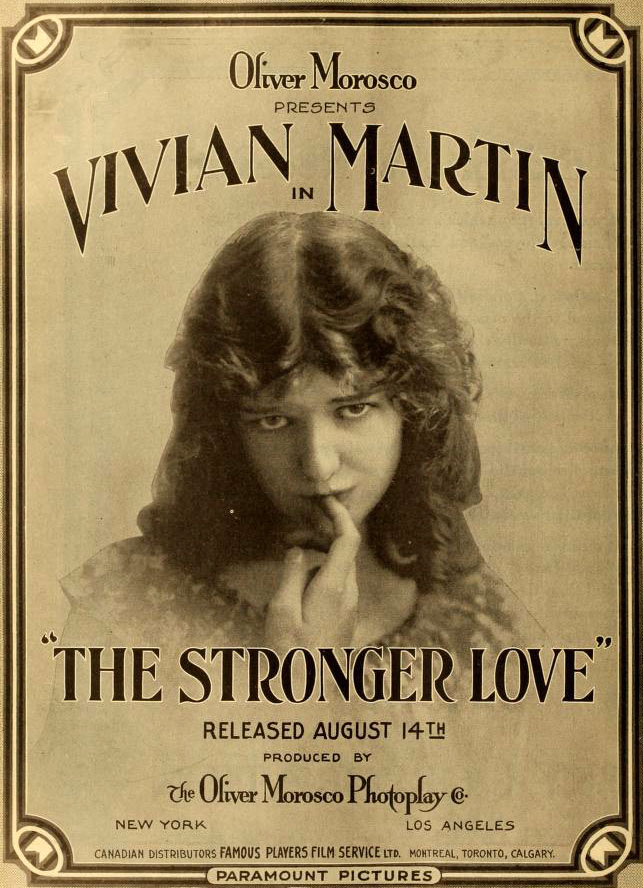
Dir: Frank Lloyd
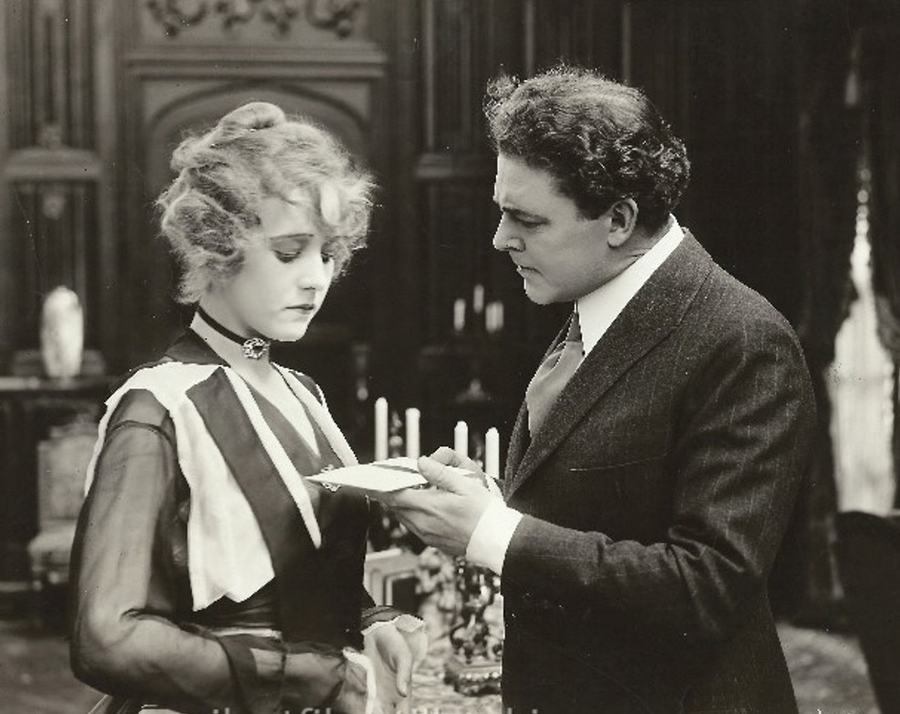
Nell, a beautiful mountain girl, is a member of the Serviss family, rivals of the neighboring Rutherford family. Nell is engaged to Jim Serviss, who is the head of their clan, but when, by accident, she meets a stranger who has come to stay with the Rutherfords, they become infatuated. The stranger spends much of his time examining and chipping away at rocks, causing an intense curiosity among the mountaineers, who suspect that he is a "revenuer." When Nell learns that the stranger is searching for radium, she shows him a deposit rich in ore located near the Serviss still. On the night of a big dance, the Serviss still is burned by revenue officers and the mountain people are convinced that the stranger is to blame. Nell rushes to the Rutherford cabin to warn the stranger who is revealed to be Rolf Rutherford. When Jim arrives, Nell saves Rolf's life by telling Jim that she will marry the stranger. Soon after Jim leaves, however, Nell goes after him and admits that it is only he who she loves and that she lied to save him from committing murder.
View Details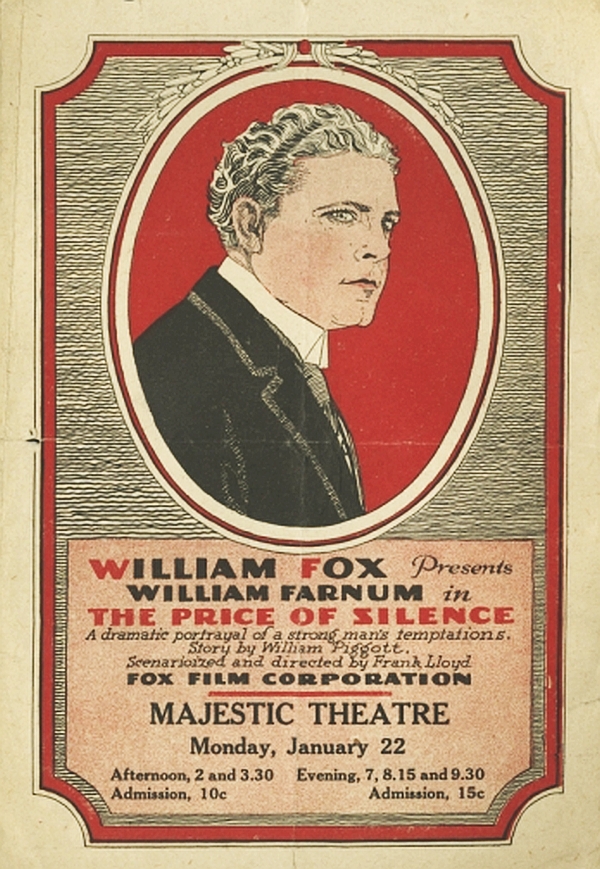
Dir: Frank Lloyd
U. S. Senator Frank Deering has spent his life trying to alleviate the misery of child labor. Judge Vernon, his closest friend, aids him in this struggle. Unexpected circumstances force Judge Vernon to borrow money from Henry McCarthy, one of the factory owners most responsible for the harsh and inhumane working conditions. Judge Vernon is unable to pay off the loan, and is reduced to accepting a bride from McCarthy. Later, the Judge is stricken with a heart-condition but, on his dying bed, he confesses the shameful act he committed to Deering. To keep his friend's name unsullied, Deering makes a deal with McCarthy and votes against the child-labor-act he sponsored. His colleagues and the world, unaware of his sacrifice, mock and jeer him.
View Details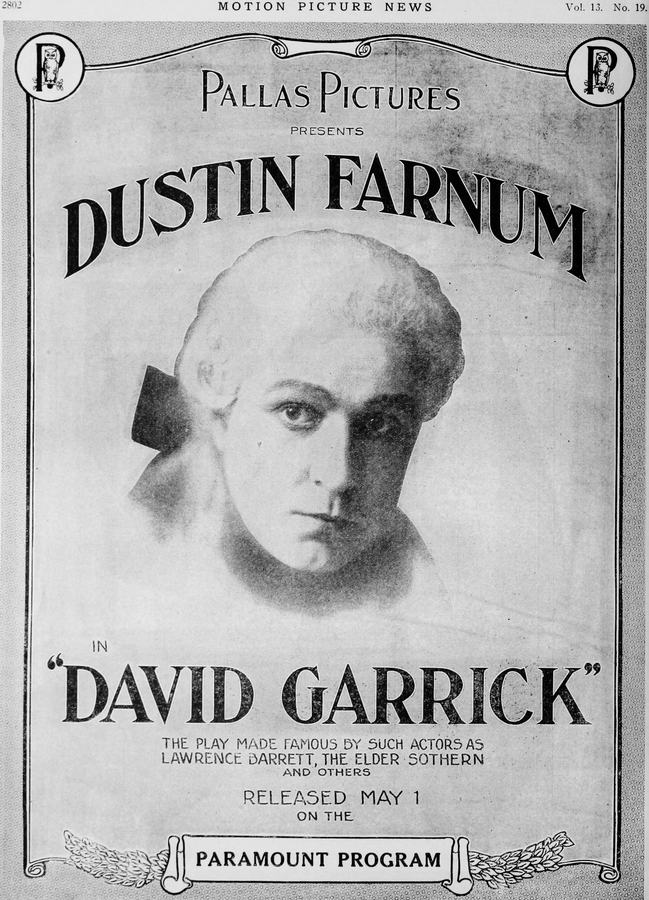
Dir: Frank Lloyd
The true story of the famed British actor David Garrick and his love for Ada Ingot.
View DetailsAnalysis relative to The Man from Lost River
| Film Title | Atmosphere | Complexity | Similarity |
|---|---|---|---|
| The Kingdom of Love | Surreal | Dense | 86% Match |
| The Intrigue | Gritty | Dense | 87% Match |
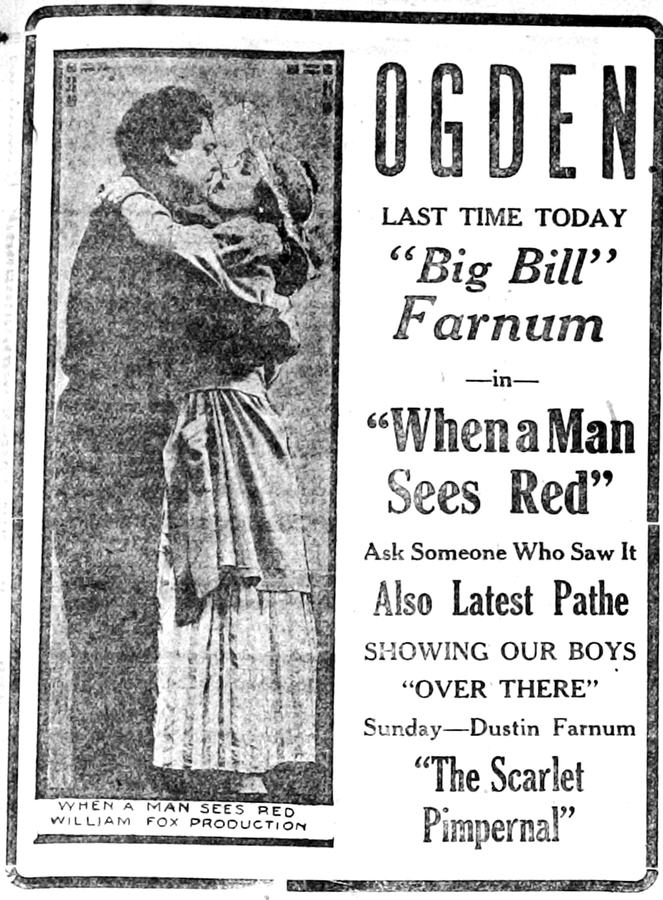
| When a Man Sees Red | Surreal | Linear | 86% Match |
| The Code of Marcia Gray | Tense | Linear | 89% Match |
| American Methods | Tense | Abstract | 97% Match |
This guide was algorithmically generated using the cinematic metadata of Frank Lloyd's archive. Last updated: 6/27/2026.
Back to The Man from Lost River Details →