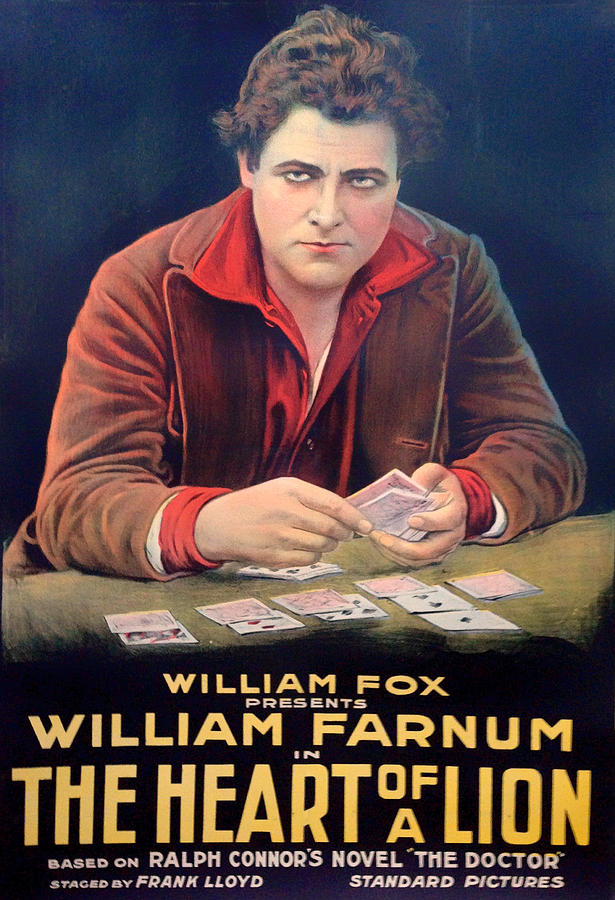
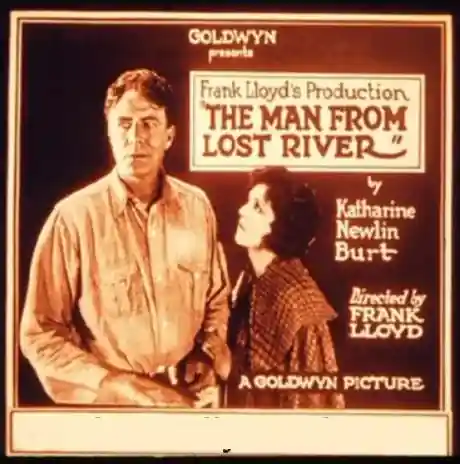
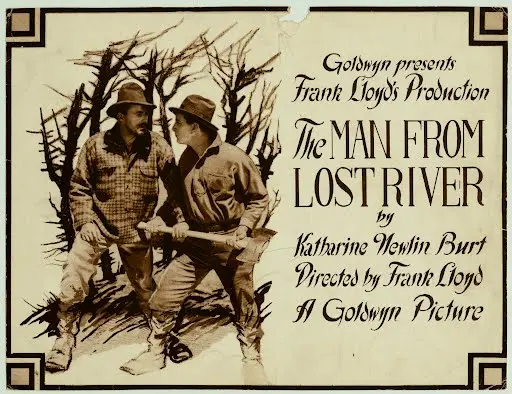
A beautiful but timid young woman named Marcia comes to a backwoods logging camp, where she is wooed and won by a young city boy, Fosdick. Marcia is put off by the gruffness of the camp's foreman, Barnes, but soon learns that Fosdick is a coward whose sole determination is self-preservation at all costs, and she begins to see that foreman Barnes is the better catch.


p, li { line-height:1.75em; margin:0 0 1.2em 0; color:#fff; } a { color:#0E7490; text-decoration:none; border-bottom:1px dotted #0E7490; } a:hover { color:#EAB308; border-color:#EAB308; } blockquote { border-left:4px solid #C2410C; padding-left:1.2em; margin:1.5em 0; font-style:italic; color:#EAB308; } h2 { color:#C2...
production_art
production_art


Comparing the cinematic DNA and archive impact of two defining moments in cult history.
Frank Lloyd

Frank Lloyd
Community
Log in to comment.
" p, li { line-height:1.75em; margin:0 0 1.2em 0; color:#fff; } a { color:#0E7490; text-decoration:none; border-bottom:1px dotted #0E7490; } a:hover { color:#EAB308; border-color:#EAB308; } blockquote { border-left:4px solid #C2410C; padding-left:1.2em; margin:1.5em 0; font-style:italic; color:#EAB308; } h2 { color:#C2410C; margin:2em 0 .6em 0; font-weight:600; letter-spacing:.5px; } h3 { color:#EAB308; margin:1.4em 0 .4em 0; font-size:1.15em; } hr { border:none; height:1px; background:#444; mar..."
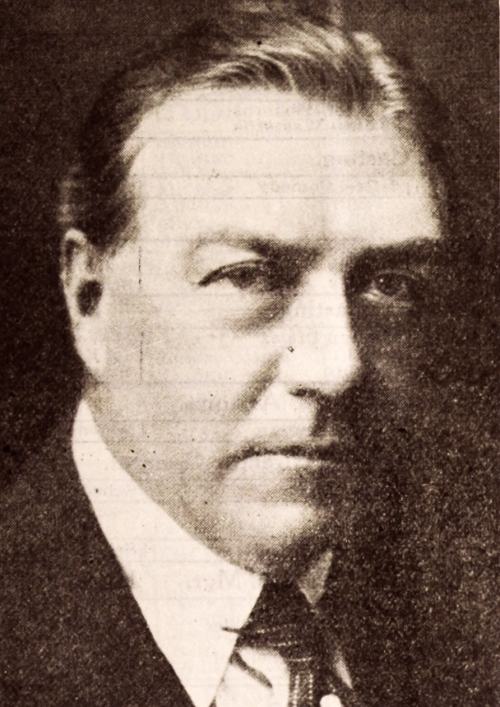
James Gordon
Lambert Hillyer, Katharine Newlin Burt, Arthur F. Statter
United States
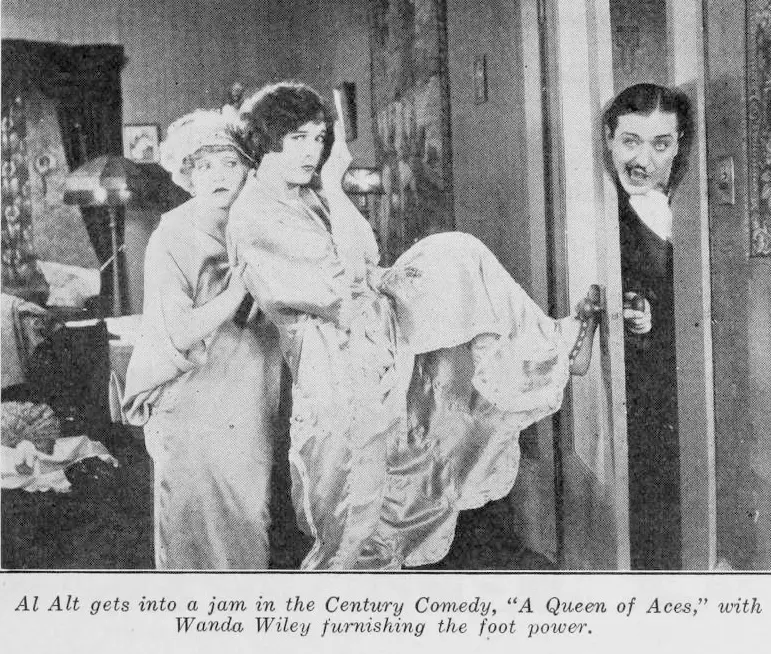

Deep dive into the cult classic
Discover similar cinematic experiences
A Directorial Spotlight on Frank Lloyd