
DbcultAccessing Vault...
Recommendations
Senior Film Conservator
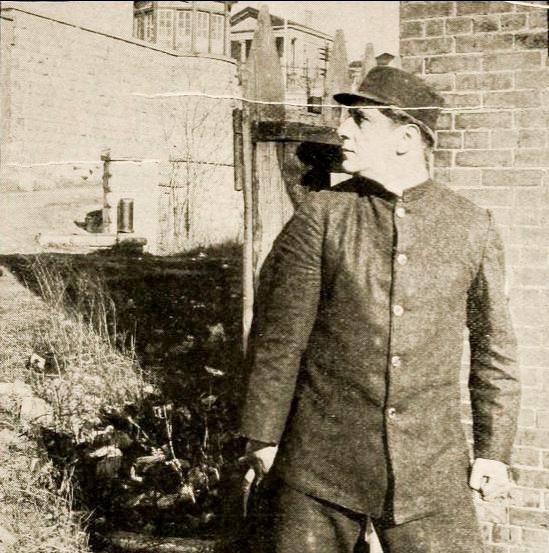
Looking back at the 1915 milestone that is The Man Who Found Himself, the specific stylistic flair of this work is a gateway to a broader cult world. Our archive is rich with titles that mirror the stylistic flair of Frank Hall Crane.
As Frank Hall Crane's most celebrated work, it defines to create a dialogue between the viewer and the stylistic flair.
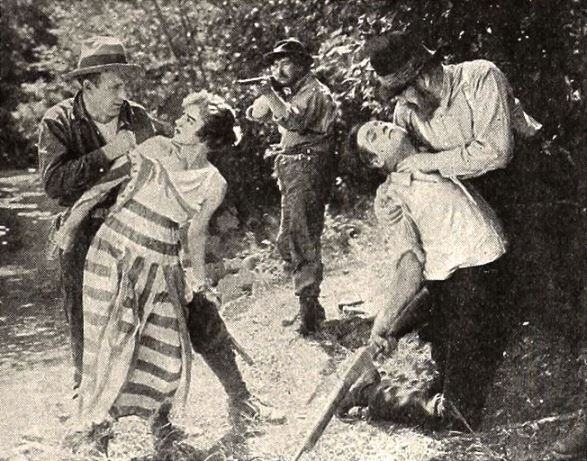
Grocery clerk James Clarke pilfers $500 to send his ailing sister to a more healthful climate. Frederick Payton, a fellow employee, learns of the theft and blackmails him, but both men are eventually arrested and sent to prison. While a motion-picture company is filming inside Sing Sing, James mixes in with the players, later returning with them to the Fort Lee studio of the World Film Corp. Following his escape, James assumes a different name and successfully establishes himself in another town. Payton, who has served out his sentence, finds James happily engaged to Catherine Hudson, the boss's daughter, but when Payton again threatens to blackmail him, James decides to reveal his true identity and complete his prison sentence. Catherine promises to wait for James, who returns to prison with a clear conscience.
Based on the unique stylistic flair of The Man Who Found Himself, our vault has identified these titles as the most compelling follow-up experiences for fans of cult cinema:
Dir: Frank Hall Crane
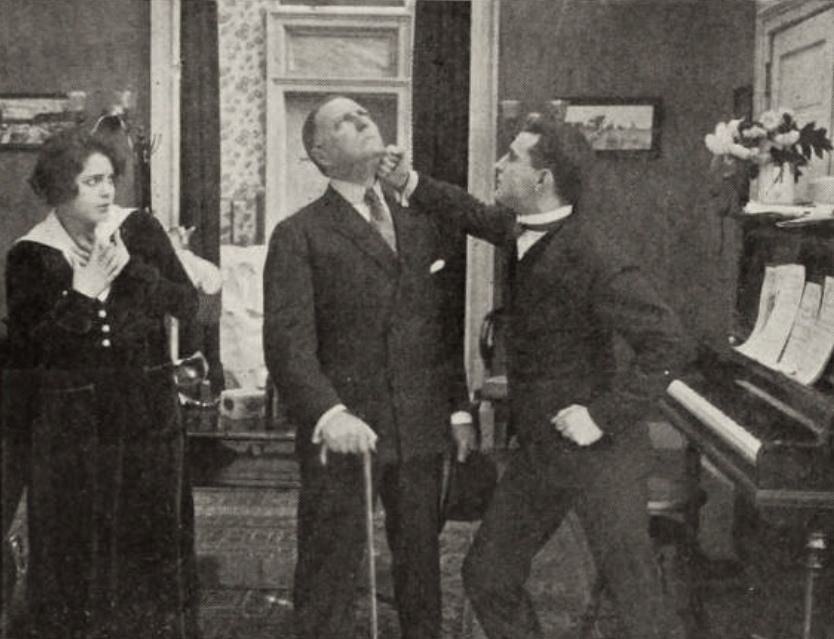
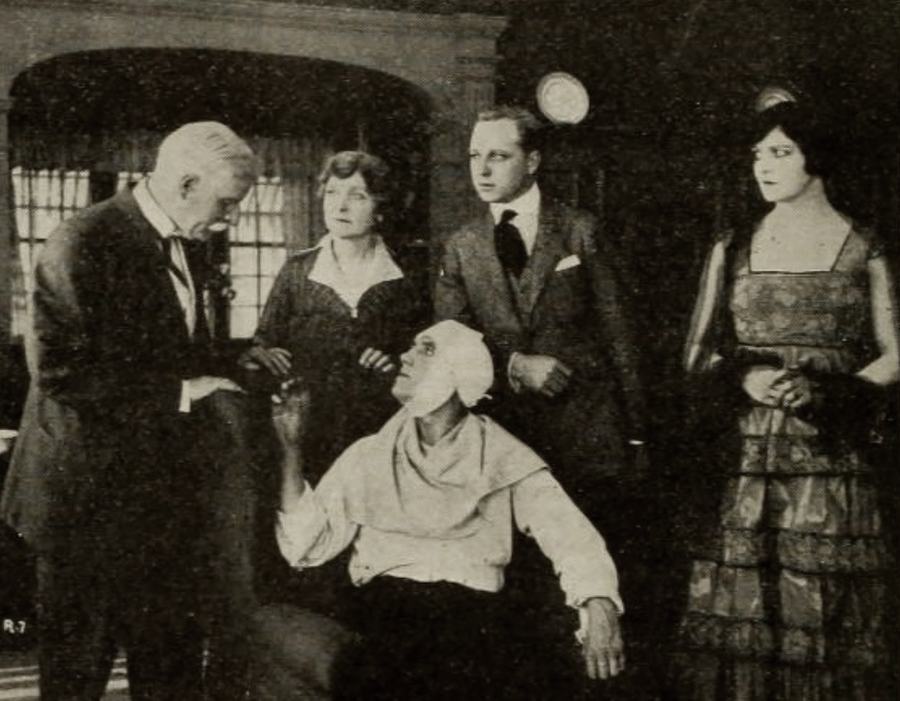
A wealthy society matron is enchanted by a world-renowned opera singer. Her jealous boyfriend, seeing his meal ticket slipping away, hypnotizes the singer and renders him mute. His ploy works, and the singer, now unemployable, soon runs out of money and is reduced to utter poverty. However, a figure from his past is in a position to help him regain his former fame and fortune
View Details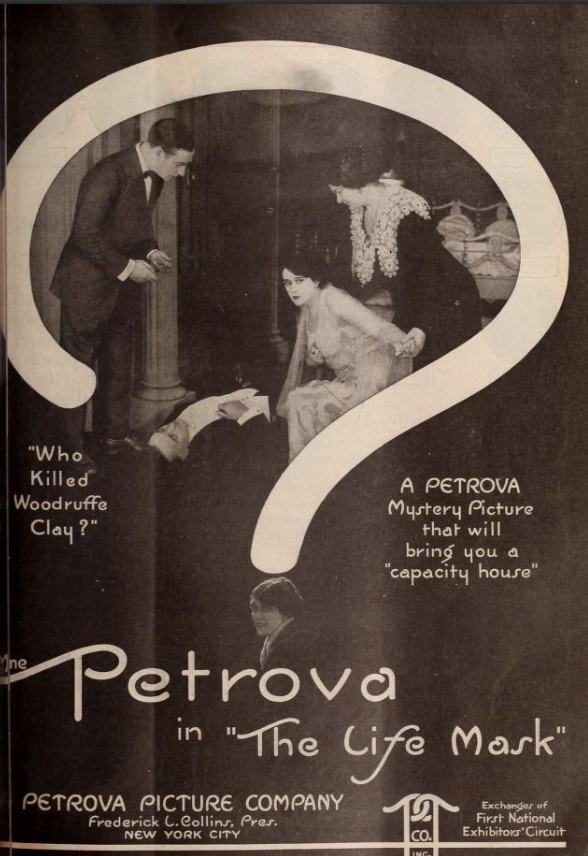
Dir: Frank Hall Crane
Mrs. Helen Courtland passes a fake check for $25,000 from a millionaire named Woodruffe Clay, who is in love with her daughter Anita. To save the family from a scandal in court, Anita marries Woodruffe, even though she loves Captain Hugh Shannon of the Foreign Legion. During an argument on their wedding night, Woodruffe falls and is seriously injured, and during his recovery, he makes her life miserable. Anita suffers from sleepwalking, and after one episode she dreams of poisoning her husband, she awakens to find him dead. Believing that she killed Woodruffe, Anita travels to Europe with Sarah Harden, her nurse, and there renews her affair with Hugh. When the evidence points overwhelmingly to Anita, however, she decides to return to America, but before she can confess her guilt, Sarah admits that it was she who killed Woodruffe in order to free her mistress from an unhappy marriage.
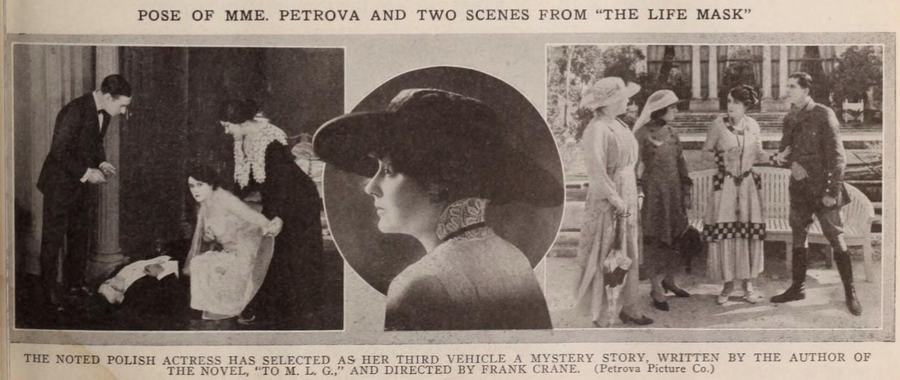
Dir: Frank Hall Crane
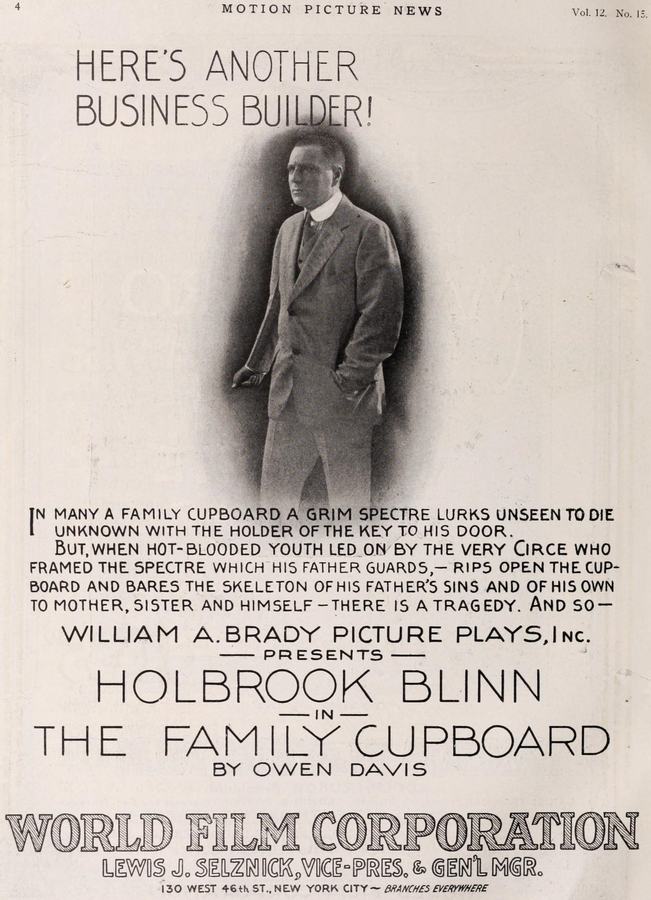
Charles Nelson is a self-made man and has amassed a fortune. His family consists of his wife, son Kenneth, and daughter Alice. His wife has become absorbed in society, requiring all the money her husband can made to support the large establishment and entertain. The wife, son, and daughter are out night after night, leaving Mr. Nelson much alone; while he pays the bills, he has little of the society of his family. He turns to vaudeville performer Kitty Claire for consolation and companionship. His son Kenneth gets into an argument with a friend at his club and hears that his father is keeping a woman in an establishment uptown. Kenneth returns home under the influence of liquor and insults his mother's companion, Mary Burke. Mr. Nelson enters, sees the situation and asks him what it all means. Kenneth turns on him and tells him that everyone knows he is keeping a woman in an apartment uptown. This conversation is overheard by Mrs. Nelson, who asks Mr. Nelson if it is true. He replies, "Yes." They agree to part. Kenneth clings to his mother. His sister Alice sympathizes with her father. She realizes that it is their own fault; they have given him nothing in return for all his labor in their behalf. Mr. Nelson is now living at the Alpine apartments, to which comes Kitty Claire. He tells her that the end has come. Meanwhile Kenneth, has come to see his father. Kitty, going out, hears him ask if his father is in, and seeks an acquaintance with Kenneth, who becomes infatuated with her, moves to the same hotel, and begins to live a Bohemian life with Kitty Claire and Dick LeRoy, another vaudeville performer. He finally asks Kitty to become his wife. She replies, "It is impossible, there is another man." The boy, crushed and brokenhearted, demands the man's name. Mr. Nelson enters at the point when Kenneth demands the name of the man. Kitty points to Mr. Nelson. Humiliated and ashamed Kenneth decides to end his life. He is about to write a letter when his mother arrives; she sees the pistol and tries to keep him from carrying out his plan. They are interrupted by a knock at the door; Kenneth is called down to the office by the clerk; while he is gone Mrs. Nelson seizes the opportunity to telephone Mr. Nelson, who arrives with Alice. Kenneth and his father are reconciled, also Mrs. Nelson, and her husband and the family are reunited.
View Details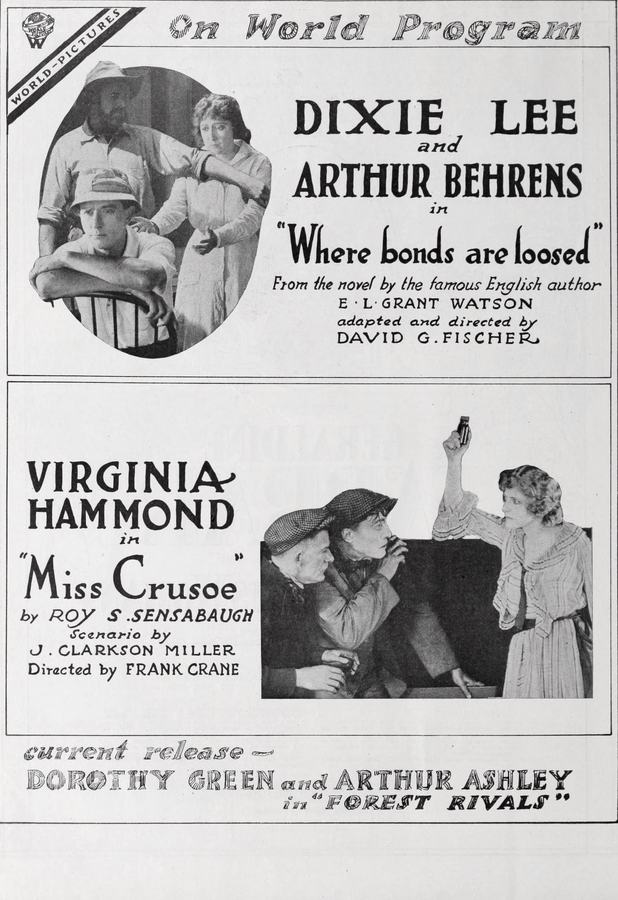
Dir: Frank Hall Crane
Dorothy Evans, a chemistry teacher at her aunt's girls school, hopes to satisfy her yearning for adventure when she vacations with her aunt, who desires to wear men's clothes, at a secluded island in the Chesapeake Bay. On the boat, they witness officers shooting an escaping prisoner diving overboard. On the island, a gang of crooks vacate the cottage belonging to Dorothy and her aunt, but leave behind a bottle of nitroglycerin. Dorothy recognizes it, and after dumping the contents into the bay, she fills it with her aunt's heart medicine. After the prisoner is taken in by the crooks and volunteers to get the "soup," Dorothy surprises him with a revolver and binds him to a chair. They fall in love, and when the gang tries to rescue him, he fights them. Dorothy's threat to drop the nitro bottle leads to the gang's capture. After the officers identify their "prisoner" as a famous detective Harold Vance, Dorothy and Harold plan to marry.
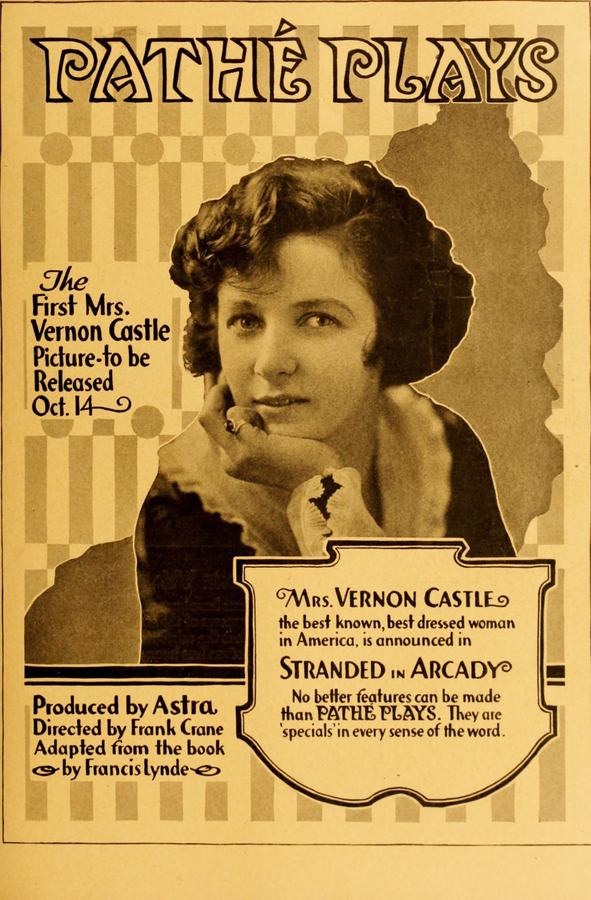
Dir: Frank Hall Crane
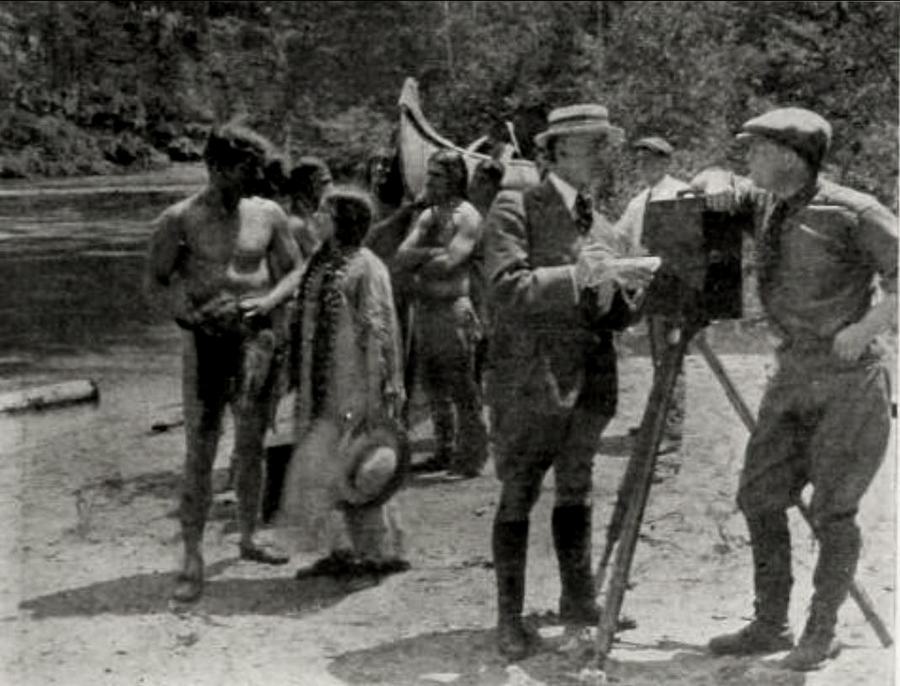
Lucy Millington is an independent woman who looks upon men with contempt. Novelist Donald Prime, who has written a book on women, considers himself an authority on the subject. Both are lured into the desolate backwoods of Arcady by adventurers who plan to keep them in captivity until a fortune bequeathed to them has been safely deposited in the hands of their rivals. While attempting to find their way back to civilization they face many dangers including a canoe trip in perilous waters and an encounter with a band of outlaws. Finally, through sheer pluck and daring, they reach their lawyer just in the nick of time to claim their inheritance. During their days stranded in Arcady, they discover their love for each other, and so after they leave the lawyer's office, their next stop is to the justice of the peace.
View Details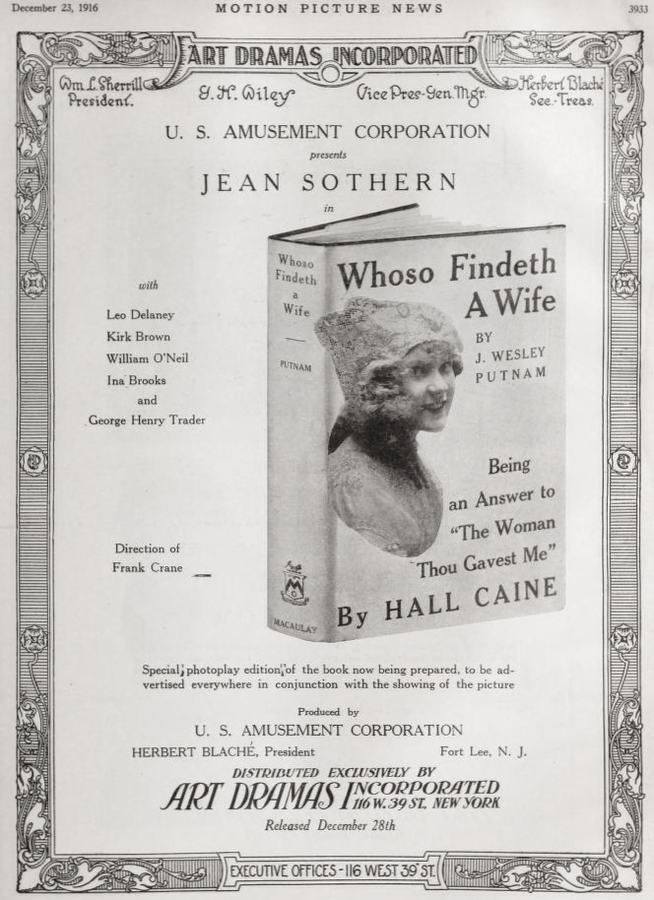
Dir: Frank Hall Crane
A fascinating piece of cinema that shares thematic elements.
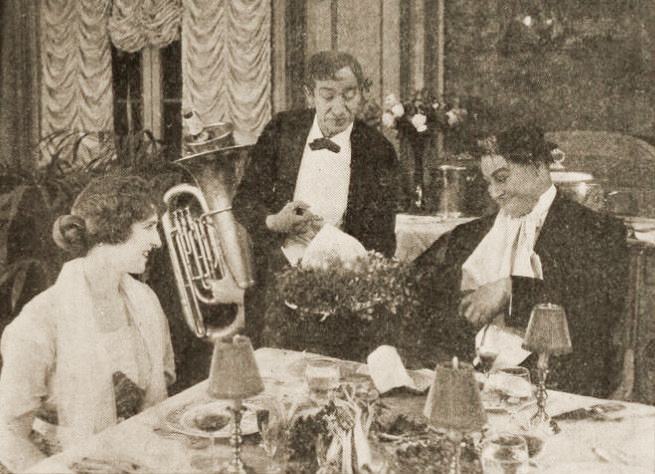
Dir: Frank Hall Crane
Ludwig "Old Dutch" Streusand and his daughter Violet live in New York, and after years of hard study and labor Old Dutch completes his invention: the "teloptophone," a device which, when attached to a telephone, enables the speaker to see the party at the other end of the wire. He goes to John Rockmorgan with his invention and after he proves its worth, Rockmorgan agrees to finance his invention and gives him a check for $5,000 on account. Old Dutch and Violet have had a hard time life; now that his invention is a success, he feels that they deserve a Palm Beach vacation. To escape the publicity arising through the invention of the teloptophone, he also thinks it wise to assume another name to avoid being questioned and annoyed about his invention. He arrives at a Palm Beach hotel and registers under the name of John Mueller and daughter, and settles down to a period of rest and comfort. Harold, John Rockmorgan's son, has also gone to the hotel, and when he sees Violet, love awakens in his heart. They meet and she is happy in her first love affair. In the meantime, the vaudeville team of Bings and Bings is discharged from the theater in which they are playing because their act is so bad. They are in desperate straits and the male member of the team has the idea to go to a fashionable Florida hotel and somehow get hold of some of the millionaires' money. Old Dutch has become a great favorite with the children of the hotel, and on the day that Bings and Bings arrive there, he loses his pocketbook while playing with the kids. Mr. Bings has the good luck to spot it, and before they register he goes through the contents and sees the $5,000 check made out to Ludwig Streusand. When he finds that no such man is stopping there, he boldly signs the name of Ludwig Streusand and daughter. When Joubert, the hotel proprietor, learns that such an illustrious person is stopping with him, he immediately begins to give receptions and balls in his honor. Old Dutch is so wrapped up in having a good time that he is unaware a man is masquerading under his name, so when his week's bill is presented he is unable to pay it, as his check for $5,000 and all means of identification have gone with the pocketbook. Joubert is furious that Old Dutch cannot pay his bill and tells him that he and his daughter must either go to jail or work off their board bill, Old Dutch protests and says that his name is Streusand and John Rockmorgan is his partner. Joubert laughs at him and points at whom he thinks is the real Streusand. Harold tells the proprietor he feels sure that Old Dutch is speaking the truth. When Joubert asks him how long he has known him and in what way he can identify them, he is left without an answer. So they are put to work, Old Dutch in the stable and Violet in the kitchen. Meanwhile the vaudeville team of Bings and Bings are having the time of their lives. The female end of the sketch is doing her best to win Harold Rockmorgan, who still believes and loves Violet. After having been forced to perform various duties around the hotel, on the night of a banquet given in honor of the false Streusand, Joubert forces Old Dutch to be headwaiter. In the meantime Old Dutch has induced Harold to phone to his father to come down and identify his partner. At first he refuses, but Harold gets the teloptophone from Old Dutch and tells his father that he plainly sees the stenographer seated on his lap and unless he does come at once he will tell mother. That settles the old man. During the banquet Bings is called upon for a speech, and as he is telling his eager listeners what a wonderful man he is, Rockmorgan arrives downstairs in the hotel. The clerk hastens to tell Joubert. Old Dutch overhears the good news, and knows that his time has come. He tears down to the office, followed by Bings and the surprised guests. He runs up to Rockmorgan who quickly explains that Old Dutch is the real Streusand and the other is a faker. Bings and Bings' day is over, Harold and Violet are free to get married, and Old Dutch takes up his pleasure again.
View Details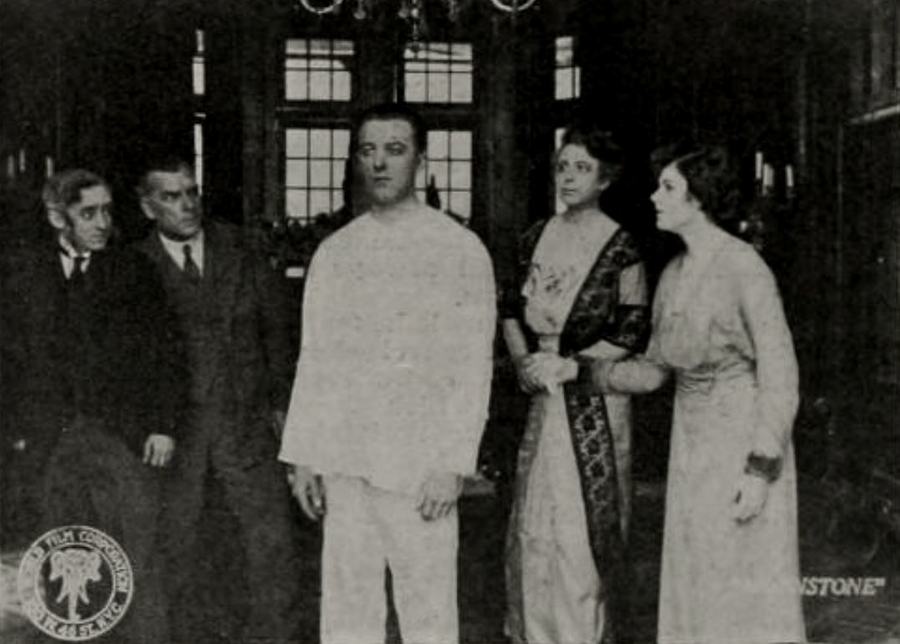
Dir: Frank Hall Crane
The story relates how a valuable diamond is stolen by an Englishman from the eye of an Indian idol. The Englishman, on his return to London, is pursued by three Indian priests in disguise whose object is to secure "The Moonstone" at all costs, as failing its recovery, the priests will lose caste. The Englishman, Hearncastle, is found drowned, presumably having been killed by the Indians. The diamond passes into possession of Franklin Blake, his friend. Blake is followed by a band of Indian magicians. He presents the diamond to his fiancée from whom it is stolen. A detective is called in. Another girl in love with Blake commits suicide and suspicion attaches to her, as she leaves a mysterious note for Blake. Subsequently, Blake finds the diamond in the possession of a money-lender. His fiancée, learning of the dead woman's attachment for Blake, quarrels with him. A doctor discovers that Blake walked in his sleep and took the diamond himself while in that state. The diamond was stolen from Blake while he was asleep and never recovered. The thief confessed and died, and Blake and his fiancée were reunited.
Dir: Frank Hall Crane
While developing a powerful explosive, naval officer Paul Towne introduces his friend Richard Tracy to Judith Corbin, his friend since childhood. For years, Paul had assumed that he would marry Judith, but when Richard proposes, Judith, tired of waiting for Paul, accepts. Soon after the marriage, Richard becomes more interested in the new explosive than in his new wife, and to pay off gambling debts, he agrees to steal the formula and sell it to a foreign government. While spying at close range on a test of the explosive, however, Richard is killed, after which Judith, who has long since realized her mistake in becoming Richard's wife, accepts Paul's marriage proposal.
View Details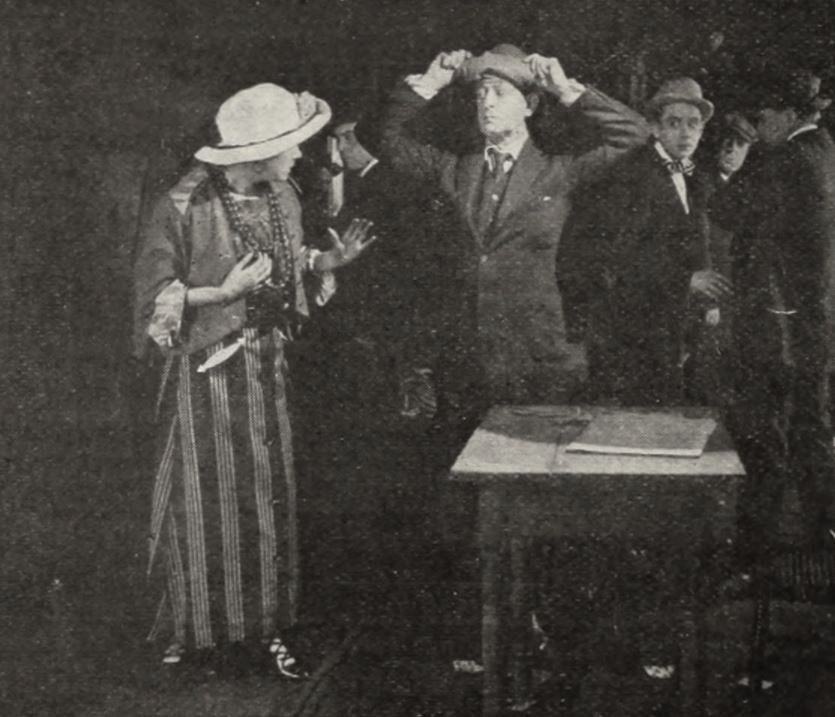
Dir: Frank Hall Crane
Police inspector Jim Garth, investigates the murder of Joe Kridel, another inspector, who had been tracking the Hennions, a gang of thieves plotting to steal the formula for a dangerous explosive from an old inventor. As Jim uncovers the Hennions' plans to procure the formula and sell it to an agent of an unfriendly foreign power, he encounters Nora, the former lover of Joe, who has sworn revenge for the killing and has ingratiated herself with the Hennions in order to discover the identity of the murderer. Although he assumes Nora is one of the thieves, Jim falls in love with her anyway, but she firmly rejects his advances. Disguised in a gray mask similar to the one worn by one of the gang members, Jim infiltrates the organization and foils the plot. With Joe's murderer in jail, a grateful Nora finally accepts Jim's affection.
View DetailsAnalysis relative to The Man Who Found Himself
| Film Title | Atmosphere | Complexity | Similarity |
|---|---|---|---|
| The Stolen Voice | Surreal | Dense | 96% Match |
| The Life Mask | Gritty | Layered | 87% Match |
| The Family Cupboard | Surreal | Abstract | 97% Match |
| Miss Crusoe | Tense | Linear | 88% Match |
| Stranded in Arcady | Ethereal | Dense | 86% Match |
This guide was algorithmically generated using the cinematic metadata of Frank Hall Crane's archive. Last updated: 6/25/2026.
Back to The Man Who Found Himself Details →