
DbcultAccessing Vault...
Recommendations
Senior Film Conservator
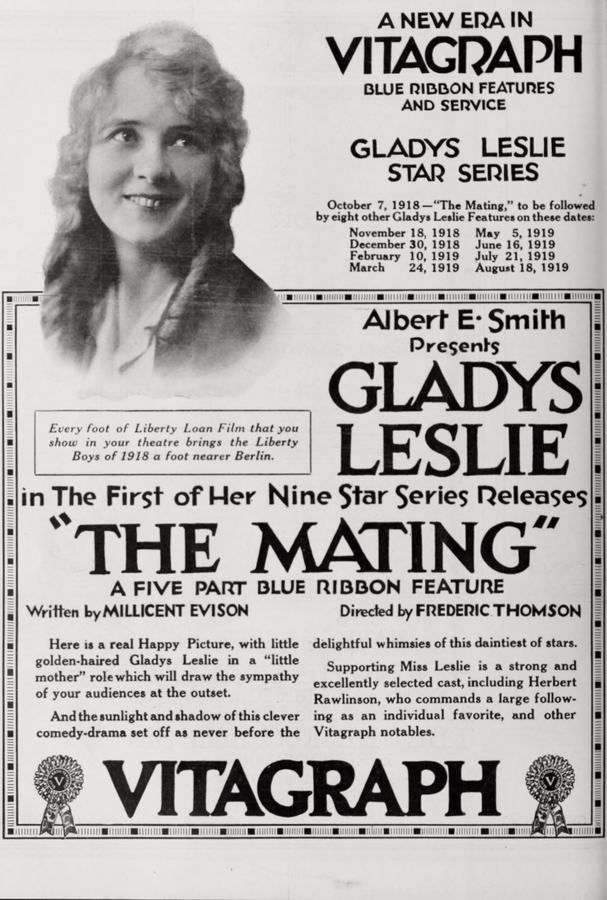
The evocative power of The Mating (1918) continues to haunt audiences with its stylistic flair, the artistic provocations of The Mating demand a follow-up of equal intensity. Explore the following titles to broaden your appreciation for cult excellence.
The visceral impact of The Mating (1918) stems from to transcend the limitations of its 1918 budget and technology.
While her eccentric father perfects his latest invention, Nancy Fane wonders how she will clothe her brothers and sisters, and Mammy contemplates stealing the neighbor's chickens for dinner. One day Nancy hears a noise in the abandoned house next door and summons the sheriff, who reveals that the intruder is really Dick Ives, the house's owner. A novelist who hopes to win a prize for his new novel, Dick becomes so convinced of the value of Mr. Fane's invention that when a crooked promoter tries to buy it for a very low sum, Dick spirits it away to his room. Believing him a crook, Nancy shuns Dick's company, even after he contracts pneumonia while rescuing her sister from drowning. When Dick's contact with an engineering firm leads to a large check for her father's invention, however, Nancy enters the sick man's room and rushes his manuscript to the publisher, with the result that Dick wins both the prize and the girl next door.
The influence of Frederick A. Thomson in The Mating can be felt in the way modern cult films handle stylistic flair. From the specific lighting choices to the pacing, this 1918 release set a high bar for atmospheric immersion.
Based on the unique stylistic flair of The Mating, our vault has identified these titles as the most compelling follow-up experiences for fans of cult cinema:
Dir: Frederick A. Thomson
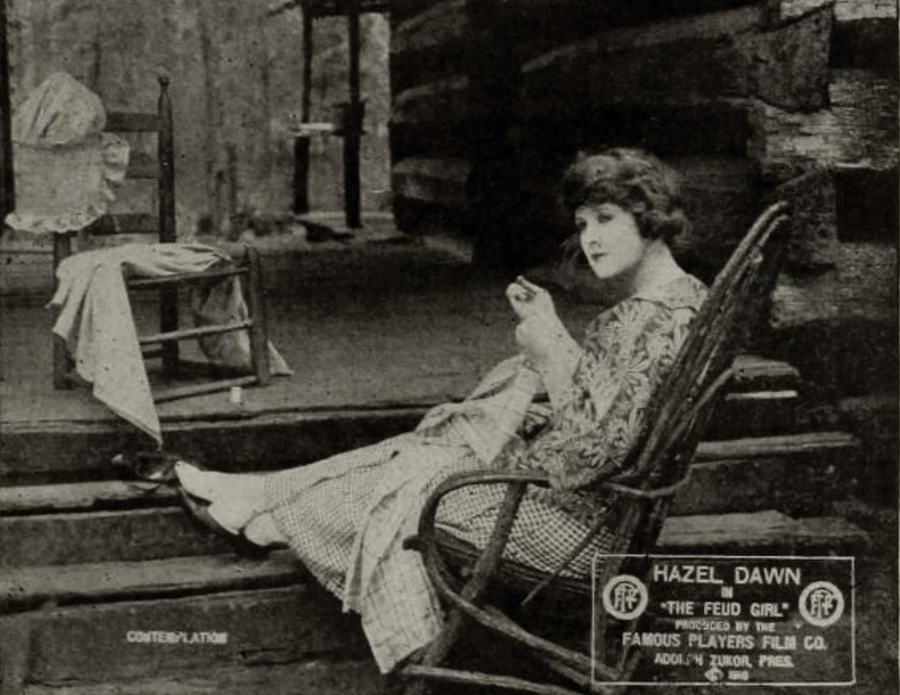
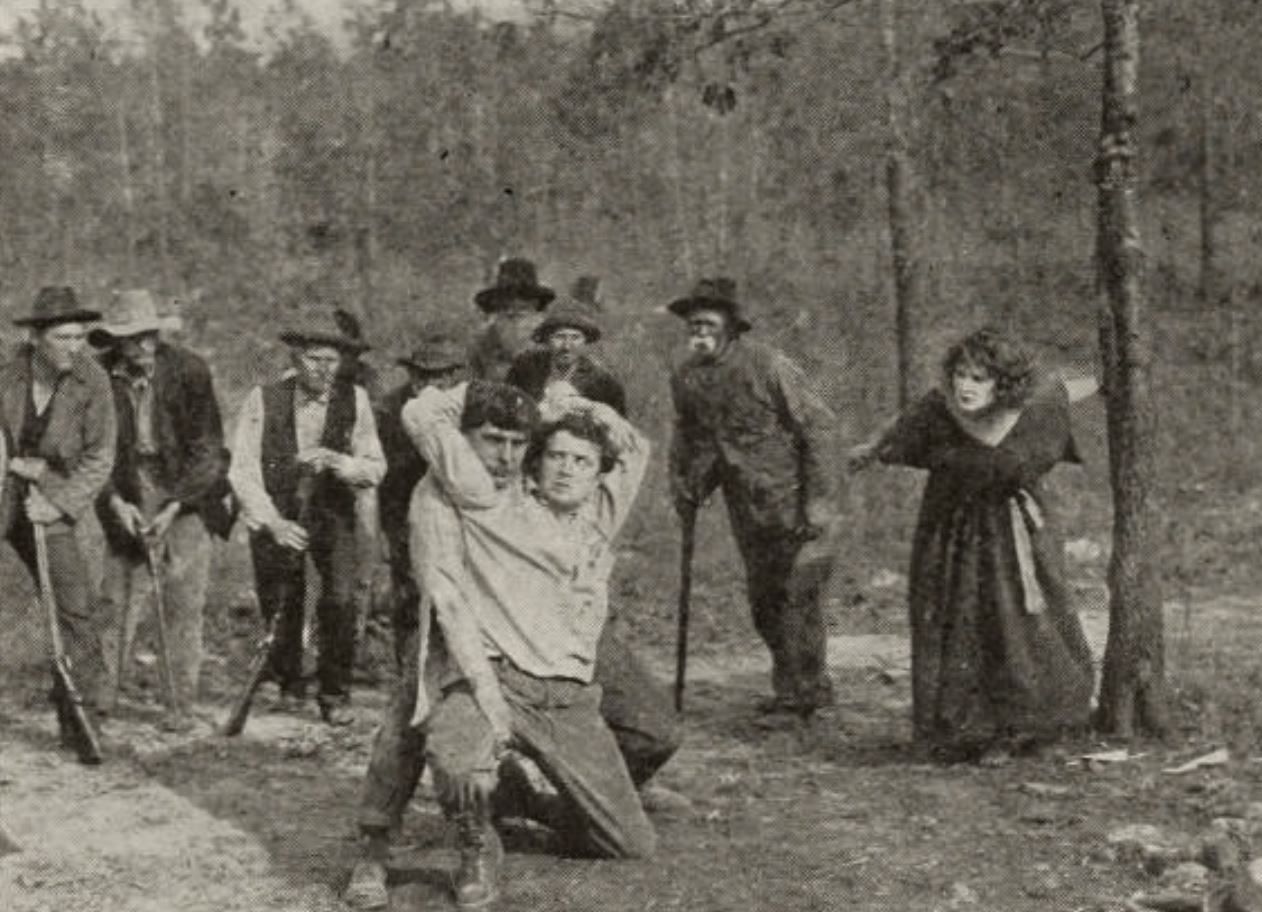
A drama of two feuding clans of rugged mountain folk, and the conflicting love of young couple from opposing sides.
View Details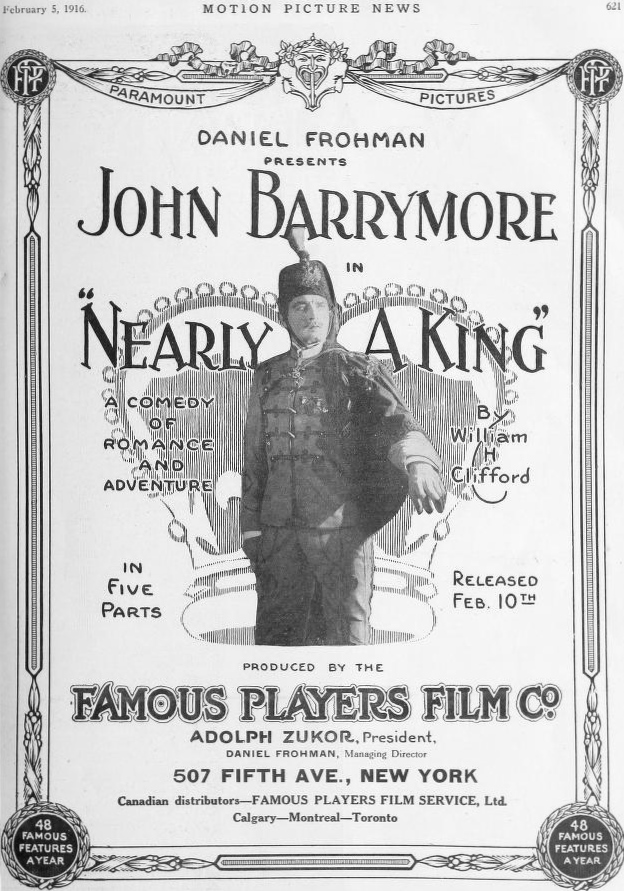
Dir: Frederick A. Thomson
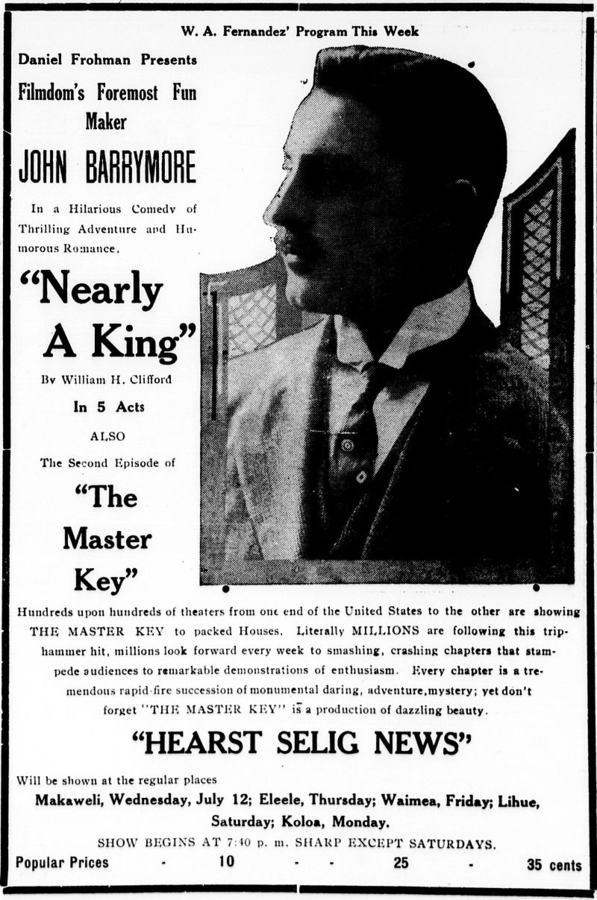
A crown prince doesn't want to marry a foreign princess, so he asks an actor to take his place.
View Details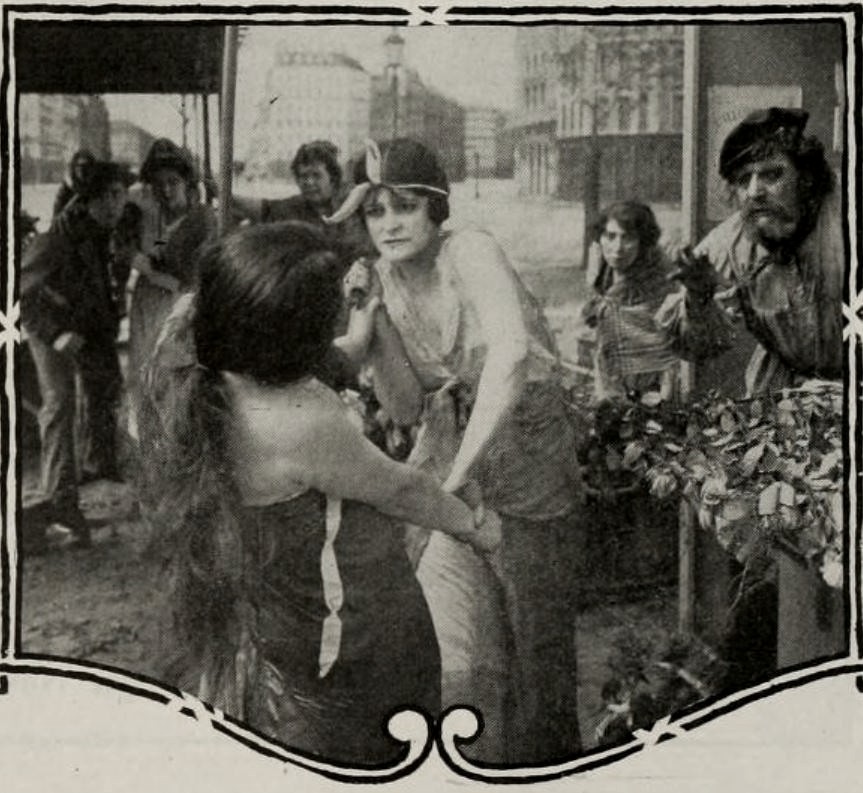
Dir: Frederick A. Thomson
Dick Seymour is fortunate in having a nice father and a nice girl as sweetheart. Money is coming to him. But, tempted by woman and wine on the great White Way of New York, he falls down badly. His money is in Paris. In that city he goes from bad to worse and is accused of murder. From jail and death there seems no escape. But his father and sweetheart have been loyal to him and he is proved innocent of the crime and saved. He finds happiness by shunning bad company and bad habits.
View Details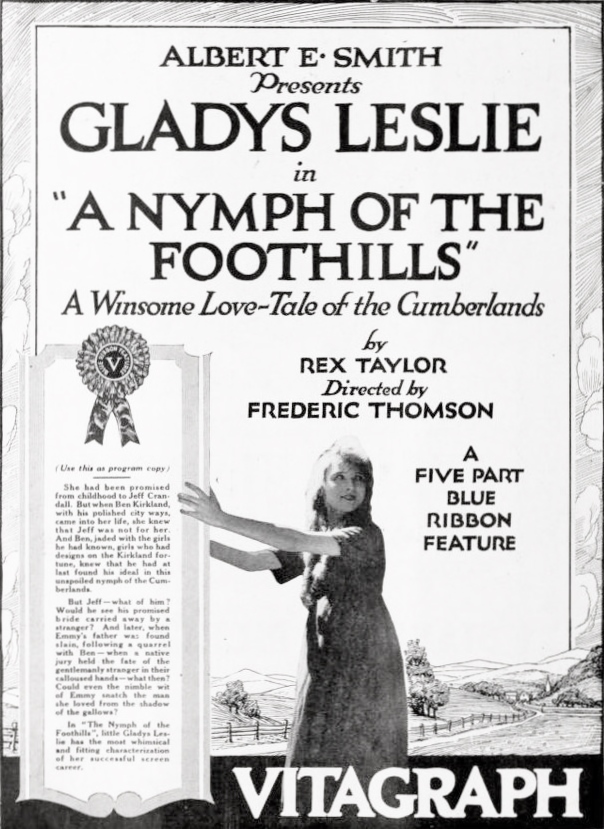
Dir: Frederick A. Thomson
While camping in the mountains, city-bred Ben Kirkland meets mountaineer's daughter Emmy Chaney, and the two decide to marry although her father wants her to marry his hunting partner, Jeff Crandall. When Emmy's father threatens to kill Ben, the young lovers hastily marry and move to the city. Meanwhile, Ben's friend Tubby, while hunting with Ben's gun, discovers Mr. Chaney's body and flees, believing himself a killer. Ben departs on a business trip, and in his absence his snobbish relatives force Emmy to return to the mountains, where she learns that Ben has been accused of her father's murder. When Ben arrives looking for his wife, he is arrested. At the trial, Tubby is about to confess his guilt when an old hermit reveals that Jeff committed the crime. The lovers reunite and resume their happy marriage.
View Details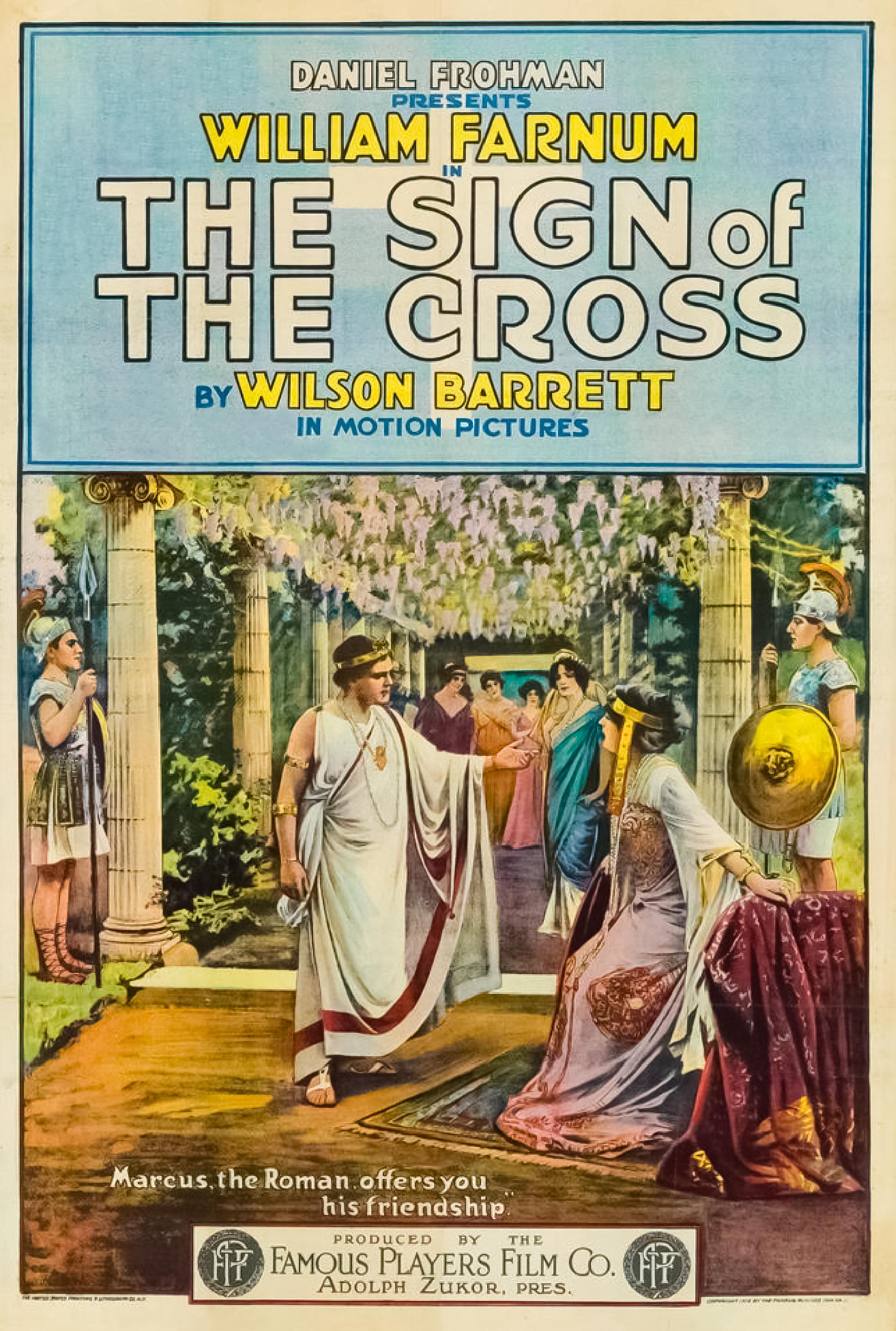
Dir: Frederick A. Thomson
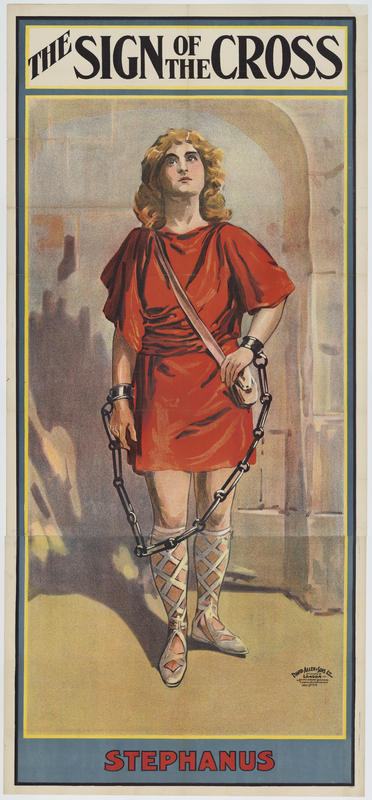
Through the machinations of the Empress Poppaea and other women at court, Tigellinus, Nero's agent in the war against the Christians, convinces Nero to have Mercia arrested.
View Details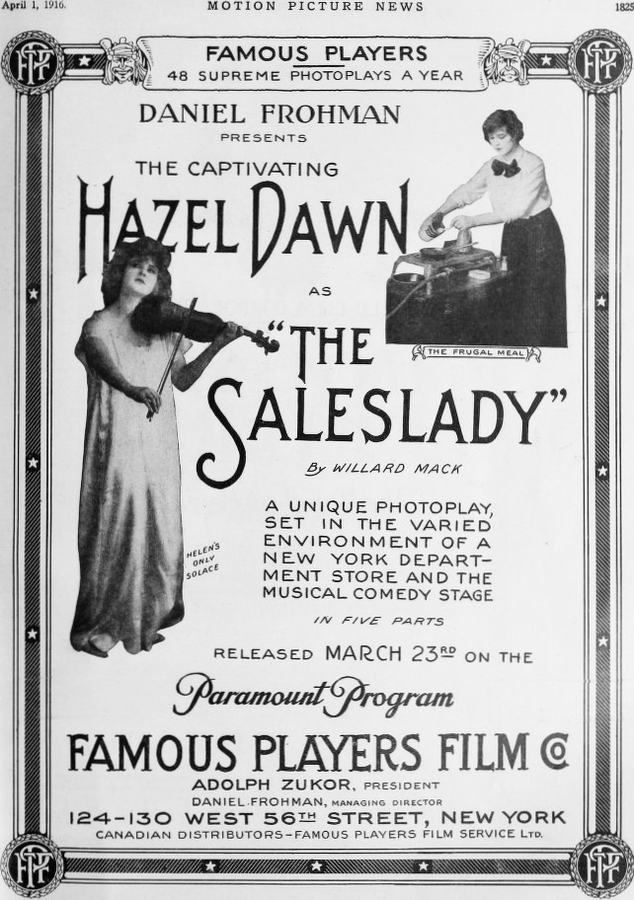
Dir: Frederick A. Thomson
Poverty forces Helen Shirley, a country lass, into New York in search of a living. Shy and unsophisticated, Helen falls an easy victim of the notorious band which preys upon young girls and she is easily induced to go to a boarding house which is in reality the headquarters of the gang. Failing to find employment, she decides to give violin lessons and while practicing, she hears the agonized cough of a girl in the next room. Investigating, she discovered that the girl is in last stages of tuberculosis and that only instant removal to the mountains will save her. Moved by compassion, Helen impulsively sells the beautiful dog which is her only source of amusement and contrives to set the girl on the path to recovery. Practically penniless as the result of her kindness, Helen is ejected from her room but young Bruce Kerwin, a wealthy New Yorker, who has been attracted by her beauty, learns of her plight and induces one of the other girls in the house to "loan" Helen some money. Through the efforts of Burke, a mounted policeman and his sweetheart, the girl obtains employment in a department store where the advances of a floorwalker annoy her. When she repulses him, he contrives to have her discharged, but when she tells her story to the matron, she is taken to the manager and reinstated. The floorwalker, finding that Helen and young Bruce are going together, informs the boy's father that he is interested in a shopgirl. In the row which follows between father and son, Bruce leaves his home and then marries Helen. Soon after he is injured and Helen decides to try her luck on the stage. She is a tremendous success and scores a great hit, captivating, among others, the elder Kerwin, who does not suspect that she is his daughter-in-law. The old gentleman meets Helen; she, of course, is aware of his identity, and the girl adroitly wins his heart before revealing her identity.
View Details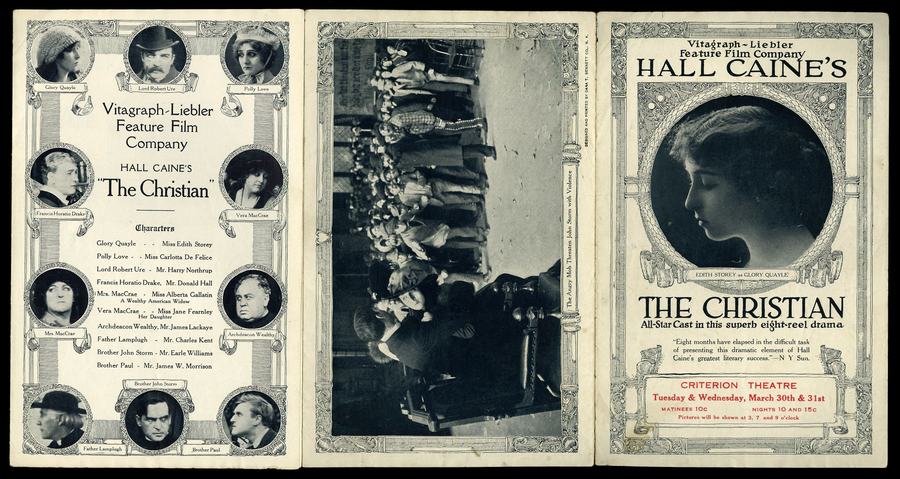
Dir: Frederick A. Thomson
Natural-born mimic Glory Quayle leaves her country home, reaches London, goes on the stage, and gains fame and affluence. Her country sweetheart John Storm, believing he has lost Glory forever, enters a monastery, tries to forget her, cannot kill his love, returns to the world, and becomes a famous slum worker and friend of the poor. Social vampire Lord Robert Ure, a beast in human form, betrays Glory's chum Polly Love. Glory tells John of Lord Robert's wicked treatment of poor Polly. John demands that Lord Robert marry Polly to save her from dishonor. Lord Robert refuses, as he intends to marry a rich American heiress, and a terrific clash erupts between the Right of John and the Might of Lord Robert. John exposes Lord Robert, who swears revenge. Polly dies of shame and a broken heart. Lord Robert plans fiendish revenge on John. He broadcasts the report that John predicts the end of the world on Derby Day, the greatest day of sport in England. John becomes an object of hatred. All Britain wrought up by John's alleged prediction. His former friends become bitter foes. The uneducated and weak are in mortal fear. Thousands and thousands incite riots against John Widespread and awful panics in the slums. Derby Day becomes a day of terror. (Wonderful scenes of the world-famous Derby Race, with its great horses and its terrific crowds, taken in England especially for these scenes.) John is a target for the vengeance of everyone, both rich and poor. He stands alone, with all the world against him. Glory rushes to his aid, quells the angry hordes and saves him from them. Through persecution, John's mind becomes unbalanced. That night, fearful for Glory, John goes to her home, tries to kill her to save her from a fate like the one which befell poor Polly. Glory rises supreme makes a magnificent defense, recalls John to his senses, helps establish his innocence, proves Lord Robert's guilt, accepts John's love, joins him for life, be it better or worse and in spite of the terror, the deep disappointment, the tribulations, the misunderstandings, in spite of all, Glory and John find happiness in each other's love.
View Details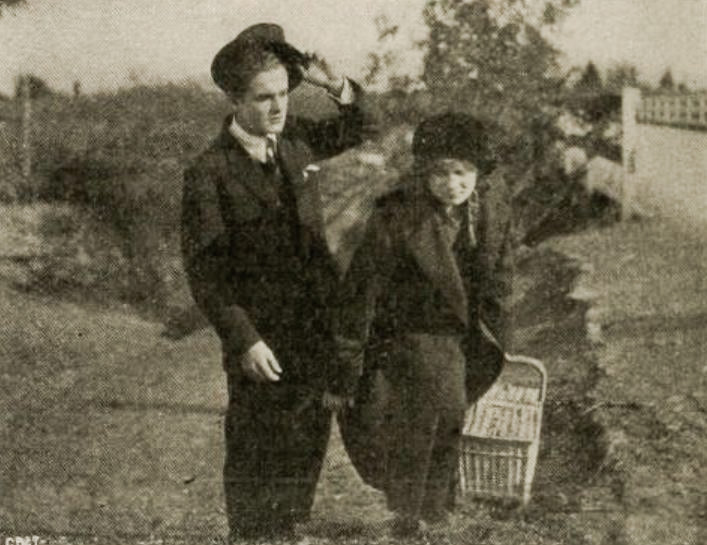
Dir: Frederick A. Thomson
Tom, a young man in a small town, wants to marry his sweetheart Jane, but Jane's father won't allow it until Tom proves he can support her. Tom heads to New York City to make his fortune and prove to Jane's father that he has what it takes, but he meets and falls in love with Amy, a chorus girl who already has a wealthy suitor. Complications ensue.
View Details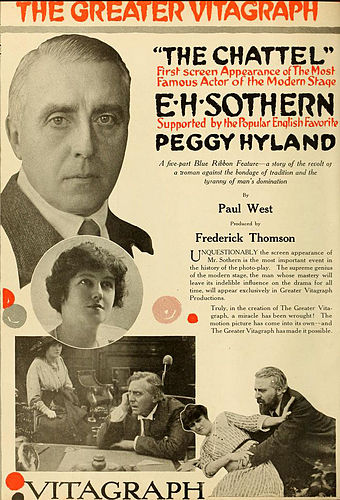
Dir: Frederick A. Thomson
Blake Waring, a financier, whose life code is to have the best of everything at any cost, is surrounded with every conceivable luxury, but he wants a wife to complete his happiness. He is desirous of obtaining a beautiful picture, "The Chattel," owned by Roger Carvin, another financier, who cannot be induced to sell it. Later, Carvin, in stringent circumstances, is forced to part with it at an auction where Waring obtains it. Here he sees Leila Bard, and is attracted to her. At the opera he is presented to her by Mrs. Delavan. Determined to have Leila, he lavishes attentions on her until she is deceived into believing he loves her, and finally consents to marry him. On the eve of the wedding, her father confesses his financial ruin in a letter, explaining his present position was held through dishonesty. He then kills himself. Waring, nonplussed at first, decides to possess Leila in spite of all this and conceals Bard's suicide, making restitution under promise of secrecy. As time passes. Waring begins to grow distant and exacting. Waring, on Leila's birthday, presents her with a lovely necklace, but the sentiment is driven away when she finds that it has been selected by a friend of Waring's. When Leila returns to her home late one afternoon after spending the time at a matinee with Mrs. Delavan, she is reproved by her husband for not being home before him. He is overheard by Harding, Waring's closest friend, who is astonished at Blake's manner. A few days later, Waring, trying to engineer a great financial deal to impress his associates, invites them to dine with him at home. Harding, who is also invited, finds he has a previous engagement which cannot be put off, and stops at Waring's house to tell him. Waring is not at home, but his wife receives Harding's message. As Harding is incidentally telling Leila to overlook her husband's brusqueness, Waring appears and accuses his wife of making love to Harding. Harding goes away crestfallen. Leila and Blake have a dramatic and pathetic scene where Waring tells her that she is "his chattel," and that he cleared her father's name. Leila tells him she will be no man's chattel. The guests arrive, and Waring repents his bitterness toward Leila, for fear she will refuse to see his guests. Leila professes interest in business matters and finds out the inside information concerning the business deal. After the departure of the guests, Waring feels pleased with Leila's generosity and admires her, but won't relent. Leila is disappointed and the next day she departs for town with her jewels where she goes to the president of the Consolidated Trust Company and negotiates a loan of $75,000 on them. With the money she buys the stock under an assumed name. The stock rises higher and higher and finally she sells it to Waring. She takes the money to Waring with the jewels and tells him: "The chattel has come to buy back her freedom." Then she leaves. Leila, knowing she is not legally free, goes to Mrs. Delavan's cottage. When Waring, after an illness, is brought home he destroys the picture "The Chattel." After a month he sends for Mrs. Delavan and questions her as to Leila's whereabouts. She is moved by the change in Waring and confides in him. When strength returns, he hires a little cottage near Leila's and there lives alone. Sammy, a small boy, brings provisions to both Leila and Blake, who is living under the name of Hope. She does not know that her neighbor is her husband. After a short lapse of time, he slips up to her cottage in the night and leaves flowers on her steps. Waring keeps Leila's picture on his table. Sammy notices the resemblance to Leila in the picture and tells her of it. Sammy tells Waring what he has said to "the lady next door," and Waring has Sammy write a note to her asking if he may visit her. As she is answering the letter that night, she accidentally knocks over the lamp. The fire spreads rapidly and Waring rushes to her rescue, and the past is forgotten. They begin life anew.
View Details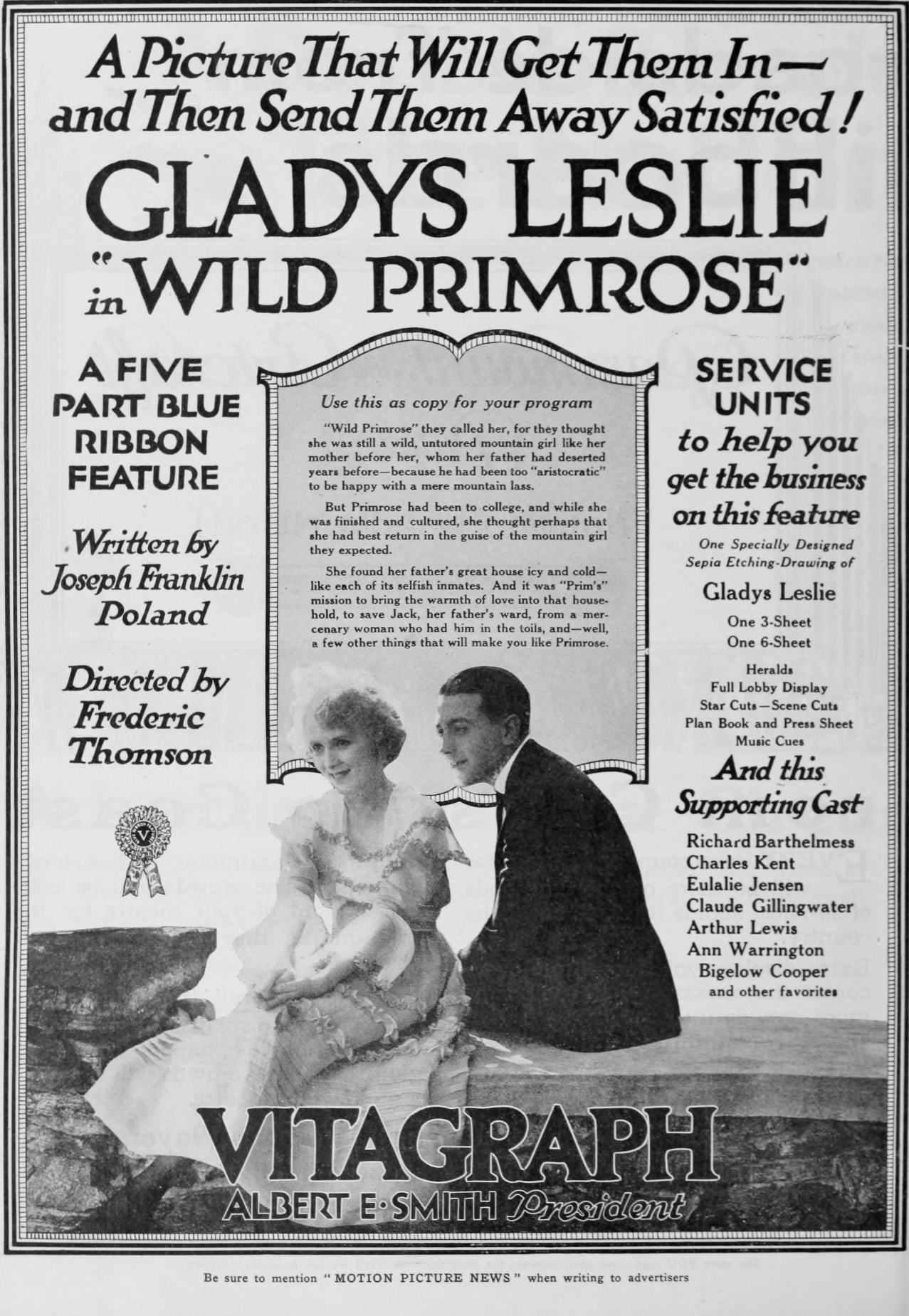
Dir: Frederick A. Thomson
Standish, a wealthy Northerner, deserts his untutored Southern wife shortly after their daughter Primrose's birth, preferring to wed the cultured but haughty Emily. After her mother's death, Primrose is placed in the care of her uncle, who rears her as a refined and educated young lady. Longing for his daughter, Standish sends for her, and although Primrose, deeply resentful of her father, exaggerates the role of the uncouth mountain girl, he and his ward, Jack Wilton, come to love her deeply. Jack, who secretly married a dancer named Marie in a moment of drunken infatuation, reforms under Primrose's influence, but Newton, a broker to whom Standish is deeply in debt, demands her hand in marriage as his repayment. Primrose rejects Newton, and at a ball, she appears as her true self and offers her father some of her oil rich lands. After Standish has repaid Newton, his secretary recognizes Marie as his long-lost wife, leaving Jack free to marry his "wild" Primrose.
View DetailsAnalysis relative to The Mating
| Film Title | Atmosphere | Complexity | Similarity |
|---|---|---|---|
| The Feud Girl | Tense | Layered | 87% Match |
| Nearly a King | Surreal | Abstract | 91% Match |
| The Model | Surreal | Layered | 85% Match |
| A Nymph of the Foothills | Gothic | Linear | 85% Match |
| The Sign of the Cross | Surreal | Abstract | 90% Match |
This guide was algorithmically generated using the cinematic metadata of Frederick A. Thomson's archive. Last updated: 6/18/2026.
Back to The Mating Details →