
DbcultAccessing Vault...
Recommendations
Senior Film Conservator
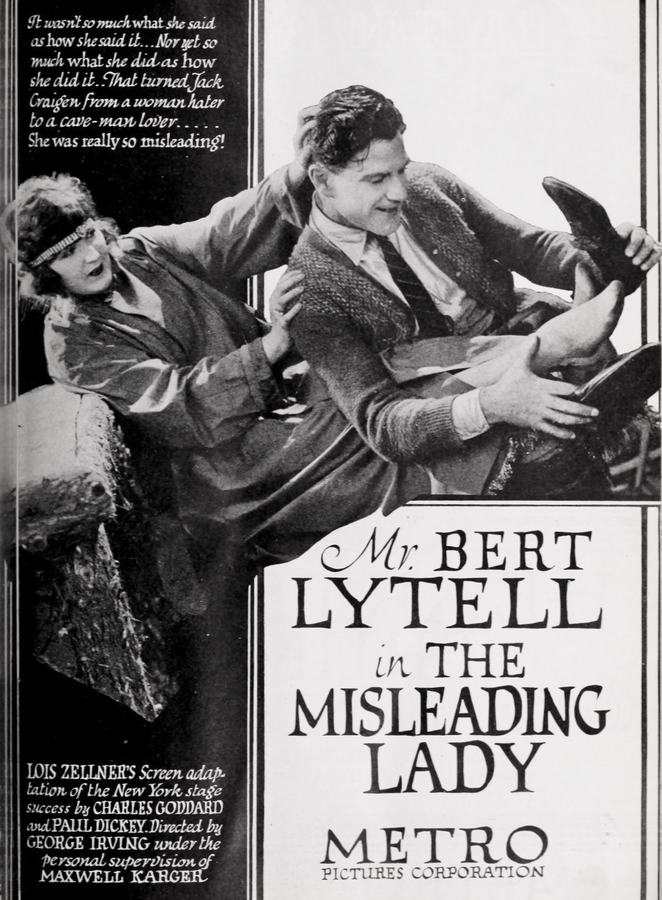
Witnessing the stylistic evolution of George Irving through The Misleading Lady is profound, audiences who connected with its message often look for similar thematic gravity. Each of these movies shares a piece of the cult status that made The Misleading Lady so special.
The synthesis of form and function in The Misleading Lady to establish George Irving as a true visionary of the 1920s.
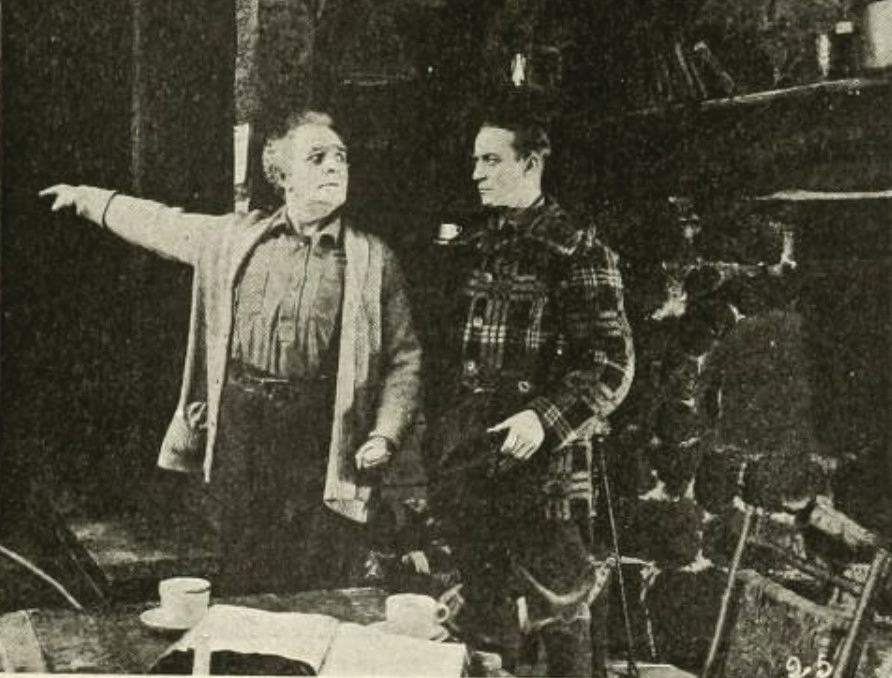
Jack Craigen, an engineer who has just finished a construction job in South Africa, returns to New York. There, at the home of his Uncle Cannell, he meets stage-struck society girl Helen Steele and her playwright fiancé Tracey. Scheming to win the lead in their new production, The Siren , Helen wagers Cannell and Tracey that she can vamp Jack--a notorious woman-hater--and have him propose to her in a week. She succeeds, but when Jack learns of the ruse, he resolves to teach her a lesson in primitive emotions. When she teases Jack about him kidnapping her as natives in Africa do to their prospective mates, he takes her away to his mountain lodge. There, comic escapades follow, including his chaining her ankle and the arrival of various characters--a lunatic who imagines himself to be Napoleon, two drunks, a reporter and Tracey. At the end, Jack's caveman tactics have won the heart of Helen, and she agrees to be his wife.
Based on the unique cult status of The Misleading Lady, our vault has identified these titles as the most compelling follow-up experiences for fans of Comedy cinema:
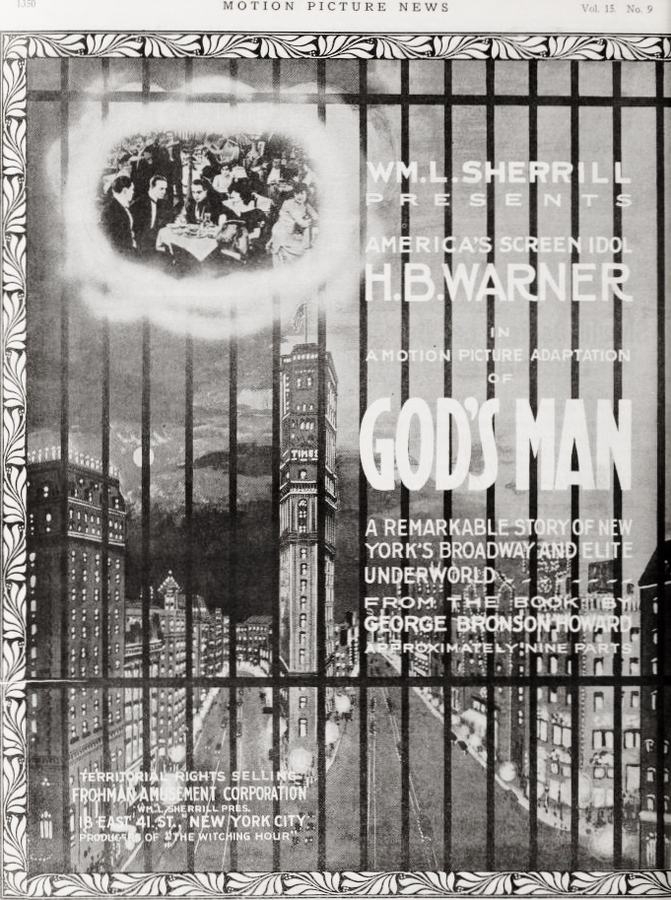
Dir: George Irving
A fascinating piece of cinema that shares thematic elements.
View Details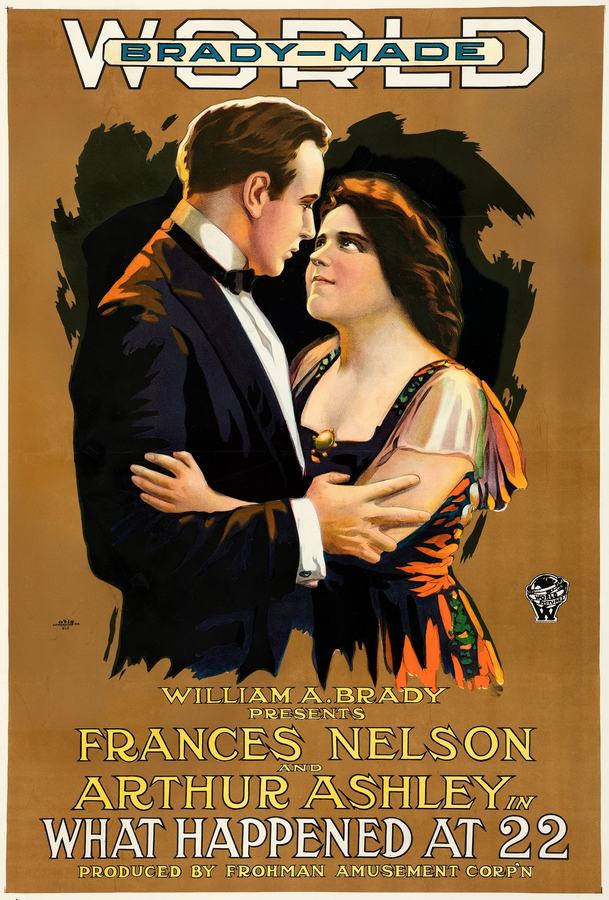
Dir: George Irving
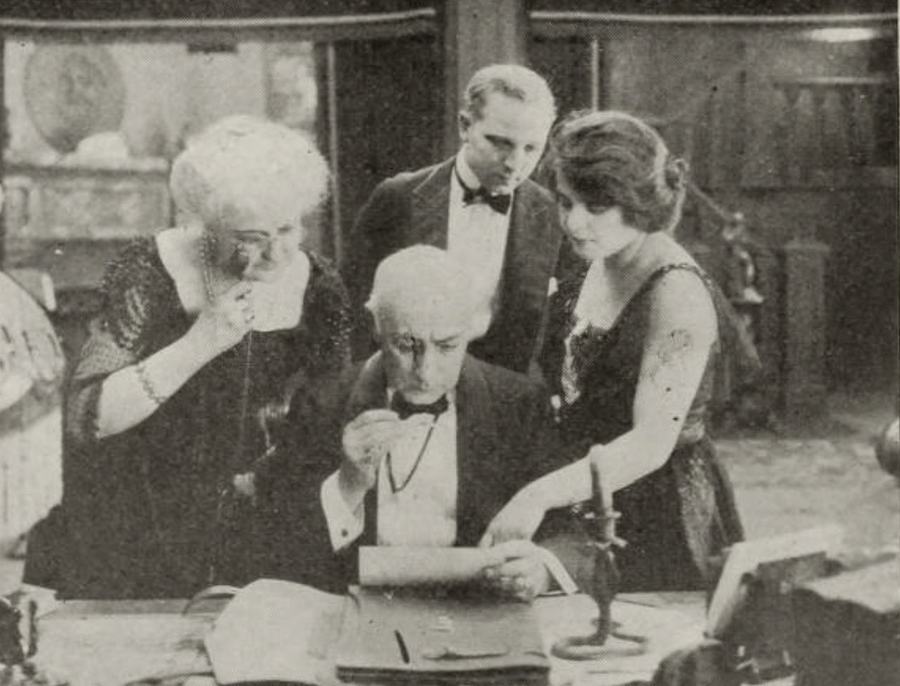
Louise Lloyd comes to New York to obtain a position and applies to the Hollister Employment Agency, which caters to high class trade, but which is run by a crook and forger named Wilson, with a Mr. Hollister as figurehead, who meets the people and sends applicants. Wilson falls in love with Louise, but she does not reciprocate. Wilson passes a forged check and decides to leave the city till the excitement blows over. Hollister gets him a position with a Mr. White, Toledo millionaire, as private secretary. When the New York job blows over, Wilson returns. While at the White home, he has noticed that Mr. White's New York representative resembles him and plans to cash a check on White's account, disguising himself as Mr. Hart, the New York representative. This he does by forging a check for $35,000 instead of $35.00, his salary. He divides the profits with his co-conspirator, Hollister. The bank calls to its assistance a celebrated lawyer, Edward Knowlton, who, desiring to engage a companion for his elderly sister, stops with his son, Frank, at the Hollister Agency. There the Knowltons meet Louise and offer her the position, but Wilson wants to keep her out of the situation so that, in her poverty and distress, she will accept Wilson's proposal of marriage. Unable to get Louise, Knowlton leaves orders to send someone. When Wilson learns that Knowlton has taken up the case, he says he must get in Knowlton's house as a servant of some kind to watch what clues Knowlton finds. He tells Hollister to send Louise, where she is installed in the house as companion. By her wonderful charm and sweetness, she captivates the entire family, including the son, Frank. Wilson soon finds a way to install himself as valet to Knowlton, just at the time when Knowlton's clues lead him to certain suspicions. As these suspicions point to him, he decides to put Knowlton out of the way. Knowlton and his son, Frank, after dinner, have a parley on the division of the Knowlton property. The will, as made, gives Frank the greater share of the property and Frank's sister the smaller part, whereas Frank believes his sister's share should be increased to equal his own. When the family has gone to bed, Wilson finds Knowlton alone in the library. Wilson strikes, there is a struggle, and he leaves Knowlton for dead, after having stolen and changed the will so that it goes back to the original unequal division of the estate. The body is found and the police called. Wilson, who is supposed to have left for Brooklyn, enters. Questioned by the police, he says the only suspicious circumstances that he noticed was the quarrel over the will between the son and father. The police get the will, notice the change in the son's favor, and accuse the son of the murder. Louise, who has had her suspicions of Wilson, takes the will and says, "Whoever changed this will left a finger mark and blot on the paper." Wilson slyly looks at his hands and. as he does so, Louise calls the police's attention to his queer acting. She orders him arrested, and Wilson, frightened, says, "But I have no blot on my hand," and she holds out the will and says, "Nor is there such a blot on the paper." Wilson, realizing that he is tricked, attempts to escape, but is caught and led away by the police. Louise is taken into Frank's arms as the doctor comes from the father's room saying that Mr. Knowlton will live.
Dir: George Irving
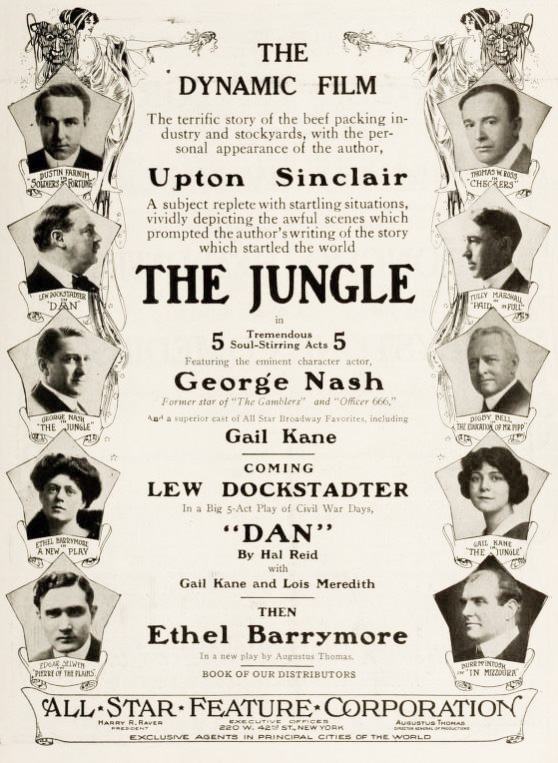
Loyal slave of the aristocratic Dabney family, Dan is overjoyed when Raoul becomes engaged to Northerner Elsie Hammond and his sister Grace becomes engaged to Elsie's brother John. When the Civil War breaks out, the heartbroken Hammonds return North and John joins the Union army. Raoul joins the Confederacy, but his vindictive overseer, Jonas Watts, becomes a Union officer. Watts takes Grace prisoner, but before he can act on his desires, John rescues her. He then encounters Raoul and is obliged to arrest him, but Dan comes to his aid by throwing red peppers into his captors' eyes. When John is arrested by Confederates, Raoul frees him for Grace's sake, but when his superiors discover his treason, he is sentenced to death. Stonewall Jackson, a family friend, tries to obtain a stay of execution for Raoul, but in the meantime, Dan visits him and convinces his master to blacken his face and take the slave's place. He does, and Dan is executed. After the war, Raoul and Elsie, and John and Grace marry and settle on the Dabney estate.
View Details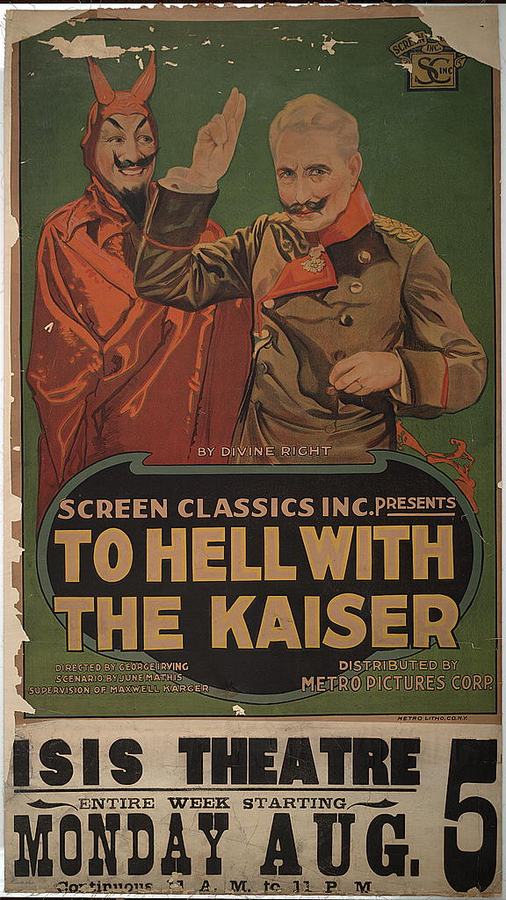
Dir: George Irving
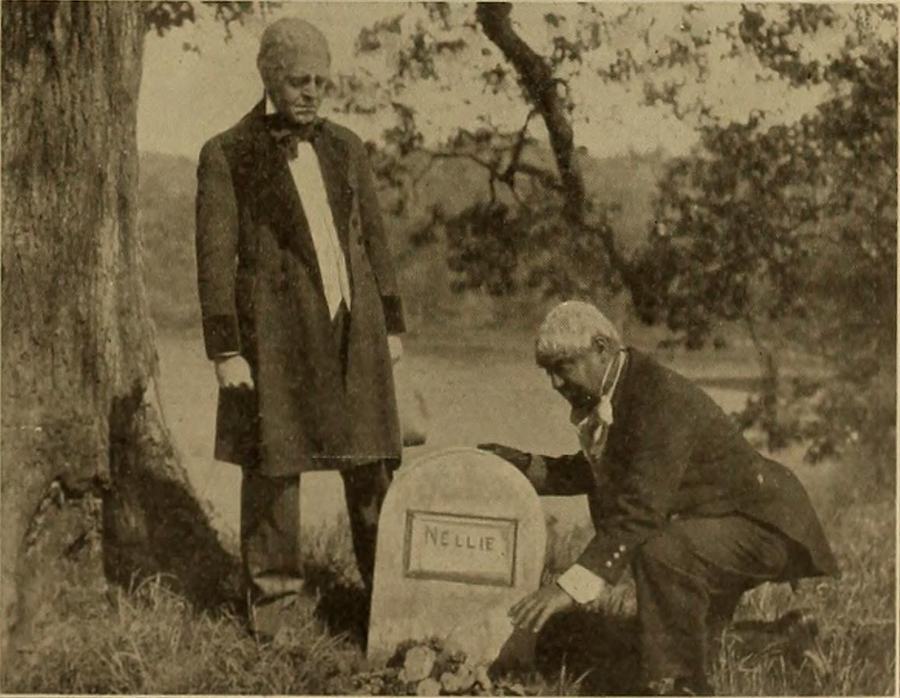
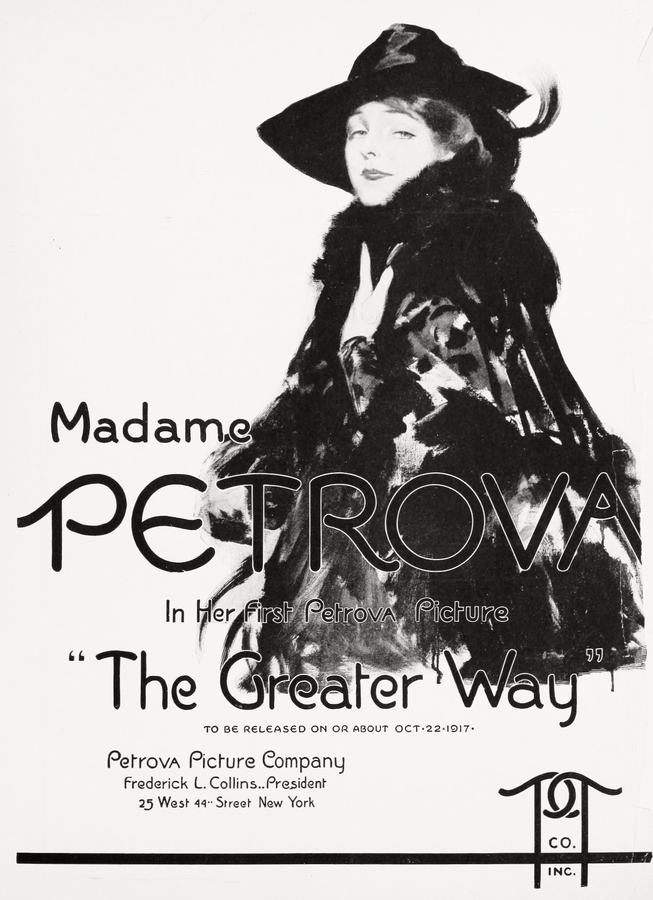
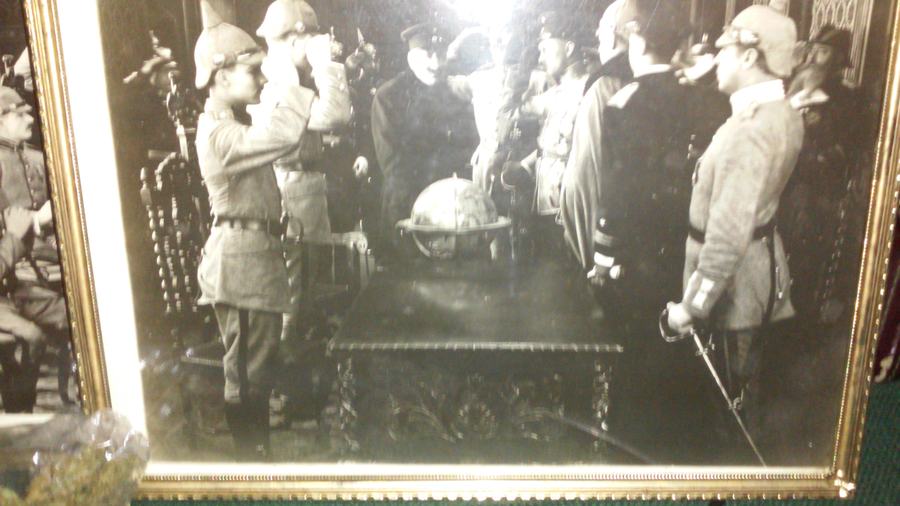
A farce in which the German Kaiser and the Crown Prince are defeated and made sport of by a plucky American girl and several American prisoners of war.
Dir: George Irving
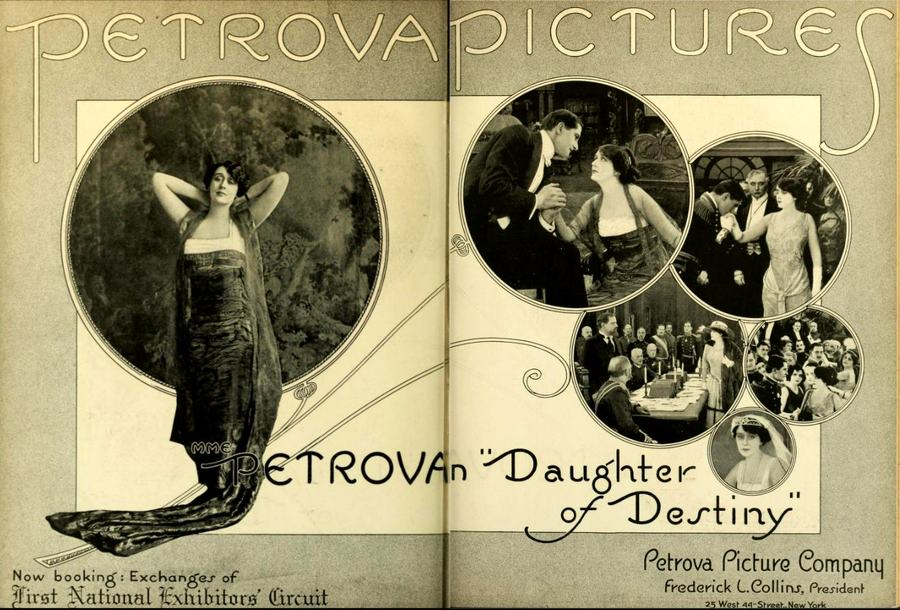
Married to a spy who seeks to induce her to betray her country, the daughter of the American Ambassador to Belmark welcomes the news of her husband's death not knowing that he has merely staged a deception. She becomes the morganatic wife of Prince Leopold, of Belmark, but renounces the marriage that war may be avoided, only to learn that the new alliance means a still greater war. She persuades Leopold to renounce the compact, then saves his life by throwing herself between him and an exploding bomb, but the story does not end there.
View Details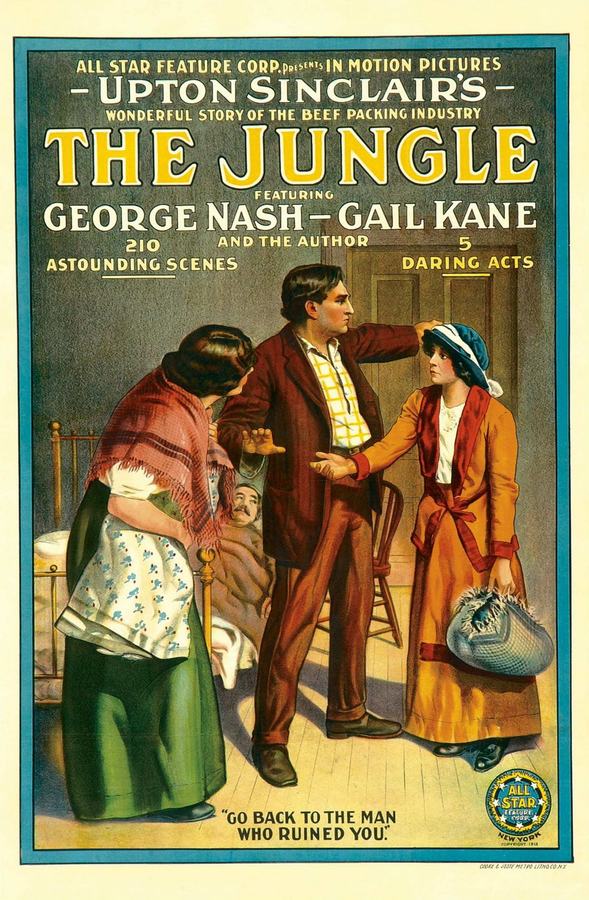
Dir: George Irving
A Lithuanian immigrant falls into financial hardship in Chicago when he loses his job due to cutbacks.
Dir: George Irving
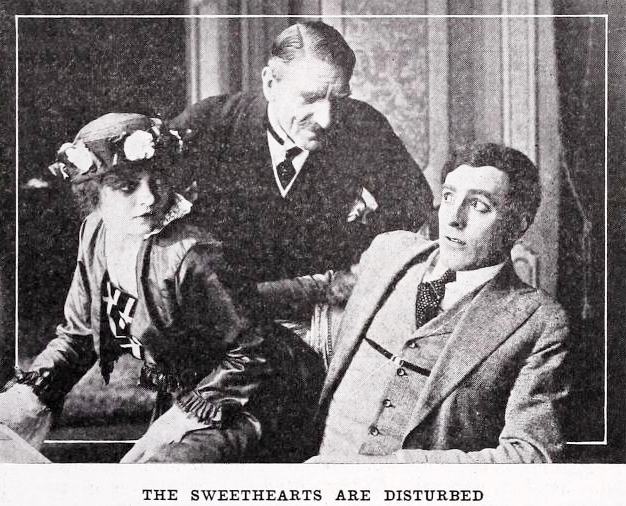
John Glayde is a stone-hearted man intent on wealth to elevate his family, losing his wife to another man in the process.
View Details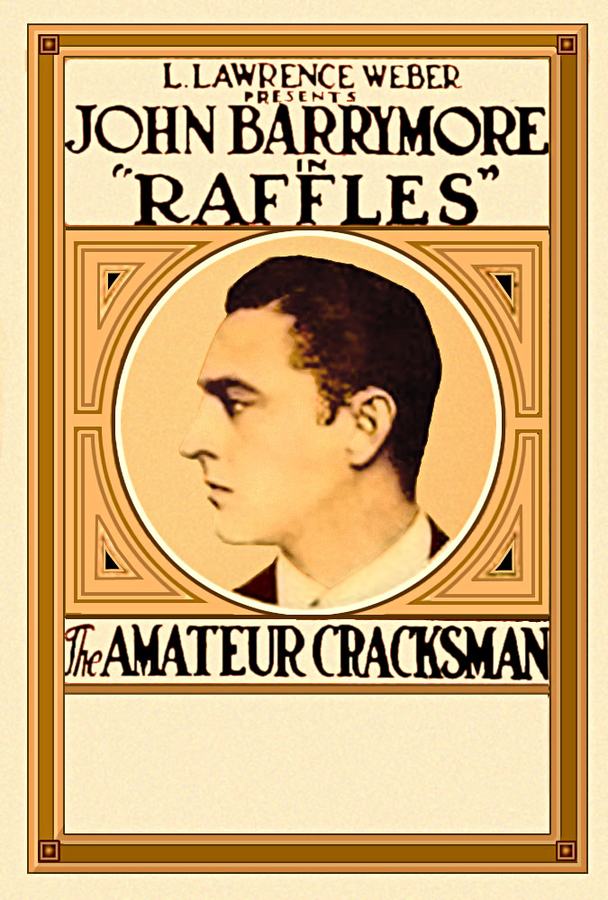
Dir: George Irving
Gentleman burglar Raffles tries to get his hand on a priceless pearl.
Dir: George Irving
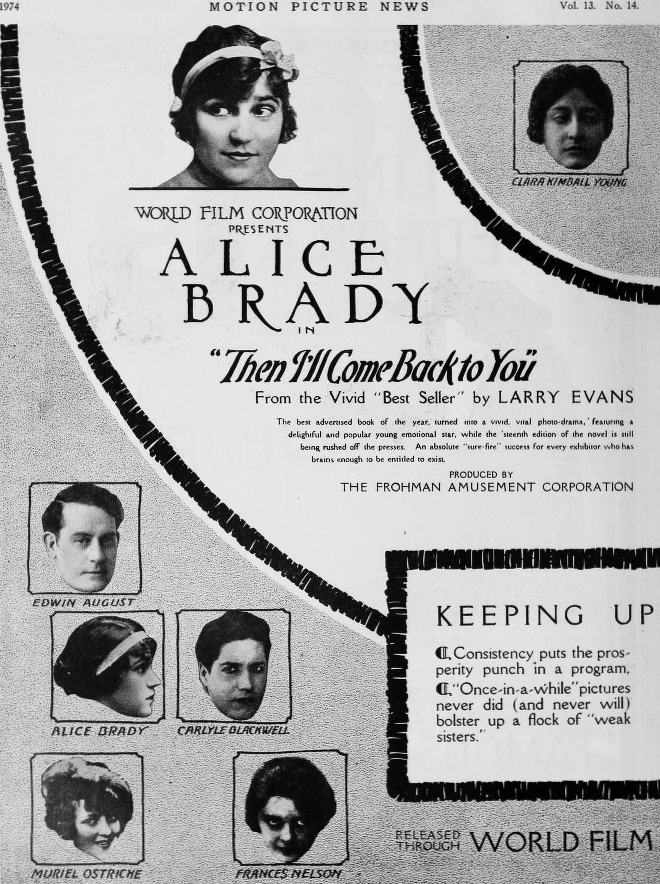
Mountain boy Steve O'Mara, living in the Adirondack Mountains, who loves to fight, is taken in by a well-to-do family after the death of his foster father. Steve is attracted by a young girl, Barbara, who is visiting his family, but she is repelled by his violent behavior. He fights another boy over her affections and then vows not to return until he corrects his ways and makes good. Ten years pass, and Steve has become a road construction engineer with the East Coast Railroad Company. He is trying to complete a railroad being built through his home town. Barbara is now engaged to Archie Wickersham, who for financial reasons is trying to prevent the railroad from being completed. After several delays, Steve brings his rival's unscrupulous business practices to light. When Barbara witnesses the fight that ensues between Steve and her fiancé, she runs off and gets lost in the forest. After a search party is formed, Steve finds her and she realizes that she loves him. Harrigan, one of her fiancé's henchmen, witnesses this tender scene and shoots Steve. Barbara then draws Steve's pistol and shoots Harrigan dead. Only wounded, Steve finally is embraced by Barbara.
View Details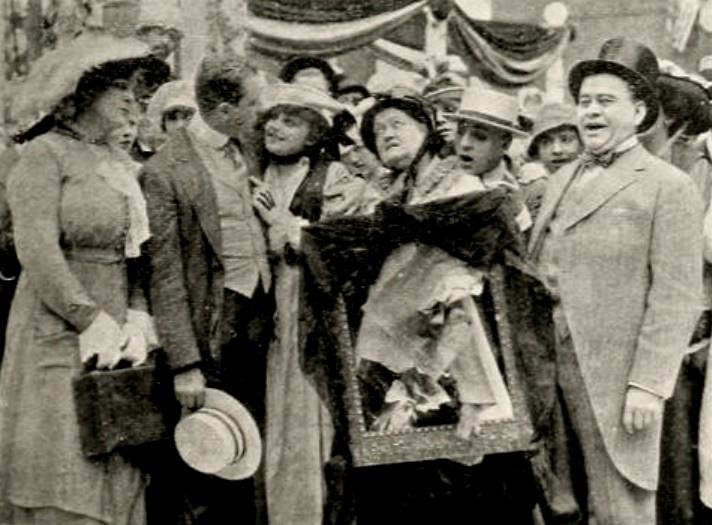
Dir: George Irving
Edward Swinger contrives to win the hand of the lovely Caroline Pickering by selling her father his business - a business that doesn't actually exist.
View DetailsAnalysis relative to The Misleading Lady
| Film Title | Atmosphere | Complexity | Similarity |
|---|---|---|---|
| God's Man | Gothic | Linear | 88% Match |
| What Happened at 22 | Tense | Dense | 97% Match |
| Dan | Gritty | Linear | 95% Match |
| To Hell with the Kaiser! | Surreal | High | 96% Match |
| Daughter of Destiny | Ethereal | Abstract | 91% Match |
This guide was algorithmically generated using the cinematic metadata of George Irving's archive. Last updated: 6/26/2026.
Back to The Misleading Lady Details →