
DbcultAccessing Vault...
Recommendations
Senior Film Conservator
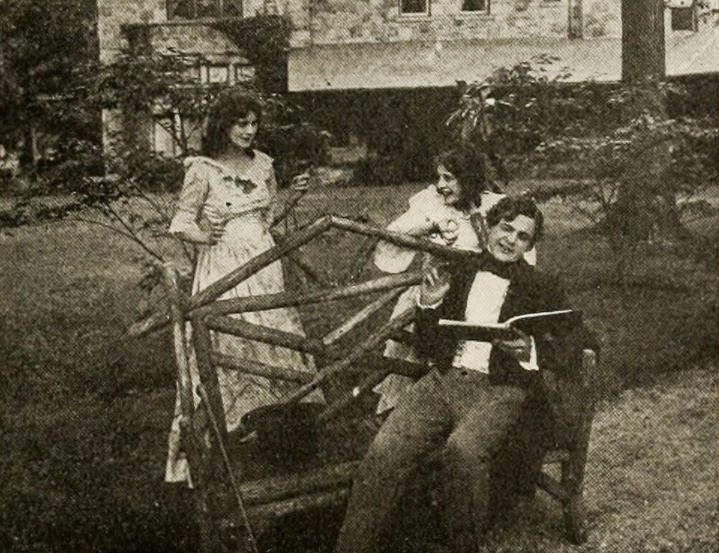
Since its 1914 debut, The Mystery of Edwin Drood has maintained a cinematic excellence status, the legacy of The Mystery of Edwin Drood is a beacon for those seeking the unconventional. Our criteria for this list were simple: only the most cinematic excellence and relevant titles.
The 1914 landscape was forever altered by the arrival of to sustain a sense of mystery that persists after the credits roll.
An opium-addicted choirmaster develops an obsession for a beautiful young girl and will not stop short of murder in order to have her.
Critics widely regard The Mystery of Edwin Drood as a cult-favorite piece of cult cinema. Its cinematic excellence is frequently cited as its strongest asset, solidifying its place in United States's film legacy.
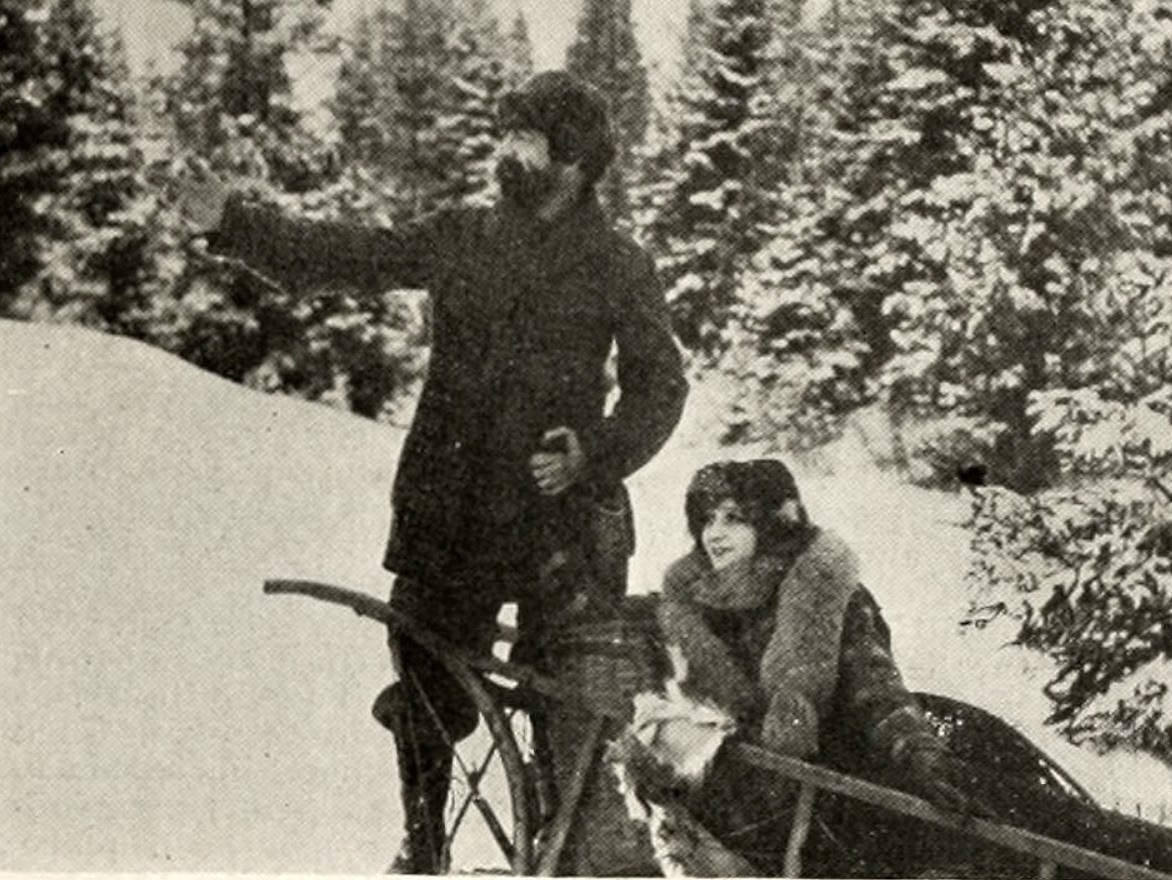
Based on the unique cinematic excellence of The Mystery of Edwin Drood, our vault has identified these titles as the most compelling follow-up experiences for fans of cult cinema:
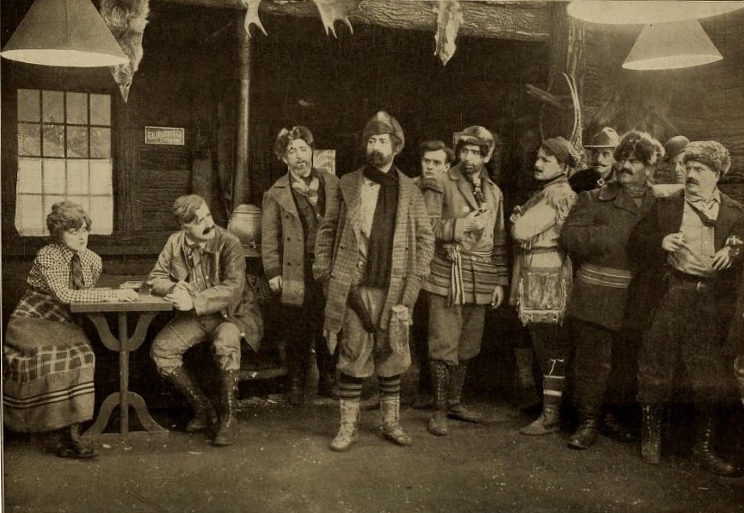
Dir: Herbert Blaché
The opening scene is of the interior of the Malamute saloon. Dangerous Dan McGrew and the lady known as Lou are seen seated at a table in one corner. A dog-sleigh stops outside, and its owner, a tired-looking, bedraggled miner, stumbles through the door. After treating the house, he sits down at the piano and begins to play. Into the soulful, stirring music he pours his pent up feelings of hatred, sorrow, love, and regret. Years before, Jim Maxwell's best friend Dan McGrew had deceived his wife into believing him unfaithful. Their elopement completely unnerved him for a time. But finally he resolved to forget about it, until he next met Dan McGrew. Years afterwards, while prospecting, he met his daughter, now grown to womanhood and married. Her husband had been arrested for a murder committed by McGrew, and Maxwell assisted in effecting his escape. Just previous to the miner's entrance, Nell's husband had been captured in the saloon by the sheriff. As Maxwell finishes playing, he turns about, faces Dangerous Dan McGrew, and tells him, in uncomplimentary language, what he thinks of a man of his type. The lights go out, two guns blaze in the dark, and both men fall. Maxwell recovers and is reunited with his wife Lou. McGrew dies.--May 22 1915.
View Details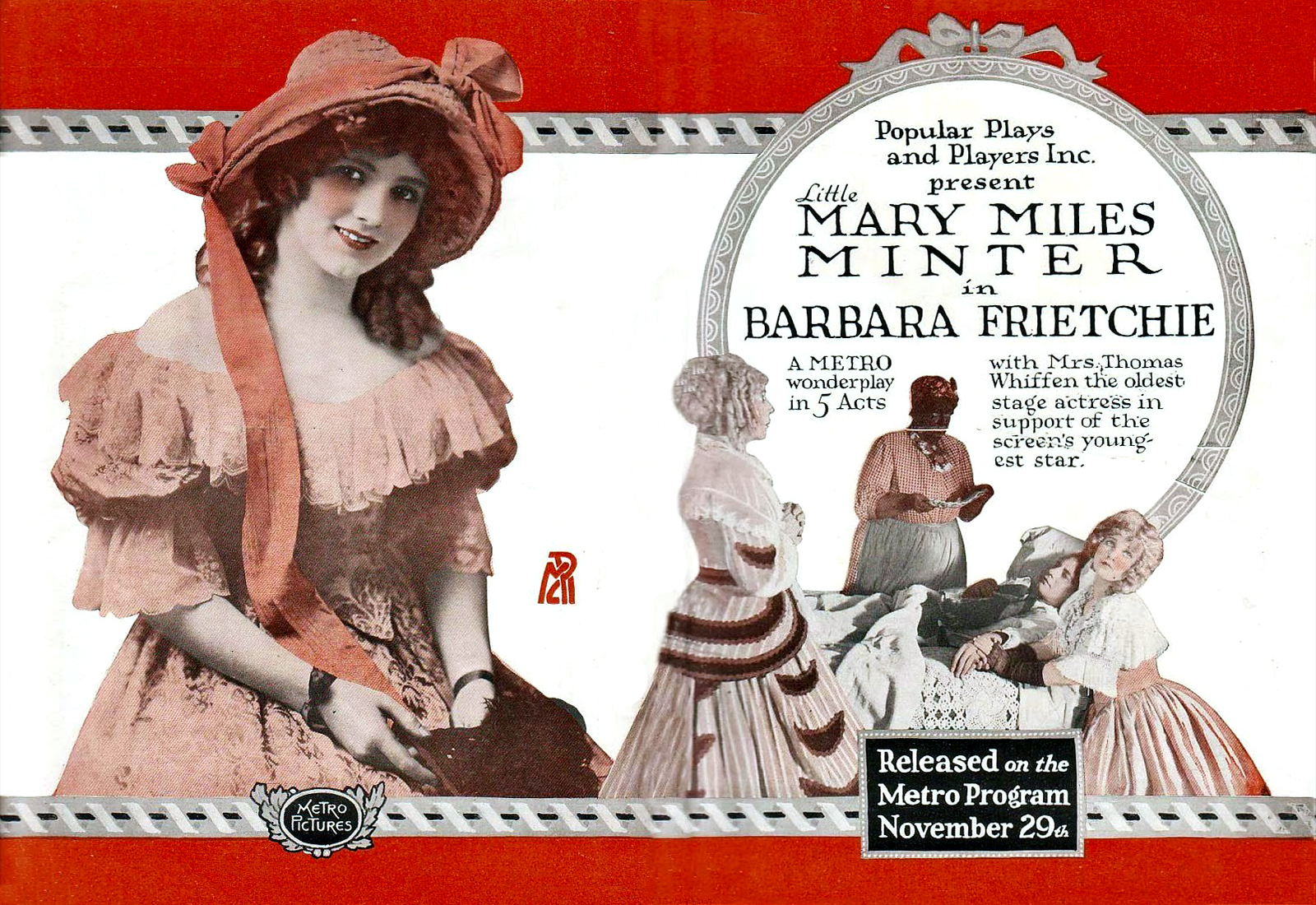
Dir: Herbert Blaché
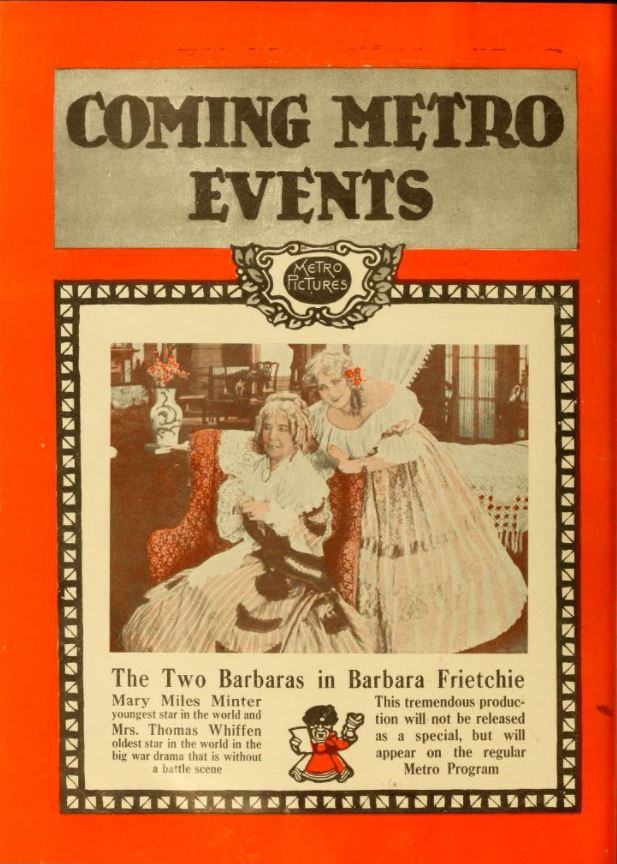
An old woman in Frederick, Maryland during the U.S. Civil War displays her American flag in defiance of the armies of Confederate general Thomas J. Jackson. Based on the folk tale that grew from the poem by John Greenleaf Whittier.
View Details
Dir: Herbert Blaché
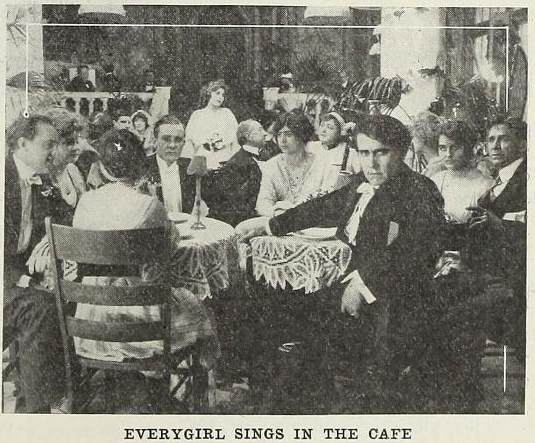
Satan decides to ruin the innocence of ambitious Everygirl, who has a beautiful voice and wishes to pursue a career singing in opera. He thus assumes human form and follows her in order to make sure that she accepts his terms.
View Details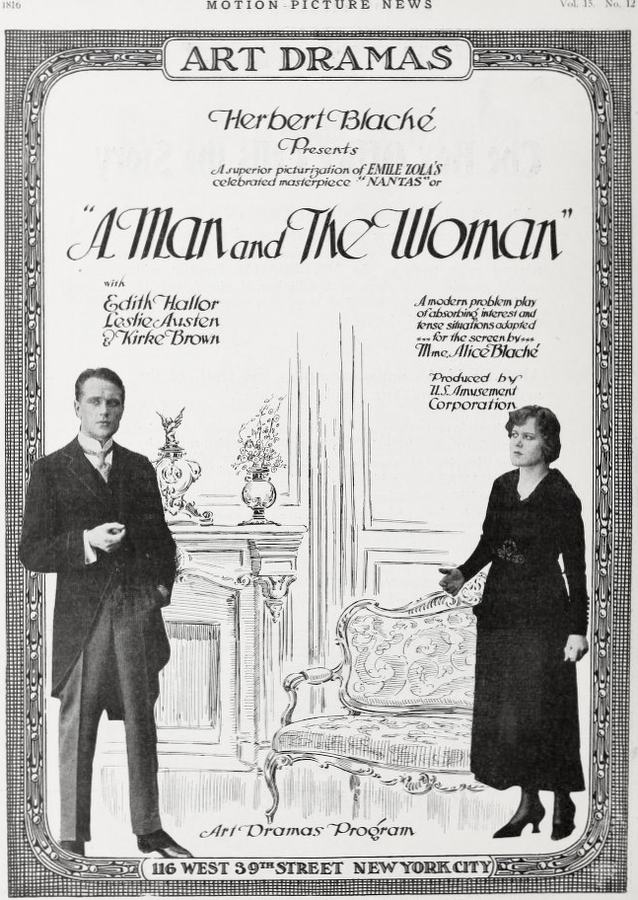
Dir: Herbert Blaché
A fascinating piece of cinema that shares thematic elements.
View Details
Dir: Herbert Blaché
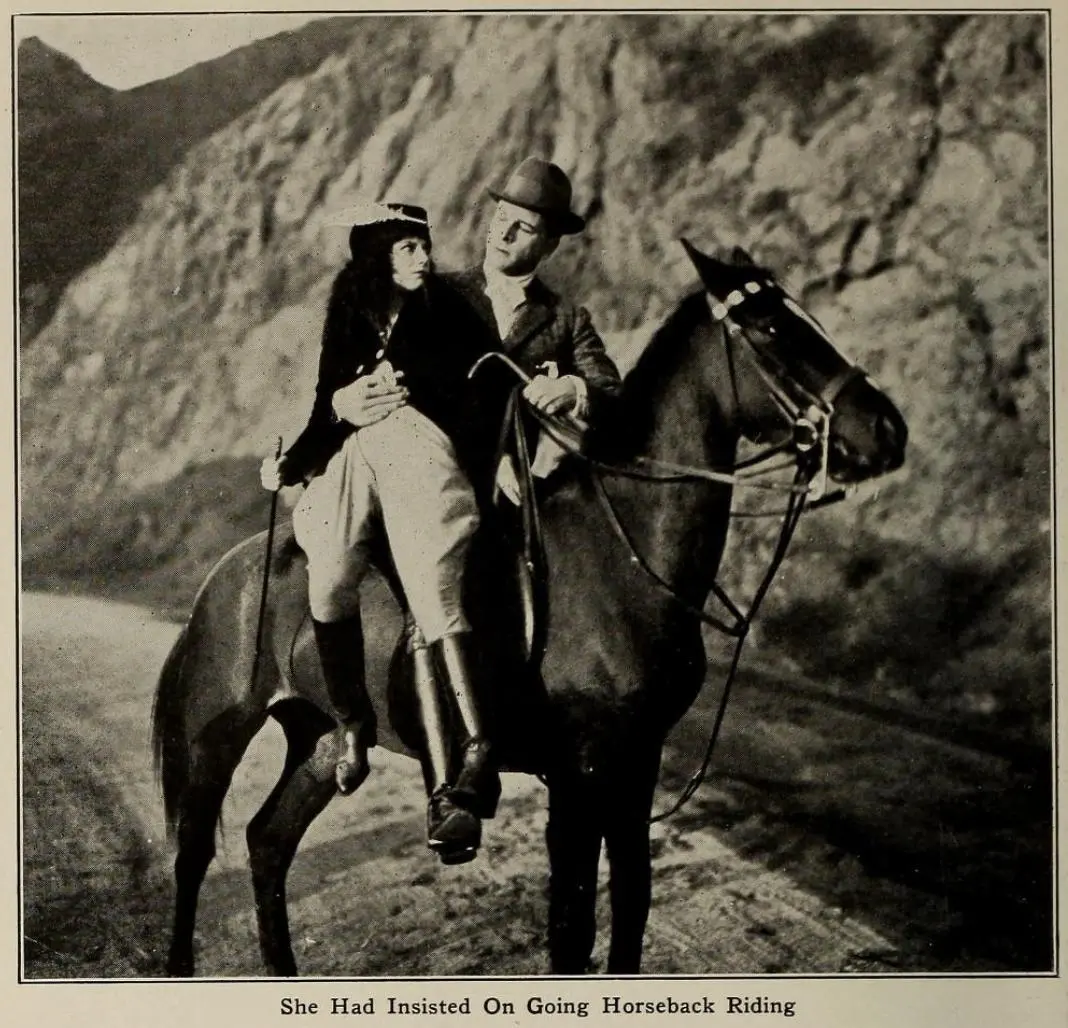
Famous playwright Paul Worden takes a country bungalow to write a new work and rehearse with Marjorie Sinclair, his leading actress, who is staying nearby. When riding one day, Paul helps his neighbor, Diana Ardway, the spoiled teenage daughter of a steel magnate, when her horse gets the better of her. Diana, at first insulted by Paul's interference, develops a passionate interest in him, leading her to spy on him, provoke a hair-pulling fight with Marjorie, and destroy one of Paul's rooms after he treats her like a child. When Paul wires his brother Tad, known for his successes with women, to relieve him of Diana's attentions, she rejects Tad. Knowing that her father will return soon from Europe, Diana gives the Associated Press an announcement of her engagement to Paul and kidnaps him to make it appear that he compromised her. After her father returns, Paul, thoroughly beaten, realizes his love for her and accepts his fate.
View Details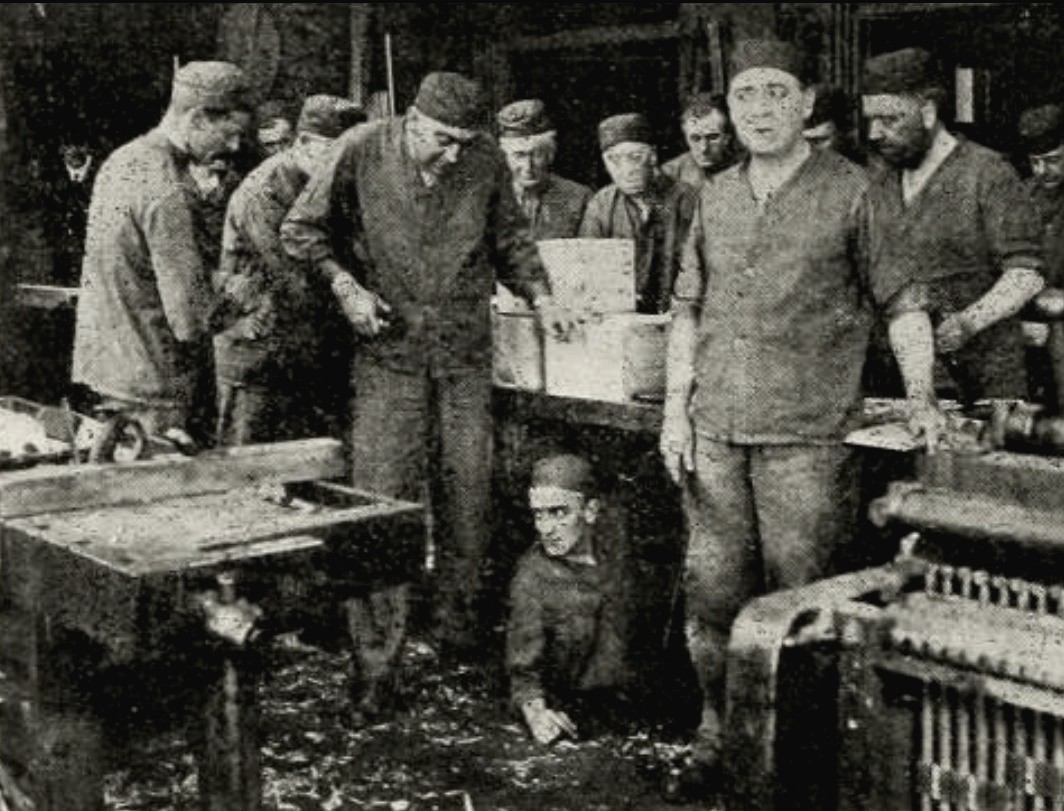
Dir: Herbert Blaché
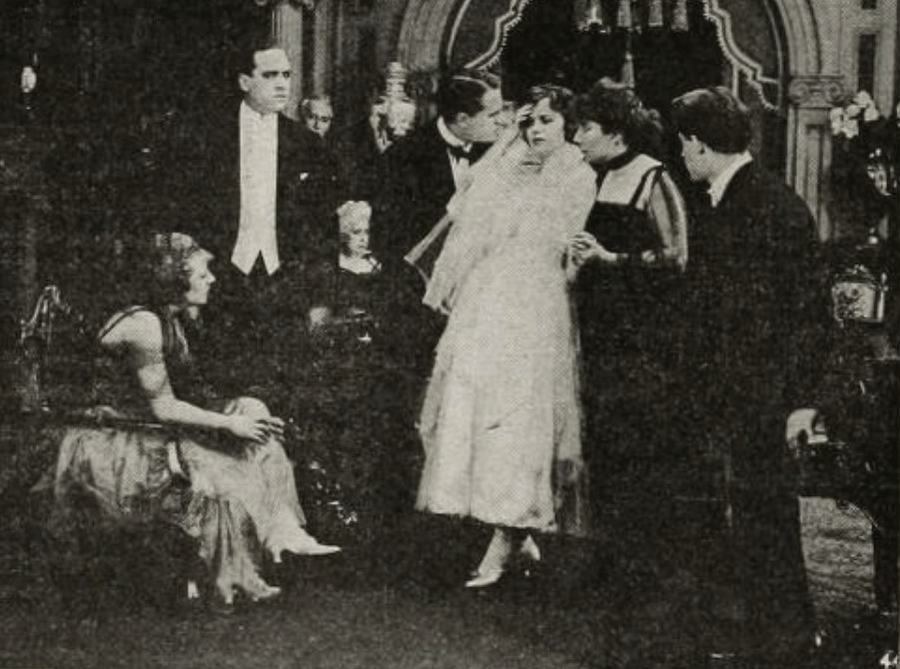
A fascinating piece of cinema that shares thematic elements.
View Details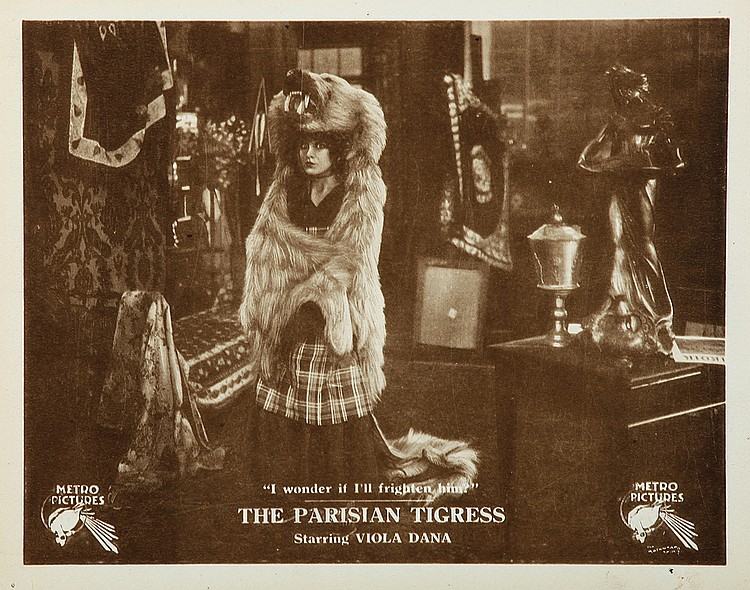
Dir: Herbert Blaché
The invalid Count de Suchet, nearing death, tells his friend, artist Henri Dutray, about the tragic events of his early life. He secretly married a dancer, and after she gave birth to a daughter, his father convinced her that she was ruining her husband's life. She gave the baby to an old couple, and then killed herself. The grieving count now worries about his daughter. Meanwhile, Jeanne, an Apache dancer in Montmartre, refuses to be sold by her brother Jacques to an old rogue. After she escapes and hides in Henri's studio, Henri, because he needs money, plots with Jacques to make the count believe that Jeanne is his daughter. Although Jeanne rebels at first, she moves in with the count and grows to love him. After the count dies happily, Jacques robs the count's safe and finds a photograph of Jeanne's mother. The butler shoots him, but before he dies, he reveals that Jeanne really is the count's daughter. Jeanne then marries a boy from the adjoining estate.
View Details
Dir: Herbert Blaché
A gentleman burglar is a detective, which acts as a shield to his more shady pastime.
View Details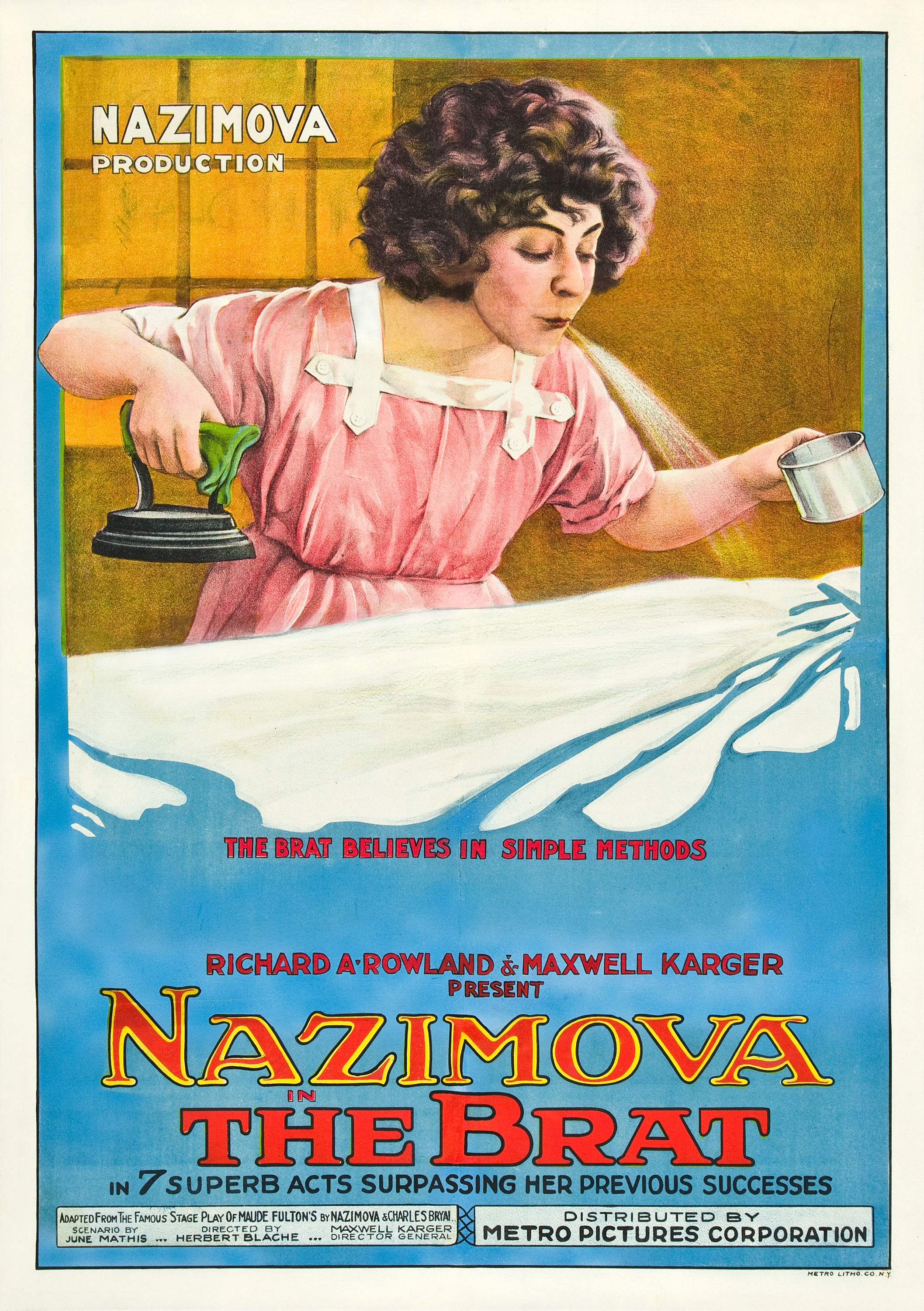
Dir: Herbert Blaché
An unkempt chorus girl is arrested on a minor charge. In court, she is spotted by a novelist who is looking for someone of her type on whom to model a character in a book he is writing. He takes her into his home where she is looked down upon by his snobbish family. But the girl brings something to the family unlike anything they have known before.
View Details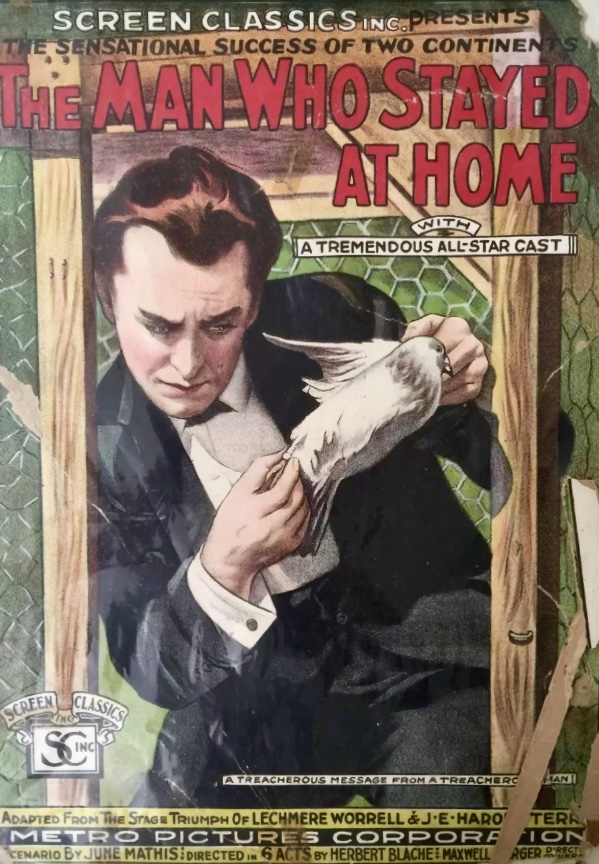
Dir: Herbert Blaché
In a Virginia resort town in August 1918, Christopher Brent is viewed as a slacker because he refuses to enlist. Secretly, Christopher is observing German spies who are passing information about coastal fortifications for invasion preparations. Seeing Christopher consort with Mrs. Miriam Lee, also from the secret service, his fiancee Molly Preston, who had been bothered by the talk about him, becomes jealous. When Molly's brother Norman discovers a German code book in Mrs. Lee's possession, Christopher, who obtained the book when he destroyed the wireless of the chief spy, Carl Sanderson, who also loves Molly, is suspected of aiding the Germans. After Christopher saves a hotel when the spies ignite a bomb to signal a U-boat, captures a list of enemy spies, kills several spies, and with the help of a U.S. destroyer, sinks the U-boat, he is honored by the town. Molly then asks to be forgiven.
View DetailsAnalysis relative to The Mystery of Edwin Drood
| Film Title | Atmosphere | Complexity | Similarity |
|---|---|---|---|
| The Shooting of Dan McGrew | Gothic | Linear | 93% Match |
| Barbara Frietchie | Ethereal | Abstract | 97% Match |
| The Temptations of Satan | Gothic | Abstract | 90% Match |
| A Man and the Woman | Gritty | Linear | 93% Match |
| Satan Junior | Ethereal | Layered | 89% Match |
This guide was algorithmically generated using the cinematic metadata of Herbert Blaché's archive. Last updated: 6/20/2026.
Back to The Mystery of Edwin Drood Details →