
DbcultAccessing Vault...
Recommendations
Senior Film Conservator
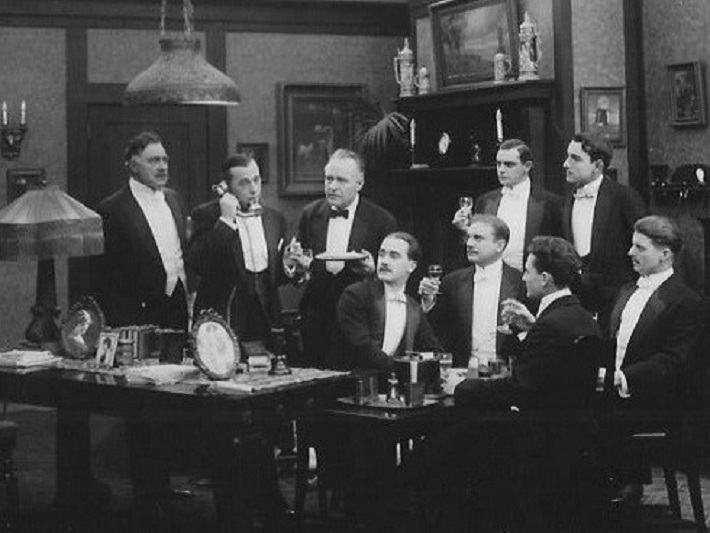
For those who were mesmerized by The No-Good Guy, a true cult masterpiece from 1916, the quest for comparable cinema becomes a journey through the fringes of film history. Our curated selection of recommendations echoes the very essence of The No-Good Guy.
The legacy of The No-Good Guy is built upon its ability to create a hauntingly beautiful cinematic landscape.
Jimmy Coghlan has developed such a notorious reputation for spending money, drinking and going to parties that his uncle and guardian, political boss "Big" Malone, insists that he settle down and get a job. Obediently, Jimmy opens a detective agency, but spends most of his time discouraging prospective clients. Finally, however, and partially against his own better judgment, Jimmy takes on a case, and to solve it he must join a band of criminals. Then, he falls in love with Lucia Andrada, one of the gang members, and discovers that the real leader of the gang is Malone himself. Jimmy denounces his uncle, after which he and Lucia, vowing to behave like responsible adults, begin making plans for their marriage.
The No-Good Guy was a significant production in United States, bringing a unique perspective to the global stage. It continues to be a top recommendation for anyone studying cult history.
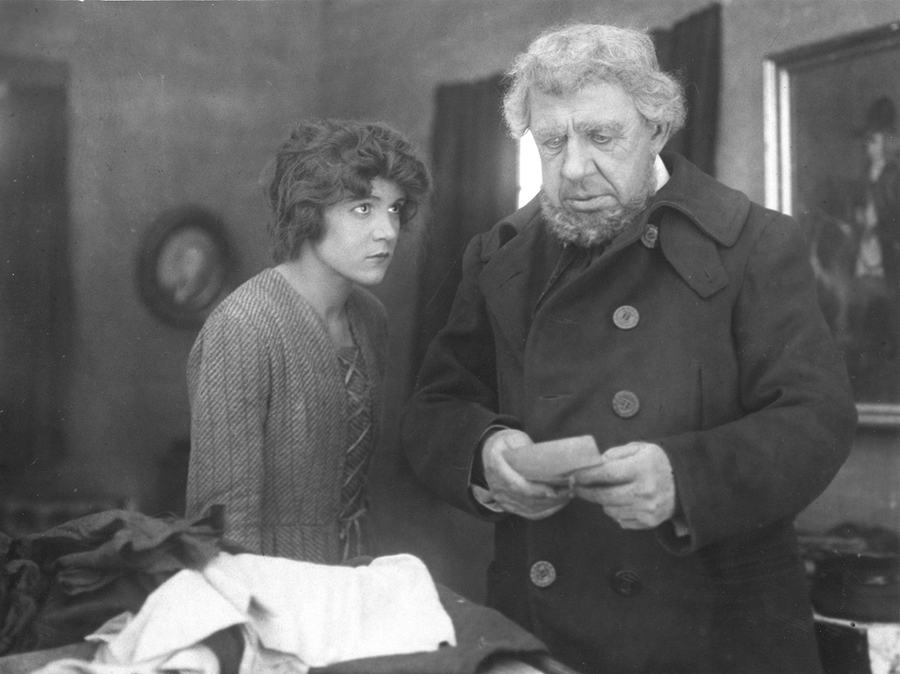
Based on the unique cult status of The No-Good Guy, our vault has identified these titles as the most compelling follow-up experiences for fans of cult cinema:
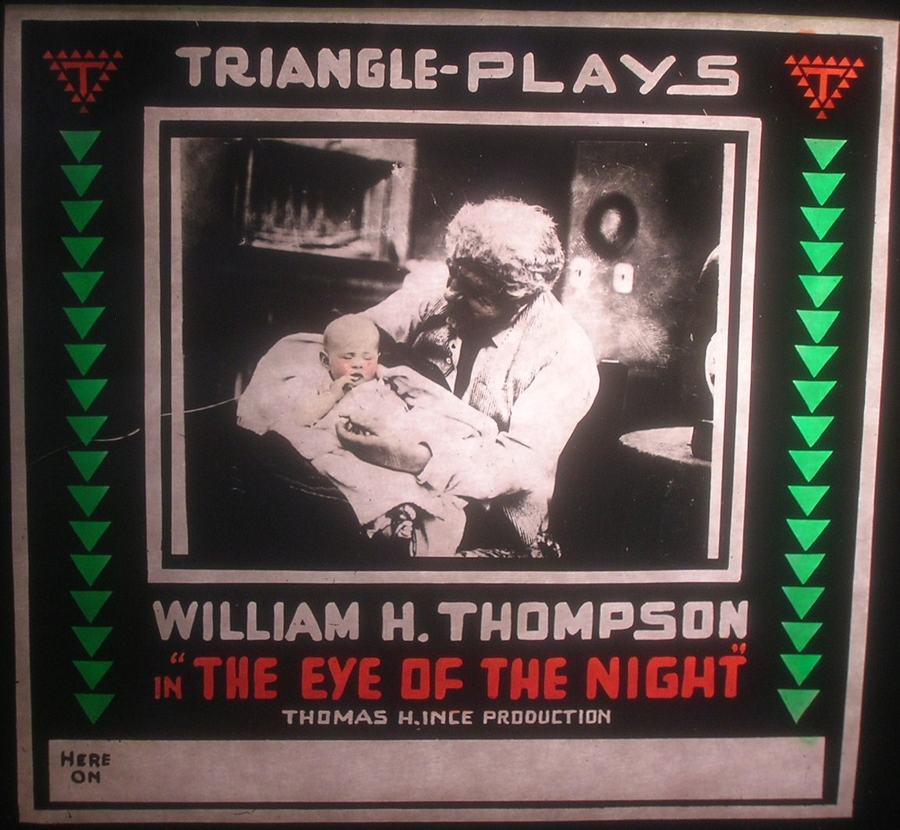
Dir: Walter Edwards
Jane is a comely little slavey in a fishermen's village. The only two friends she has among all the inhabitants are David Holden, the aged keeper of the lighthouse, "The Eye of the Night," and Rob Benson, a young fisher lad whom she has loved with all her heart. Rob and Jane were to be married as soon as the lad could save enough to build them a little nest by the sea. But then the war broke out and Rob was the first to volunteer. Jane whispered a secret to him the day he was to leave that all but made him back out, but, like everyone else, Rob thought the war was to last only a few days and then he would be back in plenty of time, but he wasn't, and one day a nameless little waif was born in one of the big hospitals in London. In her despair Jane turned to the only friend she had, aged David Holden, and determined to ask him to take her baby and be its father. David Holden not only takes in the baby but the mother as well, to the resulting indignation of the narrow-minded townspeople, who first demand that Jane be driven out. When David refuses, they manage to secure his dismissal as keeper of the light. And so David, with Jane and the baby, move into the little cottage David has built from his savings and prepare to live out their lives. While readjusting their lives in the new home, Jane discovers that her mother was David Holden's wife and that her only protector was really her father. But David Holden's wife had run away and left him for another man years and years before and he does not give the girl, his daughter, a chance to make known her discovery to him, simply dismissing the subject of the woman the girl knew to be her mother with a word and a gesture. But Jane cherishes the secret. War comes close to the little hamlet in which David Holden and his two wards live. One night aeroplanes fly over it, dropping bombs as they sped past. One bomb wrecks the lighthouse. All the village knew that an army transport bearing wounded was making for their port. When David sees the lighthouse wrecked, he determines to guide the ship through the narrow entrance to the harbor at all costs. He deliberately sets fire to his cottage to serve as a beacon to guide the mariners. The boat reaches the harbor safely, thanks to David, and the next morning, among the first of the wounded to come from the vessel is Rob Benson. His reunion with Jane follows immediately and the tardy marriage ceremony is immediately performed. And then Jane, her own name cleared, tells David Holden that she is his daughter.
View Details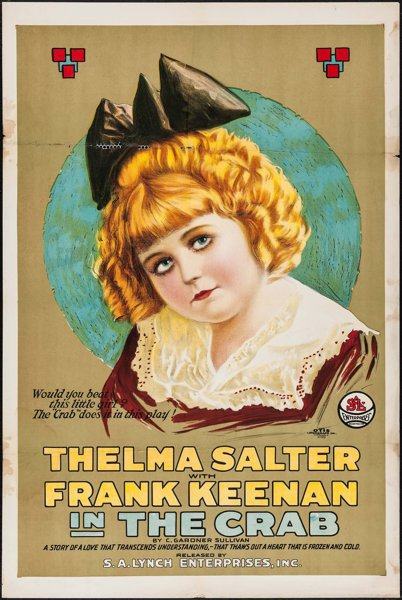
Dir: Walter Edwards
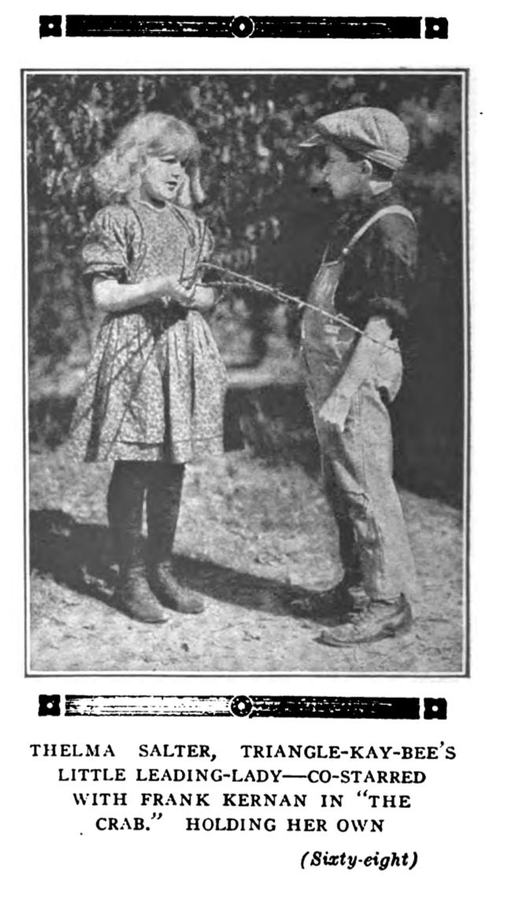
Foster Borrum is the wealthiest man in the town of Norwalk. He practically owns everything. He has won his position by merciless grinding and is regarded by the villagers with fear and contempt. A stern man, with only one softening influence in his life, his wife, whom he idolizes. The wife dies and Borrum turns on the world with added bitterness and hatred. He is living a life of dreary isolation when one day a visitor steps off the train at the station, a little girl; also alone in the world; who has been tagged to her destination in the search of a relative who has long since disappeared. The villagers are too poor to adopt the child. In a cynical mood Borrum takes possession of the girl. Ivy Marten, and installs her in his home. Ivy, aching for sympathy, meets with no response from the austere man, whose treatment of her borders on brutality. Exaggerated reports of this reach the authorities, and Borrum is haled before them. Ivy, who loves the old man in spite of his coldness, is the prime witness for the defense and her loyal support of her guardian wins the day. A change comes over the attitude of Borrum towards the child and the world in general and with a softened heart he strives to make life happier for the orphan and for the hitherto despised inhabitants of the poverty stricken village.
View Details
Dir: Walter Edwards
Jim Gordon, a stranger to Paluski, a Western mining settlement, does not drink or gamble, and refuses dance hall girls' advances. Gonda, the dance hall queen, accepts a wager by gambling proprietor "Ace High" Lawton, who is hopelessly in love with her, that she cannot seduce Gordon. After a drunken miner attempts to shoot Gonda, Gordon protects her, but when she tries to induce Gordon to drink, he knocks her glass from her hand, thus beginning a barroom brawl. Although Gordon wins, he is injured. While Gonda nurses him, they fall in love and plan to marry, but Gordon discourages Gonda from becoming pregnant. When Gordon receives a letter from his wife back East containing a knitted baby shoe and news that he has been proven innocent of a murder charge, he leaves Gonda some gold and starts home. Thinking that Gordon wronged Gonda, Lawton throws him from a cliff. After an Indian trapper robs Gordon, Gordon attempts to rob the gambling hall but fails. He is about to be lynched when Gonda, who has discovered the letter, arranges for Gordon's escape for the sake of his son and agrees to marry Lawton, who then misleads the party trailing Gordon.
View Details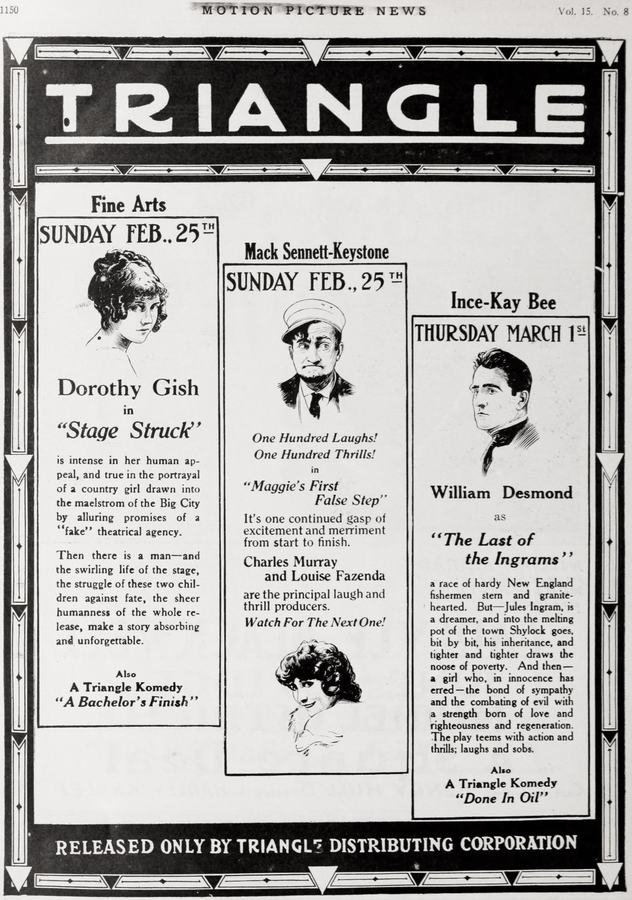
Dir: Walter Edwards

Jules Ingram ( William Desmond ), the sole survivor of an old Puritan family, seeks solace and forgetfulness in drink. Unable to pay his debts, Jules is driven from his house when banker Rufus Moore ( Robert McKim ) forecloses on the mortgage. Offered shelter by Mercy Reed ( Margery Wilson ), a woman who in her youth naively sinned and has remained rejected by the community ever since, Jules begins to reform. Climbing his way back to respectability, Jules attends church with Mercy, causing a storm of protest. Moore's wife Agnes urges the mob to violence, and as they attempt to tar and feather Jules and Mercy, Mercy delivers an eloquent speech condemning Moore as her betrayer. The mob then takes Moore as their victim, leaving Jules and Mercy in peace.
View Details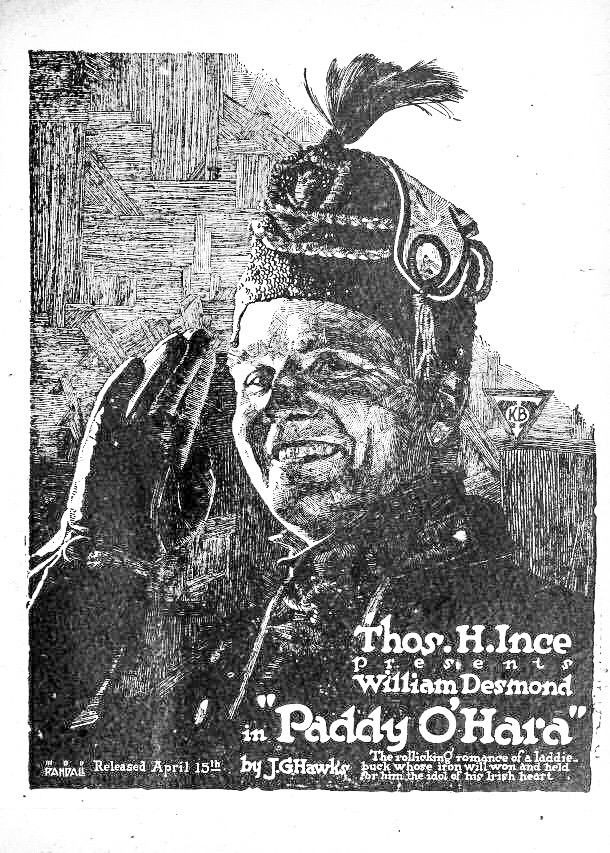
Dir: Walter Edwards
Paddy O'Hara is the star reporter on the London Blade. Rumors of impending warfare between two Balkan principalities reach London, and Paddy is dispatched to the seat of action. Before leaving he comes across the photograph of a military officer. Count Ivan of Darbaya, and his niece, the Lady Maryska. Two weeks later Paddy reaches Tarozza, the seaport capital of Ideria, and finds that the army there is preparing to invade Darbaya. While waiting at Tarozza he forms the acquaintance of a Captain Raoul du Plessis, of the Iderian Huzzars. Raoul is charged with an important mission to Darbaya, and carries on his person documents to be delivered at headquarters. In order to obtain these and delay the Captain's departure, a spy insults him and forces a duel. Du Plessis, who chooses Paddy secretly transfer the documents to Paddy, who leave Tarozza disguised in the uniform of Captain Raoul. Although the spies are hot on his trail, Paddy reaches a castle perched high on the cliffs of Darbaya. The castle is deserted, as its men folk are fighting in the valley and its women have been sent away to a place of safety. One inmate alone is left, the Lady Maryska, the girl of his dreams. Maryska sees in Paddy an intruder in the hated uniform of Ideria and treats him with scorn. At the time of the meeting the Iderians are sweeping all before them, and Colonel Ivan retreats to the castle. The Colonel's one anxiety is to get his niece away from the danger zone. As the castle is about to fall into the hands of the enemy, the only way to escape is to place her in the care of Paddy. By a slight alteration, the passport is made to read Patrick O'Hara and wife. Circumstances make it imperative for Paddy to go through the marriage ceremony with Maryska, who only consents on the condition that she is to be freed from the marital yoke as soon as they reach safety. Passing through innumerable adventures and hardships the couple at last gain the frontier. Paddy sends his dispatch to the Blade and while dictating to the operator leaves Maryska asleep under shelter. The message sent, he returns just in time to see Maryska seized and borne away in an aeroplane by emissaries of the enemy. Paddy returns to London. When all hope is lost, he receives a summons to a foreign embassy, where a proposition is made to him to relinquish his wife in order that she may wed a great personage. He is assured that a divorce can easily be arranged and is offered a handsome monetary bribe and other considerations. O'Hara refuses the proposition, and his refusal is overheard by Maryska, who is hiding in the council chamber. Maryska has learned to love the gallant Irishman during the stormy days of battle and flight, and convinces him that the hurried wedding in the Balkans will stand good for all time.
View Details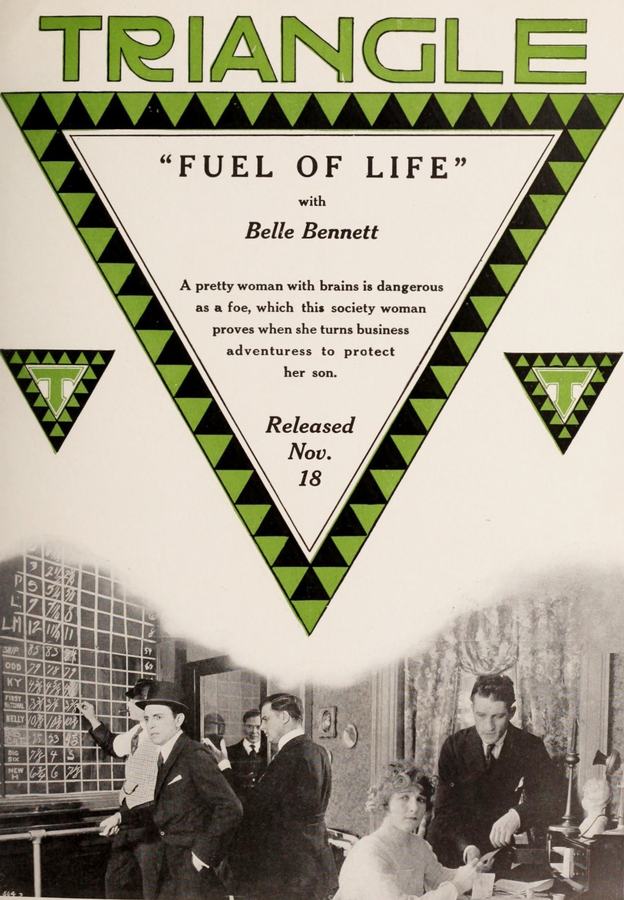
Dir: Walter Edwards
After discovering her husband Roger has been unfaithful to her, Angela De Haven sets out to make all men pay for his deceit. Roger, despairing of ever winning back his wife, sails for the South Sea islands and is lost during the voyage. Meanwhile, Angela establishes a salon where prominent men vie for her attentions. One of the members of her court, Bragdon Brant, controls the Bob Cat mine, but not the railroad extending to it which is owned by Bob Spalding. Brant sends Angela West to buy the controlling interest in the railroad and she meets Bob, who falls in love with her. Angela refuses to marry him and flees after securing control of the road through Bob's partner, Durant. She returns to New York, intent upon ruining Brant, but is prevented from carrying out her plans when Bob appears and forces her to realize the destructive path that her life has taken. Angela then restores the railroad shares to Bob, and thus reconciled, they travel West to spend the rest of their lives together.
View Details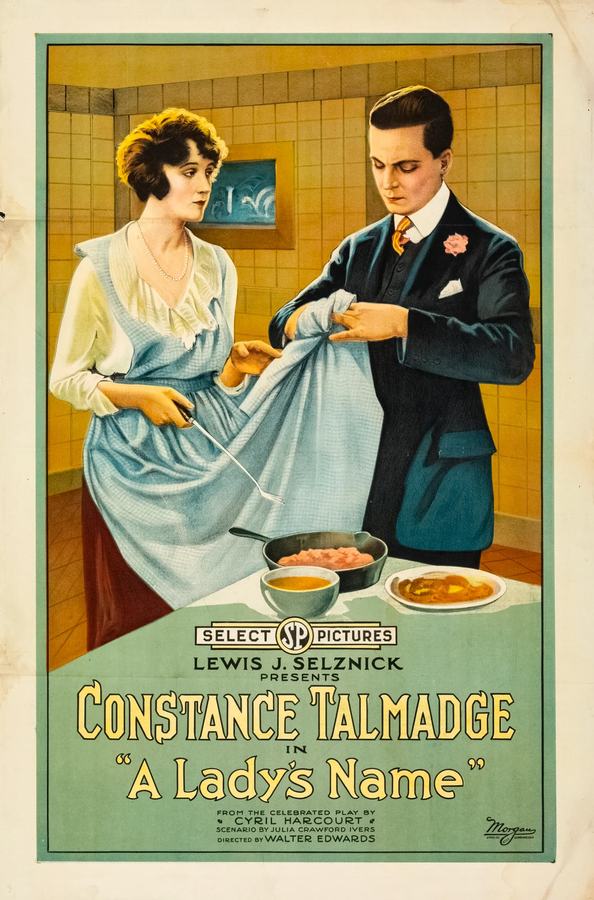
Dir: Walter Edwards
Bright young novelist Mabel Vere is engaged to Gerald Wantage, a prig who angrily objects when she advertises for a husband in order to elicit ideas for her new book. Mabel's roommate, Maud Bray, a physical culture expert, frightens away the less desirable suitors, while the writer responds to the more interesting letters, and soon becomes embroiled in a number of adventures. One of her applicants is a butler, whose employer, Noel Corcoran, also has answered the ad. Noel informs Mabel that Gerald has bet the other members of his club that she will answer no more letters. Angered, she responds to several particularly lurid ones, after which she and Gerald break off their engagement. Having fallen in love with Mabel, Noel proposes and is accepted.
View Details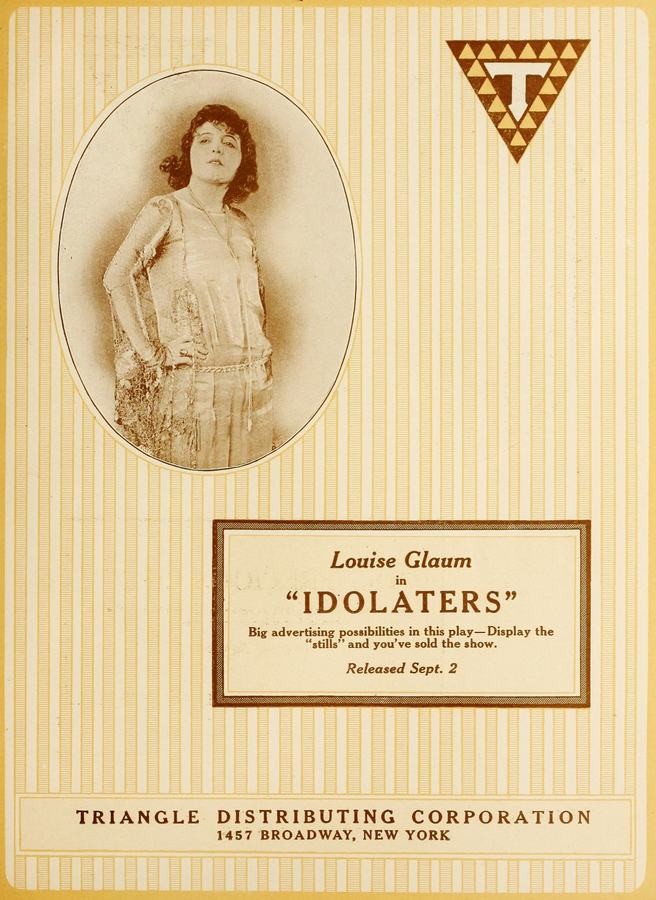
Dir: Walter Edwards
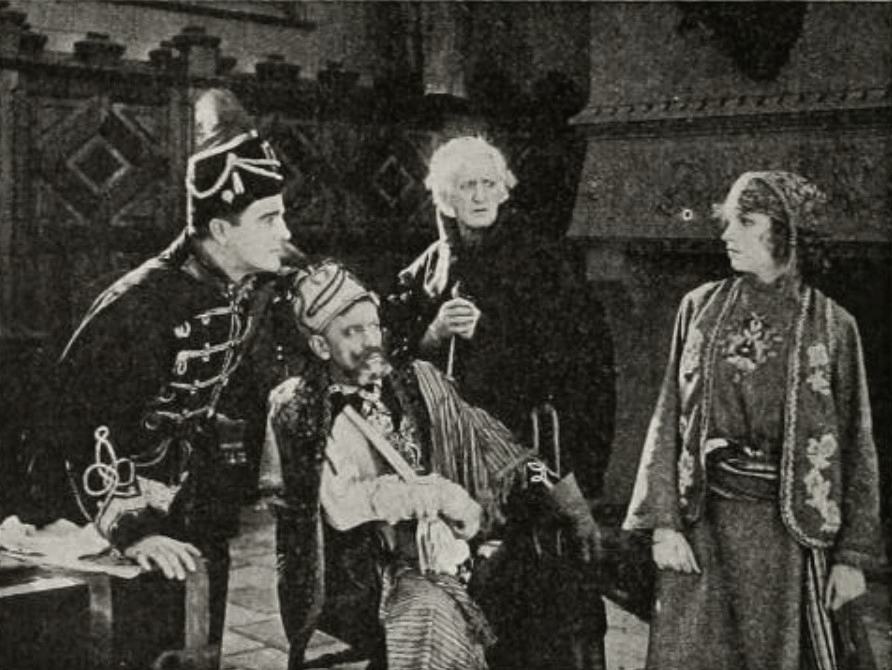
When playwright Curtis de Forest Ralston becomes enamored of actress Viola Strathmore, who is to appear in his play "Vanity," Viola induces him to change certain parts and give her more lines. Curtis, who is not as talented as he thinks he is, fails at his job but is saved by his wife Anita, a former actress who has forsaken her career for marriage. Anita and her old manager, Bruce Winthrope, fashion the play to suit Viola, and "Vanity" becomes a huge success. The play's triumph enlarges Curtis's ego even further, and he deserts Anita for Viola. When the play's financial backer discovers the illicit relationship between the star and author, however, he withdraws his funds and the play closes. Still in love with Viola, Curtis attempts to continue their affair, but she kills him because she blames him for her downfall. Fearful of the police, Viola takes refuge in a tenement, and when they track her down, Viola's faithful Egyptian servant Borul slays his employer rather than let her perish at the hands of the law.
View Details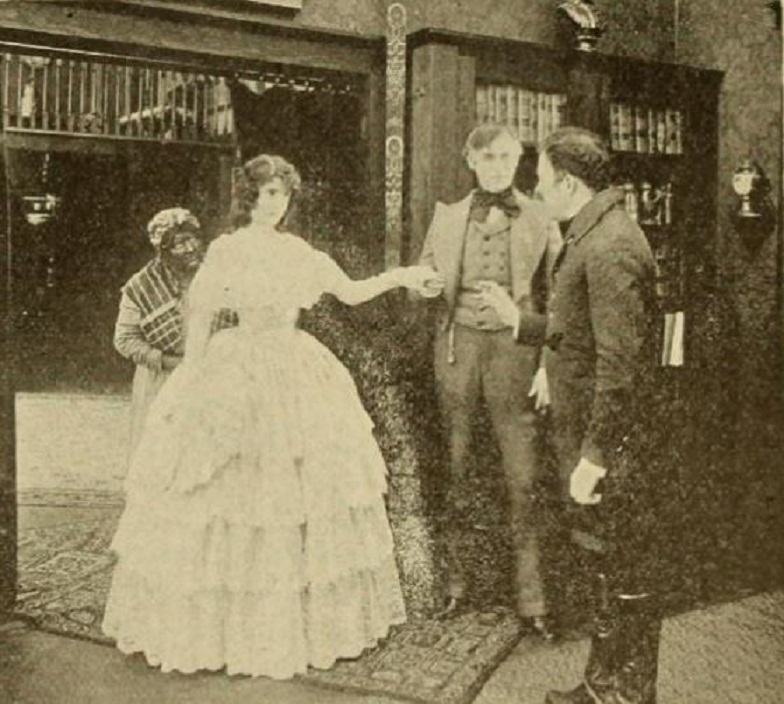
Dir: Walter Edwards
Dr. Dudley Duprez is a well-known Louisiana physician. His beautiful but wayward niece, Rose Duprez, is abducted by Paul Crenshaw, a friend of the doctor, and to prevent her shame from becoming known, Rose kills herself. Dr. Duprez learns her secret and determines to make Crenshaw expiate his crime. While traveling on a Mississippi River steamer, the doctor wins Mercedes, a beautiful slave, at cards. He takes her home and, passing her off as a distant relative, arranges it so that Crenshaw falls in love with the girl. A wedding is arranged, and immediately after the ceremony Dr. Duprez announces to the assembled guests that Mercedes is a slave and that he considers he has punished Crenshaw sufficiently by making him the husband of a "nigger." A yellow fever epidemic breaks out shortly after, and Crenshaw is shot when attempting to evade the quarantine. Dr. Duprez is told by a dying overseer from the plantation where Mercedes was born that the girl is of Spanish and American ancestry, without a drop of negro blood in her veins, and was made a slave through a conspiracy. The doctor returns home, confesses his wrong to Mercedes and is forgiven by her. In the end they are married.
View Details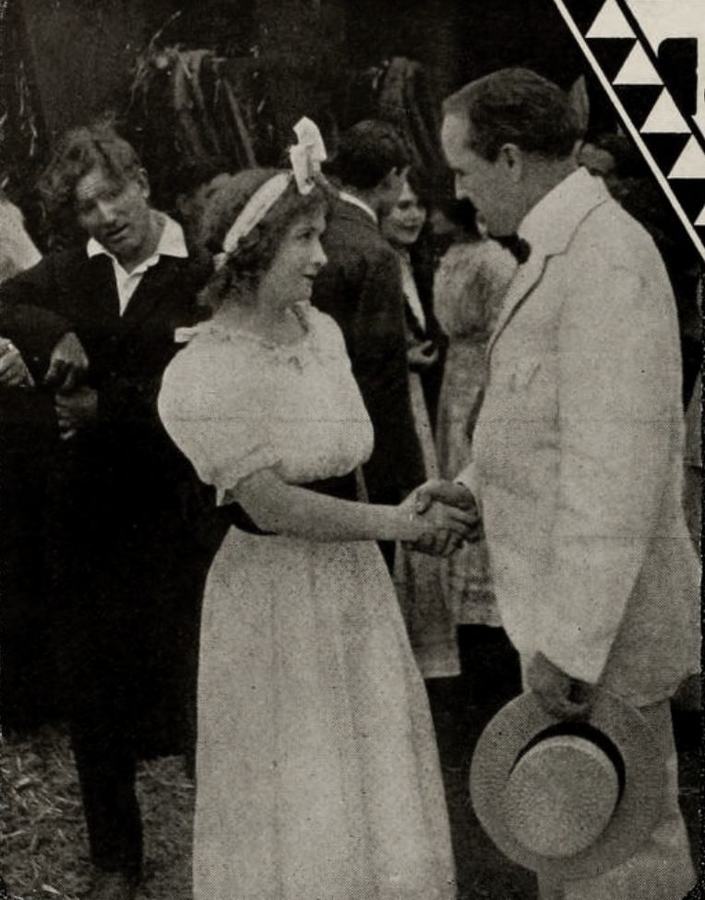
Dir: Walter Edwards
After building a financial empire, Frederick Mallery feels chained to his wife Winnie, who stood by him during the years of poverty. As a result, he offers Warren Woods, a down-and-out former playboy, $50,000 to seduce Winnie, so that he will have an excuse for a divorce. Warren works hard at his job, but instead of weakening Winnie's devotion to Frederick, he himself falls in love with her. Needing the money, however, he boasts to Frederick of having seduced Winnie. Suddenly, Frederick becomes jealous, and after calling off the deal with Warren, he goes to Winnie and tells her that he loves her.
View DetailsAnalysis relative to The No-Good Guy
| Film Title | Atmosphere | Complexity | Similarity |
|---|---|---|---|
| Eye of the Night | Surreal | High | 86% Match |
| The Crab | Surreal | Dense | 98% Match |
| Ashes of Hope | Tense | Dense | 91% Match |
| The Last of the Ingrams | Ethereal | Linear | 98% Match |
| Paddy O'Hara | Surreal | Linear | 90% Match |
This guide was algorithmically generated using the cinematic metadata of Walter Edwards's archive. Last updated: 8/16/2026.
Back to The No-Good Guy Details →