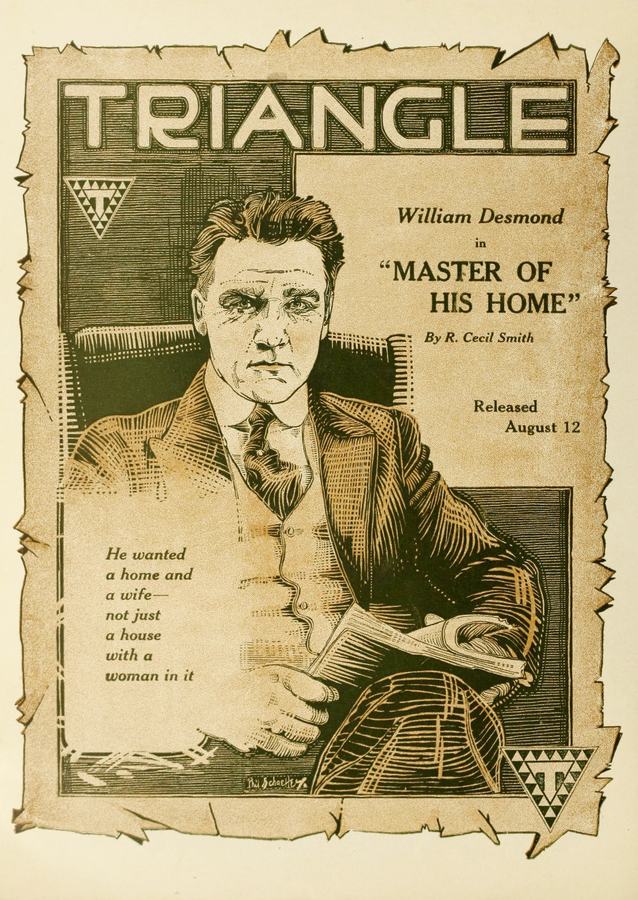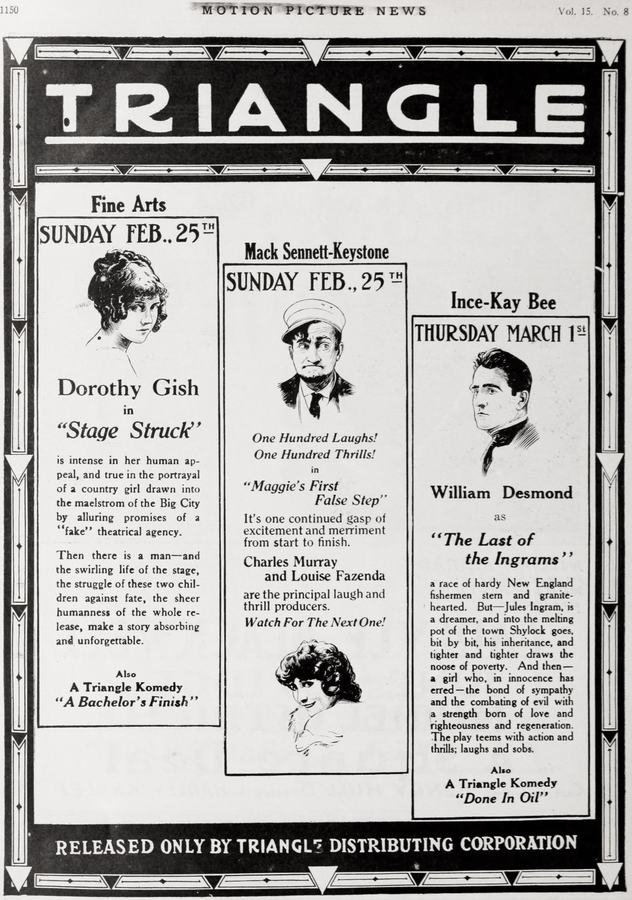
Jules Ingram ( William Desmond ), the sole survivor of an old Puritan family, seeks solace and forgetfulness in drink. Unable to pay his debts, Jules is driven from his house when banker Rufus Moore ( Robert McKim ) forecloses on the mortgage.

J.G. Hawks, John Lynch
United States
The flickering cosmos of 1923 coughed up many morality tales, but few smolder like The Last of the Ingrams—a film that treats Puritan guilt as if it were nitroglycerin: volatile, luminous, apt to explode the moment it sees daylight. William Desmond’s Jules Ingram staggers through the opening reel already ruined, a ma...
Comparing the cinematic DNA and archive impact of two defining moments in cult history.
Walter Edwards
Walter Edwards
Community
Log in to comment.
" The flickering cosmos of 1923 coughed up many morality tales, but few smolder like The Last of the Ingrams—a film that treats Puritan guilt as if it were nitroglycerin: volatile, luminous, apt to explode the moment it sees daylight. William Desmond’s Jules Ingram staggers through the opening reel already ruined, a man whose bloodstream carries more proof of ancestral doom than oxygen. One thinks of From Gutter to Footlights where the climb from skid-row to spotlight is bathed in footlight glow..."
Deep dive into the cult classic
Discover similar cinematic experiences
A Directorial Spotlight on Walter Edwards