
DbcultAccessing Vault...
Recommendations
Senior Film Conservator

Looking back at the 1920 milestone that is The Place of Honeymoons, the specific poignant storytelling of this work is a gateway to a broader Drama world. Our archive is rich with titles that mirror the poignant storytelling of Kenean Buel.
As Kenean Buel's most celebrated work, it defines to create a dialogue between the viewer and the poignant storytelling.
Nora Harrigan is the idol of Parisian opera lovers, much to the envy of her rival Flora Desimone. Edward Courtlandt finds himself attracted to Nora, but she rejects him in favor of Herr Rosen. When Nora is mysteriously abducted, she denounces Courtlandt as her abductor, although he is never charged with the crime. To recover from her ordeal, Nora sojourns to the south of France with her parents where, at Colonel Wester's, she again meets Courtlandt. Her father becomes great friends with him, but Nora remains obdurate, although she has lost interest in Herr Rosen. Subsequently, Courtlandt discovers that Rosen was responsible for Nora's abduction and orders him out of the country. Just as romance is about to spring up between Nora and Courtlandt, Nora's father discovers that Flora and Courtlandt were married at one time and then separated. However, Flora's husband intervenes, forcing his wife to explain the misunderstanding and thus clearing all obstacles from love's path.
The Place of Honeymoons was a significant production in United States, showcasing the immense talent of Anonia Petrucelli, Montagu Love, Emily Stevens. It continues to be a top recommendation for anyone studying Drama history.

Based on the unique poignant storytelling of The Place of Honeymoons, our vault has identified these titles as the most compelling follow-up experiences for fans of Drama cinema:
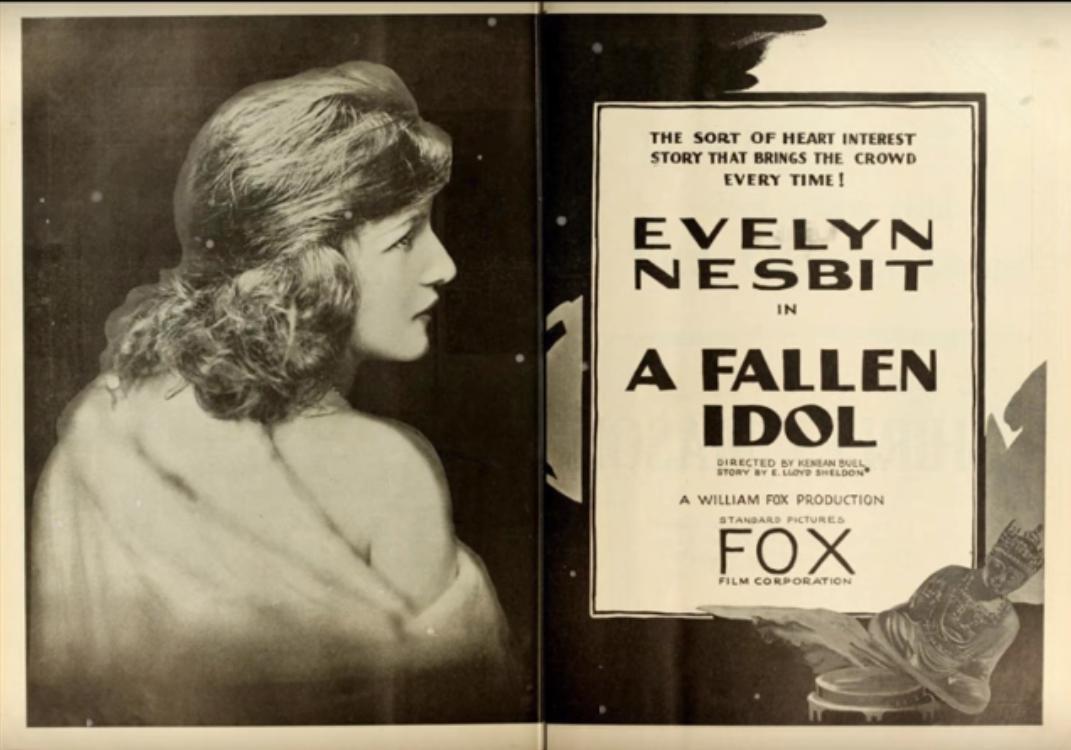
Dir: Kenean Buel
The Hawaiian Princess Laone's love for Keith Parrish is thwarted by social pressure. After being persuaded to refuse Mr. Parrish's proposal, she attempts suicide.
View Details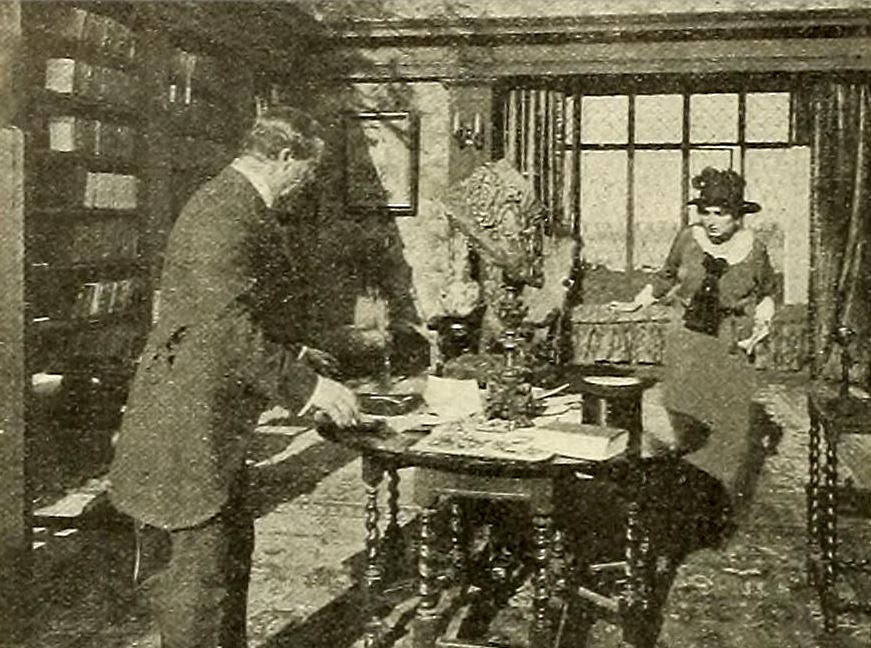
Dir: Kenean Buel
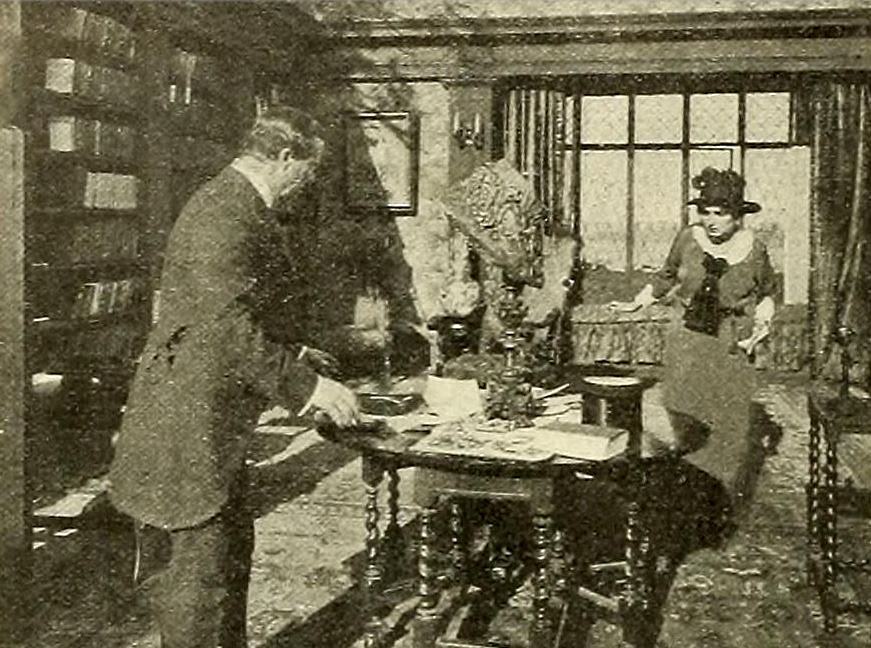
Ethel Andrews is interested in settlement work. Her father refuses to cooperate with her. Ethel kidnaps her five-year-old brother Archie and places him in a tenement as an object lesson. To make the kidnapping appear the work of criminals, Ethel sends her a father a note demanding $10,000. Gangsters learn of the plan. Andrews engages Madelyn Mack, a girl detective, to find his son. Madelyn unearths several clues, among which are fragments of a tin soldier belonging to Archie. She strongly suspects Ethel of being implicated in the matter. Ethel, regretting her rash act, goes back to the tenement to bring Archie home. The gangsters capture them both, and send a note to Andrews telling him his son and daughter are prisoners. One of the gangsters shoots the note into the Andrews' library with a sling shot, just as Madelyn is telling the father of her suspicions concerning Ethel. The note upsets her theories. Madelyn discovers that the paper on which the gangsters' note is written has contained powdered Jasco berry, an Oriental drug used in cigarette form. Later, she succeeds in tracing Ethel and Archie to the tenement, but finds them gone. Passing a crowd collected on a corner, Madelyn scents the odor of Jasco berry and finds the man who is smoking it. She follows him and discovers the cottage in the suburbs where Ethel and Archie have been taken. She slips into the house and enters the room where the two are confined. Discovering a telephone wire outside the window, Madelyn taps the line with a pocket phone and summons assistance. She is discovered by the gangsters, who are just about to break into the room when the police arrive. A desperate battle ensues, which ends in the capture of the kidnappers. Andrews presents Madelyn with a check for $10,000 for her splendid work. The detective gives the check to Ethel for settlement use, but Andrews, returning the check, smilingly donates the money himself.
View Details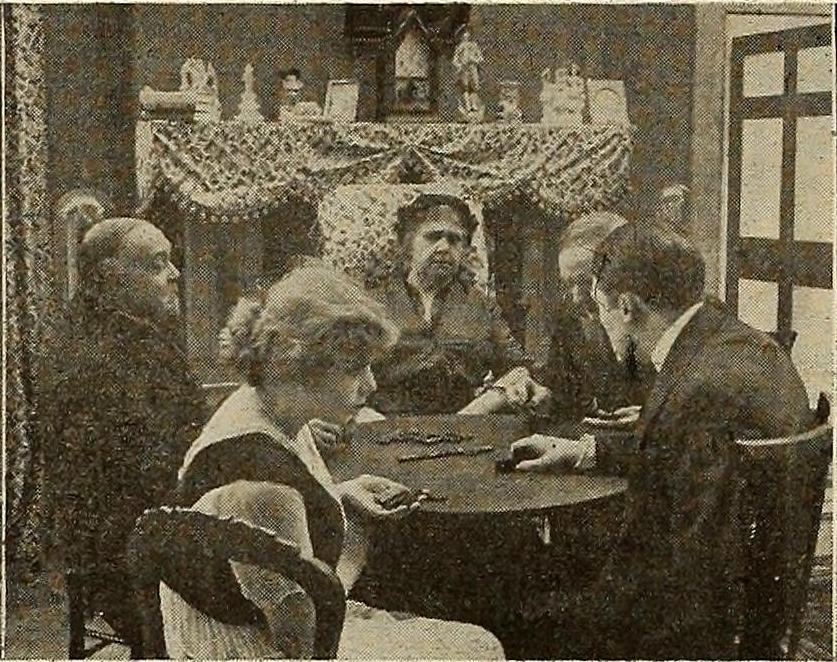
Dir: Kenean Buel
Therese Roger is the daughter of a West Indian planter. When she is a baby her parents are murdered and she is adopted by her aunt, Madame Roger, keeper of a haberdashery shop in one of the smaller villages in southern France. She grows up with Madame Roger's son Camille, a sickly, sexless creature she ultimately marries in deference to her aunt's wishes. The monotony of Therese's married life tells on her. The uninteresting Camille each day drones out his existence in an office. At night he returns ever at the same hour, ever in the same enfeebled health and depressed spirits. Two neighbors, Dr. Gribet and Michaud, the prefect of police, drop into the Roger household for their weekly game of dominoes with Madame Roger. Suzanna, daughter of Dr. Grivet and Oliver, son of Michaud, who are in love, call frequently on the aged Madame Roger to pay their respects. Therese, full of youth and life, tires of her environment and its unchanging cycle of events. Camille collapses one day at the office and is brought home by his friend Laurant, Camille's opposite. When Laurant meets Therese, they are attracted to each other, and when he becomes a frequent visitor, a liaison develops between them. Seeing Camille as the only obstacle to their happiness, the two evil lovers decide to kill him. When the opportunity arises, they drown him. They manage to escape suspicion from the murdered man's mother and in course of time marry with the old woman's consent. But they have not attained the happiness which they thought would be theirs with Camille out of the way, for their crime haunts them. It shows in their faces. It stalks through their home. It leads them into quarreling with each other. During one of their stormy scenes they are overheard by Madame Roger, who becomes stricken with paralysis and the total loss of speech upon learning how her son died. The helpless old mother gloats over the torture which Therese and Laurant suffer from their consciences. In time, when guests are present, she tries to write her accusation of them upon the tablecloth with the edge of a domino, but her fingers cannot complete the sentence. She sees distrust continue to grow between the unhappy pair. Therese and Laurant plan to kill each other, but both are too-great cowards to add a new crime to their records, and they drink poison together, paying at last with their own lives for their earlier crime.
View Details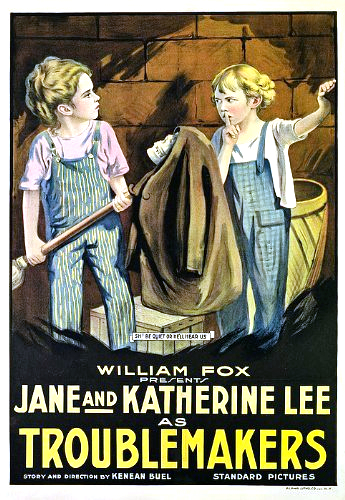
Dir: Kenean Buel

After her husband's death in the West, Mrs. Lehr, a young widow who grew up in Cuttleback, decides to return there with her two daughters, Jane and Katherine, and make her home on the old family estate which had been looked after in her absence by Job Jenkins, a caretaker who had been in the Lehr family's employ since boyhood, and by now he has been the estate's sole occupant for so many years that he regards it as part of his life, and is disturbed when his mistress returns with her children. Daniel Whitcomb, Cuttleback's leading attorney, reads with interest the notice in Cuttleback's newspaper about Mrs. Lehr's intended return, and ponders the romance that connected his and her life before she left for the West. He wonders if her return will awaken the old-time affection he felt she once had for him. He remembered that before she left Cuttleback she asked him to see her, but his mothers desperate illness prevented him. He had written, but his letter did not reach her until she was the wife of another. She replied informing him of her marriage and hinting at her disappointment in his not having seen her before she left, but absolving him from any intention to purposely slight her. It happened that Mrs. Lehr and Mr. Whitcomb did renew their old love story. While this goes on, her little girls make things hum around the estate and tax old Job's patience to its limit. The girls form a warm attachment to slow-witted handyman "Manny," who finds time between chores to amuse them and become their faithful attendant. One day Job's belongings are removed from his room and the faithful old gardener drops out of sight, on a day when a barn on the Lehr estate is destroyed by fire. A charred skull found in the ruins forms the basis for a murder charge brought against dull-witted Manny by the town constable. Mrs. Lehr believes him guiltless, but can't prove his innocence, and the children "just know" he never killed Job or anybody else, but, like their mother, can't prove it. Mrs. Lehr seeks Daniel Whitcomb's aid, but he refuses her plea and states his belief that Manny is guilty. This breaks up his love affair with Mrs. Lehr and earns him the dislike of her daughters. Manny is tried and convicted, wholly upon circumstantial evidence, and he's being led to the electric chair when the girls arrive with the supposed victim Job, whom they had accidentally found and who knew nothing of Manny's predicament. Everything is cleared up and Katherine and Jane get a new daddy.
View Details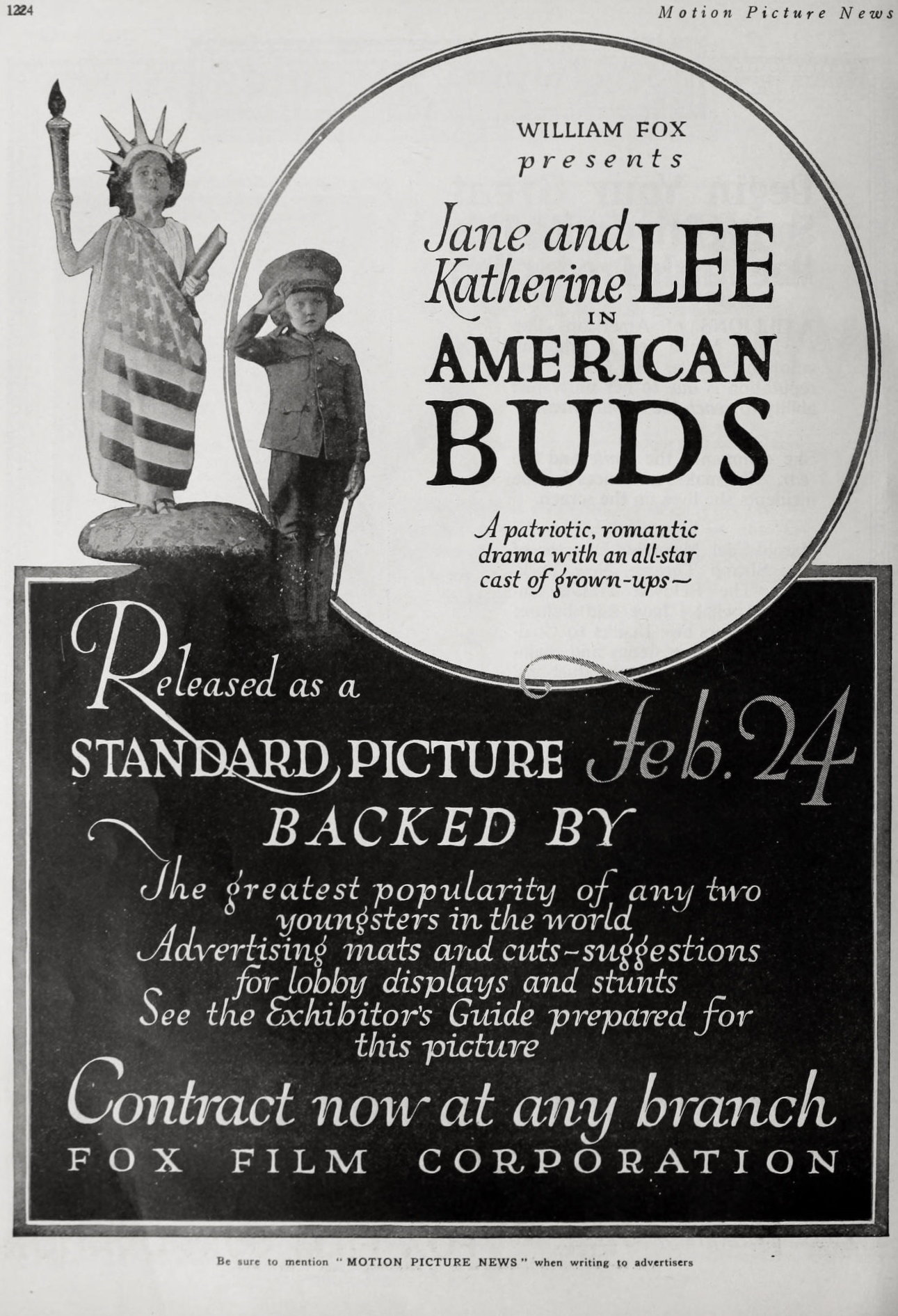
Dir: Kenean Buel
Letters from the late mother of orphaned sisters Jane and Katherine seem to indicate that their father is Capt. Bob Dutton. Under orders from his superior, Colonel Harding, to acknowledge the children or quit the service, Dutton accepts responsibility for them. Shocked by his presumably checkered past, Cecile Harding, Dutton's fiancée and the colonel's daughter, breaks their engagement. One evening Jane surprises Capt. Robert Duncan, Dutton's rival for Cecile, stealing Bob's papers. Subsequently shot, the dying Duncan reveals that he is an Austrian agent, as well as the father of Katherine and Jane, having eloped years earlier with Ethel Harding, the colonel's older daughter. The colonel assumes the care of Jane and Katherine, and Dutton and Cecile are reconciled.
View Details
Dir: Kenean Buel

Alice Lindsay arrives in New York from a small town and becomes part of Greenwich Village Bohemian life. Alice resists the advances of Gwenne Stevens, an advocate of free love, and marries civil engineer Samson Rathbone.
View Details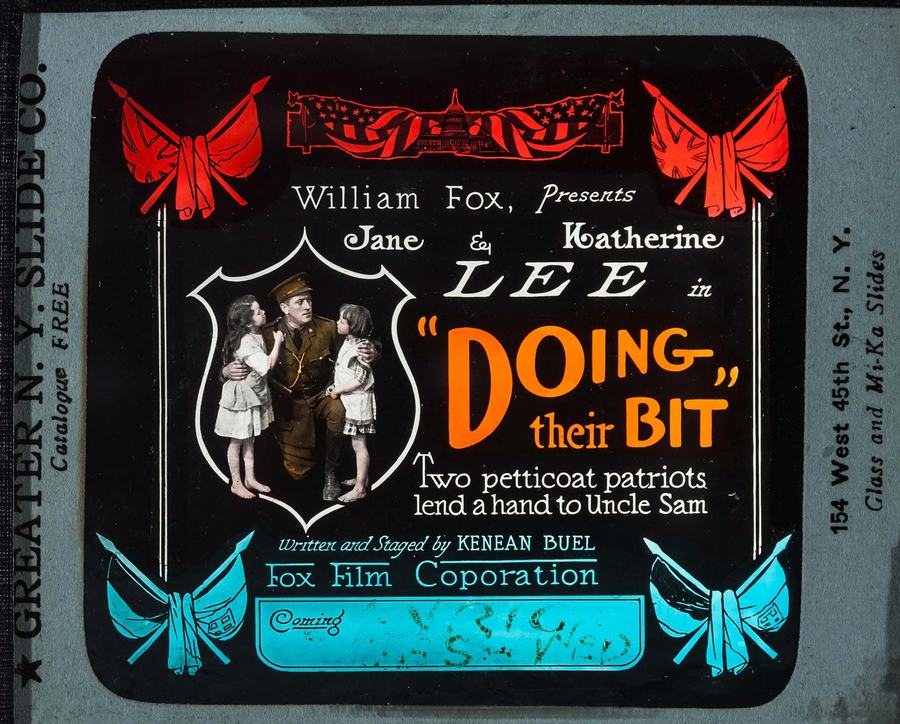
Dir: Kenean Buel
Little Kate and Janie O'Dowd are sent to their wealthy American uncle, Michael O'Dowd, after their Irish father loses his life on a World War I battlefield. Having been locked accidentally into O'Dowd's munitions plant one evening, the children catch sight of their intoxicated cousin Miles O'Dowd admitting two men into the factory. The girls recognize the two as spies they had seen on the boat to America sending signals to a German submarine. After the spies knock Miles cold, the children trap them in a die-stamping machine until help arrives. Miles and factory worker Jerry Flynn, who loves young Patricia O'Dowd, enlist and are soon joined by Alfred Vanderspent, whose wealthy mother's plot to falsify his birth records is foiled by the children.
View Details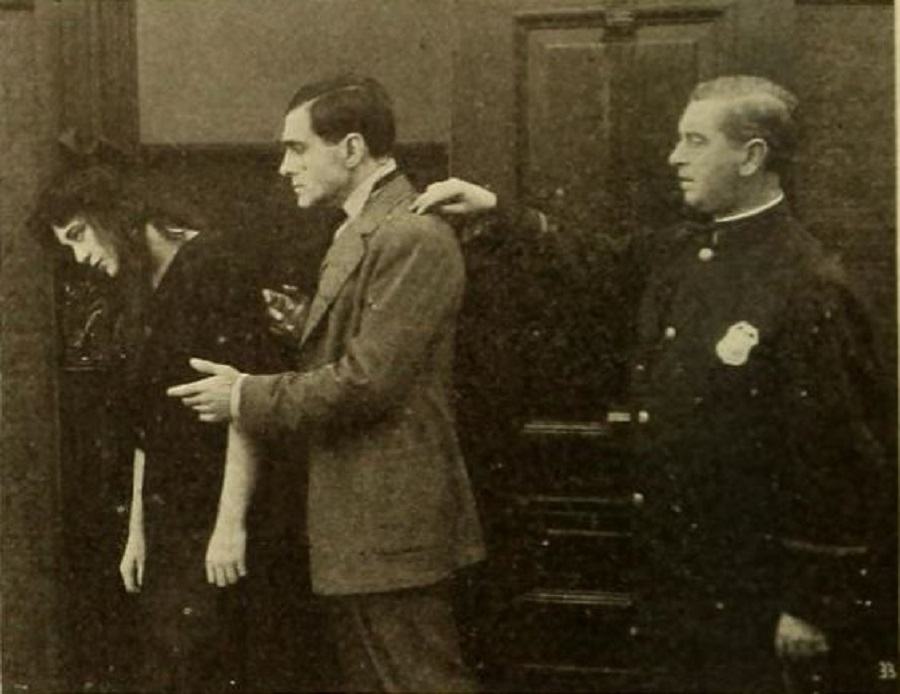
Dir: Kenean Buel
This picture opens on the big, helpless humanity which is huddled together in Blossom Street, in the East Side's slums. The sweetest spirit of the thousands dwelling there is Anne, in love with Jimmy Graves, a man she knows is a crook. In warning Jimmy one night that the police are on his trail, she is caught in the maelstrom, brought into court with him and sentenced to jail. When she is released she plots revenge on the man who put her behind the bars, Judge Marcus, about to be nominated for a higher position in public service. Through a ruse, she obtains employment in the Marcus household. The Judge does not recognize in his wife's secretary the same woman who was once just a "poor, Blossom Street thing." He finds that he is rapidly falling in love with her. Anne is approached by a stool pigeon working for Marcus's political opponents, who are trying to fasten a scandal upon the Judge. Anne promises to aid them. She agrees to put him in a compromising position that evening, when witnesses will be on hand. Meantime, Jimmy Graves is released. He has been living through the years of his prison term, with the face of Anne always before him. He learns that the girl is at the Marcus home, and starts for the house. As the hour for the denouement draws near, Anne realizes she loves Marcus. He kisses her again and again. She notices the clock and pushes him from her just before the curtains are thrust back by the politicians and Mrs. Marcus. Jimmy arrives, and in the face of her love for Marcus, she sacrifices herself that the judge may win.
View Details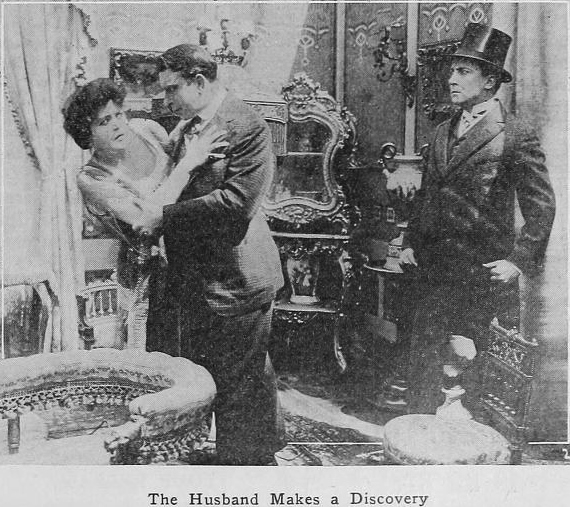
Dir: Kenean Buel
A fascinating piece of cinema that shares thematic elements.
View Details
Dir: Kenean Buel
A fascinating piece of cinema that shares thematic elements.
View DetailsAnalysis relative to The Place of Honeymoons
| Film Title | Atmosphere | Complexity | Similarity |
|---|---|---|---|
| A Fallen Idol | Gothic | Dense | 89% Match |
| The Riddle of the Tin Soldier | Surreal | High | 97% Match |
| The Marble Heart | Gritty | Abstract | 92% Match |
| Trouble Makers | Gothic | Layered | 89% Match |
| American Buds | Ethereal | Abstract | 95% Match |
This guide was algorithmically generated using the cinematic metadata of Kenean Buel's archive. Last updated: 6/26/2026.
Back to The Place of Honeymoons Details →