
DbcultAccessing Vault...
Recommendations
Senior Film Conservator
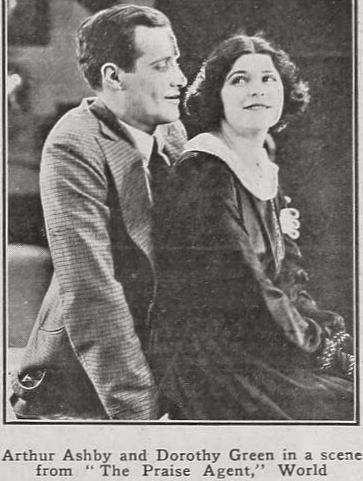
The cinematic DNA of The Praise Agent (1919) is truly one of a kind, the search for similar titles reveals the deep impact of Frank Hall Crane's direction. Our cinematic experts have identified several titles that reflect the spirit of 1919.
As a pivotal work in United States cinema, The Praise Agent to capture the existential zeitgeist of 1919.
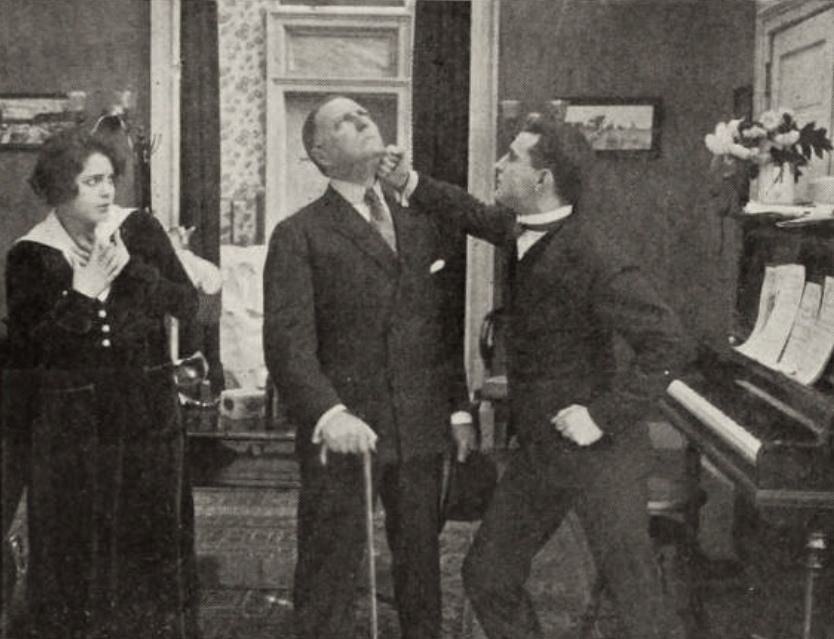
After a touring theatrical company goes broke on the road, press agent Jack Bartling persuades a local Suffragette leader, Mrs. Eubanks, whose husband is a Senator and soap manufacturer, to hire him for publicity. When Jack and the Eubanks' daughter Nell fall in love, her parents object, however the Senator promises his consent if Jack can keep Nell, also a Suffragette, out of prison, and Mrs. Eubanks vows her approval if Jack converts her husband to the cause. At a protest in front of the Governor's house, Jack saves Nell from being arrested, thus alienating Mrs. Eubanks who wanted her to be arrested. The Eubanks move to New York, and after Jack locates them and sneaks into their apartment disguised as a window washer, he convinces Mrs. Eubanks to have Suffragettes all over the country clip the Senator's ten-cent coupons for his "Floating Lily" Soap. After the Senator agrees to support the Suffragettes rather than pay off $650,000 for the coupons, the Eubanks finally approve Jack as their son-in-law.
The influence of Frank Hall Crane in The Praise Agent can be felt in the way modern cult films handle stylistic flair. From the specific lighting choices to the pacing, this 1919 release set a high bar for atmospheric immersion.
Based on the unique stylistic flair of The Praise Agent, our vault has identified these titles as the most compelling follow-up experiences for fans of cult cinema:
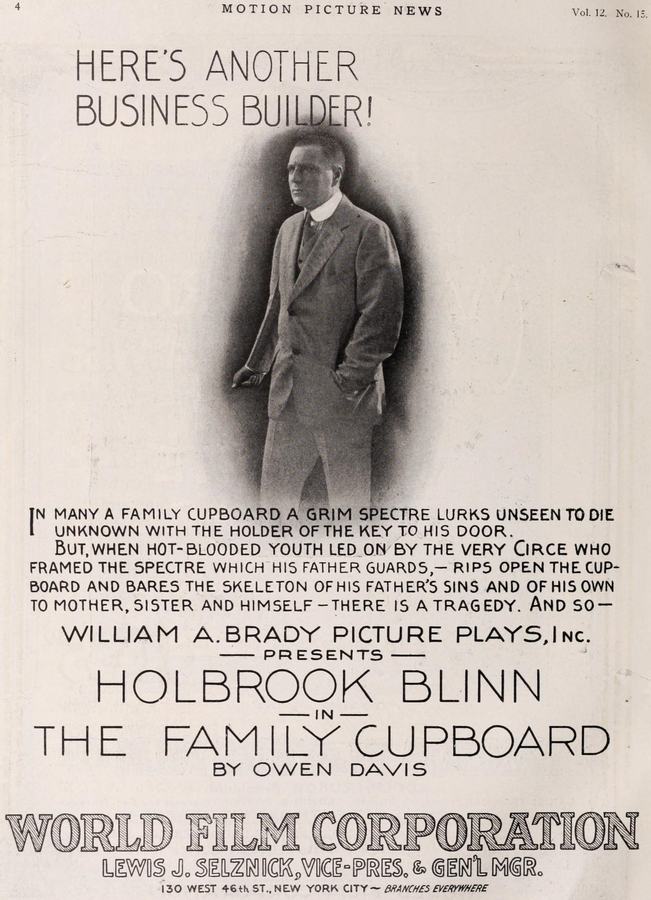
Dir: Frank Hall Crane
Charles Nelson is a self-made man and has amassed a fortune. His family consists of his wife, son Kenneth, and daughter Alice. His wife has become absorbed in society, requiring all the money her husband can made to support the large establishment and entertain. The wife, son, and daughter are out night after night, leaving Mr. Nelson much alone; while he pays the bills, he has little of the society of his family. He turns to vaudeville performer Kitty Claire for consolation and companionship. His son Kenneth gets into an argument with a friend at his club and hears that his father is keeping a woman in an establishment uptown. Kenneth returns home under the influence of liquor and insults his mother's companion, Mary Burke. Mr. Nelson enters, sees the situation and asks him what it all means. Kenneth turns on him and tells him that everyone knows he is keeping a woman in an apartment uptown. This conversation is overheard by Mrs. Nelson, who asks Mr. Nelson if it is true. He replies, "Yes." They agree to part. Kenneth clings to his mother. His sister Alice sympathizes with her father. She realizes that it is their own fault; they have given him nothing in return for all his labor in their behalf. Mr. Nelson is now living at the Alpine apartments, to which comes Kitty Claire. He tells her that the end has come. Meanwhile Kenneth, has come to see his father. Kitty, going out, hears him ask if his father is in, and seeks an acquaintance with Kenneth, who becomes infatuated with her, moves to the same hotel, and begins to live a Bohemian life with Kitty Claire and Dick LeRoy, another vaudeville performer. He finally asks Kitty to become his wife. She replies, "It is impossible, there is another man." The boy, crushed and brokenhearted, demands the man's name. Mr. Nelson enters at the point when Kenneth demands the name of the man. Kitty points to Mr. Nelson. Humiliated and ashamed Kenneth decides to end his life. He is about to write a letter when his mother arrives; she sees the pistol and tries to keep him from carrying out his plan. They are interrupted by a knock at the door; Kenneth is called down to the office by the clerk; while he is gone Mrs. Nelson seizes the opportunity to telephone Mr. Nelson, who arrives with Alice. Kenneth and his father are reconciled, also Mrs. Nelson, and her husband and the family are reunited.
View Details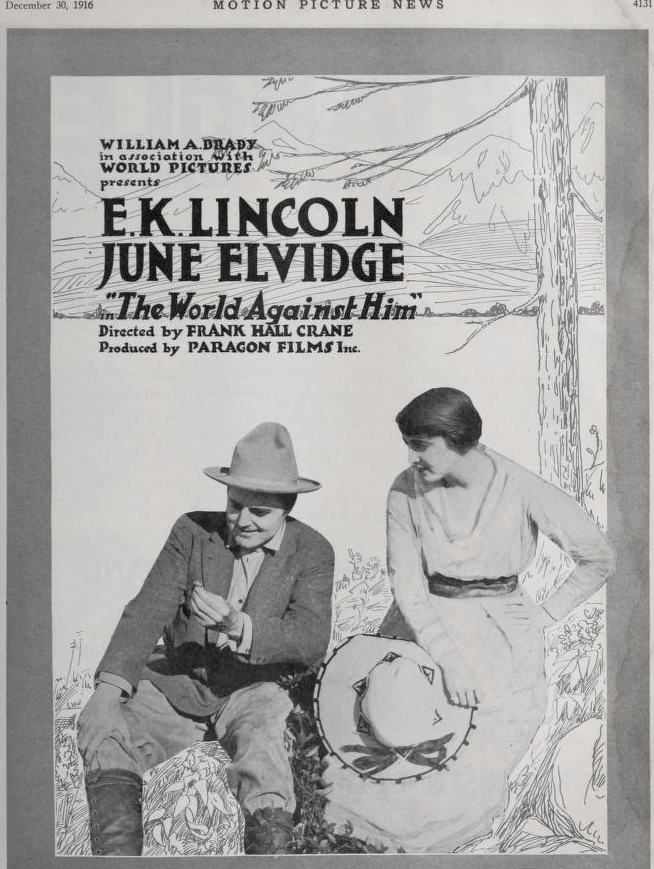
Dir: Frank Hall Crane
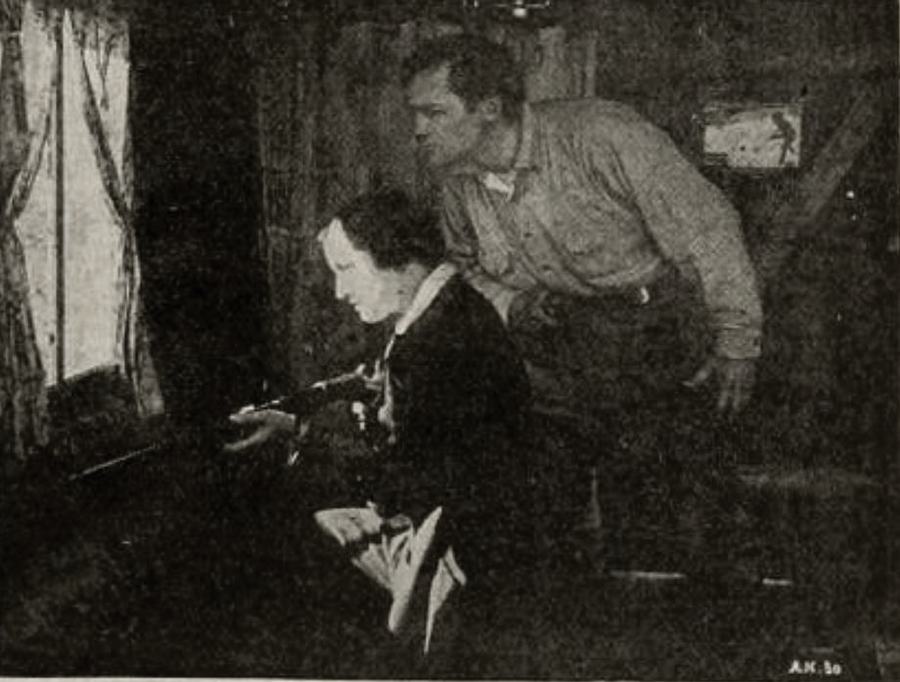
Cowboy Mark West lives with his sister Mary, who suffers from a serious spinal disorder. While on vacation at the West's ranch, Violet Ridgeway, an Eastern socialite, toys with Mark's affections and then promptly forgets him. After Violet leaves, Mark works hard and earns the money to pay for an operation for his sister, which Doctor Welsh and Doctor Boyd agree to perform even though they know that it will probably result in her death. As expected, Mary dies, and Mark receives a letter detailing the doctor's risk-taking. A vengeful Mark kills Dr. Boyd, but Welsh, who is engaged to Violet, flees to safety. Mark goes to prison, but later Violet marries him in order to satisfy a stipulation in her late aunt's will. On his way back to jail, Mark escapes, and when Welsh and Violet reunite, they travel past Mark's hideout, and he captures them. Peblo, an evil Indian who is infatuated with Violet, kidnaps her, but Mark kills him. During the fight, Welsh behaves like a coward, and an enlightened Violet escapes to freedom across the Canadian border with Mark.
View Details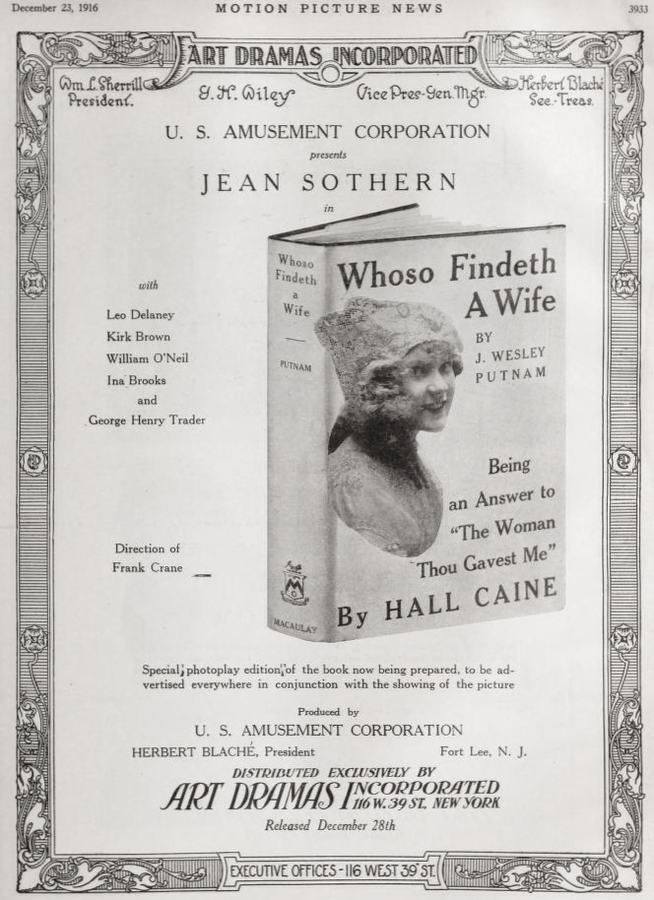
Dir: Frank Hall Crane
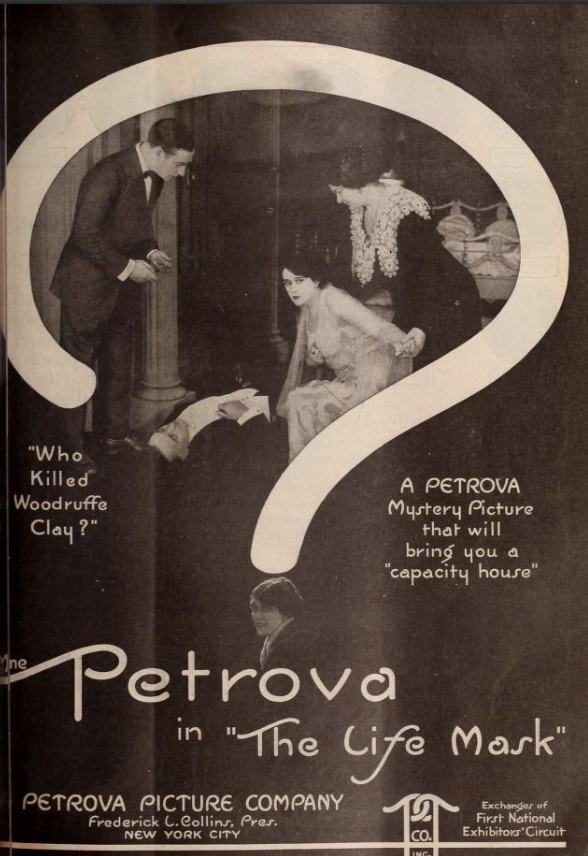
Mrs. Helen Courtland passes a fake check for $25,000 from a millionaire named Woodruffe Clay, who is in love with her daughter Anita. To save the family from a scandal in court, Anita marries Woodruffe, even though she loves Captain Hugh Shannon of the Foreign Legion. During an argument on their wedding night, Woodruffe falls and is seriously injured, and during his recovery, he makes her life miserable. Anita suffers from sleepwalking, and after one episode she dreams of poisoning her husband, she awakens to find him dead. Believing that she killed Woodruffe, Anita travels to Europe with Sarah Harden, her nurse, and there renews her affair with Hugh. When the evidence points overwhelmingly to Anita, however, she decides to return to America, but before she can confess her guilt, Sarah admits that it was she who killed Woodruffe in order to free her mistress from an unhappy marriage.
View Details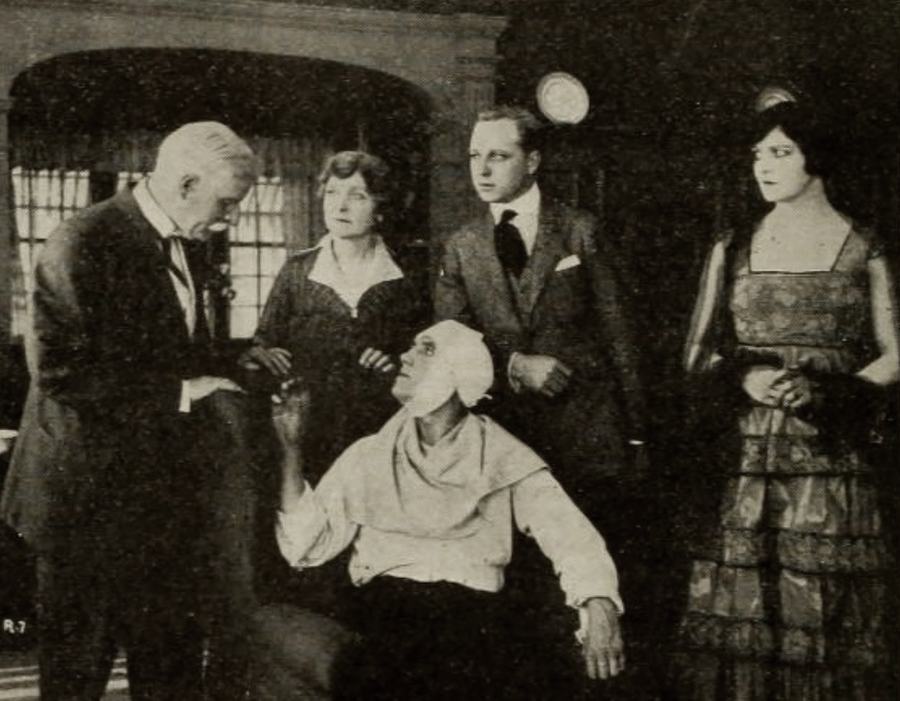
Dir: Frank Hall Crane
While developing a powerful explosive, naval officer Paul Towne introduces his friend Richard Tracy to Judith Corbin, his friend since childhood. For years, Paul had assumed that he would marry Judith, but when Richard proposes, Judith, tired of waiting for Paul, accepts. Soon after the marriage, Richard becomes more interested in the new explosive than in his new wife, and to pay off gambling debts, he agrees to steal the formula and sell it to a foreign government. While spying at close range on a test of the explosive, however, Richard is killed, after which Judith, who has long since realized her mistake in becoming Richard's wife, accepts Paul's marriage proposal.
View Details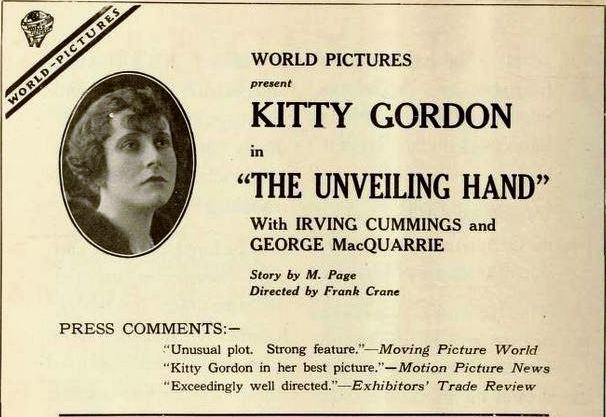
Dir: Frank Hall Crane
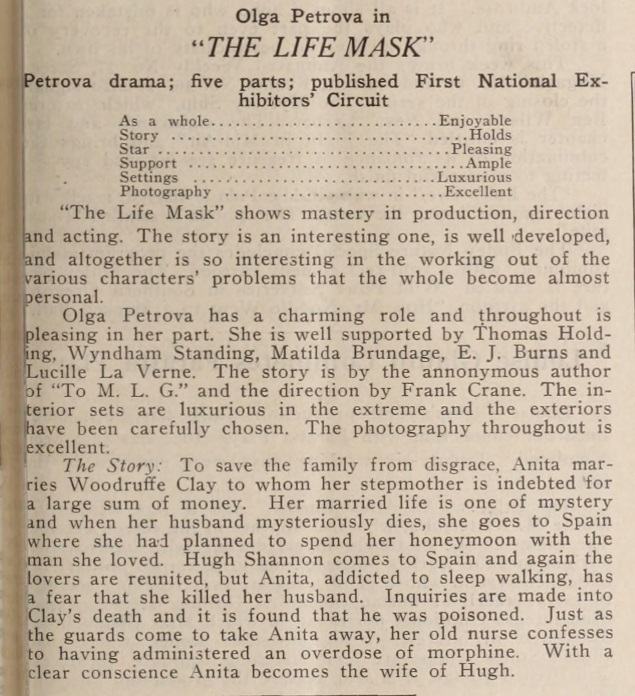
Margaret Ellis marries archaeologist Philip Bellamy to please her father, a trustee of Calder College where Philip teaches, and Philip's mother, who convinces Margaret that Philip will not succeed in finding ancient Greek ruins in North Africa, unless she is his wife. Bob Harding, who loves Margaret, joins them on their expedition as Philip's business manager. When Margaret contracts desert fever, Bob cares for her, but the alcoholic Philip takes the last bottle of brandy which Margaret needs. Hassan, a guide who hates Philip, sees the caving in of the ruins of a half-buried relic while Philip explores it, and announces Philip's death. Back home, after a tablet honoring Philip is unveiled, he returns drunk and smelling with hashish to overhear Margaret and Bob confess that they love each other. Philip accuses them of plotting his death, but when Hassan, who is now the servant of Margaret's doctor, sees Philip threaten Margaret, he stabs Philip to death. Margaret now accepts Bob's love.
View Details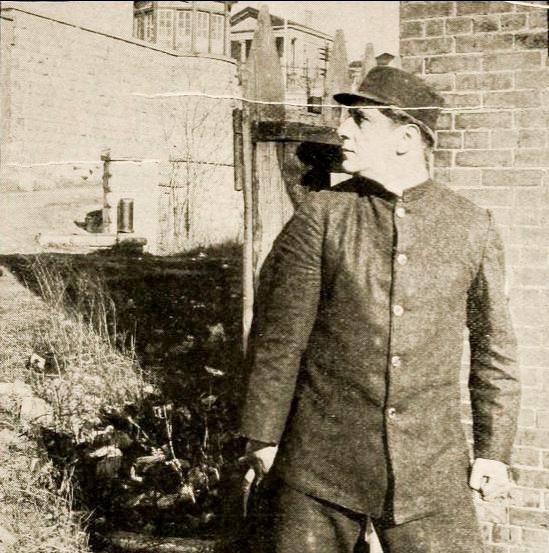
Dir: Frank Hall Crane
Grocery clerk James Clarke pilfers $500 to send his ailing sister to a more healthful climate. Frederick Payton, a fellow employee, learns of the theft and blackmails him, but both men are eventually arrested and sent to prison. While a motion-picture company is filming inside Sing Sing, James mixes in with the players, later returning with them to the Fort Lee studio of the World Film Corp. Following his escape, James assumes a different name and successfully establishes himself in another town. Payton, who has served out his sentence, finds James happily engaged to Catherine Hudson, the boss's daughter, but when Payton again threatens to blackmail him, James decides to reveal his true identity and complete his prison sentence. Catherine promises to wait for James, who returns to prison with a clear conscience.
View Details
Dir: Frank Hall Crane
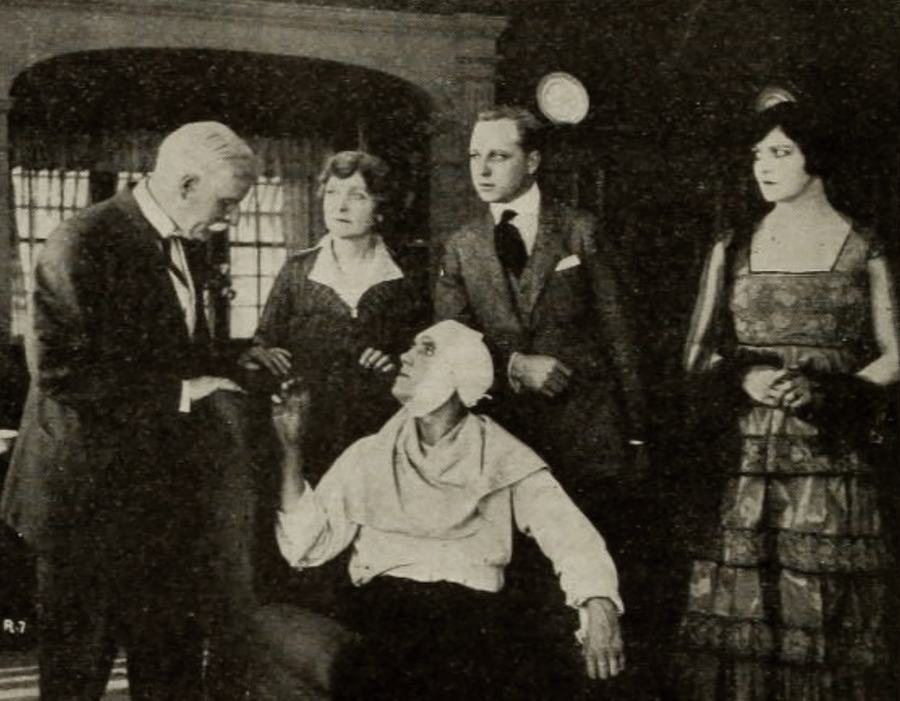
Ruined by a powerful financial ring, Farrington commits suicide, after which his daughter Paula vows to take vengeance in her own hands and hunt the man behind the ring. At a house party, Paula meets Dr. Smith, who falls in love with her, but a misunderstanding separates them. Unsuccessful in locating the man, but knowing that papers in the house of Van Brunt, one of the ring members, will identify the leader, Paula secures the papers with the aid of Old Bill Fitch, a reformed burglar. To her horror, she discovers that the man is Dr. Smith's father. Paula relinquishes vengeance for love, and Dr. Smith's father, realizing the error of his ways, agrees to make reparations.
View Details
Dir: Frank Hall Crane
Scandalous European temptress Lila Despard, travels to America to escape her lover, criminal Jack Firthenbras. On the ship, she meets Andrew Livingston, a United States Navy planner, and Senator and Mrs. Gales. Her new friends host a party for Lila in Washington, D.C., where a spy named Dromiroff threatens to expose her past unless she steals Andrew's secret naval plans. In order to secure the papers, Lila makes love to Andrew, but the plan backfires when she falls in love with him. Eventually, Lila agrees to marry Andrew, but during their honeymoon, Dromiroff abducts her from the bridal suite. At headquarters, Lila is shot while destroying the documents, and before dying, she telephones Andrew to confess her misdeeds. The conspirators are killed when their car plunges from a cliff.
View Details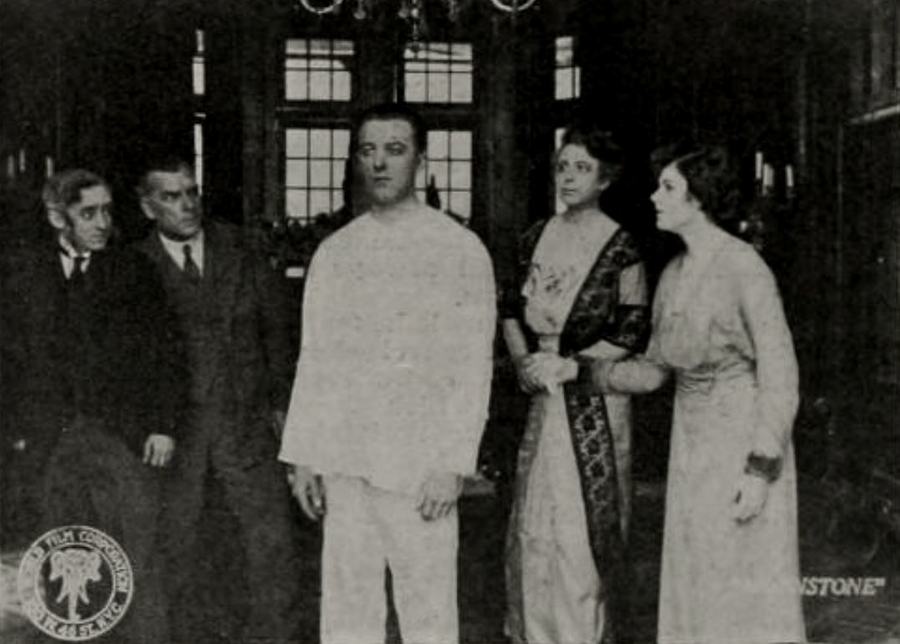
Dir: Frank Hall Crane
The story relates how a valuable diamond is stolen by an Englishman from the eye of an Indian idol. The Englishman, on his return to London, is pursued by three Indian priests in disguise whose object is to secure "The Moonstone" at all costs, as failing its recovery, the priests will lose caste. The Englishman, Hearncastle, is found drowned, presumably having been killed by the Indians. The diamond passes into possession of Franklin Blake, his friend. Blake is followed by a band of Indian magicians. He presents the diamond to his fiancée from whom it is stolen. A detective is called in. Another girl in love with Blake commits suicide and suspicion attaches to her, as she leaves a mysterious note for Blake. Subsequently, Blake finds the diamond in the possession of a money-lender. His fiancée, learning of the dead woman's attachment for Blake, quarrels with him. A doctor discovers that Blake walked in his sleep and took the diamond himself while in that state. The diamond was stolen from Blake while he was asleep and never recovered. The thief confessed and died, and Blake and his fiancée were reunited.
View DetailsAnalysis relative to The Praise Agent
| Film Title | Atmosphere | Complexity | Similarity |
|---|---|---|---|
| The Family Cupboard | Surreal | Abstract | 97% Match |
| The World Against Him | Gritty | Layered | 97% Match |
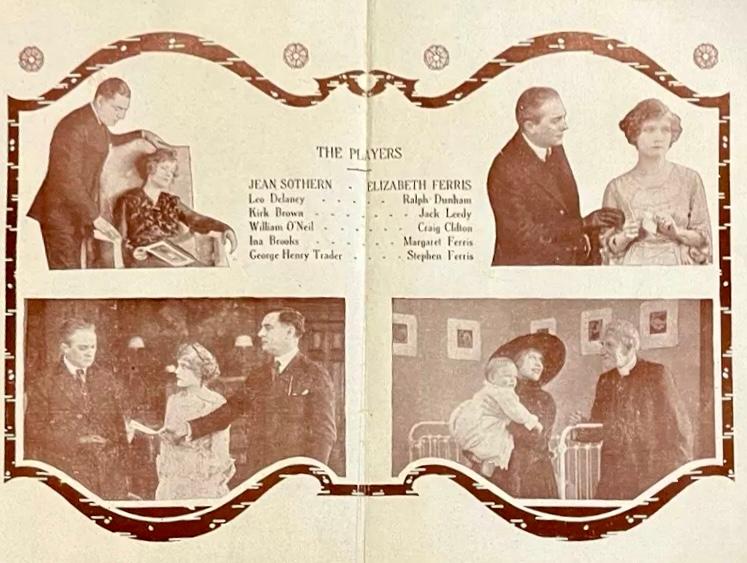
| Whoso Findeth a Wife | Gothic | High | 97% Match |
| The Life Mask | Gritty | Layered | 87% Match |
| Paying the Price | Ethereal | Dense | 98% Match |
This guide was algorithmically generated using the cinematic metadata of Frank Hall Crane's archive. Last updated: 8/16/2026.
Back to The Praise Agent Details →