
DbcultAccessing Vault...
Recommendations
Senior Film Conservator
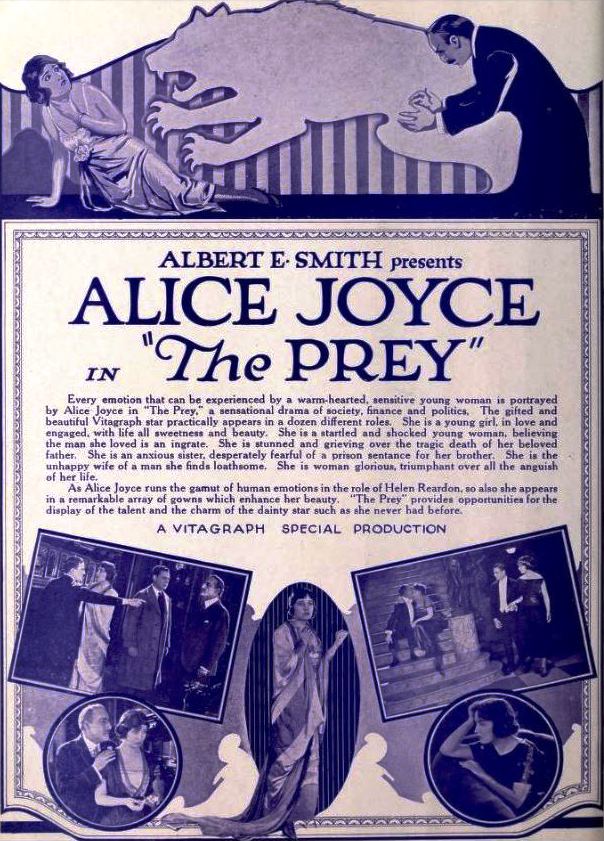
After experiencing the poignant storytelling of The Prey (1920), finding other movies that capture that same lightning in a bottle is a top priority. These recommendations provide a deep dive into the same stylistic territory occupied by The Prey.
This 1920 Drama classic stands as a testament to challenge the status quo through its avant-garde structure.
Having misused funds held in his trust by investing them with his friend, Henry Lowe, Robert Reardon appeals to his future son-in-law, James Calvin, a candidate for the position of district attorney, for help. When Calvin threatens to indict Lowe for fraud if he is elected, Reardon's anger becomes so great that the engagement between Calvin and Reardon's daughter Helen is broken, resulting in Reardon's suicide. After Lowe comes into possession of a check forged by Helen's brother Jack, he uses the document to force a marriage with Helen. Treated brutally by her husband, Helen seeks Calvin's aid, but Lowe frames Calvin, now the district attorney, in a compromising situation with his ex-fiancée. Calvin is about to resign when Helen traps her husband with some marked money, causing his suicide through disgrace. Thus freed, Helen and Calvin find happiness together.
Critics widely regard The Prey as a cult-favorite piece of Drama cinema. Its poignant storytelling is frequently cited as its strongest asset, solidifying its place in United States's film legacy.
Based on the unique poignant storytelling of The Prey, our vault has identified these titles as the most compelling follow-up experiences for fans of Drama cinema:
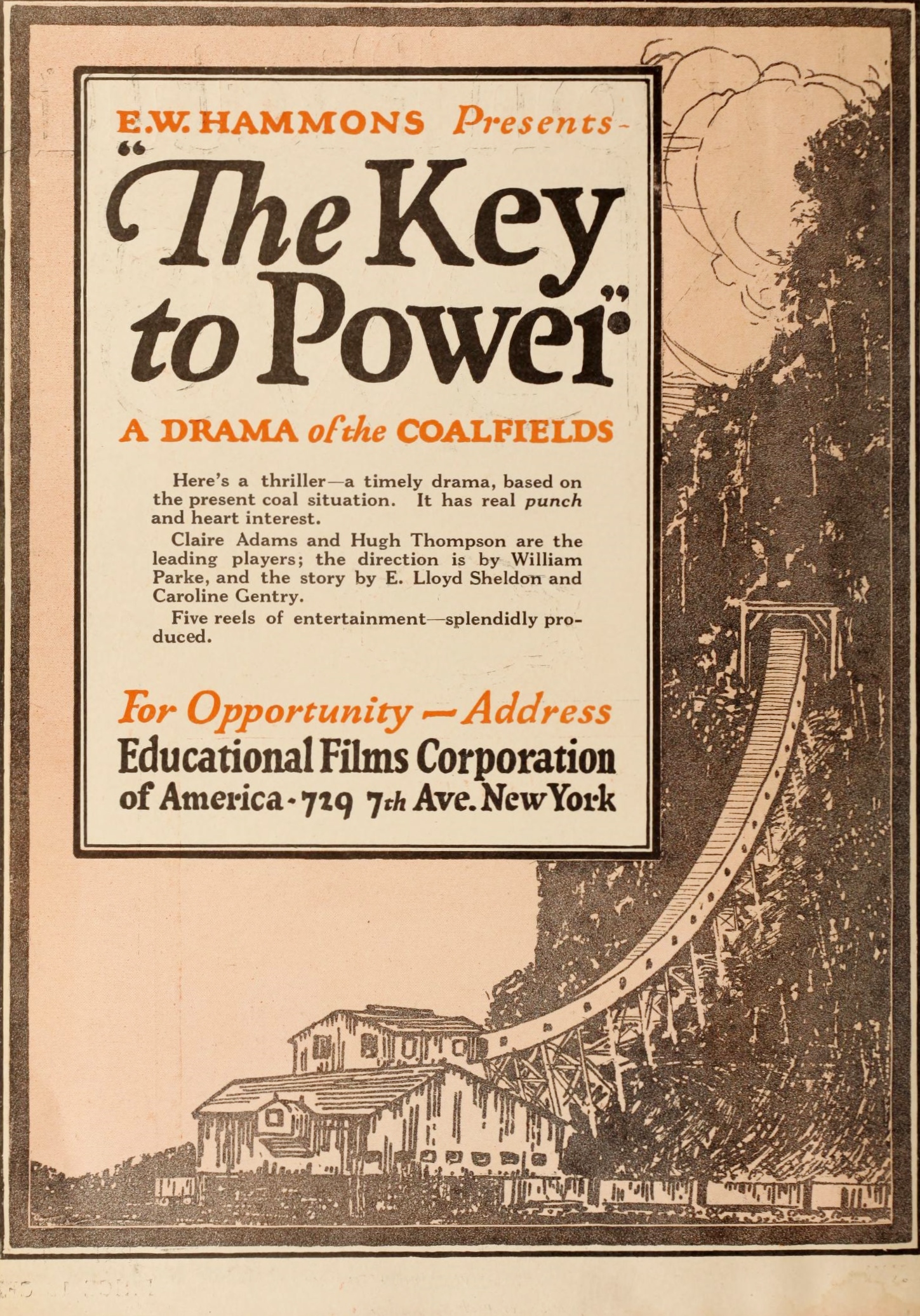
Dir: William Parke
Bruce Wendell, the son of West Virginia coal mine owner James Wendell, graduates from West Point and prepares to lead a fighting unit to the front during World War I. As his father lies dying, however, he convinces Bruce to remain at home and guard the mine. Bruce's fiancée Ann Blair assumes that he is a coward and breaks off their engagement, but her brother Bobbie remains Bruce's loyal friend. Meyer, a German agent, persuades railroad president Parrish to refuse to transport Wendell's coal, but when Bruce adamantly refuses to close the mine, the spy's men decide to blow it up. While Ann is being abducted by Meyer, Bobbie is buried in an explosion at the mine. Bruce rescues Bobbie and then sends a plea to Lieutenant Parrish to rescue Ann. Meyer and his gang are captured and Ann renews her vow of love to Bruce.
View Details
Dir: George L. Sargent

Philip, a young dilettante, is a great disappointment to his brother, Miles, in whose home he is living when the story opens. Louise Holden, wife of Miles, labors valiantly to interest her dreamy young brother-in-law in something besides literature, but fails in this until, after great urging, Philip is induced to attend a bridge party given at the house. This marks the turning point in his career, for among the fashionable people in his brother's drawing room, he is presented to Helen Landon, daughter of a wealthy banker. In the moment that Philip looks into Helen's eyes, he loses interest in the book he is trying to write, and falls deeply in love with the girl. But he dares not tell her in so many words of his love, for just a few hours before they met, he was informed that his account is overdrawn at the bank. Miles denounces Philip as a waster, doomed to a miserable end. Helen's father, Robert Landon, is in league with Miles to corner a certain mining stock, D.L. and B. Their intention is to hammer the stock until nobody wants it and then buy into the concern on some inside information they have obtained as to its real value. Pushed to consideration of material matters by the constant urgings of his brother, and by the necessity for bestirring himself if he is ever to meet his beloved Helen on equal terms financially, Philip starts out looking for work. The dabbler in literature announces to the head of a big business concern that he wants a job at $6,000 a year as a starter, making himself ridiculous. The young fellow is turned away wherever he goes, until, entering the office of a mining stock shark, he finds an opportunity to sell stock on commission, taking his commissions in stock, which the promoter himself believes worthless. Philip carries a collection of pictures of the mine location with which to sell stock. He expounds to wealthy women on the beauty of the scenery surrounding the mine property, and with extraordinary good luck, sells the stock like hot cakes. Then comes a surprise; the promoter receives a telegram, which apprises him that large quantities of ore have been uncovered. The stock that Philip has been carrying round in his pocket is now worth a fortune. While trying to talk to his fiancée - for by this time he has proposed to Helen Landon - he overhears a plot between his supercilious banker brother and Landon, Helen's father, to corner the market in D.L. and B. stock. Philip enters the stock market against the two plotters and buys the mining stock as fast as they hammer it down, obtaining it practically at his own figure before Landon and the elder Holden realize that they have been caught short. In this dilemma they discover that much of the stock they have been selling has fallen into the hands of Philip, and Landon telephones in desperation to his putative son-in-law to "come on over." Philip is appealed to by the two market-riggers to let them have enough of his stock to cover their shortage. Copying the superior air of his brother, Philip keeps them on the anxious seat for a time, but finally yields, with the smiling consent of Helen.
View Details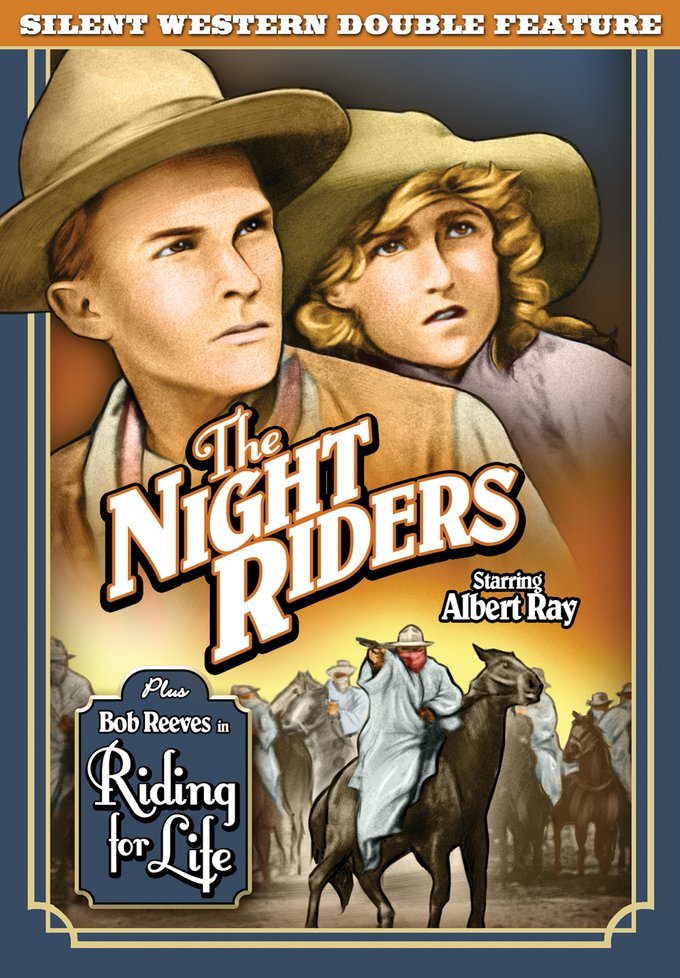
Dir: Alexander Butler
In Alberta, Canada, a Cornish emigrant unmasks a rustler posing as the girl's "blind" father.
View Details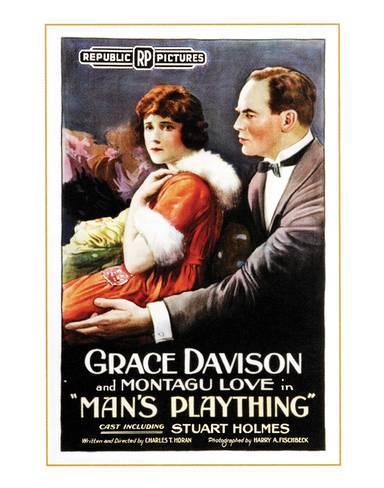
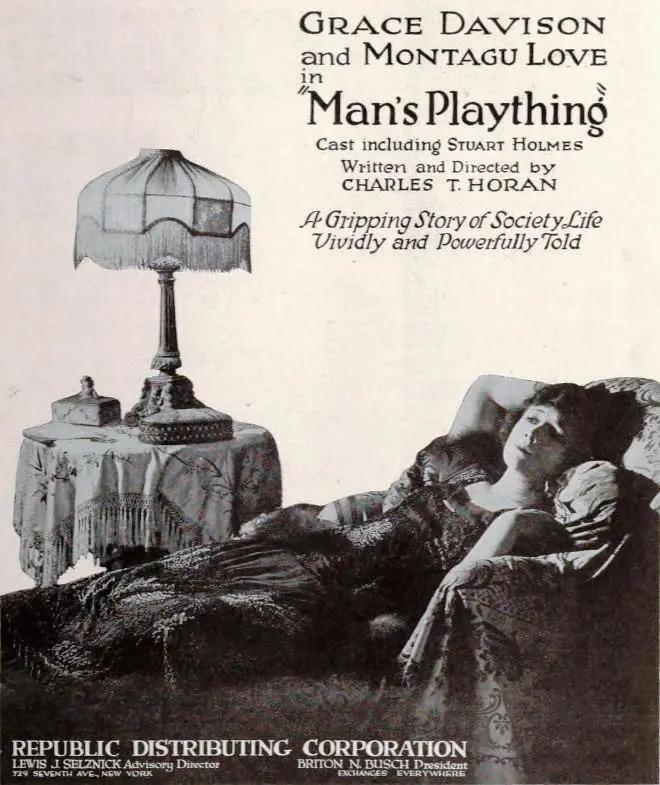
Dir: Charles Horan
While working as a flower girl in Devlin Maddox's nightclub, Nellie Vaughan meets wealthy young Pelton Van Teel and falls in love. Maddox, desirous of using Nellie to blackmail Van Teel, spreads a rumor that she is his mistress. This makes Nellie uncomfortable, and she demands that Van Teel marry her immediately, to which he agrees. Meanwhile, Van Teel has been losing money gambling to Maddox, who threatens to break up the marriage by producing a worthless check that the young husband has written. Venturing to Maddox's apartment for a showdown, Nellie pulls a gun and demands the check, accidentally shooting Maddox when he throws a lamp at her. Maddox plans to charge Nellie with assault, but when the police arrive, his butler, actually a detective employed by the elder Van Teel, exposes Maddox, who is then arrested, clearing the path for the couple's happiness.
View Details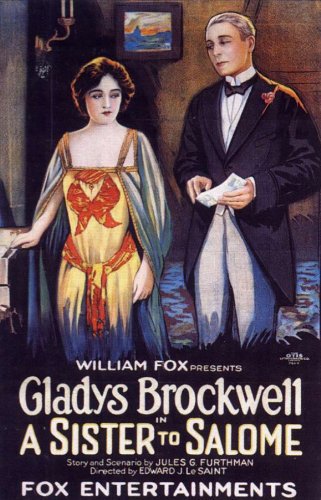
Dir: Edward LeSaint
When famous opera singer Elinore Duane undergoes an operation on her throat, she has a series of ether-induced visions. In one, she is transported to ancient Rome where she appears as a much-admired woman in love with Paul, a young heretic, and at odds with Lutor, the high priest. To save her love, she poisons Lutor with her ring. After several other visions which involve variations on this love triangle, Elinore awakens to discover that Lutor is actually her doctor, Sascha Jaccard, and that Paul is the son of a friend who has come to visit the recovering prima donna.
View Details
Dir: George L. Sargent
A fascinating piece of cinema that shares thematic elements.
View Details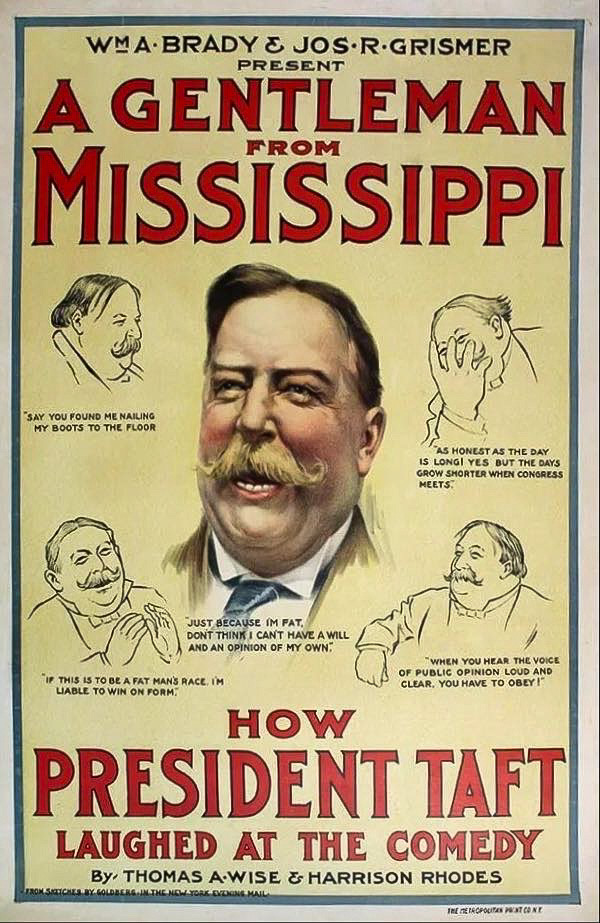
Dir: George L. Sargent
William H. Langdon has been elected senator from Mississippi, and reaches the national capital with the experience in big politics that might be expected of a man who has lived his life on a plantation forty miles from a railroad. With him are his two fair daughters, Carolina and Hope. He has scarcely reached his hotel when he hires "Bud" Haines, a newspaper man, as his secretary. Charles Norton, representative from Mississippi, James Stevens, senior Senator, and Horatio Peabody, senator from Pennsylvania, are interested in a scheme to have a naval station located at Altacola, Miss., and they need the assistance of the new senator. They have purchased all the land in the neighborhood and plan to dispose of it to the government at their own price after the bill is put through. In order to insure his support Norton induces Langdon's son to invest $30,000 in Altacola and also puts in the fortune left the Senator's daughter by her mother. He is the girl's accepted suitor, by the way. Haines, in the meantime, has been a thorn in the side of the crooks, but by reporting to each that the other has played false and invested money in the land project, they bring about an estrangement between him and Langdon, which is set right by Hope Langdon telling Haines, with whom she is in love, of the plot. Langdon and Haines find they have been duped and the man from Mississippi decides to balk the thieves, even if it ruins his family. The story comes to a right ending by Langdon stepping into the Senate to make his maiden speech, denouncing the intended fraud, and declaring that he and the conspirators bought up the land to save the national treasury from being looted after having discovered a conspiracy in another quarter to commit the holdup. Before this important event he has compelled the two rascally senators to come to his way of thinking through fear of exposure. Congressman Norton is sent on his way in disgrace. Haines, again secretary, is engaged to wed Hope.
View Details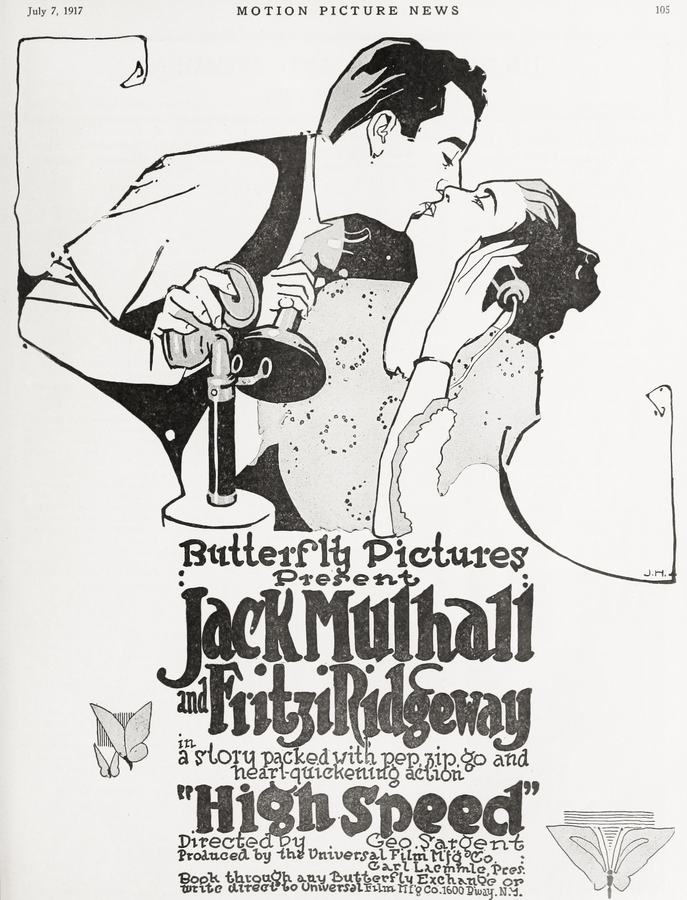
Dir: George L. Sargent
Father made millions in pork, and was proud of the fact, but his society loving wife wanted to forget that there was ever such a thing as a pig. Consequently she sent her daughter Susan off to a finishing school where she absorbed a blasé manner. Father was anything hut pleased with the change. One day at the club father came in contact with "Speed" Cannon and was so impressed with the effect his presence had upon people, that he determined to try an experiment. He visits "Speed's" office and on a pretext gets him to his palatial home. As they arrive a burglar has terrorized its women occupants. "Speed" proves a hero, but Susan evinces only a passing interest. "Speed," however, is smitten with the languorous Susan, and welcomes the opportunity of seeing her again. "Speed's" courtship is as fast as he is himself. After two weeks he manages to smuggle Susan away from a reception in honor of Count Englantine. He secures her consent to their marriage, but she shows so little interest "Speed" is nonplussed. She is discovered by mother, who whisks her to the Count, who proposes. Susan puts him off. "Speed" again finds her and proposes that they elope. Susan thinks that would be romantic. Father lends his aid; but it is unavailing, for Susan is so slow that mother discovers her. "Speed" is all broken up, but father has a tip on the market, and his woes arc forgotten as he talks over the details with "Speed." Next day "Speed" starts father's stock movement. Susan dismisses the Count and writes "Speed," declaring her love. The maid gets the notes mixed. "Speed" is broken-hearted and sends an attendant for a gun, while the Count dashes to Susan. She quickly disillusions him and dashes in search for "Speed." She finds him in time to prevent his killing himself, with an empty gun. She whisks him back to the office. Father hikes to the office with a minister. Mother, becoming suspicious, visits the office where the ceremony is being performed. Father holds her long enough to have Susan and "Speed" married. Mother is sore until she learns father's fortune has been augmented and accepts "Speed" because he made it possible.
View Details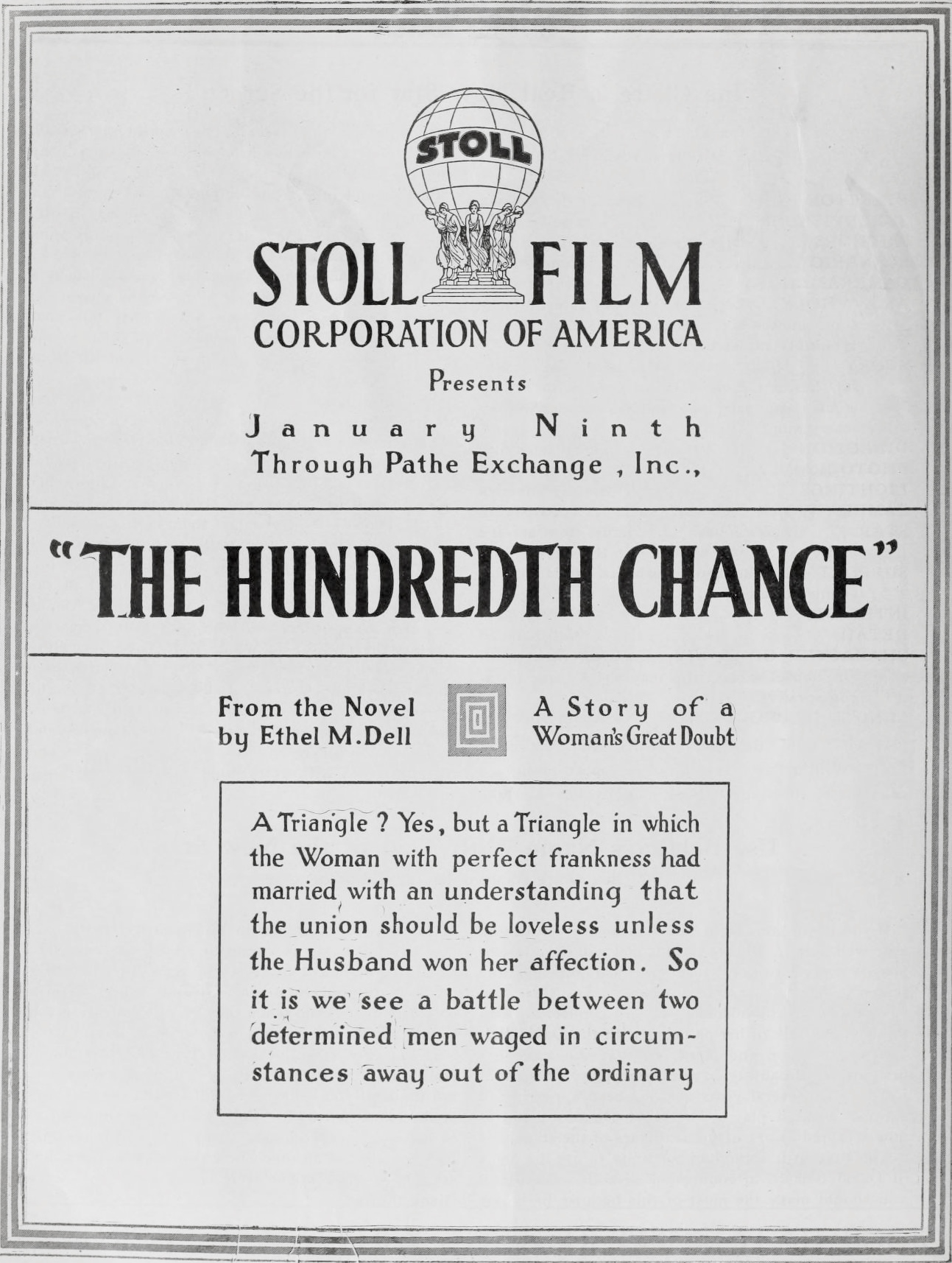
Dir: Maurice Elvey
A lady marries a horse trainer but withholds herself until her crippled brother is cured.
View Details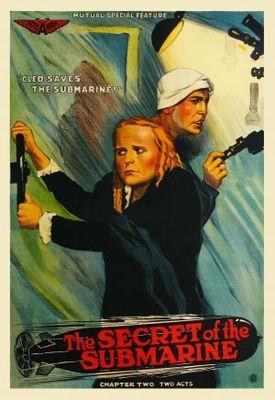
Dir: George L. Sargent
Episode 1: Dr. Ralph Burke, a scientist and inventor, perfects an apparatus enabling submarine craft to remain underwater indefinitely without relying wholly upon compressed air stored in the boat. The discovery is perfected at the opening of the story and has been offered to the United States government. Lieut. Jarvis Hope. U.S.N., is dispatched to witness a practical demonstration of the invention. Arriving in the city where Dr. Burke lives, Lieut. Hope meets an old acquaintance. Hook Barnacle, whose life he once saved. Hook had his right hand bitten off by a shark, and an iron hook being substituted gained for him the odd sobriquet. Hook escorts the lieutenant to the Burke home and relates to Cleo, the doctor's "daughter," how his life had been saved by the young naval officer. Cleo and Hope become mutually interested. Hook is much given to talking and it is not long before the entire village knows the reason for Lieut. Hope's visit. Among those who learn the news are Sextus, a Russian, and Satsuma, a Jap, working under the orders of one Mahlin. The following day is set for the demonstration. Satsuma watching his chance has secreted himself aboard the submarine. Olga Ivanoff, head of the Russian bureau in this country, receives a visit from Sextus, who is commanded by her to obtain the secret of the submarine. Meantime Calvin Montgomery, a wealthy lobbyist, upon advices from influential friends at Washington, sends his nephew, Gerald Morton, an unprincipled rounder, to obtain the secret. Gerald is suspicious of his uncle's interest in Cleo Burke, but fails to learn anything definite before he leaves to see the inventor. On board the submarine the apparatus is being manipulated satisfactorily and Lieut. Hope is much impressed. The party repairs to the salon for lunch, affording opportunity for Satsuma to crawl stealthily from his hiding place. The Jap is examining the mechanism of the invention when he is surprised by Dr. Burke, who gives the alarm. Sailors rush in to overpower the Jap but he is desperate. Shots are fired, one of which disables the Burke apparatus. Satsuma throws over the lever opening the conning tower trap, leaps up the ladder, gains the top and dives off into the sea as the boat quickly sinking is almost lost to view. The water pours down through the open trap. The air machine is broken and with the boat uncontrollable, the inventor and his party battle for life in the watery darkness.
View DetailsAnalysis relative to The Prey
| Film Title | Atmosphere | Complexity | Similarity |
|---|---|---|---|
| The Key to Power | Gritty | Dense | 91% Match |
| Philip Holden - Waster | Gothic | Abstract | 94% Match |
| The Night Riders | Ethereal | High | 96% Match |
| Man's Plaything | Surreal | High | 98% Match |
| A Sister to Salome | Gothic | High | 88% Match |
This guide was algorithmically generated using the cinematic metadata of George L. Sargent's archive. Last updated: 8/16/2026.
Back to The Prey Details →