Summary
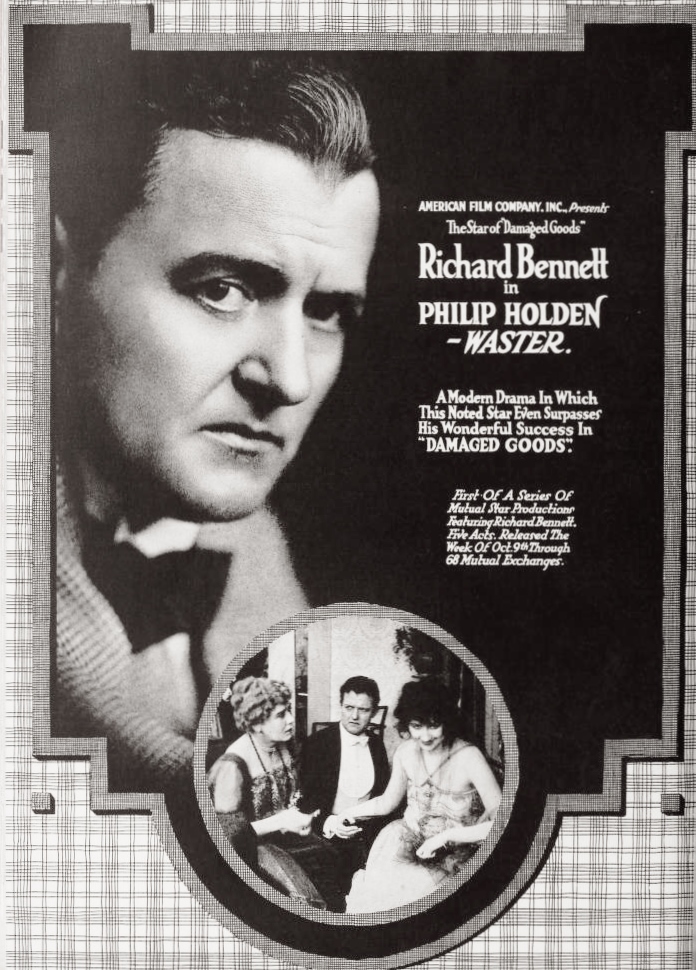
Philip Holden, a moonstruck flâneur lolling in the velvet dusk of his own unfinished novel, is the gilded embarrassment of the Holden dynasty—an aesthete whose greatest accomplishment is the exquisite angle at which he drapes ennui across his brother’s chaise longue. Miles, granite-jawed avatar of mercantile rectitude, tolerates the poet’s presence only because their mother’s ghost still murmurs through the wainscoting; Louise, Miles’s wife, flits about like a moth desperate to singe its wings on something—anything—of purpose in Philip’s dilated pupils. Salvation, or perhaps damnation, arrives disguised as a bridge party: champagne flutes chime like crystal execution bells, and amid the perfumed throng Helen Landon appears—heiress, siren, futures market in human form—her gaze a margin call on Philip’s soul. One glance and the half-written book sloughs off like a snakeskin; love, raw and liquidity-driven, usurps the throne of art. Yet solvency is the cruelest chaperone: hours earlier the bank reported his account bled dry, and Miles’s lecture—“waster,” “parasite,” “terminal insolvency”—still ricochets off the mahogany. Overhearing that Miles and Helen’s father, Robert Landon, intend to bludgeon the D.L. & B. mine into penny-stock oblivion before covertly scooping it up, Philip experiences a conversion more ferocious than any tent-revival baptism: he will beat them at their own predatory game. Armed only with sepia postcards of a godforsaken pit and the gift of gab, he peddles shares to bored matrons starved for glamour; each sale is a miniature seduction, each signature a stanza in his improvised epic of revenge. When the assay telegram arrives—ore gleaming like newborn suns—his pockets of once-worthless scrip transmute into negotiable destiny. In the final reel Philip, now market avenger, corners the corner-makers, forcing them to crawl across the marble floor of their own making. Helen, amused rather than appalled, endorses the coup with a dimpled yes, and the prodigal’s triumph is complete: art abandoned, love secured, ledger balanced.
Synopsis
Philip, a young dilettante, is a great disappointment to his brother, Miles, in whose home he is living when the story opens. Louise Holden, wife of Miles, labors valiantly to interest her dreamy young brother-in-law in something besides literature, but fails in this until, after great urging, Philip is induced to attend a bridge party given at the house. This marks the turning point in his career, for among the fashionable people in his brother's drawing room, he is presented to Helen Landon, daughter of a wealthy banker. In the moment that Philip looks into Helen's eyes, he loses interest in the book he is trying to write, and falls deeply in love with the girl. But he dares not tell her in so many words of his love, for just a few hours before they met, he was informed that his account is overdrawn at the bank. Miles denounces Philip as a waster, doomed to a miserable end. Helen's father, Robert Landon, is in league with Miles to corner a certain mining stock, D.L. and B. Their intention is to hammer the stock until nobody wants it and then buy into the concern on some inside information they have obtained as to its real value. Pushed to consideration of material matters by the constant urgings of his brother, and by the necessity for bestirring himself if he is ever to meet his beloved Helen on equal terms financially, Philip starts out looking for work. The dabbler in literature announces to the head of a big business concern that he wants a job at $6,000 a year as a starter, making himself ridiculous. The young fellow is turned away wherever he goes, until, entering the office of a mining stock shark, he finds an opportunity to sell stock on commission, taking his commissions in stock, which the promoter himself believes worthless. Philip carries a collection of pictures of the mine location with which to sell stock. He expounds to wealthy women on the beauty of the scenery surrounding the mine property, and with extraordinary good luck, sells the stock like hot cakes. Then comes a surprise; the promoter receives a telegram, which apprises him that large quantities of ore have been uncovered. The stock that Philip has been carrying round in his pocket is now worth a fortune. While trying to talk to his fiancée - for by this time he has proposed to Helen Landon - he overhears a plot between his supercilious banker brother and Landon, Helen's father, to corner the market in D.L. and B. stock. Philip enters the stock market against the two plotters and buys the mining stock as fast as they hammer it down, obtaining it practically at his own figure before Landon and the elder Holden realize that they have been caught short. In this dilemma they discover that much of the stock they have been selling has fallen into the hands of Philip, and Landon telephones in desperation to his putative son-in-law to "come on over." Philip is appealed to by the two market-riggers to let them have enough of his stock to cover their shortage. Copying the superior air of his brother, Philip keeps them on the anxious seat for a time, but finally yields, with the smiling consent of Helen.
Review Excerpt
"
The flicker of a carbon-arc projector, the hush of nitrate catching light—Philip Holden – Waster surfaces from 1920 like a gilt-tooled volume mis-shelved among ledgers, its pages still smelling of speculation and tuberose. Viewed today, the film feels less antique than prophetic: a cautionary folio on how desire, debt, and derivative chic can fell a romantic quicker than any sword. Director Arthur Donaldson, working for the short-lived Pioneer Pictures, stages what amounts to a silent-era Wall..."