
DbcultAccessing Vault...
Recommendations
Senior Film Conservator
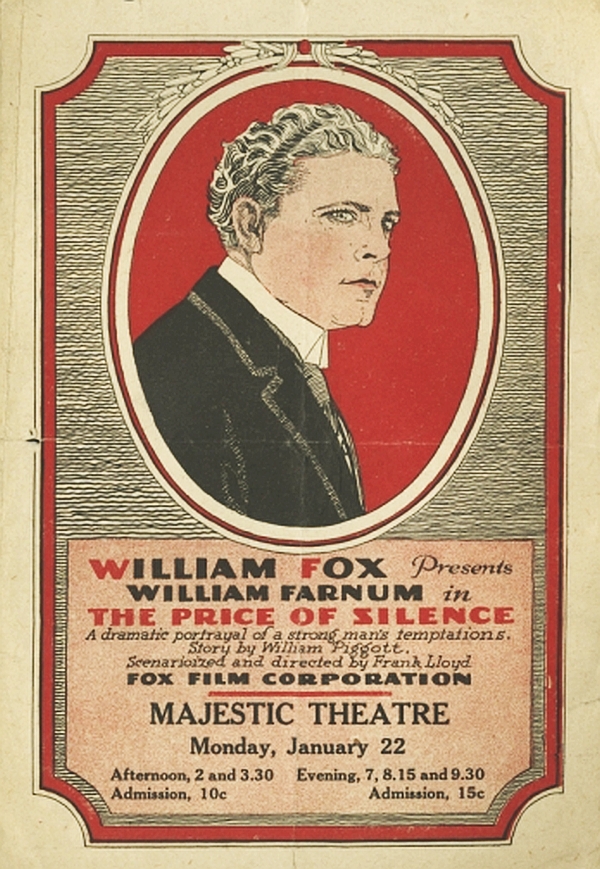
Navigating the complex narrative architecture of The Price of Silence is a cinematic excellence experience, the legacy of The Price of Silence is a beacon for those seeking the unconventional. Unlock a new level of cinematic understanding with these cult alternatives.
The artistic audacity of The Price of Silence ensures it to sustain a sense of mystery that persists after the credits roll.
U. S. Senator Frank Deering has spent his life trying to alleviate the misery of child labor. Judge Vernon, his closest friend, aids him in this struggle. Unexpected circumstances force Judge Vernon to borrow money from Henry McCarthy, one of the factory owners most responsible for the harsh and inhumane working conditions. Judge Vernon is unable to pay off the loan, and is reduced to accepting a bride from McCarthy. Later, the Judge is stricken with a heart-condition but, on his dying bed, he confesses the shameful act he committed to Deering. To keep his friend's name unsullied, Deering makes a deal with McCarthy and votes against the child-labor-act he sponsored. His colleagues and the world, unaware of his sacrifice, mock and jeer him.
Critics widely regard The Price of Silence as a cult-favorite piece of cult cinema. Its cinematic excellence is frequently cited as its strongest asset, solidifying its place in United States's film legacy.
Based on the unique cinematic excellence of The Price of Silence, our vault has identified these titles as the most compelling follow-up experiences for fans of cult cinema:
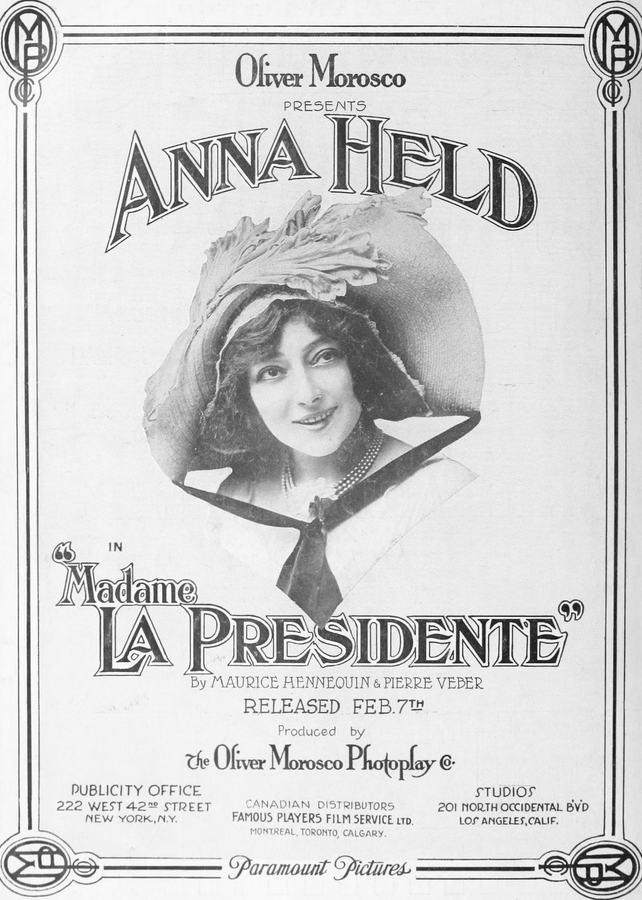
Dir: Frank Lloyd
The story tells of the troubles started by the fondness for gaiety of three mature French judges. With an eye to securing his good graces, they enjoy losing an occasional game of whist to their superior, Judge Galipaux. M. Galipaux's life burden is an ambitious wife. An escapade with the leading lady of a theatrical troupe, Mlle. Gobette, lands the three judges on the carpet for a severe reprimand. The offending actress is evicted from the hotel. Like an inspiration, a way out of their predicament comes to one of the offenders. That night on returning from seeing his wife on her train to Paris, M. Galipaux finds his house occupied by a strange but very beautiful woman, who refuses to leave. Unexpectedly M. Gaudet, the handsome and irreproachable Minister of Justice, arrives. He is fascinated by Gobette whom he believes to be Mme. Galipaux. Still posing as Mme. Galipaux, Gobette comes to Paris to call upon him. Scenting a possible scandal, Marius, the head usher, lays a trap. Mlle. Gobette calls and the trap is sprung. From then on events crowd quickly upon poor Gaudet, but through humorous situations and startling perplexities he remains undaunted to emerge triumphant.
View Details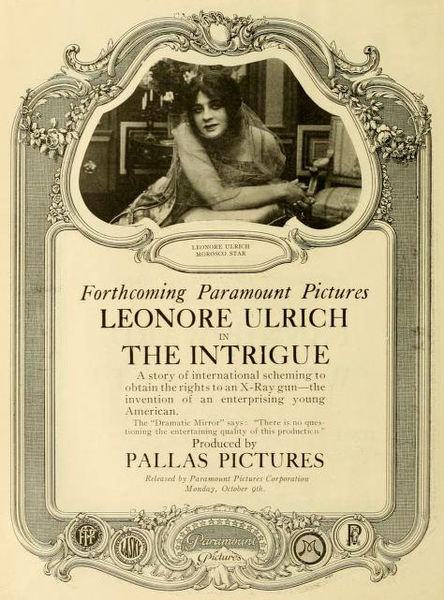
Dir: Frank Lloyd
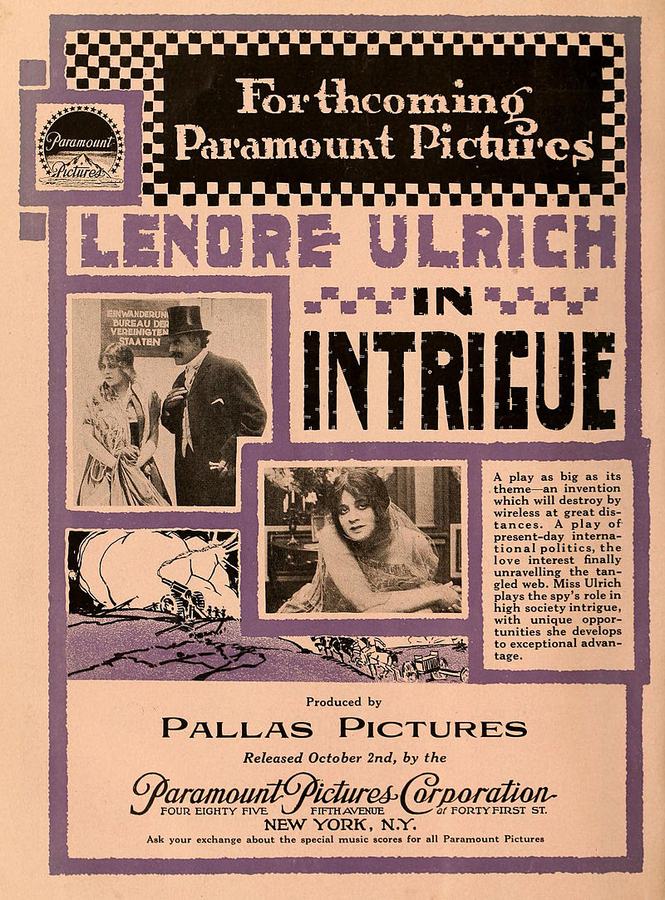
A sci-fi/espionage film in which world powers vie for control of a death ray during World War I.
View Details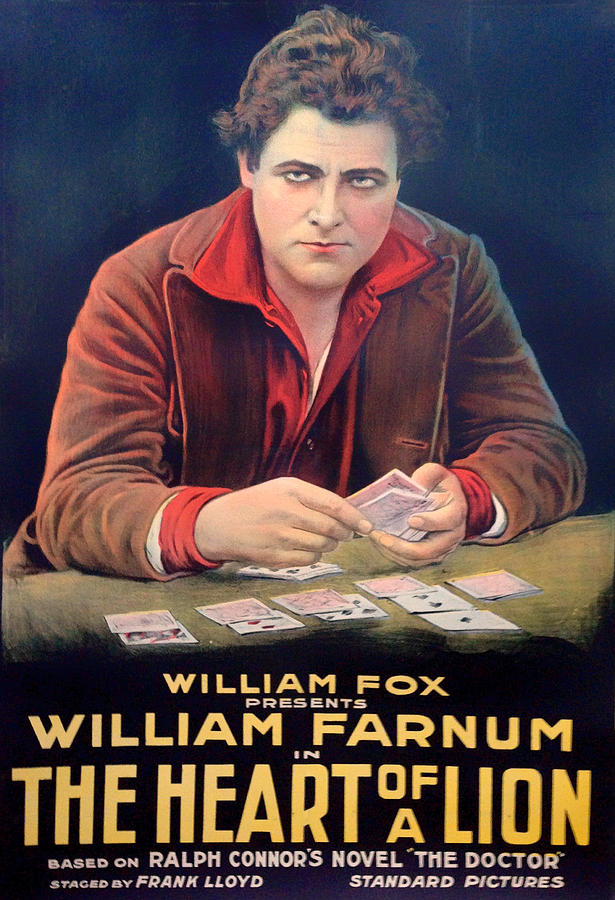
Dir: Frank Lloyd
Barney Kemper works hard on a farm so his younger brother Dick can go to college. However, Dick squanders Barney's money. Margaret Danford, daughter of the village doctor, loves Barney from afar and tries to educate him. A girlfriend of Margaret's comes for a visit and steals Barney's heart. The young girl turns to Dick, and Barney discovers them together. Embittered, Barney goes west to work in a lumber camp. But Dick reforms, and becomes a minister, and is assigned to the lumber camp. Margaret goes along to start a hospital. Tex Daly, leader of the lumbermen, resent Dick and try to frame him with a saloon girl. When Dick is shot by Tex, Barney appears and helps his wounded brother by taking charge of the church. Dick dies, and Barney kills Tex. Barney and Margaret are united.
View Details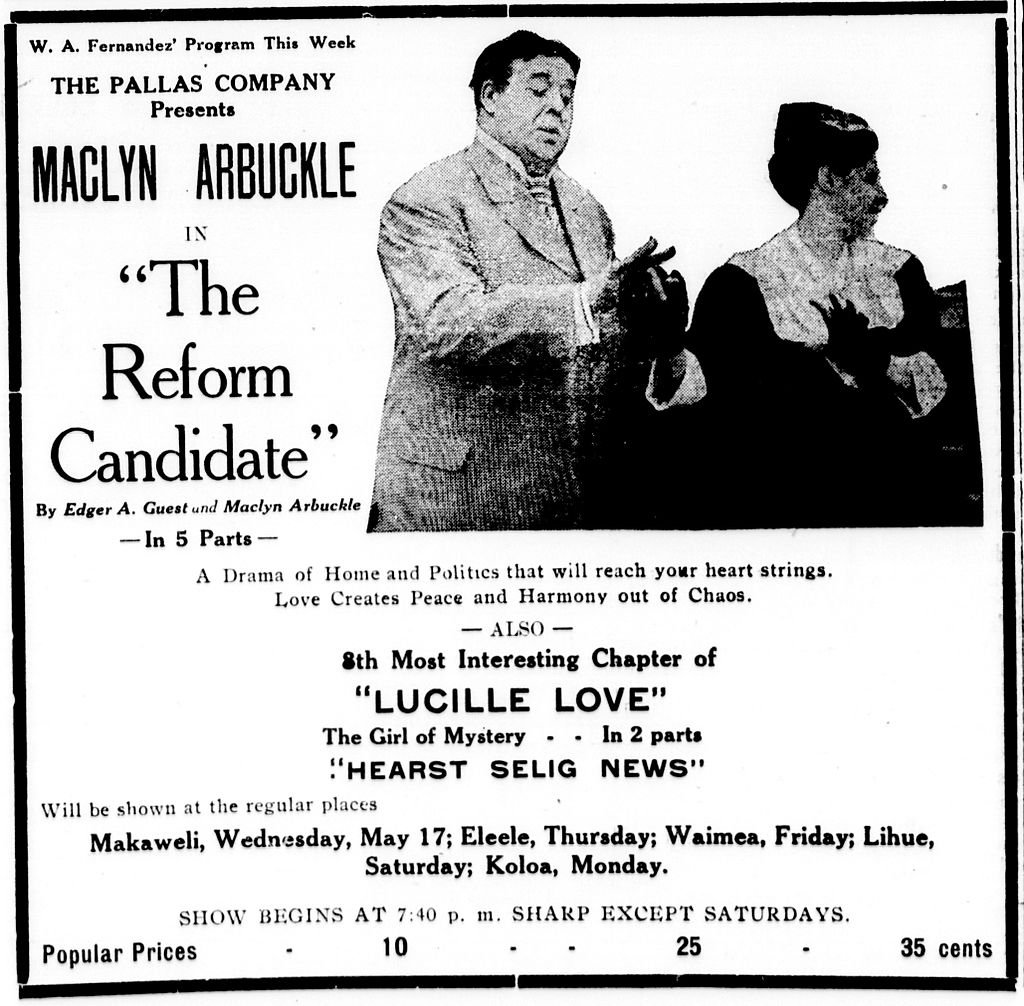
Dir: Frank Lloyd
Realizing that his mayoral campaign is in serious trouble, reform candidate Frank Grandell sends his people out to dig up some dirt on Art Hoke, the boss of the city's political machine. Their investigation leads them to Hoke's flunky, nicknamed "Looney Jim". Jim implies that he has some damaging information about Hoke's daughter, but he dies before he can reveal it. Grandell eventually finds out what the "secret" is, however, and must decide whether to use it in his campaign to defeat Hoke's candidate.
View Details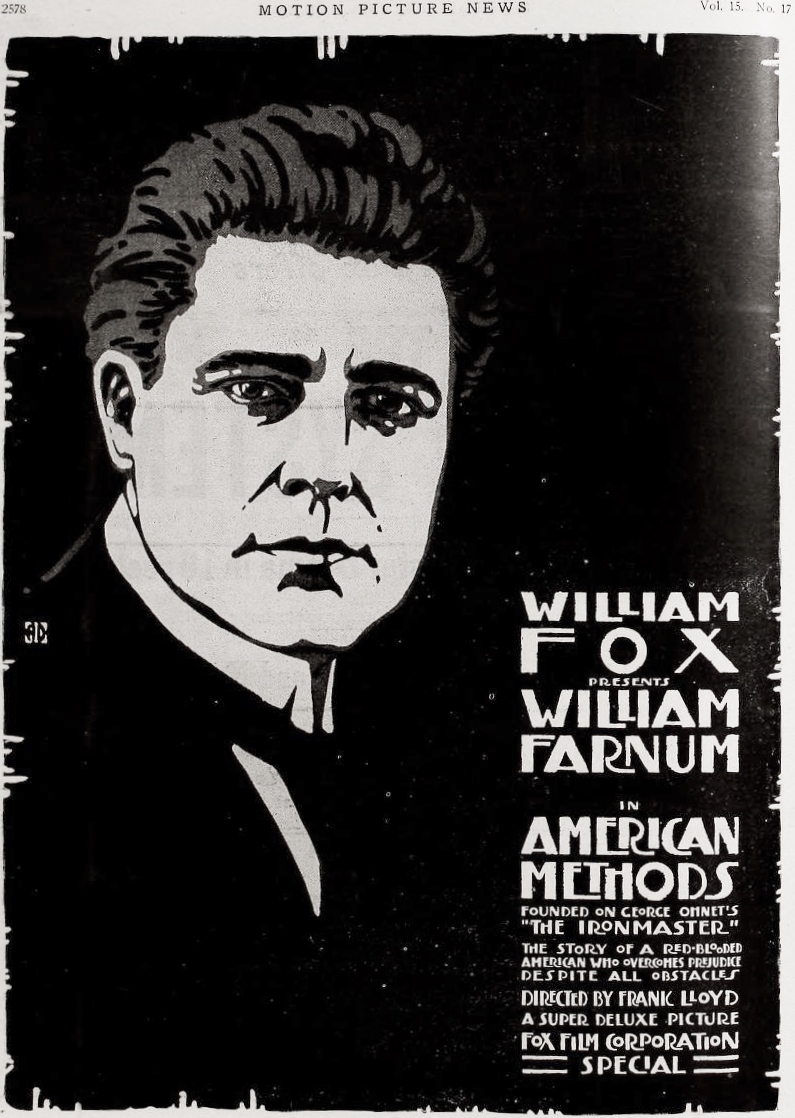
Dir: Frank Lloyd
William Armstrong, an American whose family is from France, inherits an iron mine in France. With his sister Betty, he travels to France to take over the business. In the village near the mine lives Claire, the daughter of a wealthy family, who is engaged to the scheming Duc de Bligny. When Claire's family loses all their money, the Duc dumps her for the daughter of a wealthy manufacturer. Armstrong and his sister find themselves caught up in this intrigue, which becomes more complicated when Armstrong falls for Claire.
View Details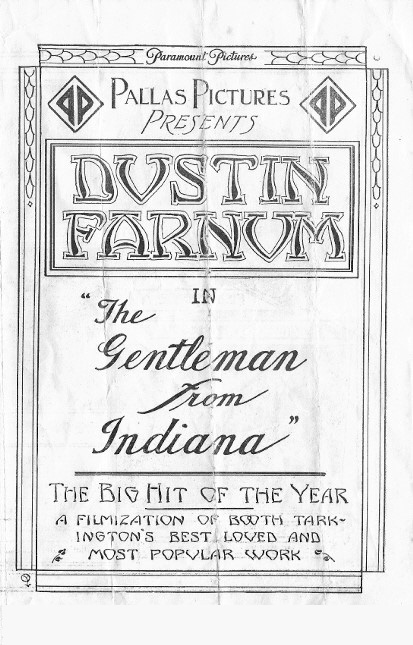
Dir: Frank Lloyd
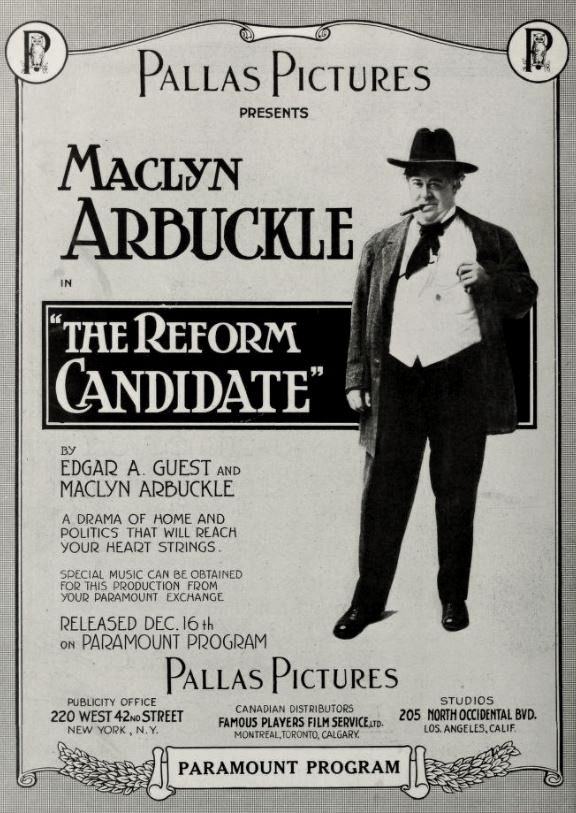
After a spectacular college football career, John Harkless leaves the university to pursue a place in Indiana politics. He buys the failing Plattville Herald and, using the newspaper to expose various illegal activities, sets out to rid the county of all mobsters and corrupt officials. When a traveling circus comes to town, he uncovers a crooked gambling ring and drives away the fleecers. That night, returning from his sweetheart's house, he is badly beaten and left for dead by a gang of men. Believing that John has been murdered, vigilantes gather to avenge his death, but the identity of the perpetrators is in question. The evidence finally points to the White Caps, a band of thugs allied with Rodney McCune, a notorious local politician opposing John in an upcoming Congressional race. Before the angry mob clashes with the White Caps, John is located in a hospital emergency room. While he recovers, his girlfriend, Helen Sherwood, takes over the newspaper and cleverly concocts a way for John to win the election.
View Details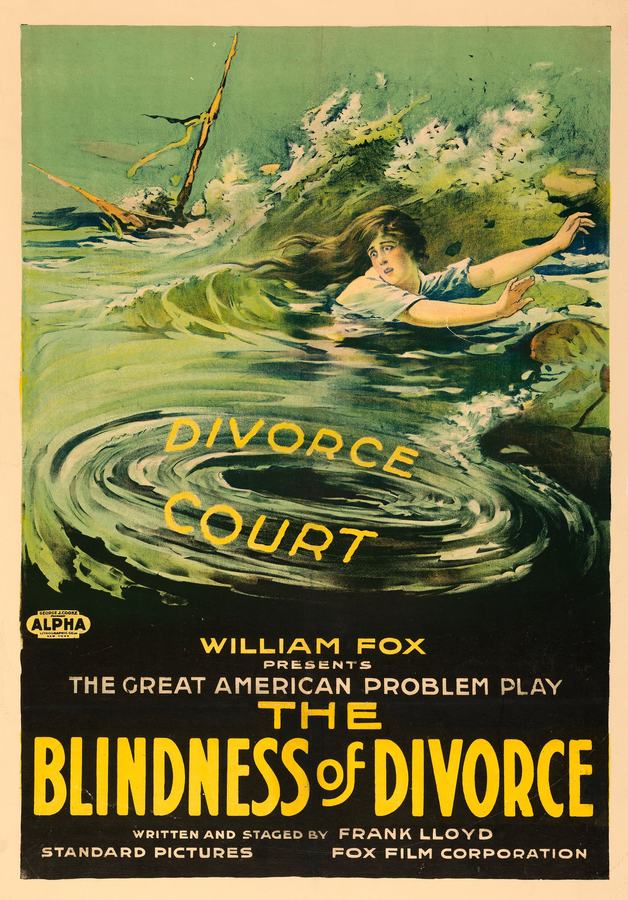
Dir: Frank Lloyd
When John Langdon suspects--wrongly, as it turns out--that his wife Claire is having an affair he divorces her, and gets custody of their daughter Florence. Later Florence marries the city's District Attorney. Meanwhile Claire, in dire financial straits, gets involved with an infamous gambling resort in the city. A political rival of Florence's husband discovers Claire's secret and tries blackmailing Florence by threatening to expose her mother's "secret life".
View Details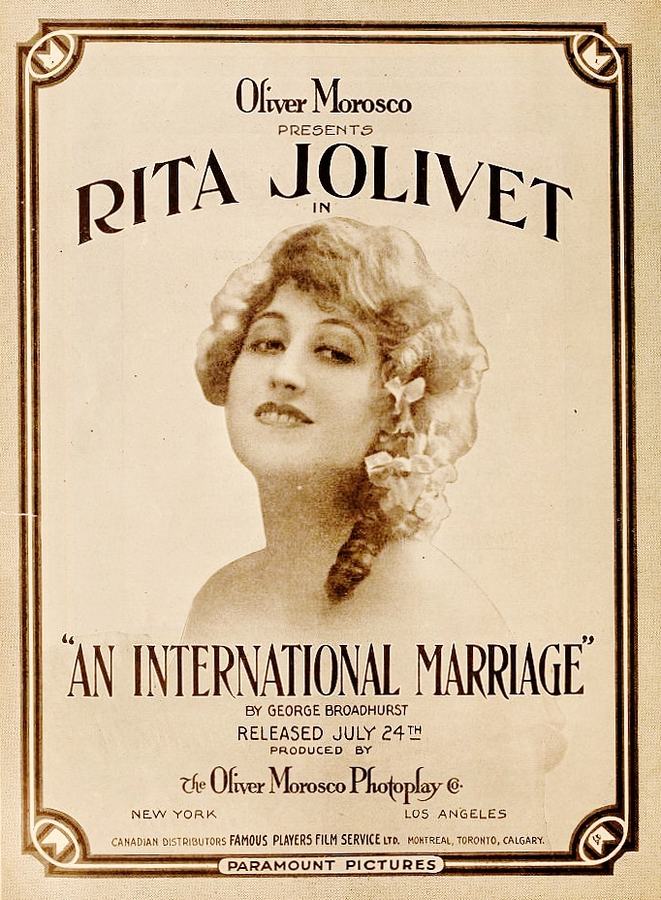
Dir: Frank Lloyd
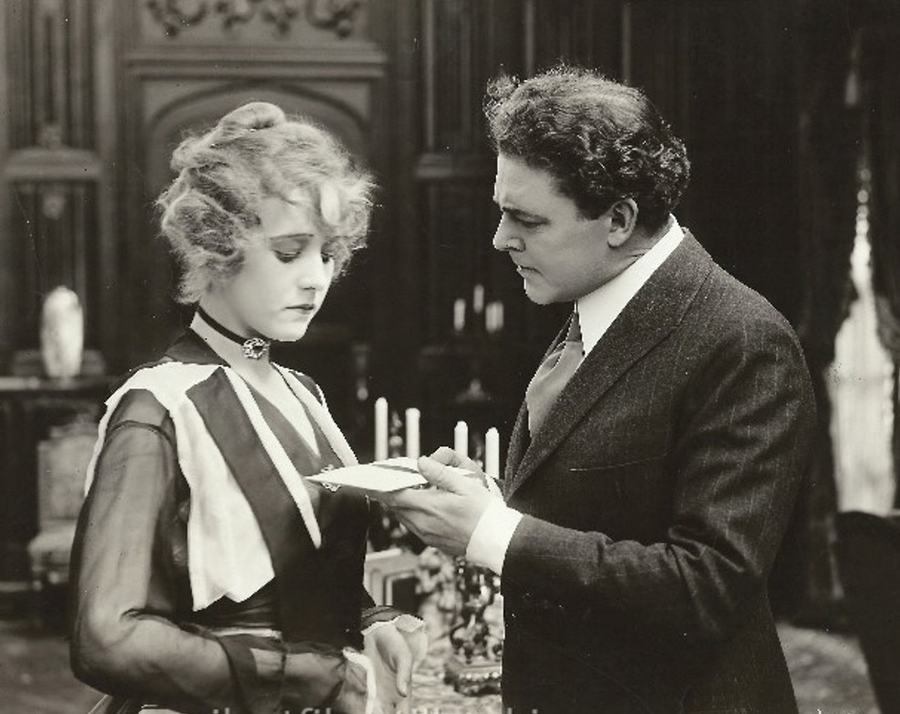
Florence Brent is the daughter of Bennington Brent, who runs a successful laundry business. Florence's childhood friend, John Oglesby, is a Congressman. When Florence visits her friend, Eleanor Williamson, in Washington D.C., she meets Eleanor's fiancé, who is a Count. The Duke of Buritz, a countryman of the Count, tries to corrupt Oglesby for political reasons. Meanwhile, the Count breaks his engagement to Eleanor, having become enamored of Florence. Oglesby eventually exposes the duplicity of the Count and Duke.
View Details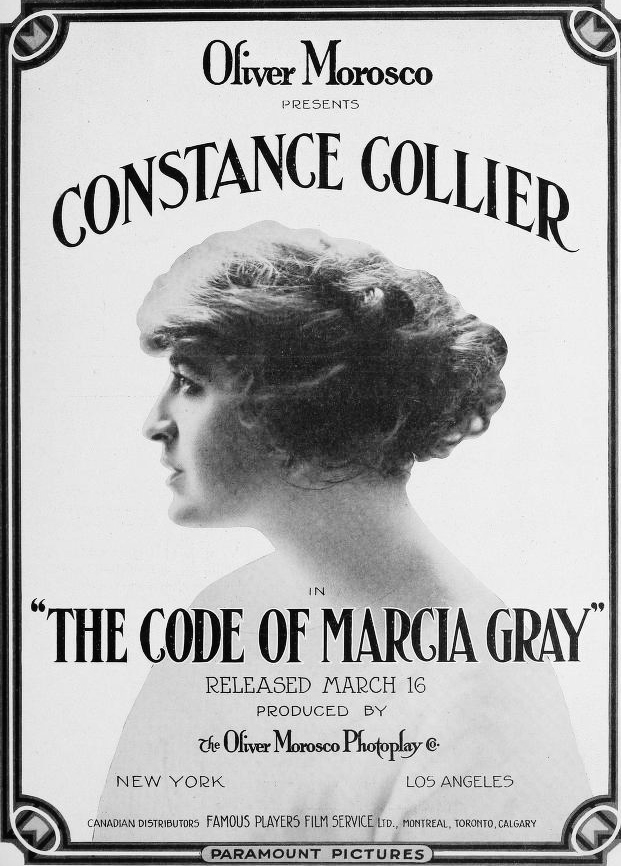
Dir: Frank Lloyd
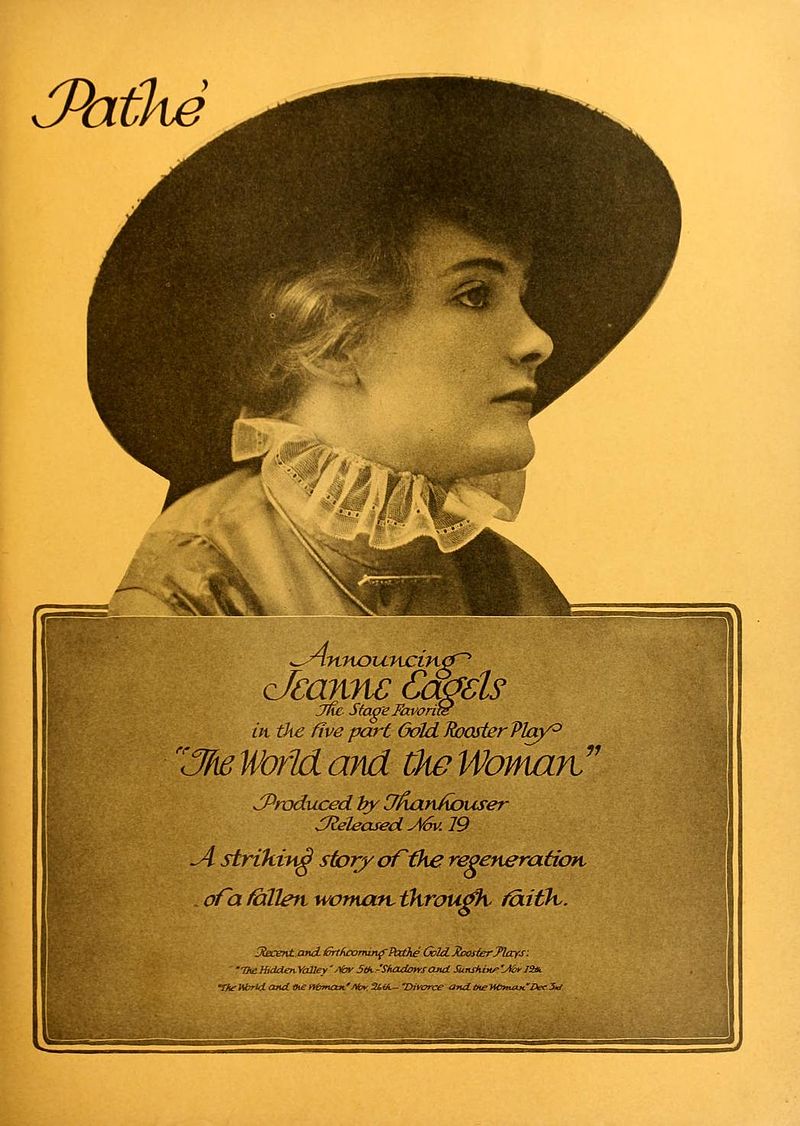
A gay dinner party took place in one of Broadway's showiest restaurants. The host was a bachelor of wealth, and his guests included men of his own station in life, and young girls caught in the whirl of gaiety. The bachelor told the young girls that the keeper of his mountain lodge had advised him by letter that she requires the services of a maid, and he offered the proposition to the girls, but they refused. A face then appeared at the window of the restaurant. It was the face of a woman who had been cast aside. The girls told their host to offer the job to her. Being in a mood to take the advice, he hurried from the restaurant, overtook the derelict, and brought her back with him. The woman was starving and accepted the position in the mountain. Her past life was recalled to her that very night, for one of the guests in the restaurant was the man who had made her what she was. In the Adirondack Mountains the woman found life quiet, but a chance acquaintanceship with a family in the valley marked another change in her life. The family (a man, his wife, and their little daughter) took a liking to the maid and induced her to attend services at the village church. The weeks passed, and then the owner of the lodge arrived from the city with a number of his friends. instead of the forlorn outcast whom he had sent to the mountains he found an attractive woman, but one who would not listen to his advances. Angered by her attitude, her employer tried to force his intentions upon her. She then left the lodge and went to the home of the little family, where she was welcomed. Some days later the little daughter was accidentally injured. The doctor declared that her spine was broken, and despite all his efforts, the child steadily sank. The outcast prayed for Divine help, and as she prayed it seemed to her that she was told to heal the child. Strengthened and transfigured by her religious devotion, she accomplished what the doctor had failed to do. The woman's power soon became known and was as effective with other invalids as it was with her first patient, while at the mountain lodge its worldly owner laughed cynically as he thought how these respectable, narrow-minded people reverenced a woman whom they would despise if they knew her past. From the city the man came who had blighted her life. His friend at the mountain lodge had written him about the woman's new career. He came to sneer, but soon learned to respect and honor her. But one day the woman failed for the first time. A mountaineer brought his wife, a cripple for several years, to be cured. Th« owner of the lodge threatened that he would reveal the outcast's past life. Realizing that he would keep his word, the woman's great faith disappeared. While the assembled people were still discussing the failure of their idol, her former employer told them what this woman had been before she came among them, and they recoiled from her in horror, all of them except the man who had been her first enemy and had now become her friend. He asked her to marry him and she refused, going out into the world alone. The old bitterness did not return to her and she prayed for guidance. It seemed to her that she was told to make the cure which she had failed to achieve, and she set out for the mountaineer's cabin. The mountaineer's wife had been crippled by a racing automobile and that day the owner of the mountain lodge told her husband the name of the man who had driven the car. It was the man who had asked the outcast to marry him. The mountaineer decoyed the guilty man into the mountains, and there a fight took place between the two men. The man from the City was no match for the mountaineer and he was about to be hurled into the chasm when he beheld a sight which caused him to forget his vengeance forever. His wife was walking down the mountain path towards him. And with her was the healer, the woman who had failed. Realization came to him as his wife told him of the great cure, and he thanked the woman whom he had misjudged. Happiness has come to the outcast as the wife of the man who made an outcast.
View DetailsAnalysis relative to The Price of Silence
| Film Title | Atmosphere | Complexity | Similarity |
|---|---|---|---|
| Madame la Presidente | Tense | Linear | 93% Match |
| The Intrigue | Gritty | Dense | 87% Match |
| The Heart of a Lion | Surreal | Dense | 85% Match |
| The Reform Candidate | Gritty | Abstract | 97% Match |
| American Methods | Tense | Abstract | 97% Match |
This guide was algorithmically generated using the cinematic metadata of Frank Lloyd's archive. Last updated: 6/27/2026.
Back to The Price of Silence Details →