
DbcultAccessing Vault...
Recommendations
Senior Film Conservator
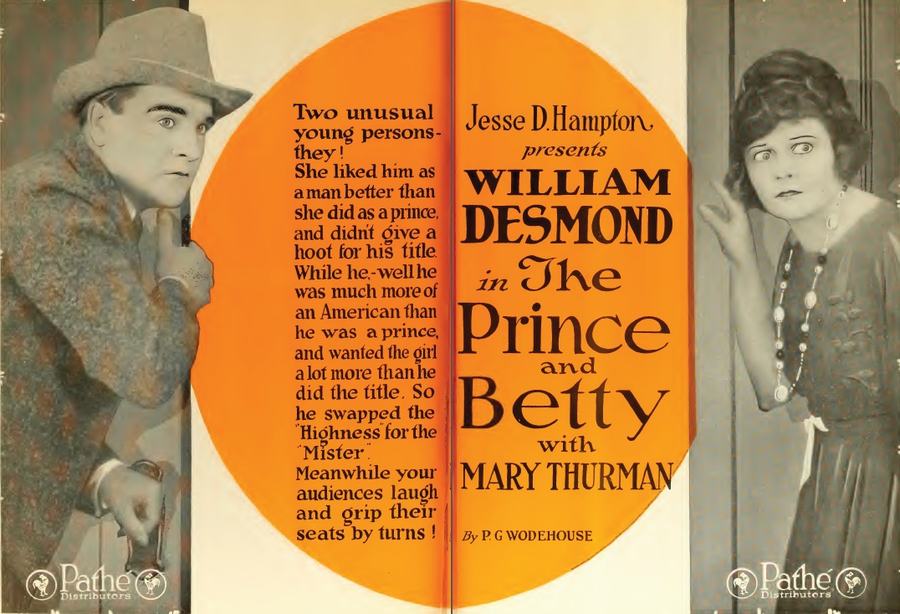
The cinematic DNA of The Prince and Betty (1919) is truly one of a kind, the search for similar titles reveals the deep impact of Robert Thornby's direction. Our cinematic experts have identified several titles that reflect the spirit of 1919.
As a pivotal work in United States cinema, The Prince and Betty to capture the existential zeitgeist of 1919.
Young American John Maude is forced to find a job when he falls in love with society girl Betty Keith. He accepts a sudden offer to go to Mervo, a tiny island country, where he is hired by Benjamin Scobell to pose as the lost prince of Mervo as an attraction to bolster the Mervo casino as a rival of Monte Carlo. Scobell also wants John to marry his stepdaughter, who turns out to be Betty. When Betty accuses John of being simply a shill for a gambling house, John closes the casino and tries to stage a revolution to make Mervo a republic. The natives resist, but the President of Mervo returns to run the casino himself, and Betty and John escape to America together.
The influence of Robert Thornby in The Prince and Betty can be felt in the way modern cult films handle cult status. From the specific lighting choices to the pacing, this 1919 release set a high bar for atmospheric immersion.
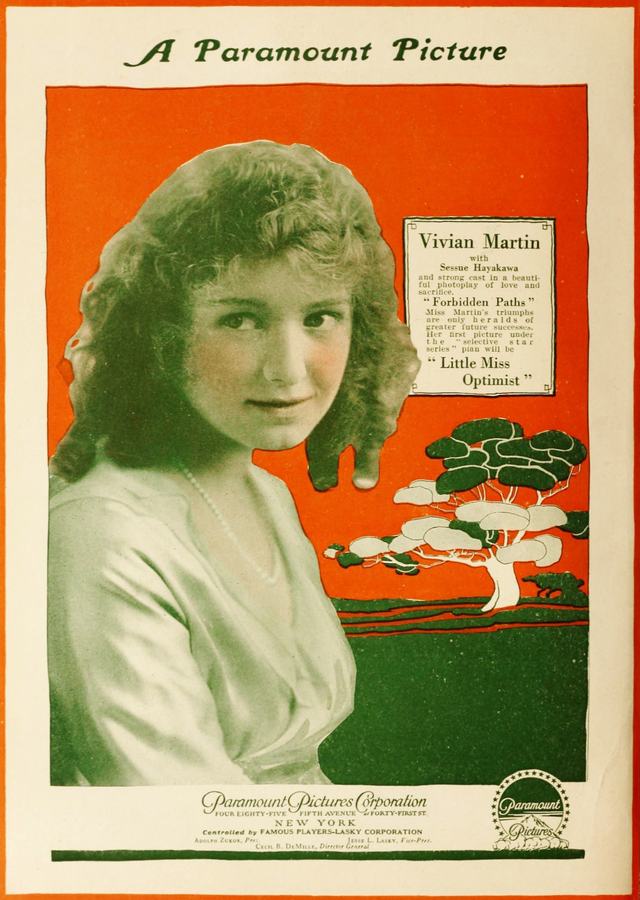
Based on the unique cult status of The Prince and Betty, our vault has identified these titles as the most compelling follow-up experiences for fans of cult cinema:
Dir: Robert Thornby
A Japanese man falls in love with the daughter of his American employer.
View Details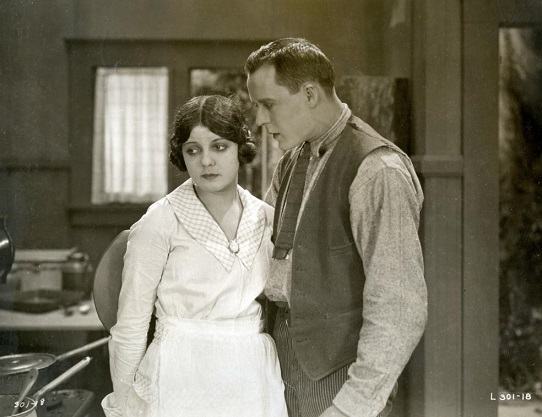
Dir: Robert Thornby
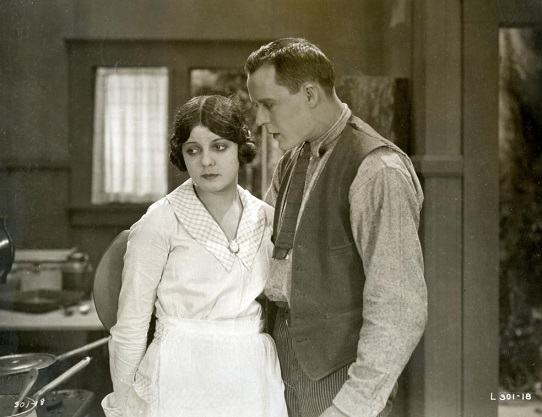
Rose, a pretty young country girl,gets engaged to Steve, a handsome young lumberman whom she loves, but Claude, a city slicker who wants Rose, cons her into believing that Steve's obsessive love for her is ruining his life and that she should leave him for his own good. Steve, however, mistakenly thinks that Rose and Claude are having an affair, and breaks off the engagement. Complications ensue.
View Details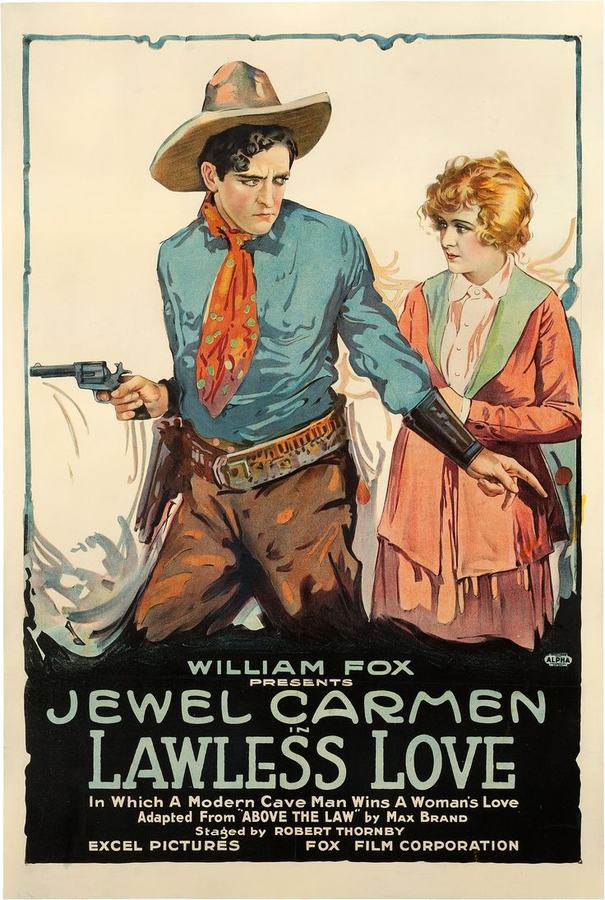
Dir: Robert Thornby
Vaudeville artist LaBelle Geraldine and her dancing partner Freddie Montgomery are stranded in Arizona when their troupe breaks up. In order to raise money, Geraldine orders Freddie to impersonate masked bandit Black Jim so that she may turn him in and collect the $2,000 reward. When the real Black Jim holds up her coach, Geraldine, believing that he is Freddie, boldly pulls out her gun, and the bandit shoots her in the wrist and takes her to his cabin. Later Freddie is captured too, but when members of the gang insult Geraldine, he refuses to protect her. Gradually Black Jim falls in love with her, and she comes to admire him so deeply that instead of seizing a chance to escape one night, she returns to warn him of the gang's plot to kill him. Together they hold the gang off until their cabin is set on fire. Dashing through the flames, they leap onto their horses and escape to safety.
View Details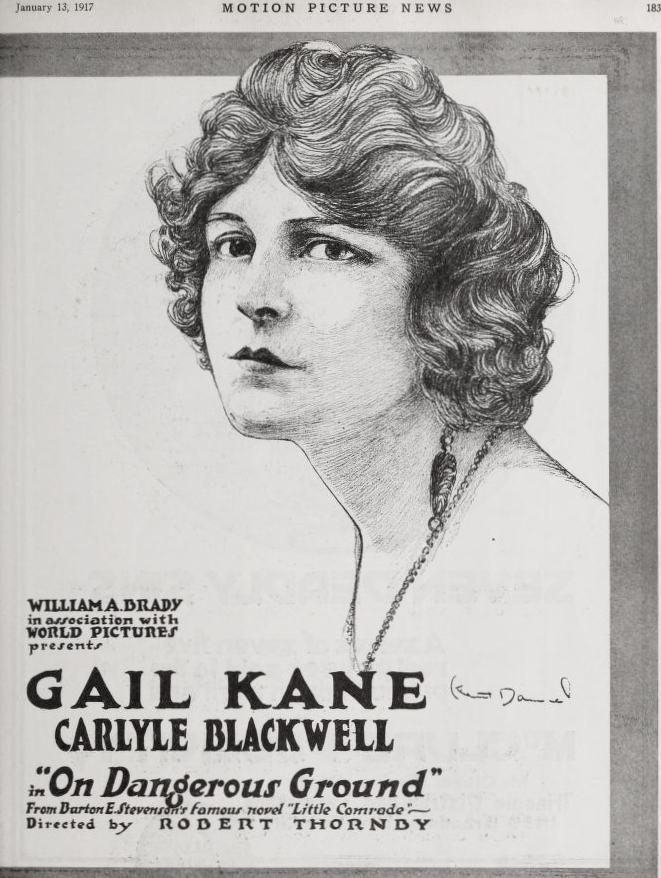
Dir: Robert Thornby
Bradford Stewart, a young American surgeon studying in Germany, is dining in Cologne with a German friend, Ritter Bloem, a philosopher and a patriotic German. The latter is called away by German officers, and on his return announces to Stewart that war has been declared. After Bloem's departure, Trapadoux, chief of the French Secret Service maintained in Germany, who has been listening to their conversation, accosts Stewart, claiming to be one of the German police agents, inspects his passport, and learns to which hotel he will go in Aachen, which is his next destination. Frau Schanne, the proprietress of the Holmer Hof, secretly maintains French sympathies, but her servant, Hans, is a German spy. In Stewart's absence from his room, Trapadoux brings Frau Schanne a package, the contents of which he instructs her to place in Stewart's baggage to avert police suspicion during their later moves. Upon his return to his room Stewart finds in his luggage a lady's slippers, silk hose and dainty lingerie. The door of his room is opened and Little Comrade hurries in, embraces him fondly and calling him husband. Outside the door Hans listens, perplexed and a little suspicious, but had he not seen the lady's garments in Stewart's belongings? Perhaps, after all, she is his wife. After making sure of Hans' retirement, Little Comrade explains to Stewart that she is a French spy fleeing from Germany with secrets stolen from the German officers with whom she has been wont to flirt in Alsace-Lorraine; that even now they are on the watch for her and that if she is brought back, death will be the penalty. Stewart consents to help her, and watches while she forges an addition to his passport, adding to his own name and description, the description of herself as his wife traveling with him. Together they pass the gauntlet of police inspection and board the train for Brussels. At the frontier the train is held up and all passengers inspected. The police inspector stationed there holds Stewart and his "wife" for the coming of a German' officer from Metz to identify Little Comrade. One of the French spies on the frontier summons Trapadoux, who comes in the guise of the officer from Metz, and after inspecting Little Comrade, states that she is not the woman spy they feared. In the morning they arrive at the Belgium camp, where they are welcomed, but a few hours later the Belgians muster in battle against the German invaders. Little Comrade and Stewart are wounded, and while Stewart goes for a stretcher for her, she is captured by a genuine officer from Metz, who takes her to German headquarters and denounces her as a spy. Bloem, who is in command is unable to persuade her to confess. When Stewart discovers Little Comrade gone, weak from loss of blood, he becomes unconscious for several days. Upon regaining consciousness he learns that Little Comrade has been captured, so he concentrates his energies on delivering to General Joffre the papers she confided to his keeping. In gratitude, General Joffre bestows on Stewart the ribbon of the Legion of Honor, but overwhelmed by his loss and weak from this last effort, Stewart is borne away delirious. At the German headquarters, Bloem finding Little Comrade obdurate, is about to pass sentence upon her when she begs him to send her last words of love to Stewart. Finding that Stewart is her lover, Bloem, whose life was once saved by Stewart, refuses to condemn her, claiming that there is not sufficient evidence, and sends her back to "her American husband." There follows a joyous reunion in the hospital between Stewart and Little Comrade.
View Details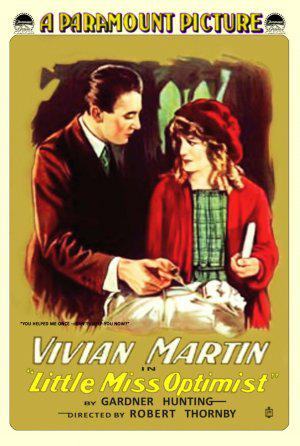
Dir: Robert Thornby
Mazie-Rosie Carden, a waif who pays her board by selling papers on the street, saves the life of starving musician Deal Hendrie by giving him her cherished "lucky dime." Meanwhile, her brother Ben, employed as a weigh-master by the West Coal Company, has been discharged on a trumped-up accusation by the company's manager, Samuel Winter, of falsifying weights. Later, West finds proof of Winter's false records, summons him to the house and, after a fight, is killed by his employee. Ben, induced by Mazie to go to West and say that he has been falsely accused, arrives in time to see Winter robbing the body of his employer and taking Mazie's dime, which Hendrie had lost. Winter attacks Ben, knocks him unconscious and escapes, but is seen by Mazie. The next Sunday, while at the church where Hendrie is employed as an organist, Mazie sees Winter contributing the lucky dime and accuses him of murder before the whole congregation. Mazie's accusation is corroborated by her brother Ben, who has regained consciousness to testify against Winter, and all ends happily when Hendrie proposes to Mazie.
View Details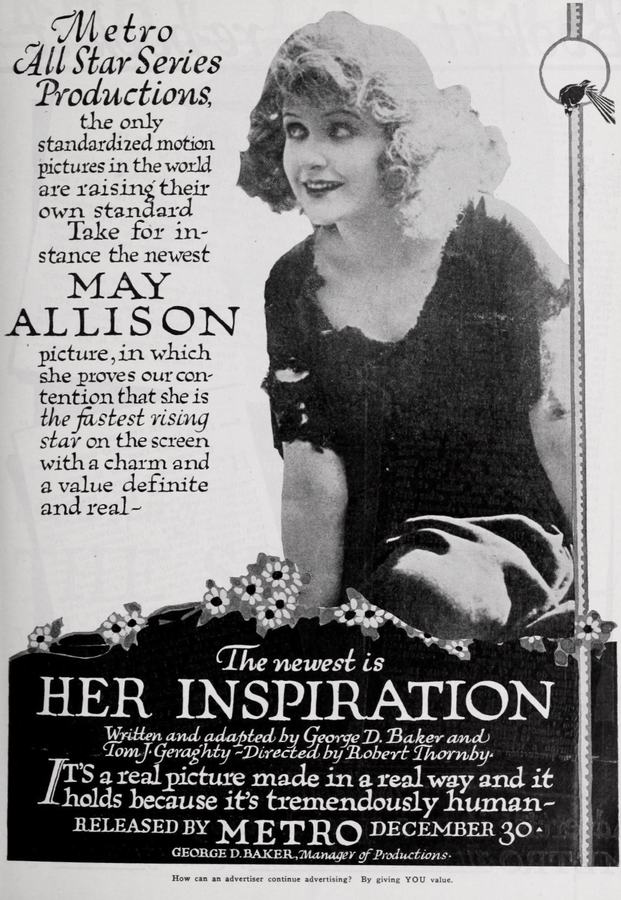
Dir: Robert Thornby
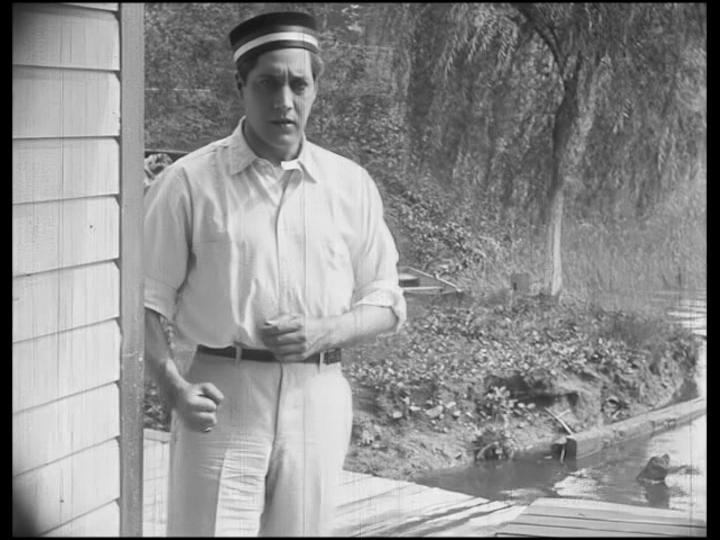
Young playwright Harold Montague travels to the Kentucky mountains to seek the local color that his manager has complained is lacking in his new play. There he falls in love with Kate Kendall, a mountain girl, and tries to befriend a group of moonshiners, who regard him with suspicion because of their fear of revenue officers. Looney Lige, jealous of Harold's success with Kate, alerts the officials to the location of the still, and the mountaineers, led by Big Hank, decide that the outsider whom they assume has betrayed them must hang. Kate saves Harold at the last moment, and, badly shaken, he catches the next train back to New York. At the rehearsal of his play, his manager introduces him to his leading lady--Kate Kendall, who had also been sent to the mountains for local color.
View Details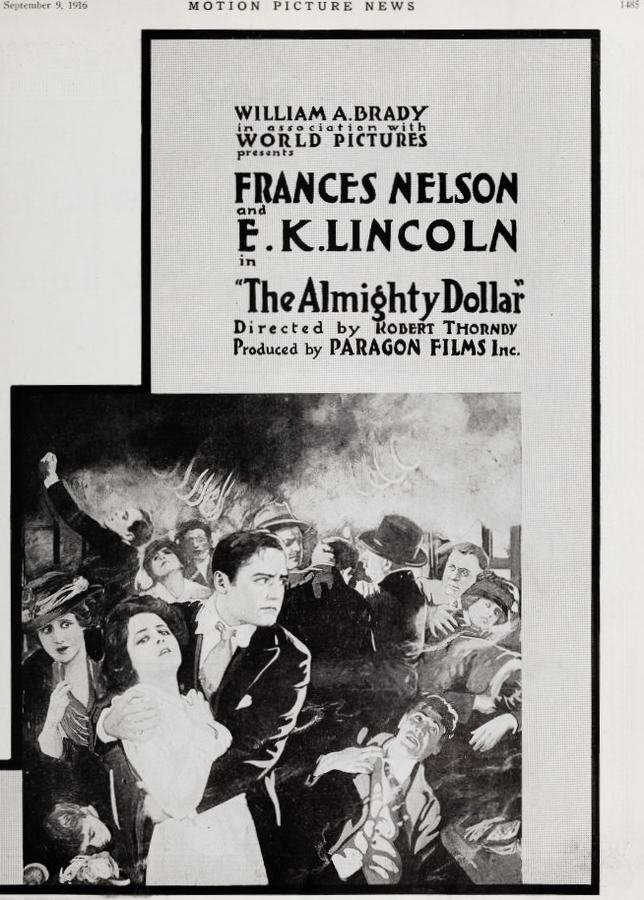
Dir: Robert Thornby
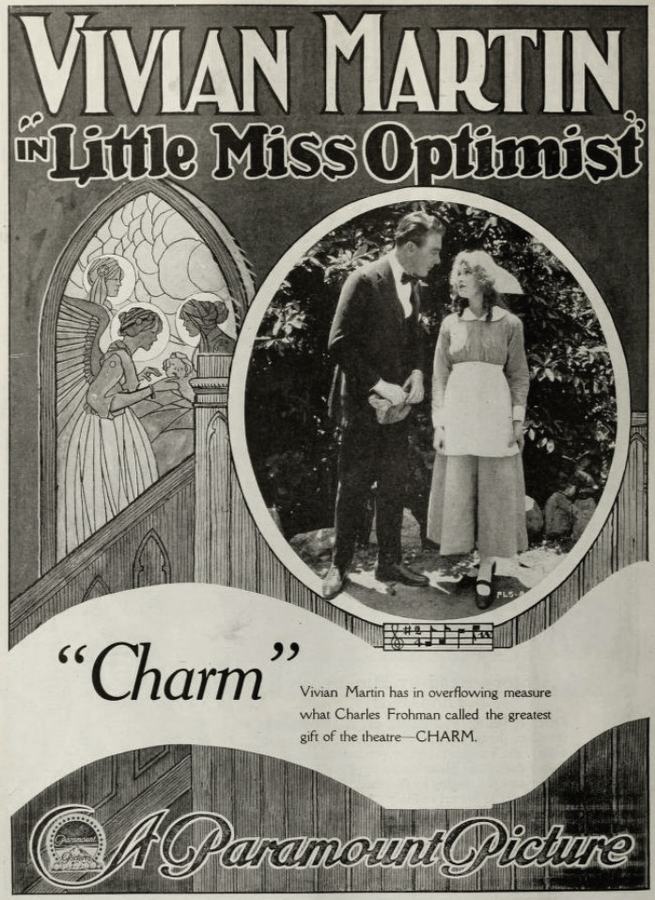
As Nan Lorimer's mother lies dying, she makes Nan promise to take care of her younger sister Masie. Unfortunately, Masie falls for the shady Dr. Thornton and travels secretly around New York City to meet him. One night she is rescued during a subway accident by wealthy John Harwood, a miner, who falls in love with her and marries her. Although the two are deeply in love, John begins to neglect his wife for his mining business, and soon Masie begins to see Dr. Thornton again. Complications ensue.
View Details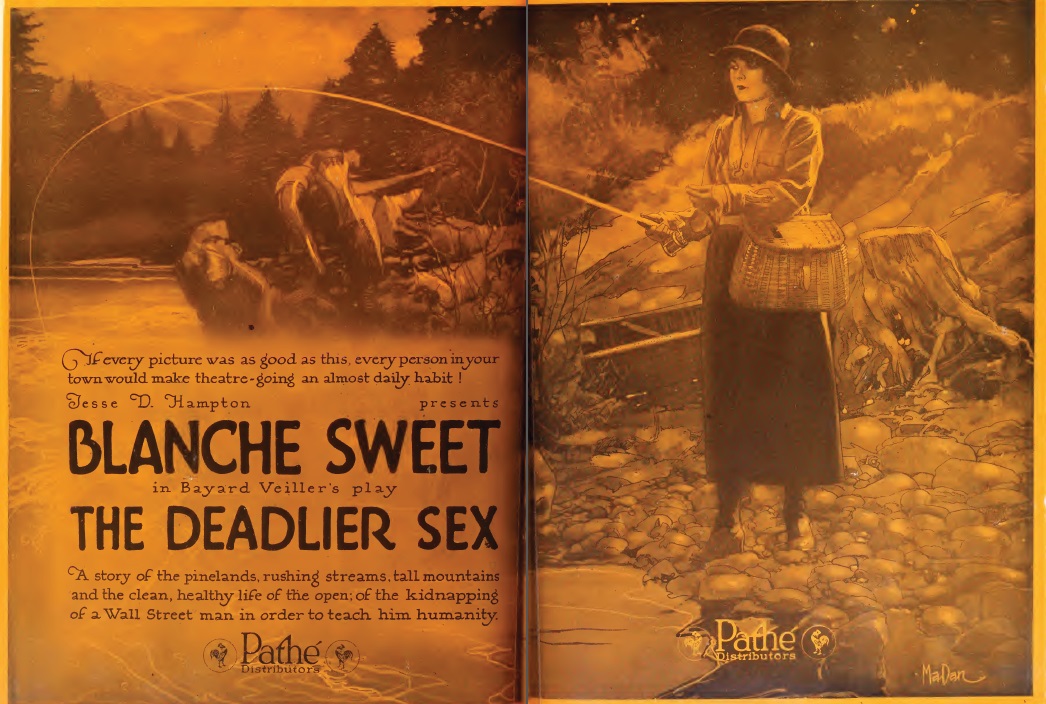
Dir: Robert Thornby
Mary Willard takes over her father's railroad after his death. Her major competitor is a ruthless crook named Harvey Judson. She arranges for Judson to be kidnapped and taken to an isolated spot deep in the forest and turned loose to fend for himself. She accompanies the kidnappers to the wild and Judson, not knowing who she is, begins to fall in love with her. Complications ensue.
View Details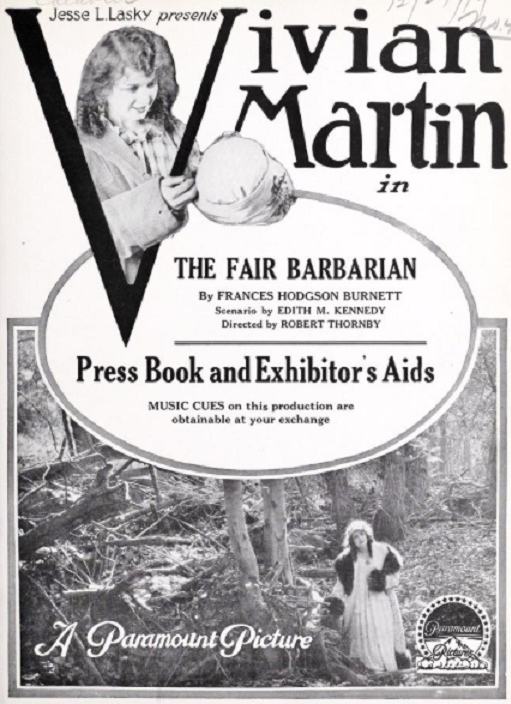
Dir: Robert Thornby
An Englishman who has made his fortune in America decides to return to England. He takes his daughter Octavia to pay a visit to her relatives, especially Miss Belinda Bassett, an aunt whom she has never seen. An important business cable calls the father to America, and Octavia goes on alone to her aunt. The aunt's home, Slowbridge, is a sleepy little English village whose snobbish small-town aristocracy is headed by pompous Lady Theobald, who has everyone under her thumb, including Miss Bassett and her own granddaughter Lucia, a sweet, shy English girl. Octavia has the effect of a dynamite bomb in Slowbridge. Her dresses, her breezy ways, her unconventional conduct, all infuriate Lady Theobald, and at first terrify her aunt. Little by little, however, Octavia becomes a general favorite. She enjoys engineering a love affair between bashful Lucia and a fine young man who has no social standing in Slowbridge just because he is a mere manufacturer and not a "gentleman of leisure." The worst blow to Lady Theobald comes when her nephew Captain Barold becomes exceedingly fond of Octavia. His manner of demonstrating his affection does not please Octavia; he seems to feel that he is doing her a tremendous favor in bestowing his affection upon her. She decides to teach him a lesson. Lady Theobald wants Captain Barold to marry her niece Lucia, who is actually in love with the manufacturer. Lady Theobald is horrified when she sees Octavia snatching this wonderful catch away from Lucia. Just when Slowbridge is about to blow up with agitation, Captain Barold puts his fortune to the test. He asks Octavia to marry him. She refuses, thereby succeeding in injuring his bump of conceit. Octavia's father arrives with the news that he is more than a millionaire; that his mining stock has recently doubled in value. With him comes Jack Belsays, an energetic American youth who is a type as foreign to Slowbridge as Octavia. What is the surprise of the small township to learn that Octavia has been engaged to Jack all the time, and never at all anxious to fasten herself upon English small town society or to intrude into their affairs. A marriage ceremony follows in Miss Bassett's little villa with young Poppleton, the curate officiating. Through Octavia's good offices, another wedding follows later, that of Lucia and the young manufacturer, whom even Lady Theobald has come to realize is fully worthy of respect, and of the hand of her granddaughter Lucia.
View Details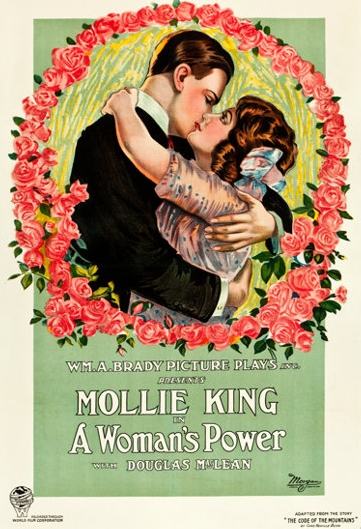
Dir: Robert Thornby
Newt Spooner's determination to kill Henry Falkins. who has denounced Newt and sent him to prison, grows deeper rooted with the years. It seems that the red-branded hatred in his mind has seared its impression upon every fiber of his being. And then Minerva Rawlins enters his life. The change in Newt's nature does not come in a flash. Despite the influence of the girl he loves, he still cherishes his hatred. Fate throws the two men together in the Philippines. Amidst battle and bloodshed the vision of Minerva follows Newt. His opportunity to slay Henry Falkins occurs, but the influence of Minerva reaching out even across miles of salt ocean, stays his hand at the eleventh hour. How Newt's final stage on the upward path he has set himself to follow is reached, is depicted dramatically. The last barriers with which Newt has steeled his dark hatred are swept away and a woman's power saves him from himself and the vengeance of the law.
View DetailsAnalysis relative to The Prince and Betty
| Film Title | Atmosphere | Complexity | Similarity |
|---|---|---|---|
| Forbidden Paths | Tense | High | 94% Match |
| Rose o' the River | Gritty | Layered | 94% Match |
| Lawless Love | Gothic | Abstract | 98% Match |
| On Dangerous Ground | Gritty | Dense | 94% Match |
| Little Miss Optimist | Ethereal | Dense | 87% Match |
This guide was algorithmically generated using the cinematic metadata of Robert Thornby's archive. Last updated: 6/26/2026.
Back to The Prince and Betty Details →