
DbcultAccessing Vault...
Recommendations
Senior Film Conservator
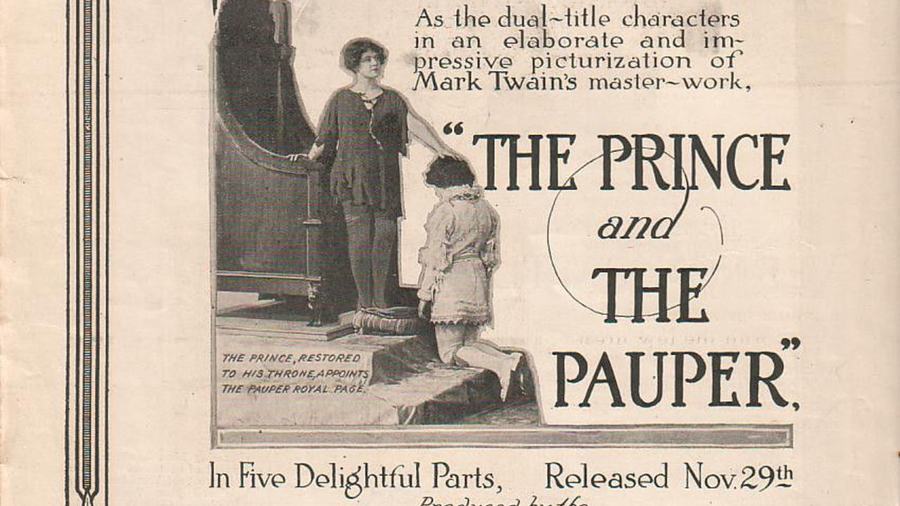
For those who were mesmerized by The Prince and the Pauper, a true cult masterpiece from 1915, the quest for comparable cinema becomes a journey through the fringes of film history. Our curated selection of recommendations echoes the very essence of The Prince and the Pauper.
The legacy of The Prince and the Pauper is built upon its ability to create a hauntingly beautiful cinematic landscape.
A poor boy named Tom Canty and Edward, the Prince of Wales exchange identities but events force the pair to experience each other's lives as well.
The Prince and the Pauper was a significant production in United States, bringing a unique perspective to the global stage. It continues to be a top recommendation for anyone studying cult history.
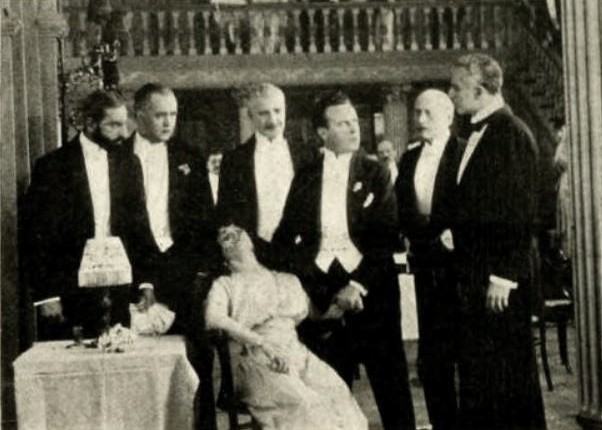
Based on the unique stylistic flair of The Prince and the Pauper, our vault has identified these titles as the most compelling follow-up experiences for fans of cult cinema:
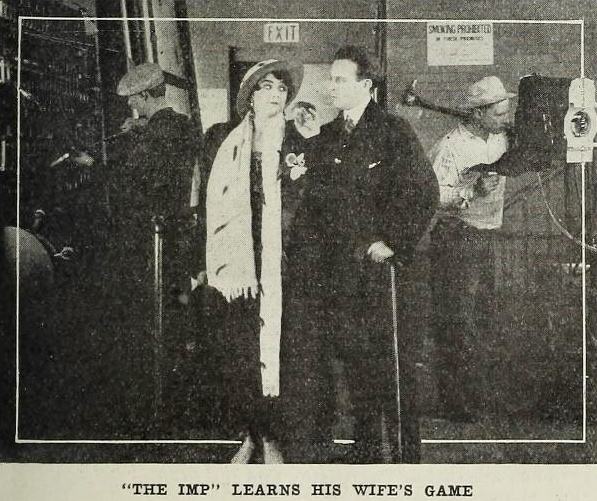
Dir: Hugh Ford
Richard "The Imp" Audaine is a clever but dissolute orphan whose guardian and friends are trying to lead him from the path of ruin and back to his senses.
View Details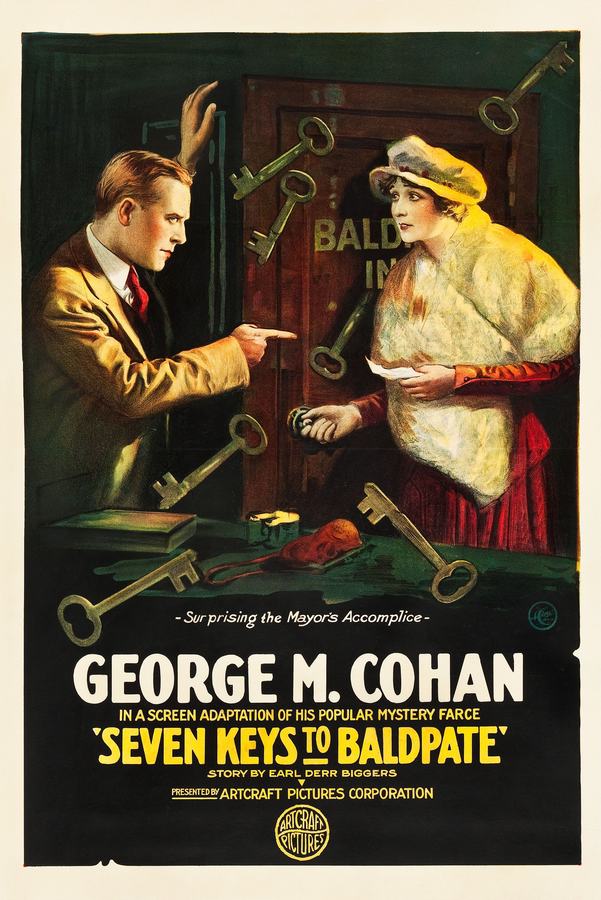
Dir: Hugh Ford

A writer bets a friend that he can write a 10,000-word novel in 24 hours. The friends takes the bet, and gives him the keys to his Baldpate Inn, which has been closed for the winter, so he can write in complete seclusion. Things start heating up, though, when a succession of people who also have keys to the inn begin showing up.
View Details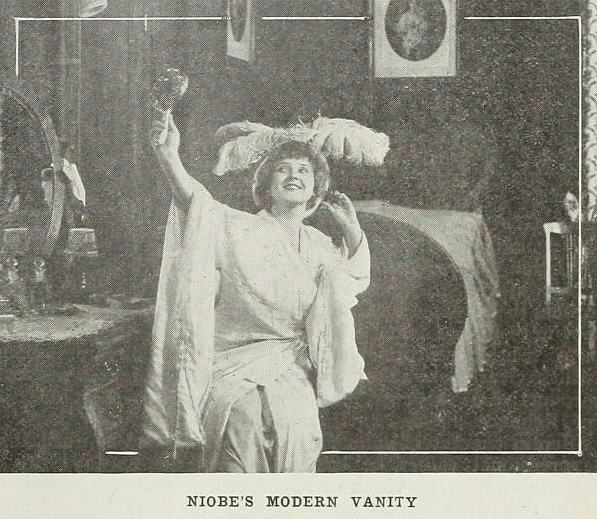
Dir: Hugh Ford
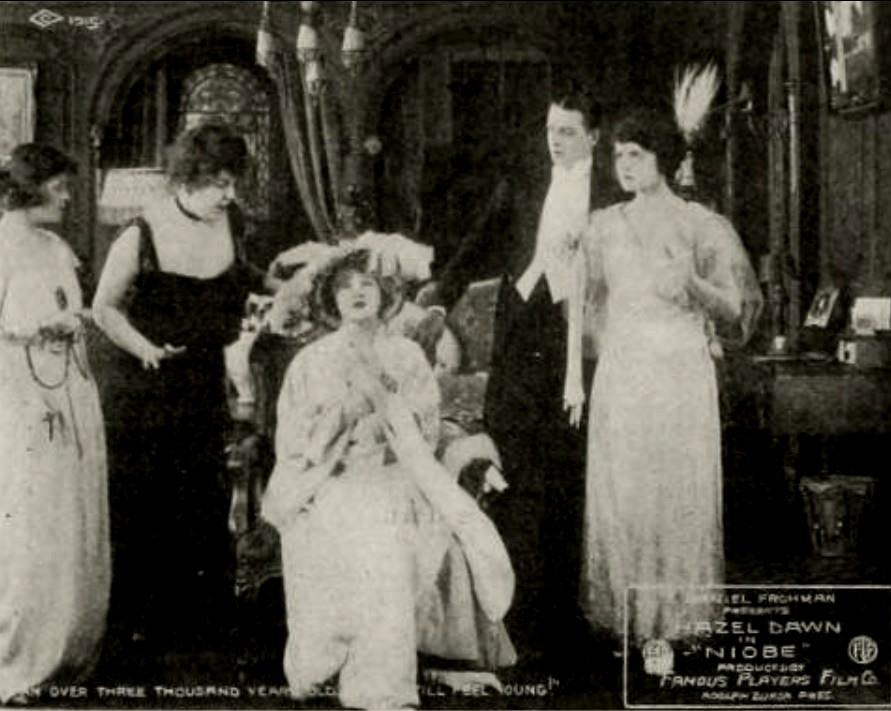
The statue of Niobe comes to life through the dream of a hen-pecked old man.
View Details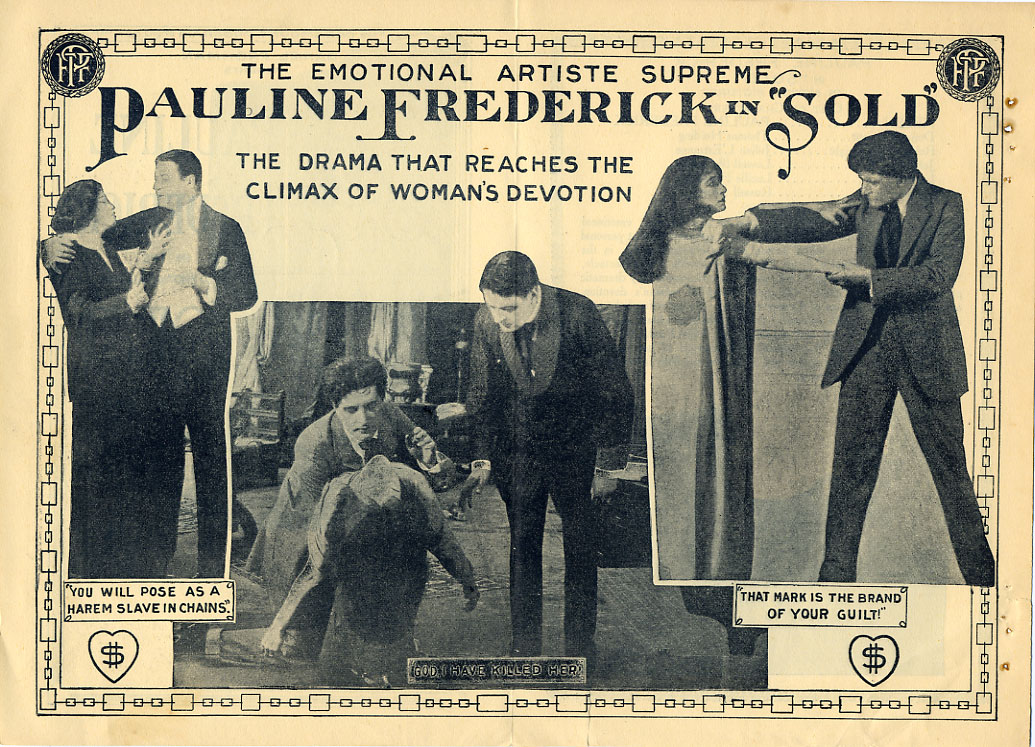
Dir: Hugh Ford
The story is of two artists, one a success and the other, although with far greater ability, lacks the funds with which to make the connections that contribute toward success. Both love the same woman, who selects the poor artist as her husband. Through a long period of stress and financial difficulties she emerges with the determination to aid her husband financially. On a visit from the rich artist to their home, he admires a painting of her husband's for which she had posed in the nude. The rich artist explains that he requires just such a model for the completion of a painting upon which he has been at work, "The Harem Market," and that he would be willing to pay thousands of dollars for her services. Later, the wife, in order to obtain the money with which to assist her husband, visits the rich artist, tells him she was her husband's model, and that she will accept his offer. In time, the husband learns of her act, and entirely misunderstanding her motive, denounces her as a false wife. How his faith in his sacrificing wife is restored, and how the dawn of a new life brightens before them is tenderly unfolded in the photoplay.
View Details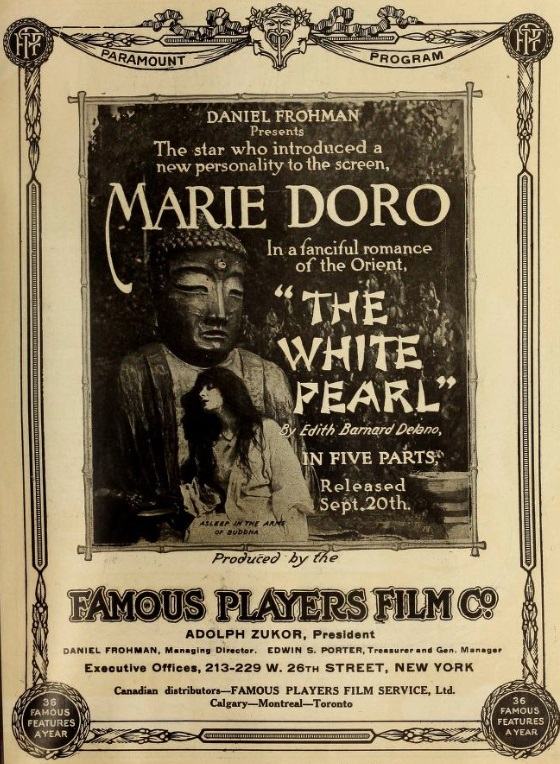
Dir: Hugh Ford
Nancy, a sea captain's daughter, loves a rich importer's son, but his father objects to their marriage. Nancy takes a sea voyage to forget the boy, but he stows away and rescues her when the ship is wrecked. But washed ashore with amnesia, she is captured and sold into slavery. Can her young man find her and rescue her again?
View Details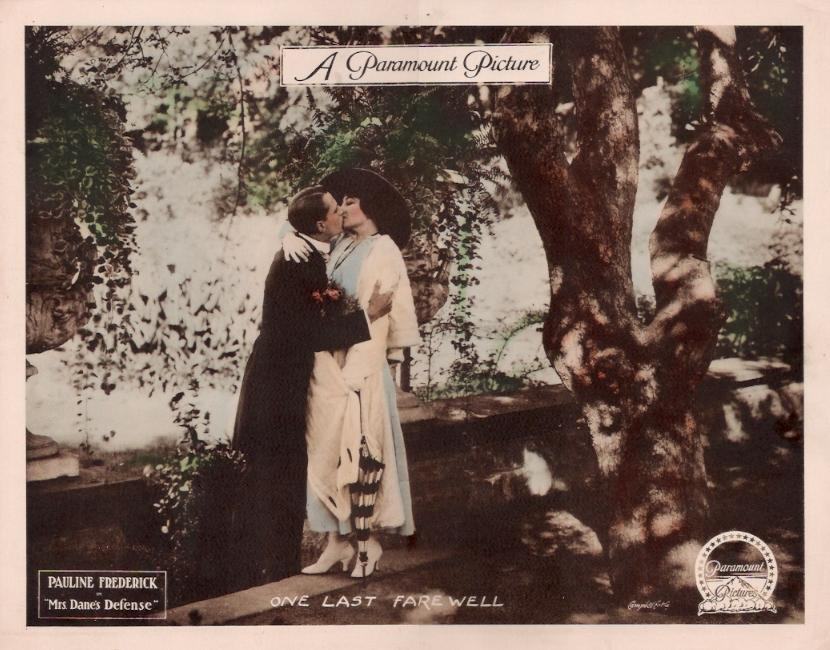
Dir: Hugh Ford
Felicia Hindemarsh is not made to pay the price of her early indiscretions. She pays for supposing that these indiscretions could be hidden, and it is the hiding of her identity behind that of her cousin, Mrs. Dane, which is condemned.
View Details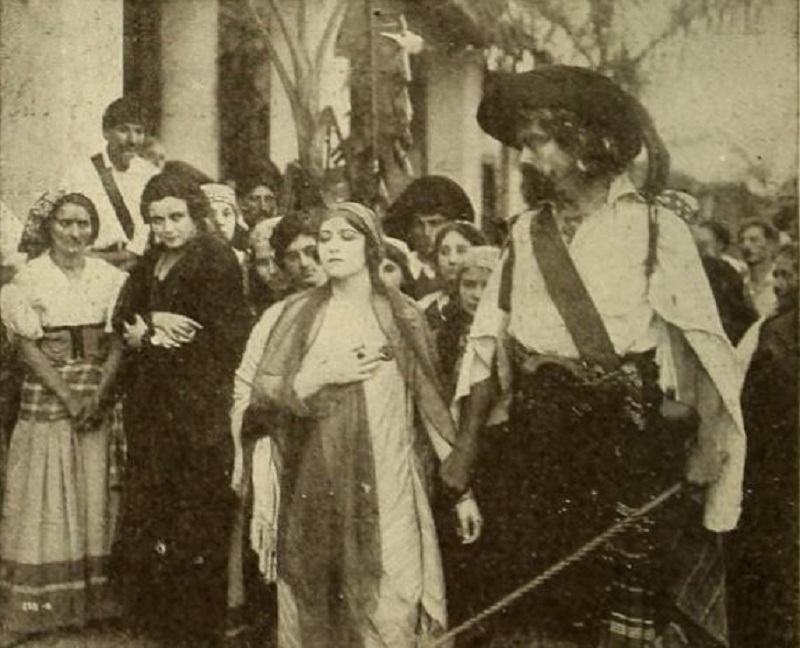
Dir: Hugh Ford
Ramona is the daughter of the governor of Port Royal. She is a school girl living in Spain. John Barton, a soldier of fortune, is cast ashore in Spain penniless and scrapes an acquaintance with Ramona by rescuing one of her pets. He is putting up at a rather questionable tavern where he learns of a huge treasure buried by Firebrand, a pirate, and secures plans of the spot in which it is concealed. Ramona sails for Port Royal and Barton is on the same ship. Firebrand attacks the ship and captures as part of his booty Ramona, whom he appropriates for himself after Barton has been knocked overboard in her defense. Until the acquisition of Ramona, Firebrand's favorite has been Anna, who now becomes jealous of the Spanish beauty. After attempting to make Ramona accept his attentions peacefully, Firebrand vents his wrath upon her and orders her confined in one of his cabins. Barton, recovering from his injuries sufficiently to make his way ashore, stumbles upon the cabin in which Ramona is a prisoner but the jealous Anna discovers him and informs Firebrand of the supposed duplicity of his new favorite. The pirate chief rushes to the cabin and when he attempts to force his attentions upon Ramona she kills him. Anna denounces Ramona as the culprit and, in a fit of vengeance, suggests that Ramona be sold as a slave in the public market. Her rare beauty causes lively bidding among the men who attend the sale. Meanwhile Barton has gone in search of the buried treasure and has found it. He has bought a horse on which he comes in search of Ramona, only to find her on the slave block, with a horde of men frantically bidding for her. Plunging into the crowd, he fights his way to the front and forces the bidding until, after a soul-stirring scene, he succeeds in vanquishing his rivals, and rides off triumphant in search of a minister.
View Details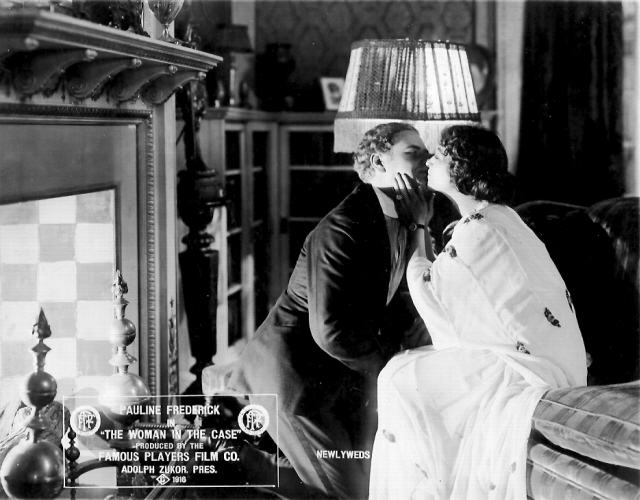
Dir: Hugh Ford
When her husband is accused of murder, a woman pretends to be a "vamp" in order to seek out the real killer.
View Details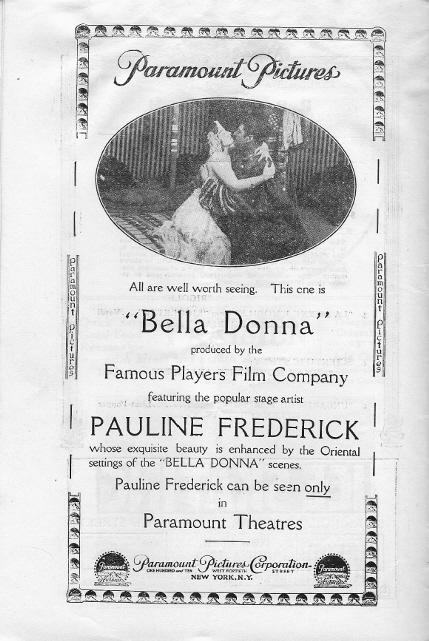
Dir: Hugh Ford
Bella Donna falls for the exotic Baroudi and plots to poison her husband.
View Details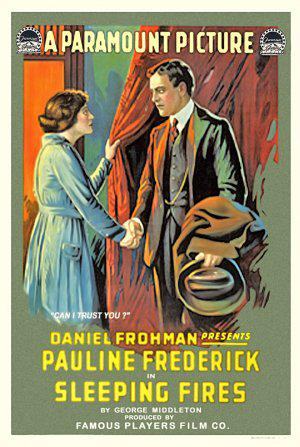
Dir: Hugh Ford
A woman is betrayed by her cruel husband, who uses their child to further torment her.
View DetailsAnalysis relative to The Prince and the Pauper
| Film Title | Atmosphere | Complexity | Similarity |
|---|---|---|---|
| When We Were Twenty-One | Surreal | High | 92% Match |
| Seven Keys to Baldpate | Gritty | Layered | 95% Match |
| Niobe | Gothic | High | 85% Match |
| Sold | Tense | Dense | 92% Match |
| The White Pearl | Tense | Linear | 92% Match |
This guide was algorithmically generated using the cinematic metadata of Hugh Ford's archive. Last updated: 6/22/2026.
Back to The Prince and the Pauper Details →