
DbcultAccessing Vault...
Recommendations
Senior Film Conservator
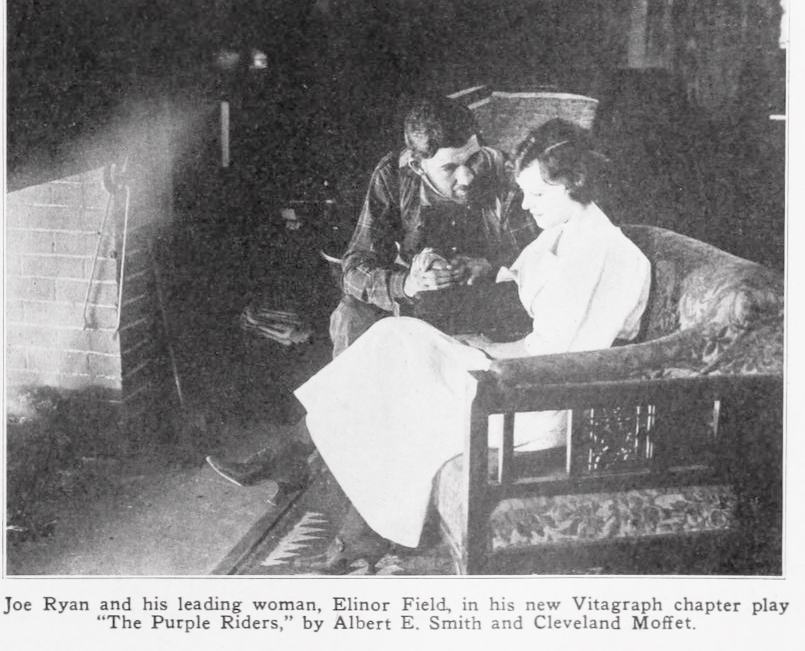
After experiencing the emotional resonance of The Purple Riders (1922), you are likely searching for more films that share its specific artistic vision. Unlock a new level of cinematic understanding with these Drama alternatives.
This 1922 Drama classic stands as a testament to push the boundaries of conventional storytelling.
The influence of William Bertram in The Purple Riders can be felt in the way modern Drama films handle emotional resonance. From the specific lighting choices to the pacing, this 1922 release set a high bar for atmospheric immersion.
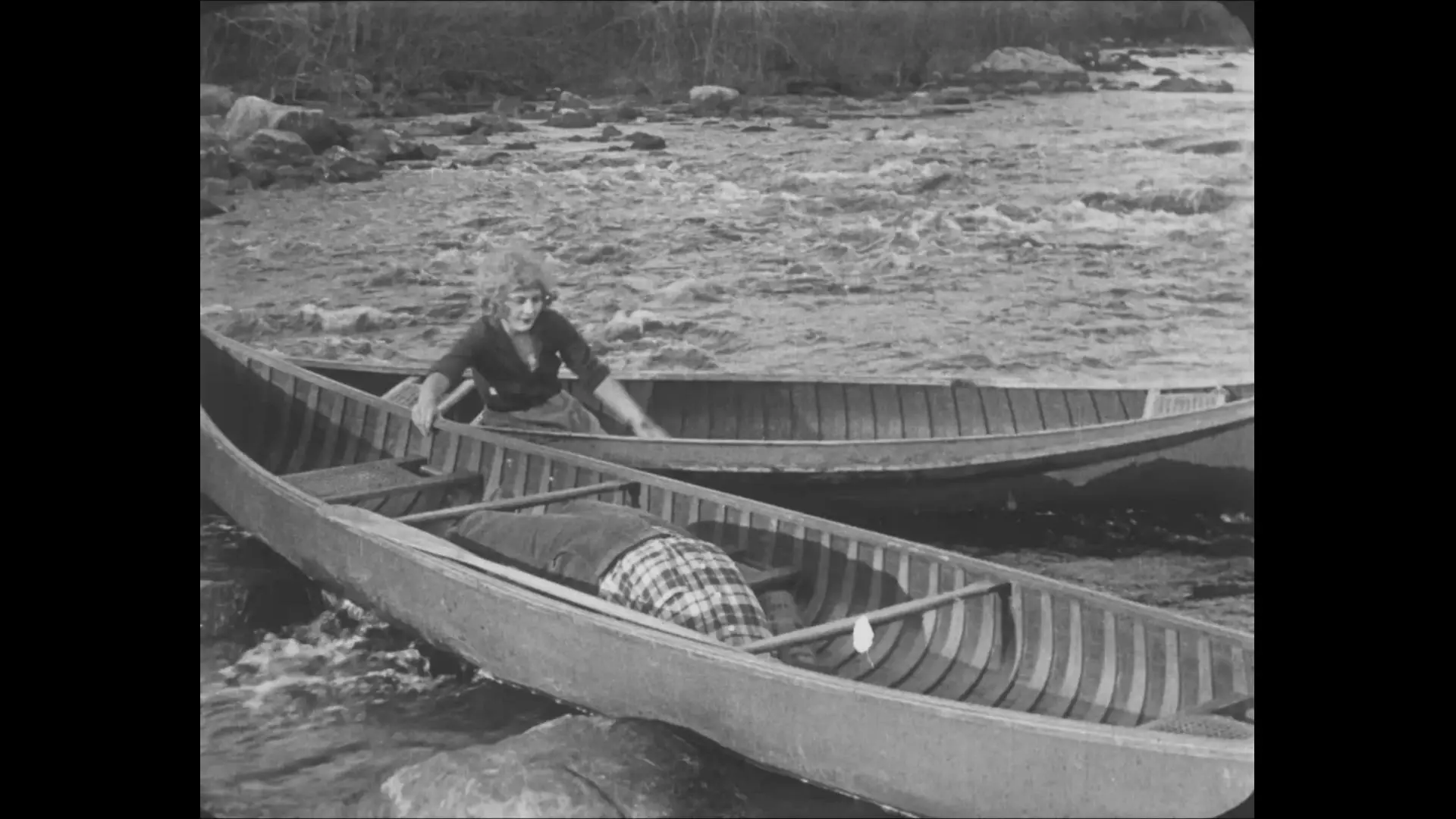
Based on the unique emotional resonance of The Purple Riders, our vault has identified these titles as the most compelling follow-up experiences for fans of Drama cinema:
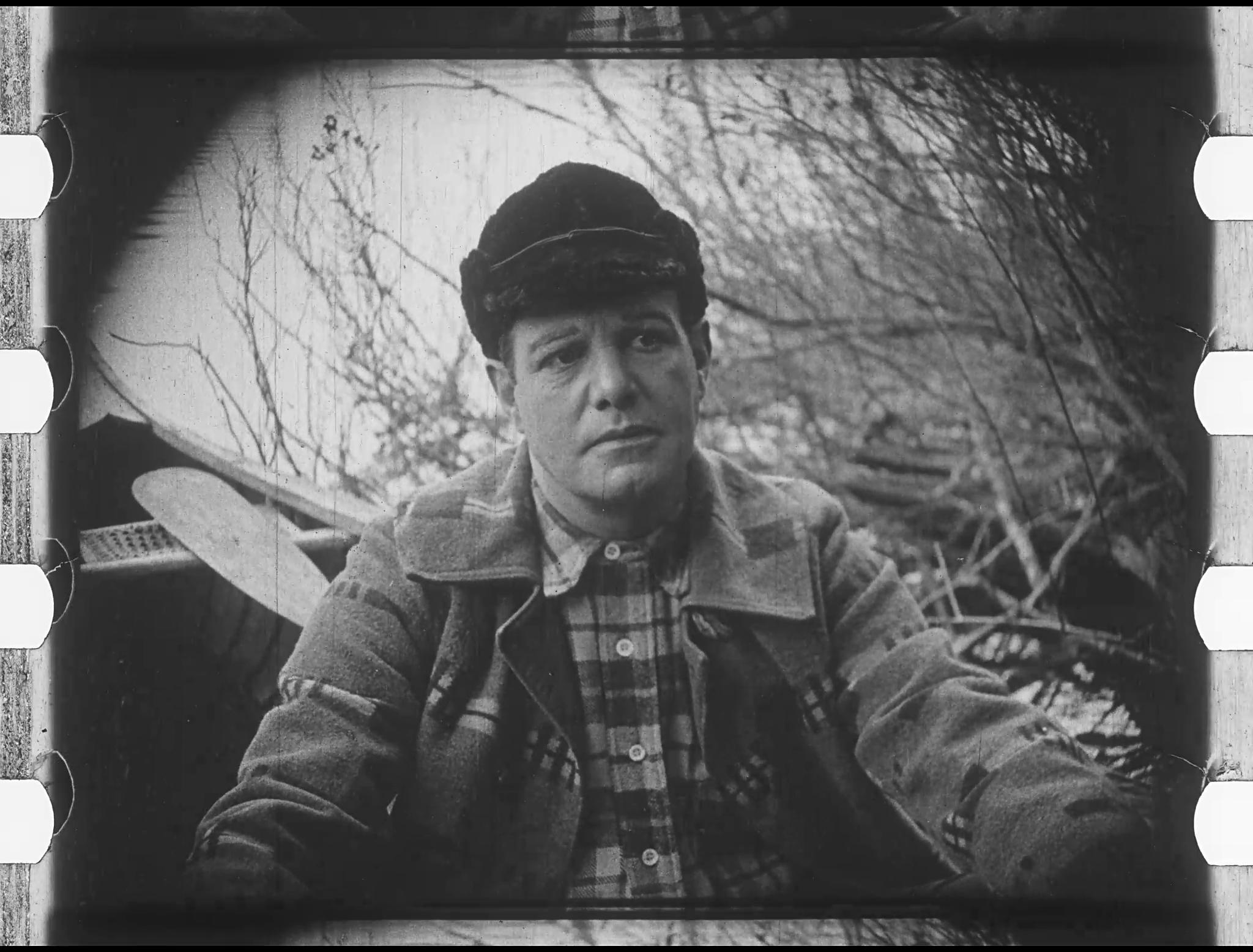
Dir: Edgar Jones
A mail-order bride arrives at a Maine lumber camp but doesn't like her prospective husband.
View Details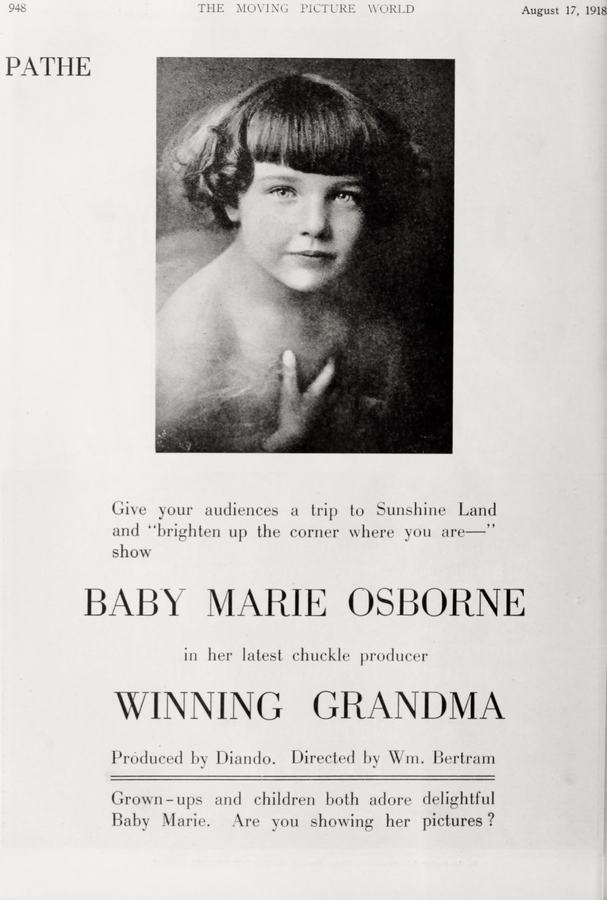
Dir: William Bertram
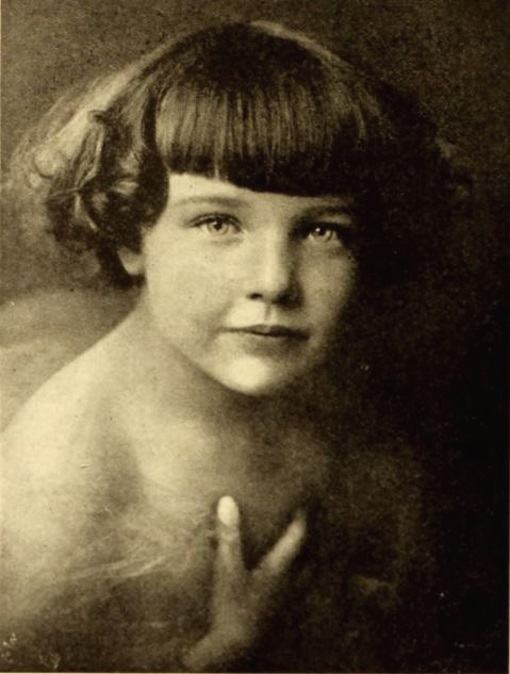
Mrs. Jasper Reading, an old woman whose concern for wealth has turned her heart to stone, turns her eldest son out of the house for no apparent reason and orders her youngest son Will to assume the management of her estate. Not without trepidation, Will installs his wife and little daughter Marie in his mother's house, but the old woman soon expresses her disapproval of both of them. Just as Mrs. Reading's heart is beginning to soften toward the charming little girl, Luther Parrish, who wishes to gain control of the Reading estate, convinces Will that his wife has betrayed him. Heartbroken, she departs with Marie, but Mrs. Reading soon misses the child and visits her to ask for forgiveness. Meanwhile, Will discovers Luther's dishonesty, and the entire family is reunited.
View Details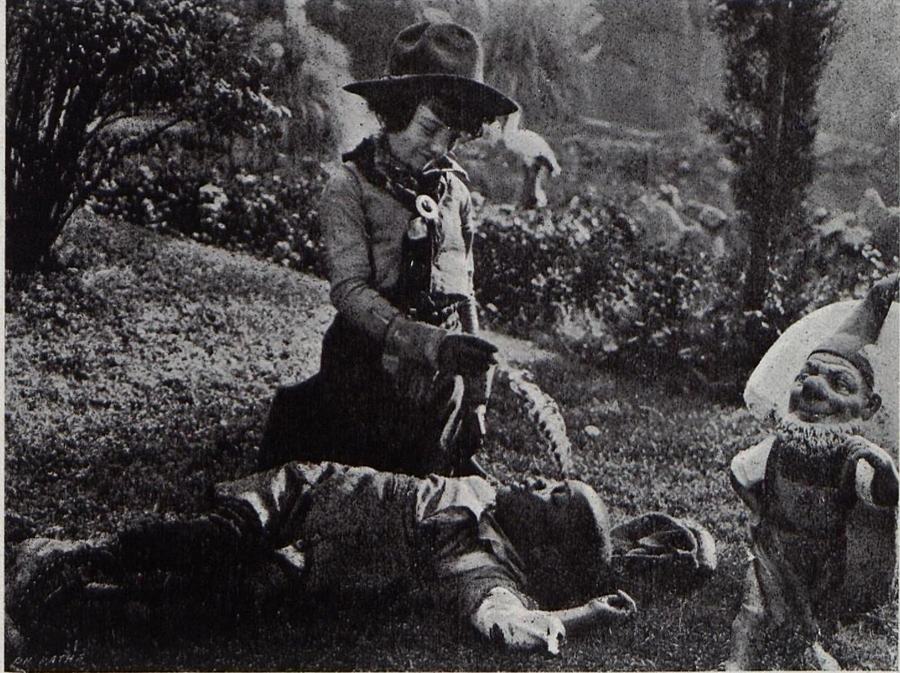
Dir: William Bertram
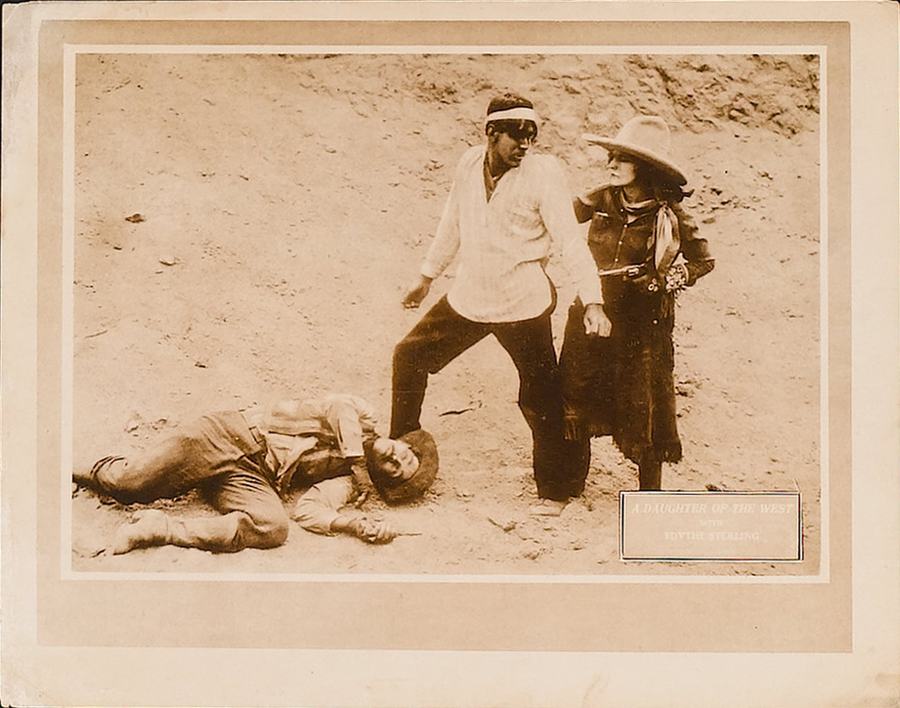
After he finds his wife Stella in the arms of ne'er-do-well Allan Standish, Ralph Gordon takes his daughter June out West, where he has extensive mining interests. The inhabitants of Hell's Gulch, who lately have been terrorized by "Rawhide" Pete and his gang of outlaws, elect Ralph sheriff. Standish, whose desertion of Stella has caused her death, arrives in Hell's Gulch and allies himself with Rawhide Pete, while competing with Ralph for the affections of June's governess, Sarah Malcomb. June assists in capturing Rawhide Pete, but Standish escapes and Sarah, moved by pity, agrees to conceal him. Assuming that Standish has again beaten him in love, Ralph catches a train East, but Sarah follows him and becomes June's new mother.
View Details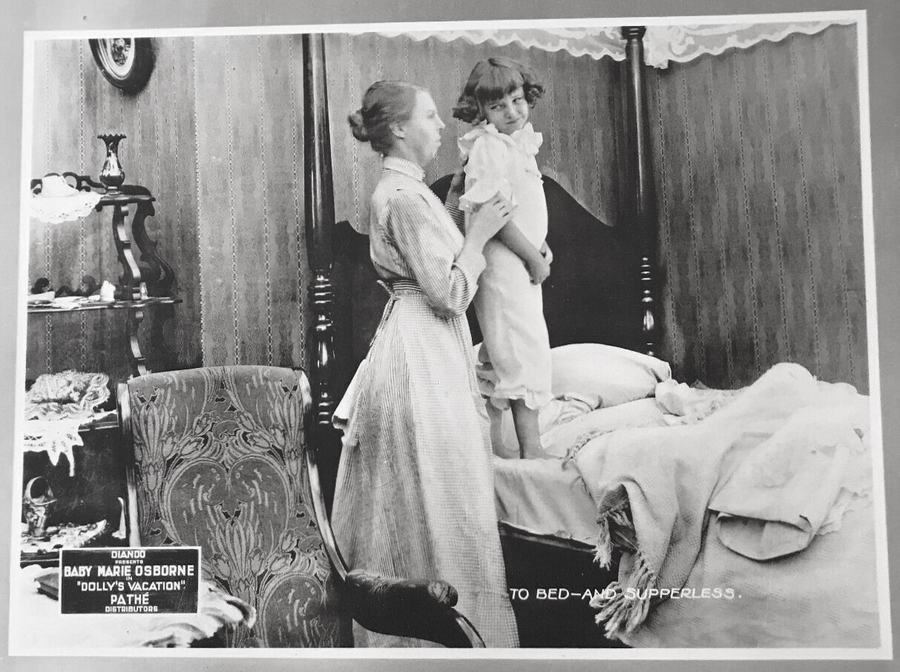
Dir: William Bertram
Dolly McKenzie's mother fancies herself a gifted painter and goes to the city to live a Bohemian life style. Meanwhile, Dolly's father John, facing an imminent strike in the factory he runs, sends the child, together with her little friend, Ebenezer Eczema Abraham White, and his mother, to his brother Howard's farm. The children soon bring chaos to "Peaceful Acres" with their pranks, but on one of their escapades, they become lost in the woods. Even the striking employees join in the search party, but it is Dolly's mother, coincidentally in the country for a weekend party, who finally finds the frightened children. The negligent mother willingly returns to her family, and John, grateful to his men for their help, promises to settle the labor dispute the next morning.
View Details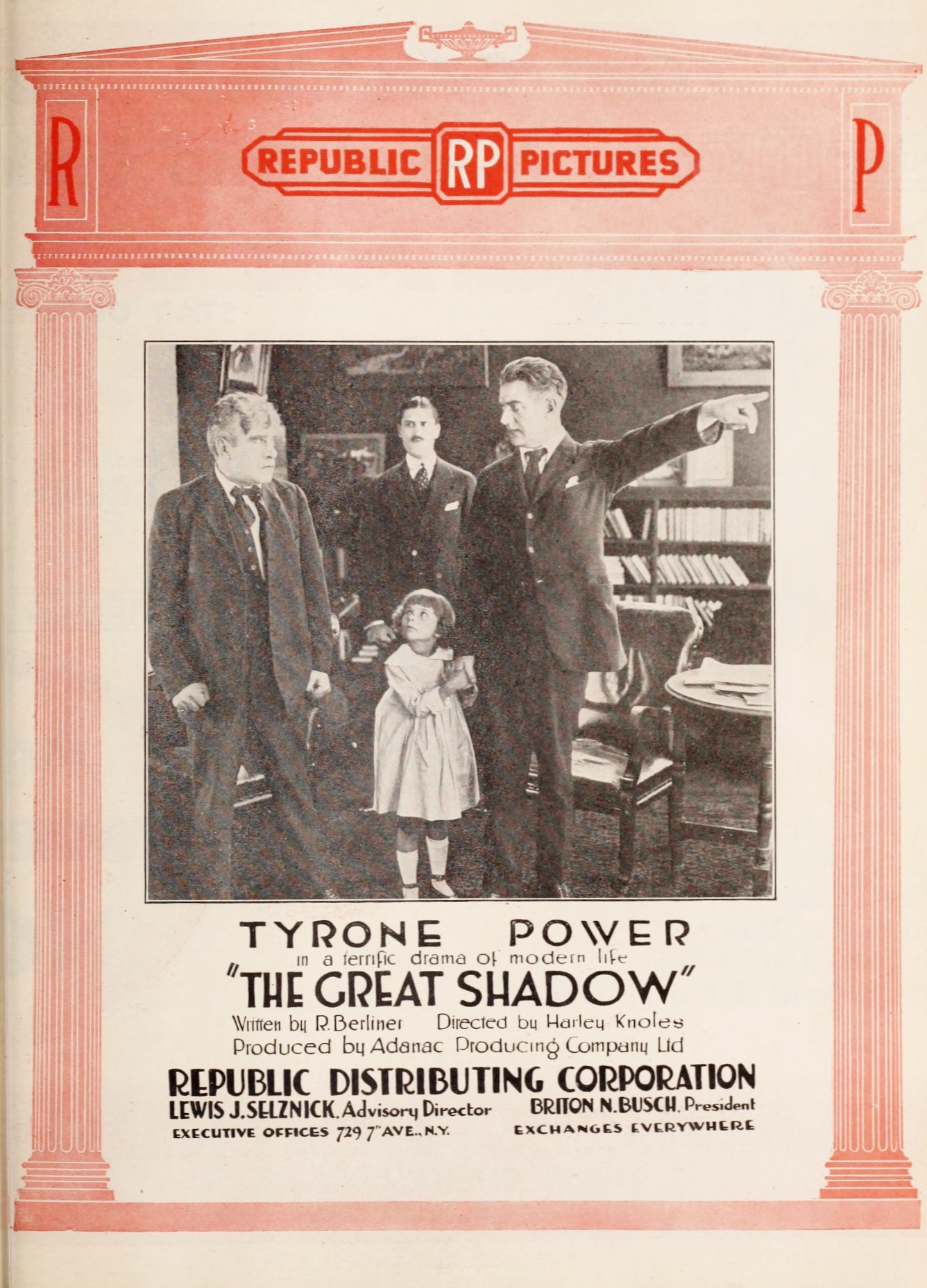
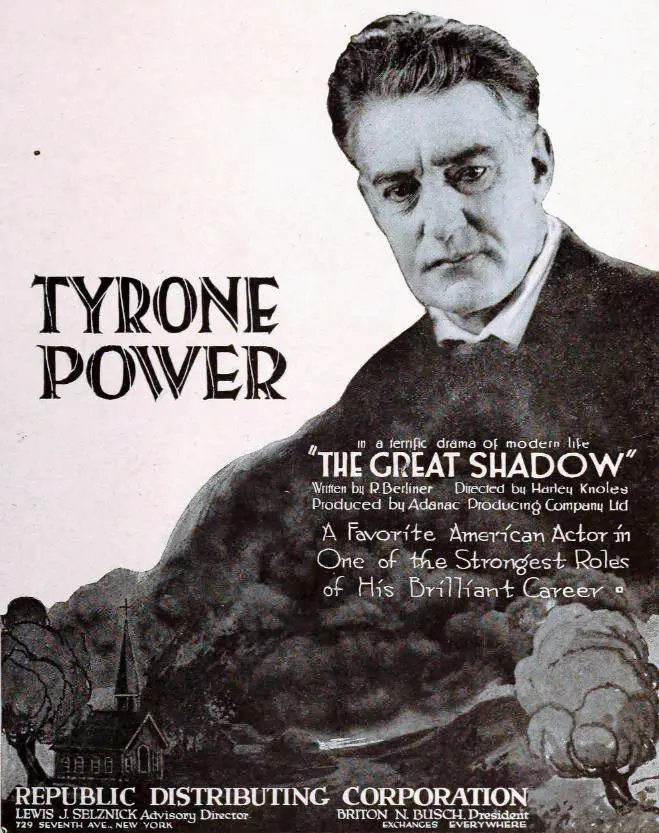
Dir: Harley Knoles
Jim McDonald, the foreman of a shipbuilding plant and head of the labor union, strives to combat the anarchistic propaganda being put forth by Klimoff, the leader of a Bolshevik gang whose goal is to disrupt the country with strikes and anarchy. Despite McDonald's efforts, a strike is called, resulting in chaos. McDonald's child is knocked down by runaway horses abandoned by their striking driver, and dies. Mob scenes take place in America, as well as in Russia. Eventually, the unrest is quelled with an armistice called between Capital and Labor for a year, during which time wages are to be increased to reflect the cost of living, and leaders are to work out a common plan for their mutual advantage. The strikers now realize that they have been pawns of the Bolsheviks and call off the strike, agreeing to the plan.
View Details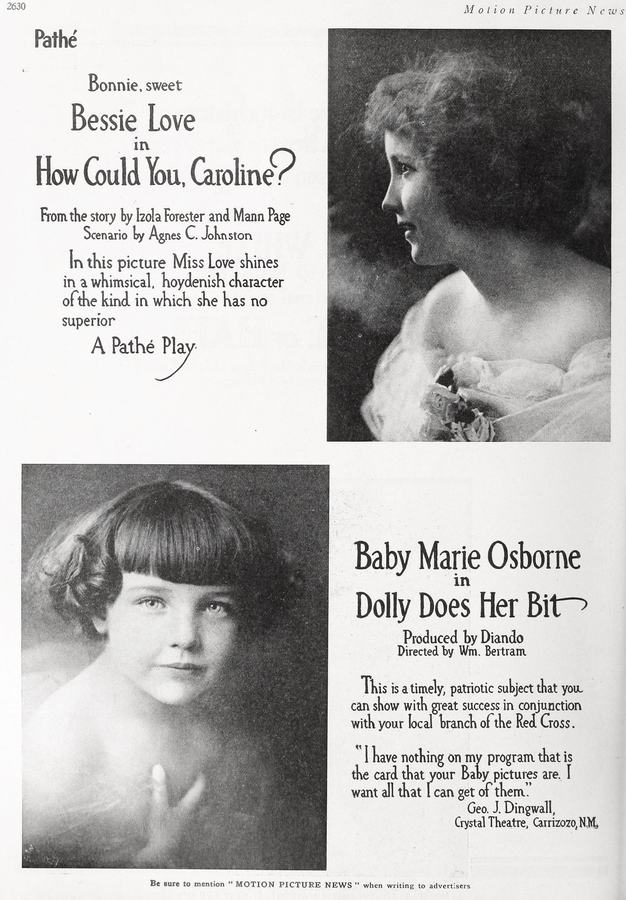
Dir: William Bertram
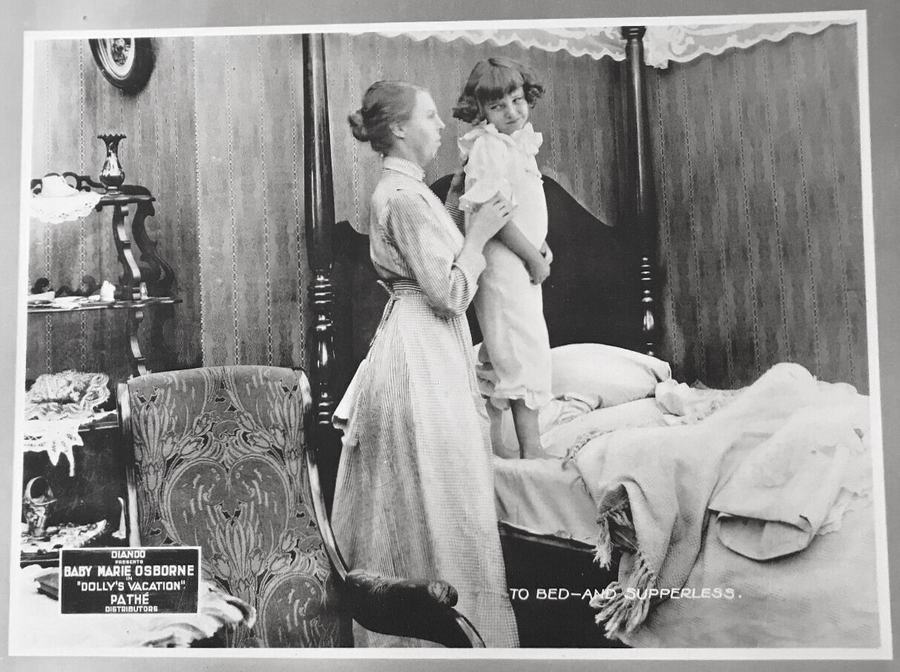
Dolly lives with her aunt, who is a seamstress. The child is sent home from school because she has been naughty, and finds her aunt in the act of making a Red Cross costume for a huge mechanical doll. The doll can walk and talk and excites Dolly's interest intensely. Some of her playmates come and run away with the doll, which is later smashed by a runaway horse. Dolly then dresses in the Red Cross costume, hides in the big box, and is taken to the rich woman's home. She reveals her secret to the daughter, a little girl who is sick. The fairy story touches thrown in here are very fine and will appeal to the imagination of small observers. Dolly carries out her deception successfully at the Red Cross bazaar, but later is kidnapped by a gang who have been raiding the house of the wealthy woman. Dolly assists in rounding up the gang.
View Details
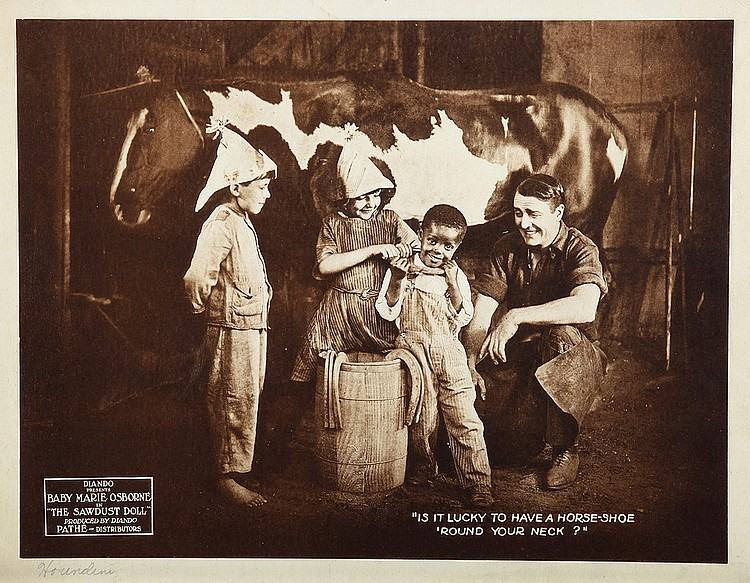
Dir: William Bertram
Sally Lou, the small daughter of village blacksmith Jim Davis, uses her sawdust doll to take the place of a real mother. Her father proposes to Rose Budd, a beauty expert who has been stranded in the town. Rose marries Jim in order to have a home, and shows no love to her new stepdaughter. Jim enlists in the army, thinking Rose will care for Sally Lou, but instead Rose plans to elope with the local druggist Raynor. Sally Lou learns Raynor is really a German spy who plans to wreck the troop train carrying Jim. Sally Lou tells Rose and the two rush to the rescue. Sally Lou sets fire to her sawdust doll and uses it as a torchlight to warn the oncoming train. The train is saved, and Rose resolves to be a good mother to their stepchild.
View Details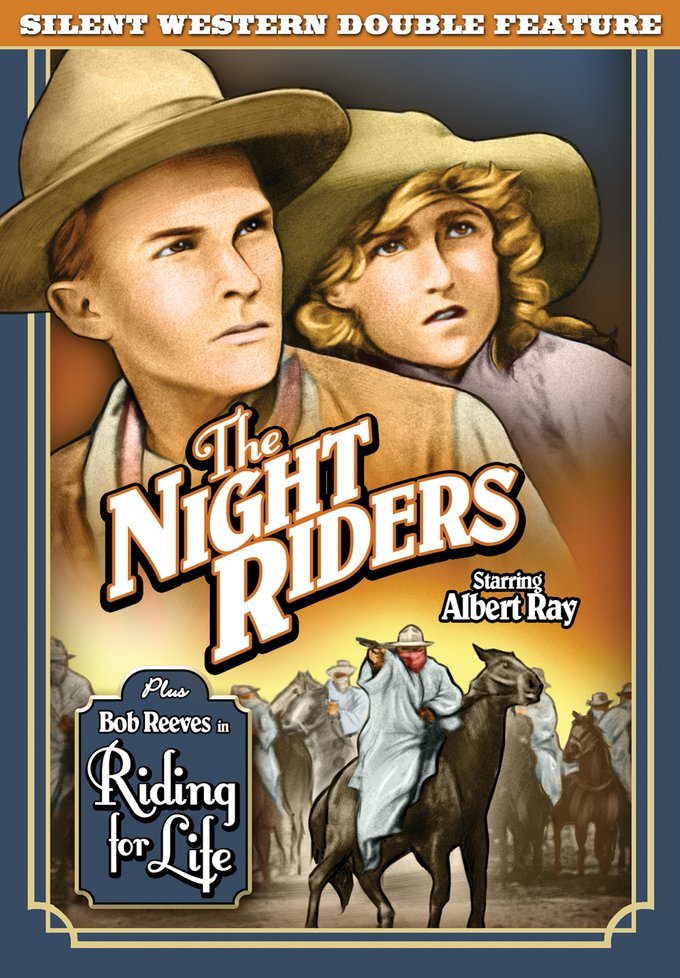
Dir: Alexander Butler
In Alberta, Canada, a Cornish emigrant unmasks a rustler posing as the girl's "blind" father.
View Details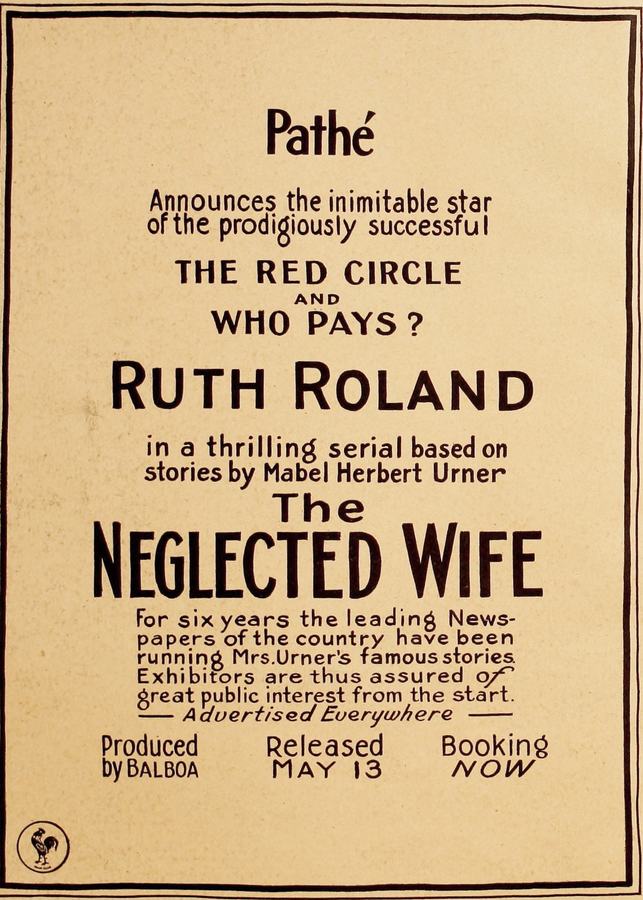
Dir: William Bertram
Episode 1: "The Woman Alone" Horace Kennedy, a successful lawyer, is drifting from his attentive and loyal wife, Mary, for no apparent reason, save that she is fading and he is losing interest in her. On the charge made by Margaret Warner, a struggling magazine writer, Kennedy disbars Attorney Doyle, contending that as a man must protect the honor of his wife and home, so must we guard our courts from prowling jackals. Because of his masterly handling of the disbarment case, a magazine requests Kennedy to write twelve articles dealing with the subject. Mary, his wife, persuades him against his wishes, to write these articles, suggesting that she will take his dictation on the typewriter. She proves an inefficient helper and the first night on which they work she falls and sprains her wrist, making it necessary for Kennedy to look elsewhere for assistance. Margaret, living in a cheap boarding-house is poor, as her short story manuscripts are returned day after day by the magazines. Desiring to help her Kennedy engages her for the work. Doyle, forced out of his profession, continues his work in the field of crooked-stock jobbing, taking the hard-earned savings of the poor for bogus mining stock. The last night of their joint work, Kennedy accompanies Margaret home, but on their way they are caught in an accident. Kennedy escapes injury, but Margaret faints. Calling to her to speak to him, Kennedy, with Margaret in his arms, rushes to a physician. Is the girl he is beginning to love to be thus taken from him?
View DetailsAnalysis relative to The Purple Riders
| Film Title | Atmosphere | Complexity | Similarity |
|---|---|---|---|
| In the River | Gritty | High | 92% Match |
| Winning Grandma | Surreal | Dense | 91% Match |
| A Daughter of the West | Tense | Layered | 92% Match |
| Dolly's Vacation | Gritty | High | 95% Match |
| The Great Shadow | Gothic | High | 94% Match |
This guide was algorithmically generated using the cinematic metadata of William Bertram's archive. Last updated: 6/26/2026.
Back to The Purple Riders Details →