
DbcultAccessing Vault...
Recommendations
Senior Film Conservator
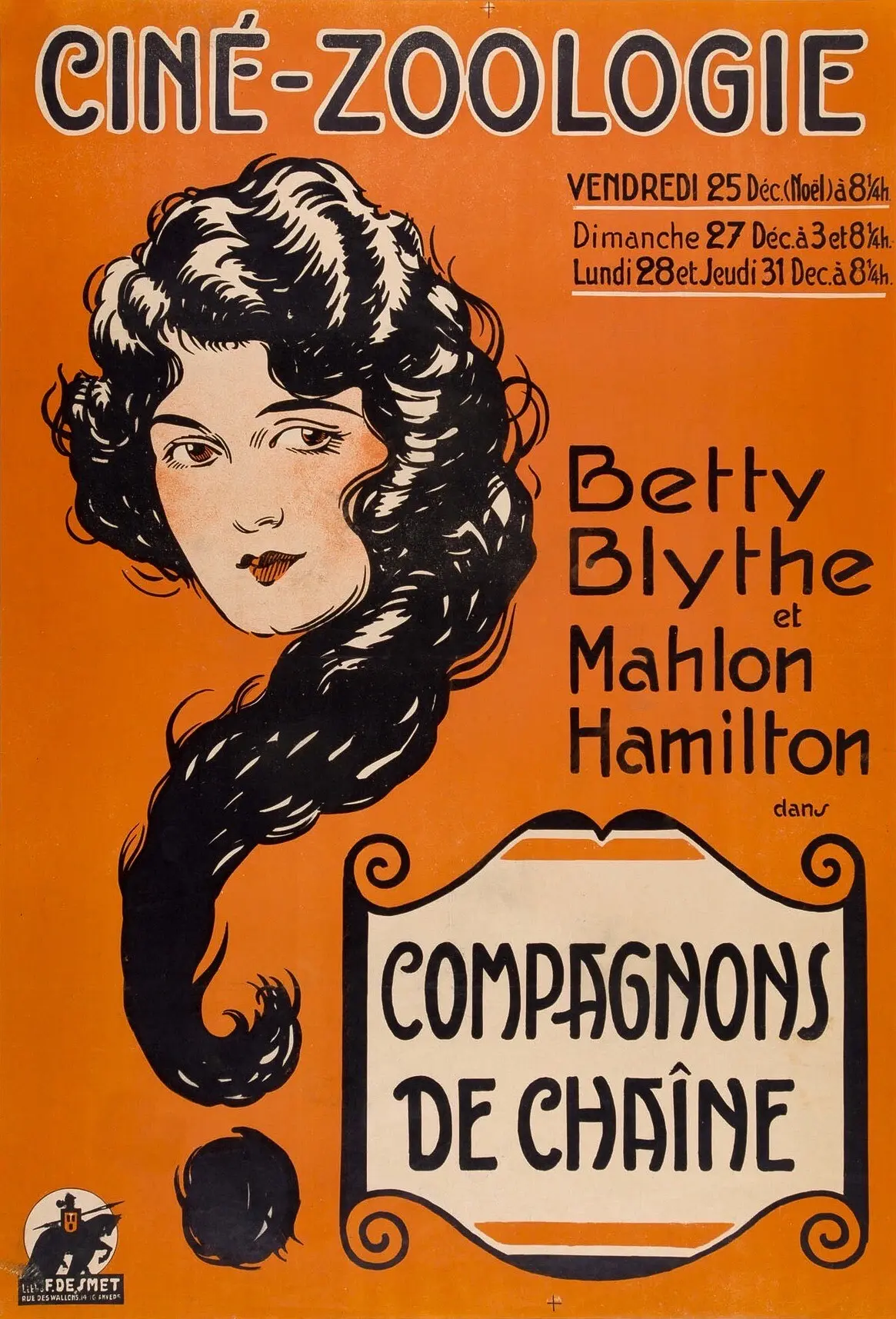
If the nuanced performance of T. Hayes Hunter's work in The Recoil left an impression, the cinematic shorthand used by T. Hayes Hunter is both ancient and revolutionary. We've prioritized films that capture the 1924 aesthetic with similar precision.
By merging nuanced performance with Romance tropes, it to articulate the unspoken anxieties of United States's 1924 era.
Gordon Kent, wealthy, is trying to paint the continent red. He meets Norma Selbee and marries her the next day. She runs away with Marchmont, and Kent condemns them to live together always. Later Kent finds he and Norma love each other and a reconciliation follows.
Based on the unique nuanced performance of The Recoil, our vault has identified these titles as the most compelling follow-up experiences for fans of Romance cinema:
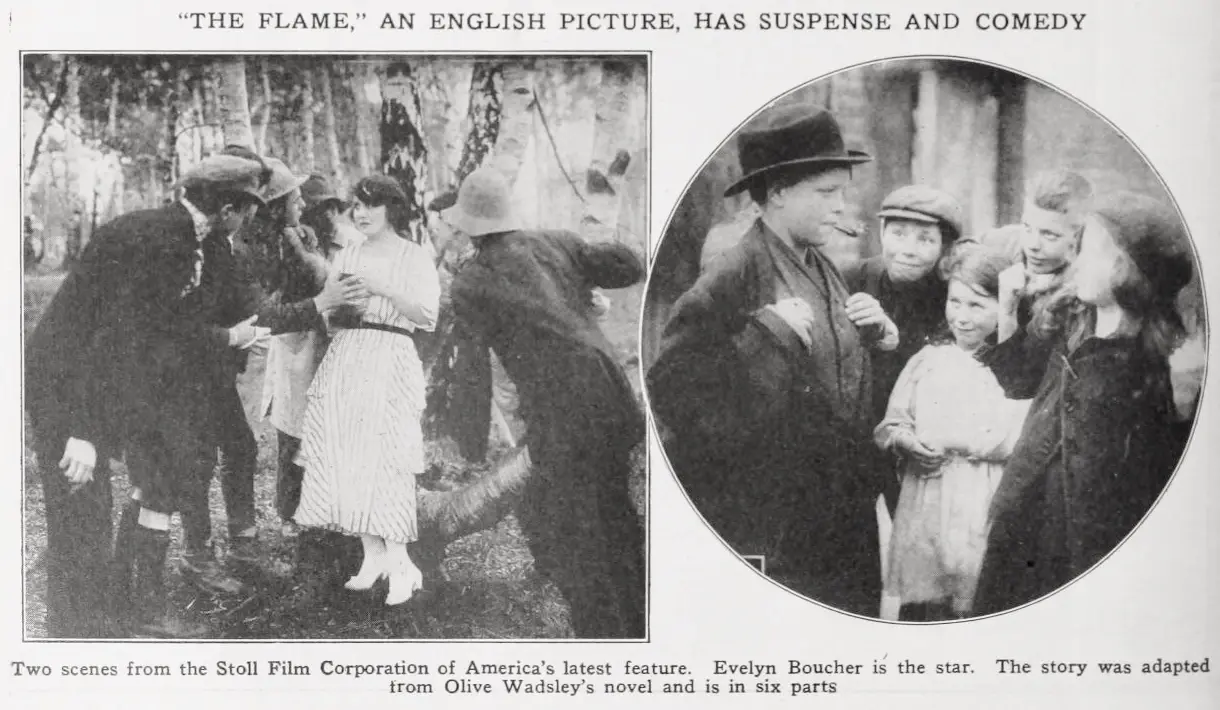
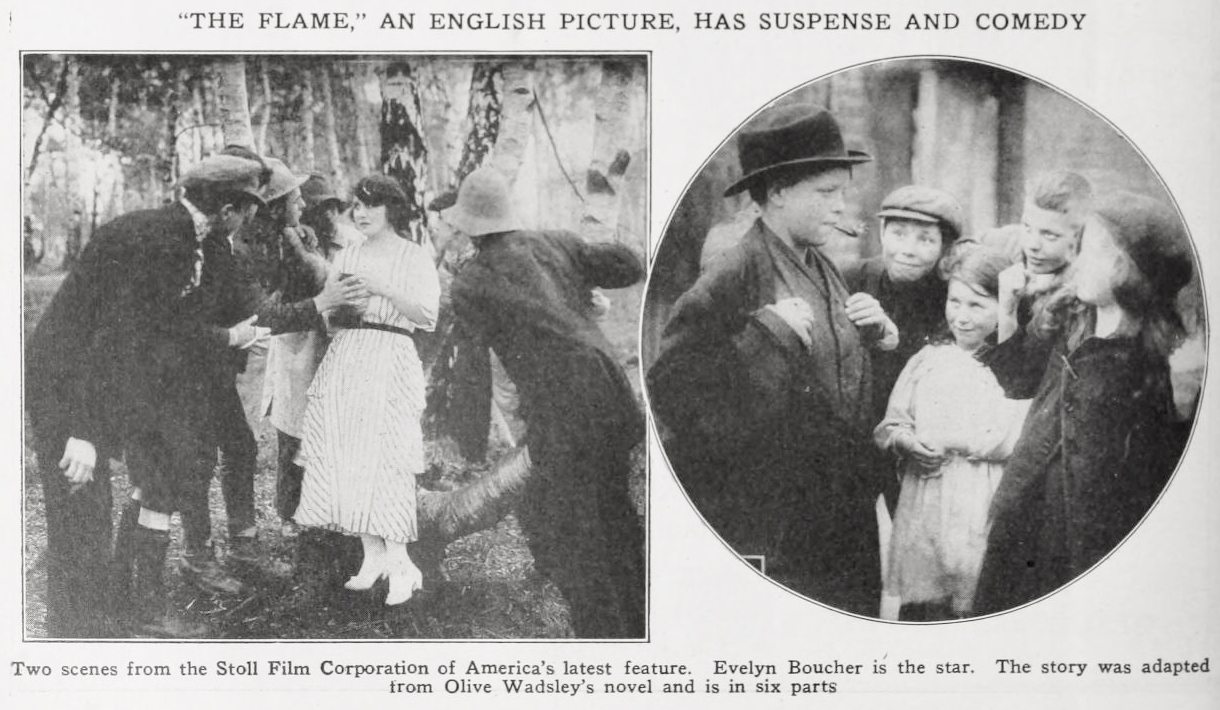
Dir: F. Martin Thornton
In Paris an orphan cartoonist loves a man with a mad wife, who dies in time to prevent her marriage to a jilted Comte.
View Details
Dir: William Parke
Bruce Wendell, the son of West Virginia coal mine owner James Wendell, graduates from West Point and prepares to lead a fighting unit to the front during World War I. As his father lies dying, however, he convinces Bruce to remain at home and guard the mine. Bruce's fiancée Ann Blair assumes that he is a coward and breaks off their engagement, but her brother Bobbie remains Bruce's loyal friend. Meyer, a German agent, persuades railroad president Parrish to refuse to transport Wendell's coal, but when Bruce adamantly refuses to close the mine, the spy's men decide to blow it up. While Ann is being abducted by Meyer, Bobbie is buried in an explosion at the mine. Bruce rescues Bobbie and then sends a plea to Lieutenant Parrish to rescue Ann. Meyer and his gang are captured and Ann renews her vow of love to Bruce.

Dir: Alexander Butler
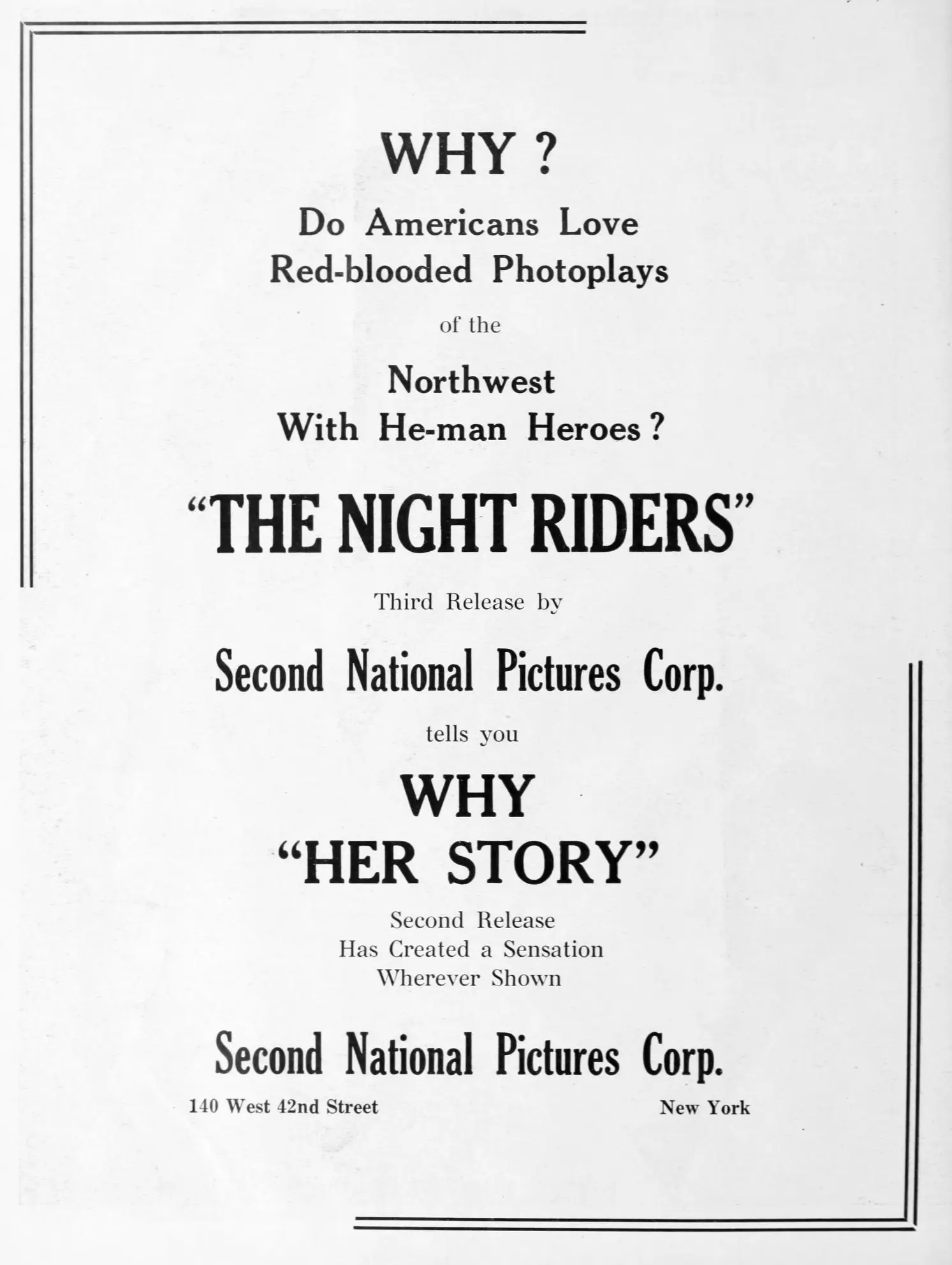
In Alberta, Canada, a Cornish emigrant unmasks a rustler posing as the girl's "blind" father.
View Details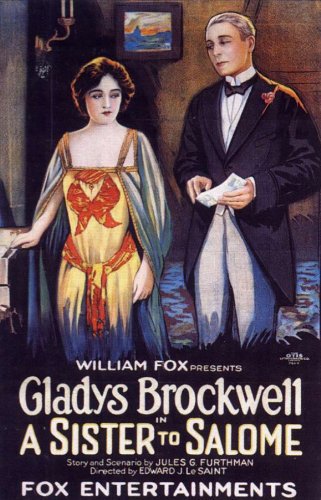
Dir: Edward LeSaint
When famous opera singer Elinore Duane undergoes an operation on her throat, she has a series of ether-induced visions. In one, she is transported to ancient Rome where she appears as a much-admired woman in love with Paul, a young heretic, and at odds with Lutor, the high priest. To save her love, she poisons Lutor with her ring. After several other visions which involve variations on this love triangle, Elinore awakens to discover that Lutor is actually her doctor, Sascha Jaccard, and that Paul is the son of a friend who has come to visit the recovering prima donna.
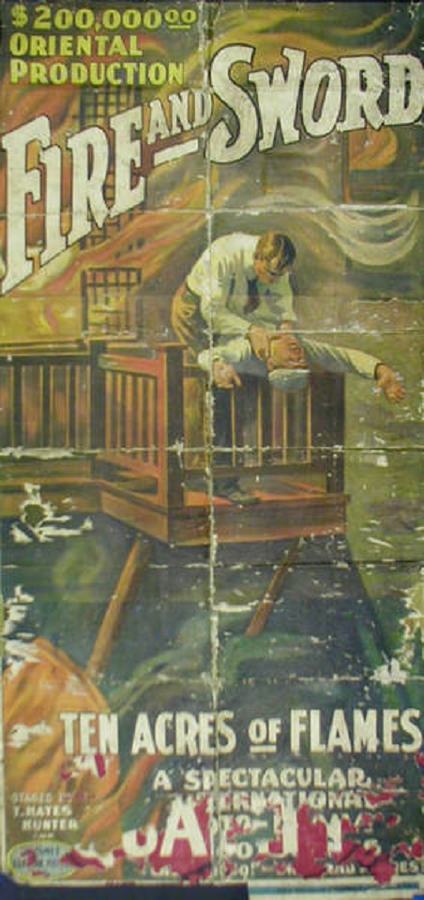
Dir: T. Hayes Hunter
A fascinating piece of cinema that shares thematic elements.
View Details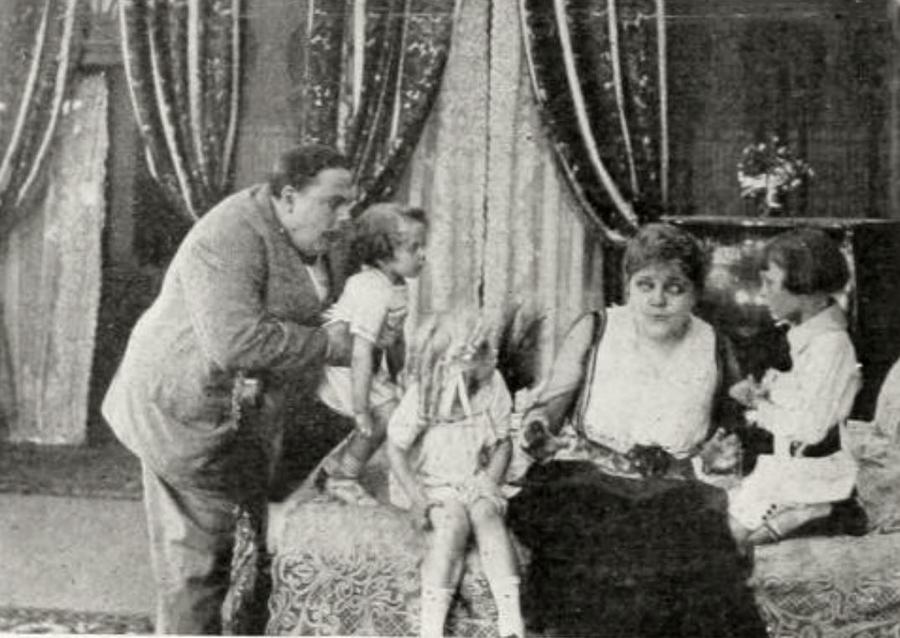
Dir: T. Hayes Hunter
A woman who has been in a train wreck and lost her memory is mistaken for a vaudeville star, complete with a husband and several children.
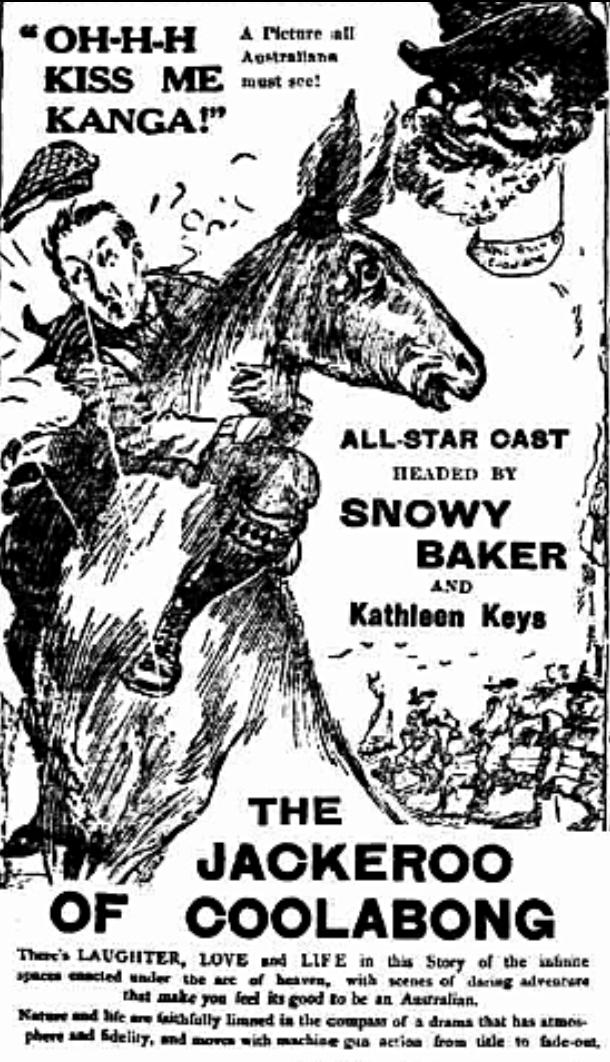
Dir: Wilfred Lucas
Brian O'Farrell (Snowy Baker), is an English 'new chum' who takes a job at an Australian cattle station. He is teased by station hands because of his appearance (including spats and a monocle) but he soon impresses them with his skills at riding and boxing. The station manager, John MacDonald (Wilfred Lucas), takes O'Farrell to Sydney to meet his daughter Edith (Kathleen Key) who is working in the slums. Edith is kidnapped by criminals after witnessing a crime but O'Farrell rescues her. It is later revealed he is the owner of the station.
View Details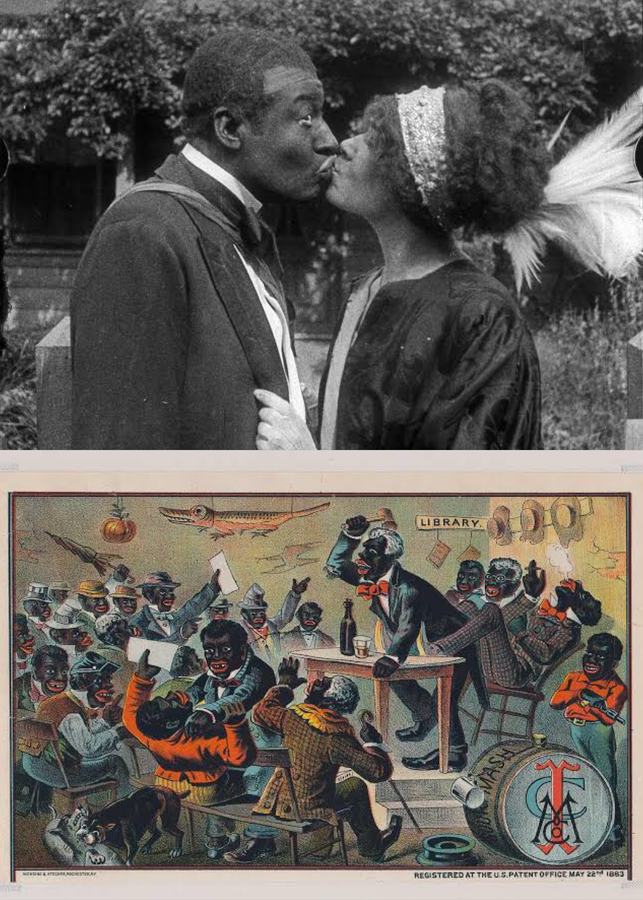
Dir: T. Hayes Hunter
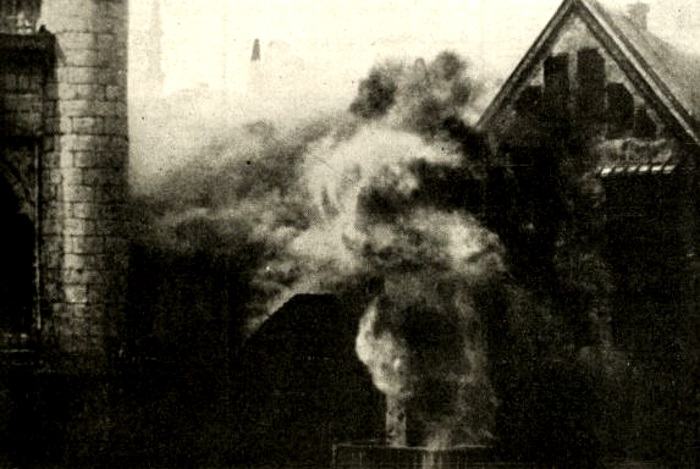
Modeled after a popular collection of stories known as "Brother Gardener's Lime Kiln Club," the plot features three suitors vying to win the hand of the local beauty.
Dir: T. Hayes Hunter
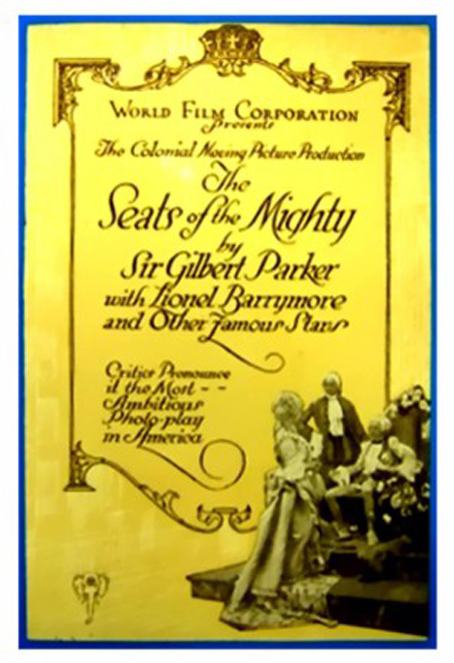
The keen rivalry between Du Barry and La Pompadour for the favor of King Louis XV of France comes to a climax when La Pompadour intercepts a letter from Du Barry to Sir John Godric, an Englishman. Du Barry rescues the letter and destroys it before La Pompadour can carry out her plan of ruining her rival by showing the letter to the King. Hoping to secure other similar Du Barry letters from Sir John Godric, La Pompadour enlists the services of her friend and ally, Doltaire, high in the King's council, and commands him to get the Du Barry letters at any cost. Meanwhile Sir John leaves England to visit his bosom friend, Robert Moray, in Virginia Colony, America. A warning received from Du Barry before his departure causes him to hide her letters in a secret compartment in the fireplace of his home. In America, while hunting, Sir John is fatally wounded by the accidental discharge of his gun, but before dying he reveals the secret hiding-place of the letters to Robert Moray and exacts an oath from Robert to guard the letters, with his life if need be, until he can destroy them. As Doltaire, fulfilling La Pompadour's commands, visits Sir John's ancestral home in England, Moray's messenger arrives, bearing the tidings of Sir John's accidental death to the servants on the Godric estate. Upon learning that Robert Moray is now in charge of all of Sir John's papers and effects, Doltaire starts for America. The call of war between Canada and Virginia Colony takes Moray from home and when Doltaire arrives there he finds that Robert has joined Major Washington 's command. Doltaire thereupon goes to Fort du Quesne, the nearest French stronghold. Meantime, Captain Moray, while reconnoitering, has been captured by French soldiers and is brought a prisoner to the Fort, where he renews acquaintance with M. Duvarney, a soldier and gentleman of Quebec, homeward bound. Doltaire learns of Capt. Moray's presence in the Fort and offers to free Robert in exchange for information that will enable him to secure the Du Barry letters. As Captain Moray steadfastly refuses to barter Sir John's secret for his liberty, Doltaire transfers Robert to Quebec, where authority from "Ihe Seats of the Mighty" is supreme, and takes him before Bigot, the Intendant, who, at Doltaire's behest, gives Robert the freedom of the city. At Bigot's palace, Robert meets Juste Duvarney, son of M. Duvarney, who has recently become a member of Bigot's Court. The friendship between the young men grows. Robert is presented to Alixe Duvarney while visiting Juste at the Duvarney Chateau, and recognizes in Juste's father his old-time friend. Ere long, the young Virginian and the fair maid of Quebec find their hearts enmeshed in Cupid's net. Doltaire, himself enamored of Alixe, discovers Capt. Moray's love for the girl is returned. Jealous of Robert's successful wooing, Doltaire plans his ruin. Through Labrouk, his tool and henchman, whom he has installed in Moray's quarters as guard, Doltaire secretes plans of the Quebec fortifications in Robert's quarters, where he later brings Bigot to discover them. Robert is denounced as a spy and is arrested while calling on Alixe. Doltaire meets Bigot on the palace steps as he convoys Moray to prison and directs the Intendant to invite Robert to dine that evening at his palace. Winning the sympathy of Gabord, the prison guard, Captain Moray induces him to send a letter to Alixe. In order to further discredit Moray, Doltaire poisons Juste's mind against Moray and precipitates a duel between Robert and Alixe's brother, Juste, by inciting him, while under the influence of wine, to insult Robert at the dinner. Moray is loath to quarrel with Alixe's brother and Juste taunts him with being a coward as well as a spy. In the duel which follows Robert wounds Juste, who is carried to Duvarney Chateau by Doltaire. The crowning test of Alixe's love comes when Doltaire informs her that her sweetheart, the spy, fought with her brother. Alixe remains loyal, nevertheless, and contrives to send Robert assurance that Juste will live. Alixe has a staunch friend in Voban, the barber, and in Mathilde, his pretty peasant-girl sweetheart, whose voyage to America Alixe arranged, but who, unfortunately, on her arrival, Bigot lured to his palace and seduced. Bigot's inhuman treatment of her there temporarily unbalances her mind and he permits her to leave the palace. Mathilde is entrusted with Alixe's message to Robert and delivers it to Voban, who takes it to Robert's dungeon. The day of Captain Moray 's trial arrives. Vaudreuil, the Civil Governor of New France, presides. Doltaire's testimony and Labrouk 's evidence convict Robert, who is found guilty and sentenced to die at dawn the following day. That evening, Alixe, disguised in her brother's court uniform, visits Robert's dungeon. Robert embraces and comforts her at their final parting and the friendly guard, Gabord, hurries her away before her identity can be discovered. Returning home, Alixe finds a note from Doltaire, who has called during her absence, praying her to attend the Governor's dinner, as he has matters concerning Robert to discuss with her. Accompanied by her father, Alixe goes to the dinner at the Governor's palace and there meets Doltaire who, at the first opportunity, declares his love for her and offers to save Robert's life if she will surrender herself to him. Alixe indignantly spurns Doltaire's advances and, pleading illness, beseeches her father to leave with her immediately. Doltaire cynically watches Alixe depart. Arriving home, Alixe, overwhelmed by despair, falls fainting to the floor. She is terrified by a vision of Robert's approaching ignominious death and, after a night of anguish, realizes that she cannot let him die. As the first blush of the morning lights the East, she snatches up her cloak, and fearful that she may be too late, hurries to Doltaire promising acceptance of his degrading terms in exchange for Robert's life and pardon, and implores him to save Robert. Doltaire, triumphant over the success of his plot, stays Captain Moray's execution and Robert is sent back to the dungeon, where Doltaire visits him and taunts him with his loss of Alixe. Finding he is still obdurate with regard to disclosing Sir John's secret, Doltaire decides to torture Captain Moray and has him heavily chained and maltreated. Unable to get news of Robert for some weeks, Alixe appeals to Vaudreuil, the Civil Governor. Vaudreuil visits the dungeon, and, angered by the indignities to which Robert has been subjected, has him removed to better quarters. Labrouk, who has been censured by Vaudreuil for his participation in Robert's abuse, informs Doltaire, also telling him that Alixe is responsible for the Governor's intervention. Doltaire appoints Labrouk Captain Moray's prison guard and, angered at Alixe, accuses her of duplicity. Alixe now plans to aid Robert to escape but, desiring to avert suspicion, offers to accompany Doltaire to the prison and return Captain Moray's love tokens, among which she has concealed a knife and a note assuring Robert of her constancy. They go to the prison and Alixe flings Robert 's letters at his feet. Doltaire jeers at Moray and in triumph escorts Alixe from the dungeon. Maddened by Doltaire's insults and Alixe's seeming infidelity Robert proceeds to destroy the packet of letters and discovers the knife and Alixe's note. Overjoyed, Robert takes the knife and prepares a way of escape. M. Duvarney and his son, Juste, depart to join the French forces defending Quebec. Doltaire later returns to the dungeon to gloat over his "vanquished" rival. Captain Moray simulates despair and hands Doltaire a cleverly worded note which informs Alixe that he will decamp that night but which leads Doltaire to believe Moray will end his life. In he same night Bigot, planning an all-night carousal, sends a command for Madame Jamond, the court dancer, to appear at the palace and aid his revelry. The messenger returns to the palace and reports to. Bigot the dancer's absence. Infuriated at the dancer's non-appearance, Bigot, who has been drinking freely, incites his wine-maddened guests to vent their spleen on "that spy Robert Moray," as a substitute pleasure. Some of the more sober oppose this whim and Bigot tipsily argues the point. Mathilde, who, unperceived, has gained entry to the palace, comes upon the scene of revelry and overhears the brawl. Her mind slowly comprehends its import and forgetting her intention to kill Bigot, her seducer, she sheathes the knife she has drawn and rushes to the Duvarney Chateau to warn Alixe of her lover's new danger. Fearing Robert's plan to escape will miscarry, Alixe hopes to appease Bigot's wrath by impersonating Jamond, the absent dancer, so that Robert may have time to gain his freedom. Her arrival is opportune, for Bigot, thinking she is Jamond, bids her dance. Meanwhile Robert has loosened the bars of his window and wrenched them apart. He is surprised by Labrouk as he is about to climb through, and a terrific fight between the two ensues. Robert's victory and escape is just in time, for Alixe, exhausted by her dancing, is about to be made the sport of Bigot's courtiers. Becoming frightened, Alixe screams, and Doltaire, recognizing her, rescues her from the drunken crowd. The revelers cry "If not the woman, then the spy" and led by Bigot, they rush forth to wreak their vengeance on Captain Moray only to find that their prisoner has fled. The news of Captain Moray 's escape infuriates Doltaire and, realizing that he has been duped by Alixe, he is about to strangle her when Bigot, recognizing her, intervenes. Turning from Alixe, Doltaire denounces Bigot, produces his authority from "The Seats of the Mighty, " and deposes him from office. Doltaire orders Labrouk, Captain Moray's guard, to bring back his prisoner or lose his life. Alixe flees from the palace and takes refuge in a convent to escape Doltaire's persecution. Captain Moray reaches the camp of General Wolfe and makes known to him a secret pass by which the English army can safely approach the otherwise impregnable Quebec. Robert conducts a party of officers to the pass leading to the Plains of Abraham. They report their find to General Wolfe while Captain Moray returns to Quebec to rescue Alixe. Labrouk, seeking Moray, meets him at the top of the pass and is killed by Robert in a hand-to-hand encounter. The English army, at dawn, has scaled the heights, and the battle for supremacy between England and France begins. Doltaire learns that Alixe has fled to the convent. Captain Moray, disguised in Labrouk's uniform, re-enters the city and searches for Alixe. Hearing of the battle and knowing that Alixe's father is one of Montcalm's staff, Doltaire conceives a plan to lure Alixe from the convent. Forcing a wounded soldier to accompany him, he sees Alixe and tells her M. Duvarney, her father, is seriously wounded. Robert, who is near the convent, sees Alixe depart with Doltaire and follows them to the palace. Once Alixe is in his room, Doltaire lays aside all pretense and seeks to embrace her. Robert, overcoming the guard stationed before the doors by Doltaire, breaks into the room and attacks Doltaire. In the fight, Captain Moray kills Doltaire and carries Alixe, fainting, from the room. The deposed Intendant Bigot, alarmed by the noise of battle on the Plains, loots the palace strong-box, intending flight. Voban the barber, whose sweetheart, Mathilde, Bigot had seduced, breaks into Bigot's quarters to avenge her wrong. Perceiving Bigot's preparations he goes into the powder magazine beneath the palace and plants a lighted fuse. Robert revives Alixe and conducts her to a place of safety just before the fuse ignites the powder. The terrific explosion which follows lays the palace in ruins. Mathilde sees her former sweetheart among the ruins. Her kiss of reconciliation brings peace to a tortured soul. Robert and Alixe, united at last, set out for the old Virginia home, its beckoning portals holding promise of their future happiness.
View Details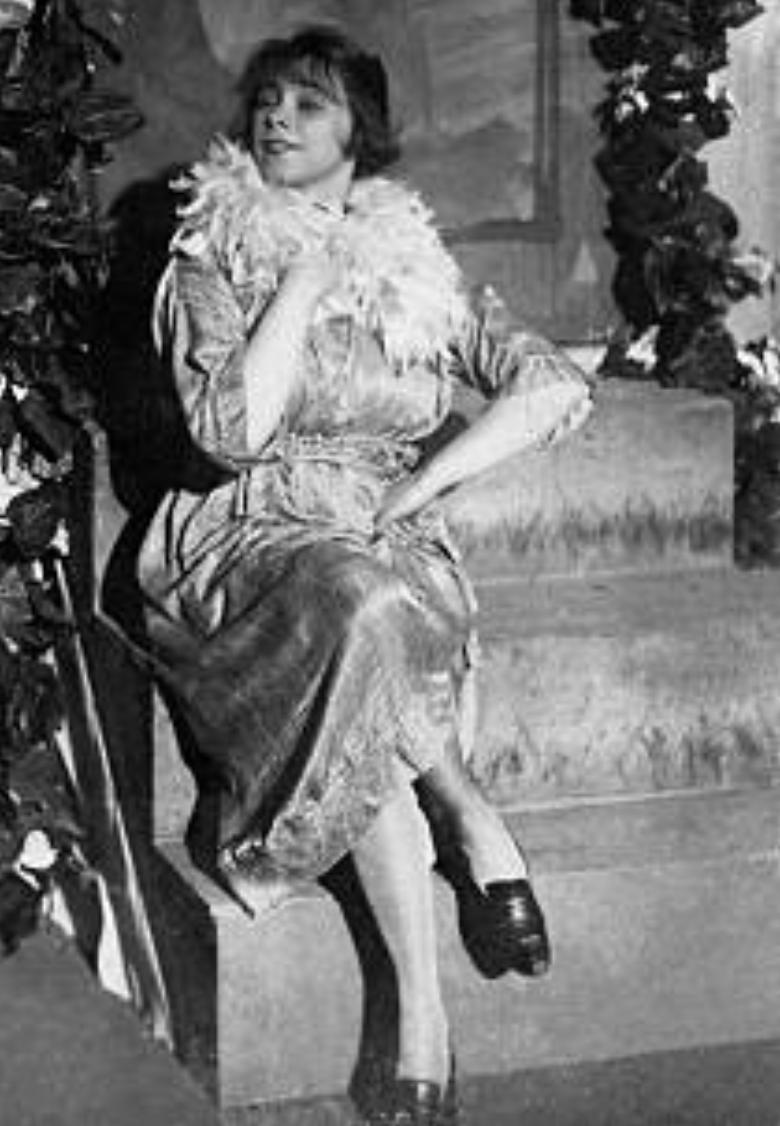
Dir: Bruno Ziener
A fascinating piece of cinema that shares thematic elements.
View DetailsAnalysis relative to The Recoil
| Film Title | Atmosphere | Complexity | Similarity |
|---|---|---|---|
| The Flame | Surreal | High | 97% Match |
| The Key to Power | Gritty | Dense | 91% Match |
| The Night Riders | Ethereal | High | 96% Match |
| A Sister to Salome | Gothic | High | 88% Match |
| Fire and Sword | Tense | High | 88% Match |
This guide was algorithmically generated using the cinematic metadata of T. Hayes Hunter's archive. Last updated: 8/16/2026.
Back to The Recoil Details →