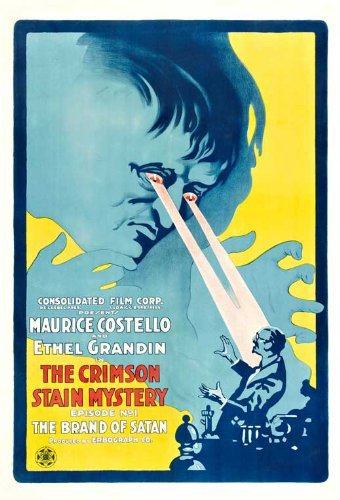
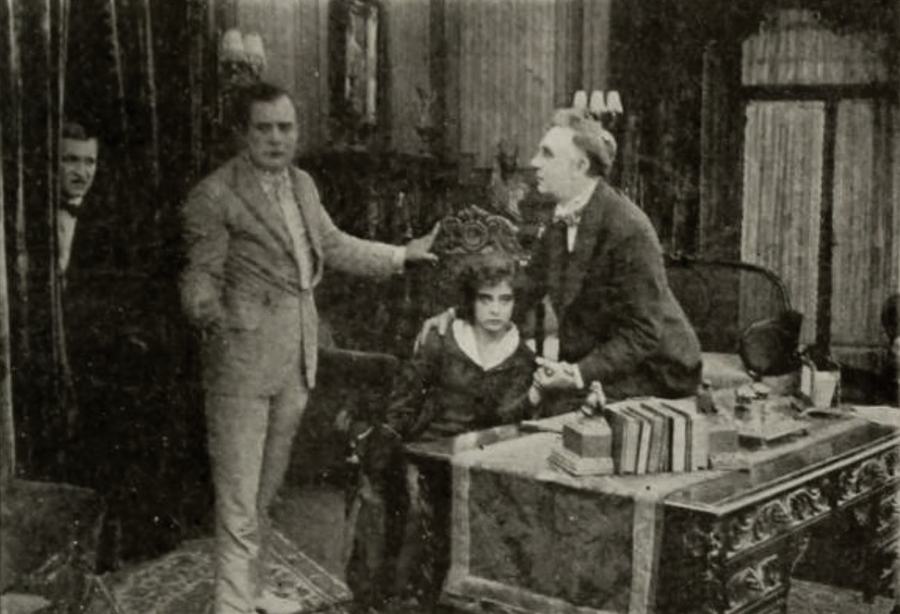
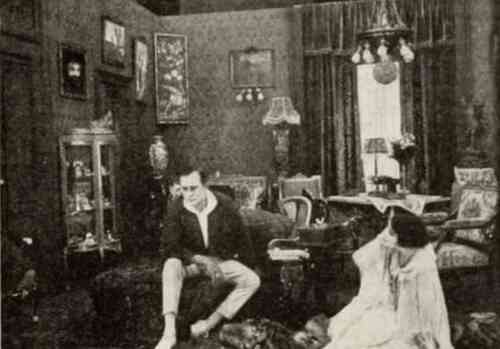
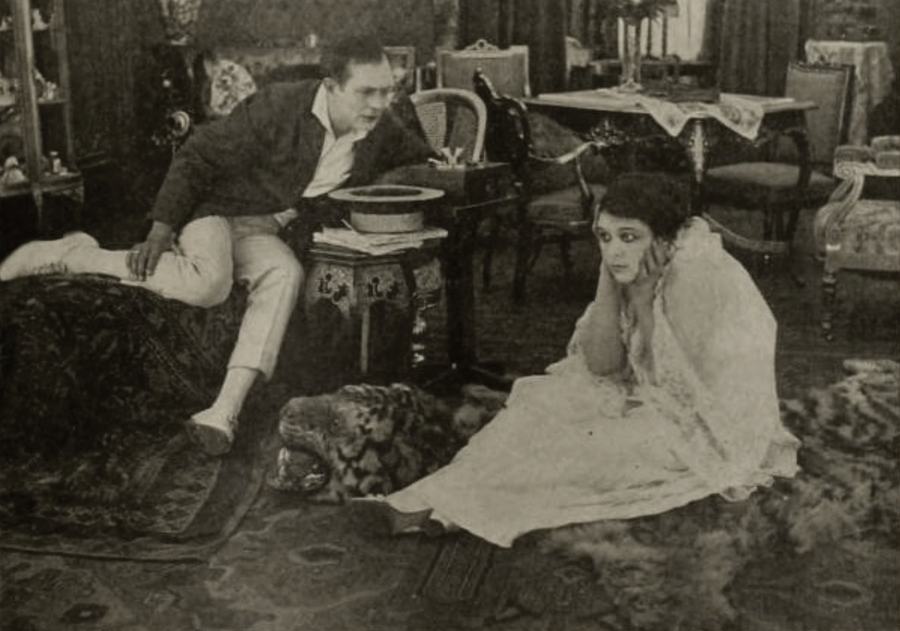
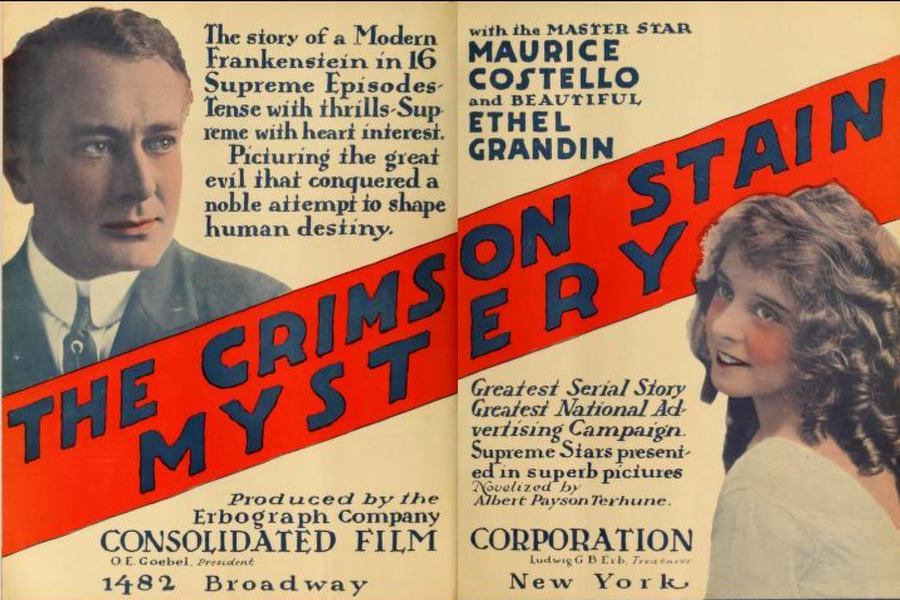
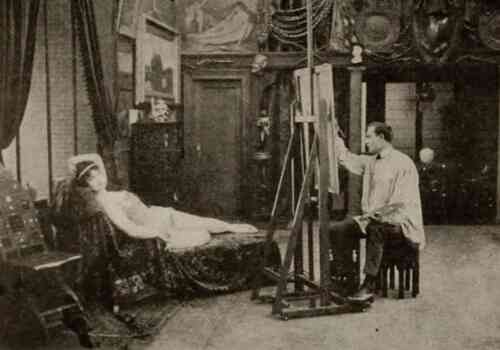
Dr. Montrose's attempts to develop a chemical which would make a person super-intelligent fail, and the subjects of his experiments metamorphose into hideous monsters who band together and prey on humans.
Albert Payson Terhune
United States
The 1916 cinematic landscape was a crucible of experimentation, a period where the grammar of visual storytelling was being forged in the heat of industrial expansion and wartime anxiety. Within this volatile milieu, The Crimson Stain Mystery emerged not merely as a serial, but as a chilling harbinger of the body hor...

still_frame
still_frame
still_frame
still_frame
publicity
still_frame
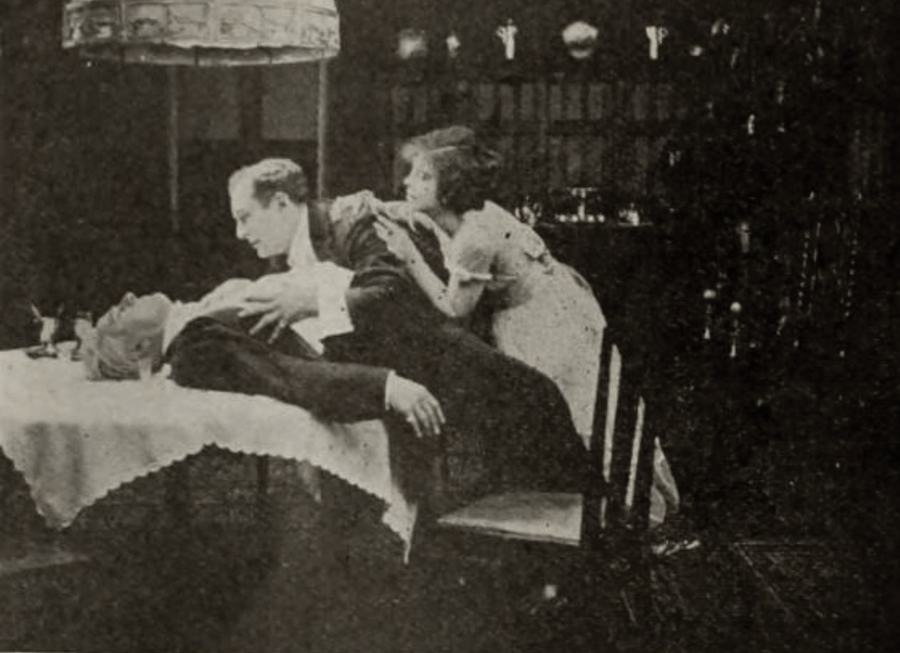
still_frame
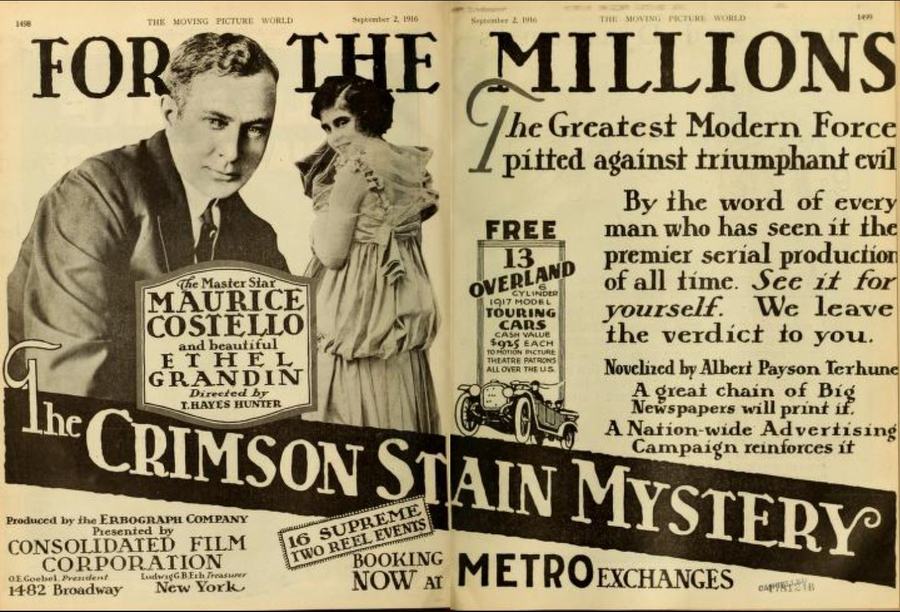
publicity


Comparing the cinematic DNA and archive impact of two defining moments in cult history.
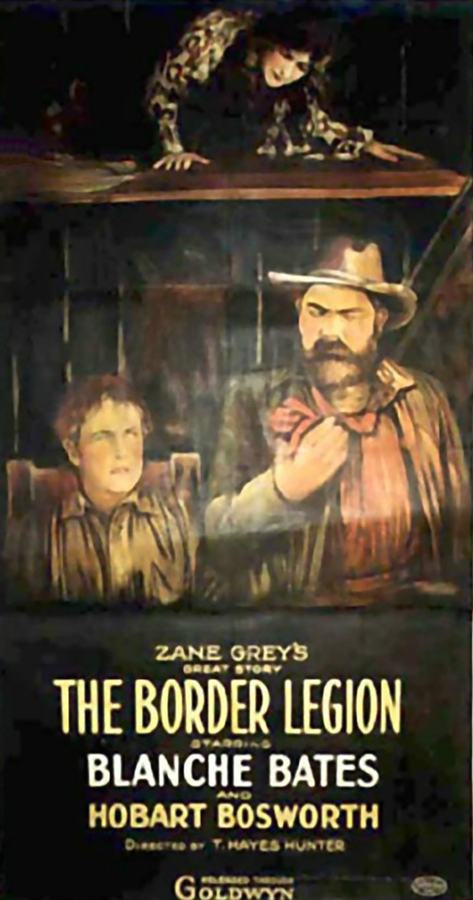
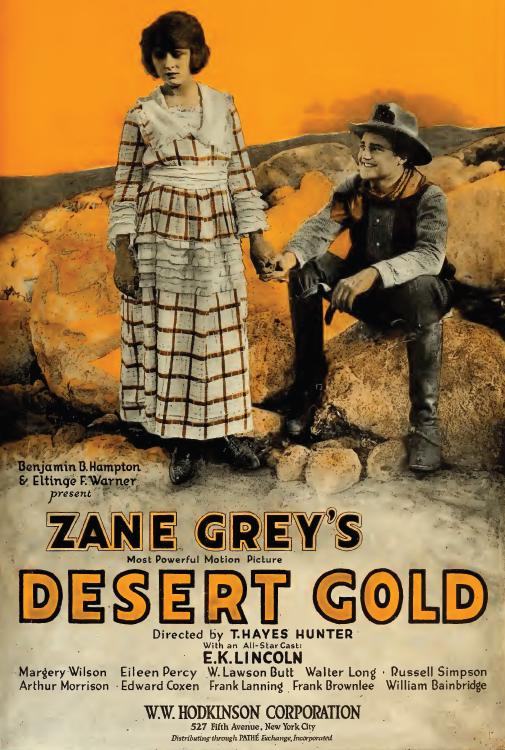
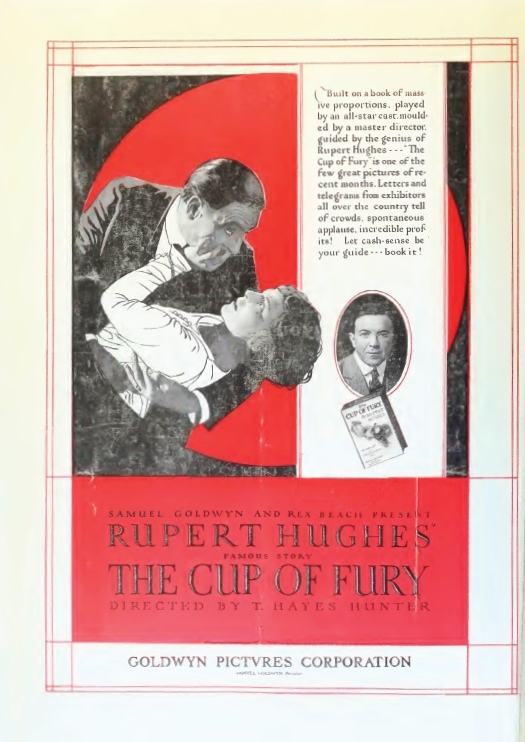
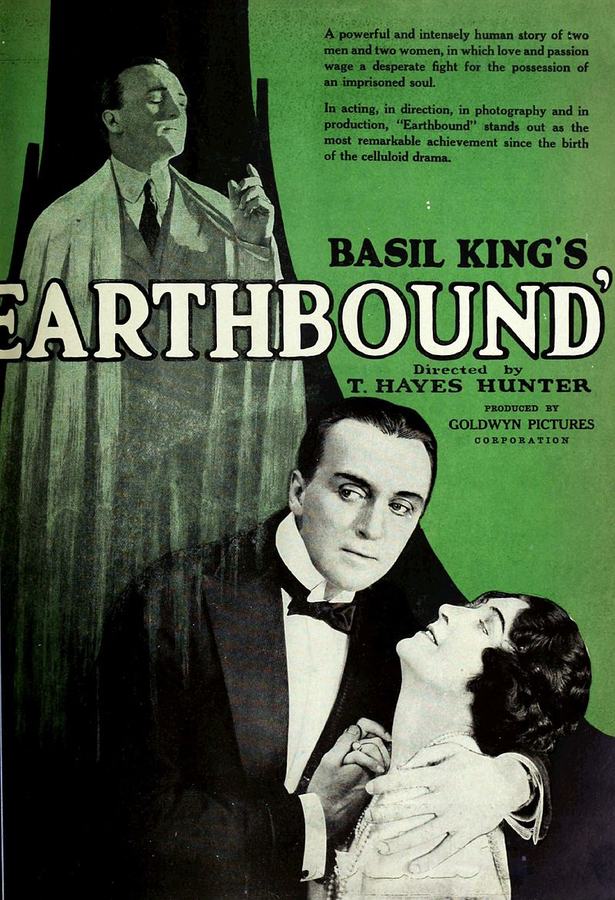
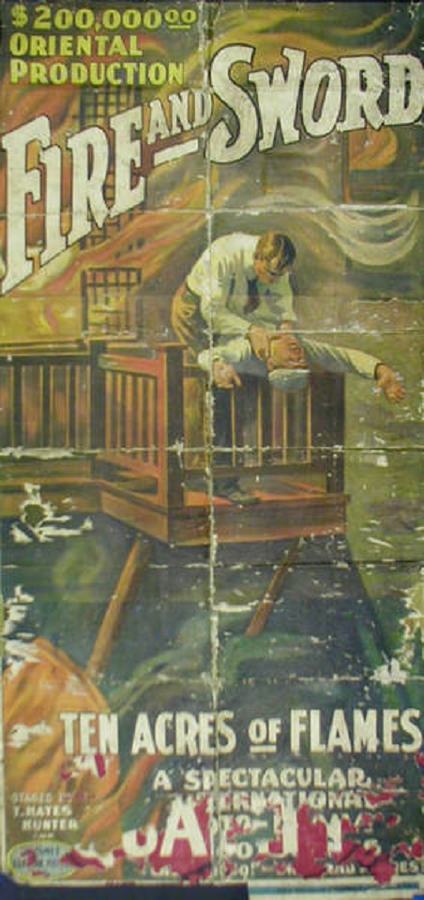
T. Hayes Hunter
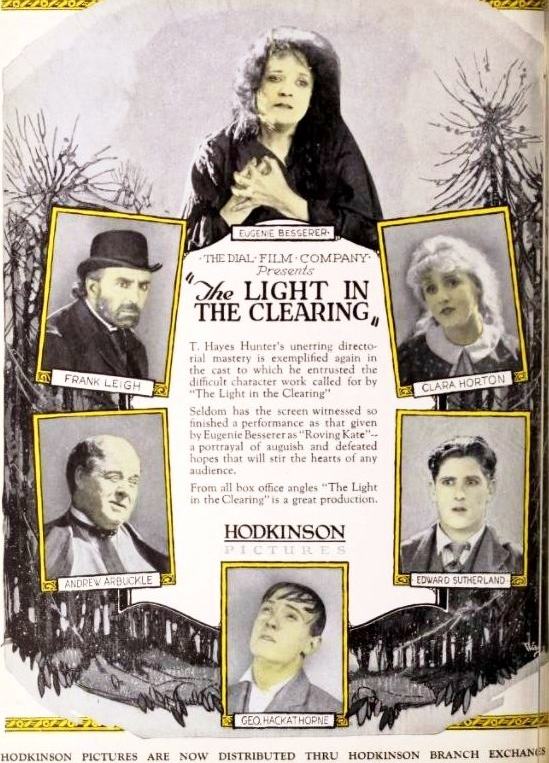
T. Hayes Hunter
Community
Log in to comment.
" The 1916 cinematic landscape was a crucible of experimentation, a period where the grammar of visual storytelling was being forged in the heat of industrial expansion and wartime anxiety. Within this volatile milieu, The Crimson Stain Mystery emerged not merely as a serial, but as a chilling harbinger of the body horror genre. The Architecture of Hubris At the epicenter of this narrative sits Dr. Montrose, a character who embodies the archetypal 'mad scientist' long before the trope became a ..."

Deep dive into the cult classic
Discover similar cinematic experiences
A Directorial Spotlight on T. Hayes Hunter