
DbcultAccessing Vault...
Recommendations
Senior Film Conservator
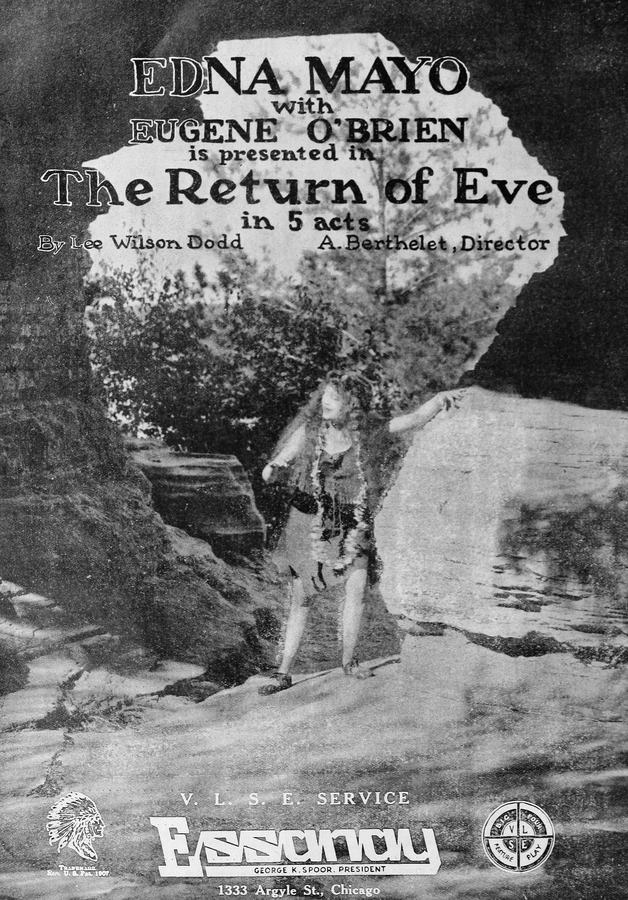
For those who were mesmerized by The Return of Eve, a true cult masterpiece from 1916, its influence on cult cinema remains a vital reference point for fans today. This list serves as a bridge to other cult experiences that are just as potent.
The legacy of The Return of Eve is built upon its ability to blend thematic complexity with stunning visual execution.
Believing that over-civilization was destroying the race, Eli Tapper, an eccentric millionaire, took two unrelated orphan children, a boy and a girl, and placed them in a wilderness, there in the care of an old tutor, David Winters, to grow up as a new Adam and Eve, and become path-breakers of a better race. In delightful simplicity and educated as much as they could be without contact with the world, the children attain the age of nineteen years. Mrs. Tupper-Bellamy, society leader, lives in costly splendor against the day when she hopes to inherit her brother millions. She plans to marry her daughter, Clarice, to Seymour Purchwell, society idler of standing and also an attorney. Purchwell makes it plain that the marriage can occur if Eli Tupper's fortune goes to the girl and her mother. When Tupper dies the sister and her set learn for the first time of his odd experiment. His will provides that the sister must take Adam and Eve into civilization in order to win an annuity of $50,000 a year. The orphans are heirs to the rest. Purchwell sets out to find them. He locates the Eden of the boy and girl and old Winters, and is literally the serpent in the garden. Winters resents leaving, but a clash between Adam and Purchwell decides him. Plunged amidst the whirl of social affairs Eve is delighted. Adam is disgusted with the sham and deceit of society, and pleads with her to return to Eden. She refuses. Winters takes him to Paris to study. Purchwell, seeking the Tupper fortune, turns his attention to Eve. Clarice is in a frenzy of affection spurned, and after finding the two alone she accuses them before the whole house party. Eve, in her innocence, does not readily grasp the meaning of the charge. When it dawns on her she faces the guests, and in her bitterness denounces them as tools of passion and greed, and announces that she will give up all and return to Eden. With old Winters, she returns. Adam is recalled from Paris, and the girl and the boy, now awake to their love, together with their beloved guardian, give up the world.
The Return of Eve was a significant production in United States, bringing a unique perspective to the global stage. It continues to be a top recommendation for anyone studying cult history.
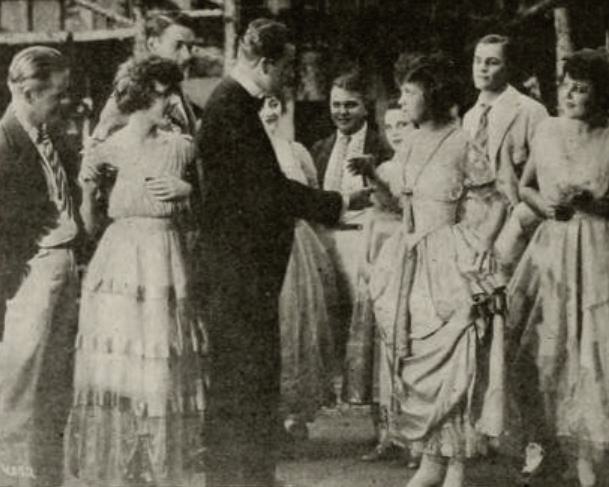
Based on the unique cinematic excellence of The Return of Eve, our vault has identified these titles as the most compelling follow-up experiences for fans of cult cinema:
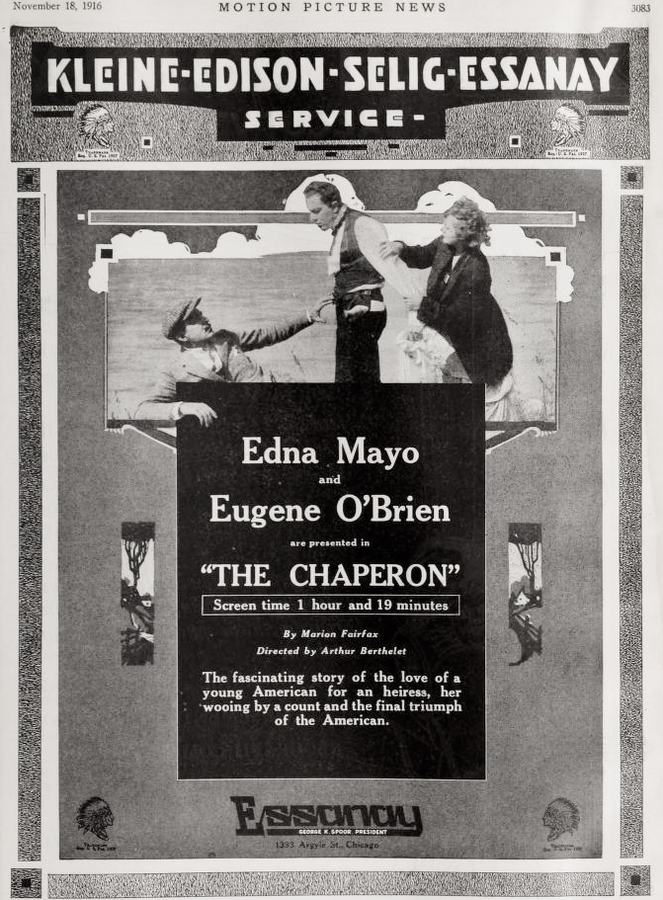
Dir: Arthur Berthelet
Jim Ogden, secretly engaged to Madge Hemmingway, wealthy heiress, becomes sensitive over his lack of money and breaks the engagement. In a moment of pique she marries Count Van Tuyle. After six months she returns from Europe, minus her husband. Trying to forget her error, she goes to the country. Richard Coombs is the nearest neighbor of Madge's aunt, and he finds it necessary for his wife and himself to hasten to the city. A chaperon is needed immediately for their four daughters. By necessity they are forced to take Madge, who is still the runaway Countess Van Tuyle. Jim Ogden is on a canoe trip through the lakes and stops at the Coombs camp. This is the crowning embarrassment for the chaperon. Up to the time the cook, butler and chauffeur have quit and each one of the girls has opened a summer flirtation. However, Ogden persuades Madge to take a canoe ride. Their craft strikes a rock and the two are marooned on a little barren Island. Meanwhile the Count has followed his wife to America and with Madge's mother arrives at the camp. Becoming suspicious, he goes up the lake the next morning and finds his wife with Ogden. Madge escapes in his boat and leaves the two men to fight it out. Mrs. Coombs returns to find her four daughters engaged, the chaperon a sorry sight after her night on the lake and half of her servants gone. However, Mrs. Hemmingway solves everything and promises that she will effect a settlement with the Count to enable her daughter to marry Ogden.
View Details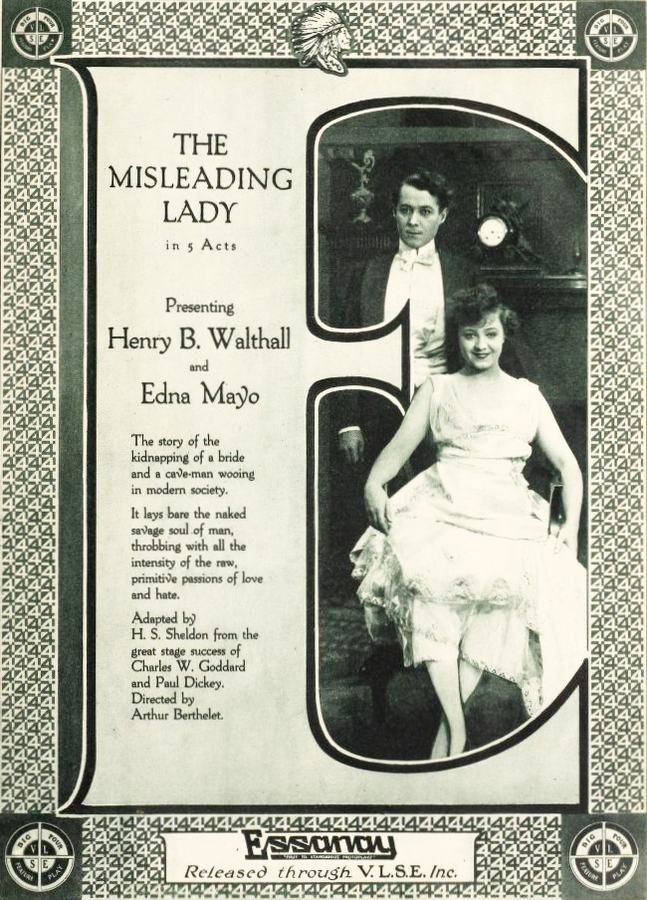
Dir: Arthur Berthelet
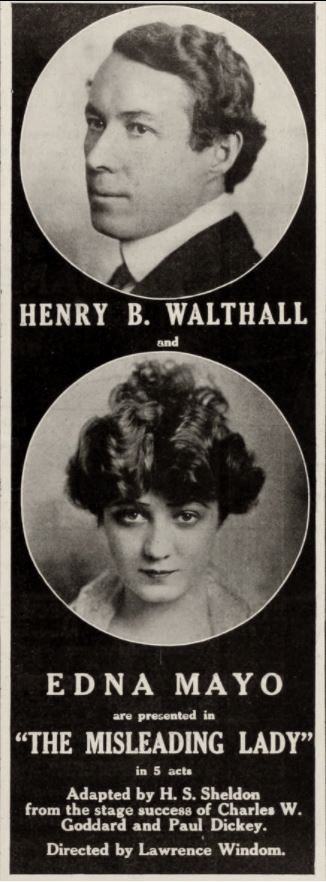
Helen Steele, who has theatrical aspirations, has been told by Sidney Parker that, owing to her lack of stage experience he cannot entertain her proposition of giving her the leading part in his new production, "The Siren." Believing that she can get Parker to consent if she is persuasive enough, Helen has her fiancé, Henry Tracey, invite the theatrical manager to the party to be given by John W. Cannell so that she may work upon him. At the affair Helen manages to obtain Parker's consent to give her a trial it she is successful in having Jack Craigen, a friend of Cannell, who has been living in Patagonia for a long time and who is a woman hater, propose to her. Helen works her wiles upon the adamant Craigen and finally elicits a proposal from him. The guests in the next room, who have been listening, come out at the critical moment, and congratulate her. Craigen demands an explanation, and he is told that it is all a joke. He refuses to accept the incident in such a light, however, and makes preparations to leave for his home in the mountains. At this juncture. Tracey, who had been called out of town on important business before the commencement of the party, returns. When told of Helen's episode with Craigen he becomes very angry and upbraids her. Tracey then goes in search of Craigen, whom he does not know, and mistaking Keen Fitzpatrick, a reporter, who has been waiting in the next room for an interview with Craigen on Patagonia, for the man he is in search of, he starts to pour a scathing indictment upon him. The guests hear the tirade and inform Tracey of the identity of the man to whom he is speaking. Meanwhile Craigen, having packed his belongings, is leaving in his auto. As he is passing the back entrance, Helen jumps in front of his auto and tells him that, inasmuch as he does not know anything about women he should adopt the Patagonian savage method and carry her off to his home where he could study her. He puts her suggestion into effect and Helen is carried off in the auto to his home in the woods, where he brutally orders her about. She attempts to escape, and Craigen chains her to the floor. While he leaves her for a moment to put his car into the garage, "Boney," an escaped lunatic, makes his way into the cabin. He styles himself Napoleon Bonaparte, and raves about his armies. As he is swinging his sword about the room, Craigen appears, and by diplomacy succeeds in getting "Boney" upstairs to review his armies where he is locked in a room. Craigen returns to Helen. His back is turned to her and she knocks him unconscious with the telephone. Taking the keys from his pocket, she releases herself and escapes into the woods. Craigen recovers his senses and, finding the note Helen left informing him that she feels sorry for her action and has gone for help, fears for her safety, and goes out in search of her. During his absence Fitzpatrick, who was trailing, arrives. On searching through the house for Craigen, he comes upon "Boney," whom he takes to be the man he is searching for. He demands to know where the girl is, but "Boney" only raves about his armies. The two are just on the point of clashing when Craigen returns. He reveals his identity to the reporter, and tells him that Helen has fled into the woods. The asylum keepers trace "Boney" to Craigen's home, and take him away. Tracey, who has also been following, arrives at the cabin and confronts Craigen with a revolver. He demands Helen or his life. Craigen manages to convince Tracey, after an argument, that Helen has fled into the woods. Helen has seen Tracey's car going in the direction of Craigen's home, and fearing trouble, makes her way back. She arrives just after Tracey has left. The other members of the house party arrive to take Helen back, but she refuses to leave Craigen.
View Details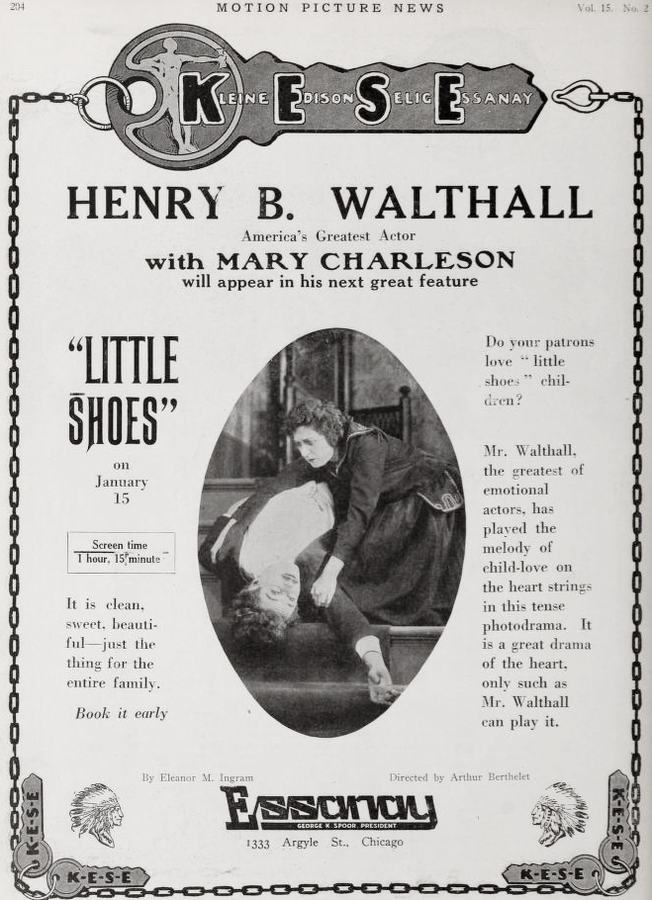
Dir: Arthur Berthelet
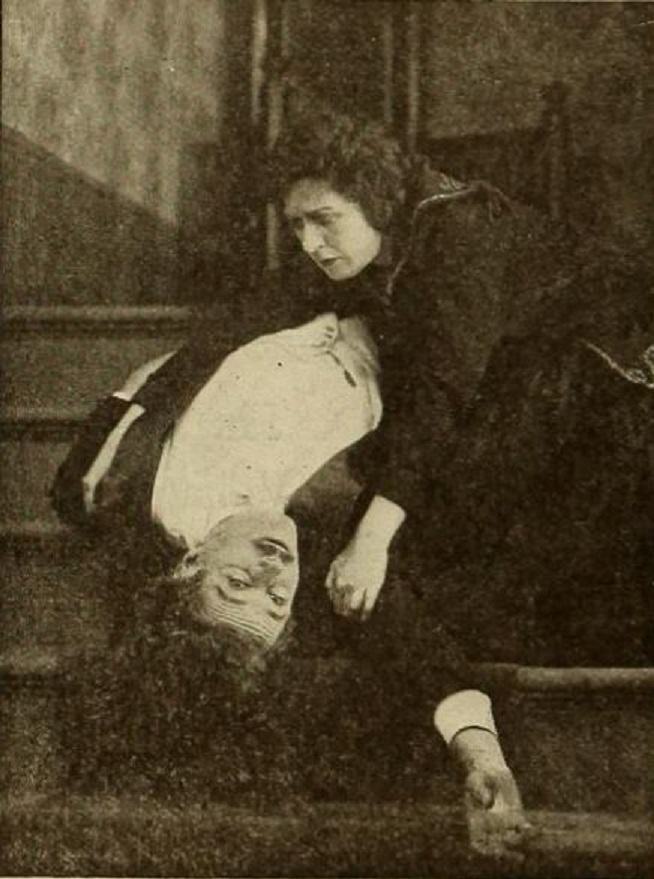
Rosiland, whose papa is rich, first meets David Noel when she is about 10 years old. He is a shivering little beggar boy who is seeking the scant warmth emitted from a sidewalk grating at her home. Rosiland, with childish generosity and sympathy, takes off her shoes and gives them to the beggar boy. Those little shoes were David Noel's guiding light. They spurred ambition in him, the ambition to become rich and then make the pretty little donor his wife. Years pass; the two children see each other no more, and David wins the first step towards his ambition's goal. He becomes rich in Costa Rica. Then he returns to the great city wherein dwelt the girl of the little shoes to achieve the final step. Time has wrought a great change in Rosiland's life: her papa has lost his wealth and she, now grown, faces destitution. Thus David, finding her at last, is enabled to repay twofold the gift of the little shoes. She wins him and his fortune.
View Details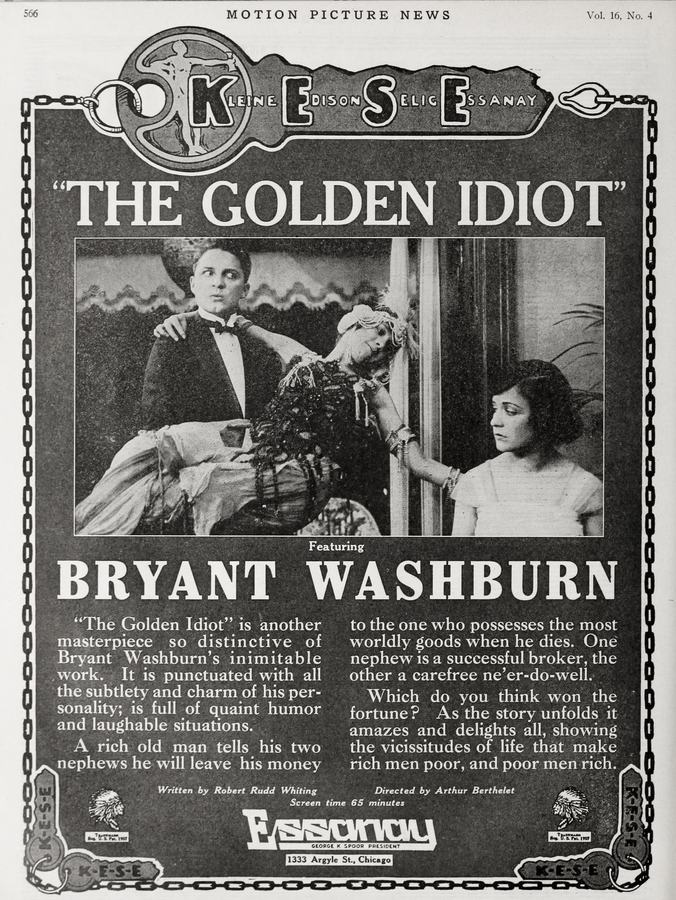
Dir: Arthur Berthelet
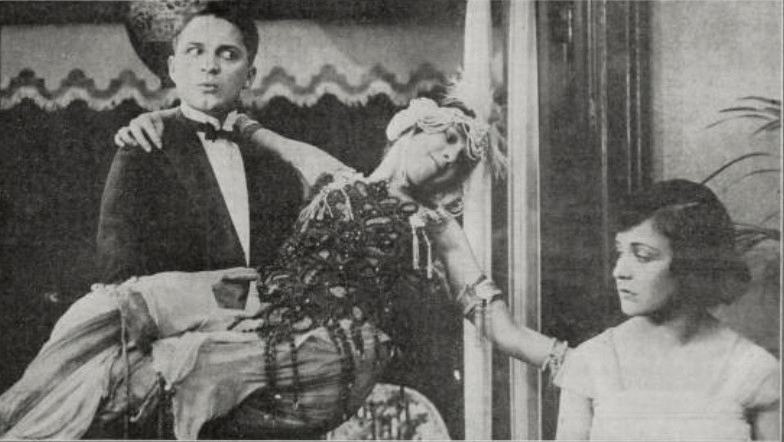
Uncle Woolwich, an eccentric millionaire, wills that his fortune be divided between his nephews, Barry Owen and Walter Woolwich, in proportion to the amount of money that each shall have saved at the time of their uncle's death. Walter, a broker, is prospering while Barry, a reporter, is penniless. With his three-legged dog Pod, Barry starts out to make his fortune. Along the way, he meets Faith Fanshawe, whose car has broken down. Faith gives Barry fifty cents for repairing the machine, and he keeps the money in remembrance of the beautiful girl. Next, Barry meets Jeffery Jarvis, a writer, who gives him shelter. Barry tells the writer his story and Jarvis takes him to his country club. Here Barry again meets Faith and rescues her from drowning. Their friendship grows into love, but Barry is too poor to propose marriage. This situation is remedied when Uncle Woolwich dies at the time when Walter is swamped by the market and is half a million dollars in debt. By the terms of the will, Barry inherits a fortune, and with his new found wealth, marries Faith.
View Details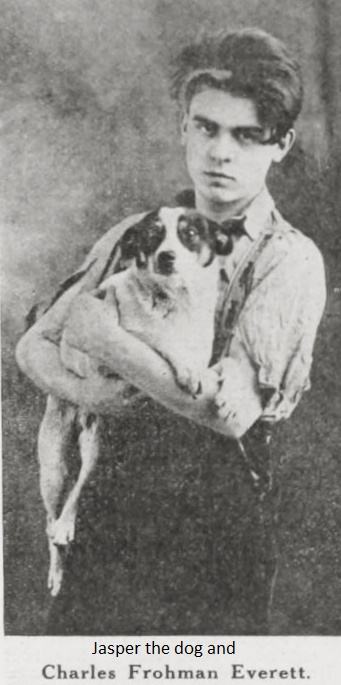
Dir: Arthur Berthelet
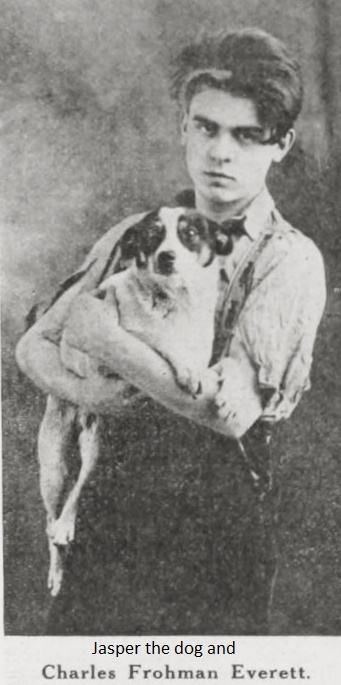
Art and Jasper, a poor American boy and his faithful dog, have only each other in the face of a cruel world, which constantly imperils their liberty. Art's efforts to raise $2 for Jasper's tax brings him into conflict with the law, but he eventually proves his good intentions and finds a loving home with the Dorays.
View Details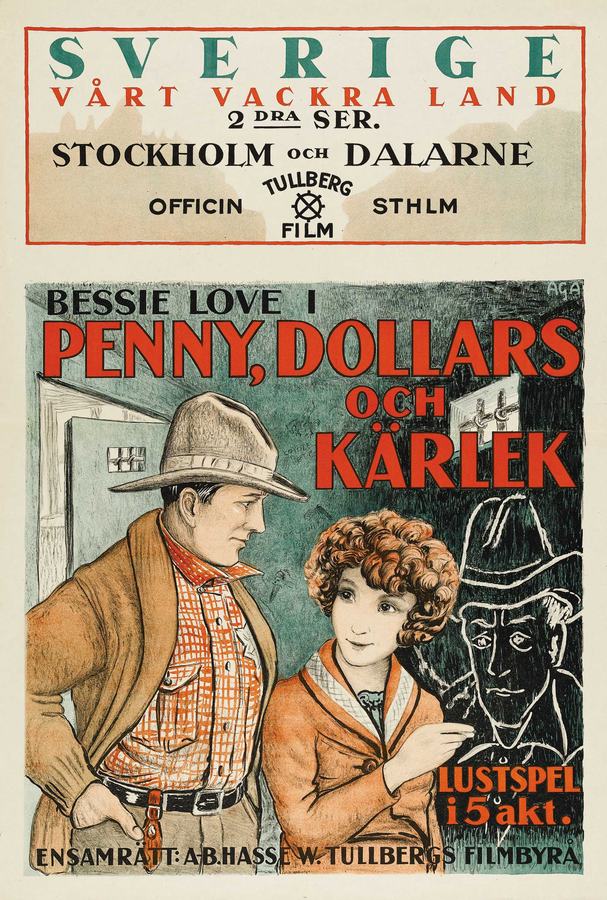
Dir: Arthur Berthelet
Penny arrives by airplane in the neighborhood of the Kingdon ranch. Her behavior is thought suspicious, and she is put in jail, where Kurt Walters, foreman of the ranch and deputy sheriff, recognizes her as a girl his friend Jo met in Chicago who confessed to being a thief. When he enters the cell to talk with Penny, he finds a visitor and orders her to leave, taking Penny, who has promised to go straight, to Mrs. Kingdon. Penny begins to tantalize him and complicates his life with her pranks. But he continues to fall more and more in love with her. A crisis develops when a mysterious stranger and the other girl who was in Penny's cell arrive. It is then revealed that Penny is not a thief but a motion picture star hiding from a manager who wants her to renew her contract. She prefers the golden sand to the silver screen and remains on the ranch with Kurt.
View Details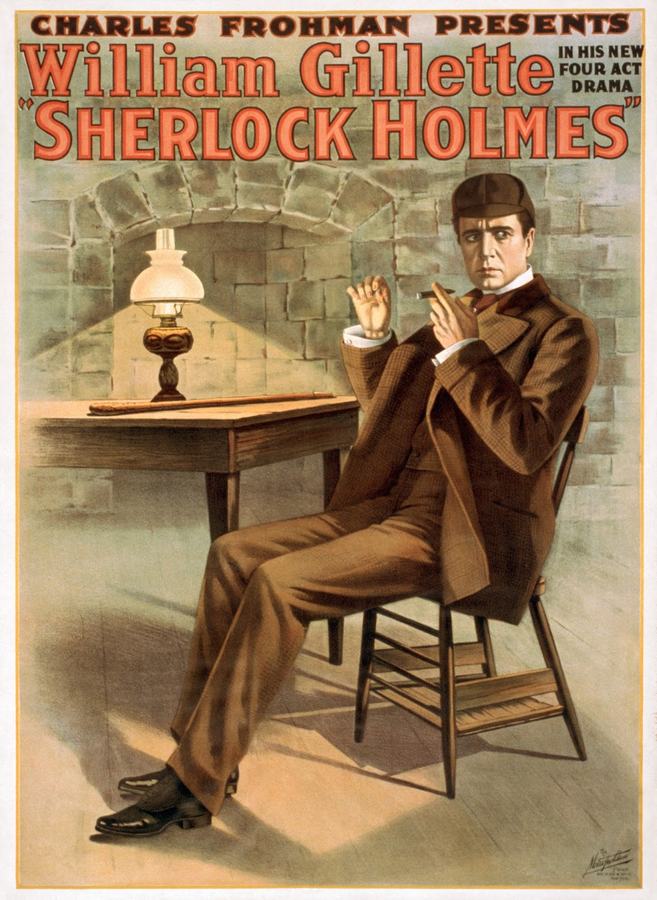
Dir: Arthur Berthelet
When a couple of swindlers hold young Alice Faulkner against her will in order to discover the whereabouts of letters which could spell scandal for the royal family, Sherlock Holmes is on the case.
View Details
Dir: Arthur Berthelet
Richard Craig and Paul Hessert, who work in the same office, are great chums. Both are in love, however, with the stenographer. Craig is successful in winning her heart and they are married. The rivalry does not break the friendship of the two men. Instead Craig is so happy in his new home he invites Hessert to come and live with them. Craig becomes engrossed in his work and fails to see that his wife is lonesome. He stays away from home more and more in the evening and Mrs. Craig is thrown much to the society of Hessert. Finally, a love springs up between the two. Craig is called away from the city on business and his wife finally yields to Hessert's importunities. Craig returns unexpectedly and finds the two together. The wife confesses her love for Hessert and tells her husband to shoot them. He, however, calmly tells her that he will get a divorce so that she can marry Hessert, if they will consent to let him live in the house under the same condition as Hessert had. They agree. Craig then sets about to win back the love of his former wife. He promotes Hessert in the office and throws temptation in his way, believing he will prove himself a scoundrel. Hessert finally steals a large amount of money and is about to flee from the country. Craig tells the woman of his theft but she will not believe it. Just at the moment, however, Hessert enters the house and when confronted by Craig, confesses his guilt. Instead of having him arrested, Craig tells him to go and never to show up again. The wife is overwhelmed with remorse and asks Craig what she can do to atone. He takes her back to the office as his stenographer.
View Details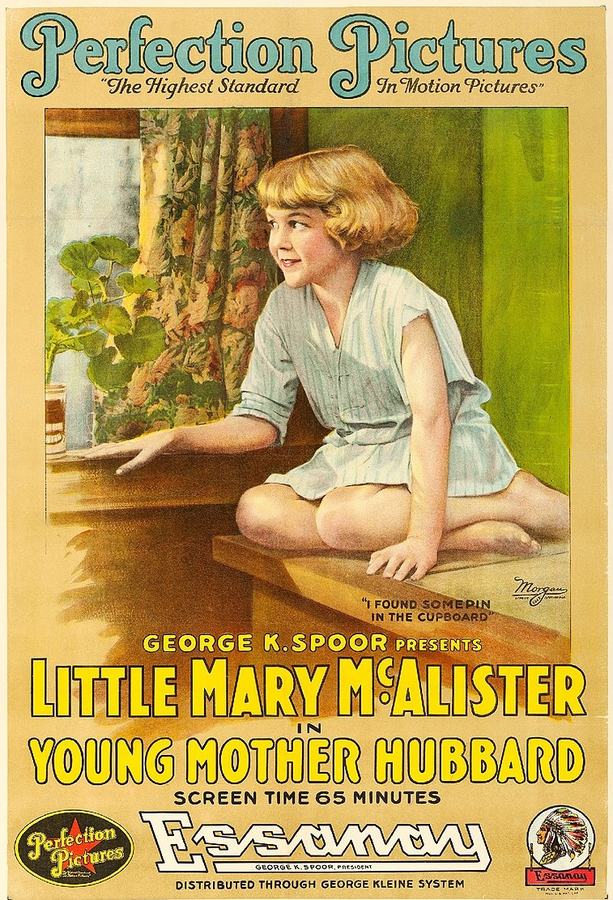
Dir: Arthur Berthelet
Forced by the death of her mother to care for her three brothers and sisters, little Mona Fairfax is known to farmers of her district as Young Mother Hubbard. The children's step-father, heavily in debt and tired of the burden imposed by the little family, abandons his farm, leaving the children, penniless, to shift for themselves. The following day Daniel Banning, a wealthy "country gentleman" and owner of the Fairfax farm, calls to collect back rent. He finds Mona and her children panic-stricken over a note left by their step-father, telling of his decision to leave. Banning turns a deaf ear to Mona's pleas that she be allowed to remain on the farm with her wards. He notifies the Children's Welfare Society. Directors of the society go to the farm, load them into an automobile, and take them to the society's headquarters. At headquarters the chairman calls for volunteers to take the children into their homes. A square-jawed woman, a miserly old man, a brutal fellow, with bull-dog features, and a ponderous, harsh, mannish looking women, each agree to take a child. When it dawns upon Mona and her brothers and sisters that they are to be separated they break into tears and beg piteously to be allowed to remain together. Their pleas are ignored. Finally Mona begs that they be allowed to spend a last night together on the Fairfax farm. The request finally is granted. That night Mona hitches the family horse to a rickety old wagon and the children set out to escape. They fall asleep and the horse stops near Banning's house. The housekeeper takes them in during the master's absence. When Banning returns he is furious. Mona offers him a wisp of flowers, which he scorns. Finally, however, the child's smile wins his heart and he cuddles her. Later when agents of the welfare society try to take the children, Banning drives them from his place, declaring he will adopt Young Mother Hubbard and her entire family.
View Details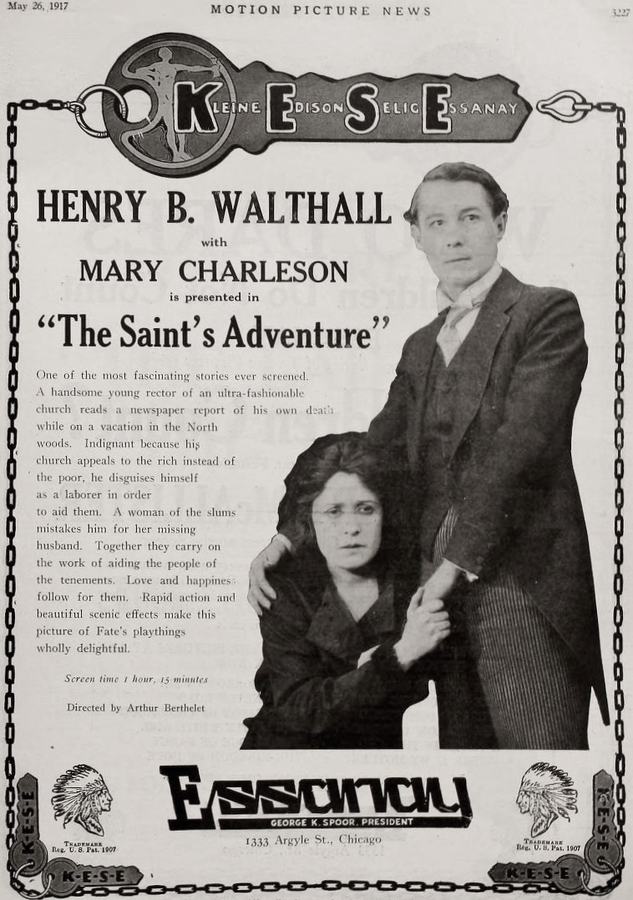
Dir: Arthur Berthelet
Rev. Paul Manson, pastor of St. Mark's Church, is ordered to the country for his health. While he is sojourning in a lumber camp with Wilks, his guide, he reads of his "sudden death" in his home-town newspaper. Rev. Manson has longed to clean up the slums of his city, and decides to return incognito and do so. Upon his return he is met by a street urchin, Sid Farley, who recognizes him as his missing father, Joe Farley. Rev. Manson is recognized by the boy's mother, Mary, also, as her husband, and he does not deny it. Under the guise of Joe Farley, Rev. Manson begins the work of uplifting the slum district. Though he does not live at Mary's home, declaring he is tired of her, Manson gradually recognizes her good impulses and falls in love with her. Manson has just triumphed over an evil political ring in the slums when he is recognized by Mrs. Sewell Wright as the supposedly dead Rev. Manson. But having attained his ambition in the slums he remains there, marrying Mary.
View DetailsAnalysis relative to The Return of Eve
| Film Title | Atmosphere | Complexity | Similarity |
|---|---|---|---|
| The Chaperon | Gothic | Linear | 92% Match |
| The Misleading Lady | Surreal | Dense | 86% Match |
| The Little Shoes | Gritty | Layered | 95% Match |
| The Golden Idiot | Tense | Layered | 85% Match |
| Young America | Tense | High | 91% Match |
This guide was algorithmically generated using the cinematic metadata of Arthur Berthelet's archive. Last updated: 6/25/2026.
Back to The Return of Eve Details →