
DbcultAccessing Vault...
Recommendations
Senior Film Conservator
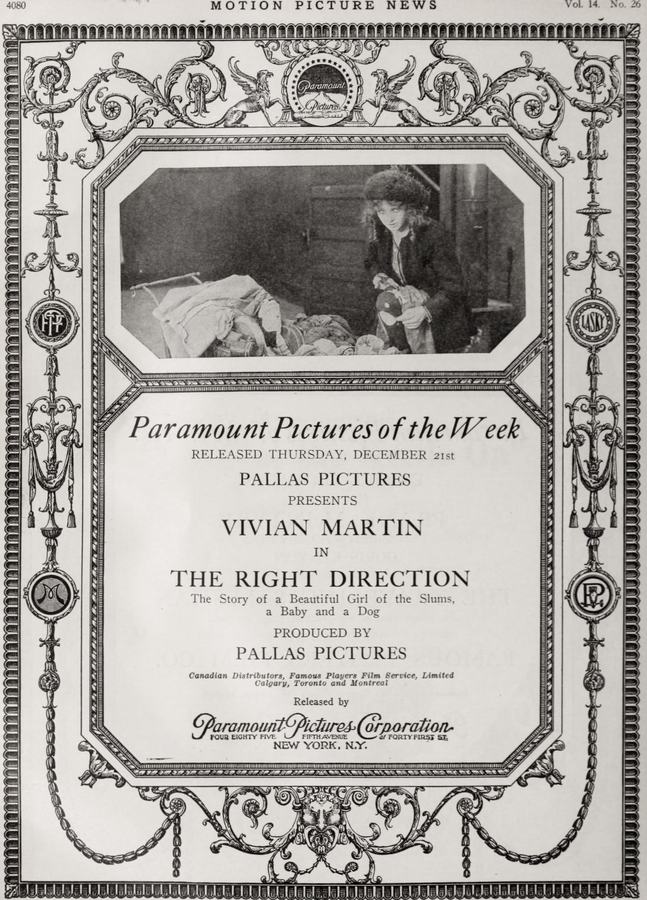
The cinematic DNA of The Right Direction (1916) is truly one of a kind, the search for similar titles reveals the deep impact of E. Mason Hopper's direction. Our cinematic experts have identified several titles that reflect the spirit of 1916.
As a pivotal work in United States cinema, The Right Direction to capture the existential zeitgeist of 1916.
Young Polly Eccles is raising her sickly young brother Billy. When her doctor advises taking Billy away from their dank slum, she packs them both up and they head for California. While hitchhiking there, they are picked up by Kirk Drummond, who just happens to be driving to California himself. Upon their arrival, Kirk's wealthy father John is horrified that he has hooked up with a "lower-class" woman like Polly and does everything he can to make life miserable for her so she will leave. However, an incident occurs at the mine John's father owns that could turn out badly for all concerned.
The influence of E. Mason Hopper in The Right Direction can be felt in the way modern cult films handle cinematic excellence. From the specific lighting choices to the pacing, this 1916 release set a high bar for atmospheric immersion.
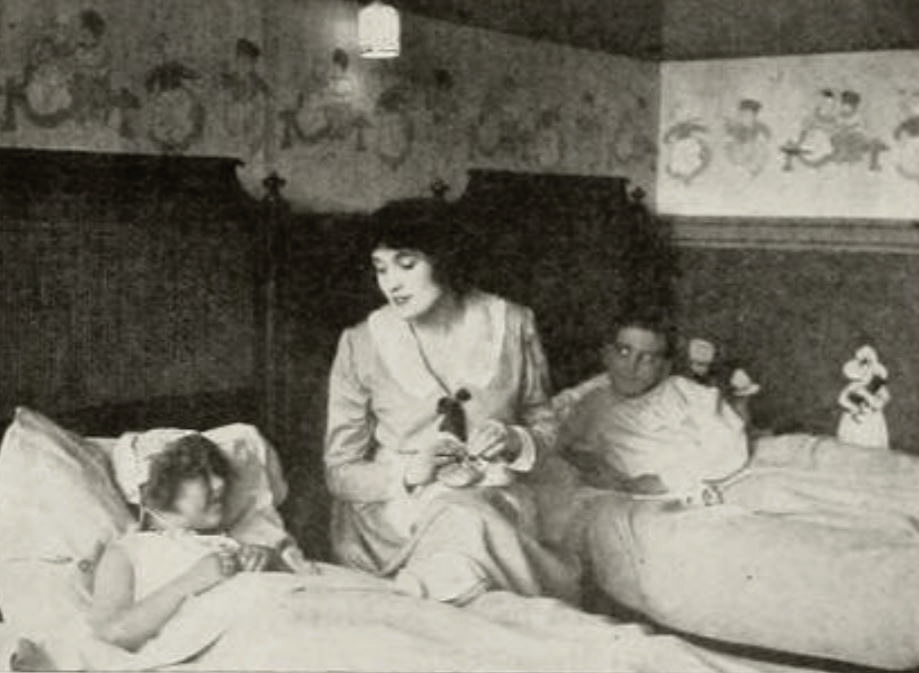
Based on the unique cinematic excellence of The Right Direction, our vault has identified these titles as the most compelling follow-up experiences for fans of cult cinema:
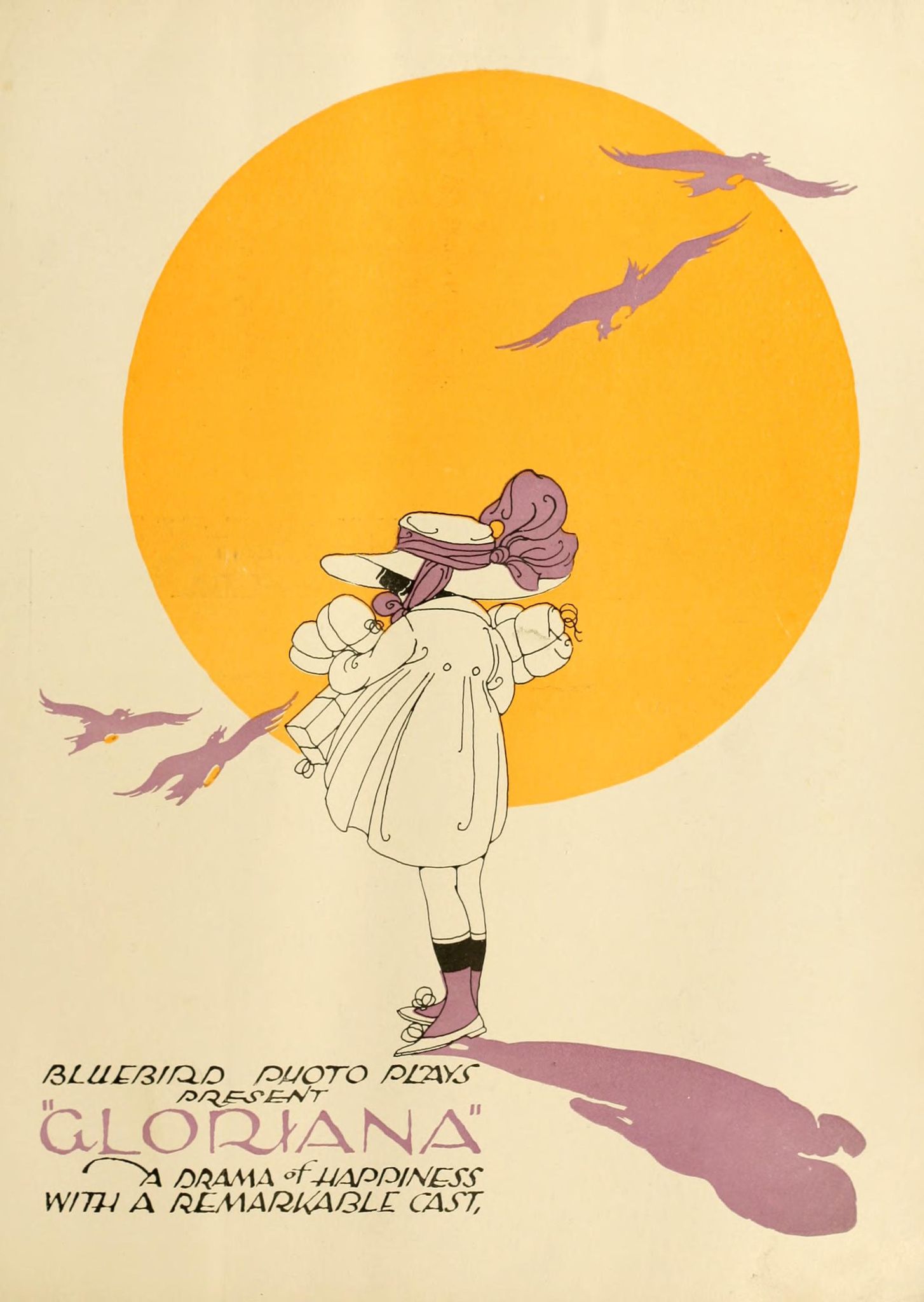
Dir: E. Mason Hopper
Dr. Manning cherishes Gloriana, his newly-adopted young daughter, but Mrs. Manning, who directs overseas charity projects, has as little concern for Gloriana as she does for the poverty-stricken people in her own city. After listening to her new mother philosophize about the importance of charity, Gloriana takes some money from Mrs. Manning's desk and gives it to Miriam, her impoverished governess. Mrs. Manning at first accuses Miriam of theft, but when Gloriana confesses, Mrs. Manning suddenly realizes that she has been blind to the poverty that surrounds her, and she vows to start devoting her energy into helping those who are closer to home.
View Details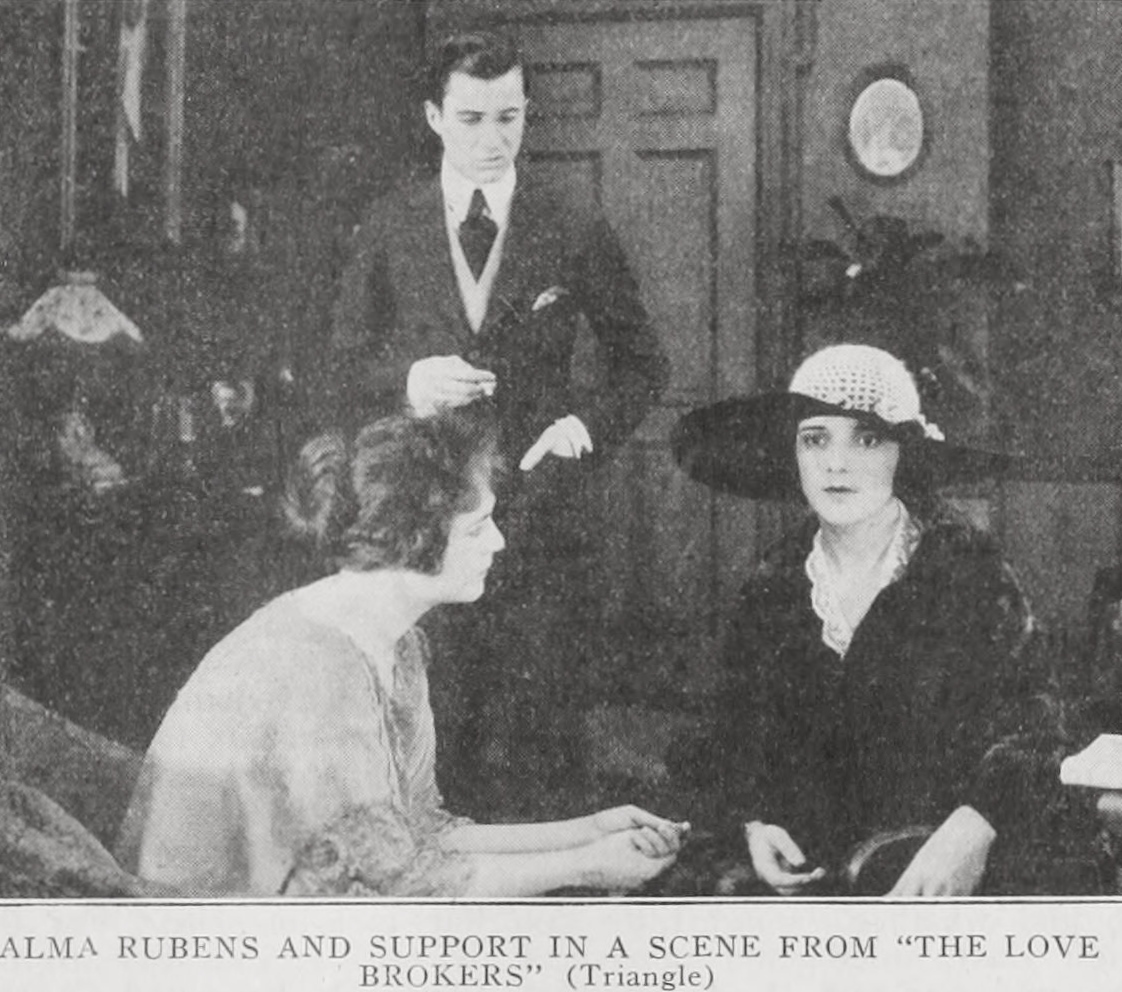
Dir: E. Mason Hopper
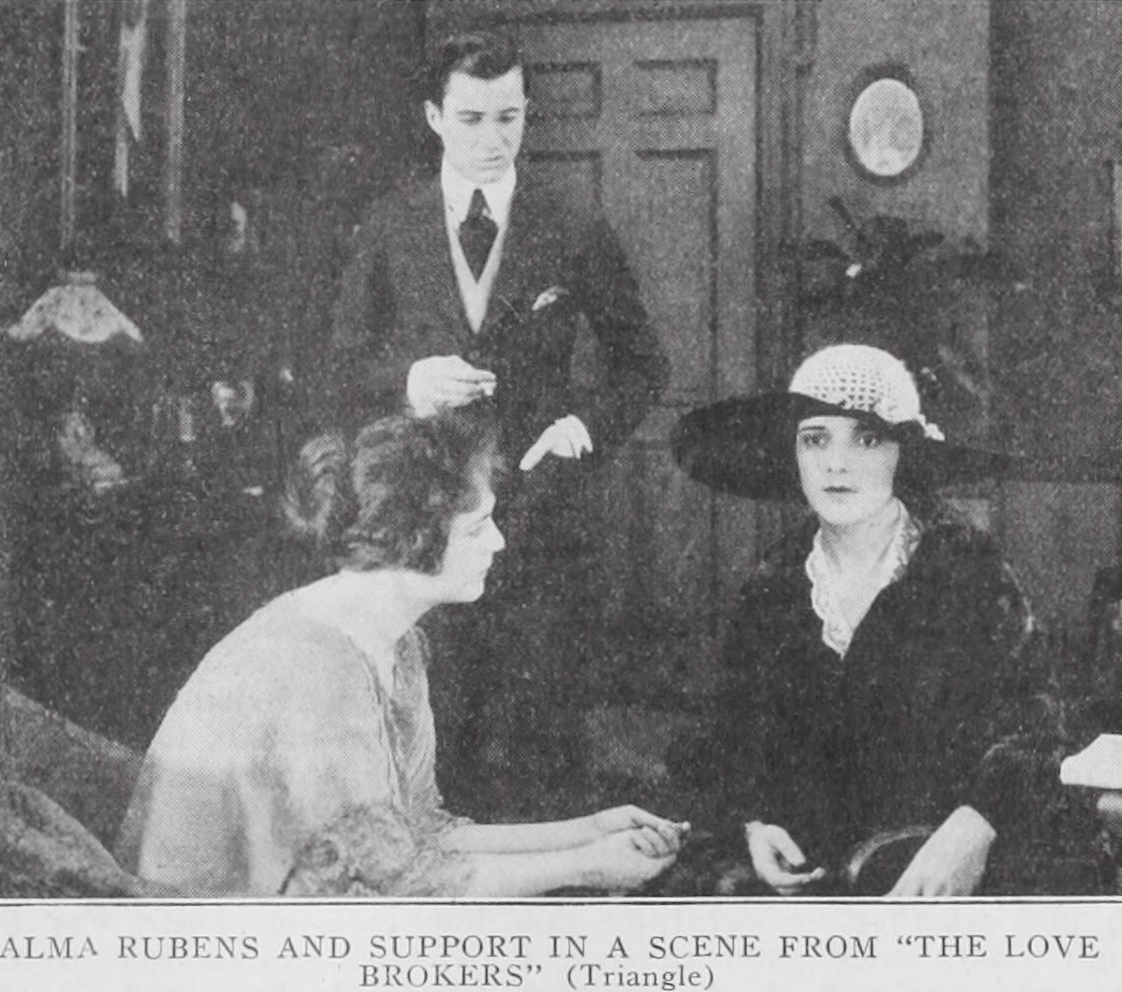
Charlotte Carter, a young songwriter, moves to New York and settles in the city's Bohemian quarter. When Peter Ladislaw, one of her admirers, confesses that he has forged a number of checks and is in danger of arrest, the good-hearted girl promises to help him. Olga Grey, a dishonest schemer, convinces Charlotte to marry wealthy arts patron Gerard Townshend, who has been injured in an auto accident and is near death. Charlotte consents and the two are wed, but following an operation, Gerard recovers. Ashamed, Charlotte confesses that she married Gerard for his money, and he forgives her. Olga and Peter try to frame them for a divorce, but the couple, now deeply in love, rid themselves of the crooks and begin their marriage again.
View Details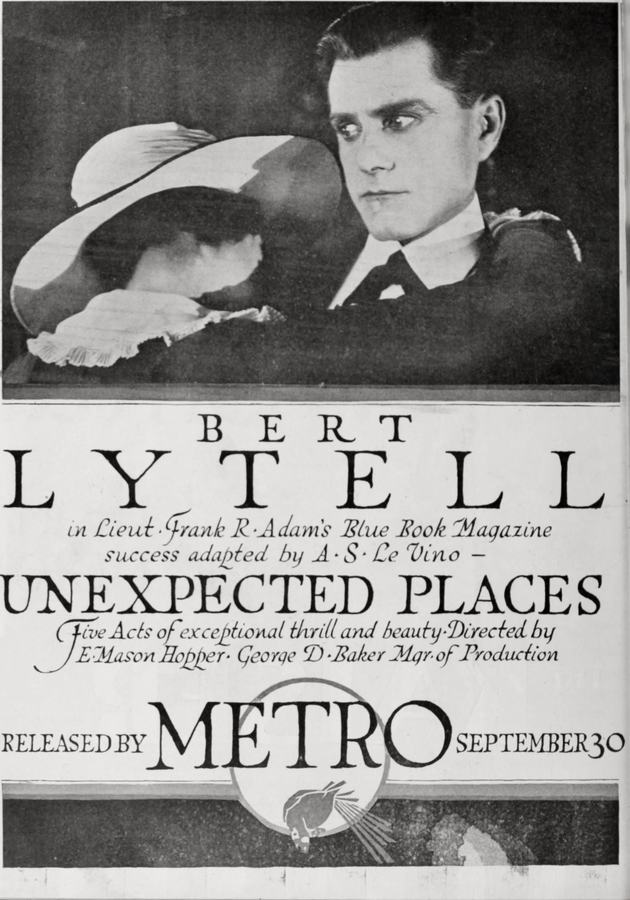
Dir: E. Mason Hopper
The valet of Lord Harold Varden, on a secret mission to our Government, has been murdered. Dick Holloway, a reporter, detailed to the story, calls on Lord Varden just as the latter feels the effects of poison administered to him. He takes the place of the nobleman when his American cousins come for him, and not only saves his lordship's papers, but captures the spies detailed to get them.
View Details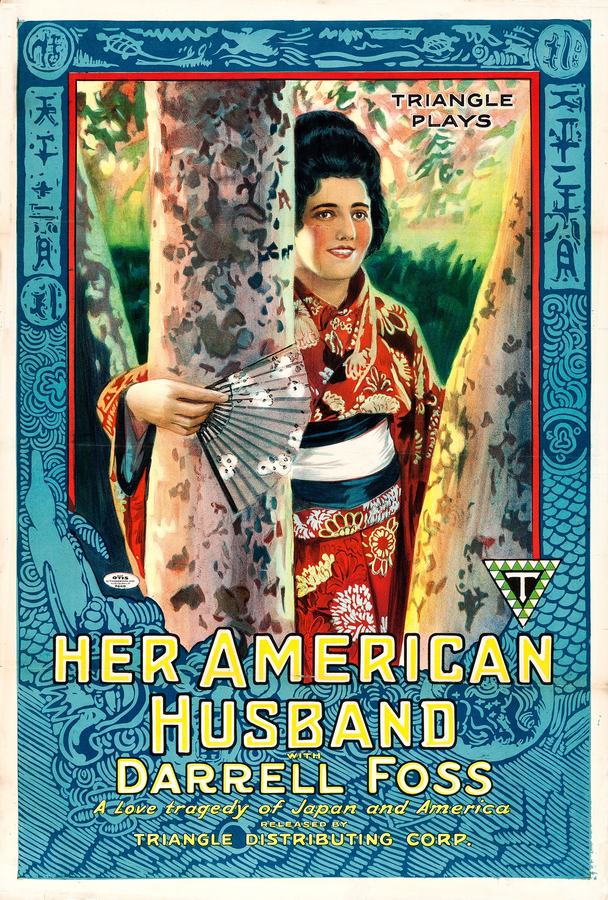
Dir: E. Mason Hopper
The son of a wealthy imported goods dealer, Herbert Franklyn refuses to curb his appetite for gaiety and women after his engagement, with the result that his fiancee, Miriam Faversham, breaks off their relationship. On the firm's annual trip to Japan, Herbert meets Cherry Blossom, whose father Tokimasa wishes her to marry a Westerner. Despite her love for Kato Nakamura, Cherry Blossom complies with her father's wishes and departs for New Rochelle with her new husband. Soon after their arrival, Herbert resumes his old habits, neglecting his lonely bride. Kato has a vision of Cherry Blossom's unhappiness and comes to America with Tokimasa, who strangles Herbert and commits suicide.
View Details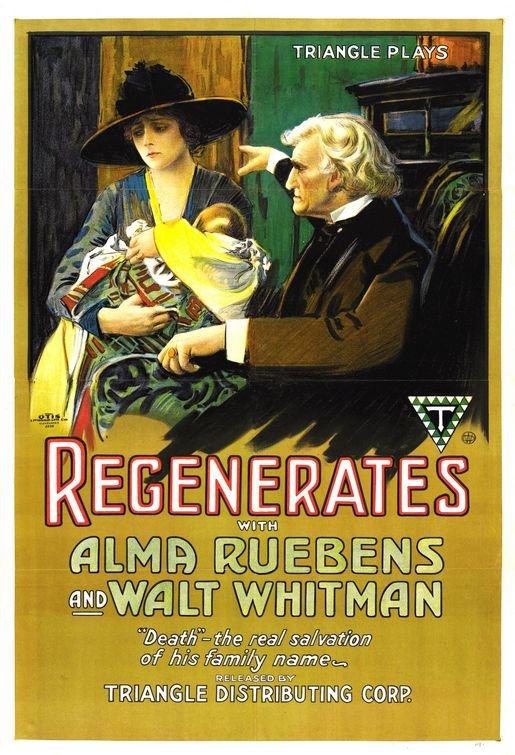
Dir: E. Mason Hopper
Mynderse Van Dyun, a wealthy old New York aristocrat, has one goal in life, to see his granddaughter Catherine and grandson Pell married; for, although they are cousins, the marriage would perpetuate the family name. Catherine, however, is in love with Paul La Farge and detests her drug-addicted cousin, who seduces and then secretly marries her maid, Nora Duffy. After a son is born to Nora, who dies in childbirth, the infant is taken to the Van Dyun house where, only a few days before, Pell, in a dispute involving drugs, had been thrown from a window by his valet and killed. When the old man refuses to acknowledge the child, Catherine and Paul adopt the baby, leave the Van Dyun house and are married. Five years later, Catherine comes to visit the old man with his great-grandson, and, seeing what a fine boy he is, the old aristocrat is forced to admit that the boy is worthy of bearing his name.
View Details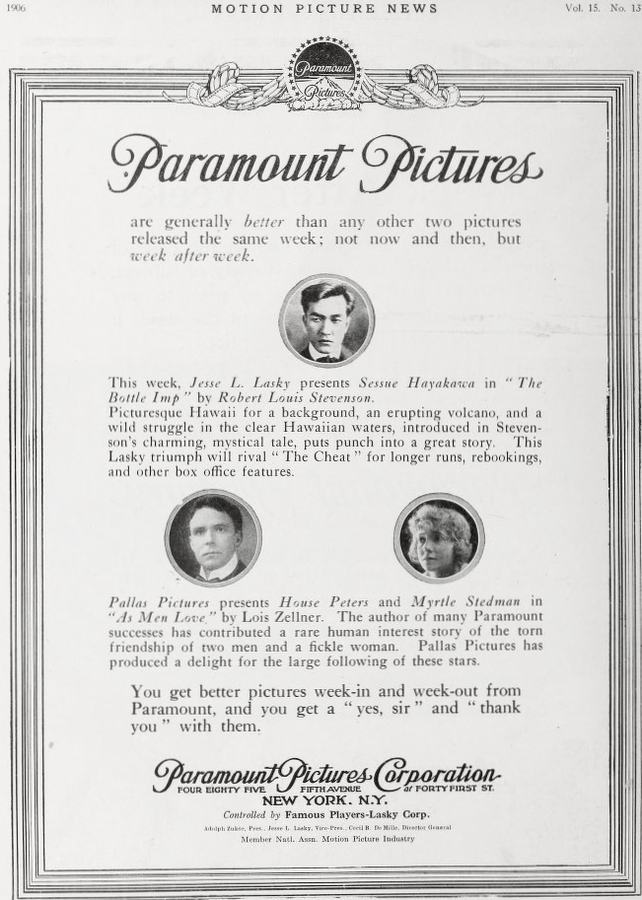
Dir: E. Mason Hopper
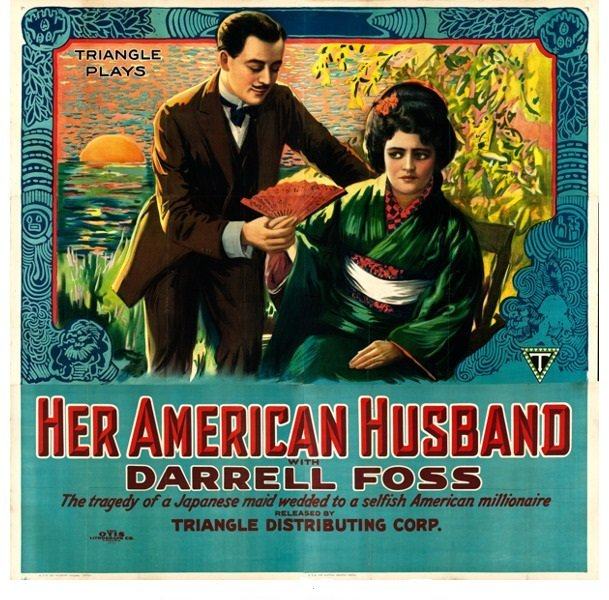
Diana Gordon a socialite, falls madly in love with Dr. Paul Russell, her husband Keith's best friend. Russell, however, is in love with Keith's sister Marjorie, who is spending the winter with the Gordons. Overhearing Russell's proposal to Marjorie, Diana is extremely jealous and when alone with the physician, throws herself into his arms. At that moment, Gordon enters the room, and to protect Diana's reputation, Russell takes the blame and is banished from the house. Sometime later, polio sweeps the city and Russell becomes an expert in treating the disease. The Gordon's young daughter is stricken and Diana summons the physician, but Gordon forbids him to enter their home. In order to save her child, Diana reveals the truth to her husband and sister-in-law. All are then reconciled and the little girl recovers.
View Details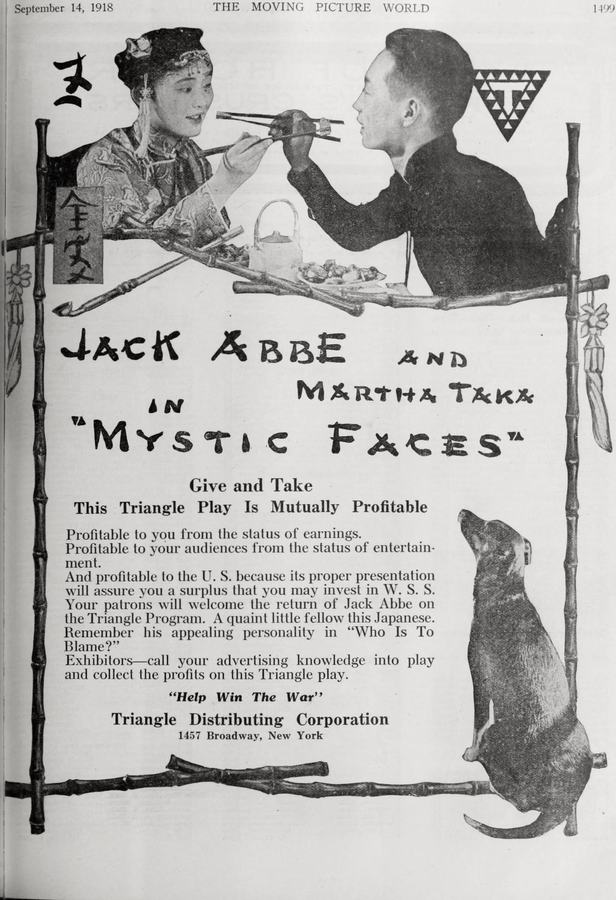
Dir: E. Mason Hopper
Yano is a small delivery boy for his uncle, who keeps a curio shop in Chinatown. His loves are Tama, his sweetheart, and Bengi, his dog. Bengi is seized by dog catchers, but is rescued by Letty Stanford, for which Yano promises his fealty. Later Letty is kidnapped by Germans because of her war activities, and it is Yano who goes to her rescue and gets her free in spite of his diminutive size. The Little Japanese has paid his debt.
View Details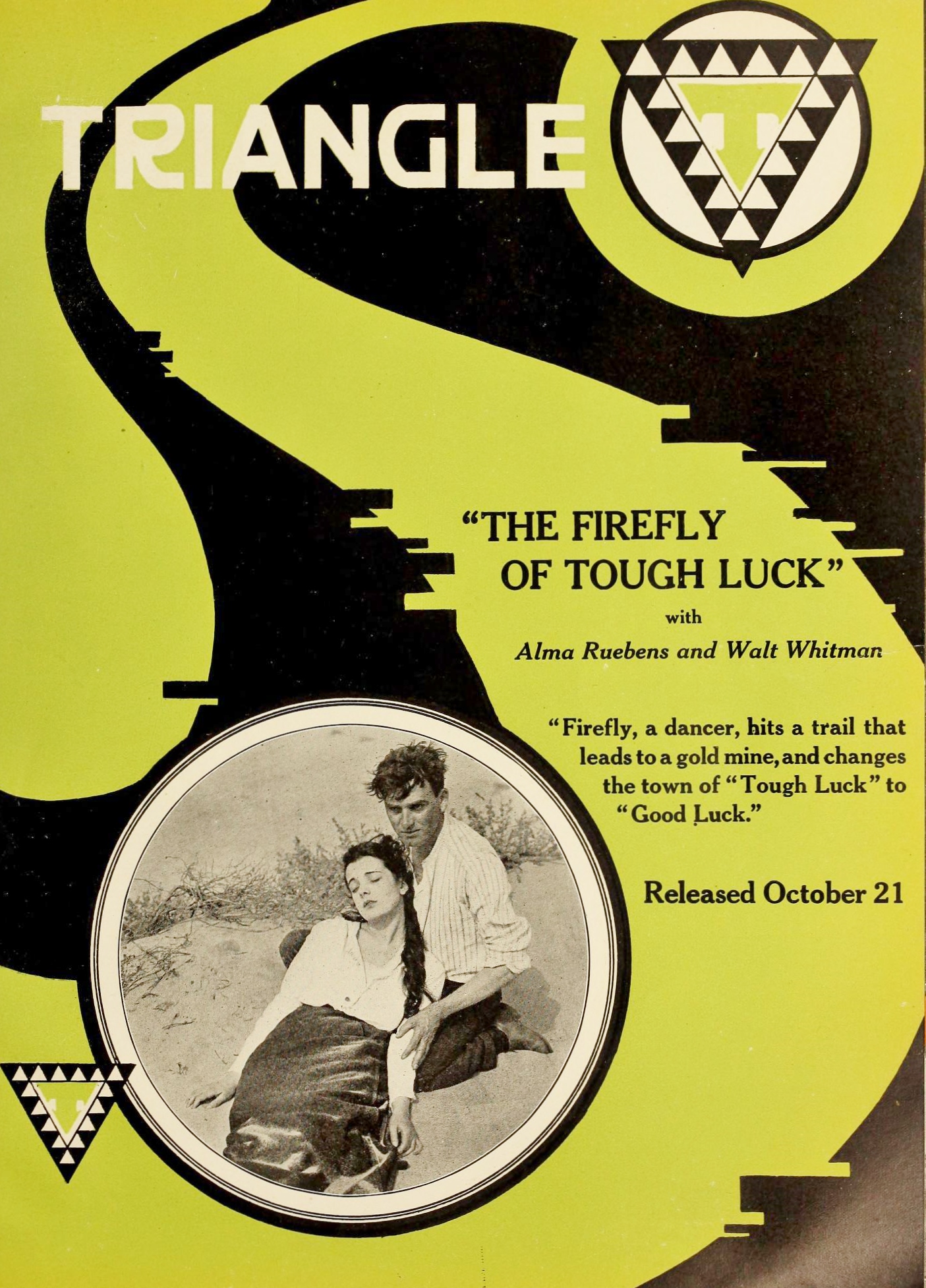
Dir: E. Mason Hopper
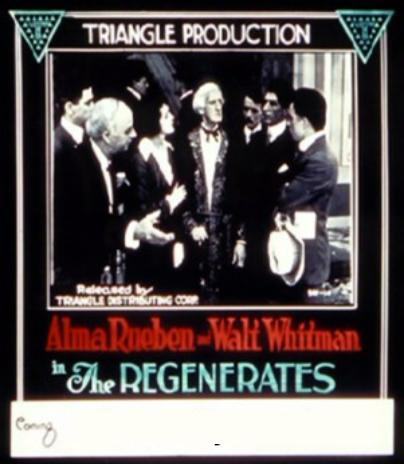
"Tough Luck" Baxter, returning from a prospecting trip, meets Happy Jack Clarke, a former citizen of Baxter City, a boom town which became a ghost town when the gold petered out. A game of cards decides that Clarke will go back to Baxter City with "Tough Luck" in search of ore. Meanwhile, the Firefly, a New York music hall entertainer out of a job, is ordered by her parasitic husband Bert Wilcox to perform at the dance hall in Baxter City. Upon her arrival, she finds the town deserted and strikes out on the open trail. Overcome by the desert, she is rescued and brought back to Baxter City by Danny Ward, a former Yale athlete. Together, "Tough Luck," Clarke, Danny and Firefly organize a family and strike gold. Danny, having fallen in love with Firefly, proposes to her on the very night that her worthless husband comes to town. Wilcox loots the assayer's office, is caught, convicted, and thrown out of town. Out of loyalty, Firefly accompanies him. Danny follows them and finds Firefly abandoned in the desert by Wilcox who has stolen her money and water. Justice is served when Wilcox perishes in a den of rattlesnakes, thus freeing Firefly to return with Danny to Baxter City.
View Details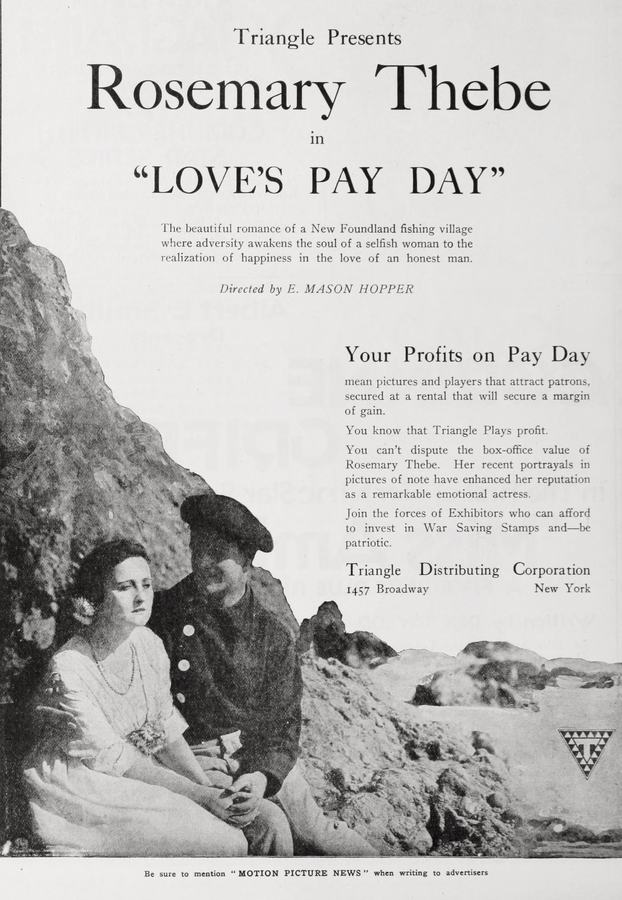
Dir: E. Mason Hopper
Representing a large New York fish packing concern, George Wilton travels to the Newfoundland fishing village of Hearts Desire to purchase a packing plant, but he soon learns that the plant's owner, Jean Laroque, has no intention of selling. Wilton promises Jean's restless young fiancée, Judith Bretans, that he will finance her move to New York City provided she give him the deed to the plant. On the night of the wedding, Judith secures the papers from her new husband, and when Jean realizes that he has lost the plant to Wilton, he denounces Judith and leaves town. As the new owner, Wilton operates the plant with such cruelty that the outraged fishermen decide to revolt and are about to attack the building when Jean appears. Although he succeeds in dispersing the mob, Wilton is killed, and Judith, who has realized her foolishness, is reunited with her husband.
View Details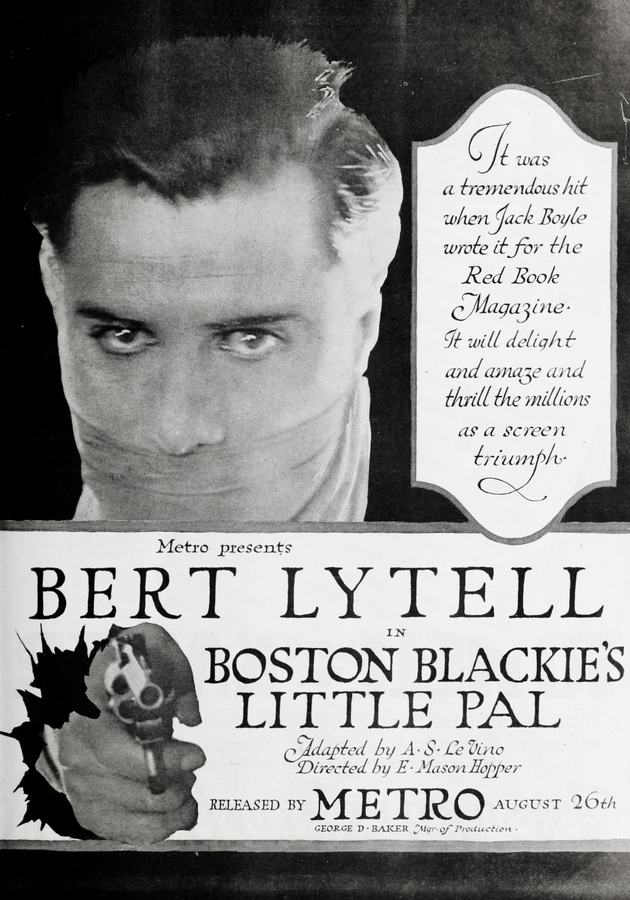
Dir: E. Mason Hopper
Boston Blackie, a gentleman crook, and his accomplice, Mary, plan to rob the Wilmerding mansion while Mr. Wilmerding is out of town. Mary is hired as a nurse to Martin Wilmerding, Jr., and after Mrs. Wilmerding has gone to a ball, she admits Blackie, who starts to open the safe. Just then little Martin enters, and he and Blackie play and become fast friends. Mrs. Wilmerding returns with her lover, Donald Lavalle, and when Blackie overhears their plans to elope together with her jewels, he tricks Donald into giving him the jewels by posing as the jealous husband. Through several telegrams, he effects the reconciliation of his little pal's parents but cannot decide whether or not to return the jewels.
View DetailsAnalysis relative to The Right Direction
| Film Title | Atmosphere | Complexity | Similarity |
|---|---|---|---|
| Gloriana | Ethereal | Layered | 93% Match |
| The Love Brokers | Gothic | Linear | 85% Match |
| Unexpected Places | Tense | Abstract | 92% Match |
| Her American Husband | Gothic | Abstract | 92% Match |
| The Regenerates | Ethereal | Abstract | 87% Match |
This guide was algorithmically generated using the cinematic metadata of E. Mason Hopper's archive. Last updated: 6/27/2026.
Back to The Right Direction Details →